

Pheidole rogeripolita
- Scientific Name
- Pheidole rogeripolita
- Tribe
- Attini
- Subfamily
- Myrmicinae
- Author
- Longino, 2019
- Distribution
- Found in 2 countries
Pheidole rogeripolita Overview
Pheidole rogeripolita is an ant species of the genus Pheidole. It is primarily documented in 2 countries , including Costa Rica, Panama. Detailed taxonomic data and occurrence records can be further explored via authoritative databases such as AntWeb or the Global Biodiversity Information Facility (GBIF).
Pheidole rogeripolita
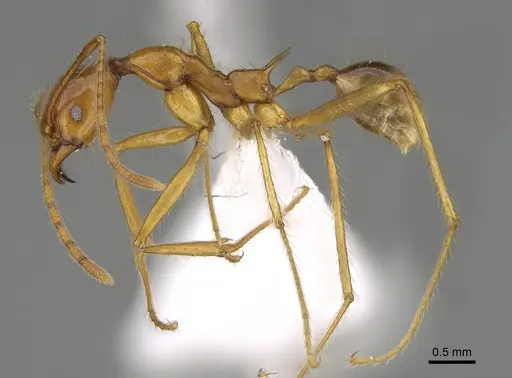
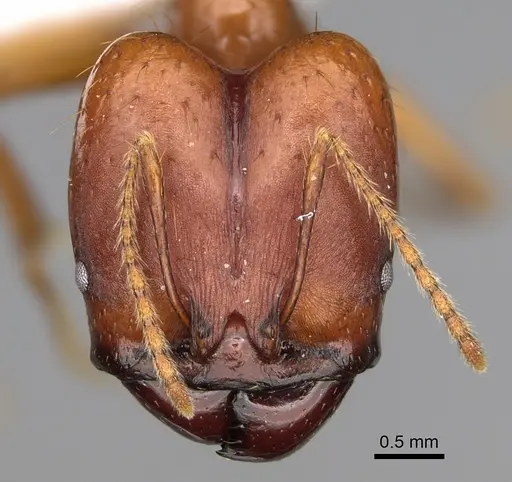
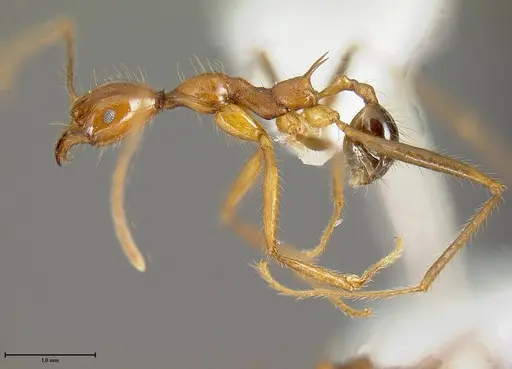
Pheidole rogeripolita is a small ant species native to the lower montane wet forests of Costa Rica, Panama, and Colombia. It was only formally described in 2019 and is actually a montane variant of the widespread lowland species Pheidole rogeri, from which it diverged around 5 million years ago [1]. The minor workers measure about 0.84mm head width and have a distinctive smooth, shiny face that sets them apart from their cousin species. The major workers (soldiers) are significantly larger at around 2.35mm head width and have the typical chunky Pheidole appearance. What makes this species truly unique is that it has a five-segmented antennal club, a feature virtually unknown in New World Pheidole species, making it easily identifiable under a microscope [1].
Quick Summary
- Difficulty: Medium
- Origin & Habitat: Lower montane wet forest in Costa Rica, Panama, and Colombia at elevations of 830-1200m [1]. This is a cloud forest species that thrives in consistently moist, shaded environments.
- Colony Type: Single-queen colonies (monogyne). Nests are founded in soil cavities on vertical clay banks or in abandoned bee nests in tree trunks [2].
- Colony: Monogyne
- Founding: Claustral
- Size & Growth:
- Queen: 2.23mm head width [2]
- Worker: Minor workers 0.84mm, major workers 2.35mm head width [2]
- Colony: Unknown for this specific species, but typical Pheidole colonies can reach several thousand workers
- Growth: Moderate, estimated based on genus patterns
- Development: 6-8 weeks estimated based on typical Pheidole development (Development time is inferred from genus-level data since specific studies are not available for this species)
- Antkeeping:
- Temperature: Keep around 22-26°C. Being a montane species from a wet forest, they prefer stable temperatures in the warm but not hot range. Avoid temperatures above 30°C.
- Humidity: High humidity is essential, think damp forest floor. Keep the nest substrate consistently moist but not waterlogged. Provide a gradient with a moister side and a slightly drier area for the ants to choose.
- Diapause: Unknown, being a tropical montane species, they likely do not require true hibernation but may slow down during dry seasons
- Nesting: In captivity, they do well in naturalistic setups with moist soil or in Y-tong/plaster nests. They naturally nest in clay soil on vertical banks and in tree cavities, so provide chambers they can dig into. A humid environment is critical.
- Behavior: Pheidole species are generally non-aggressive but will defend their nest vigorously. Minor workers forage for food while major workers stay near the nest entrance or inside, ready to defend and process larger food items. They are not known to be particularly escape-prone, but their small size means you should still use good barrier practices. They are primarily seed collectors and protein seekers, typical of the Attini tribe.
- Common Issues: high humidity requirements can lead to mold problems if ventilation is poor, wild-caught colonies may be difficult to establish as they come from a very specific montane habitat, their small size makes minor workers easy to lose if escapes occur, limited availability since the species was only recently described
Housing and Nest Setup
Pheidole rogeripolita does well in naturalistic setups that mimic their natural nesting sites. In the wild, they nest in clay soil on vertical banks or in abandoned bee nests in tree trunks, so consider using a setup with moist soil or a plaster/Y-tong nest with appropriately sized chambers [2]. The chambers should be sized to accommodate both minor and major workers comfortably. Since they come from a montane wet forest environment, humidity control is critical, aim for consistently moist substrate without standing water. A small water reservoir connected to the nest works well to maintain humidity. Avoid letting the nest dry out completely.
Feeding and Diet
Like other Pheidole species, these ants are generalists that collect seeds and protein. In captivity, offer a varied diet including small seeds (millet, sesame), protein sources like small insects (fruit flies, small crickets, mealworms), and occasional sugar water or honey. The major workers will help process larger food items that minor workers bring back to the nest. Feed protein 2-3 times per week and keep a constant sugar source available. Remove uneaten food after 24-48 hours to prevent mold.
Temperature and Seasonal Care
Keep your colony at 22-26°C. This is a montane species from the cloud forests of Costa Rica, so they prefer stable, warm conditions without extreme heat. Room temperature in most homes should work well, but avoid placing the nest near heating elements or in direct sunlight. Since they come from an equatorial region, they likely do not require a true hibernation period, though they may show reduced activity during dry seasons if your region has seasonal changes. Monitor your colony's activity levels and adjust temperature slightly if workers seem sluggish.
Behavior and Colony Dynamics
This species shows the typical Pheidole social structure with distinct minor and major worker castes. Minor workers handle most foraging, brood care, and general nest duties, while major workers (soldiers) specialize in defense and processing large food items. The major workers have the characteristic large heads of Pheidole soldiers, which they use to crack seeds and defend the colony. Queens are claustral founders, they seal themselves in a chamber and raise the first brood alone using stored fat reserves. Once the first workers (nanitics) emerge, the colony grows steadily as the queen focuses solely on egg-laying.
Frequently Asked Questions
How long does it take for Pheidole rogeripolita to raise their first workers?
Based on typical Pheidole development, expect 6-8 weeks from egg to first worker. The exact timeline for this specific species has not been studied, but genus-level data suggests this timeframe at warm room temperatures.
What makes Pheidole rogeripolita different from other Pheidole species?
This species has a unique five-segmented antennal club, which is extremely rare in New World Pheidole. It was only formally described in 2019 and is a montane variant of the lowland species Pheidole rogeri [1].
Can I keep multiple Pheidole rogeripolita queens together?
No, this is a monogyne species with single-queen colonies. Multiple unrelated queens will fight, so only keep one queen per colony.
What humidity level do they need?
High humidity is essential, keep the nest substrate consistently moist but not waterlogged. This is a wet forest species that naturally lives in humid montane conditions.
Are Pheidole rogeripolita good for beginners?
This species is rated as medium difficulty. While not the hardest species to keep, they have specific humidity requirements and are a recently described species with limited availability. They are best suited for keepers who have some experience with Pheidole or other Myrmicinae ants.
When should I move my colony to a formicarium?
Keep colonies in a test tube or starter setup until they have 30-50 workers. Once the colony is established and actively foraging, you can move them to a larger naturalistic setup or formicarium with appropriate chamber sizes.
Where does Pheidole rogeripolita live in the wild?
They are found in the lower montane wet forests of Costa Rica, Panama, and Colombia at elevations between 830-1200 meters. They nest in clay soil on vertical banks or in abandoned bee nests in tree trunks [2][1].
What do Pheidole rogeripolita eat?
They are generalist feeders that accept seeds, small insects, and sugar sources. Offer a varied diet including small seeds, protein like fruit flies or small crickets, and occasional honey or sugar water.
Do they need hibernation or diapause?
Being a tropical montane species, they likely do not require true hibernation. However, if you live in a seasonal climate, they may slow down during winter months. No specific diapause requirements have been documented for this species.
References

This caresheet is licensed under CC BY-SA 4.0 .
CASENT0636564
View on AntWeb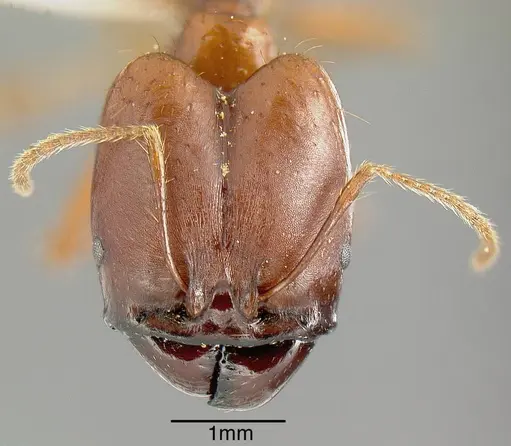
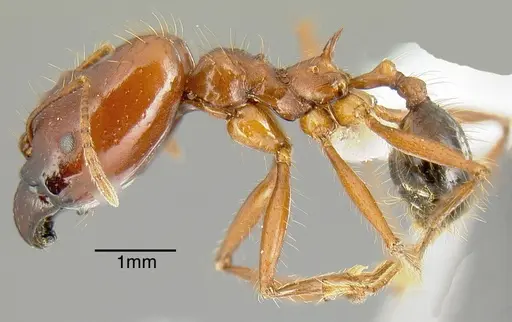
CASENT0646359
View on AntWeb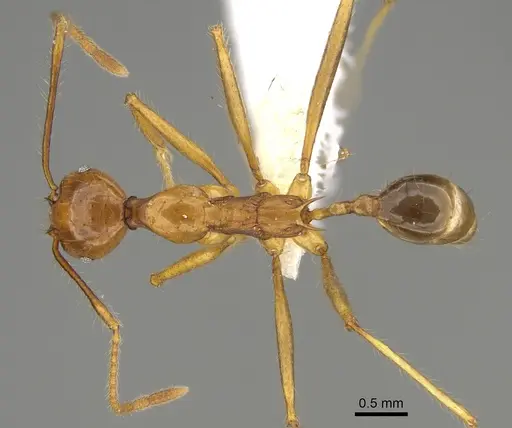
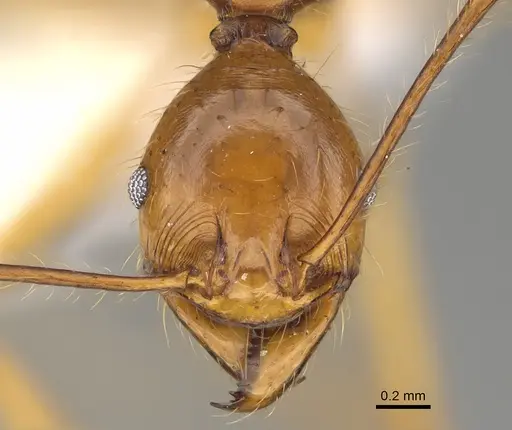
CASENT0646364
View on AntWeb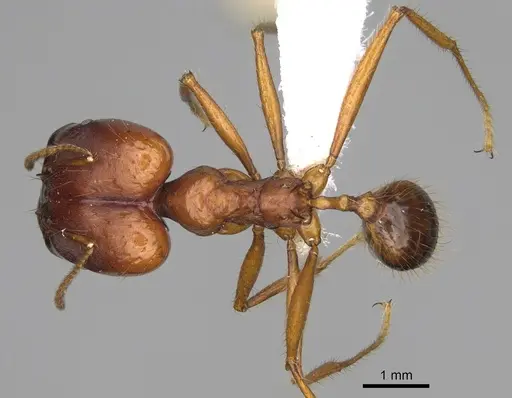
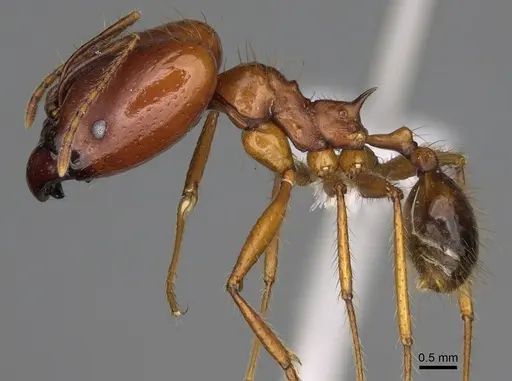
JTLC000006466
View on AntWeb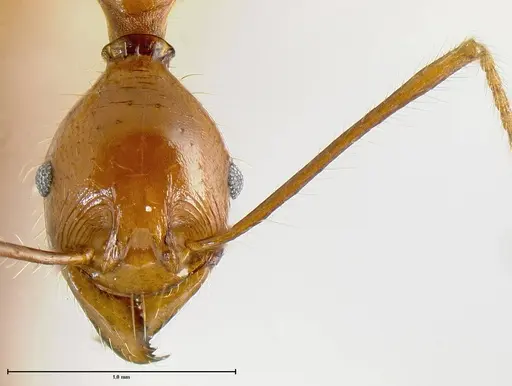
Literature
Loading...Loading products...