

Pheidole rogeri
- Scientific Name
- Pheidole rogeri
- Tribe
- Attini
- Subfamily
- Myrmicinae
- Author
- Emery, 1896
- Distribution
- Found in 3 countries
Pheidole rogeri Overview
Pheidole rogeri is an ant species of the genus Pheidole. It is primarily documented in 3 countries , including Costa Rica, Honduras, Nicaragua. Detailed taxonomic data and occurrence records can be further explored via authoritative databases such as AntWeb or the Global Biodiversity Information Facility (GBIF).
Pheidole rogeri
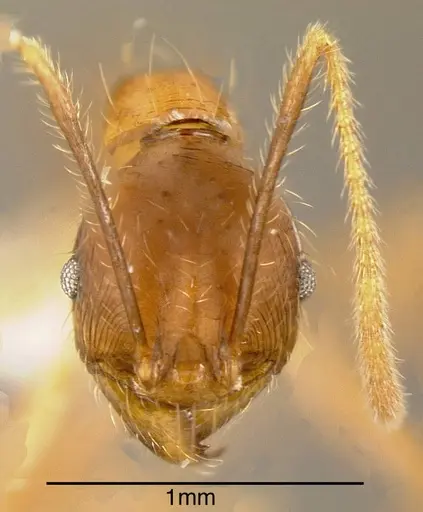
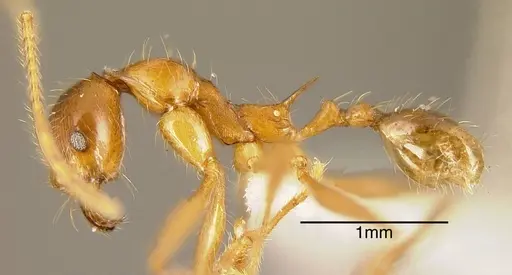
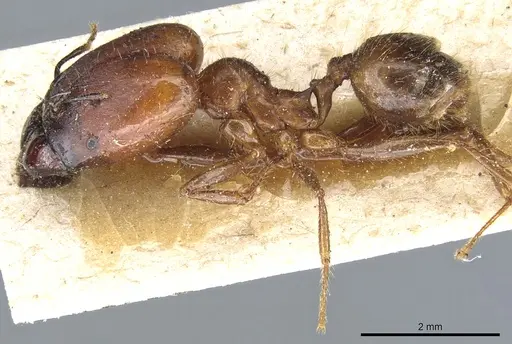
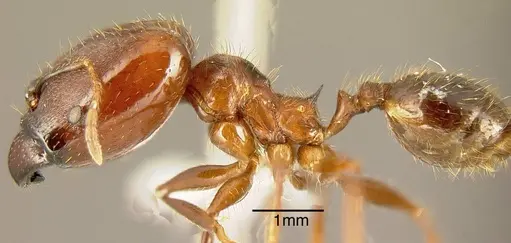
Pheidole rogeri is a large and striking big-headed ant species native to the Neotropical region, found in Costa Rica, Honduras, and recently documented in Colombia. The major workers (soldiers) are remarkably large with a distinctive 'brick red' coloration, a rich light reddish brown that makes them stand out among leaf litter ants. The minor workers are smaller and brownish yellow. Both castes feature extremely long propodeal spines (the spiny projections on their back). This species nests in soil within wet tropical forests, and colonies are notoriously difficult to locate even when the nest is directly exposed [1].
What makes P. rogeri particularly interesting is its remarkable size dimorphism between minor workers and soldiers, the major workers can reach over 2mm in head width, making them among the larger Pheidole species. The species was originally described by Emery in 1896 and later redescribed by Wilson in 2003,who noted the distinctive longitudinal carinae (grooves) covering the upper part of the major's head. This is a ground-nesting species typically found at elevations up to 800 meters on the Atlantic slope of Costa Rica [2][3].
Quick Summary
- Difficulty: Medium
- Origin & Habitat: Neotropical wet forests of Costa Rica, Honduras, and Colombia at elevations up to 800m. Nests in soil in damp, shaded forest floor environments [1][2].
- Colony Type: Monogyne (single queen colony), typical for the genus Pheidole. Queens are larger than workers and establish nests in soil cavities.
- Colony: Monogyne
- Founding: Claustral
- Size & Growth:
- Queen: Estimated 8-10mm based on genus patterns (no direct measurement)
- Worker: Minor workers: 0.68-0.93mm head width, Major workers: 2.40-2.49mm head width [3][1]
- Colony: Estimated several hundred to a few thousand workers based on typical Pheidole colony sizes
- Growth: Moderate, typical for tropical Pheidole species
- Development: Estimated 6-8 weeks at optimal tropical temperatures (25-28°C) (Development time is inferred from related Pheidole species, specific data for P. rogeri is not available)
- Antkeeping:
- Temperature: Keep at 24-28°C (warm tropical conditions). A heating cable on one side of the nest creates a temperature gradient. Room temperature may suffice if your home stays within this range.
- Humidity: High humidity preferred, these are wet forest ants. Keep the nest substrate consistently moist but not waterlogged. Mist occasionally and provide a water tube.
- Diapause: No, as a tropical species, they do not require hibernation. They remain active year-round if kept warm.
- Nesting: Soil-based nests work best for this species. Y-tong (AAC) nests with compact chambers, plaster nests, or naturalistic setups with moist soil all work well. The key is maintaining humidity while providing good drainage.
- Behavior: Pheidole rogeri is a generalist forager with typical Pheidole behavior, majors (soldiers) specialize in seed crushing and defense while minors handle most foraging and brood care. They are not particularly aggressive toward keepers but will defend the nest vigorously. Escape risk is moderate, these are larger ants so standard barriers are usually sufficient, but they can climb smooth surfaces. Watch for escape attempts, especially from the outworld.
- Common Issues: high humidity management, too wet causes mold, too dry stresses the colony, escape prevention, use fluon on rim edges and ensure outworld barriers are secure, slow founding phase, claustral queens may take weeks without visible activity, beginners often disturb them prematurely, feeding imbalance, overfeeding protein can attract pests, too much sugar water can ferment in the outworld, colony stress from disturbance, frequent nest checks during founding can cause queen abandonment
Nest Preferences and Setup
Pheidole rogeri naturally nests in soil within wet tropical forests. In captivity, they adapt well to several nest types. Y-tong (AAC) nests work excellently, the compact chambers mimic their natural soil cavities and allow you to easily monitor the colony. Plaster nests also work well since they hold humidity, though you may need to mist more frequently. For a founding colony, a standard test tube setup with a cotton barrier and water reservoir is sufficient, place it in a dark area and resist the urge to check on the queen daily. Once the colony reaches 20-30 workers, you can transition to a larger formicarium. The key is maintaining consistently moist substrate without creating standing water. A water tube connected to the nest helps maintain humidity levels. Avoid placing the nest in direct sunlight or near heating vents that would cause rapid drying. [3][1]
Feeding and Diet
Pheidole rogeri is a generalist feeder, like most Pheidole species. In the wild, they consume seeds, small insects, and honeydew from aphids. In captivity, offer a varied diet: protein sources like small crickets, mealworms, or fruit flies 2-3 times per week, and a constant sugar source like sugar water, honey, or diluted maple syrup. The major workers (soldiers) have specialized mandibles for crushing seeds, so you can occasionally offer tiny seed pieces, though this is not required. Remove uneaten food after 24-48 hours to prevent mold and pest issues. Fresh water should always be available. A diverse diet promotes healthy brood development, the protein is especially important for the queen and developing larvae.
Temperature and Seasonal Care
As a tropical species from Costa Rica, Pheidole rogeri prefers warm conditions around 24-28°C. They do not require hibernation and remain active year-round when kept at these temperatures. At lower temperatures (below 20°C), colony activity slows significantly and brood development may stall. A heating cable placed on one end of the nest creates a temperature gradient, allowing the ants to self-regulate. Monitor the nest temperature with a thermometer if possible. During the cooler months, ensure your heating setup maintains adequate warmth. Unlike temperate species, these ants do not enter diapause, maintaining consistent warmth year-round is essential for colony health and growth.
Behavior and Colony Dynamics
This species displays the classic Pheidole caste system with distinct major and minor workers. The majors (soldiers) have enlarged heads and specialized mandibles for seed crushing and nest defense, while the smaller minors handle most daily tasks including foraging, brood care, and tunnel maintenance. When threatened, majors will rush to defend the colony entrance. The queen is claustral, she seals herself in a chamber during founding and raises the first brood alone using stored fat reserves. The first workers (nanitics) are smaller than normal workers but quickly begin expanding the colony. Expect the founding phase to last 6-8 weeks before you see the first workers. Once established, colonies grow steadily as the queen continuously lays eggs.
Growth and Development
The development timeline for Pheidole rogeri specifically has not been documented, but based on related tropical Pheidole species, expect approximately 6-8 weeks from egg to first worker at optimal temperatures (25-28°C). The queen lays eggs in batches, and larvae develop through several instars before pupating. The first workers (nanitics) are typically smaller than subsequent workers as the colony prioritizes establishing a functional workforce. Growth rate is moderate, a well-fed colony might reach 100 workers within 6 months to a year, then accelerate as the population increases. Major workers appear as the colony grows, typically when the population reaches several dozen workers. Patience is key during the founding phase, disturbing the queen too frequently can cause stress or abandonment.
Frequently Asked Questions
How long does it take for Pheidole rogeri first workers to emerge?
Expect 6-8 weeks at optimal temperature (25-28°C). The claustral queen seals herself in and raises the first brood alone. Avoid disturbing the nest during this founding phase.
What do Pheidole rogeri ants eat?
They are generalists. Offer protein (small insects like crickets, mealworms, fruit flies) 2-3 times weekly, and a constant sugar source (sugar water, honey, or maple syrup). Remove uneaten food after 24-48 hours.
Do Pheidole rogeri ants need hibernation?
No. As a tropical species from Costa Rica, they do not require hibernation. Keep them warm year-round at 24-28°C for optimal activity and growth.
What size colony does Pheidole rogeri reach?
Based on typical Pheidole patterns, colonies likely reach several hundred to a few thousand workers. Major soldiers appear once the colony is established with several dozen workers.
Are Pheidole rogeri good for beginners?
They are rated Medium difficulty. The main challenges are maintaining high humidity and providing proper nutrition. They are more forgiving than some species but require attention to tropical conditions.
Can I keep multiple Pheidole rogeri queens together?
No. Pheidole rogeri is monogyne, single queen colonies. Combining unrelated queens will result in fighting. Only keep one queen per colony.
What nest type is best for Pheidole rogeri?
Soil-based nests work best. Y-tong (AAC) nests with compact chambers, plaster nests, or naturalistic setups with moist soil all work well. The key is maintaining humidity while ensuring good drainage.
How often should I feed Pheidole rogeri?
Offer protein 2-3 times per week. Keep sugar water or honey available constantly, replacing every few days to prevent fermentation. Remove uneaten prey after 24 hours.
Why is my Pheidole rogeri colony not growing?
Check three things: temperature (should be 24-28°C), humidity (substrate should be moist but not wet), and nutrition (ensure adequate protein and sugar). Slow growth can also simply be natural variation, some colonies grow faster than others.
References

This caresheet is licensed under CC BY-SA 4.0 .
CASENT0628124
View on AntWeb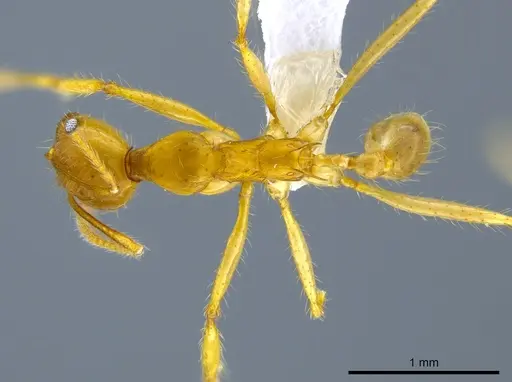
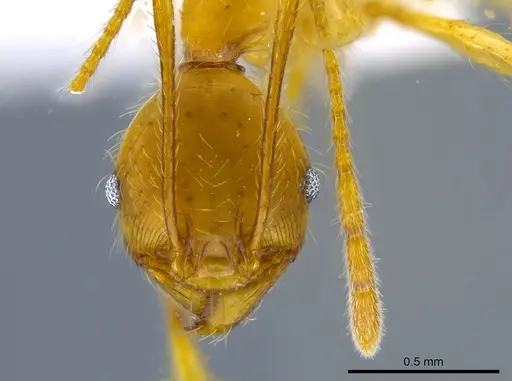
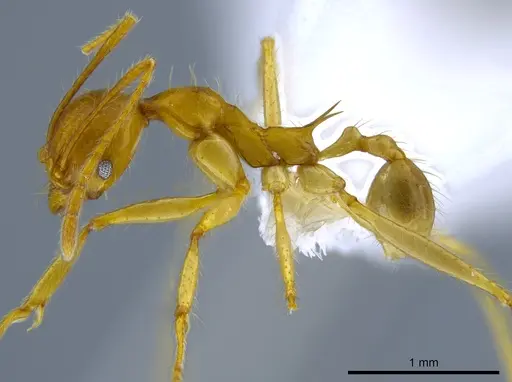
CASENT0635519
View on AntWeb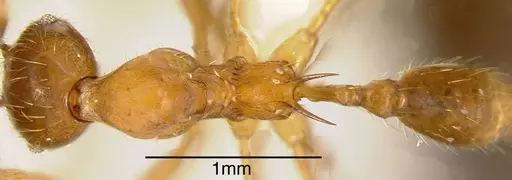
CASENT0904329
View on AntWeb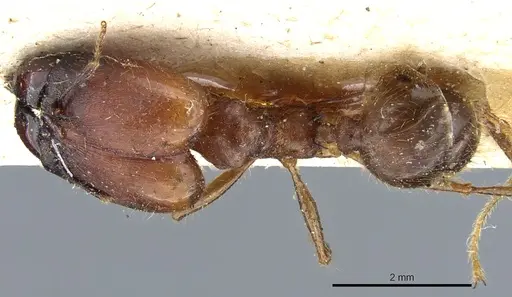
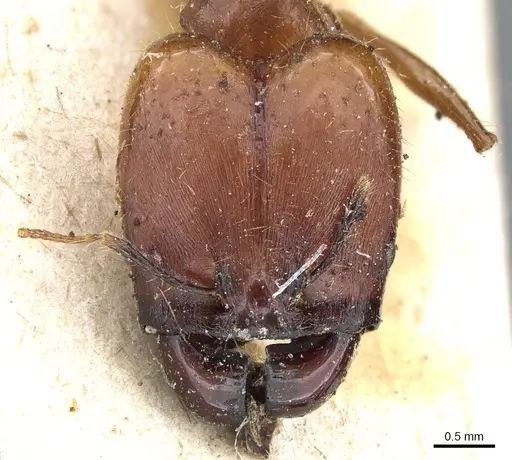
INBIOCRI001282986
View on AntWeb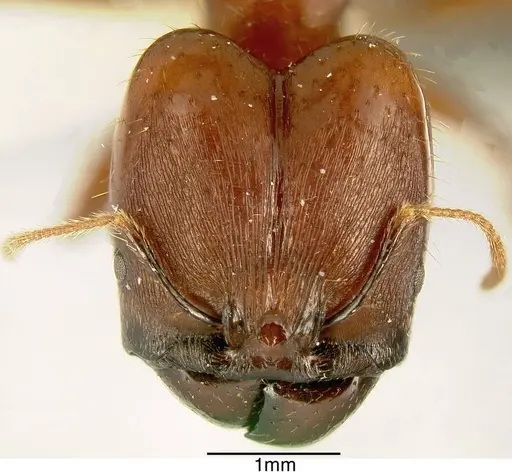
Literature
Loading...Loading products...