

Pheidole puttemansi
- Scientific Name
- Pheidole puttemansi
- Tribe
- Attini
- Subfamily
- Myrmicinae
- Author
- Forel, 1911
- Distribution
- Found in 1 countries
Pheidole puttemansi Overview
Pheidole puttemansi is an ant species of the genus Pheidole. It is primarily documented in 1 countries , including Brazil. Detailed taxonomic data and occurrence records can be further explored via authoritative databases such as AntWeb or the Global Biodiversity Information Facility (GBIF).
Pheidole puttemansi
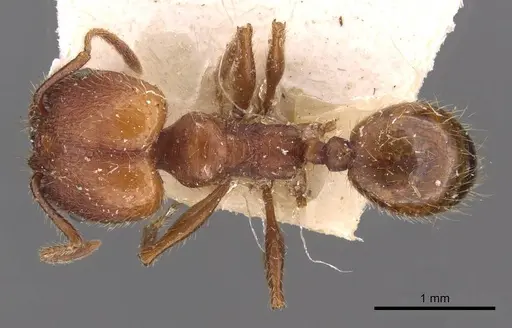
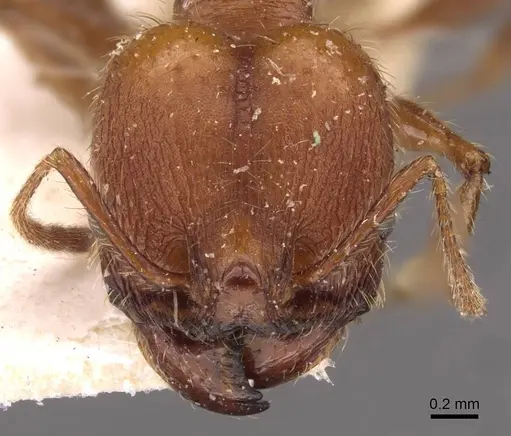
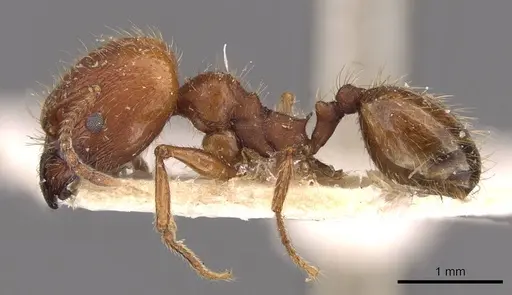
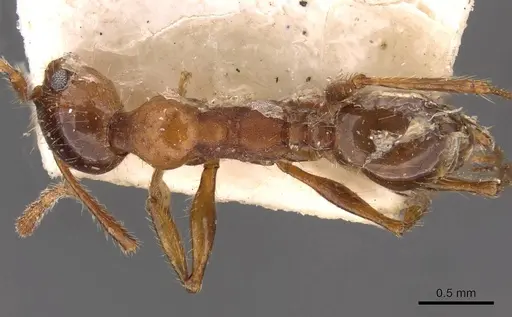
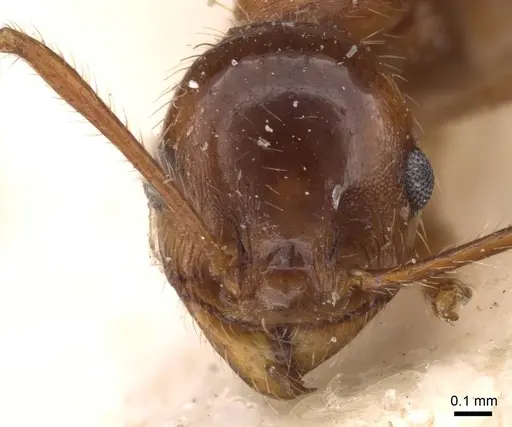
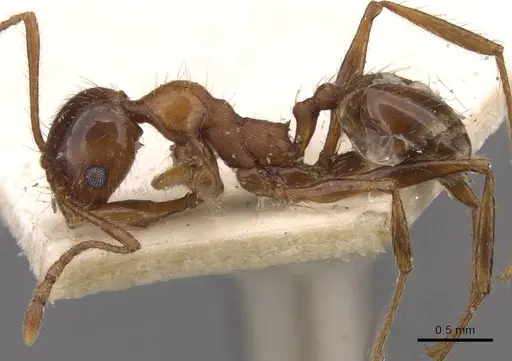
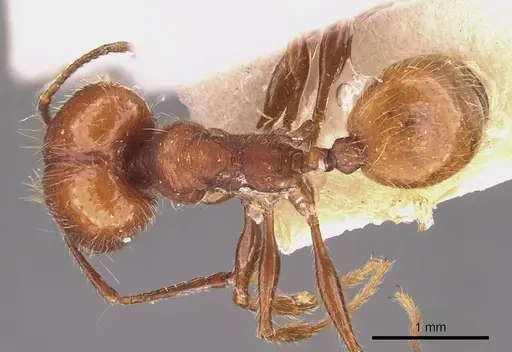
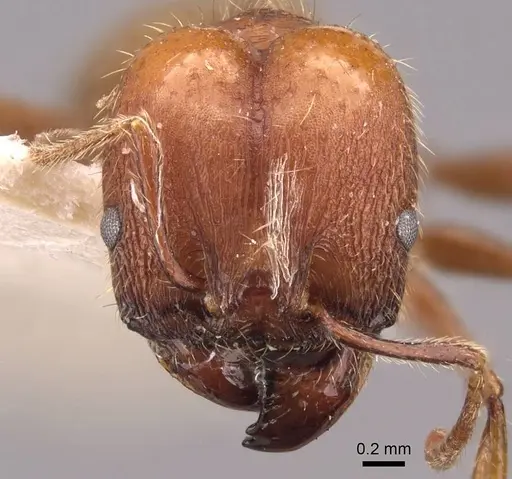
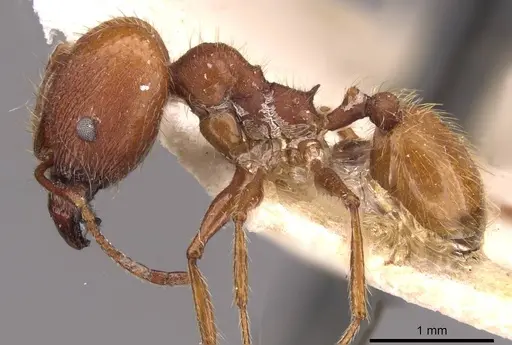
Pheidole puttemansi is a small ant species belonging to the fallax group within the genus Pheidole. Major workers have a head width of 1.56mm and feature a distinctive smooth and shiny posterior section of the head, with the lateral portions showing rugoreticulate sculpturing. The body is a uniform light reddish brown in majors and medium reddish brown in minors. The species was originally described as a subspecies of Pheidole fallax before being elevated to full species status in 2003. It is named after Hubert Puttemans, the collector of the type specimen from Rio de Janeiro, Brazil [1].
This species inhabits the Neotropical region, with documented populations in Brazil (specifically Rio de Janeiro and Pará states), French Guiana, and northern Argentina. Research shows it thrives in Amazonian floodplain forests and agricultural areas like cocoa plantations, where it lives primarily in leaf litter [2][3]. As a tropical litter-dwelling ant, it occupies a ecological niche that makes it well-suited to humid, shaded environments with abundant organic matter.
Quick Summary
- Difficulty: Medium
- Origin & Habitat: Neotropical region, Brazil (Rio de Janeiro, Pará), French Guiana, and northern Argentina. Found in Amazonian floodplain forests and cocoa plantations, living in leaf litter [2][3][1].
- Colony Type: Colony structure is unconfirmed. Most Pheidole species are single-queen (monogyne) colonies, but this has not been directly documented for P. puttemansi.
- Size & Growth:
- Queen: Unknown, no queen measurements available for this species
- Worker: Major workers: 1.56mm head width (HW). Minor worker size unmeasured but typical for genus [1].
- Colony: Unknown, no colony size data available
- Growth: Unknown, no development data exists for this species
- Development: Unconfirmed, no direct development studies exist. Based on typical Pheidole patterns in tropical species, estimate 4-8 weeks at optimal temperature. (This is a rough estimate based on genus-level data. Specific development times for this species have not been studied.)
- Antkeeping:
- Temperature: As a tropical species from Amazonian Brazil, aim for warm conditions around 24-28°C. Room temperature (22-25°C) is likely suitable. Avoid temperatures below 20°C for extended periods.
- Humidity: High humidity is essential, these are litter-dwelling ants from humid tropical forests. Keep nest substrate consistently moist but not waterlogged. Provide a water tube and ensure the nest area maintains humidity above 60%.
- Diapause: Unlikely, as a tropical species from Amazonia, they probably do not require a true diapause. However, they may show reduced activity during cooler periods.
- Nesting: In the wild they live in leaf litter and soil. For captivity, a small test tube setup works well for founding colonies. Once established, a naturalistic setup with moist substrate (like a mixture of soil and organic material) or a small formicarium with tight chambers scaled to their tiny size is appropriate. Avoid large, open spaces.
- Behavior: Behavior is unstudied, but Pheidole species typically have distinct minor and major workers. Minors handle foraging, nursing, and general colony tasks while majors defend the colony and help process large food items. They are likely seed-harvesters and may also consume small insects, typical of the genus. As small ants, they pose minimal sting risk to humans, their stingers are present but too small to penetrate human skin effectively. Escape prevention is important due to their small size, use fine mesh barriers and tight-fitting lids.
- Common Issues: escape prevention is critical, their tiny size means they can squeeze through standard gaps easily, lack of biological data means care is largely inferred from genus patterns, monitor colony behavior and adjust conditions accordingly, wild-caught colonies may carry parasites that can devastate captive colonies, overheating is a risk, keep them warm but avoid direct heat sources that could dry out the nest, poor ventilation can lead to mold growth in the humid conditions they require
Nest Preferences and Housing
In their natural habitat, Pheidole puttemansi lives in leaf litter and upper soil layers of tropical forests. They are not deep-nesting ants but rather occupy the surface and near-surface layers where humidity remains high and organic matter is abundant. For captive care, a simple test tube setup works well for founding colonies, fill a test tube halfway with water, plug with a cotton ball creating a water reservoir, and place the queen in a dark area. The queen will seal herself into a chamber if given soil or a founding chamber.
Once the colony reaches 20-30 workers, you can transition to a small formicarium. A naturalistic setup with a mixture of soil and coco fiber works well, or you can use a small acrylic nest with chambers appropriately sized for their tiny body size. The key is maintaining consistent moisture in the substrate while ensuring good ventilation to prevent mold. Avoid tall, open spaces that can stress these small litter-dwelling ants, they prefer tight, enclosed spaces that mimic their natural leaf litter environment. [1][3]
Feeding and Diet
Pheidole species are typically omnivorous with a strong tendency toward seed harvesting, though they also consume small insects and tend aphids for honeydew. Since specific feeding behavior has not been documented for P. puttemansi, follow typical Pheidole care. Offer a varied diet including small protein sources like fruit flies, tiny crickets, mealworms, or other small insects. Sugar sources are also important, a drop of honey water or sugar water should be accepted.
For minor workers, offer small food items they can handle. Major workers have specialized roles in food processing, they can handle larger items that minors cannot manage. Remove uneaten food after 24-48 hours to prevent mold. Feed protein-rich foods 2-3 times per week, and keep a sugar source available at all times. Observe your colony's preferences and adjust accordingly, some colonies favor certain foods over others.
Temperature and Seasonal Care
As a tropical species from the Amazon basin, P. puttemansi requires warm, stable temperatures. Aim for 24-28°C during the active season. Room temperature in most homes (22-25°C) should be suitable, but monitor colony activity, if workers become sluggish, consider providing gentle warming via a heating cable on one side of the nest. Place the heating element on top of the nest, not underneath, to avoid excessive drying.
Unlike temperate species, this ant likely does not require a true hibernation or diapause period. However, they may naturally reduce activity during cooler months in the wild. In captivity, maintain consistent temperatures year-round. Avoid temperature fluctuations and keep them away from air conditioning vents, drafts, or windows that get cold at night. The key is stability, sudden temperature drops can stress or kill colonies. [2]
Understanding the Knowledge Gap
Pheidole puttemansi is a poorly studied species. The scientific literature provides essentially no biological data, we know only its distribution, physical description, and that it lives in leaf litter in tropical forests. This means much of what we recommend is inference from genus-level knowledge and care of related species.
This has practical implications for keepers. Your observations are valuable, by keeping this species successfully, you contribute to our understanding of their care requirements. Pay attention to how your colony responds to different conditions. If they thrive at a certain temperature or prefer certain foods, this information helps both you and the antkeeping community. The care recommendations here are starting points, not definitive requirements. Adjust based on your specific colony's behavior and needs. [1]
Frequently Asked Questions
How long does it take for Pheidole puttemansi to have first workers?
The exact timeline is unknown, no development studies exist for this species. Based on typical Pheidole patterns for tropical species, expect first workers (nanitics) in approximately 4-8 weeks after the queen lays eggs, assuming optimal temperature around 26°C. The queen is claustral (seals herself in and lives off stored fat), so she does not need to forage during founding.
What do I feed Pheidole puttemansi ants?
Offer a varied diet typical of Pheidole species: small protein sources like fruit flies, tiny crickets, or mealworms 2-3 times per week, and a constant sugar source like honey water or sugar water. They are likely seed-harvesters in the wild, so small seeds may also be accepted. Remove uneaten food after 24-48 hours to prevent mold.
Can I keep multiple Pheidole puttemansi queens together?
The colony structure of this species is unconfirmed. Most Pheidole species are single-queen (monogyne) colonies, but polygyny has not been documented for P. puttemansi. Do not combine unrelated foundress queens, they will likely fight and one will die. If you capture a colony with multiple queens, they may be ergatoid (wingless) replacement reproductives rather than multiple founding queens.
What temperature do Pheidole puttemansi ants need?
As a tropical Amazonian species, keep them warm at 24-28°C. Room temperature (22-25°C) in most homes is likely suitable. Avoid temperatures below 20°C. Use a heating cable on one side of the nest if your room runs cool, placing it on top of the nest to create a gentle warmth without drying out the substrate.
Are Pheidole puttemansi good for beginners?
This species is rated Medium difficulty. While Pheidole in general are hardy and adaptable, this specific species has no documented care history in captivity. The lack of biological data means you are essentially pioneering their care. Experienced antkeepers who can read colony signals and adjust conditions accordingly will have the best success. Beginners may want to start with better-documented species.
When should I move Pheidole puttemansi to a formicarium?
Keep them in a test tube setup through the founding stage and until the colony reaches at least 20-30 workers. Once the colony is established and you see workers regularly foraging in the outworld, you can transition to a small formicarium with moist substrate. Choose a nest with small chambers appropriate for their tiny size.
Do Pheidole puttemansi need hibernation?
Unlikely. As a tropical species from the Amazon basin, they probably do not require a true diapause or hibernation period. Maintain consistent warm temperatures year-round. They may show slightly reduced activity during cooler periods, but this is not a true hibernation.
Why are my Pheidole puttemansi dying?
Common causes include: temperature stress (too cold or too hot/dry), low humidity, mold from poor ventilation or overwatering, escape through tiny gaps, parasites from wild-caught colonies, or starvation. Review your temperature, humidity, and feeding regimen. Since this species is poorly studied, also consider that conditions may not be optimal, observe your colony's behavior and adjust accordingly.
How big do Pheidole puttemansi colonies get?
Colony size is unknown, no published data exists for this species. Most Pheidole colonies grow to several hundred workers, with some species reaching into the thousands. Expect moderate growth over several months to years, depending on conditions and queen fertility.
References

This caresheet is licensed under CC BY-SA 4.0 .
Literature
Loading...Loading products...