

Pheidole punctulata
- Scientific Name
- Pheidole punctulata
- Tribe
- Attini
- Subfamily
- Myrmicinae
- Author
- Mayr, 1866
- Distribution
- Found in 11 countries
Pheidole punctulata Overview
Pheidole punctulata is an ant species of the genus Pheidole. It is primarily documented in 11 countries , including Angola, Botswana, Congo. Detailed taxonomic data and occurrence records can be further explored via authoritative databases such as AntWeb or the Global Biodiversity Information Facility (GBIF).
Pheidole punctulata
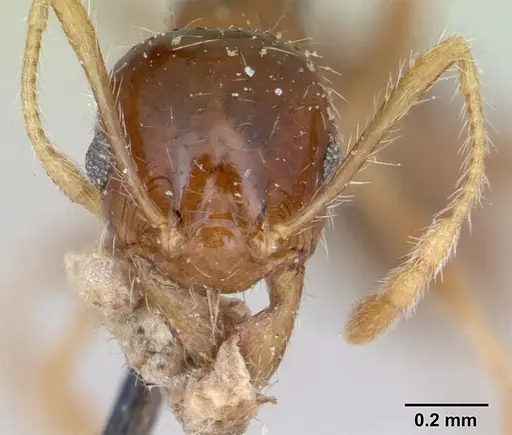
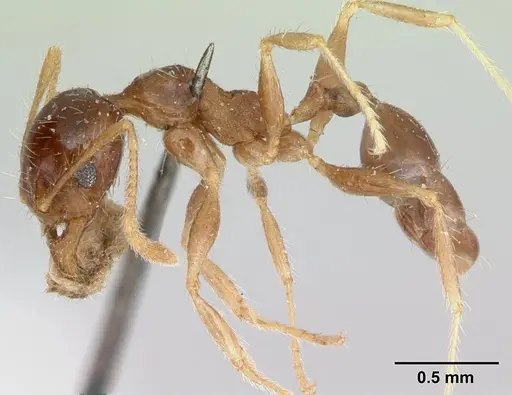
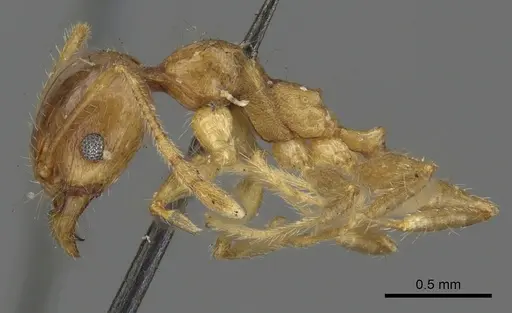
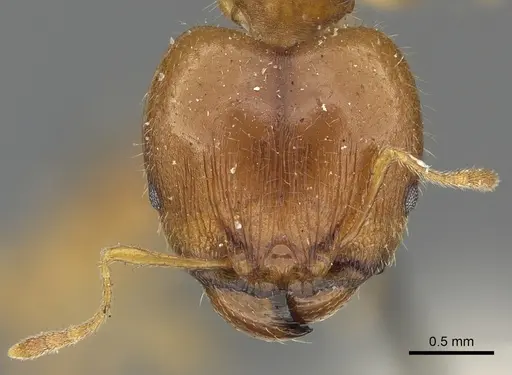
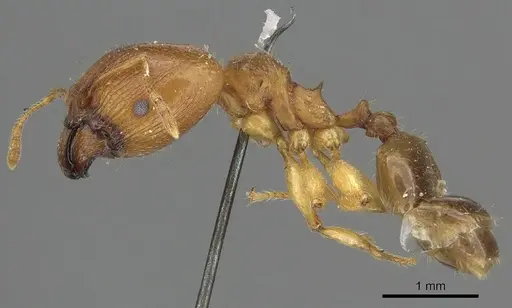
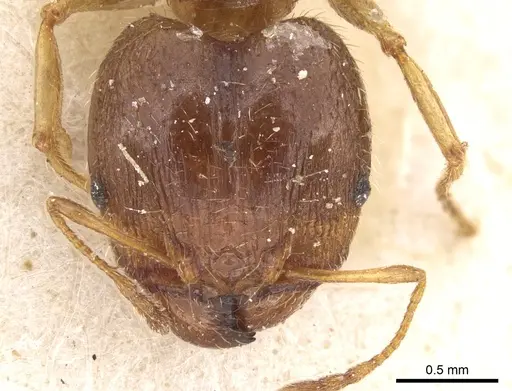
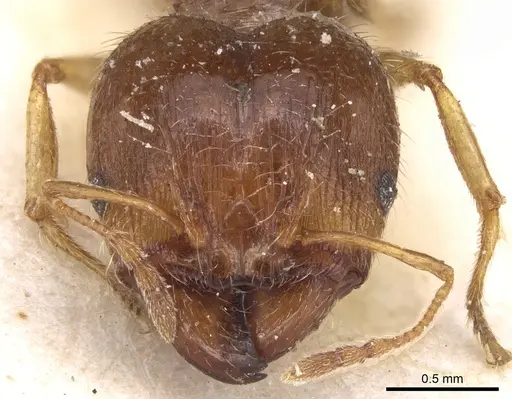
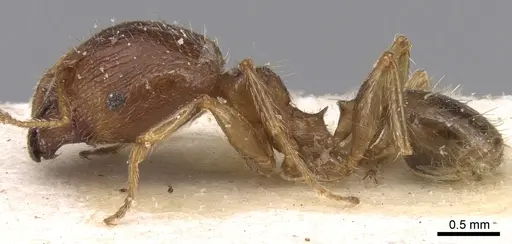
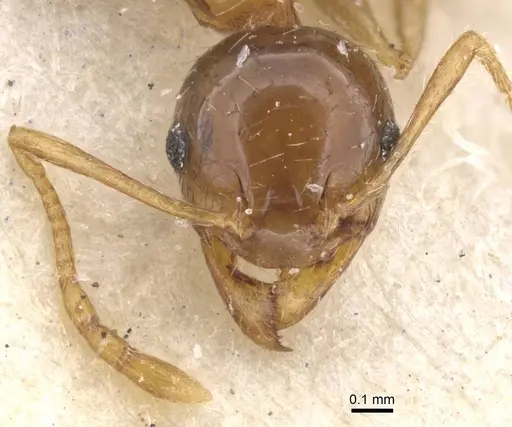
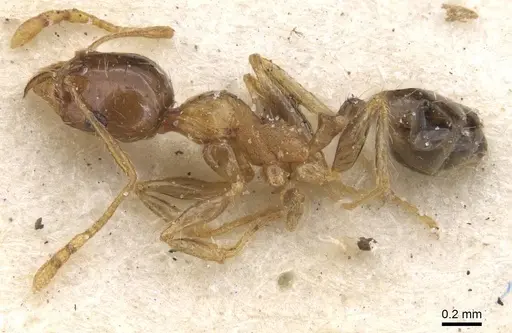
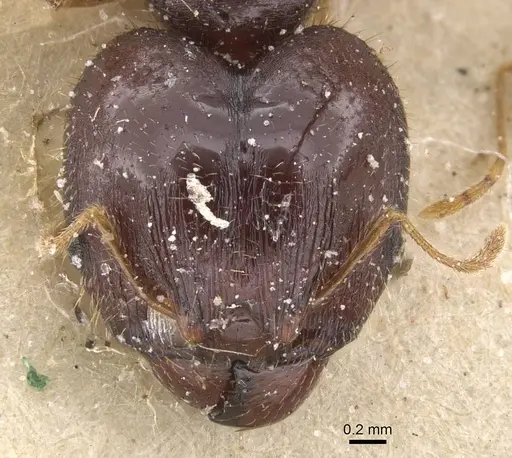
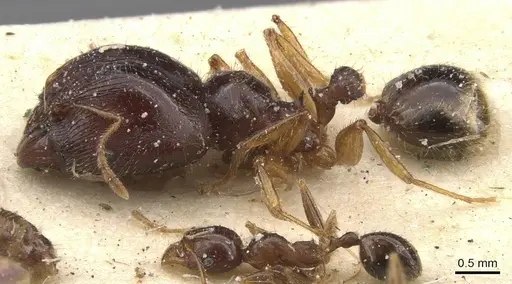
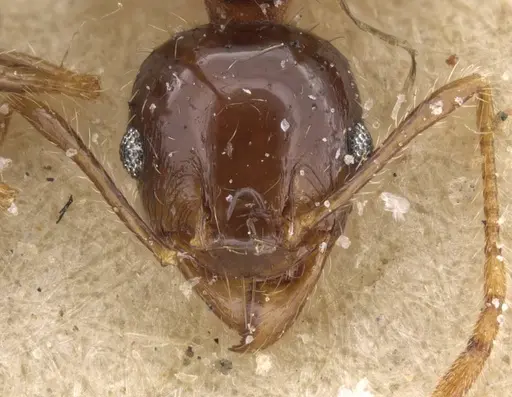
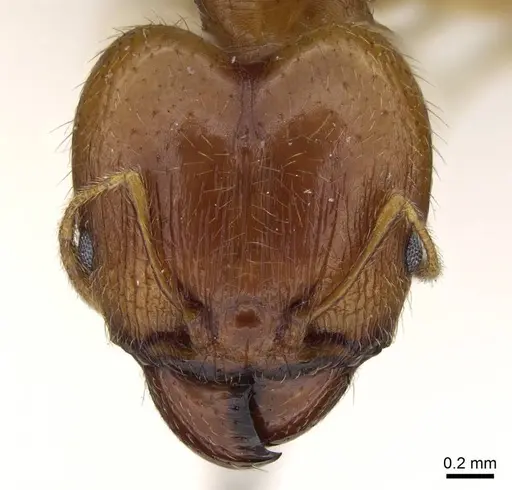
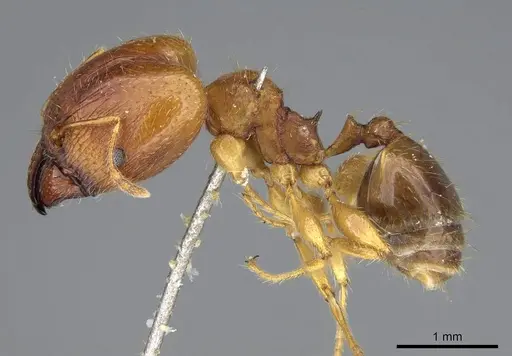
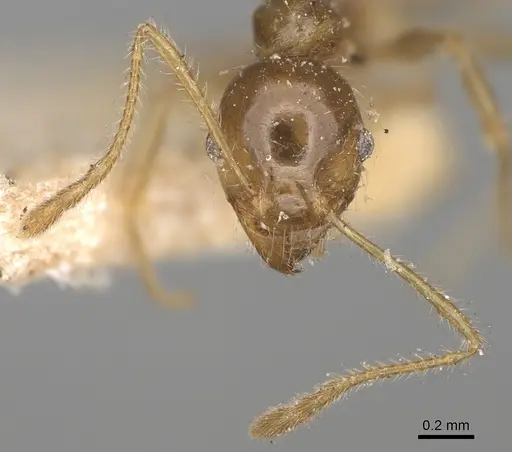
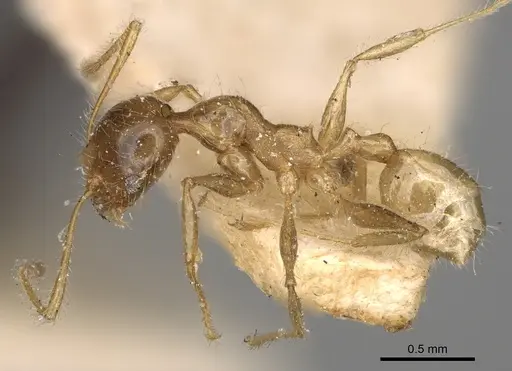
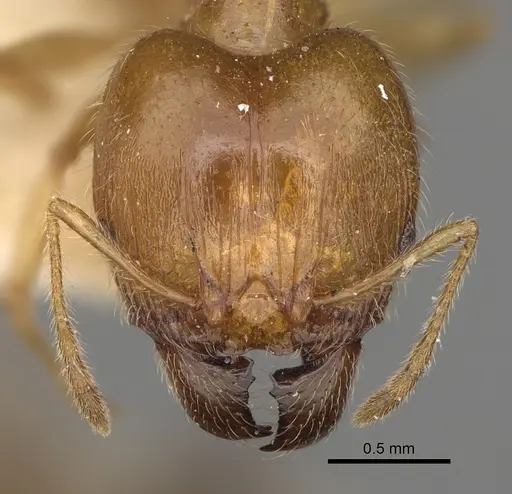
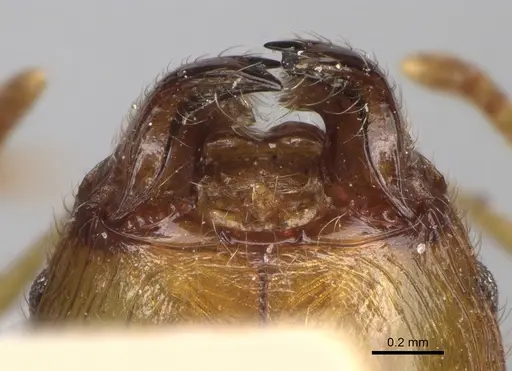
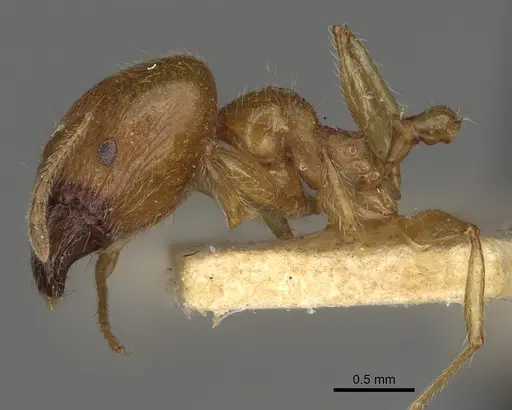
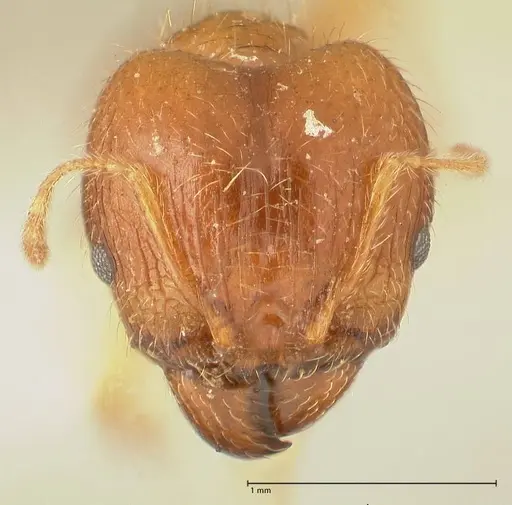
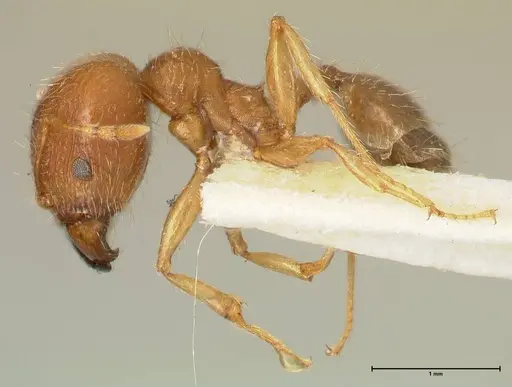
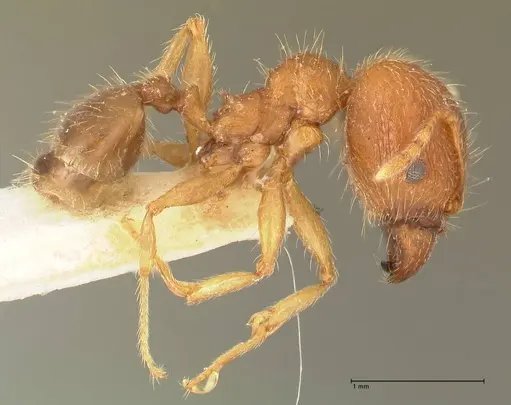
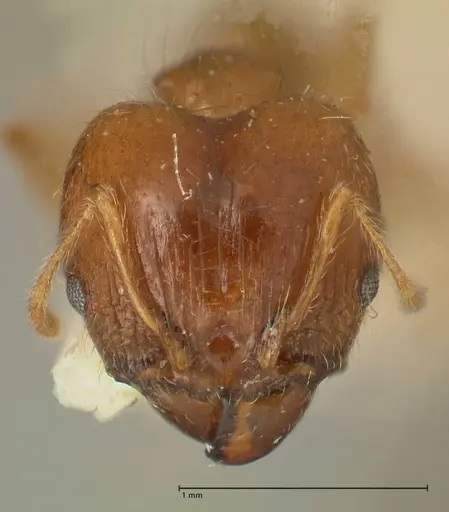
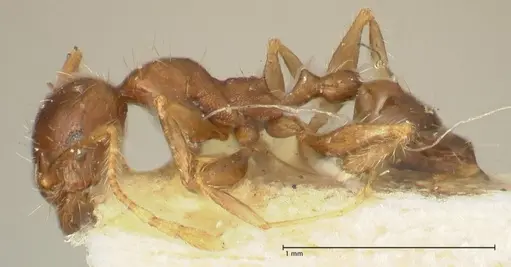
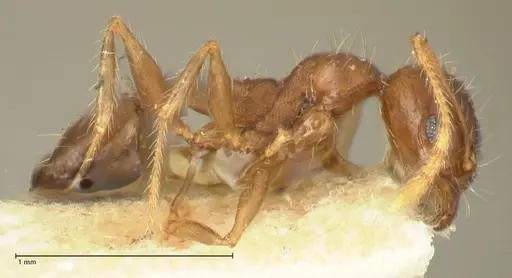
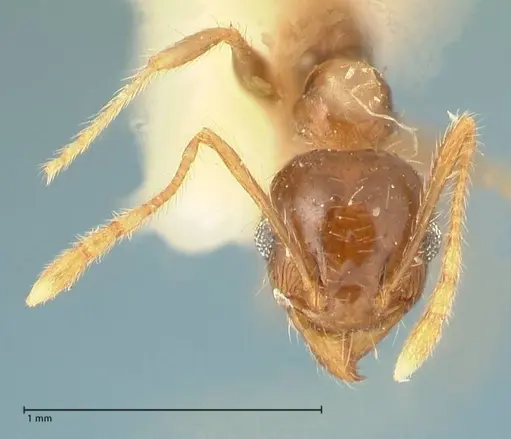
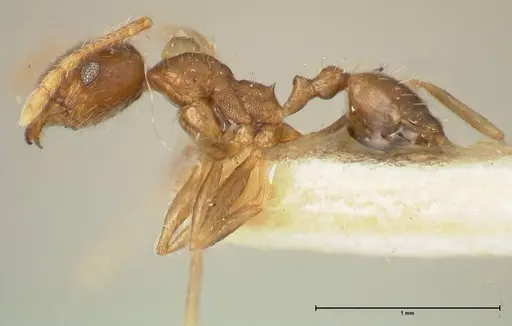
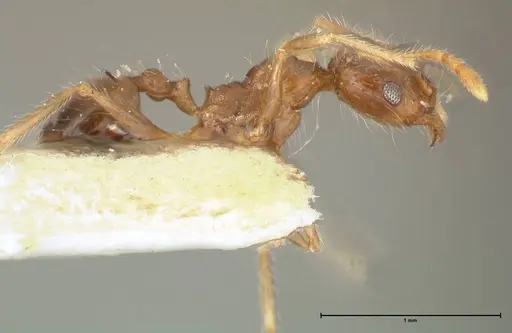
Pheidole punctulata is a small ant species native to tropical Africa and Madagascar. Like other Pheidole species, they have two worker castes: large major workers (soldiers) with oversized heads for defense and food processing, and smaller minor workers that handle most foraging and brood care. The species is closely related to the famous invasive Pheidole megacephala and shares similar size and coloration, though it can be distinguished by minor worker post-petiole characteristics [1]. Workers are yellowish-brown to reddish-brown with a distinctly bicolored appearance.
This species inhabits diverse environments across sub-Saharan Africa, from lowland coastal areas to highland forests up to 1800m elevation. They nest in dead trees, under rocks, and in spaces beneath tree bark [2]. Unlike their notorious relative P. megacephala, P. punctulata appears to be less aggressive and less prone to becoming invasive outside its native range.
Quick Summary
- Difficulty: Easy
- Origin & Habitat: Tropical Africa and Madagascar, found across sub-Saharan region including Kenya, South Africa, Mozambique, Democratic Republic of Congo, Gambia, and islands like Madagascar, Mayotte, and Seychelles [3][4]. Inhabits open woodlands, human settlements, tropical dry forest, and areas along roads at elevations from 10m to 1800m [2].
- Colony Type: Likely monogyne (single queen colonies) based on typical Pheidole patterns. The genus Pheidole typically forms single-queen colonies with distinct major and minor worker castes.
- Colony: Monogyne
- Founding: Claustral
- Size & Growth:
- Queen: Estimated 7-9mm based on genus patterns
- Worker: Minor workers 2-3mm, major workers 4-6mm
- Colony: Likely reaches several hundred workers based on related species
- Growth: Moderate, typical for Pheidole genus
- Development: Estimated 6-8 weeks at optimal temperature based on related Pheidole species (Development time estimated from genus-level data, exact timeline unconfirmed for this species)
- Antkeeping:
- Temperature: Keep at 24-28°C, they are a tropical species that thrives in warm conditions. A gentle gradient allowing workers to self-regulate is ideal.
- Humidity: Moderate humidity around 50-70%. They prefer slightly drier conditions compared to many tropical ants. Provide a water tube but avoid overly damp nests.
- Diapause: No true diapause required, being a tropical species, they remain active year-round if kept warm. However, reducing temperatures slightly during winter months (to around 20-22°C) can help simulate natural seasonal cycles.
- Nesting: Y-tong (acrylic) nests work well, or plaster nests with moderate humidity. They do well in test tube setups for founding colonies. Provide dead wood or cork bark as nesting material if using naturalistic setups.
- Behavior: Generally peaceful but will defend the nest aggressively if threatened. Major workers use their large heads to block nest entrances and process food. Workers are active foragers that readily hunt small insects and collect honeydew. They are not aggressive toward humans and rarely sting. Escape risk is moderate, use standard barriers but no special escape prevention required beyond standard measures.
- Common Issues: colonies may fail if kept too cold, maintain warm temperatures year-round, major workers can get stuck in narrow tubing, use appropriately sized connections, overfeeding can lead to mold problems, remove uneaten food promptly, wild-caught colonies may carry parasites, quarantine and monitor new colonies
Housing and Nest Setup
Pheidole punctulata adapts well to various captive setups. For founding colonies, a simple test tube setup with a water reservoir works perfectly. The queen will seal herself in a small chamber and raise her first brood there. Once the colony reaches 20-30 workers, you can move them to a proper formicarium. Y-tong (acrylic) nests are ideal as they allow you to observe the colony while providing appropriate darkness. Plaster nests also work well, just keep the moisture level moderate rather than wet. These ants don't need high humidity, so avoid setups that stay constantly damp. A small outworld connected to the nest allows workers to forage for food. [2]
Feeding and Diet
Like other Pheidole species, P. punctulata is omnivorous with a preference for protein. In captivity, they readily accept small live insects like fruit flies, pinhead crickets, and mealworms. Major workers will take down prey items significantly larger than themselves using their powerful mandibles. They also collect honeydew and sugar sources, you can offer diluted honey water or sugar water on a regular basis. Feed protein prey 2-3 times per week, and keep a sugar source available constantly. Remove any uneaten prey after 24 hours to prevent mold.
Temperature and Seasonal Care
Being a tropical African species, Pheidole punctulata needs warm conditions. Keep the nest area at 24-28°C for optimal brood development. Temperatures below 20°C can slow their activity significantly, and prolonged cold can kill colonies. A small heating cable on one side of the nest creates a temperature gradient that lets workers choose their preferred zone. Unlike temperate species, they do not require true hibernation. During winter, you can reduce temperatures slightly to around 20-22°C, but maintaining warm conditions year-round is safer for colony health.
Colony Development
Pheidole colonies grow through the production of both minor and major workers. The first workers (nanitics) are typically smaller than mature workers. As the colony grows, you'll start seeing major workers appear, usually when the colony reaches around 50 workers. Major workers develop from larvae that receive more food during their development. The colony will grow steadily over several months to a few years, eventually reaching several hundred workers. The presence of major workers is one of the most entertaining aspects of keeping Pheidole, they use their large heads to block nest entrances and process food for the smaller workers.
Behavior and Defense
This species is relatively peaceful compared to many ants. They focus on foraging and colony maintenance rather than aggressive territorial behavior. When threatened, major workers will rush to nest entrances and block them with their large heads, this is their primary defense mechanism. They may also bite, but the bite is mild and rarely breaks human skin. Workers are active foragers that establish trails to food sources. They are not known for stinging, making them a good choice for keepers who want an interesting ant species without aggressive defense behavior.
Frequently Asked Questions
Is Pheidole punctulata a good beginner ant?
Yes, this species is beginner-friendly. They are relatively hardy, don't require complex humidity control, and are not aggressive. Their interesting major/minor worker castes make them engaging to watch.
How long does it take for the first workers to appear?
Based on related Pheidole species, expect first workers (nanitics) around 6-8 weeks after the queen lays eggs, assuming optimal temperature of 24-28°C.
Can I keep multiple queens together?
Pheidole species are typically single-queen (monogyne) colonies. Combining unrelated queens is not recommended as they will likely fight.
What do I feed Pheidole punctulata?
Offer small live insects (fruit flies, pinhead crickets, mealworms) 2-3 times per week. Keep sugar water or honey water available constantly. They also collect honeydew in the wild.
Do they need hibernation?
No, being a tropical species they do not require true hibernation. You can slightly reduce temperatures in winter but keeping them warm year-round is best.
When should I move them to a formicarium?
Move the colony once they reach 20-30 workers. A Y-tong or plaster nest works well. Make sure the chambers aren't too large, Pheidole prefer snug spaces.
How big do colonies get?
Based on related species, colonies likely reach several hundred workers over 2-3 years. The ratio of major to minor workers increases as the colony matures.
Are they invasive like Pheidole megacephala?
Unlike their notorious relative P. megacephala (a global invasive species), P. punctulata has not been documented as invasive outside its native African range.
What temperature is ideal for Pheidole punctulata?
Keep them at 24-28°C. They are tropical ants that need warmth. Avoid temperatures below 20°C for extended periods.
References

This caresheet is licensed under CC BY-SA 4.0 .
CASENT0173310
View on AntWeb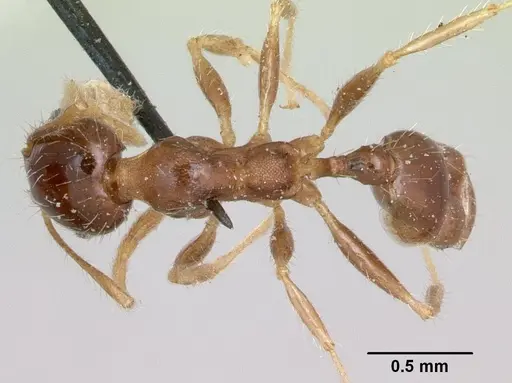
CASENT0173311
View on AntWeb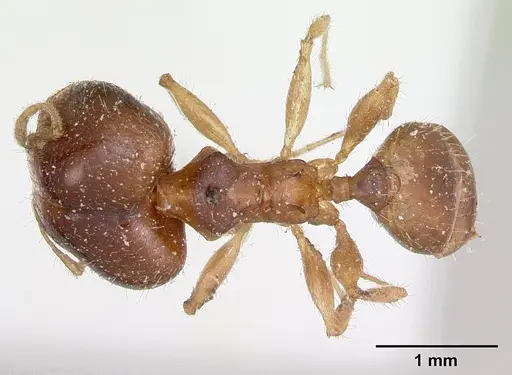
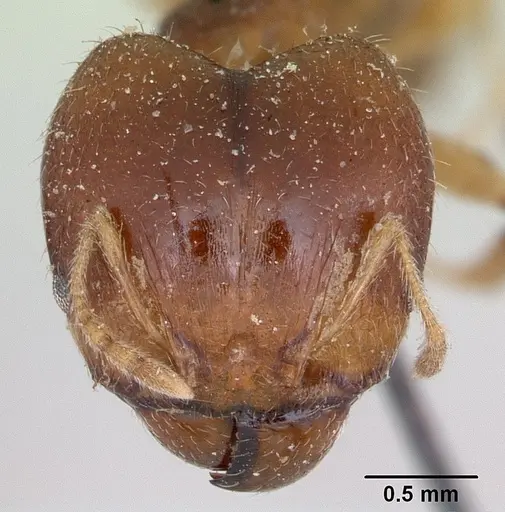
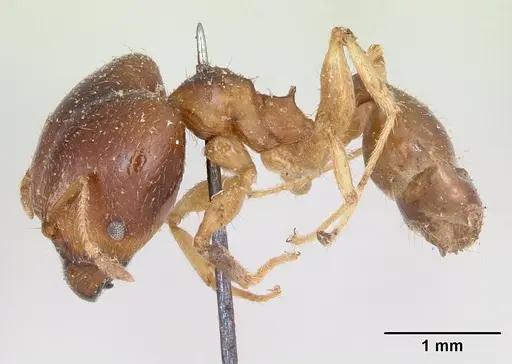
CASENT0246113
View on AntWeb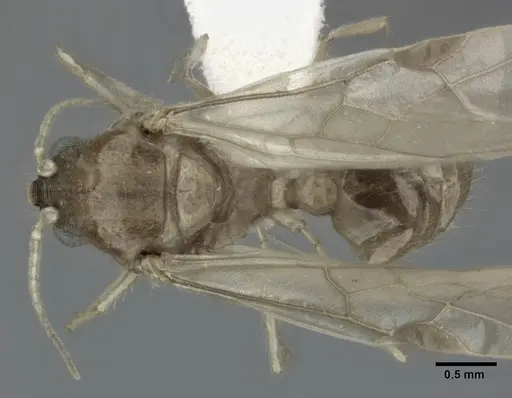
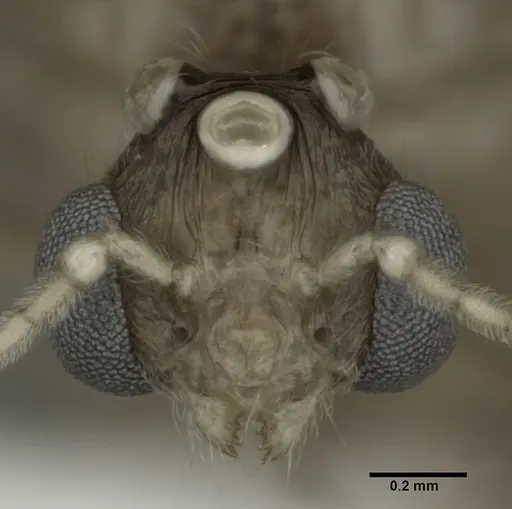
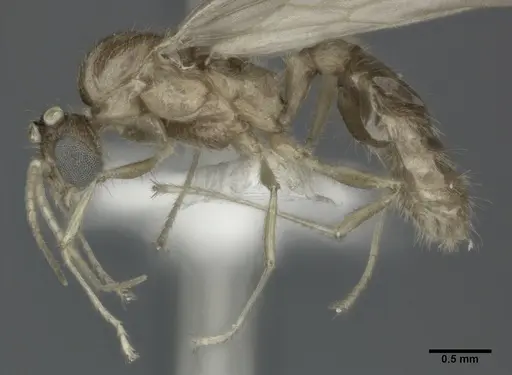
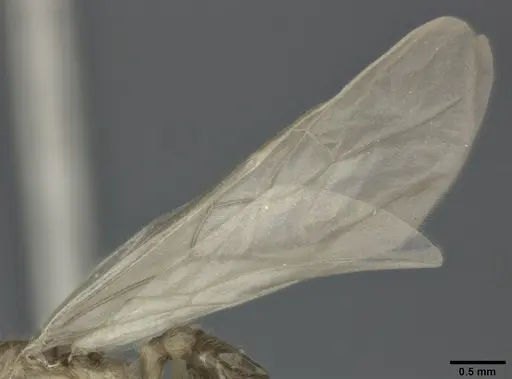
CASENT0246114
View on AntWeb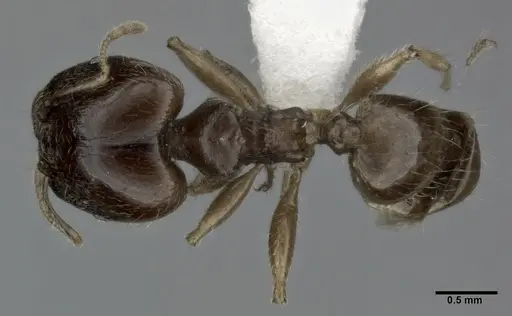
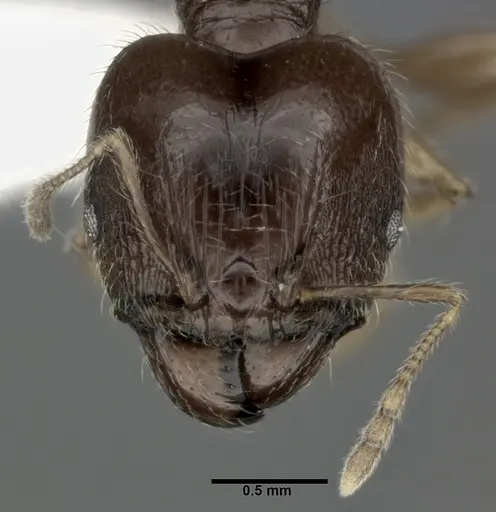
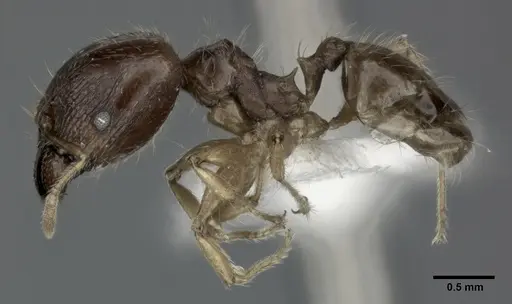
CASENT0246115
View on AntWeb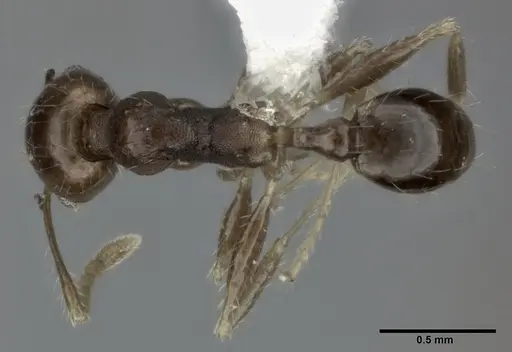
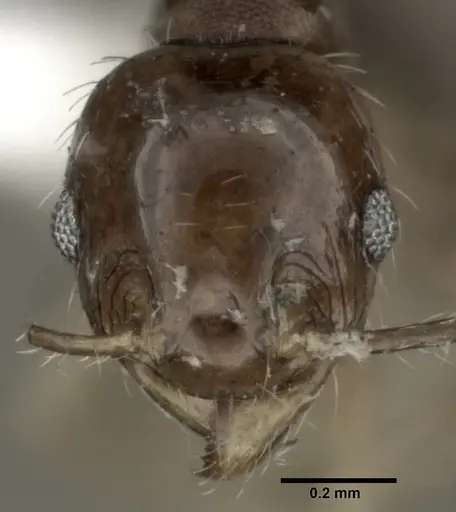
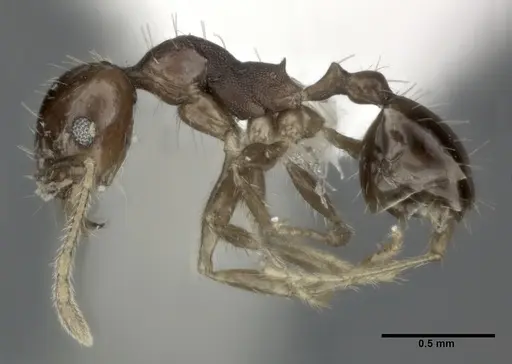
CASENT0282680
View on AntWeb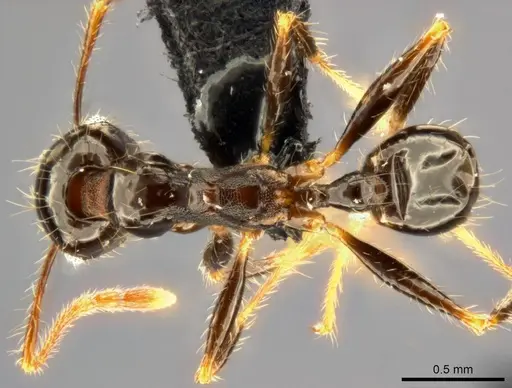
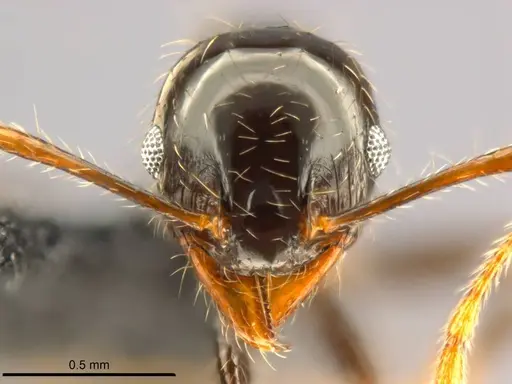
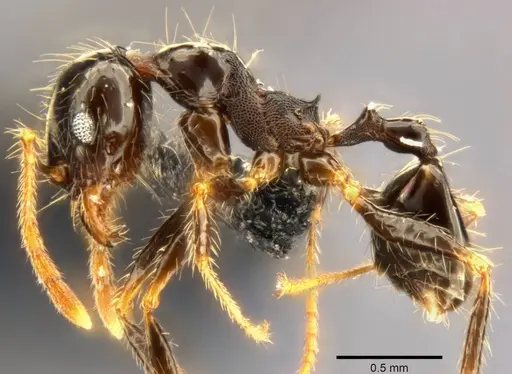
CASENT0283067
View on AntWeb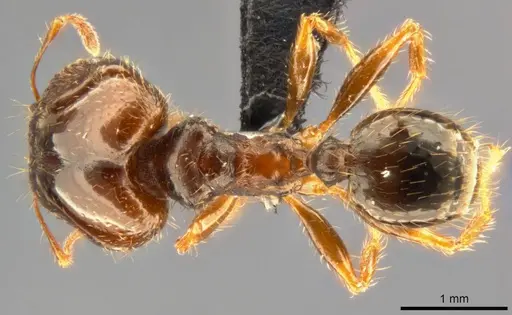
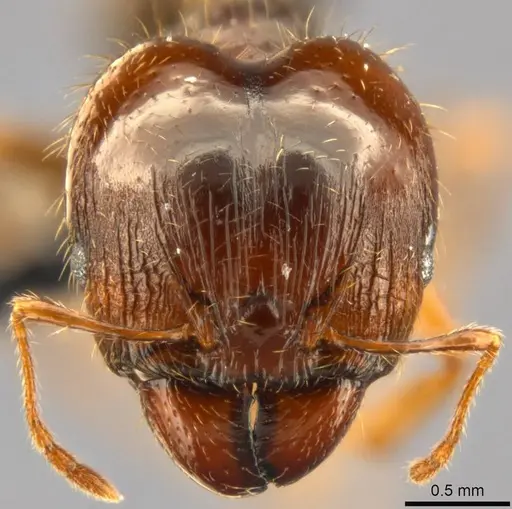
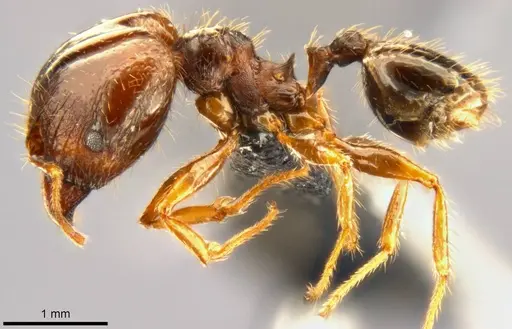
CASENT0901315
View on AntWeb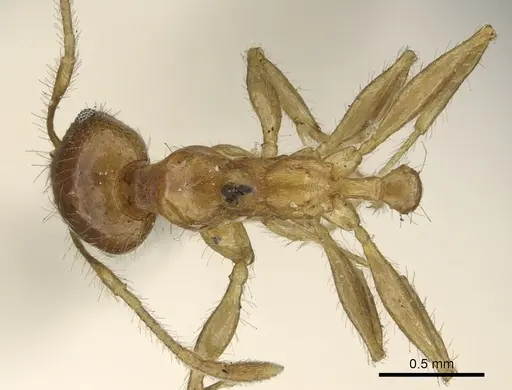
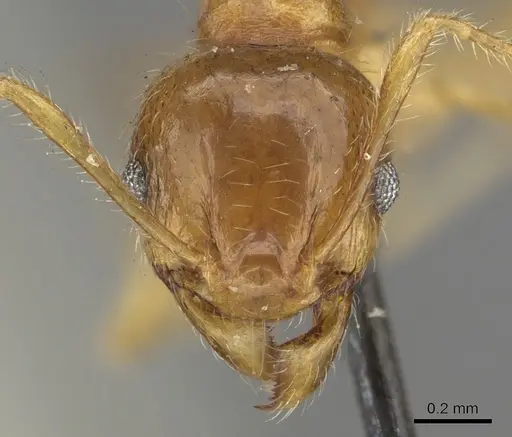
CASENT0901316
View on AntWeb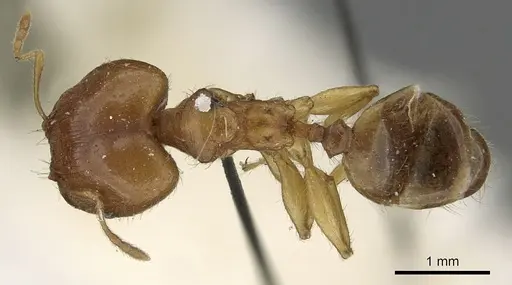
CASENT0904196
View on AntWeb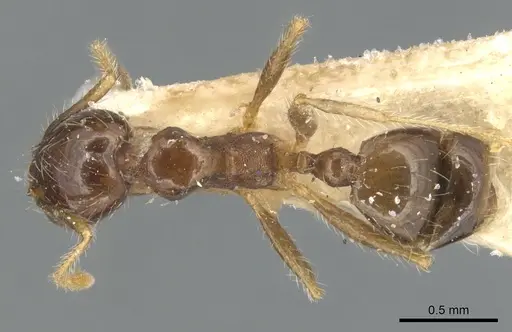
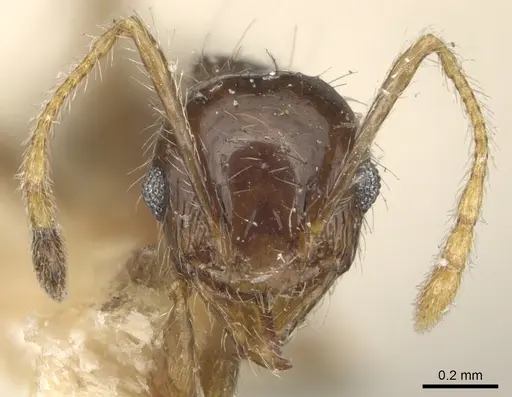
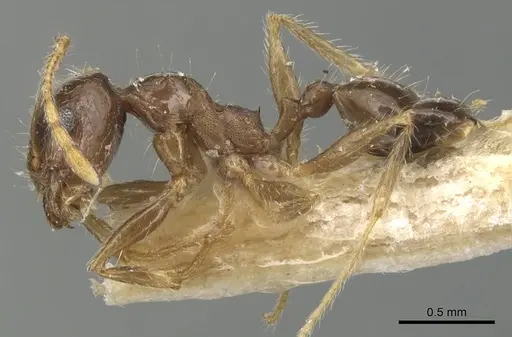
CASENT0906515
View on AntWeb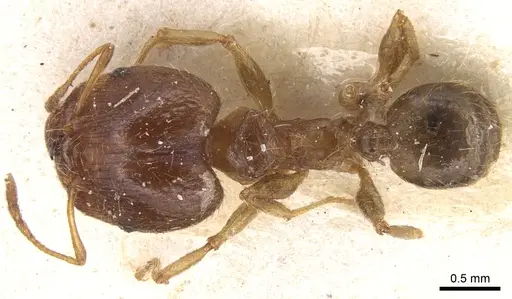
CASENT0906520
View on AntWeb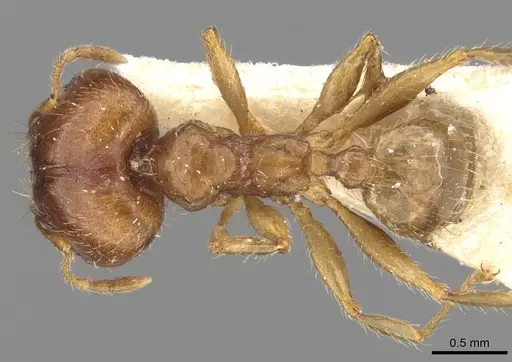
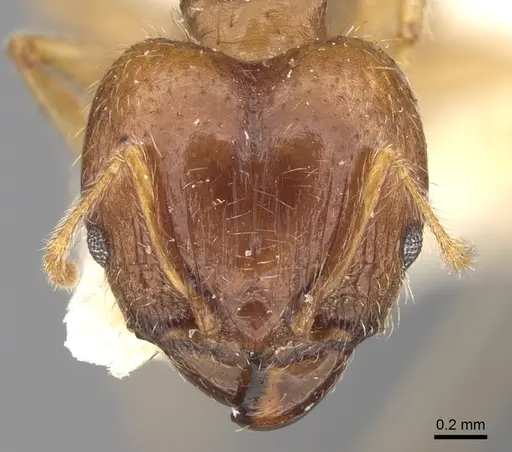
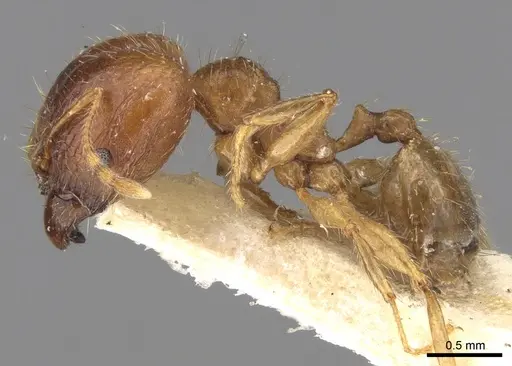
CASENT0906521
View on AntWeb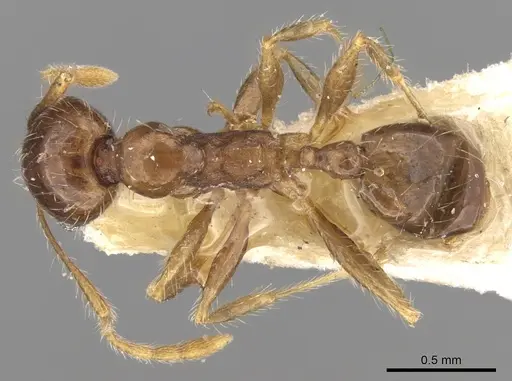
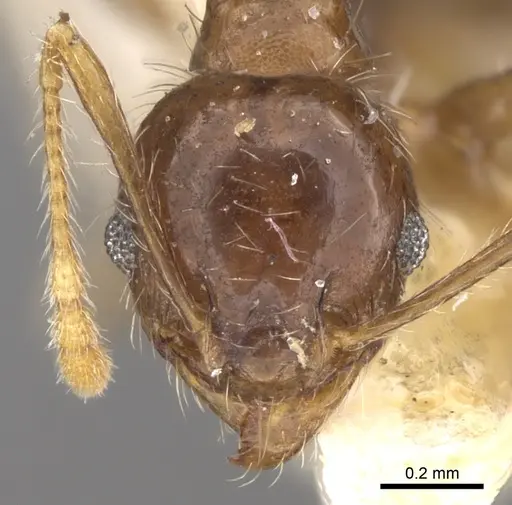
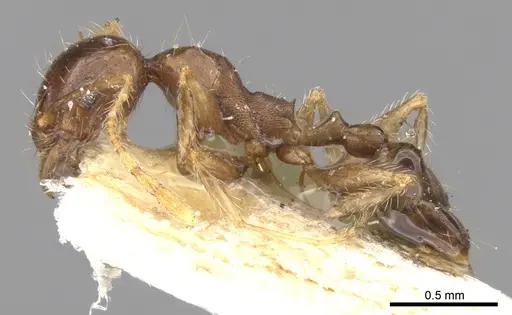
CASENT0906534
View on AntWeb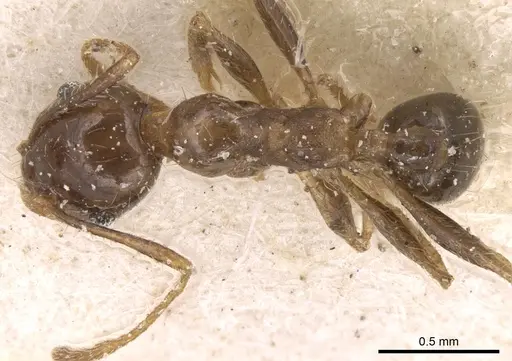
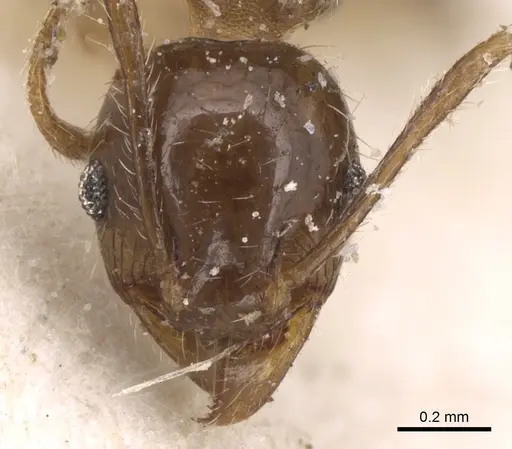
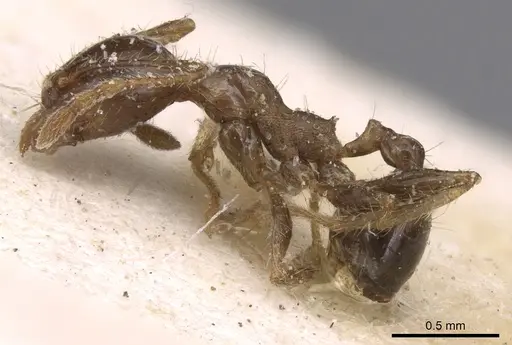
CASENT0906536
View on AntWeb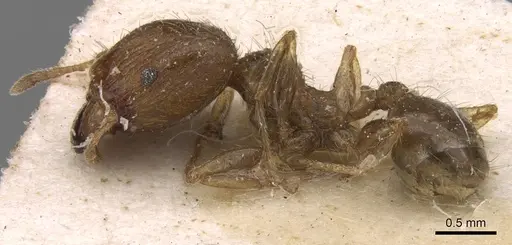
CASENT0913406
View on AntWeb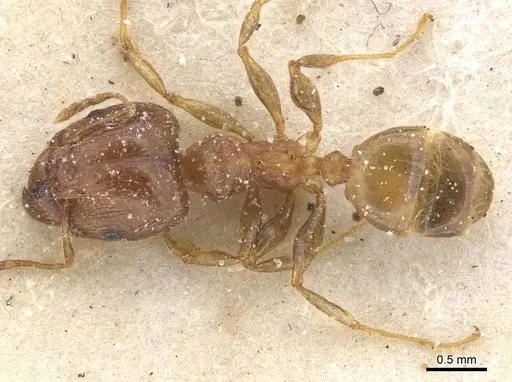
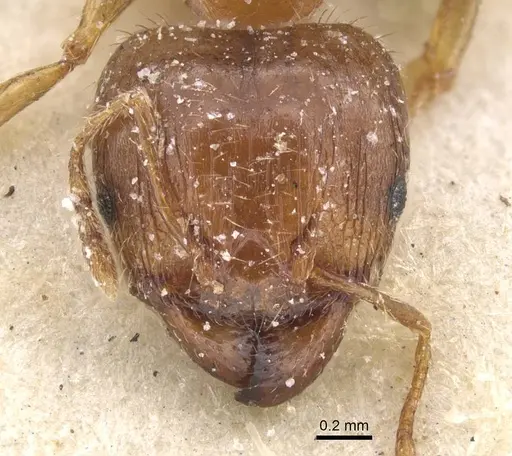
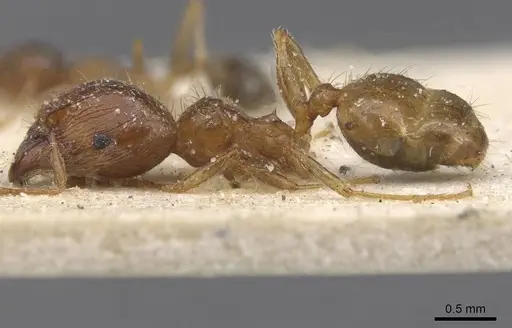
CASENT0913407
View on AntWeb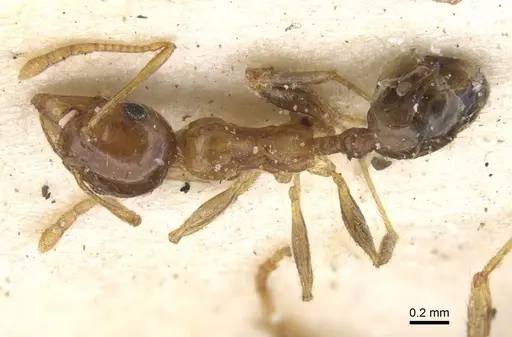
CASENT0913408
View on AntWeb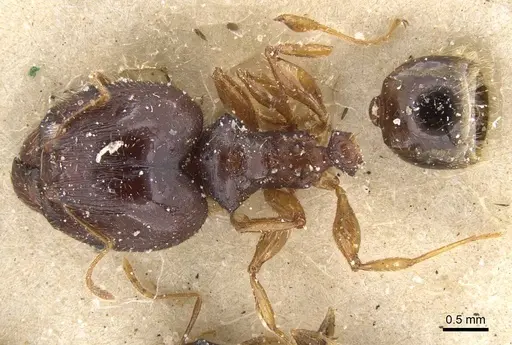
CASENT0913409
View on AntWeb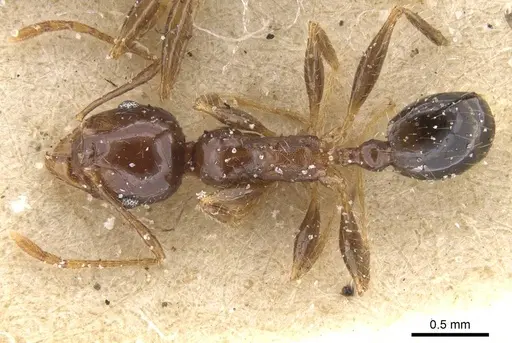
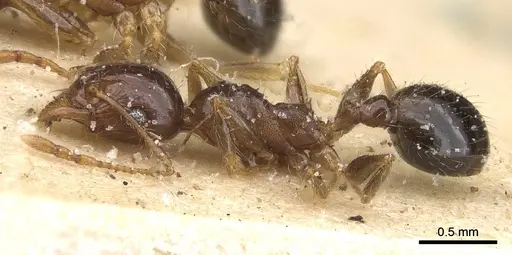
CASENT0922176
View on AntWeb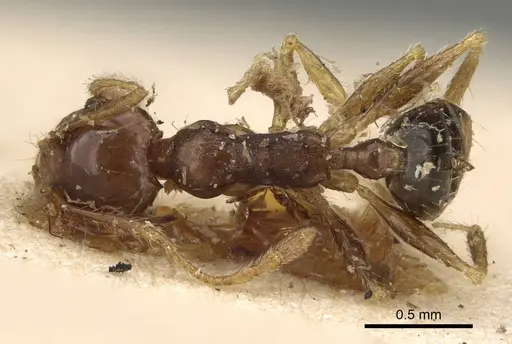
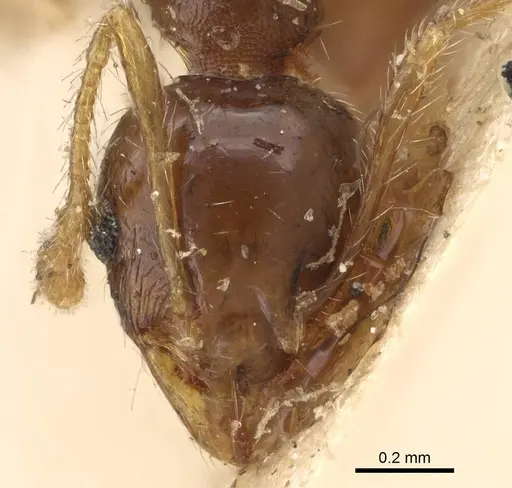
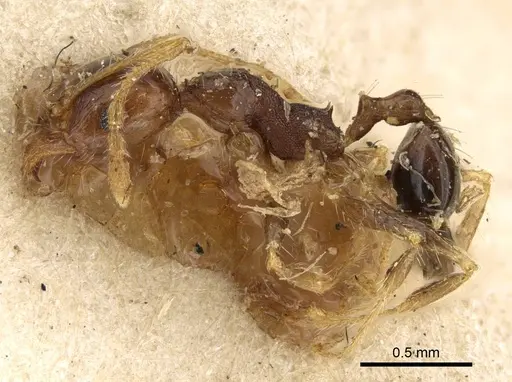
CASENT0922199
View on AntWeb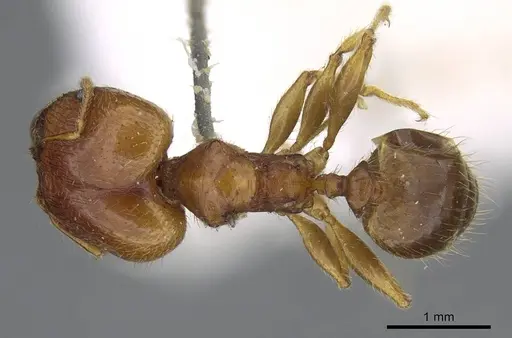
CASENT0922200
View on AntWeb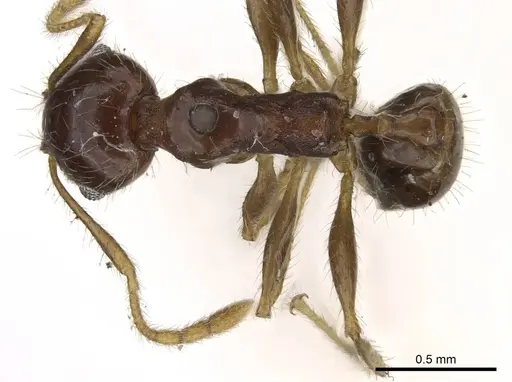
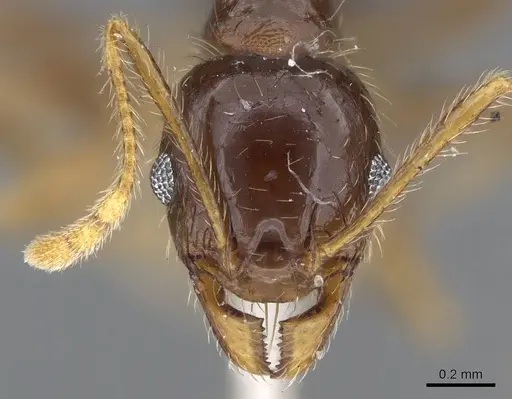
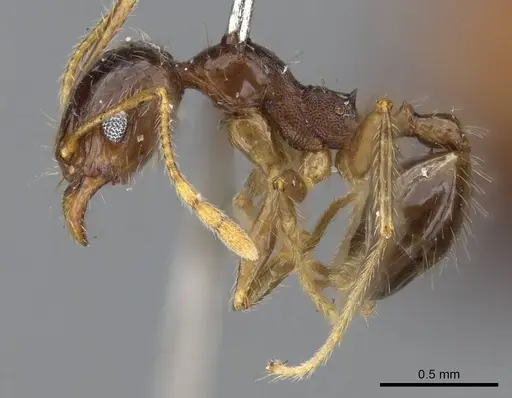
CASENT0923212
View on AntWeb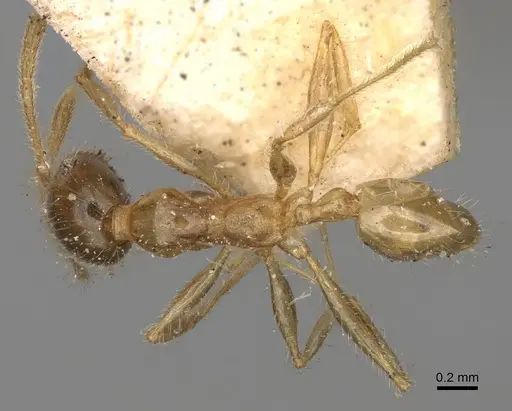
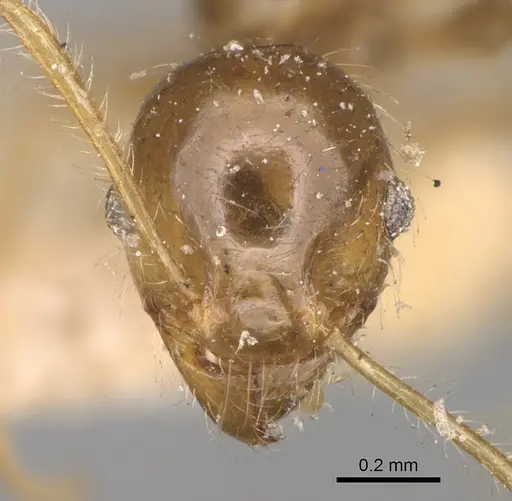
CASENT0923213
View on AntWeb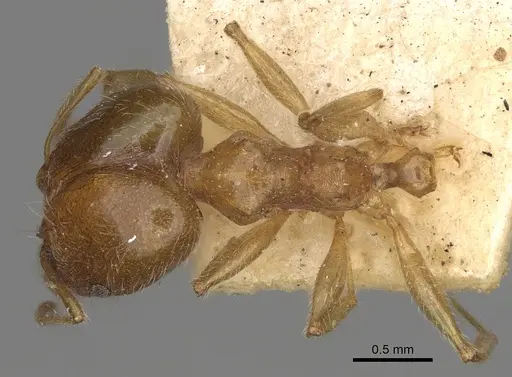
FOCOL1350
View on AntWeb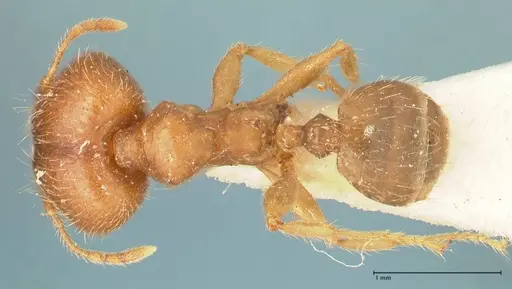
FOCOL1351
View on AntWeb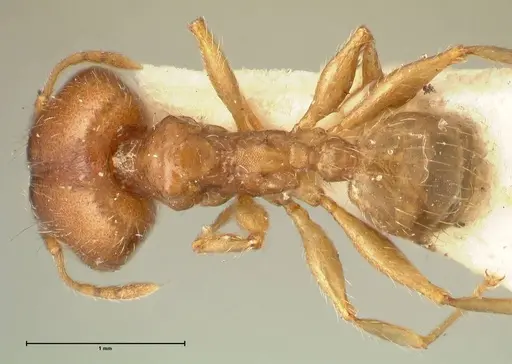
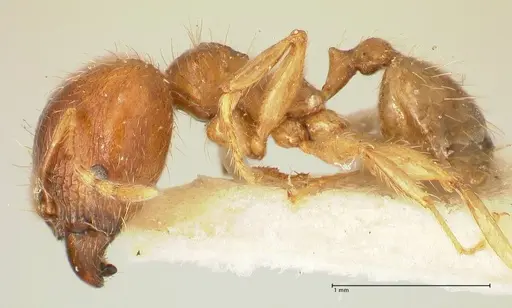
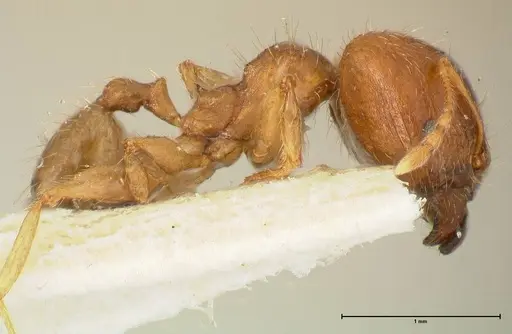
FOCOL1352
View on AntWeb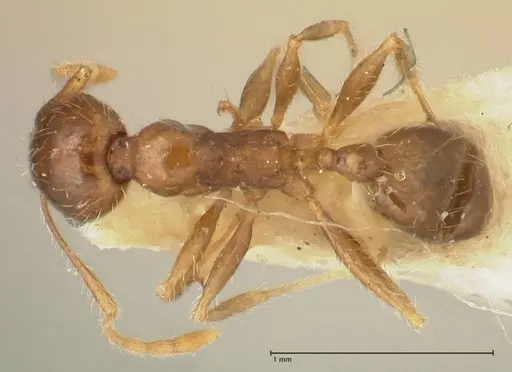
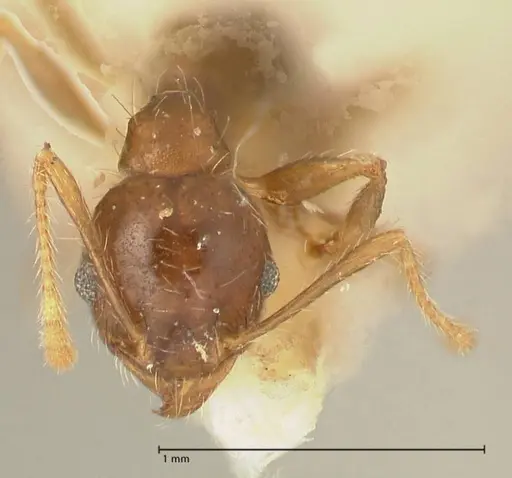
FOCOL1353
View on AntWeb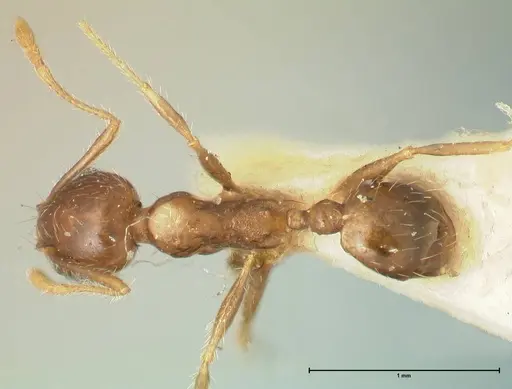
Literature
Loading...Loading products...