

Pheidole ocypodea
- Scientific Name
- Pheidole ocypodea
- Tribe
- Attini
- Subfamily
- Myrmicinae
- Author
- Salata & Fisher, 2020
- Distribution
- Found in 1 countries
Pheidole ocypodea Overview
Pheidole ocypodea is an ant species of the genus Pheidole. It is primarily documented in 1 countries , including Madagascar. Detailed taxonomic data and occurrence records can be further explored via authoritative databases such as AntWeb or the Global Biodiversity Information Facility (GBIF).
Pheidole ocypodea
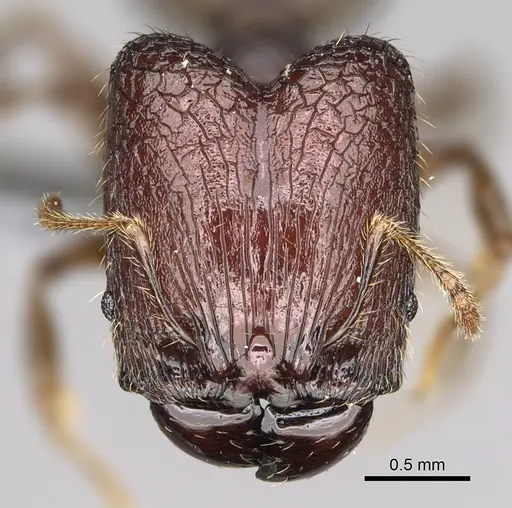
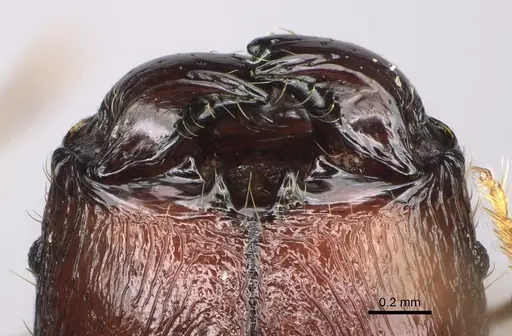
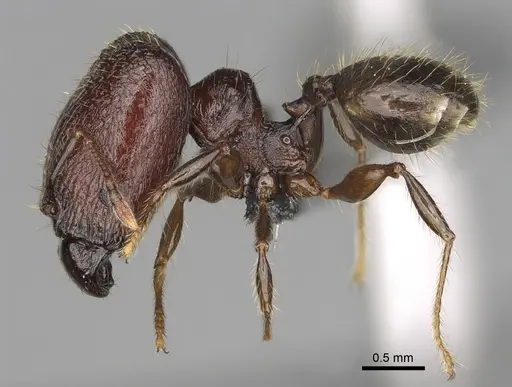
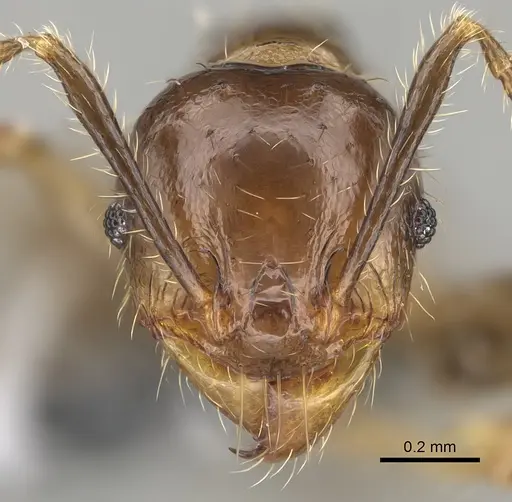
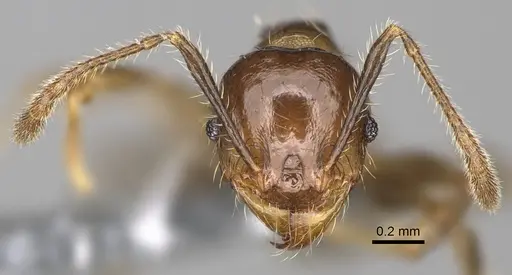
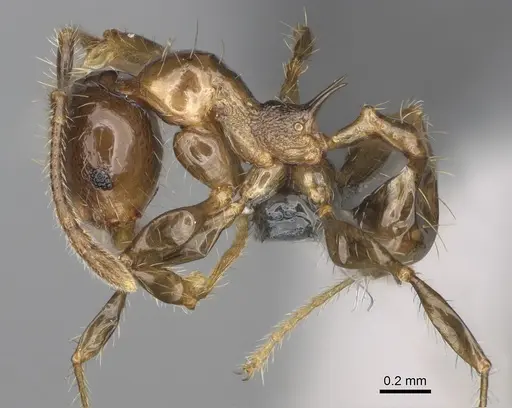
Pheidole ocypodea is a striking big-headed ant species from Madagascar, recently described in 2020. Major workers have a distinctive rectangular head with sparse, long erect hairs and long propodeal spines, the species name comes from Ocypode, a harpy from Greek mythology, because these spines resemble claws. The body is ochreous to reddish-brown in majors and bright brown to brown in minors. This species belongs to the Pheidole ensifera species group and is found only in the rainforests and montane rainforests of northern Madagascar at elevations between 400-980 meters. Like all Pheidole species, they have two worker castes: large major workers that defend the colony and process food, and smaller minor workers that handle most foraging and nursing duties.
Quick Summary
- Difficulty: Medium
- Origin & Habitat: Northern Madagascar, specifically the Antsiranana region (Galoko chain, Mont Galoko). They live in rainforest and montane rainforest habitats at 400-980m elevation, nesting in rotten logs and rotten sticks on the ground [1].
- Colony Type: Single-queen colonies (monogyne), this is typical for Pheidole species, though not specifically documented for ocypodea.
- Colony: Monogyne
- Founding: Claustral
- Size & Growth:
- Queen: Not directly measured, typical Pheidole queens are 6-10mm
- Worker: Major: 1.82-2.01mm head length,1.52-1.66mm head width, Minor: 0.63-0.72mm head length,0.60-0.70mm head width [1]
- Colony: Unknown for this species, typical Pheidole colonies reach hundreds to a few thousand workers
- Growth: Moderate, inferred from typical Pheidole development patterns
- Development: 6-10 weeks estimated based on typical Pheidole development (Development time inferred from genus-level data, specific timing for this species has not been studied)
- Antkeeping:
- Temperature: Keep at 22-26°C. As a rainforest species from moderate elevation in Madagascar, they prefer warm but not hot conditions with stable humidity. A gentle temperature gradient allows workers to choose their preferred zone.
- Humidity: High humidity required, rainforest species. Keep nest substrate consistently moist but not waterlogged. Provide a water source and ensure the outworld has some moisture. Mist periodically and use a hydration setup that maintains damp conditions.
- Diapause: Unknown for this species, Madagascar species may have reduced activity periods rather than true hibernation. Monitor colony behavior and reduce feeding if they become less active.
- Nesting: In the wild, they nest in rotten logs and rotten sticks on the forest floor. In captivity, a naturalistic setup with rotting wood pieces or a well-humidified Y-tong/plaster nest works well. They prefer dark, humid nest conditions.
- Behavior: Typical Pheidole behavior, major workers defend the colony and process larger food items while minor workers handle foraging and nursing. They are not particularly aggressive but will defend if threatened. Minor workers are small (under 1mm) so escape prevention should focus on fine mesh barriers. They are seed-harvesters and will also tend aphids for honeydew, typical of the Attini tribe.
- Common Issues: high humidity management is critical, too dry and colonies fail, too wet and mold becomes a problem, minor workers are very small and can escape through standard barrier setups, use fine mesh, newly described species means captive breeding information is limited, start with small colonies and observe, rotten wood in naturalistic setups can mold if not properly maintained
Housing and Nest Setup
Pheidole ocypodea naturally nests in rotting wood on the rainforest floor, so a naturalistic setup with humid substrate and wood pieces works well. You can use a Y-tong (acrylic) nest with well-humidified chambers, or a plaster/gypsum nest that holds moisture. The key is maintaining high humidity without letting the nest become waterlogged. Provide a dark area for the nest chamber, these ants prefer dim conditions. In the outworld, include substrate they can forage through and potential nesting materials like small pieces of rotting wood or cork. A hydration system that slowly releases moisture works better than periodic misting for maintaining stable humidity. [1]
Feeding and Diet
Like most Pheidole species, ocypodea is an omnivore that seeds-harvests and collects honeydew from aphids. Offer a varied diet: seeds (grass seeds, millet), protein sources (small insects like fruit flies, mealworms, crickets), and sugar (honey water, sugar water). Major workers will take larger prey items and process seeds, while minor workers handle most foraging. Feed protein 2-3 times per week and keep sugar water available constantly. Remove uneaten food promptly to prevent mold. In my experience with Pheidole, they often prefer protein-rich foods when raising brood.
Temperature and Seasonal Care
As a rainforest species from moderate elevation (400-980m) in Madagascar, keep temperatures in the 22-26°C range. Avoid temperatures above 30°C as this can stress the colony. Room temperature is often suitable if your home is in this range. Use a heating cable on one side of the nest only if your room runs cooler, this creates a gradient so workers can choose their preferred temperature. Regarding seasonal changes, this is a newly described species and specific diapause requirements are unknown. Madagascar doesn't experience harsh winters, so these ants likely don't need true hibernation. However, they may have reduced activity during cooler months, reduce feeding and expect slower growth in winter if your room temperature drops. [1]
Colony Structure and Castes
Pheidole ocypodea has the classic Pheidole two-caste system: major workers with large, rectangular heads for defense and food processing, and smaller minor workers that handle most daily tasks. The major workers measure 1.82-2.01mm in head length while minors are much smaller at 0.63-0.72mm. The species has notably long propodeal spines (the spiky projections on the back of the mesosoma), which is how it got its name from the harpy Ocypode. Colonies start with a single claustral queen who seals herself in a chamber and raises the first brood alone on stored fat reserves. Once the first nanitic workers emerge, the colony grows as the queen continues laying eggs. Expect the first major workers to appear once the colony reaches several dozen workers. [1]
Escape Prevention
Minor workers are very small, only about 0.6-0.7mm in head width, which means they can squeeze through gaps that seem secure. Use fine mesh (at least 0.5mm mesh size) on any ventilation holes. Apply fluon or petroleum jelly to the rim of the formicarium. Test tube setups need tight-fitting cotton plugs. Even small gaps around water tubes or wiring can allow escapes. Check your setup regularly and seal any gaps you notice. The good news is that Pheidole majors are too large to fit through the tiny gaps minors might find, so escapees are typically just minor workers. [1]
Frequently Asked Questions
How long does it take for Pheidole ocypodea to produce first workers?
Based on typical Pheidole development patterns, expect 6-10 weeks from egg to first worker at optimal temperature (around 24°C). The queen is claustral and seals herself in, living off stored fat until the first nanitic workers emerge. This timeline is an estimate since this species was only described in 2020 and specific development data isn't available.
What do Pheidole ocypodea ants eat?
They are omnivores that accept seeds, protein (small insects like fruit flies, mealworms), and sugar sources (honey water, sugar water). Feed protein 2-3 times per week and keep sugar water available constantly. Major workers will take larger prey while minors handle most foraging.
Are Pheidole ocypodea good for beginners?
This is a medium-difficulty species. They're not the hardest but also not ideal for complete beginners. The main challenges are maintaining high humidity and preventing escapes due to their tiny minor workers. If you have experience with other Pheidole species or small ants, this is a manageable species.
What temperature should I keep Pheidole ocypodea at?
Keep them at 22-26°C. As a rainforest species from moderate elevation in Madagascar, they prefer warm but stable conditions. Room temperature is often suitable. Use a heating cable on one side of the nest only if your room runs below 22°C.
How big do Pheidole ocypodea colonies get?
The maximum colony size is not documented for this species, but based on typical Pheidole patterns, expect colonies of several hundred to a few thousand workers. The presence of major workers increases once the colony reaches around 50-100 workers.
Can I keep multiple Pheidole ocypodea queens together?
This species is likely monogyne (single queen per colony), which is typical for Pheidole. Do not attempt to keep multiple unrelated queens together as they will fight. Only keep one queen per setup.
What humidity level do Pheidole ocypodea need?
High humidity is essential, this is a rainforest species. Keep the nest substrate consistently moist but not waterlogged. The substrate should feel damp to the touch. Use a hydration system that maintains humidity without requiring constant misting.
Why are my Pheidole ocypodea escaping?
Minor workers are extremely small (under 1mm) and can squeeze through tiny gaps. Check for gaps around water tubes, ventilation holes, and lid edges. Use fine mesh (0.5mm or smaller) and apply fluon to barrier surfaces. Even seemingly small gaps can be escape routes for these tiny ants.
Do Pheidole ocypodea need hibernation?
Diapause requirements are unknown for this species. Madagascar has mild seasons without harsh winters, so they likely don't need true hibernation. You may notice reduced activity in cooler months, reduce feeding accordingly. If your room temperature stays in the 18-22°C range in winter, they should be fine.
References

This caresheet is licensed under CC BY-SA 4.0 .
CASENT0304390
View on AntWeb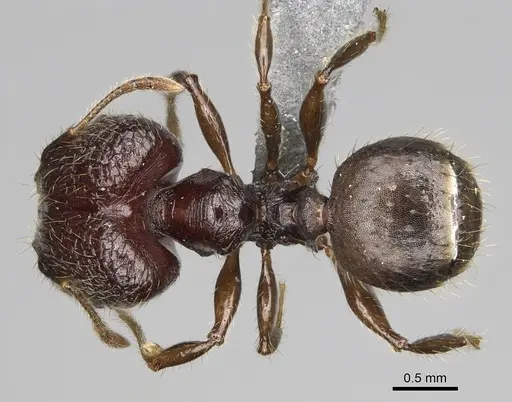
CASENT0923220
View on AntWeb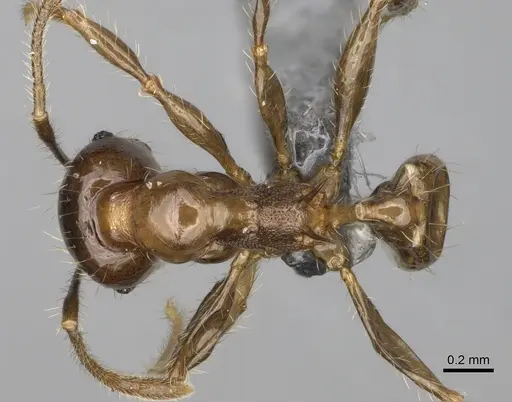
Literature
Loading...Loading products...