

Pheidole ensifera
- Scientific Name
- Pheidole ensifera
- Tribe
- Attini
- Subfamily
- Myrmicinae
- Author
- Forel, 1897
- Distribution
- Found in 1 countries
Pheidole ensifera Overview
Pheidole ensifera is an ant species of the genus Pheidole. It is primarily documented in 1 countries , including Madagascar. Detailed taxonomic data and occurrence records can be further explored via authoritative databases such as AntWeb or the Global Biodiversity Information Facility (GBIF).
Pheidole ensifera
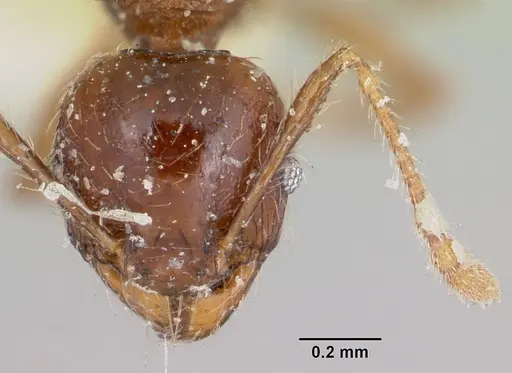
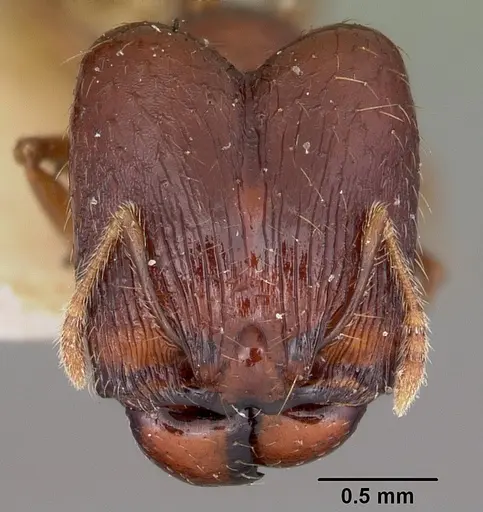
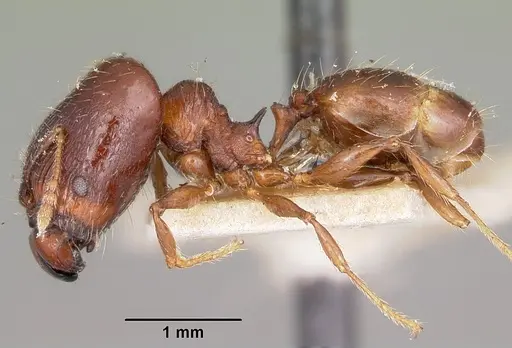
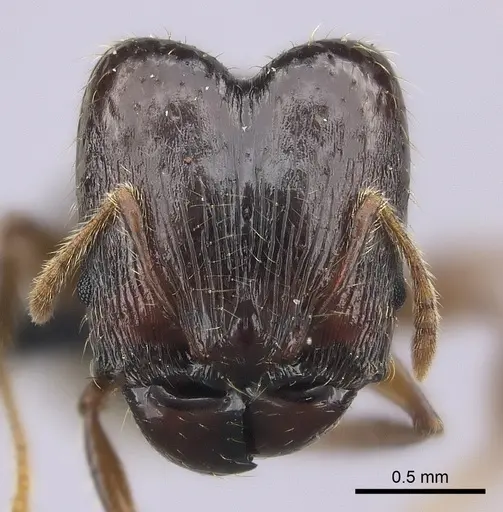
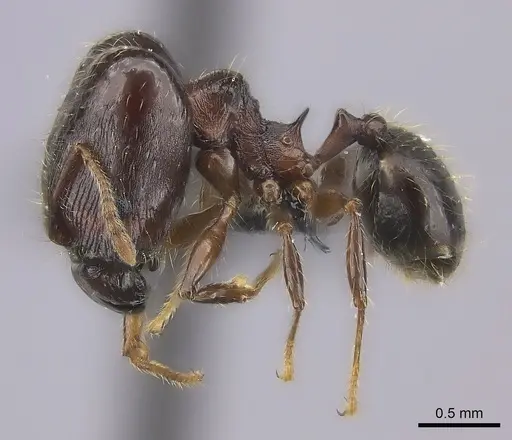
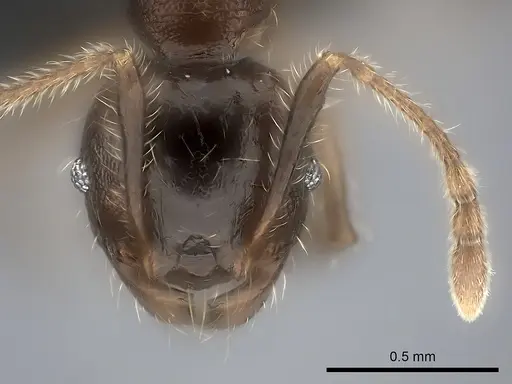
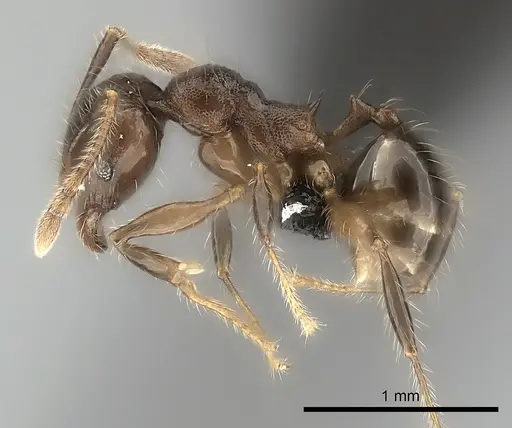
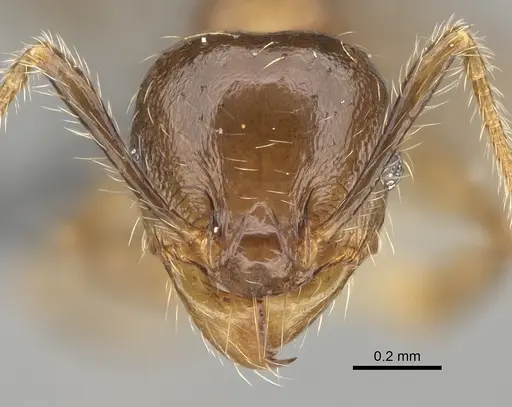
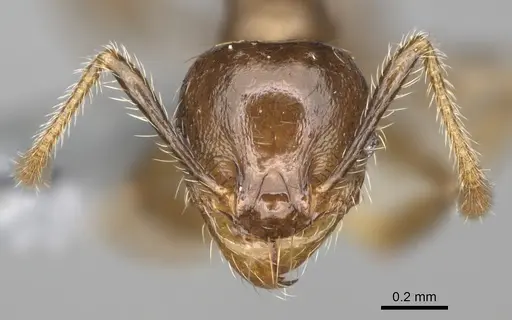
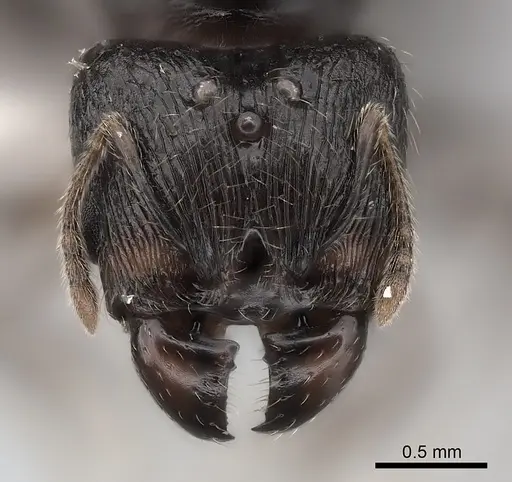
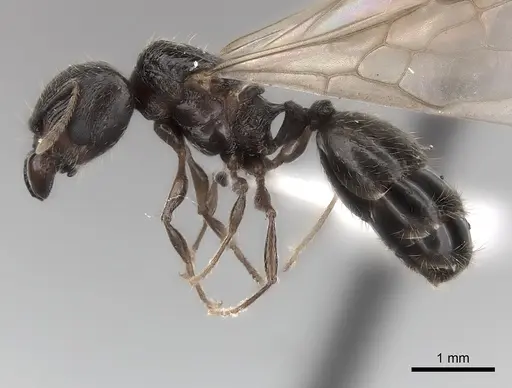
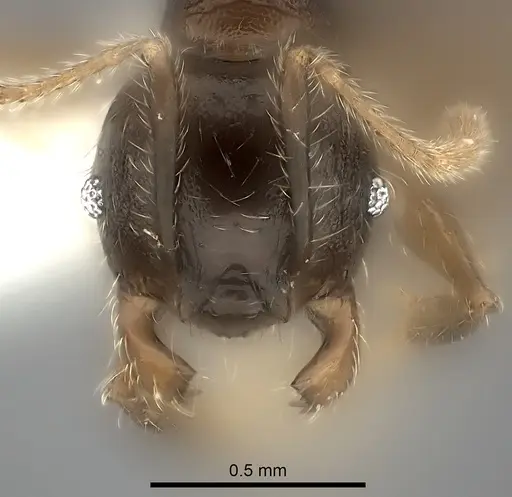
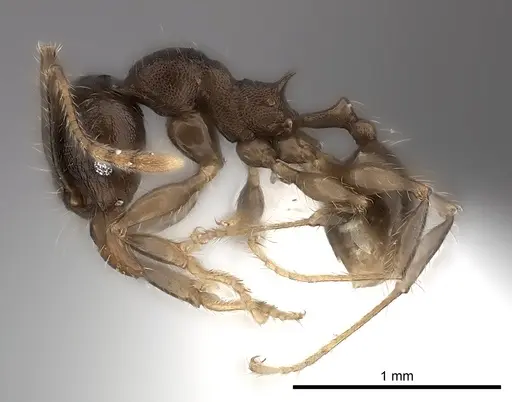
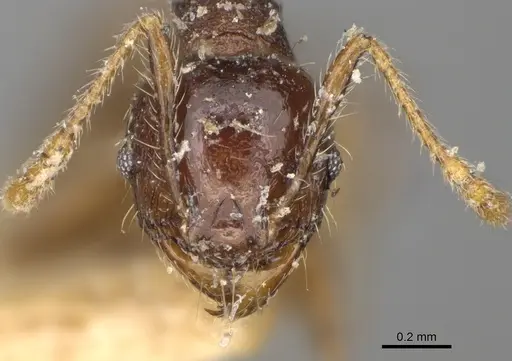
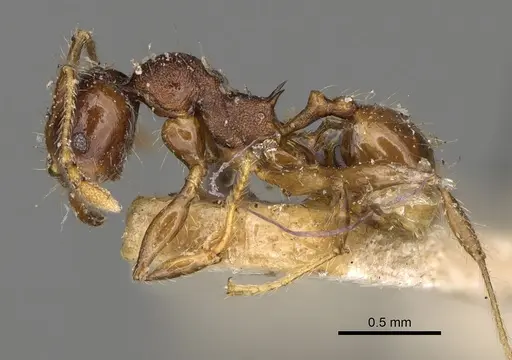
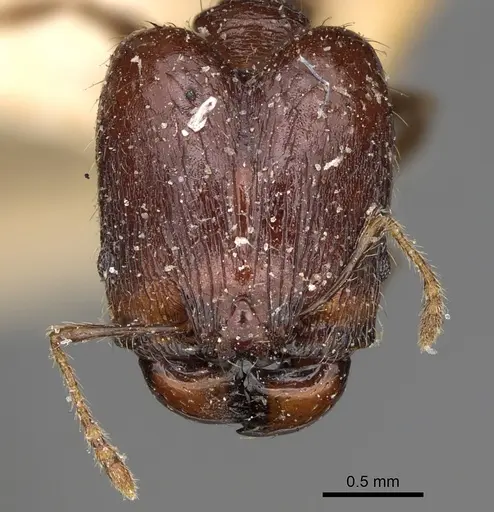
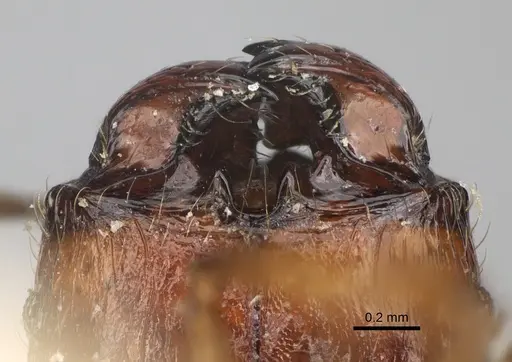
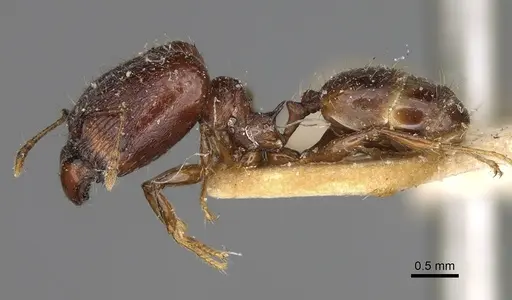
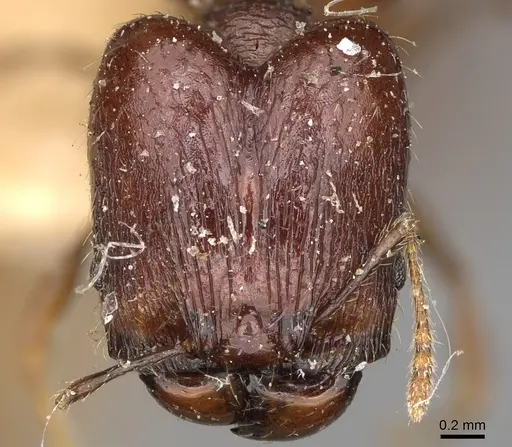
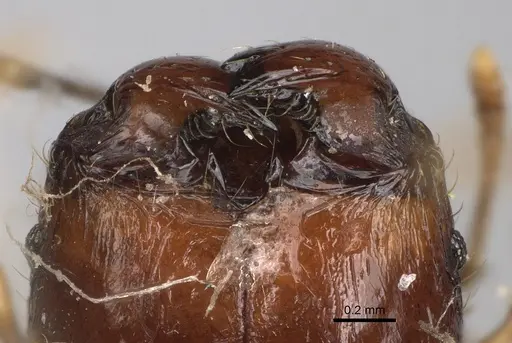
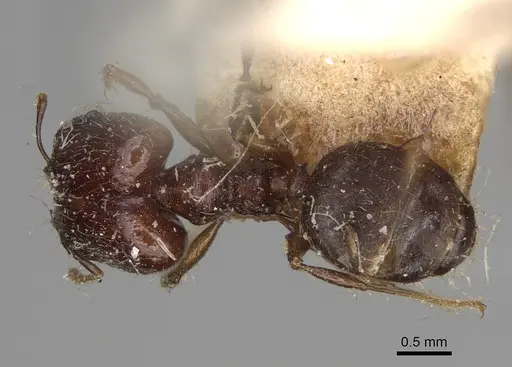
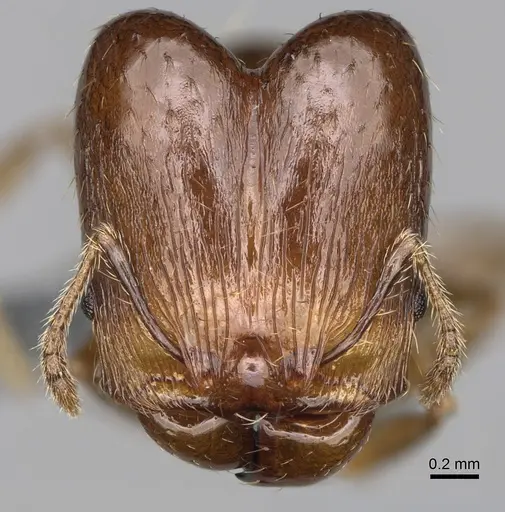
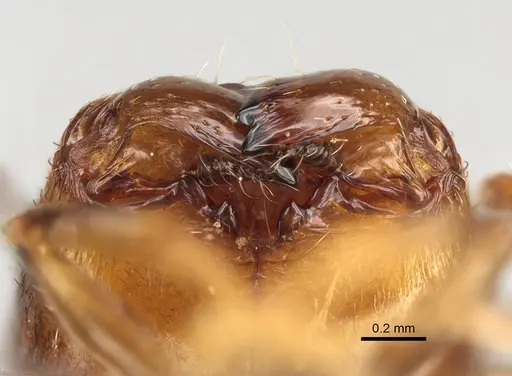
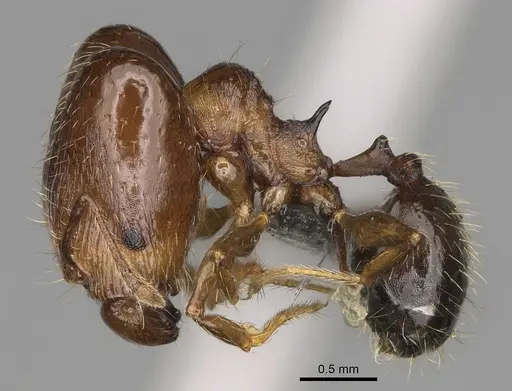
Pheidole ensifera is a small to moderate-sized ant species native to Madagascar, specifically found on the island of Nosy Be in the Antsiranana region. Major workers measure 1.63-1.74mm in head length with distinctive very long propodeal spines, while minor workers are much smaller at 0.58-0.69mm. The species has a reddish-brown to dark brown coloration, with major workers showing a rectangular head and shiny, smooth to finely rugoreticulate occipital lobes. This species belongs to the Pheidole ensifera species group and was originally described by Forel in 1897. In the wild, colonies nest in leaf litter, rotten wood, fallen logs, and rotting tree stumps in littoral and tropical dry rainforest habitats at elevations between 30-1343 meters.
Quick Summary
- Difficulty: Medium
- Origin & Habitat: Madagascar (Nosy Be, Antsiranana region), littoral and tropical dry rainforest, in-transition humid forest, elevation 30-1343m [1][2]
- Colony Type: Likely single-queen colonies based on typical Pheidole genus patterns. Colony structure has not been specifically documented for this species.
- Size & Growth:
- Queen:{.size-link} Undocumented, estimated 6-8mm based on typical Pheidole morphology
- Worker:{.size-link} Major: 1.63-1.74mm head length, Minor: 0.58-0.69mm head length [1]
- Colony: Undocumented, typical Pheidole colonies can reach several thousand workers
- Growth: Moderate, estimated based on related species
- Development: Estimated 6-8 weeks at optimal temperature based on typical Pheidole development patterns (Development time inferred from genus-level data, specific timing for this species has not been documented)
- Antkeeping:
- Temperature: Keep at 24-28°C, this matches their tropical Madagascar habitat. A gentle gradient allowing warmer and cooler areas is recommended.
- Humidity: High humidity preferred (60-80%). These ants naturally live in damp forest floor environments. Keep nest substrate consistently moist but not waterlogged.
- Diapause: Unknown for this species. Madagascar has mild seasonal variation, so a true diapause may not be required. Consider a slight cooling period (18-20°C) during winter months rather than full hibernation.
- Nesting: Naturalistic setup works well, they nest in rotting wood, leaf litter, and tree stumps in the wild. A Y-tong or plaster nest with moisture chambers mimics their natural environment. Provide access to a damp outworld for foraging.
- Behavior: Pheidole ensifera is a generalist forager that likely collects seeds, small insects, and honeydew, typical of the genus. Major workers have large heads with powerful mandibles for seed processing. They are not particularly aggressive but will defend their colony. Escape risk is moderate, major workers are visible but small, so standard barrier precautions apply. They are active foragers that will exploit food sources in the outworld.
- Common Issues: high humidity requirements mean mold can develop if ventilation is poor, ensure adequate airflow, wild-caught colonies may harbor parasites that can devastate captive colonies, quarantine and observe new colonies, slow founding phase, claustral queens may take months to produce first workers, and beginners often give up too early, test tube setups can flood if water reservoirs are overfilled, use appropriate water storage sizes, their small size means minor workers can escape through standard barrier gaps, use fine mesh and reliable barriers
Nest Preferences and Housing
In the wild, Pheidole ensifera nests in leaf litter, rotten wood, fallen logs, branches, and rotting tree stumps on the forest floor [1]. This tells us they prefer damp, dark environments with access to decaying organic material. For captive care, a naturalistic setup with a moist substrate works well, you can use a mix of soil and rotting wood pieces to mimic their natural nesting sites. Alternatively, a Y-tong (acrylic) nest or plaster nest with moisture chambers provides good control over humidity levels. The nest should have narrow chambers suitable for their small size, with a water reservoir to maintain consistent moisture. The outworld should be simple with easy access to food, and you can add some leaf litter or small decorations for enrichment.
Feeding and Diet
Pheidole ants are generalist foragers that typically eat seeds, small insects, and honeydew. Major workers have large, powerful mandibles designed for seed processing, so offering crushed seeds or seed mixes is appropriate. Protein sources like small insects (fruit flies, pinhead crickets, mealworms) should be offered regularly. They will also accept sugar water or honey as an energy source. Feed small amounts every 2-3 days and remove uneaten food to prevent mold. The colony will regulate its own intake based on population size. Since this species has long propodeal spines, they may be more active predators than some other Pheidole, consider offering live prey occasionally to encourage natural foraging behavior.
Temperature and Seasonal Care
As a Madagascar species from tropical to dry rainforest habitats, Pheidole ensifera prefers warm conditions around 24-28°C. This matches their natural elevation range of 30-1343m on Nosy Be, where temperatures remain warm year-round. Use a heating cable on one side of the nest to create a temperature gradient, allowing ants to choose their preferred zone. During winter, you can reduce temperatures slightly to around 20-22°C, but a full hibernation is not necessary given Madagascar's mild climate. Some keepers report success with a brief cooling period during winter months to simulate seasonal variation, but this is optional. Monitor colony activity, if workers become sluggish, slightly increase temperature. [1]
Colony Founding and Early Development
Pheidole queens are typically claustral, meaning the queen seals herself in a chamber and raises her first brood alone without leaving to forage. She relies on stored fat reserves to survive until the first workers (nanitics) emerge. This process typically takes 6-8 weeks in the genus, but can vary based on temperature. During founding, keep the queen in a dark, quiet location with stable humidity, a test tube setup works well. Do not disturb the chamber or attempt to feed the queen during this phase. Once the first workers emerge, you can begin offering tiny food items and gradually transition to normal feeding schedules. The colony will grow slowly at first, then accelerate as the worker population increases.
Behavior and Temperament
Pheidole ensifera shows typical Pheidole behavior, they are active foragers that will send workers out to collect food and resources. Major workers have distinctive large heads with powerful mandibles, giving them a 'major' appearance compared to the smaller minor workers. They are not particularly aggressive toward keepers but will defend the nest if threatened. The species is not known to be invasive or particularly problematic for antkeepers. Workers are moderately sized and visible, making them easier to monitor than tiny species. Standard escape prevention with fluon barriers or vaseline on container edges is usually sufficient, though you should check for gaps given their small minor workers.
Frequently Asked Questions
How long does it take for Pheidole ensifera to produce first workers?
Based on typical Pheidole development patterns, expect 6-8 weeks from egg to first worker at optimal temperature (around 26°C). This timeline is an estimate since specific development data for this species has not been documented. Factors like temperature and feeding can affect development speed.
What do Pheidole ensifera ants eat?
They are generalists that accept seeds, small insects, and sugar sources. Offer crushed seeds or seed mixes for the major workers to process with their large mandibles, small insects like fruit flies or pinhead crickets for protein, and occasional sugar water or honey. Remove uneaten food promptly to prevent mold.
Do Pheidole ensifera ants need hibernation?
Full hibernation is likely not required. Since they come from Madagascar with mild year-round temperatures, a slight cooling period to around 18-20°C during winter months may be sufficient if desired. Monitor your colony's activity level, if they remain active, they may not need any dormancy period.
Can I keep multiple Pheidole ensifera queens together?
Pheidole species are typically single-queen colonies (monogyne). Combining unrelated queens is not recommended as they will likely fight. If you capture a queen during nuptial flights, house her alone in a founding setup until colony establishment is complete.
What humidity level do Pheidole ensifera ants need?
Keep humidity high at 60-80%. These ants naturally live in damp forest floor environments in Madagascar. The nest substrate should feel consistently moist but not waterlogged. Poor humidity can cause brood death and colony decline.
What temperature is best for Pheidole ensifera?
Maintain temperatures between 24-28°C. This matches their tropical Madagascar habitat. Use a heating cable on part of the nest to create a gradient, allowing workers to self-regulate by moving between warmer and cooler areas.
Are Pheidole ensifera ants good for beginners?
This species is rated as medium difficulty. While not the easiest species, Pheidole ants are generally hardy once established. The main challenges are maintaining high humidity and the slow initial founding phase, which requires patience. Beginners should be prepared for a potentially long wait before first workers appear.
How big do Pheidole ensifera colonies get?
Colony size is not specifically documented for this species, but typical Pheidole colonies can reach several thousand workers. Growth is moderate, the colony will expand gradually over the first year, then accelerate as the worker population increases.
When should I move Pheidole ensifera to a formicarium?
Wait until the colony has at least 20-30 workers before moving to a formicarium. The founding phase should occur in a simple test tube or small container. Once the colony is established and actively foraging, you can connect them to a larger formicarium or naturalistic setup.
Report an Issue
The current care sheet is based fully on literature. See inconsistencies, or something that's incorrect? Please , it will be resolved after review from an admin. Contributing to the blogs tab also helps providing information, to make us be able to further improve the caresheets. Thank you for your support!
References

This caresheet is licensed under CC BY-SA 4.0 .
CASENT0101650
View on AntWeb
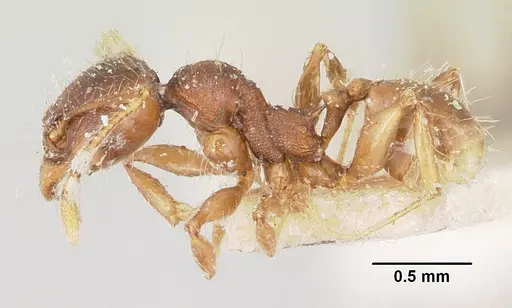
CASENT0101780
View on AntWeb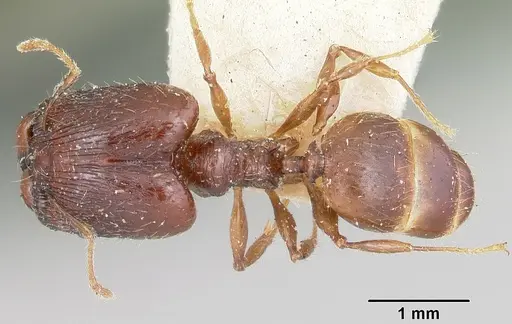
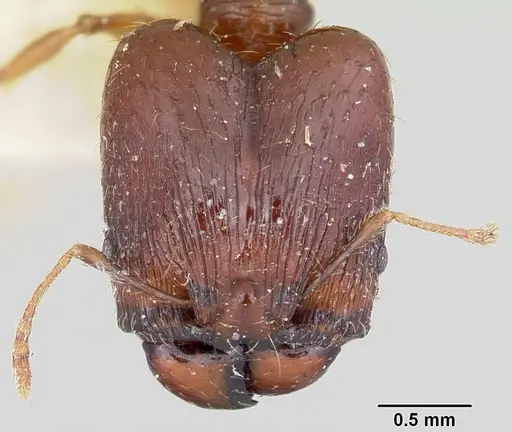
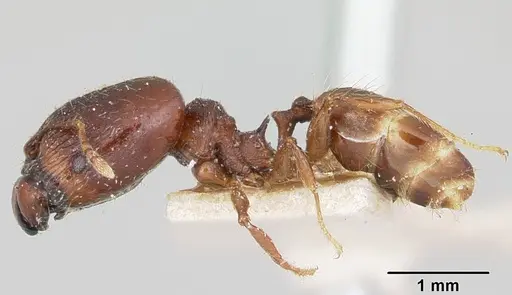
CASENT0104600
View on AntWeb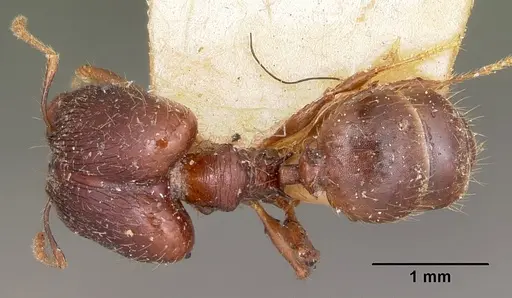
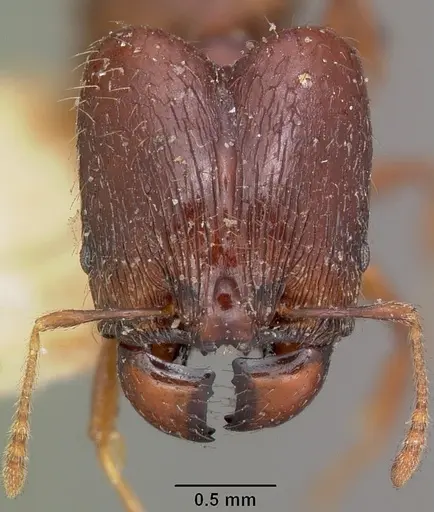
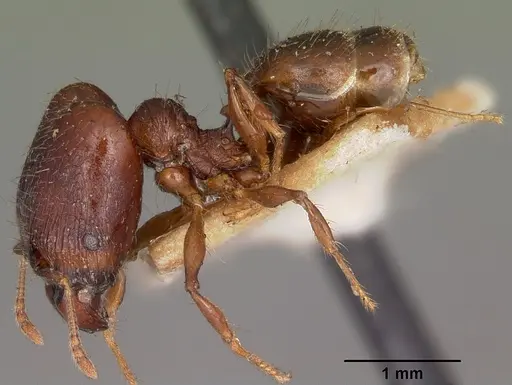
CASENT0104601
View on AntWeb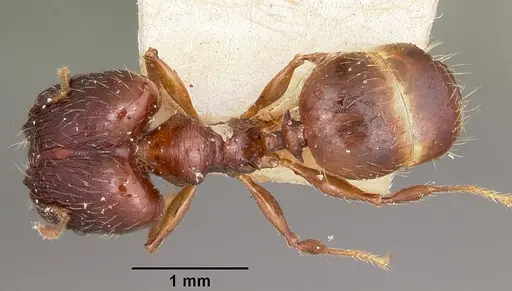
CASENT0140640
View on AntWeb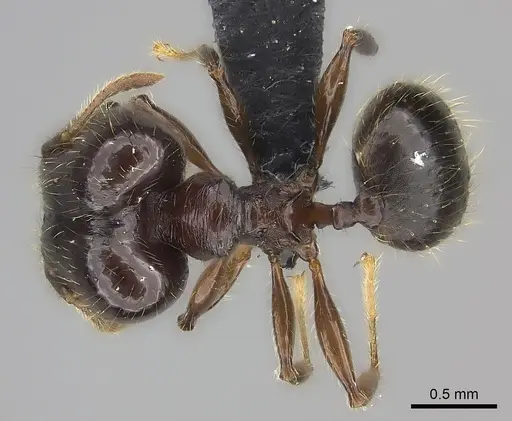
CASENT0140667
View on AntWeb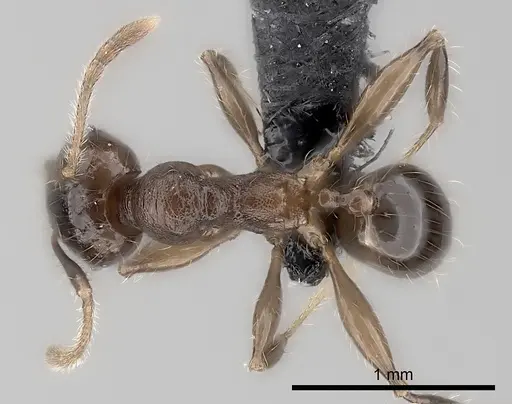
CASENT0298364
View on AntWeb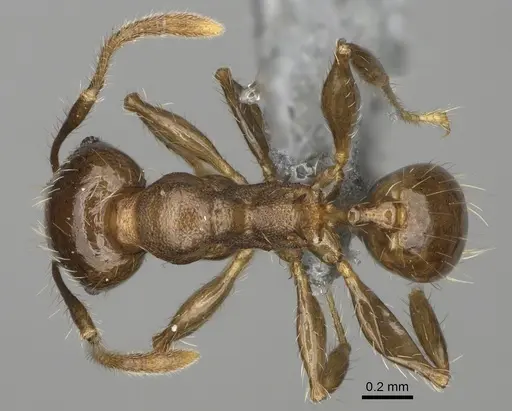
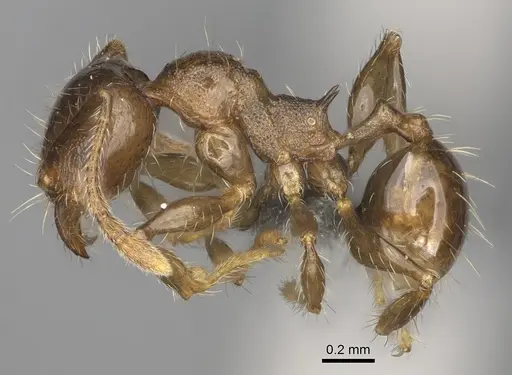
CASENT0427835
View on AntWeb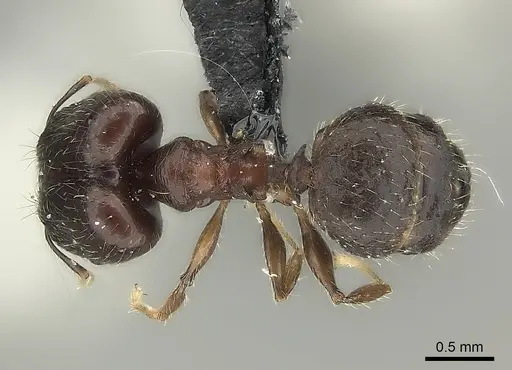
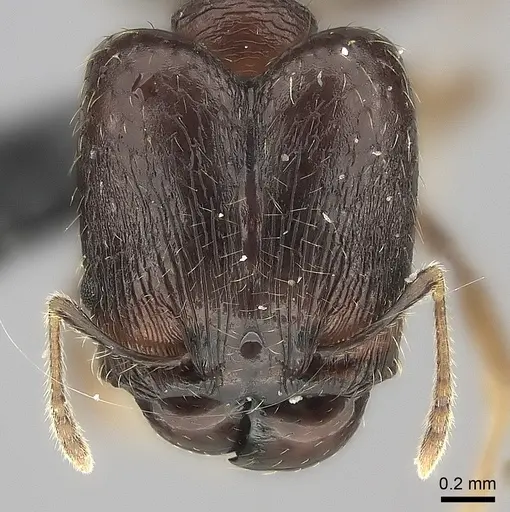
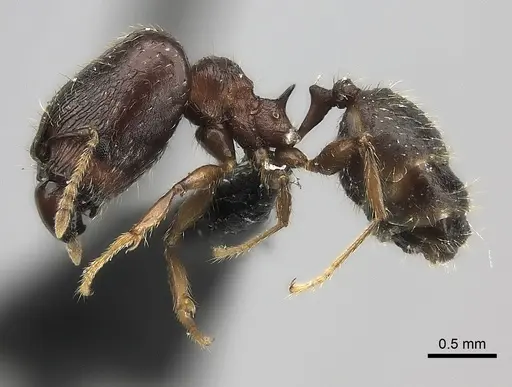
CASENT0427876
View on AntWeb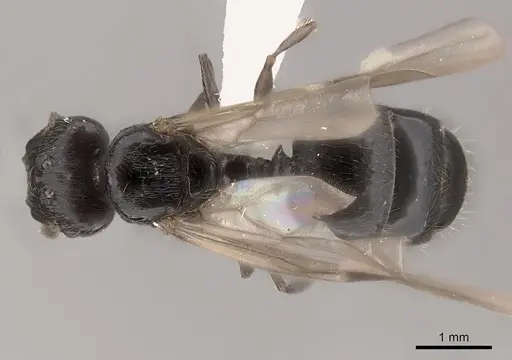
CASENT0427879
View on AntWeb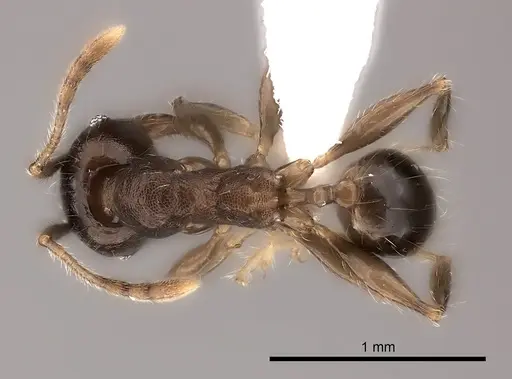
CASENT0923207
View on AntWeb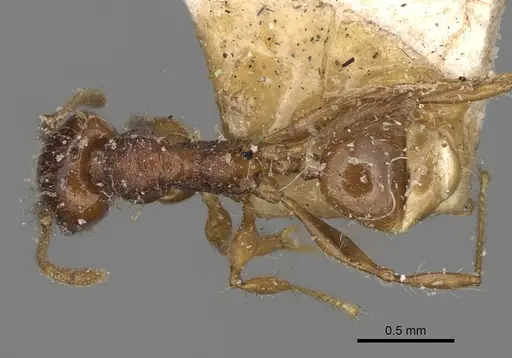
CASENT0923208
View on AntWeb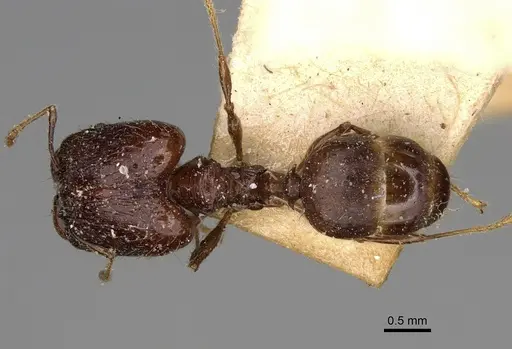
CASENT0923209
View on AntWeb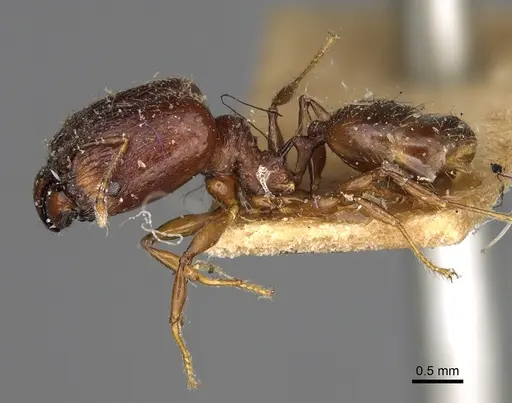
CASENT0923226
View on AntWeb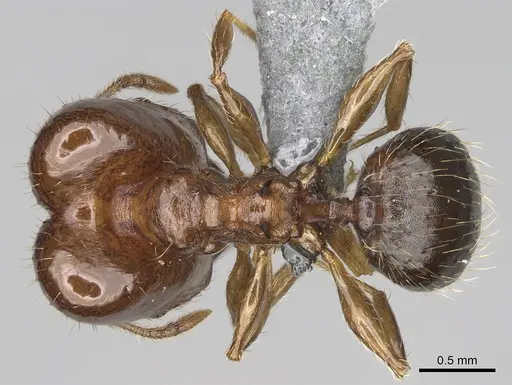
Literature
Loading...Loading products...