

Pheidole obtusopilosa
- Scientific Name
- Pheidole obtusopilosa
- Tribe
- Attini
- Subfamily
- Myrmicinae
- Author
- Mayr, 1887
- Distribution
- Found in 2 countries
Pheidole obtusopilosa Overview
Pheidole obtusopilosa is an ant species of the genus Pheidole. It is primarily documented in 2 countries , including Brazil, Uruguay. Detailed taxonomic data and occurrence records can be further explored via authoritative databases such as AntWeb or the Global Biodiversity Information Facility (GBIF).
Pheidole obtusopilosa
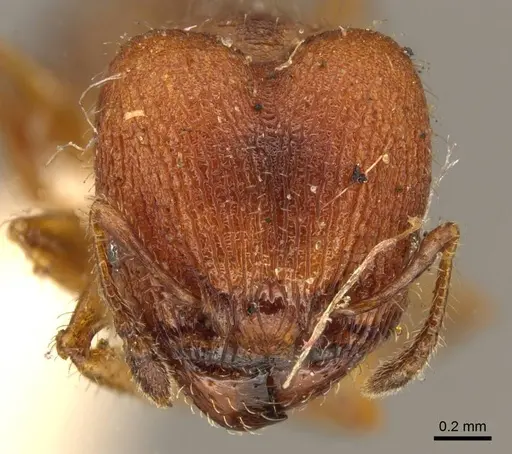
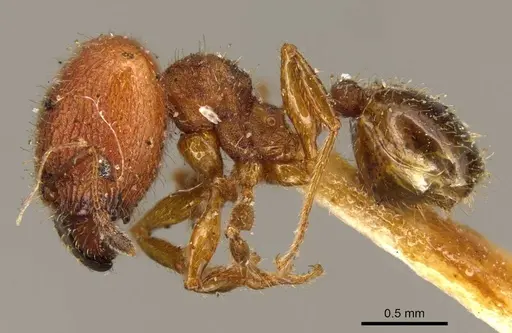
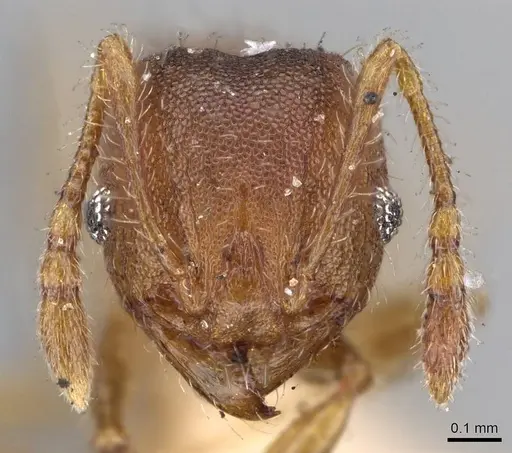
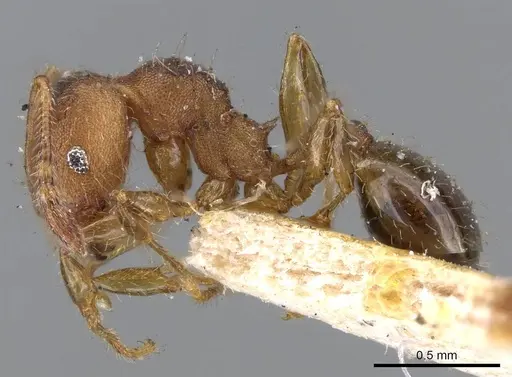
Pheidole obtusopilosa is a small Neotropical ant known for its distinctive major workers (soldiers) with large heads. Majors measure around 1.16mm in head width with a light reddish-brown body, while minors are much smaller at around 0.56mm. This species belongs to the flavens group and is found across Argentina, Uruguay, and southern Brazil, particularly in grassland habitats and wet mountain forests. The species was originally described by Mayr in 1887 and has been documented as highly dominant in ground traps in highland grasslands of southern Brazil, appearing in over half of all pitfall traps sampled [1]. One notable aspect of this species is its association with Oxyepoecus bruchi, a parasitic ant that has been collected in the same nests [2].
Quick Summary
- Difficulty: Easy
- Origin & Habitat: Neotropical region, Argentina, Uruguay, and southern Brazil. Found in wet mountain forests at 850m elevation (São Paulo) and grassland habitats across Rio Grande do Sul [1][2].
- Colony Type: Likely monogyne (single queen) based on typical Pheidole patterns. Colonies can reach moderate sizes with major and minor worker castes.
- Colony: Monogyne
- Founding: Claustral
- Size & Growth:
- Queen: Unconfirmed, estimated 5-7mm based on genus patterns
- Worker: Minors: 0.56mm HW, Majors: 1.16mm HW
- Colony: Moderate, likely several hundred workers based on related species
- Growth: Moderate, typical for Pheidole genus
- Development: 6-8 weeks (estimated based on typical Pheidole development) (Development timeline not directly studied, estimates based on genus-level patterns for subtropical species)
- Antkeeping:
- Temperature: Keep at 22-26°C. This species comes from subtropical regions of Argentina, Uruguay, and Brazil, so moderate warmth supports brood development. A slight gradient allowing workers to self-regulate is ideal.
- Humidity: Moderate, they prefer slightly moist substrate. The species has been found in wet mountain forests and grasslands, indicating tolerance for varying moisture levels. Keep the nest substrate damp but not waterlogged.
- Diapause: Likely, subtropical species from temperate South America may slow down during winter months. Consider a slight cool period (15-18°C) for 2-3 months if colony shows reduced activity.
- Nesting: Ground-nesting species that prefers soil or compact substrate. In captivity, a Y-tong (AAC) nest or plaster nest with tight chambers works well. They do well with moderate chamber sizes that accommodate both castes.
- Behavior: Pheidole obtusopilosa is a ground-dwelling ant with typical Pheidole behavior. Majors serve as soldiers and food processors, while minors handle most foraging and brood care. They are not aggressive toward keepers but will defend the nest if threatened. Workers are small (minors ~3mm), so escape prevention should be taken seriously, they can squeeze through small gaps. This species shows functional group behavior as Generalized Myrmicinae [3].
- Common Issues: escape prevention is critical due to small minor workers, use fine mesh and tight-fitting barriers, colonies may be slow to establish initially, patience is needed during founding phase, overfeeding can lead to mold in nest setups, remove uneaten protein promptly, major workers are relatively large-headed which can cause them to get stuck in narrow passages if chambers are too small
Nest Preferences
Pheidole obtusopilosa is a ground-nesting species found in soil and leaf litter in grassland and forest habitats across southern South America. In captivity, they adapt well to standard formicarium setups. Y-tong (AAC) nests work particularly well because they provide dark, humid chambers that mimic underground conditions. Plaster nests are also suitable, especially when kept moderately moist. The key is providing chambers sized appropriately, minors are tiny at around 0.56mm head width, but majors are substantially larger at 1.16mm, so chambers should accommodate both castes comfortably. A small outworld for foraging completes the setup. Avoid overly wet or flooded setups, as this species prefers moderate moisture rather than saturated conditions. [1][2]
Feeding and Diet
Like other Pheidole species, P. obtusopilosa is an omnivorous forager that collects seeds, small insects, and honeydew. In captivity, offer a varied diet: protein sources like small crickets, mealworms, or fruit flies twice weekly, and sugar sources like honey water or sugar water constantly. Pheidole majors use their large heads to process seeds and other hard food items, so including some seeds or grit in the outworld can encourage natural foraging behavior. Remove uneaten protein within 24-48 hours to prevent mold. This species is highly adaptable and should accept most standard ant foods readily.
Temperature and Care
Maintain temperatures between 22-26°C for optimal colony health and brood development. This species originates from subtropical regions of Argentina, Uruguay, and Brazil, so moderate warmth is beneficial. Room temperature within this range works well in most homes. If your space runs cooler, a heating cable on one side of the nest can create a gradient. Place the heating element on top of the nest to avoid drying out the substrate. During winter months, if room temperatures drop significantly, consider a slight cool period at 15-18°C for 2-3 months, mimicking natural seasonal slowdowns. Monitor colony activity, if workers become sluggish and cluster together, they may be indicating temperature preferences. [1]
Behavior and Temperament
Pheidole obtusopilosa displays typical Pheidole caste behavior: minor workers handle most daily tasks including foraging, brood care, and nest maintenance, while major workers (soldiers) defend the colony and process larger food items. This species is not particularly aggressive toward keepers but will bite if directly handled or if the nest is threatened. The primary concern for keepers is their small size, minor workers are only about 0.56mm head width, making them capable of escaping through tiny gaps. Use fine mesh on any ventilation holes and ensure all connections are sealed. Colonies are moderately active and will establish visible foraging trails when food is offered. [3]
Colony Growth and Development
Pheidole colonies grow through the production of major and minor workers. The first generation (nanitics) is typically smaller but develops quickly as the queen's initial brood matures. Over time, colonies produce larger majors that serve as soldiers. Based on typical Pheidole development patterns, expect 6-8 weeks from egg to first worker. Growth rate is moderate, not the fastest nor slowest among ants. Colonies likely reach several hundred workers at maturity. The presence of both castes is a defining trait of Pheidole and represents an efficient division of labor where majors handle specialized tasks while minors perform most worker duties.
Frequently Asked Questions
How long does it take for Pheidole obtusopilosa to produce first workers?
Expect 6-8 weeks from egg to first worker under optimal conditions (22-26°C). This is typical for Pheidole species in subtropical climates. The queen will seal herself in during founding and emerge with her first nanitic workers once they've developed.
What do Pheidole obtusopilosa ants eat?
They are omnivorous. Offer protein like small crickets, mealworms, or fruit flies twice weekly, and provide constant access to sugar sources like honey water or sugar water. They will also collect seeds and small particles in the outworld.
Can I keep multiple queens together?
Pheidole obtusopilosa is likely monogyne (single queen) based on typical genus patterns. Combining unrelated queens is not recommended as they typically establish exclusive territories. If you acquire a founding queen, keep her alone until claustral founding is complete.
What size colony do Pheidole obtusopilosa colonies reach?
Based on related species, colonies likely reach several hundred workers at maturity. They produce both major (soldier) and minor castes, with majors appearing as the colony grows.
Do Pheidole obtusopilosa need hibernation?
As a subtropical species from Argentina, Uruguay, and Brazil, they may benefit from a slight cool period (15-18°C) for 2-3 months during winter if your room temperature drops significantly. This mimics their natural seasonal cycle but is not strictly required in heated homes.
What nest type is best for Pheidole obtusopilosa?
A Y-tong (AAC) or plaster nest works well. They prefer dark, humid chambers with moderate moisture. Ensure chambers are sized to accommodate both minor workers (tiny) and major soldiers (larger).
Are Pheidole obtusopilosa good for beginners?
Yes, this is a good beginner species. They are hardy, adaptable, and accept a wide variety of foods. The main challenge is escape prevention due to their small size. Once you master fine-mesh barriers, they are straightforward to keep.
Why are my Pheidole obtusopilosa escaping?
Your escape prevention likely needs improvement. Minor workers are extremely small (about 0.56mm) and can squeeze through gaps that seem impossible. Use fine mesh (at least 0.5mm), seal all connections with fluon or silicone, and check for any tiny gaps around tubing connections.
When should I move Pheidole obtusopilosa to a formicarium?
Wait until the colony has at least 50-100 workers before moving from a test tube setup. Pheidole colonies do better when allowed to establish fully in a simple setup first. Make sure the formicarium has appropriately sized chambers and an established moisture gradient before the move.
References

This caresheet is licensed under CC BY-SA 4.0 .
CASENT0916068
View on AntWeb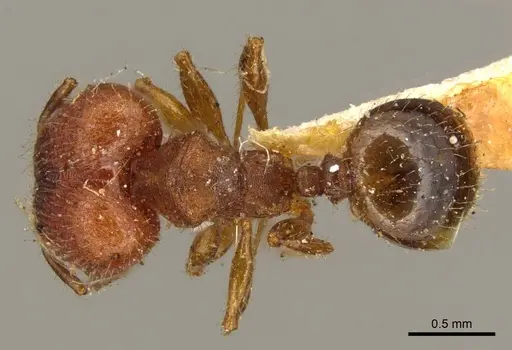
CASENT0919785
View on AntWeb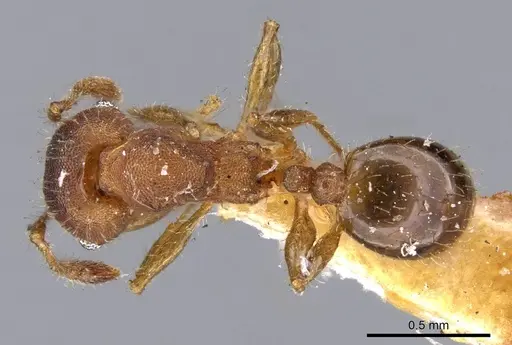
Literature
Loading...Loading products...