

Pheidole nubila
- Scientific Name
- Pheidole nubila
- Tribe
- Attini
- Subfamily
- Myrmicinae
- Author
- Emery, 1906
- Distribution
- Found in 2 countries
Pheidole nubila Overview
Pheidole nubila is an ant species of the genus Pheidole. It is primarily documented in 2 countries , including Argentina, Brazil. Detailed taxonomic data and occurrence records can be further explored via authoritative databases such as AntWeb or the Global Biodiversity Information Facility (GBIF).
Pheidole nubila
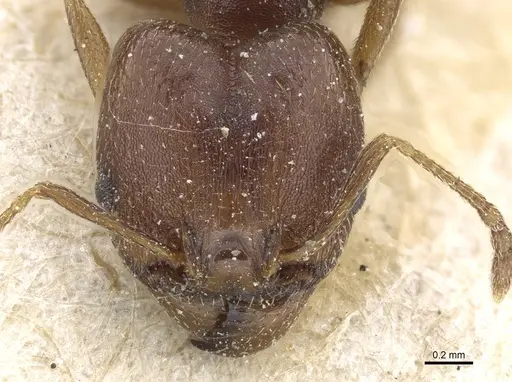
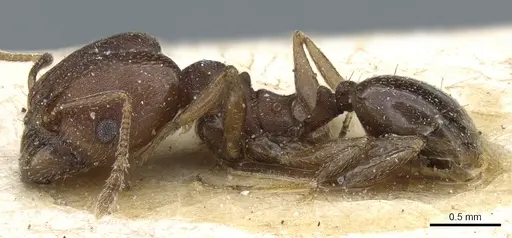
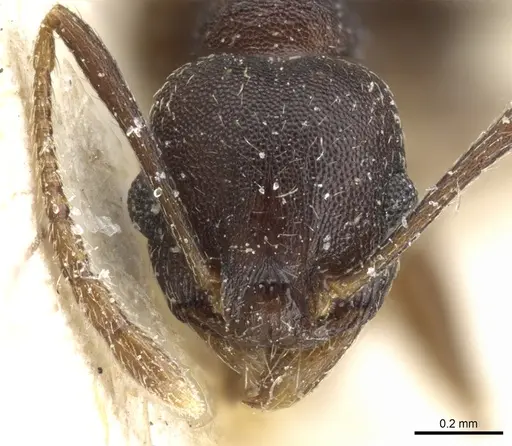
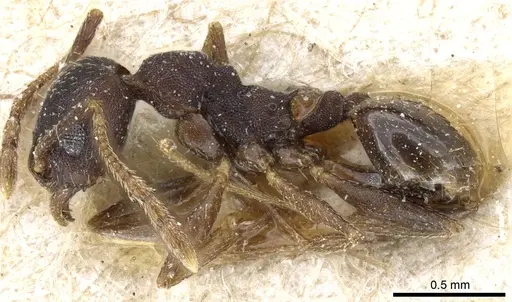
Pheidole nubila is a small ant species belonging to the diligens group, native to the grasslands of southern South America. Majors measure approximately 1.14mm in head width with reddish-brown coloration, while minors are around 0.56mm. The species is distinguished by its foveolate (pitted) and opaque body surface, particularly on the minor workers, and the bilobous pronotal dorsum in major workers. This ant has been recorded across northern Argentina (Salta, Córdoba, Jujuy, Santa Fé) and southern Brazil, where it thrives in grassland and disturbed habitats [1].
This species is notable for its unicolonial behavior and mass recruitment patterns, which make it highly successful in human-modified environments. It is one of the most common ant species in southern Brazilian grasslands and has even been documented as the second most frequent ant species found in hospital settings in Brazil, where it can carry pathogenic bacteria. This makes it an interesting species for antkeepers who want to observe sophisticated recruitment behavior, though its presence in urban environments also raises important considerations for responsible keeping practices [2].
Quick Summary
- Difficulty: Easy
- Origin & Habitat: Native to the grasslands of southern South America, specifically Argentina (Salta, Córdoba, Jujuy, Santa Fé) and southern Brazil. Found in grassland habitats, forest edges, vineyards, and human-disturbed areas including hospitals [1][3][4].
- Colony Type: Unicolonial, colonies lack clear territorial boundaries and can form large interconnected networks. Multiple queens are likely present based on unicolonial behavior patterns [2].
- Colony: Polygyne, Supercolonial
- Founding: Claustral
- Size & Growth:
- Queen: Undescribed in available literature, estimated 5-7mm based on genus Pheidole patterns
- Worker: Major: 1.14mm HW [1], Minor: 0.56mm HW [1]
- Colony: Likely several hundred to a few thousand workers based on typical Pheidole colony sizes and unicolonial behavior
- Growth: Moderate, typical for Pheidole diligens group species
- Development: Estimated 6-8 weeks based on typical Pheidole development at warm temperatures (Development time inferred from genus patterns, specific data for P. nubila is unavailable)
- Antkeeping:
- Temperature: Keep at 22-26°C. This species originates from warm temperate to subtropical grasslands of southern South America where temperatures are moderate year-round. A heating cable on one side of the nest creates a suitable gradient [1].
- Humidity: Moderate humidity around 50-60%. These ants are found in grassland environments rather than rainforests, so they tolerate drier conditions better than many tropical species. Keep the nest substrate slightly moist but allow it to dry partially between waterings [3][4].
- Diapause: Likely a mild winter slowdown period during cooler months (May-August in southern hemisphere). Reduce feeding and keep at 15-18°C during this period. This species shows seasonal activity patterns, being most active in summer and spring [2].
- Nesting: Natural nesting occurs in soil and under stones in grassland areas. In captivity, a standard test tube setup works well for founding colonies. Once established (50+ workers), a Y-tong or plaster nest with small chambers suits their size. The minor workers are very small (~0.5mm), so ensure escape prevention uses fine mesh or tight-fitting barriers [1].
- Behavior: Pheidole nubila displays classic Pheidole behavior with distinct major and minor worker castes. Majors serve as soldiers and food processors, while minors handle most foraging and brood care. They show unicolonial behavior with mass recruitment, when a food source is discovered, workers rapidly recruit many nestmates. This creates impressive foraging trails. They are not particularly aggressive but will defend the colony vigorously if threatened. Escape prevention is important due to their small minor workers, though majors can be caught with tweezers [2].
- Common Issues: small minor workers mean escapes are likely without fine mesh barriers, colonies can grow large quickly due to unicolonial nature, ensure you have space for expansion, wild-caught colonies may carry pathogens given their presence in hospital settings, quarantine and observe before combining with other colonies, mass recruitment can lead to food spoilage if not cleaned promptly, remove uneaten protein within 24 hours, their presence in human buildings means they adapt well to indoor conditions but can become persistent if colonies escape
Housing and Nest Setup
Pheidole nubila is a small ant that does well in standard antkeeping setups. For founding colonies, a simple test tube setup with a water reservoir works perfectly. The queen will seal herself in a chamber and raise her first brood without needing any intervention. Once your colony reaches 50+ workers, you can transition to a Y-tong (AAC) nest or a plaster formicarium. The chambers should be relatively small, these ants prefer cozy spaces. For the outworld, a simple plastic container works fine. The key concern is escape prevention: minor workers are extremely small (about 0.5mm) and can squeeze through gaps that seem impossible. Use fine mesh on any ventilation holes and ensure all connections are tight. A layer of fluon on the rim of the outworld provides an effective barrier [1].
Feeding and Diet
In the wild, P. nubila shows strong preference for carbohydrate and protein baits, with studies showing 60% preference for honey-sugar-based baits and 20% for protein sources like sardine. They are generalist feeders that will accept most ant foods. For your colony, offer a constant source of sugar water or honey diluted with water. For protein, provide small insects like fruit flies, pinhead crickets, or mealworms. Given their small size, ensure prey items are appropriately sized, minor workers can handle prey roughly their own size. Feed protein 2-3 times per week for established colonies, and remove any uneaten food within 24 hours to prevent mold. Their mass recruitment behavior means once they discover a food source, you'll see impressive numbers of workers swarming the offering [2].
Temperature and Seasonal Care
These ants come from the warm temperate to subtropical grasslands of southern South America, where temperatures are moderate but can get quite warm in summer. Keep your colony at 22-26°C for optimal growth and activity. A heating cable placed on one side of the nest creates a temperature gradient that allows ants to self-regulate. During the cooler months (roughly May through August in the southern hemisphere equivalent), expect reduced activity. You can simulate this by reducing temperatures to 15-18°C and cutting back on feeding. This winter rest period helps maintain natural colony cycles. However, unlike temperate species, they don't require prolonged cold dormancy, a mild slowdown is sufficient. If you keep them at room temperature year-round (around 20-24°C), they will remain active but may have slightly shorter lifespans [2][3].
Understanding Their Behavior
Pheidole nubila displays fascinating social behavior that makes them entertaining to watch. The presence of distinct major and minor worker castes means you'll see clear division of labor: minor workers handle most daily tasks including foraging, brood care, and nest maintenance, while majors serve as soldiers and food processors, they can crush larger prey items that minors cannot handle. Their unicolonial nature means colonies don't have the same aggressive territorial boundaries seen in many ant species. Instead, workers from different nests within the same colony network can mix freely. This translates to fascinating mass recruitment behavior, when workers find a good food source, they quickly alert many nestmates, creating impressive foraging trails. They are not particularly aggressive toward humans and rarely sting. However, they are very persistent foragers, which is why they succeed in human-modified environments [2].
Health and Hygiene Considerations
One important consideration for keeping P. nubila is their documented presence in hospital environments in Brazil, where they were found carrying potentially harmful bacteria including Enterobacteriaceae and Staphylococcus epidermidis. While this doesn't mean your colony is dangerous, it does highlight the importance of basic hygiene practices. Keep their enclosure clean, remove uneaten food promptly, and wash your hands after handling the nest or cleaning the formicarium. If you collect wild colonies, consider quarantining them for a few weeks before introducing them to any established ant collections. These ants are not known to be disease reservoirs that pose serious risks to healthy humans, but good husbandry practices are always wise. Their presence in hospitals also demonstrates their remarkable adaptability to indoor environments, they can thrive in conditions that would stress many other ant species [2].
Frequently Asked Questions
How long does it take for Pheidole nubila to produce first workers?
Based on typical Pheidole development patterns, expect first workers (nanitics) to emerge in approximately 6-8 weeks after the queen lays eggs, assuming temperatures around 24-26°C. The exact timeline for P. nubila specifically has not been documented, but the diligens group species typically develop at this rate.
Can I keep multiple Pheidole nubila queens together?
Yes, this species is unicolonial and naturally forms multi-queen colonies. Unlike many ant species where introducing additional queens leads to fighting, P. nubila colonies can support multiple reproductive queens. However, for a captive colony started from a single foundress, you don't need to add more queens, one mated queen can establish a successful colony that will eventually produce its own queens during nuptial flights.
What should I feed my Pheidole nubila colony?
Offer a constant source of sugar (sugar water or honey diluted 1:1 with water) and protein sources 2-3 times per week. Small insects like fruit flies, small crickets, or mealworms work well. Studies show they prefer carbohydrate baits (60% preference) over pure protein (20%), so always provide both. Remove uneaten food within 24 hours to prevent mold.
Are Pheidole nubila good for beginners?
Yes, P. nubila is an excellent species for beginners. They are adaptable, tolerant of varying conditions, and not particularly aggressive. Their main requirements are straightforward: moderate warmth, basic humidity, and regular feeding. The main challenges are escape prevention (due to their tiny minor workers) and managing their rapid recruitment to food sources. They are more forgiving of beginner mistakes than many tropical species.
Do Pheidole nubila need hibernation?
They do not require true hibernation like temperate species. In their native range (southern South America), winters are mild. You can simulate a rest period by reducing temperatures to 15-18°C for 2-3 months during winter and reducing feeding. This is optional but may help maintain natural colony cycles. Room-temperature keeping year-round is also acceptable if your home stays around 20-24°C.
When should I move my colony to a formicarium?
Move from test tube to a larger nest once your colony reaches 40-60 workers. Signs that they're ready include the water reservoir needing frequent refills, workers clustering near the cotton, or the colony clearly outgrowing the test tube. A Y-tong or plaster nest with small chambers works well for this species.
How big do Pheidole nubila colonies get?
Based on their unicolonial nature and typical Pheidole colony sizes, expect colonies to reach several hundred to a few thousand workers in captivity. In the wild, unicolonial species can form massive supercolonies, but captive colonies typically stabilize at manageable sizes given container constraints.
Why are my Pheidole nubila escaping?
Their minor workers are extremely small (about 0.5mm) and can squeeze through tiny gaps. Check all ventilation holes, lid seams, and connection points. Use fine mesh (at least 0.5mm or smaller) and apply fluon barrier to the rim of the outworld. Even seemingly sealed containers can have microscopic gaps that these tiny ants can exploit.
References

This caresheet is licensed under CC BY-SA 4.0 .
CASENT0904325
View on AntWeb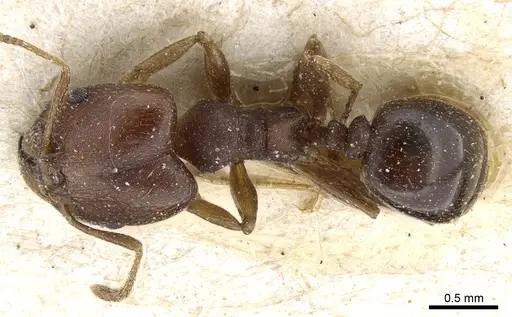
CASENT0904326
View on AntWeb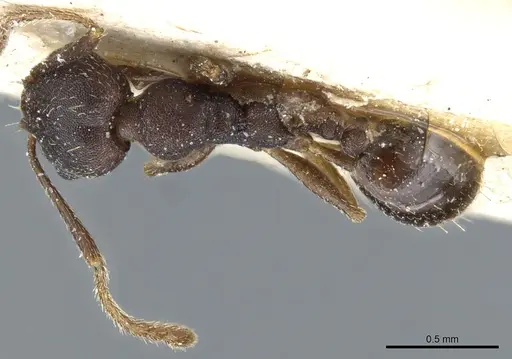
Literature
Loading...Loading products...