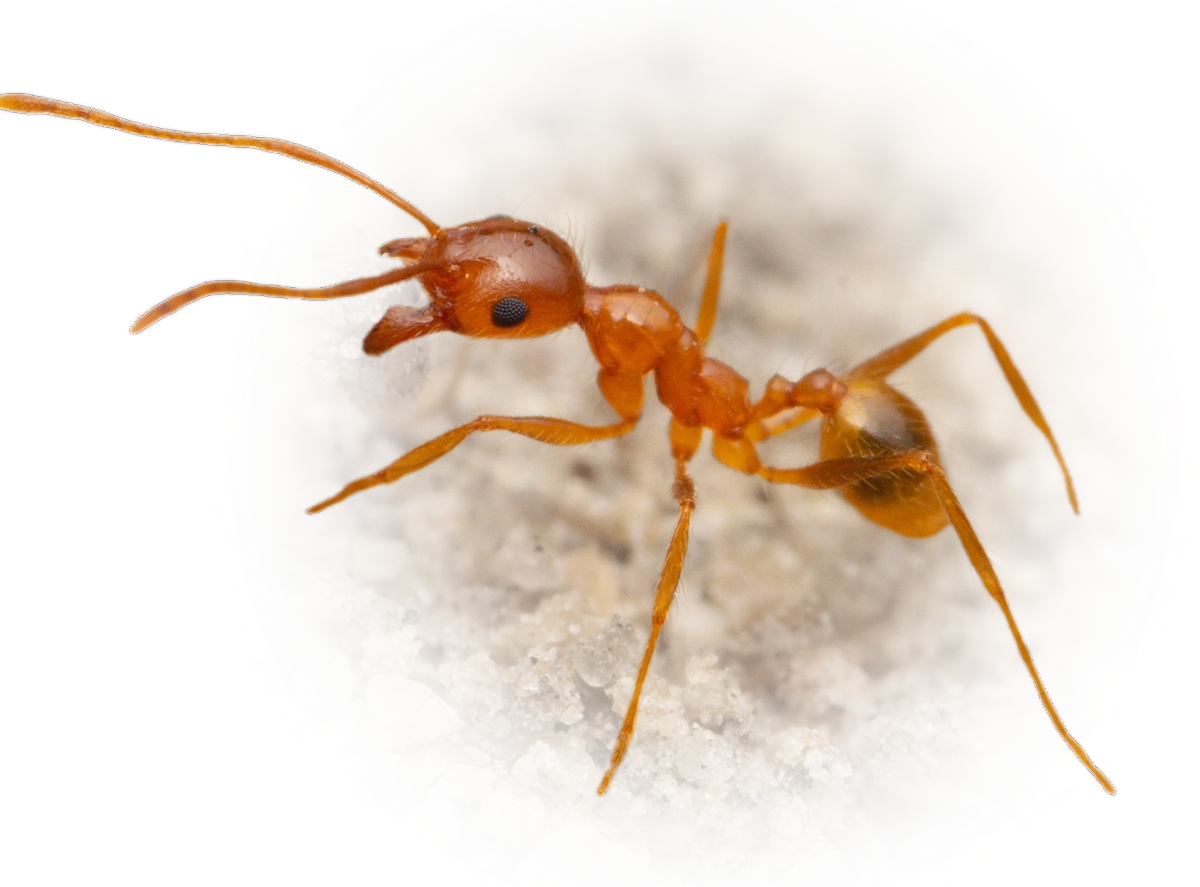

Pheidole morrisii
- Scientific Name
- Pheidole morrisii
- Tribe
- Attini
- Subfamily
- Myrmicinae
- Author
- Forel, 1886
- Common Name
- Morris' Big-headed Ant
- Distribution
- Found in 1 countries
Pheidole morrisii Overview
Pheidole morrisii (commonly known as the Morris' Big-headed Ant) is an ant species of the genus Pheidole. It is primarily documented in 1 countries , including United States of America. Detailed taxonomic data and occurrence records can be further explored via authoritative databases such as AntWeb or the Global Biodiversity Information Facility (GBIF).
Pheidole morrisii - "Morris' Big-headed Ant"
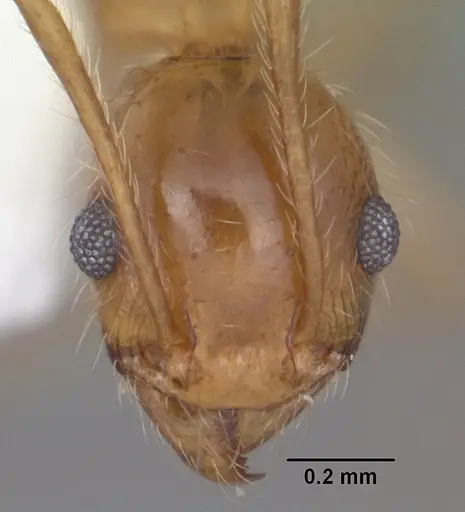
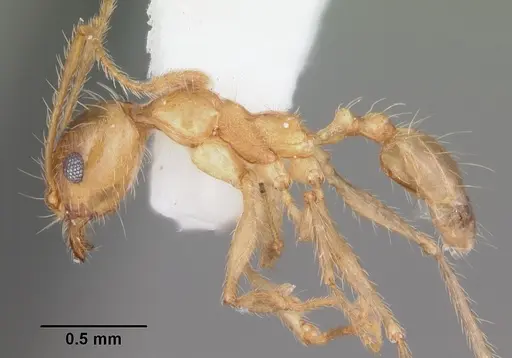
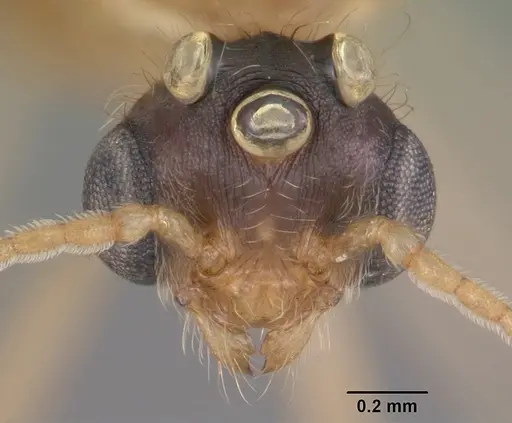
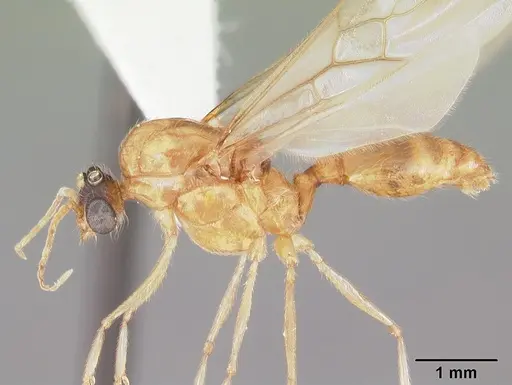
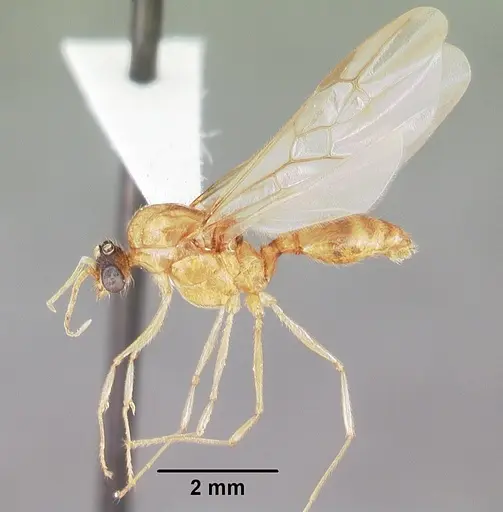
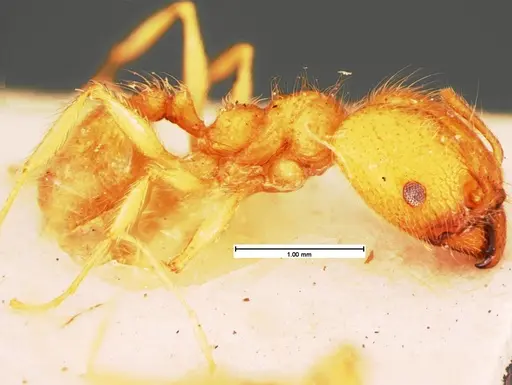
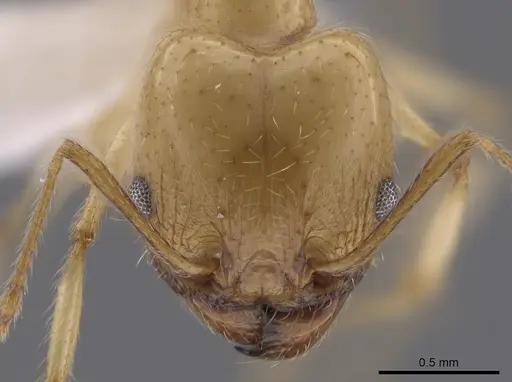
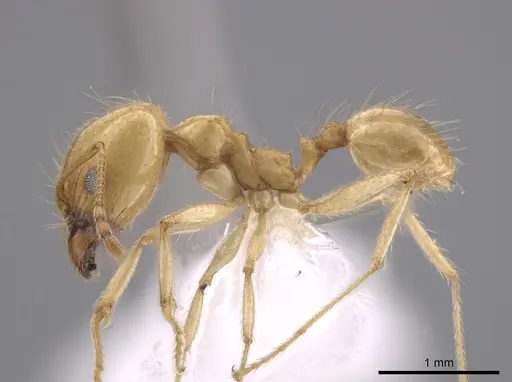
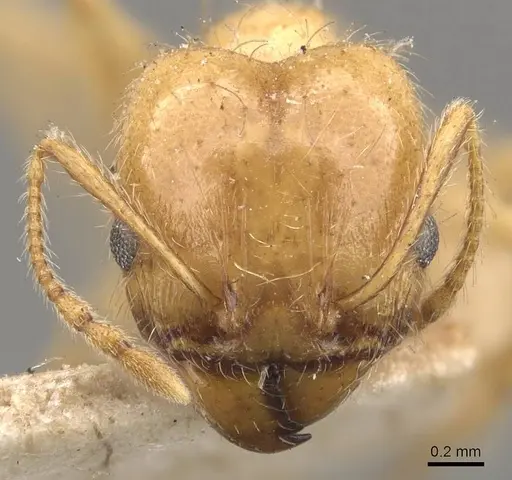
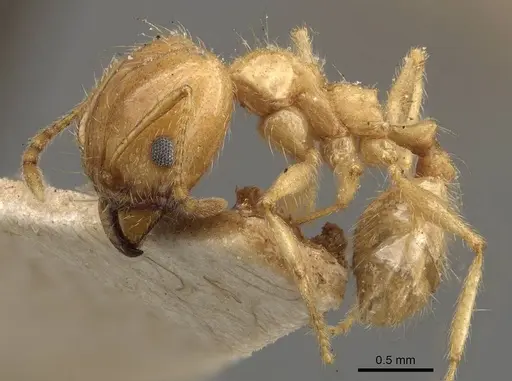
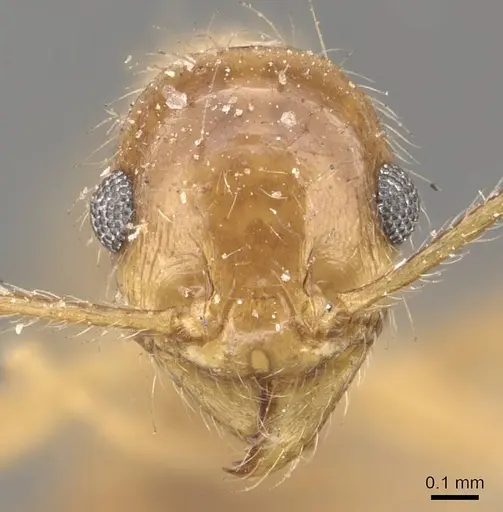
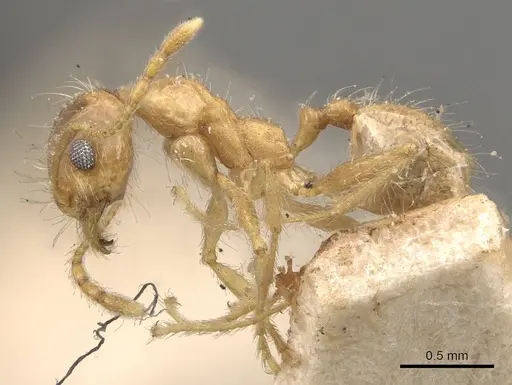
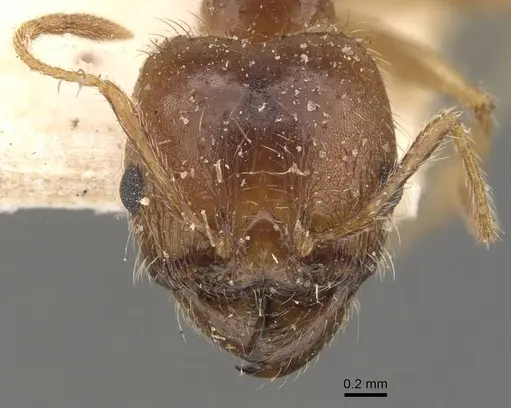
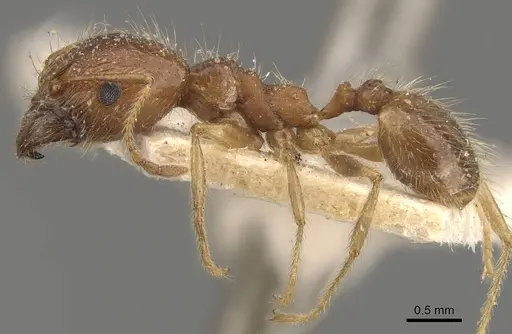
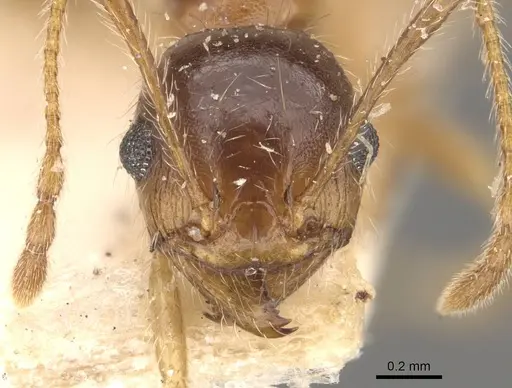
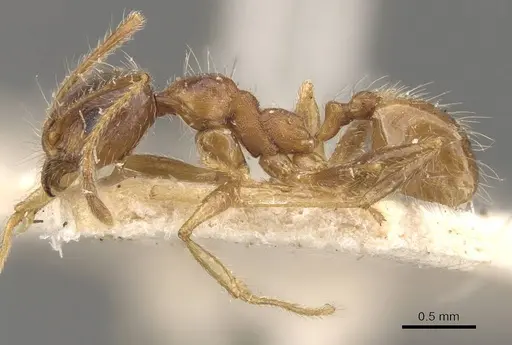
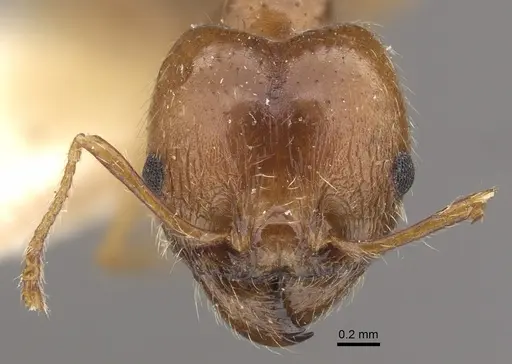
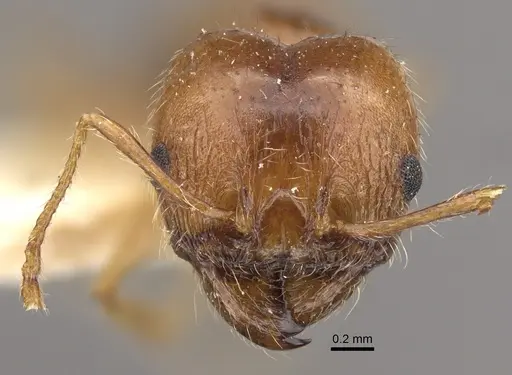
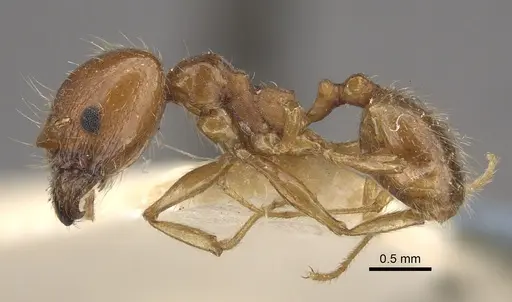
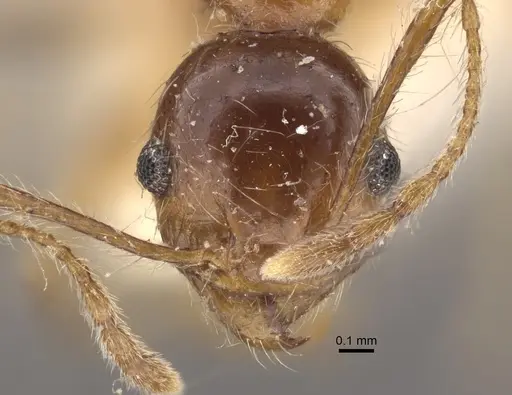
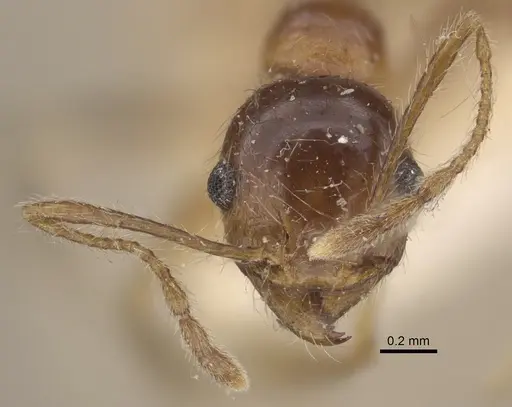
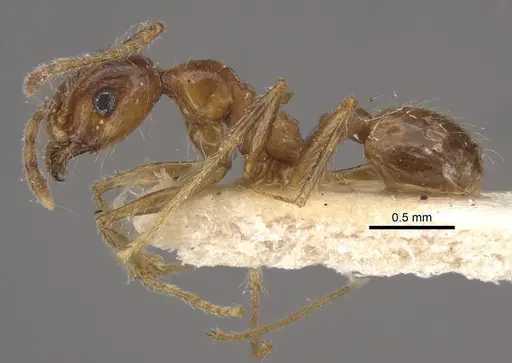
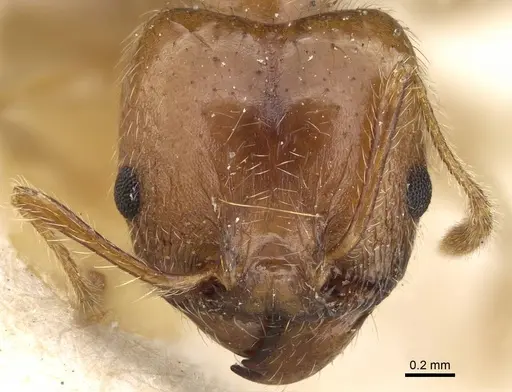
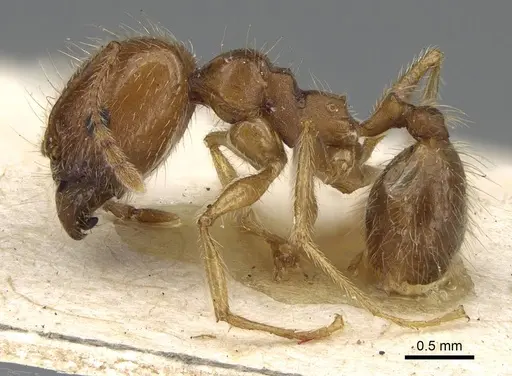
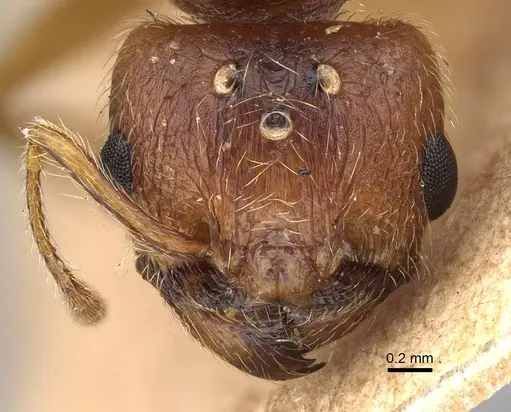
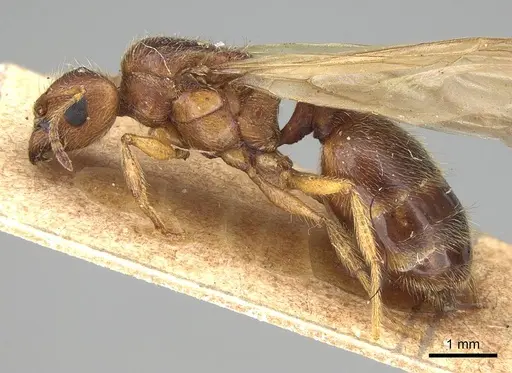
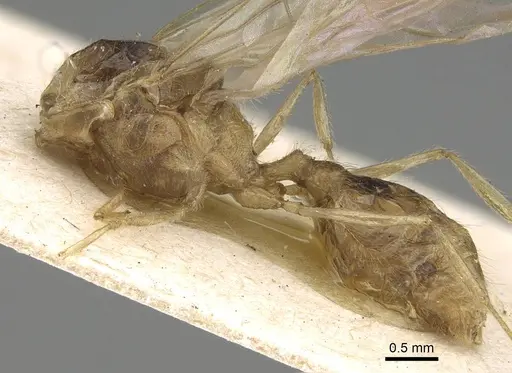
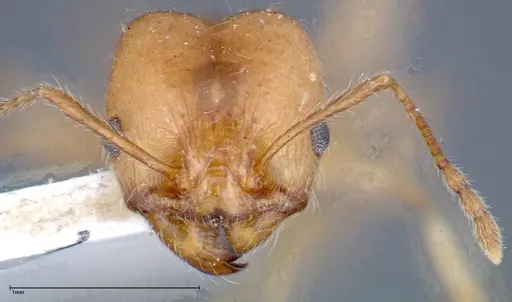
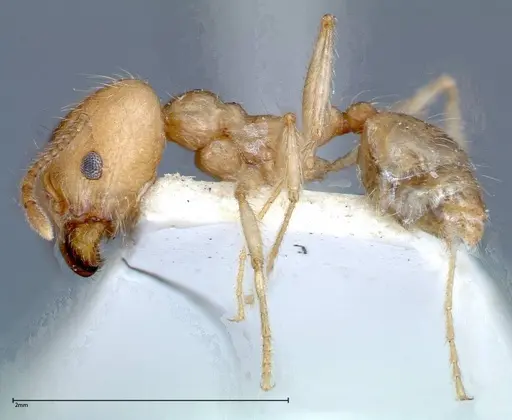
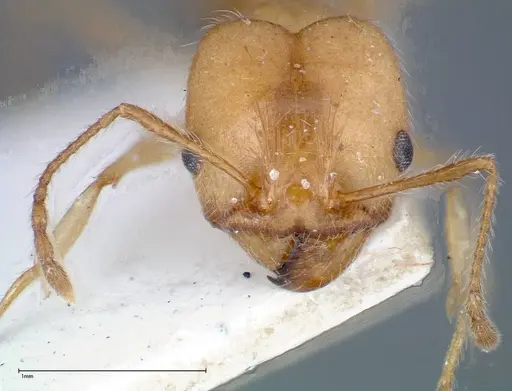
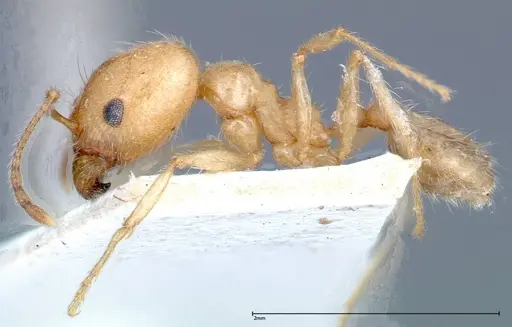
Pheidole morrisiii is a dimorphic ant species native to the eastern United States, ranging from Long Island, New York down to Florida and west to Texas. These ants are easily recognized by their pronounced worker polymorphism, minor workers are small (2.5-2.8mm) while major workers (soldiers) have dramatically enlarged heads (3.0-5.0mm) with powerful mandibles for seed-eating [1][2]. Their coloration is yellowish to light brown, and they build nests in pure sandy soils, often constructing distinctive crater mounds or nesting at the base of grass clumps [3].
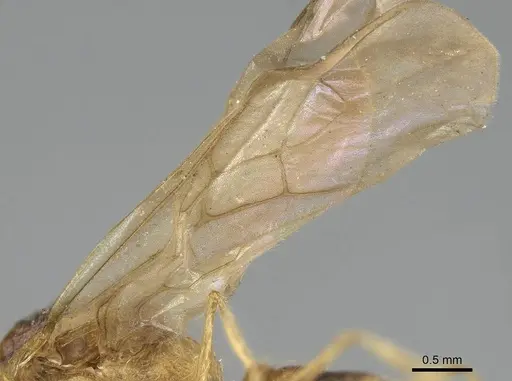
What makes P. morrisii particularly fascinating is its remarkable geographic variation in colony structure. Northeastern populations (Long Island and New Jersey pine barrens) exhibit pleometrotic founding, multiple queens start colonies together, and maintain primary polygyny with multiple egg-laying queens. Southeastern populations, by contrast, are haplometrotic with single queens, though their colonies often spread across multiple nest sites (polydomous). This species also shows incredible colony size variation, ranging from several hundred workers in young colonies to over 37,000 workers in established nests [4].
Quick Summary
- Difficulty: Medium
- Origin & Habitat: Eastern United States from Long Island, New York to Florida, west to Illinois, Missouri, Oklahoma, and Texas. Prefers pure sandy soils in xeric habitats including pine barrens, old fields, open grasslands, and sandhill ecosystems [5][3][6].
- Colony Type: Socially polymorphic, northeastern populations are polygynous (multiple queens) with pleometrotic colony founding, while southeastern populations are monogynous (single queen) but colonies are often polydomous (multiple connected nests). This is one of the few documented cases of such geographic variation in ant colony structure [3].
- Colony: Optionally polygyne
- Founding: Claustral, Pleometrosis
- Size & Growth:
- Queen: Approximately 5-6mm (estimated based on genus patterns)
- Worker: Minors: 2.5-2.8mm, Majors: 3.0-5.0mm [2][1]
- Colony: 500 to 37,400 workers in established colonies [4]
- Growth: Fast, first workers in 30 days, first majors in 50 days, several hundred workers in 8 months [3]
- Development: Approximately 4-5 weeks (first minors at ~30 days) [3] (Development is temperature-dependent, brood development occurs fastest in warm conditions. Larvae enter diapause overwinter and complete development in spring.)
- Antkeeping:
- Temperature: Keep nest area around 24-26°C. Brood prefers approximately 25°C, and ants actively move brood to warmer regions in summer. A heating cable on one side of the nest creates a useful gradient [4].
- Humidity: Moderate, they prefer dry to moderately moist sandy substrates. Avoid overly damp conditions. Provide a water tube but ensure the nest area stays relatively dry.
- Diapause: Yes, colonies in temperate regions require winter cooling. Worker brood enters larval diapause overwinter, and colonies become less active. Keep at cool room temperature (10-15°C) for 3-4 months [4].
- Nesting: Natural nesting involves deep vertical passages 20-30cm below ground with chambered nest architecture. In captivity, provide a deep soil-based formicarium or test tube setup with sand/soil mixture. Y-tong nests also work well. They need vertical space for proper nest structure [4][3].
- Behavior: Pheidole morrisiii is a competitively dominant species with aggressive foraging behavior. Minor workers forage singly, often at night, while major workers emerge to help carry large food items back to the colony. Workers can forage up to 8 meters from the nest [3]. They are effective defenders due to their large majors, and they compete strongly with other ant species. Escape prevention is important, while not tiny, they can squeeze through small gaps, so standard barrier methods work well. They possess functional stings but rarely use them against humans.
- Common Issues: colonies can be outcompeted by invasive fire ants (Solenopsis invicta) in disturbed areas, keep away from other aggressive species, overwintering failure is common if colonies are kept too warm or too wet during dormancy, large colony size means they need significant space, start planning for a large formicarium early, wild-caught colonies may have parasites that can devastate captive colonies, seed collection behavior means they may attempt to store seeds in nest chambers, monitor for mold issues
Nest Preferences and Housing
In the wild, Pheidole morrisiii nests exclusively in the ground, preferring pure sandy soils. They construct elaborate subterranean nests with vertical shafts connecting lobed chambers, typically 0.5-2 meters deep. Colonies often build distinctive crater mounds at the nest entrance, or nest at the base of grass clumps [3][4]. For captive care, provide a deep soil-based formicarium with at least 15-20cm of substrate depth to allow natural tunnel construction. A Y-tong (acrylic) nest also works well if provided with appropriate tunneling media. Test tube setups are suitable for founding colonies but will need upgrading as the colony grows. These ants do best with a dry to moderately moist nest chamber connected to a foraging area with a water tube for humidity.
Feeding and Diet
Pheidole morrisiii is primarily a scavenger but also collects seeds, making them unusual among eastern Pheidole species. In captivity, offer a varied diet including protein sources (small insects like fruit flies, mealworms, crickets) and carbohydrates (sugar water, honey). They readily accept seeds, and major workers possess large mandibles capable of grinding seeds, this is an important food source that many antkeepers overlook [7]. Feed protein 2-3 times per week and provide constant access to sugar water. Remove uneaten food promptly to prevent mold. Their aggressive foraging means they'll readily discover and exploit food sources throughout their foraging area.
Temperature and Seasonal Care
These ants thrive at warm temperatures around 24-26°C in the nest area. Research shows brood is actively moved to the warmest available regions, approximately 25°C is ideal for brood development [4]. In summer, ants move brood to upper nest regions to take advantage of surface warmth, while in winter they relocate brood deeper where temperatures remain more stable. During the active season, a small heating cable on one part of the nest creates a beneficial temperature gradient. For overwintering, colonies require a cool period (10-15°C) for 3-4 months. This coincides with natural larval diapause, worker brood enters dormancy over winter and completes development in spring [4].
Colony Structure and Caste System
Pheidole morrisiii exhibits extreme worker polymorphism with two distinct castes: minor workers (approximately 88% of workforce) and major workers/soldiers (approximately 12%). Minor workers are small (2.5-2.8mm) and handle most day-to-day tasks including foraging. Major workers have dramatically enlarged heads (3.0-5.0mm) and specialize in defense, seed processing, and heavy food transport [8]. Notably, majors actively participate in outside-nest tasks, they emerge from the nest to help carry large food items back to the colony, a behavior less common in other Pheidole species [3]. The caste ratio can shift based on environmental conditions, colonies in more competitive environments produce higher proportions of majors. This species also shows fascinating geographic variation: northeastern colonies are polygynous (multiple queens) while southeastern colonies are monogynous but often polydomous (multiple nest sites) [3].
Growth and Development
Colony growth is remarkably fast. Under laboratory conditions, first minor workers emerge in approximately 30 days, with first major workers appearing around day 50. A colony can reach several hundred workers within just 8 months [3]. Wild colonies reach much larger sizes, research using wax casting found colonies ranging from 800 to nearly 49,000 total ants, with worker counts from 500 to over 37,000 [4]. Colonies must reach approximately 3,000 workers before they can produce reproductive alates (winged queens and males). The colony produces worker brood in two distinct seasonal peaks, spring and fall, with larvae produced in fall entering diapause and overwintering before completing development [4]. This means winter cooling is essential for proper colony development.
Behavior and Defense
This is a competitively dominant ant species known for aggressive foraging and strong nest defense. Workers forage individually, often at night, and can travel up to 8 meters from the nest to locate food. When food is discovered, major workers emerge to assist with transport back to the colony [3]. Their large majors serve as effective defenders against threats, and they compete vigorously with other ant species. Research shows they are ecologically similar to the invasive fire ant (Solenopsis invicta) in worker size, diet, and colony characteristics, this similarity means they are often displaced by fire ants in disturbed habitats [9]. They possess functional stings but rarely use them against keepers. Standard escape prevention works well, though their foraging range means they will explore any gaps in their enclosure.
Frequently Asked Questions
How long does it take for Pheidole morrisii to produce first workers?
First minor workers typically emerge in about 30 days, with first major workers appearing around day 50. This is relatively fast for ant species [3].
How big do Pheidole morrisii colonies get?
Colonies can grow extremely large, wild colonies range from 500 to over 37,000 workers. In captivity, colonies of several thousand workers are achievable with proper care [4].
Can I keep multiple Pheidole morrisii queens together?
It depends on the population source. Northeastern populations (New York, New Jersey) are naturally polygynous and may accept multiple queens, especially during founding. Southeastern populations are typically monogynous. If combining unrelated queens, introduce them at founding stage and monitor for aggression, success is not guaranteed.
What do Pheidole morrisii eat?
They are primarily scavengers but also collect seeds. Feed protein (small insects like fruit flies, mealworms) 2-3 times weekly, provide constant sugar water or honey, and offer seeds occasionally. Major workers can grind seeds with their large mandibles [7][3].
Do Pheidole morrisii need hibernation?
Yes, they require a winter rest period. In the wild, worker brood enters larval diapause over winter. Keep colonies at cool temperatures (10-15°C) for 3-4 months during winter. This is essential for proper seasonal cycle and colony health [4].
Are Pheidole morrisii good for beginners?
They are rated as medium difficulty. They are hardy and grow quickly, but their large colony size and specific temperature/seasonal requirements make them better suited for keepers with some experience. Their aggressive foraging and competitive nature are advantages.
When should I move Pheidole morrisii to a formicarium?
Start with a test tube setup for founding colonies. Once the colony reaches 50-100 workers and you see significant tunneling activity, consider upgrading to a formicarium. Given their large maximum colony size, plan for eventual housing in a spacious formicarium or naturalistic setup.
References

This caresheet is licensed under CC BY-SA 4.0 .
CASENT0104415
View on AntWeb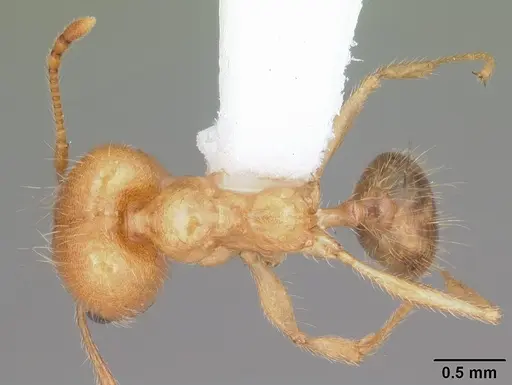
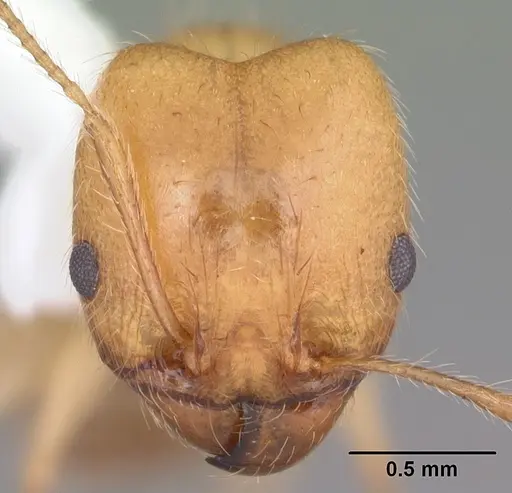
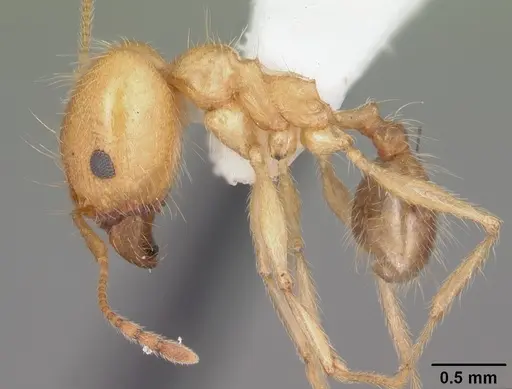
CASENT0104416
View on AntWeb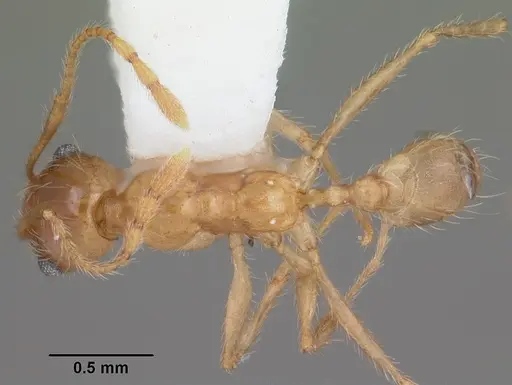
CASENT0104417
View on AntWeb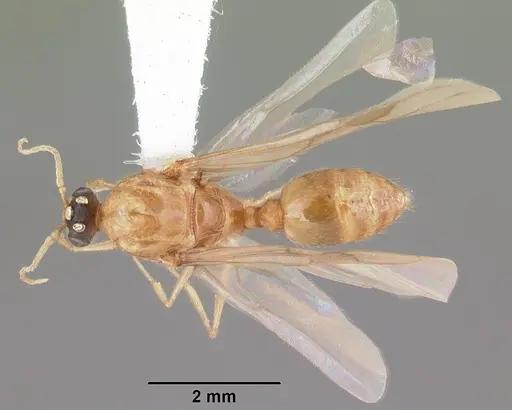
CASENT0105561
View on AntWeb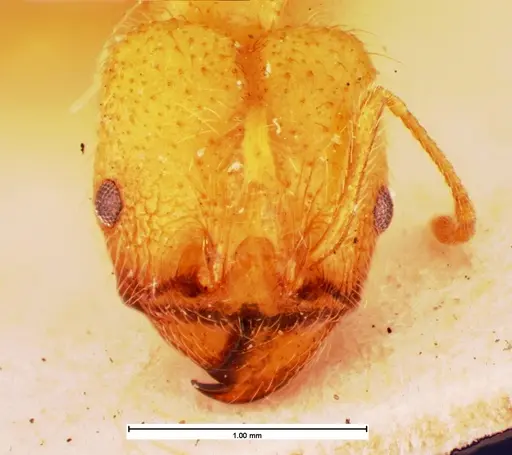
CASENT0650685
View on AntWeb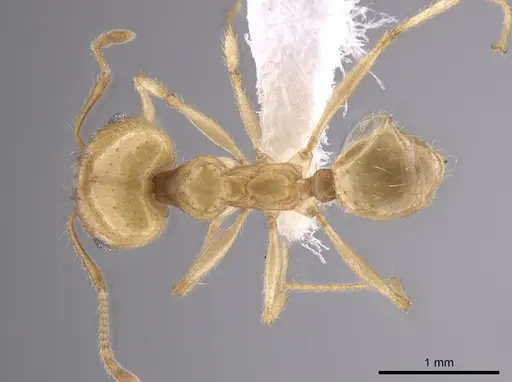
CASENT0908228
View on AntWeb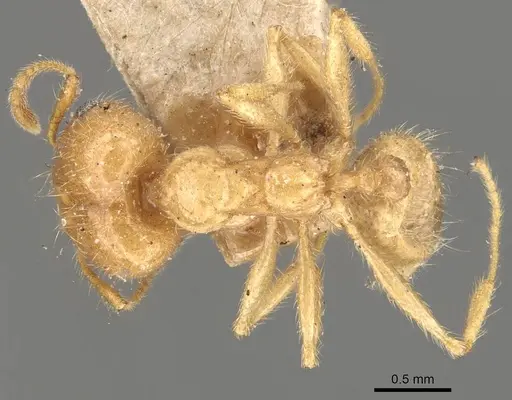
CASENT0908229
View on AntWeb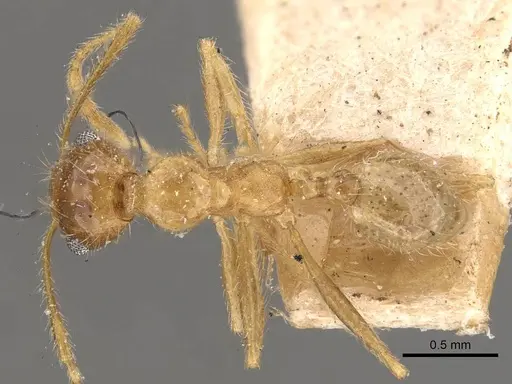
CASENT0908230
View on AntWeb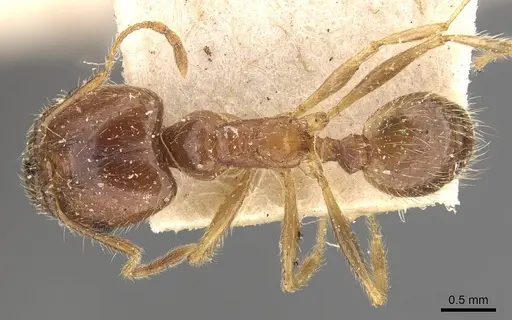
CASENT0908231
View on AntWeb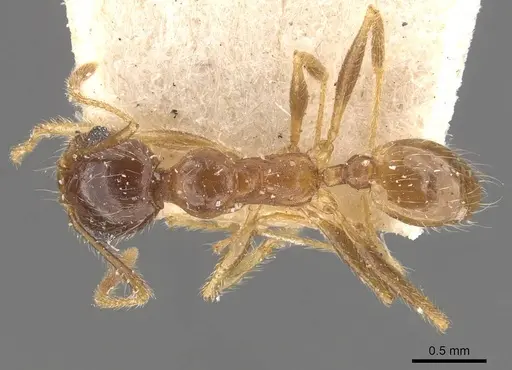
CASENT0917780
View on AntWeb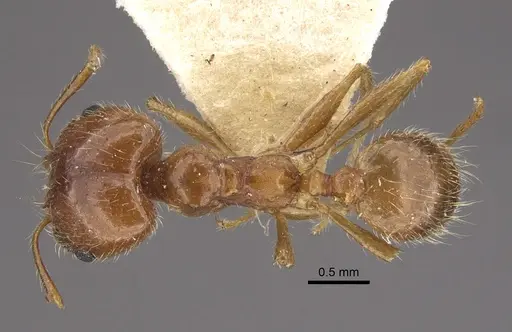
CASENT0917781
View on AntWeb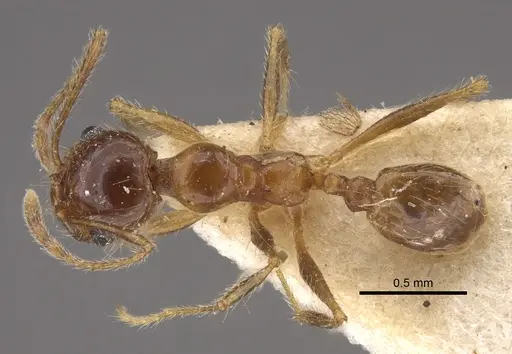
CASENT0922217
View on AntWeb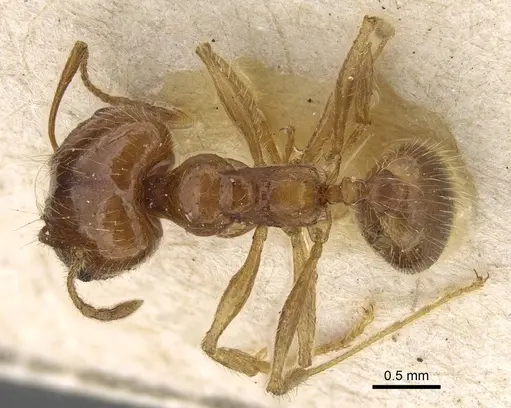
CASENT0922218
View on AntWeb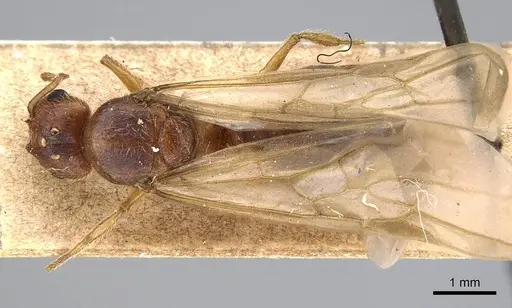
CASENT0922219
View on AntWeb
FOCOL0245-1
View on AntWeb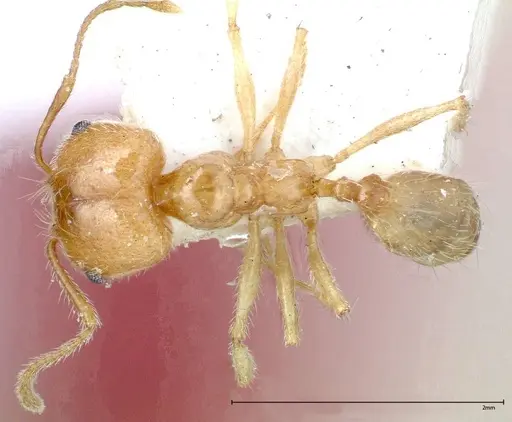
FOCOL0245-2
View on AntWeb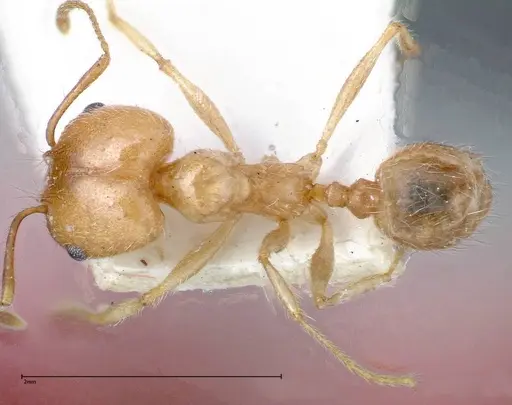
Literature
Loading...Loading products...