

Pheidole montana
- Scientific Name
- Pheidole montana
- Tribe
- Attini
- Subfamily
- Myrmicinae
- Author
- Eguchi, 1999
- Distribution
- Found in 1 countries
Pheidole montana Overview
Pheidole montana is an ant species of the genus Pheidole. It is primarily documented in 1 countries , including Malaysia. Detailed taxonomic data and occurrence records can be further explored via authoritative databases such as AntWeb or the Global Biodiversity Information Facility (GBIF).
Pheidole montana
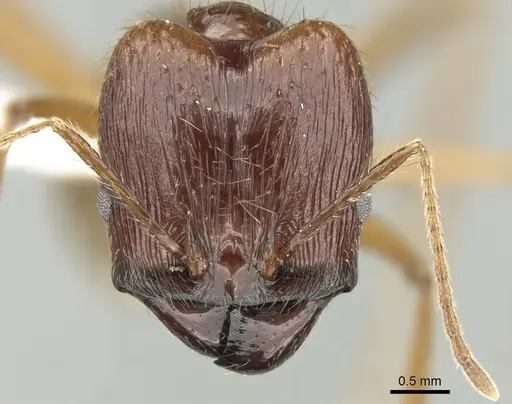
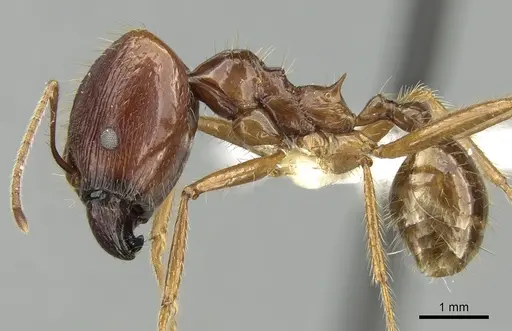
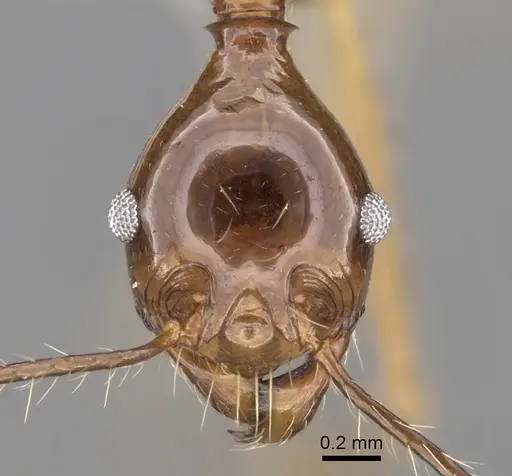
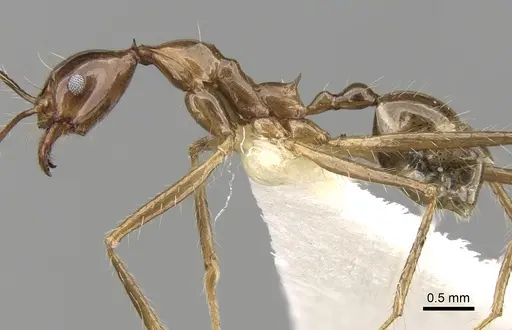
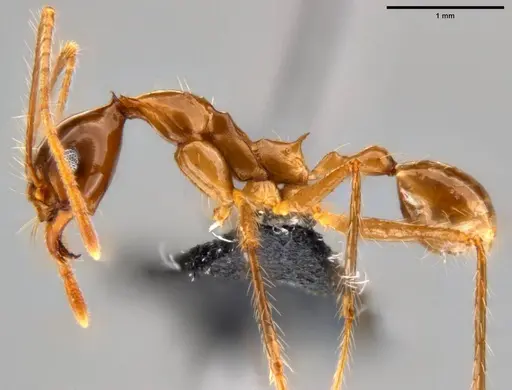
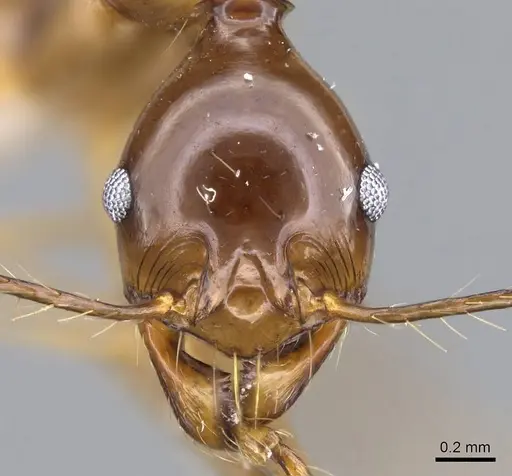
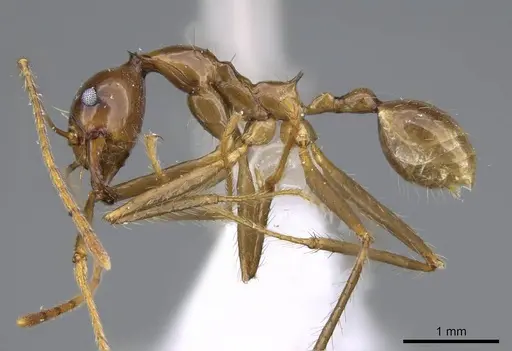
Pheidole montana is a medium-sized ant species native to Borneo, Indonesia, and Malaysia. Majors measure 5.8-6.3mm while the minor workers are considerably smaller at 3.5-4.8mm [1]. The species is characterized by its distinctive horn-like propodeal spines and yellowish-brown to brown coloration in minor workers. This ant inhabits well-developed hill forests where it nests in the soil and rotting logs [1]. It belongs to the P. smythiesii clade and is closely related to Pheidole comata and Pheidole longipes [2]. The major workers have a notable prominence on the posterior declivity of their promesonotal dome, a diagnostic feature that helps distinguish them from related species.
Quick Summary
- Difficulty: Medium
- Origin & Habitat: Borneo, Indonesia, and Malaysia, well-developed hill forests at elevations around 1500m in the case of the type locality (Mount Kinabalu) [1]. Nests are found in soil and rotting logs.
- Colony Type: Colony structure is unconfirmed for this species. Most Pheidole species are single-queen (monogyne) colonies, but specific data for P. montana is lacking.
- Founding: Claustral
- Size & Growth:
- Queen: Undescribed in available literature, estimated 7-9mm based on genus patterns
- Worker: Major: 5.8-6.3mm, Minor: 3.5-4.8mm [1]
- Colony: Unknown, likely several hundred workers based on typical Pheidole colony sizes
- Growth: Moderate, estimated based on genus patterns
- Development: Estimated 6-10 weeks based on typical Pheidole development at tropical temperatures (Development time is estimated as no specific data exists for this species. Tropical forest habitat suggests faster development than temperate species.)
- Antkeeping:
- Temperature: Keep at 24-28°C, this matches their native hill forest habitat in Borneo. A slight gradient allowing cooler areas is beneficial.
- Humidity: High humidity is essential, think damp forest floor. Keep nest substrate consistently moist but not waterlogged. Provide a water tube at all times.
- Diapause: No, being a tropical species from Borneo, they do not require hibernation. Maintain warm conditions year-round.
- Nesting: Naturalistic setups with soil or rotting wood material work well. Test tubes can work for founding colonies but they may prefer more organic substrate options as the colony grows. Y-tong nests with tight chambers scaled to their medium size are also suitable.
- Behavior: These ants are not particularly aggressive but will defend their nest vigorously. They are active foragers that search for protein and sugar sources. Major workers serve as soldiers and help process larger food items. Escape risk is moderate, their medium size means standard escape prevention measures (fluon barriers, tight-fitting lids) are sufficient but important. They are primarily nocturnal or crepuscular in their foraging patterns, which is common for many forest-dwelling Pheidole species.
- Common Issues: colonies may fail if humidity drops too low, forest species need consistent moisture, slow founding phase can lead to beginner impatience, queens may take months to raise first workers, test tube setups may be rejected if too dry, provide humidity options, rotting log material in naturalistic setups can mold if ventilation is poor, medium size means they can still escape through standard gaps, check all connections
Nest Preferences
In the wild, Pheidole montana nests in soil and rotting logs within well-developed hill forests [1]. For captive care, a naturalistic setup with a soil-like substrate works best, this allows the ants to create their own chambers and tunnels. You can use a mix of soil and sand or commercially available ant nest substrates. Rotten wood pieces can be added to encourage natural nesting behavior. Test tubes work for initial founding but the colony will likely do better long-term in a more naturalistic environment. If using a formicarium, choose one with chambers sized appropriately for medium-sized ants, not too large, not too small. Always ensure the nest maintains high humidity without becoming waterlogged.
Feeding and Diet
Pheidole montana is an omnivorous ant that will accept a variety of foods. Protein sources are essential for brood development, offer small insects like fruit flies, small crickets, mealworms, or other appropriately sized arthropods. Sugar sources are also important for worker energy, you can provide sugar water, honey, or diluted honey water. In their natural forest habitat, they likely forage for honeydew from aphids and other small invertebrates. Feed protein roughly twice a week for growing colonies, and always have sugar water available. Remove uneaten protein after 24-48 hours to prevent mold. The major workers will help process larger food items for the minor workers to consume.
Temperature and Care
As a species from Bornean hill forests, Pheidole montana prefers warm, humid conditions. Keep the nest area at 24-28°C, this is warmer than most room temperatures, so you may need a small heating setup. A heating cable or mat on one side of the nest creates a temperature gradient that allows the ants to self-regulate. Place the heating on top of the nest rather than underneath to avoid drying out the substrate too quickly. Room temperature (around 22-24°C) may be acceptable but aim for the upper end of their range for optimal growth. Unlike temperate species, they do not require any cooling period or hibernation, maintain these warm conditions year-round.
Behavior and Temperament
These ants are defensive but not overly aggressive, they will respond to perceived threats by sending out major workers to confront intruders. The majors serve as soldiers and can help process larger prey items. They are active foragers, particularly during evening and nighttime hours which is typical for forest-dwelling species. Workers will search both the nest area and the outworld for food, using chemical trails to recruit nestmates to good food sources. Their moderate size means escape prevention is important but not as critical as with tiny ants, standard barriers like fluon on the rim of the outworld will work well. They do not have a painful sting, though some Pheidole species can bite.
Colony Founding
The founding behavior of Pheidole montana has not been directly documented, but based on typical Pheidole genus patterns, the queen likely seals herself in a small chamber (claustral founding). She will lay eggs and raise the first brood entirely on her stored fat reserves without leaving to forage. The first workers (nanitics) will be smaller than normal workers and will emerge to begin foraging and caring for subsequent broods. This founding phase can take several months, so patience is essential. Do not disturb the founding queen unnecessarily, excessive vibration or light can cause her to abandon or consume her brood.
Frequently Asked Questions
How long does it take for Pheidole montana to raise first workers?
The exact timeline is unconfirmed, but based on typical Pheidole development, expect 6-10 weeks from egg to first worker at optimal temperatures (24-28°C). The founding queen may take several months to establish her first brood, so patience is essential.
What do Pheidole montana ants eat?
They are omnivorous. Offer protein sources like small insects (fruit flies, small crickets, mealworms) roughly twice weekly, and always provide a sugar source like sugar water or honey. Remove uneaten protein after 24-48 hours to prevent mold.
Do Pheidole montana ants need hibernation?
No. Being a tropical species from Borneo, they do not require hibernation. Keep them warm year-round at 24-28°C.
Can I keep multiple Pheidole montana queens together?
This is not recommended. While specific colony structure data is lacking for this species, most Pheidole are single-queen colonies. Combining unrelated foundresses has not been documented and likely results in fighting.
What size colony does Pheidole montana reach?
Colony size is unconfirmed for this species, but based on typical Pheidole patterns, expect several hundred workers at maturity. Growth is moderate, it will take a year or more to reach significant numbers.
What humidity level do Pheidole montana ants need?
High humidity is essential, think damp forest floor conditions. Keep the nest substrate consistently moist but not waterlogged. A water tube should always be available.
Are Pheidole montana ants good for beginners?
They are rated as medium difficulty. The main challenges are maintaining high humidity and the slow founding phase. If you can provide consistent warmth and moisture, they are manageable for intermediate antkeepers.
When should I move Pheidole montana to a formicarium?
You can start with a test tube setup for the founding queen. Once the colony reaches 30-50 workers and you see them struggling with space or humidity, consider moving to a naturalistic setup with soil substrate. They prefer organic nesting materials like soil or rotting wood.
References

This caresheet is licensed under CC BY-SA 4.0 .
CASENT0281649
View on AntWeb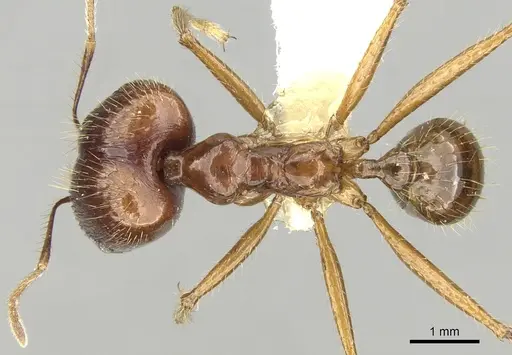
CASENT0281650
View on AntWeb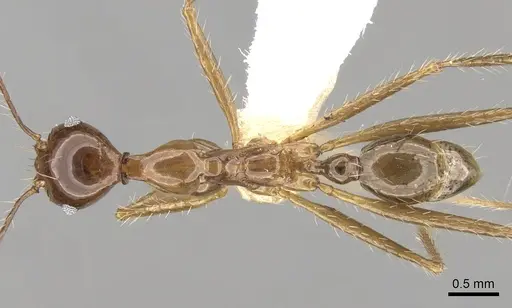
CASENT0282607
View on AntWeb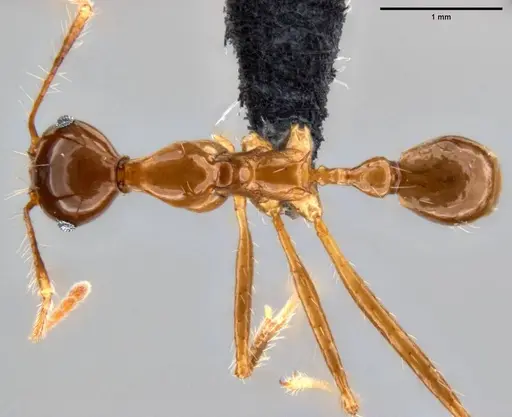
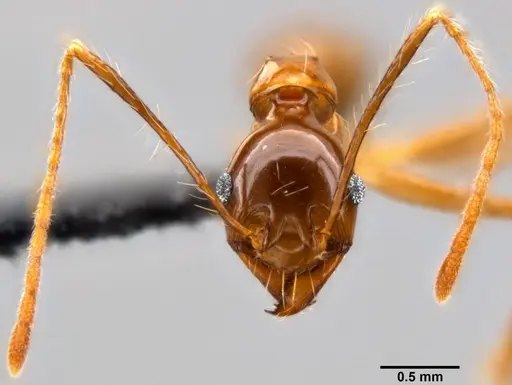
CASENT0922206
View on AntWeb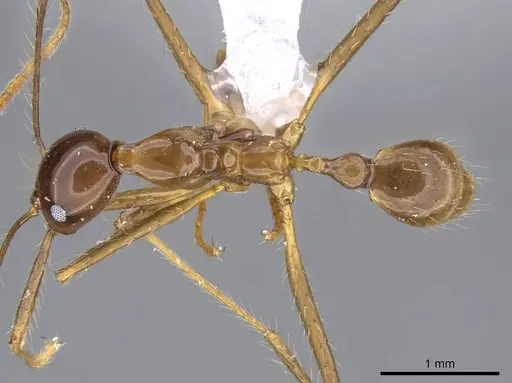
Literature
Loading...Loading products...