

Pheidole comata
- Scientific Name
- Pheidole comata
- Tribe
- Attini
- Subfamily
- Myrmicinae
- Author
- Smith, 1858
- Distribution
- Found in 2 countries
Pheidole comata Overview
Pheidole comata is an ant species of the genus Pheidole. It is primarily documented in 2 countries , including Madagascar, Malaysia. Detailed taxonomic data and occurrence records can be further explored via authoritative databases such as AntWeb or the Global Biodiversity Information Facility (GBIF).
Pheidole comata
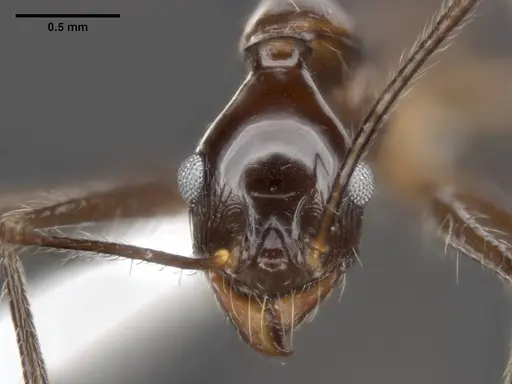
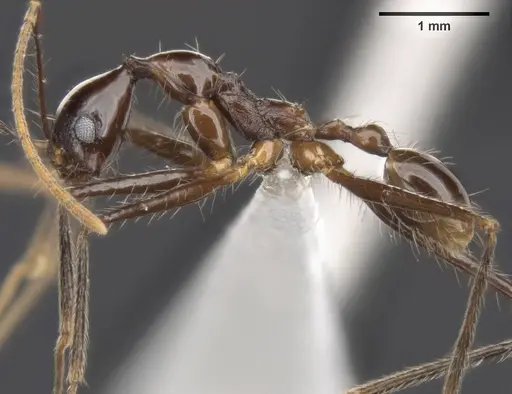
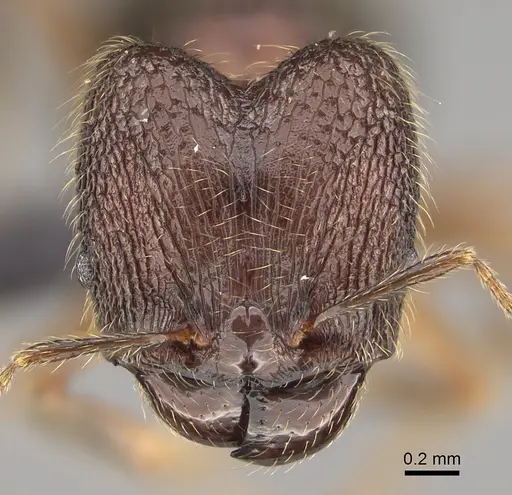
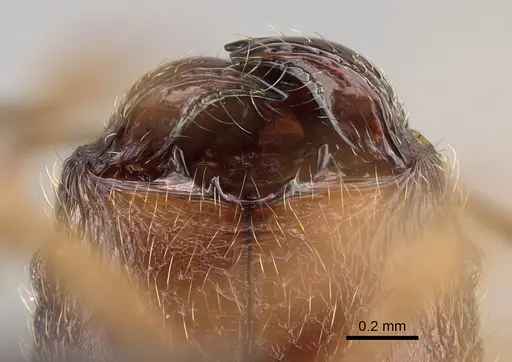
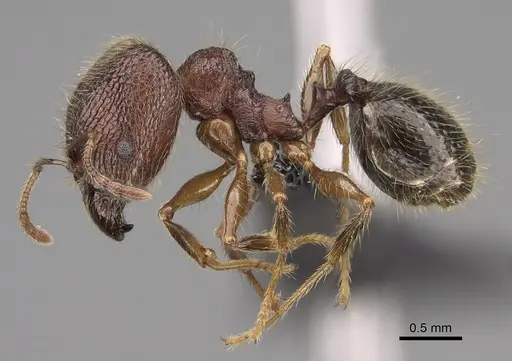
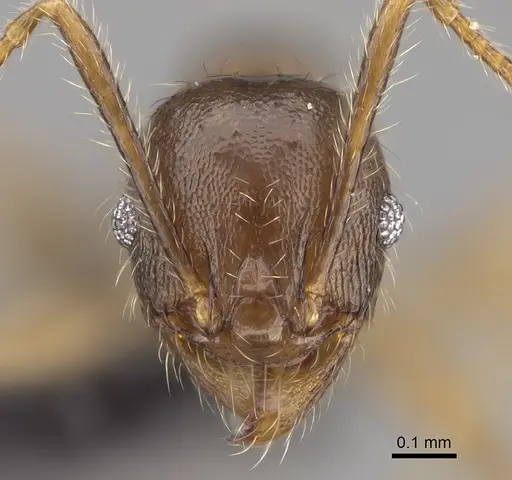
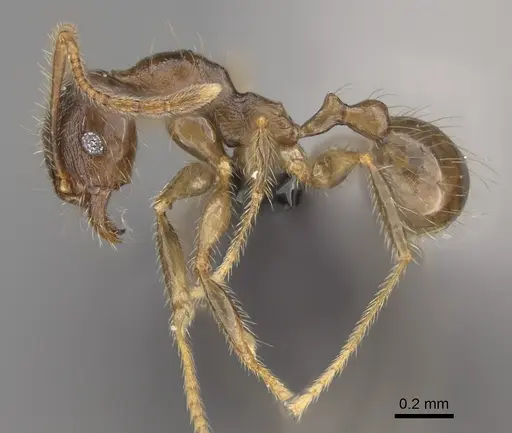
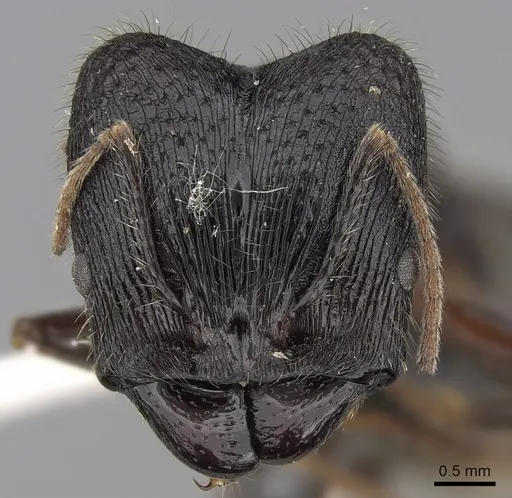
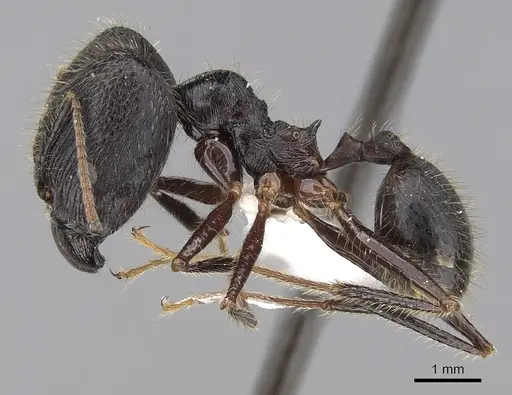
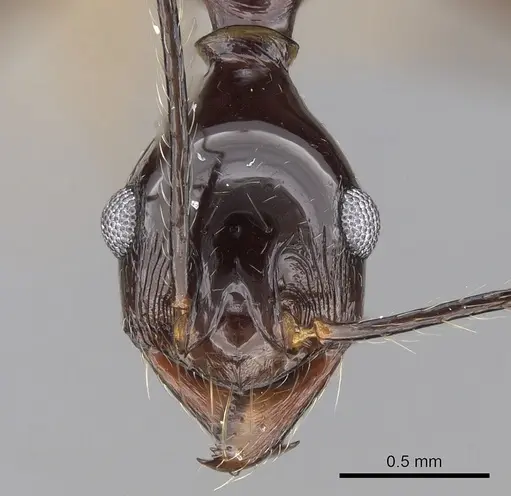
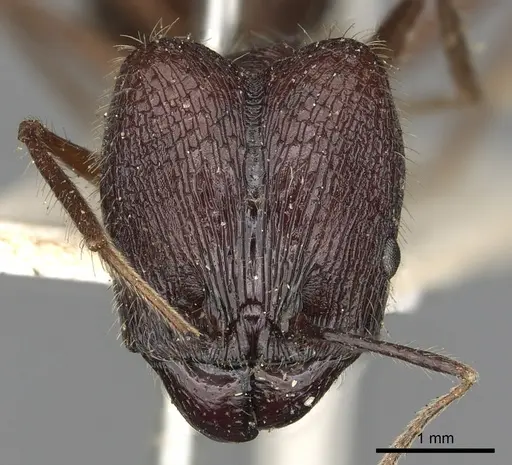
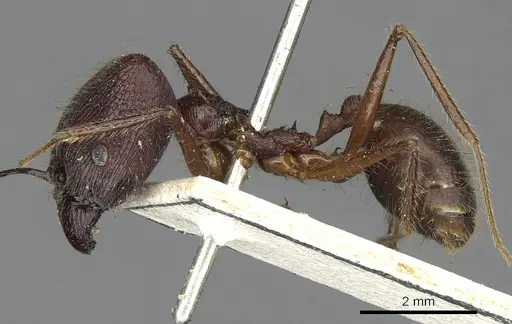
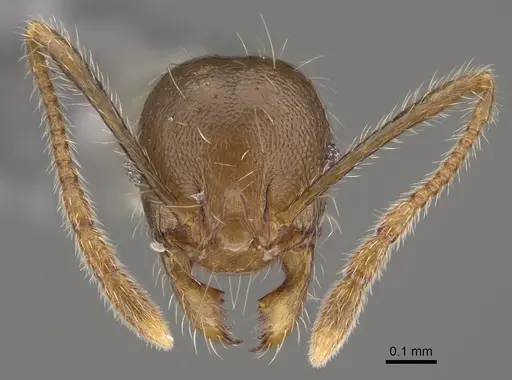
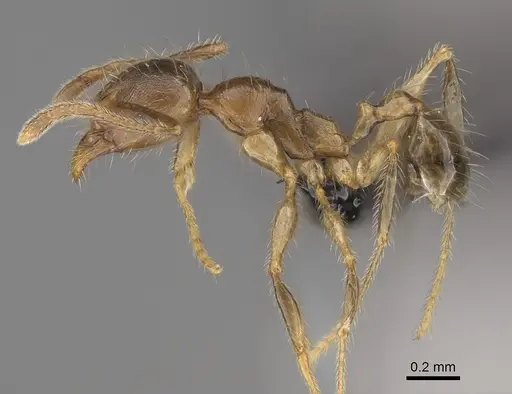
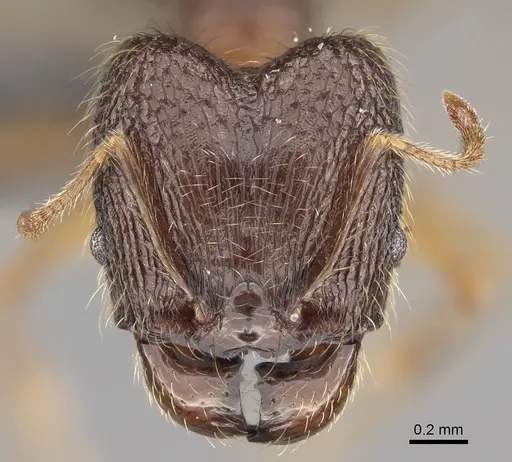
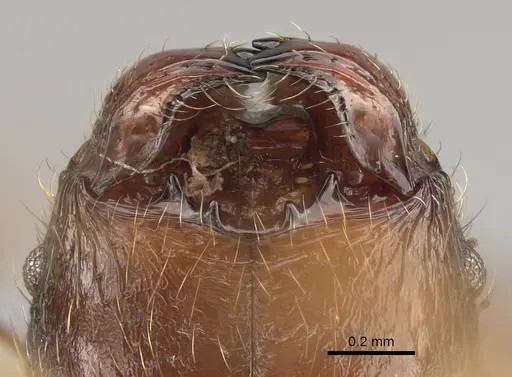
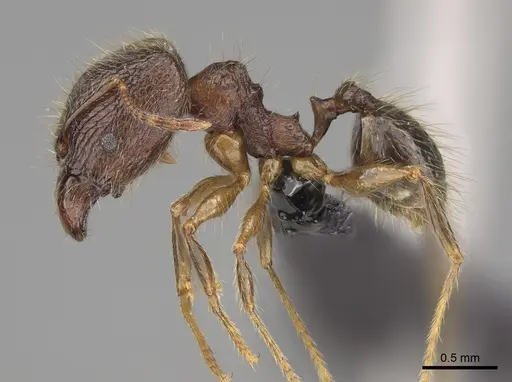
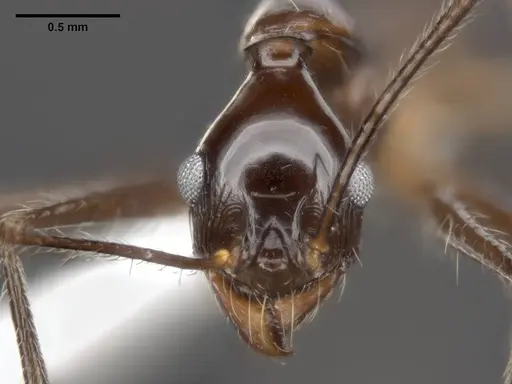
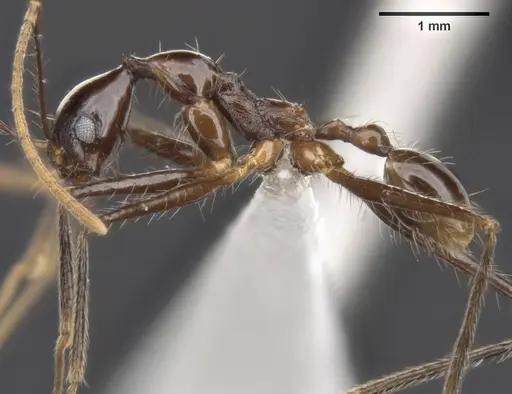
Pheidole comata is a medium-sized ant species native to Southeast Asia, found in Borneo, Indonesia, Malaysia, and Thailand. Workers come in two distinct sizes: majors measure 6.8-8.3mm with large heads and powerful mandibles, while minors are smaller at 4.1-5.1mm. The species is identifiable by the many standing hairs covering the major's head, particularly on the sides, and the distinctly rugose (wrinkled) surface behind the eyes. They inhabit well-developed forest areas in hill regions up to approximately 1100 meters altitude, typically nesting in fallen rotting logs [1].
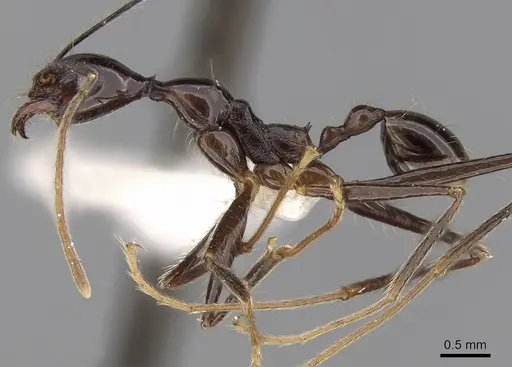
This species is closely related to Pheidole longipes and Pheidole montana, sharing the unusual trait among Indo-Chinese Pheidole of having antennae without a conspicuous club and minors with an elongated neck. The major workers have a distinctive prominence on the rear slope of their thorax, bearing around 20 or more standing hairs. Colonies are typically found nesting in decaying wood, making them a classic example of forest-floor nesting Pheidole.
Quick Summary
- Difficulty: Medium
- Origin & Habitat: Native to Southeast Asia, found in Borneo, Indonesia (Maluku), Malaysia, and Thailand. Inhabits well-developed forests in hill areas up to 1100m altitude, typically nesting in fallen rotting logs [2][1].
- Colony Type: Colony structure is unconfirmed, likely single-queen (monogyne) based on typical Pheidole patterns, but no specific study exists.
- Founding: Claustral
- Size & Growth:
- Queen: Unconfirmed, no documented queen measurements for this species
- Worker: Majors: 6.8-8.3mm, Minors: 4.1-5.1mm [1]
- Colony: Unknown, no colony size data available
- Growth: Moderate, inferred from typical Pheidole development patterns
- Development: 6-10 weeks, estimated based on typical Pheidole genus development at warm temperatures (Development time is estimated as no specific study exists for this species. Pheidole species typically develop from egg to worker in 6-10 weeks under optimal conditions.)
- Antkeeping:
- Temperature: Keep at 24-28°C, these are tropical forest ants that prefer warm, stable conditions. A gentle gradient allowing workers to self-regulate is ideal.
- Humidity: Requires high humidity, forest-floor species that nest in rotting wood need moist conditions. Keep nest substrate damp but not waterlogged, with some drier areas available.
- Diapause: Unlikely, being a tropical species from Southeast Asia, they probably do not require a true diapause. However, they may show reduced activity during cooler seasons.
- Nesting: In captivity, they do well in naturalistic setups with rotting wood or cork, Y-tong nests, or plaster nests with high humidity. They prefer tight chambers and passages scaled to their size. Avoid dry, airy setups.
- Behavior: Majors are specialized soldiers and foragers with large heads and powerful mandibles, while minors handle brood care and general nest tasks. They are active foragers that likely recruit workers to food sources. Escape prevention is important, while not among the smallest ants, they can still squeeze through small gaps. They are not known to be particularly aggressive toward keepers but will defend their nest vigorously.
- Common Issues: high humidity requirements can lead to mold if ventilation is poor, balance is critical, tropical species may struggle in cool rooms or during winter without heating, colonies may be slow to establish, patience is needed during founding phase, wild-caught colonies may harbor parasites that can devastate captive colonies, major workers are large enough to deliver a noticeable bite if provoked
Nest Preferences and Housing
Pheidole comata naturally nests in fallen rotting logs in forest environments, which tells us a lot about their housing needs. In captivity, they do best in naturalistic setups that mimic this damp, woody environment. You can use setups with cork, rotting wood pieces, or a well-moistened plaster or Y-tong nest. The key is maintaining consistently high humidity without creating stagnant, mold-prone conditions.
For founding colonies, a test tube setup can work if you keep it humid, but be prepared to move them to a more suitable nest once the colony reaches 20-30 workers. They prefer chambers and passages that are appropriately scaled to their size, not too large and open. A naturalistic terrarium-style setup with moist soil and rotting wood pieces works particularly well, allowing you to observe their natural behaviors. [2][1]
Feeding and Diet
Like most Pheidole species, P. comata is likely an omnivorous forager that collects protein and carbohydrates. In the wild, they probably scavenge on dead insects, collect honeydew from aphids, and exploit various carbohydrate sources. For captive colonies, offer a varied diet: protein sources like small crickets, mealworms, fruit flies, or other small insects, along with sugar sources such as honey water or sugar water.
Feed protein 2-3 times per week, adjusting based on colony size. Keep a constant sugar source available. Remove uneaten prey after 24-48 hours to prevent mold. Given their forest-floor habitat, they may also benefit from occasional offerings of seeds or detritus, though this is optional. Observe your colony's preferences, some Pheidole colonies are more selective than others.
Temperature and Seasonal Care
Being a tropical species from Southeast Asia, Pheidole comata requires warm conditions to thrive. Keep the nest area at 24-28°C, with a slight gradient allowing workers to move between warmer and cooler areas if they choose. Room temperature may be sufficient in warm climates, but most keepers will need a small heating cable or mat on one side of the nest.
Unlike temperate species, they likely do not require a true diapause or hibernation period. However, they may show reduced activity during cooler months or if room temperature drops significantly. Monitor colony behavior, if workers become sluggish and cluster together, the temperature may be too low. Avoid sudden temperature changes and keep them away from air conditioning vents or drafty areas.
Behavior and Colony Dynamics
Pheidole comata exhibits the classic Pheidole worker polymorphism, with distinct major and minor castes. Major workers (soldiers) have dramatically enlarged heads and powerful mandibles, used for seed processing, defense, and cracking hard food items. Minor workers handle most day-to-day tasks including brood care, foraging, and nest maintenance.
The colony will likely show typical Pheidole foraging behavior, minors discover food and recruit majors through chemical trails. Majors can be impressive for their size and will readily defend the nest. This species is not considered particularly dangerous to humans, but majors can deliver a noticeable pinch if handled roughly. They are active and engaging to watch, with clear division of labor between worker castes. [1]
Frequently Asked Questions
How long does it take for Pheidole comata to produce first workers?
Based on typical Pheidole development patterns, expect 6-10 weeks from egg to first worker at optimal temperatures (24-28°C). The exact timeline is unconfirmed for this specific species, so monitor your colony's progress and adjust feeding accordingly.
What size colony does Pheidole comata reach?
The maximum colony size is unknown, no specific study documents colony sizes for this species. Based on related Pheidole species, expect moderate-sized colonies likely reaching several hundred workers over time with good care.
Can I keep multiple Pheidole comata queens together?
This has not been studied for this species. Pheidole are typically monogyne (single queen), but some species can be facultatively polygyne. Without specific data, it is not recommended to combine unrelated foundress queens, they may fight.
What temperature is best for Pheidole comata?
Keep them at 24-28°C. These are tropical forest ants that need warm, stable conditions. A heating cable on one side of the nest can help maintain optimal temperatures, especially in cooler climates.
Are Pheidole comata good for beginners?
This species is rated as Medium difficulty. While not the easiest species, they are manageable for keepers who can maintain high humidity and warm temperatures. Their interesting polymorphism (major/minor workers) makes them engaging to watch. However, their specific humidity needs and the difficulty of establishing wild-caught colonies make them better suited for keepers with some experience.
What do Pheidole comata eat?
They are omnivorous. Offer small insects (crickets, mealworms, fruit flies) as protein 2-3 times per week, and keep a constant sugar source (honey water or sugar water) available. Remove uneaten food promptly to prevent mold.
Do Pheidole comata need hibernation?
Unlikely, being a tropical species from Southeast Asia, they probably do not require a true hibernation or diapause. They may show reduced activity during cooler periods, but no special winter treatment is needed beyond maintaining warm temperatures.
When should I move Pheidole comata to a formicarium?
Wait until the colony has 30-50 workers before moving to a formicarium. They do well in naturalistic setups with rotting wood or cork, or in Y-tong/plaster nests that can maintain high humidity. Test tubes are fine for founding but can become cramped as the colony grows.
Why are my Pheidole comata dying?
Common causes include: temperature too low (below 24°C), humidity too low or too high (aim for consistently damp but not waterlogged), mold from poor ventilation, or parasites from wild-caught colonies. Check all parameters and consider if the founding queen was healthy. These tropical ants are sensitive to environmental stress.
References

This caresheet is licensed under CC BY-SA 4.0 .
ANTWEB1008101
View on AntWeb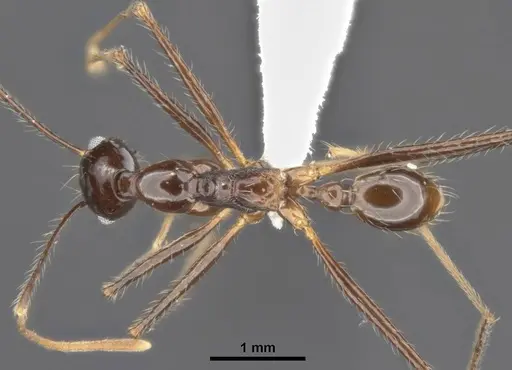
CASENT0208726
View on AntWeb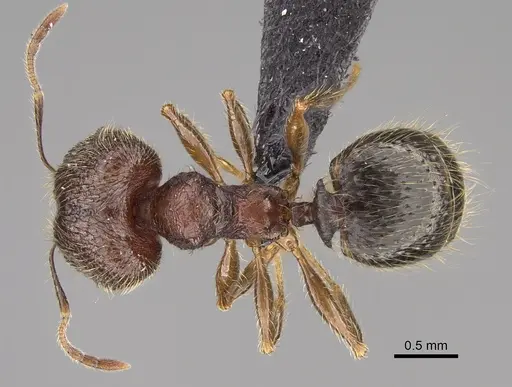
CASENT0208811
View on AntWeb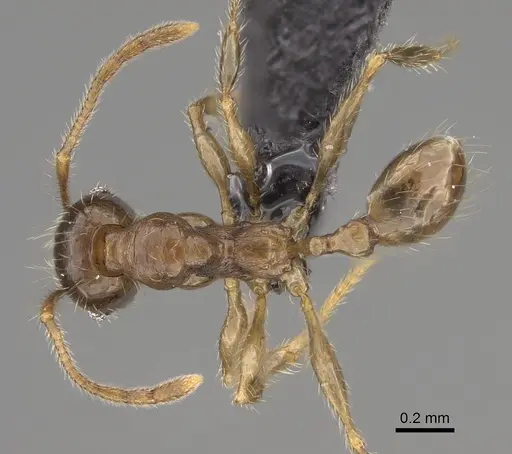
CASENT0281704
View on AntWeb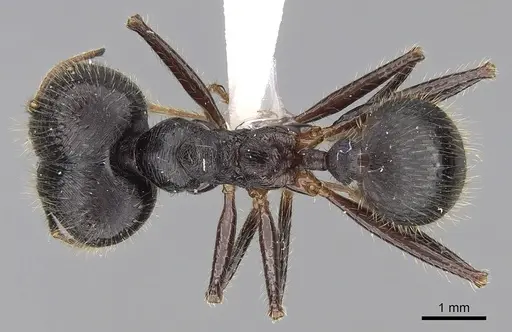
CASENT0281705
View on AntWeb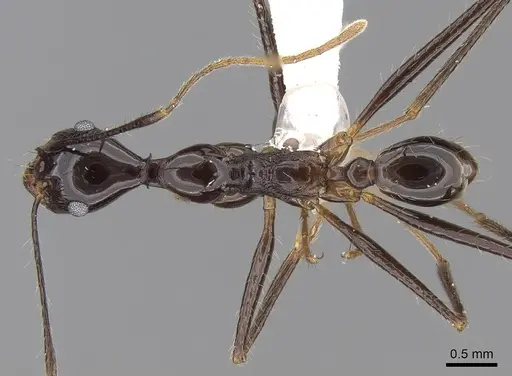
CASENT0901504
View on AntWeb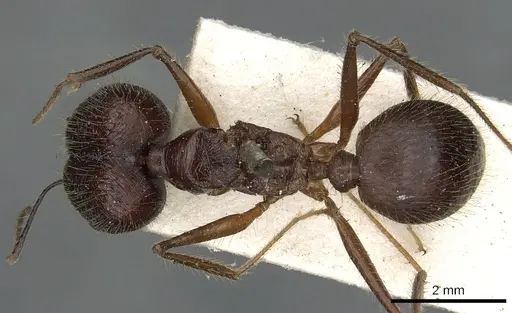
CASENT0923262
View on AntWeb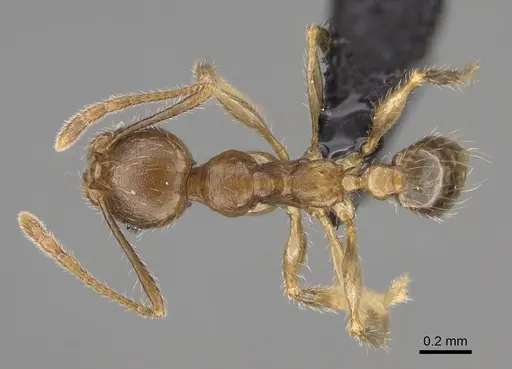
CASENT0923278
View on AntWeb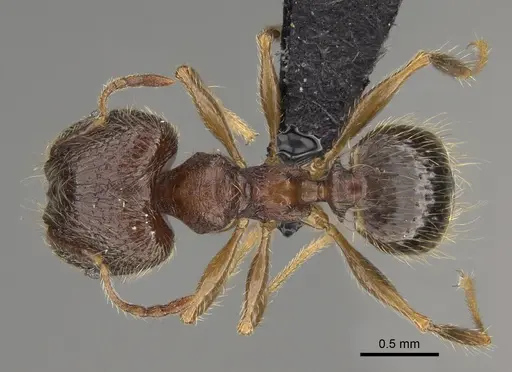
MCZ-ENT00511499
View on AntWeb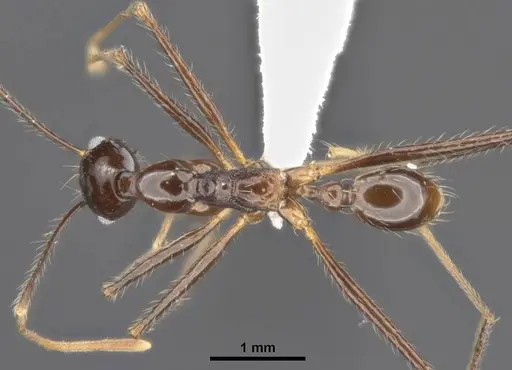
Literature
Loading...Loading products...