

Pheidole megatron
- Scientific Name
- Pheidole megatron
- Tribe
- Attini
- Subfamily
- Myrmicinae
- Author
- Fischer & Fisher, 2013
- Distribution
- Found in 2 countries
Pheidole megatron Overview
Pheidole megatron is an ant species of the genus Pheidole. It is primarily documented in 2 countries , including Comoros, Madagascar. Detailed taxonomic data and occurrence records can be further explored via authoritative databases such as AntWeb or the Global Biodiversity Information Facility (GBIF).
Pheidole megatron
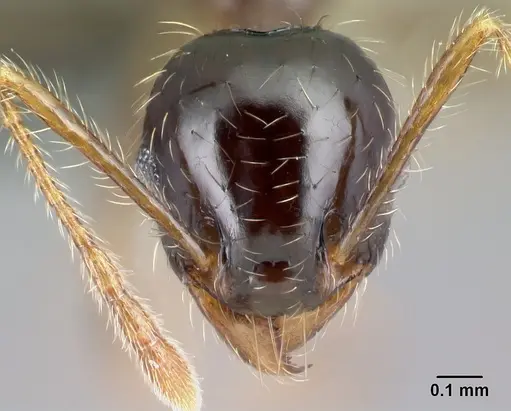
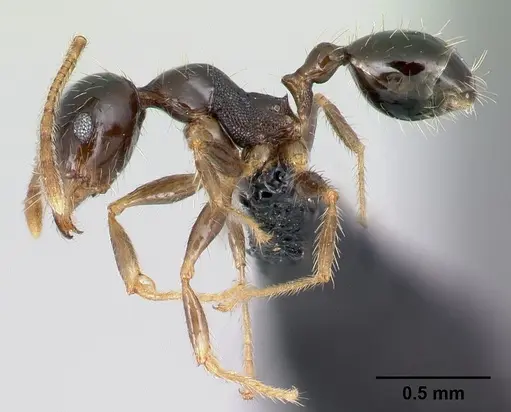
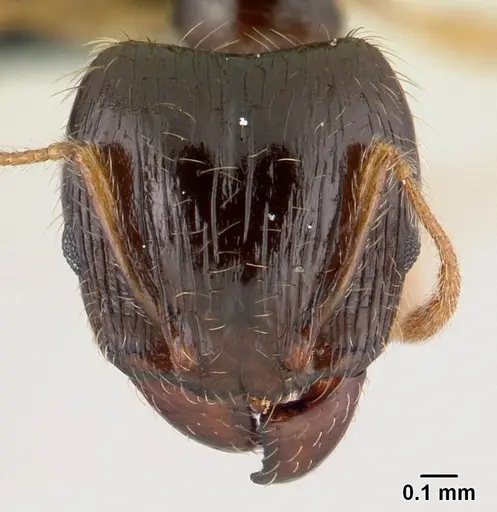
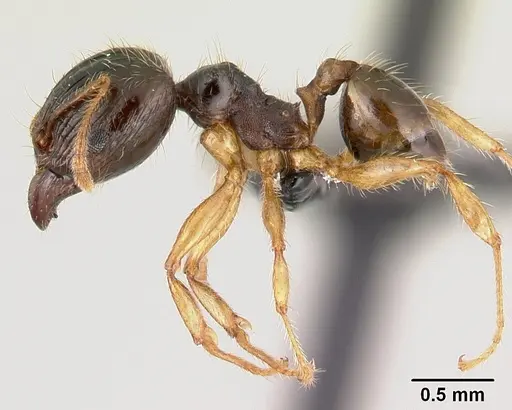
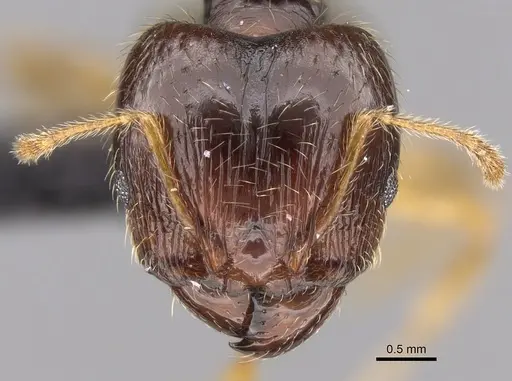
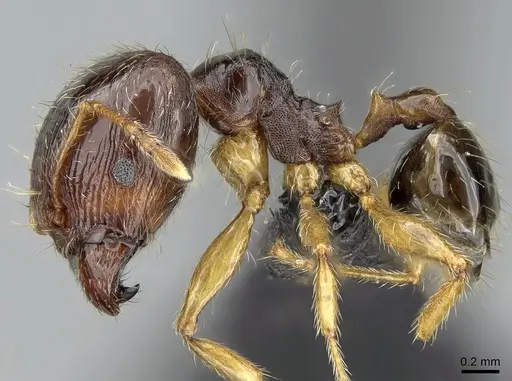
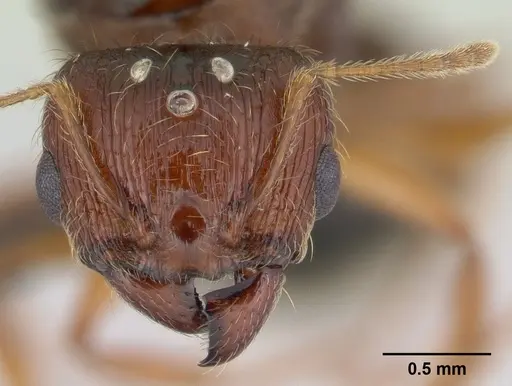
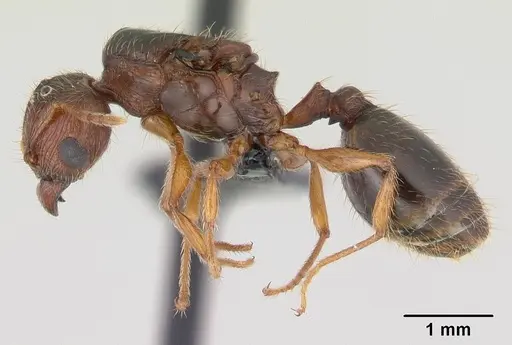
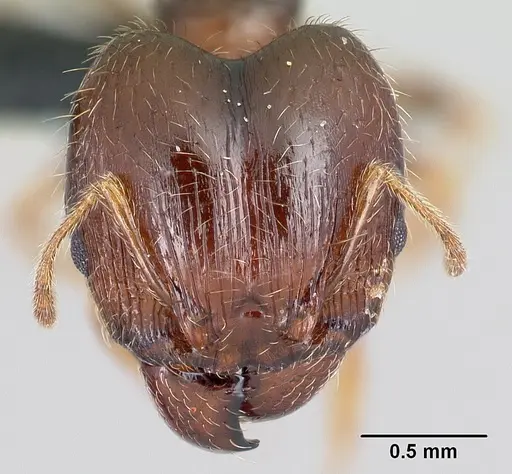
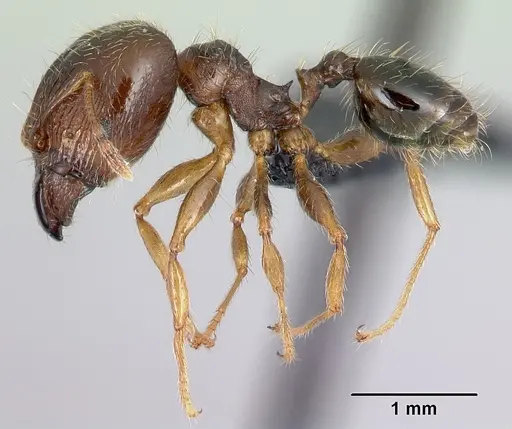
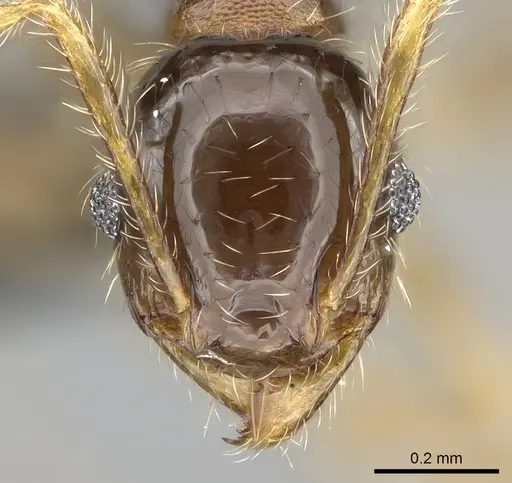
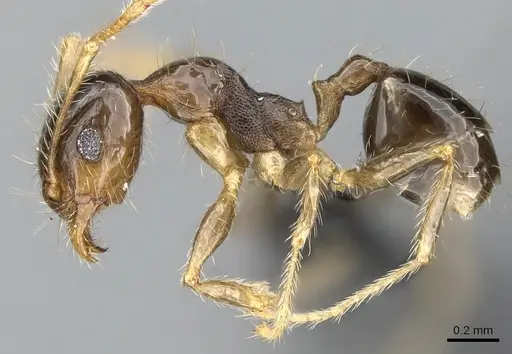
Pheidole megatron is a small, aggressive ant species originally described from the Comoros islands in the Indian Ocean. The species was named after the Transformers character Megatron due to its formidable appearance. Major workers have a distinctive subquadrate head with short scapes and short triangular propodeal spines, while minor workers are recognized by their smooth, shiny ovoid heads. This species belongs to the megacephala group, making it closely related to the highly invasive Pheidole megacephala. In the wild, colonies nest under stones, in rotting logs, and in soil across coastal scrub, dry forest, and coconut plantations at low elevations. A 2019 discovery in Rwanda marked the first record of this species outside its native range, where observers noted aggressive behavior toward other ant species and a generalist diet, traits that have raised concerns about its invasive potential.
Quick Summary
- Difficulty: Easy
- Origin & Habitat: Comoros islands (Anjouan, Mohéli, Grande Comore) in the Indian Ocean. Found in coastal scrub, dry forest, and coconut plantations at elevations of 10-35 meters. Nests under stones, in and under rotten logs, and in soil [1][2].
- Colony Type: Likely monogyne (single queen colonies) based on typical Pheidole genus patterns. Colony structure in the wild has not been directly studied.
- Colony: Monogyne
- Founding: Claustral
- Size & Growth:
- Queen: Estimated 6-8mm based on genus patterns, queen measurements not specifically documented
- Worker: Major workers: 1.10-1.32mm head width,0.94-1.08mm mesosoma length. Minor workers: 0.47-0.52mm head width,0.63-0.72mm mesosoma length [1][3]
- Colony: Estimated several hundred workers based on related species patterns, likely smaller colonies than P. megacephala which can reach thousands
- Growth: Moderate
- Development: Estimated 5-8 weeks at optimal temperature based on typical Pheidole development patterns (Development time is inferred from genus patterns since specific data for this species is not available)
- Antkeeping:
- Temperature: Keep at 24-28°C. As a tropical species from the Comoros, they prefer warm conditions. A heating cable on one side of the nest creates a useful gradient [1].
- Humidity: Moderate humidity preferred. Provide a water test tube as a moisture source. The species naturally occurs in dry forest and coastal scrub, so avoid overly damp conditions [1][2].
- Diapause: No true hibernation required. Being tropical, they remain active year-round if kept warm. A slight reduction in activity during cooler months is possible but not necessary.
- Nesting: Y-tong (AAC) nests work well for this species. The small minor workers can squeeze through standard gaps, so ensure excellent escape prevention. Provide a shallow water source. Naturalistic setups with rotting wood or stones also mimic their natural nesting sites [1].
- Behavior: This species is aggressive toward other ants and has a generalist diet. Workers are active foragers that will readily scavenge and hunt small prey. The minor workers are very small (0.47-0.52mm) and can escape through tiny gaps, escape prevention must be excellent. They show typical Pheidole behavior with major workers defending the nest and minor workers handling brood care and foraging. Colonies may exhibit unicolonial behavior based on observations in Rwanda [4].
- Common Issues: escape prevention is critical due to very small minor workers that can squeeze through standard barriers, aggressive toward other ant species, keep separate from other ant colonies, potential invasive risk, do not release in regions outside their native range, small colony size at founding means patience is required for the first workers to emerge, test tube setups must have tight-fitting barriers as minors are tiny
Housing and Nest Setup
Pheidole megatron is a small species that requires careful attention to escape prevention. The minor workers measure just 0.47-0.52mm, meaning they can squeeze through gaps that would hold back larger ants. Use Y-tong (AAC) nests or test tube setups with tight-fitting barriers. A layer of Fluon on the rim of test tubes provides excellent escape prevention. Because they naturally nest under stones, in rotting logs, and in soil, you can also use naturalistic setups with these materials. Provide a shallow water dish and ensure the nest has some humidity but is not waterlogged. The species tolerates dry conditions better than overly damp ones, reflecting their natural habitat in dry forest and coastal scrub areas. [1][2]
Feeding and Diet
Like other Pheidole species in the megacephala group, P. megatron has a generalist diet. Workers will accept protein sources like small insects (fruit flies, pinhead crickets, mealworms), and they readily consume sugar water or honey. In their natural habitat, they forage on the ground and likely scavenge on honeydew from aphids and other homopterans. Feed protein prey 2-3 times per week, and keep a constant supply of sugar water. Remove uneaten prey after 24 hours to prevent mold. The aggressive foraging behavior noted in Rwanda field observations suggests they are active hunters that will readily take live prey [4].
Temperature and Seasonal Care
As a tropical species from the Comoros islands near Madagascar, Pheidole megatron prefers warm temperatures. Keep nest temperatures between 24-28°C for optimal colony development. A heating cable placed on one side of the nest creates a temperature gradient that allows ants to regulate their own exposure. They do not require hibernation or diapause, being tropical, they remain active year-round if kept warm. The species has been found at very low elevations (10-35m) in its native range, confirming it prefers warm, possibly coastal conditions. If room temperature falls below 20°C, consider providing supplemental heating. [1][2]
Colony Development and Growth
Pheidole megatron is a relatively small species with major workers measuring around 1.2mm head width. Colony growth follows typical Pheidole patterns: the claustral queen seals herself in and raises the first brood alone on stored fat reserves. First workers (nanitics) are typically smaller than normal workers. Based on genus patterns, expect 5-8 weeks from egg to first worker at optimal temperature. Colonies likely reach several hundred workers over time, though specific colony size data is not available. The species is closely related to P. megacephala which can form very large colonies, but P. megatron appears to be a smaller species with potentially smaller colony sizes. [1][3]
Behavior and Temperament
Field observations from Rwanda reveal that Pheidole megatron is aggressive toward other ant species, a trait shared with its close relative P. megacephala. Workers are active foragers that readily engage in confrontations with other ants. The species exhibits unicolonial behavior, meaning nestmates do not recognize each other as individuals, this is typical of invasive Pheidole species. Major workers defend the nest while minor workers handle brood care and foraging. The small size of minor workers (0.47-0.52mm) means they can access tight spaces but also requires excellent escape prevention. Handle colonies gently as disturbance can cause stress. [4]
Legal and Ethical Considerations
Pheidole megatron has recently been recorded outside its native range (Rwanda,2019), raising concerns about its invasive potential. The species may become problematic in new areas due to its aggressive behavior and generalist diet. If you keep this species, never release colonies into the wild outside the Comoros islands. If you suspect your colony may have been collected from a non-native location, do not release it, contact local authorities. This species is not currently established in North America or Europe, so captive colonies remain rare in the hobby. [4]
Frequently Asked Questions
How long does it take for Pheidole megatron to produce first workers?
Based on typical Pheidole development patterns, expect 5-8 weeks from egg to first worker at optimal temperature (24-28°C). The claustral queen seals herself in and raises the first brood alone using stored fat reserves.
What do Pheidole megatron eat?
They have a generalist diet accepting protein (small insects like fruit flies, pinhead crickets, mealworms) and sugar sources (honey water, sugar water). Feed protein 2-3 times per week with constant sugar water available.
Are Pheidole megatron good for beginners?
Yes, this species is considered easy to keep. They are forgiving of minor husbandry errors, do not require hibernation, and accept a wide variety of foods. The main challenge is escape prevention due to their very small minor workers.
Can I keep multiple queens together?
Pheidole species are typically monogyne (single queen). Combining unrelated queens has not been documented and is not recommended. If you acquire multiple foundress queens, house them separately.
What temperature do Pheidole megatron need?
Keep them warm at 24-28°C. This tropical species from the Comoros prefers consistent warmth. A heating cable on one side of the nest creates a useful gradient.
Why are my Pheidole megatron escaping?
The minor workers are extremely small (0.47-0.52mm) and can squeeze through tiny gaps. Use excellent escape prevention: tight-fitting test tube stoppers, Fluon barriers, and fine mesh on any openings.
Do Pheidole megatron need hibernation?
No, they do not require hibernation. As a tropical species from the Comoros islands, they prefer warm conditions year-round. Keep them at 24-28°C consistently.
How big do Pheidole megatron colonies get?
Colony size is not directly documented, but based on related species and their small worker size, expect several hundred workers. This is smaller than P. megacephala which can reach thousands.
References

This caresheet is licensed under CC BY-SA 4.0 .
CASENT0138277
View on AntWeb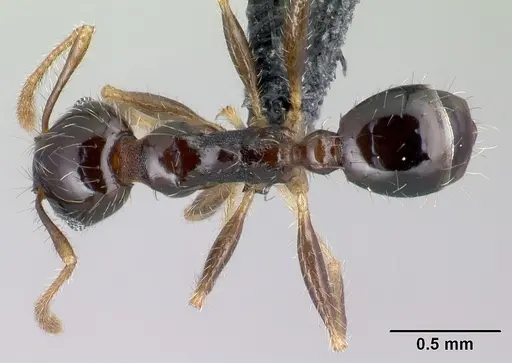
CASENT0146034
View on AntWeb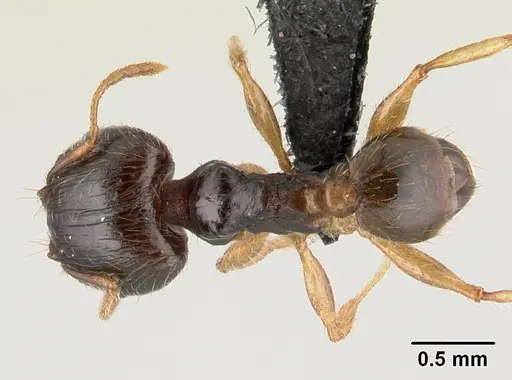
CASENT0147194
View on AntWeb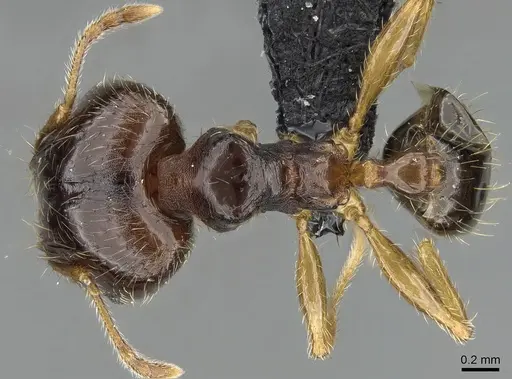
CASENT0147219
View on AntWeb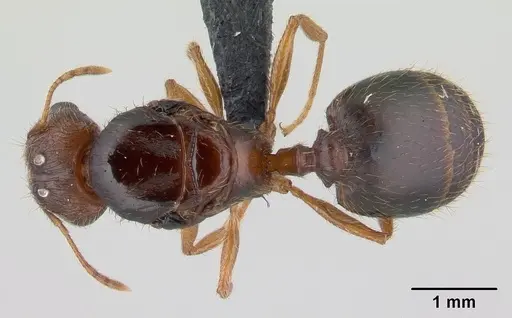
CASENT0179573
View on AntWeb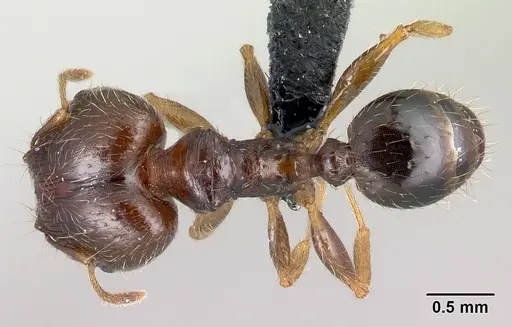
CASENT0281179
View on AntWeb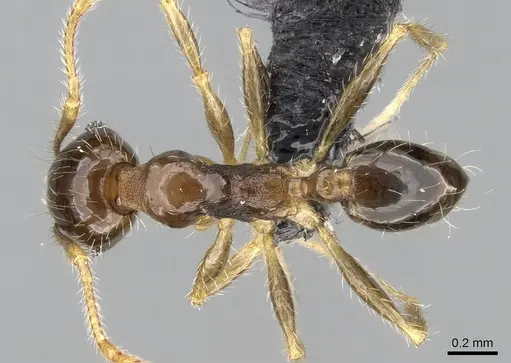
Literature
Loading...Loading products...