

Pheidole marieannae
- Scientific Name
- Pheidole marieannae
- Tribe
- Attini
- Subfamily
- Myrmicinae
- Author
- Salata & Fisher, 2020
- Distribution
- Found in 1 countries
Pheidole marieannae Overview
Pheidole marieannae is an ant species of the genus Pheidole. It is primarily documented in 1 countries , including Madagascar. Detailed taxonomic data and occurrence records can be further explored via authoritative databases such as AntWeb or the Global Biodiversity Information Facility (GBIF).
Pheidole marieannae
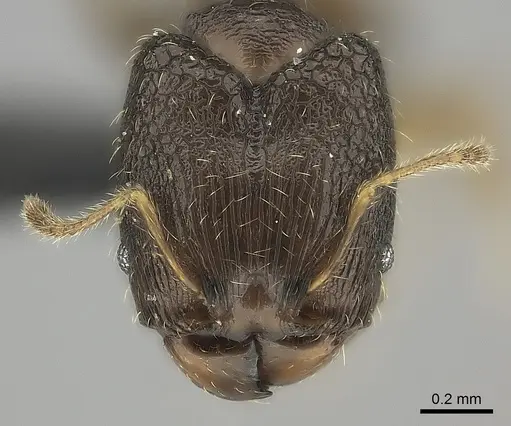
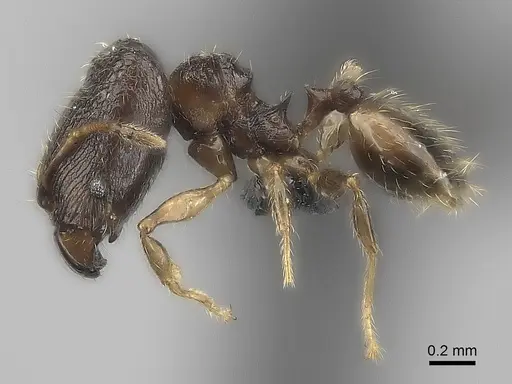
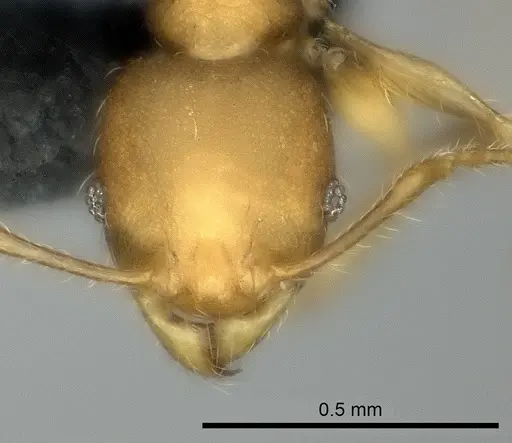
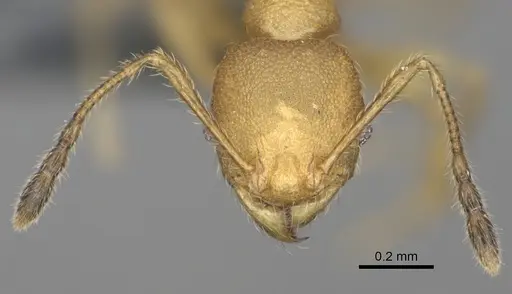
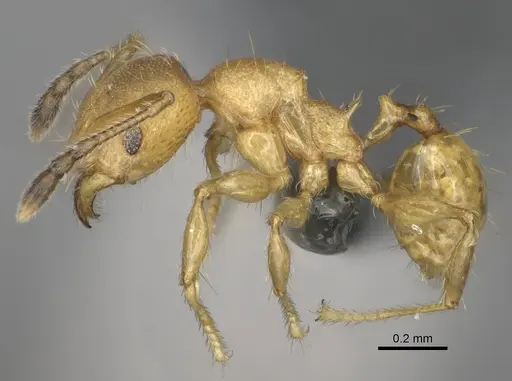
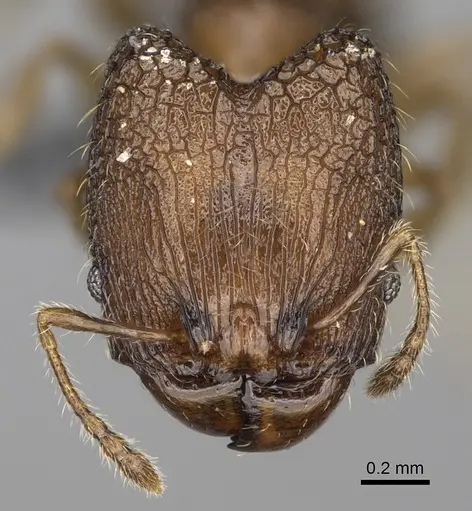
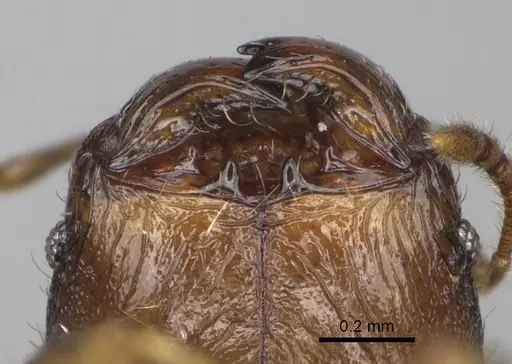
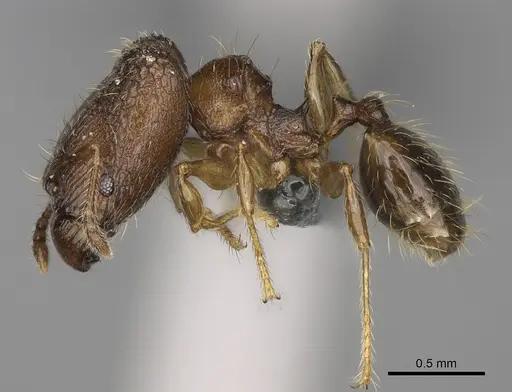
Pheidole marieannae is a small ant species native to Madagascar, discovered and described in 2020. It belongs to the Pheidole annemariae species group. Major workers measure 1.03-1.14 mm in head length and have a brown to dark brown body, while minor workers are smaller at 0.41-0.49 mm and appear yellow [1]. This species was found in rainforest and littoral rainforest habitats at elevations between 10-550 meters, where it nests in rotten logs, rotten sticks on the ground, and soil [1]. The species was first collected in Marojejy National Park in northern Madagascar.
Quick Summary
- Difficulty: Medium
- Origin & Habitat: Northern Madagascar (Antsiranana region), specifically Marojejy National Park. Found in rainforest and littoral rainforest habitats at 10-550m elevation [1].
- Colony Type: Likely monogyne (single queen) based on typical Pheidole genus patterns. Pheidole colonies typically have one founding queen that establishes a colony alone.
- Colony: Monogyne
- Founding: Claustral
- Size & Growth:
- Queen: Not yet documented in scientific literature, estimate based on genus patterns: 5-7mm
- Worker: Major workers: 1.03-1.14 mm head length (HL), minor workers: 0.41-0.49 mm HL [1]
- Colony: Likely reaches several hundred workers based on typical Pheidole colony development patterns
- Growth: Moderate, tropical species with relatively fast development expected
- Development: Estimated 5-8 weeks at optimal tropical temperatures (25-28°C), based on typical Pheidole development patterns (Development time inferred from genus-level data for tropical Pheidole species. Actual timeline may vary based on temperature and feeding.)
- Antkeeping:
- Temperature: Keep at 24-28°C. Being from tropical Madagascar, they prefer warm conditions. A heating cable on one side of the nest creates a suitable gradient
- Humidity: Keep substrate consistently moist but not waterlogged. This rainforest species needs higher humidity, aim for 70-80% relative humidity. Mist occasionally and provide a water tube
- Diapause: No, being a tropical species from Madagascar, they do not require hibernation. Keep warm year-round
- Nesting: Provide a naturalistic setup with rotting wood pieces, or a Y-tong/plaster nest with moisture retention. They naturally nest in rotten logs and soil, so substrate should include some organic material [1]
- Behavior: These ants are generally non-aggressive and focused on foraging. Major workers have moderately long propodeal spines but are not particularly defensive. They are active foragers that will collect seeds, small insects, and honeydew. Minor workers are yellow and significantly smaller than majors. Escape prevention should be moderate, they are not tiny but can squeeze through small gaps. They do not sting and are harmless to humans.
- Common Issues: humidity control is critical, being rainforest species, dry conditions can cause colony decline, colonies may be slow to establish initially, Pheidole founding queens can take time to raise first workers, rotten wood substrate can develop mold if kept too wet, balance moisture carefully, wild-caught colonies may carry parasites that can devastate captive colonies, major workers are relatively large but minors are tiny, ensure escape barriers are appropriate for both castes
Housing and Nest Setup
Pheidole marieannae naturally nests in rotten logs, rotten sticks on the ground, and soil in Madagascar's rainforests. For captive care, a naturalistic setup works well, use a container filled with a moist substrate mix of soil and rotting wood pieces. Alternatively, a Y-tong (acrylic) nest or plaster nest with moisture chambers can work, provided you maintain adequate humidity. The key is keeping the substrate consistently damp but not waterlogged. A water tube attached to the nest helps maintain humidity. Avoid completely dry setups, this species comes from a humid rainforest environment. [1]
Feeding and Diet
Pheidole ants are generalist omnivores. Offer a varied diet including protein sources like small insects (fruit flies, small crickets, mealworms) and carbohydrate sources like sugar water, honey, or honeydew. They will also collect seeds. Feed protein 2-3 times per week and keep a constant sugar water source available. Remove uneaten prey after 24-48 hours to prevent mold. Minor workers will forage for smaller food items while majors can handle larger prey. This species is not a specialized predator, so standard ant feeding protocols work well.
Temperature and Seasonal Care
Being from tropical Madagascar, Pheidole marieannae needs warm conditions year-round. Keep the nest area at 24-28°C. A heating cable placed on one side of the nest creates a temperature gradient that allows ants to regulate their own temperature by moving between warmer and cooler areas. Do not let temperatures drop below 20°C for extended periods. No hibernation or diapause is required, this is a tropical species that stays active throughout the year. Room temperature in heated homes is often suitable, but monitor with a thermometer. [1]
Colony Development
Pheidole colonies grow through a distinct caste system with major and minor workers. The queen lays eggs, which hatch into larvae that are fed by workers. After pupation, the first workers (nanitics) emerge, these are typically smaller than normal workers. The colony then grows as the queen continues laying eggs. Majors develop later and serve specialized roles like seed processing and colony defense. Expect 5-8 weeks from egg to first worker at optimal temperatures. Colonies may remain small (under 100 workers) for the first few months before accelerating growth. A healthy mature colony can reach several hundred workers.
Behavior and Temperament
This species is relatively calm and not particularly aggressive. Workers go about their foraging activities without excessive defensiveness. The presence of major workers with propodeal spines suggests some defensive capability, but they are not known for aggressive swarming. Minor workers (yellow) handle most routine foraging while majors (brown) assist with larger food items and colony maintenance. They are diurnal and actively forage during the day. They do not pose any sting risk to humans. Escape prevention should be moderate, while not the smallest ants, they can still squeeze through small gaps, so ensure enclosures are secure. [1]
Frequently Asked Questions
How long does it take for Pheidole marieannae to raise first workers?
Expect 5-8 weeks from egg to first worker at optimal temperatures (24-28°C). This is based on typical Pheidole development patterns since specific development data for this newly described species is not yet available.
What do Pheidole marieannae ants eat?
They are generalist omnivores. Feed small insects (fruit flies, pinhead crickets, mealworms) as protein 2-3 times per week, and provide constant access to sugar water, honey, or honeydew. They will also collect seeds.
Do Pheidole marieannae ants need hibernation?
No. Being from tropical Madagascar, they do not require hibernation. Keep them warm year-round at 24-28°C.
What temperature is ideal for Pheidole marieannae?
Keep them at 24-28°C. A heating cable on one side of the nest creates a gradient. They are tropical ants from rainforest habitats and need warmth.
How big do Pheidole marieannae colonies get?
Based on typical Pheidole growth patterns, colonies likely reach several hundred workers. The exact maximum is unknown as this is a newly described species.
Can I keep multiple Pheidole marieannae queens together?
Not recommended. While Pheidole are typically monogyne (single queen), combining unrelated foundresses has not been documented for this specific species. It is best to start with one queen.
What humidity level do they need?
Keep humidity high at 70-80%. This rainforest species needs moist substrate, keep it damp but not waterlogged. A water tube attached to the nest helps maintain moisture.
Are Pheidole marieannae ants good for beginners?
They are rated as medium difficulty. They require warm, humid conditions typical of tropical ants, which may require more attention than temperate species. Their care is straightforward once humidity and temperature requirements are met.
When should I move them to a formicarium?
Keep newly caught or newly founded colonies in a simple setup (test tube or small container with soil) until the colony reaches 50+ workers. Once established, you can move them to a larger naturalistic setup or formicarium.
References

This caresheet is licensed under CC BY-SA 4.0 .
CASENT0046082
View on AntWeb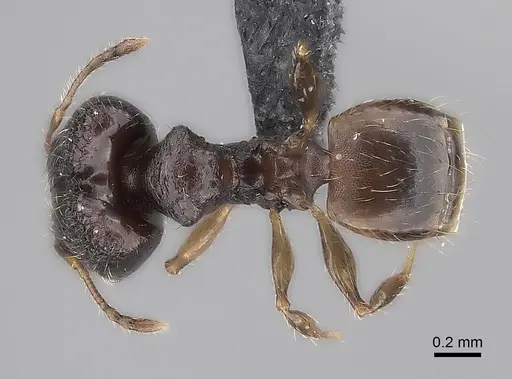
CASENT0059041
View on AntWeb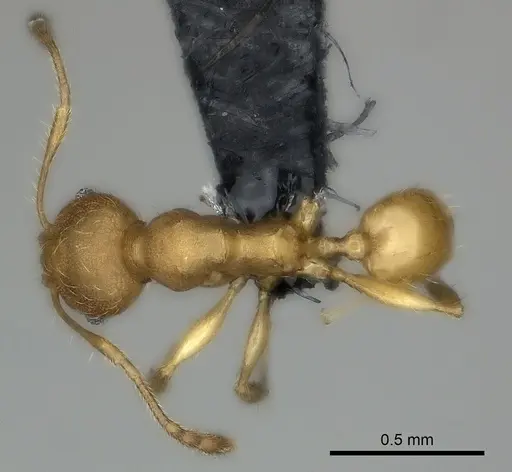
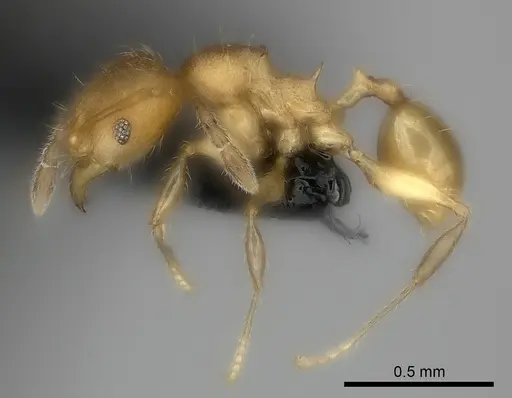
CASENT0808178
View on AntWeb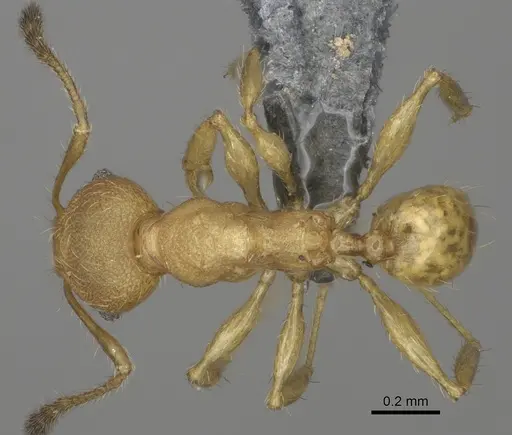
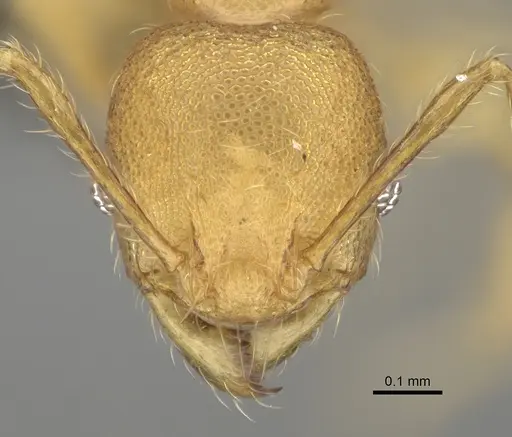
CASENT0923219
View on AntWeb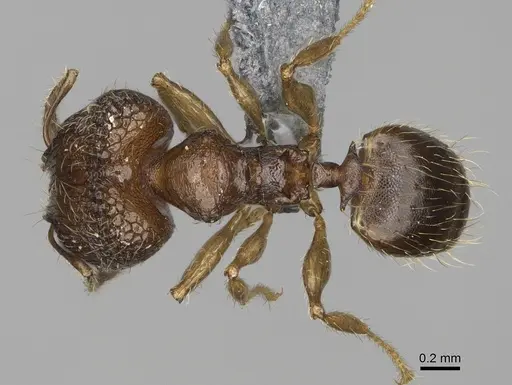
Literature
Loading...Loading products...