

Pheidole annemariae
- Scientific Name
- Pheidole annemariae
- Tribe
- Attini
- Subfamily
- Myrmicinae
- Author
- Forel, 1918
- Distribution
- Found in 1 countries
Pheidole annemariae Overview
Pheidole annemariae is an ant species of the genus Pheidole. It is primarily documented in 1 countries , including Madagascar. Detailed taxonomic data and occurrence records can be further explored via authoritative databases such as AntWeb or the Global Biodiversity Information Facility (GBIF).
Pheidole annemariae
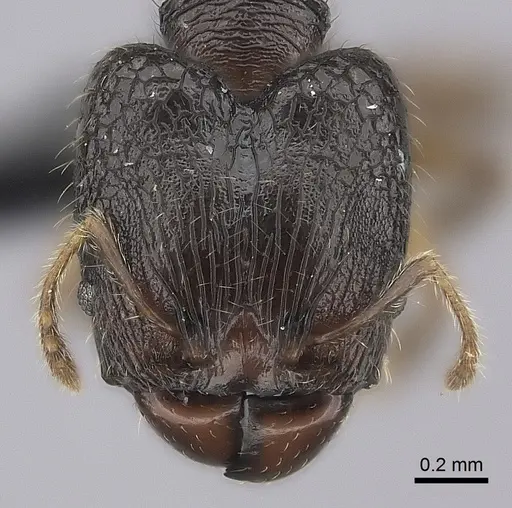
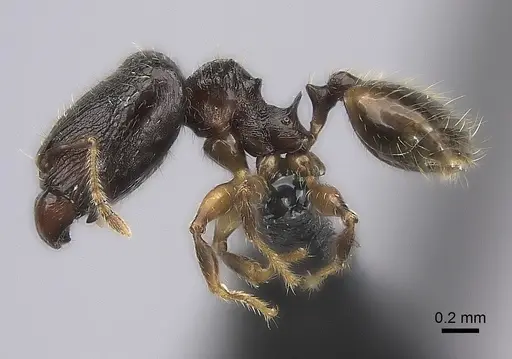
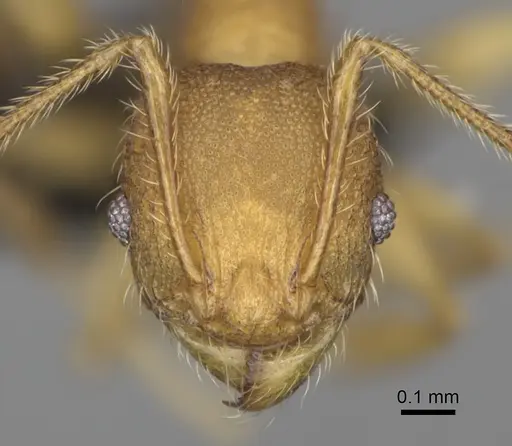
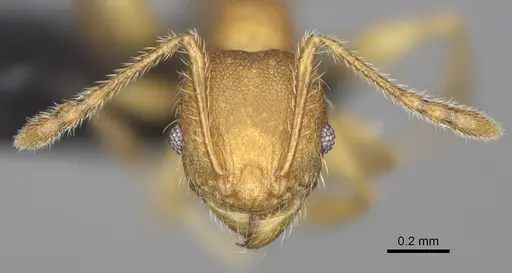
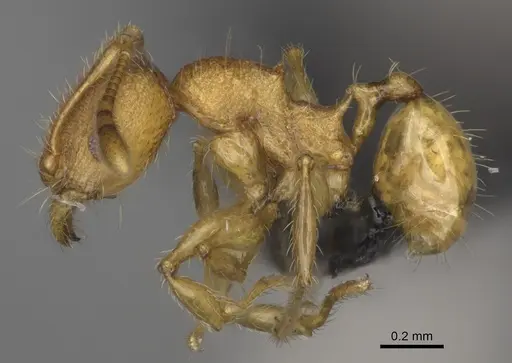
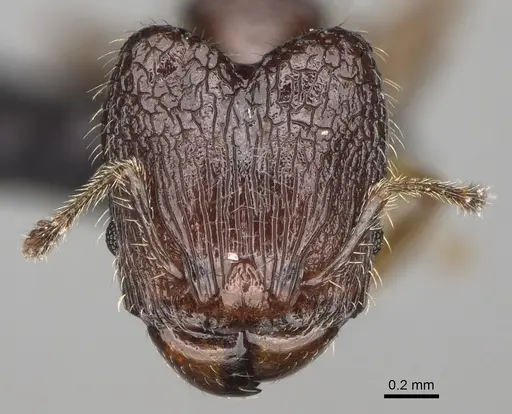
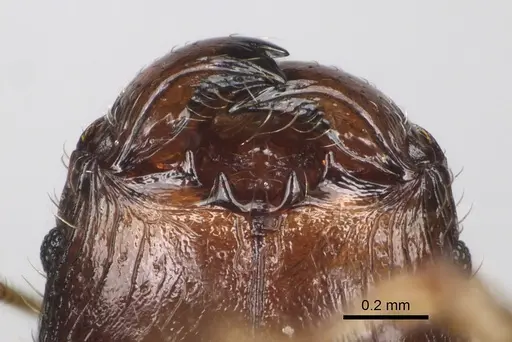
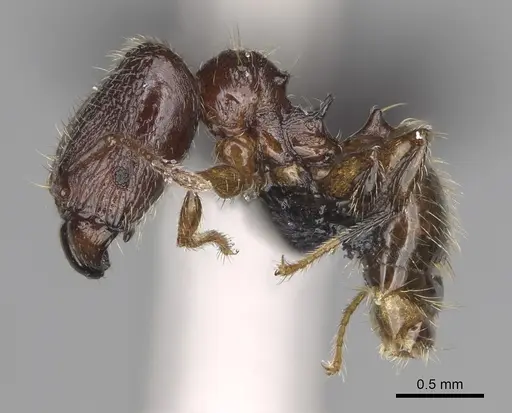
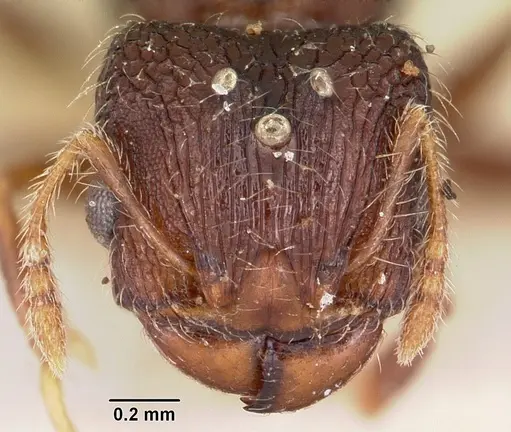
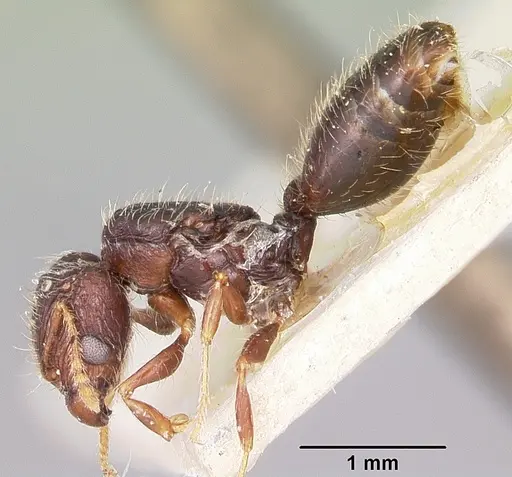
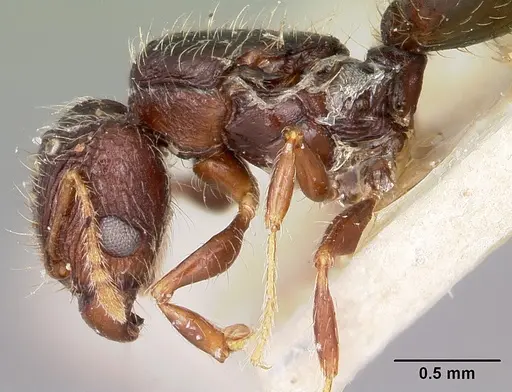
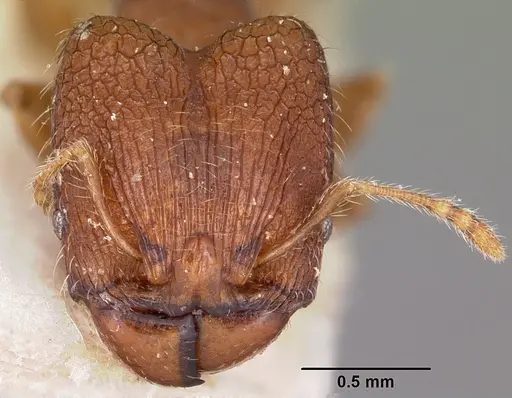
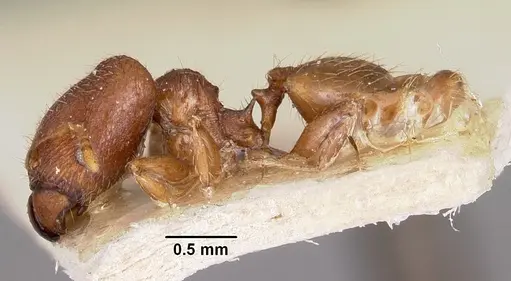
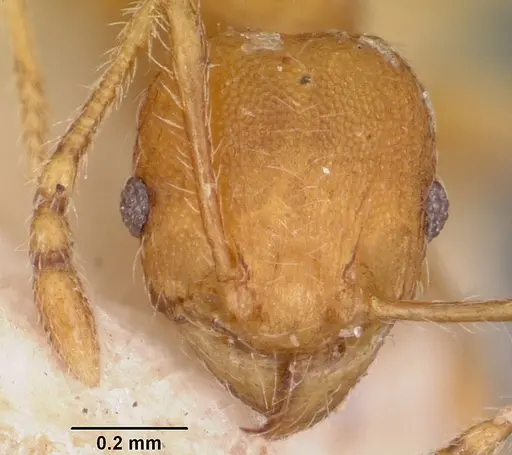
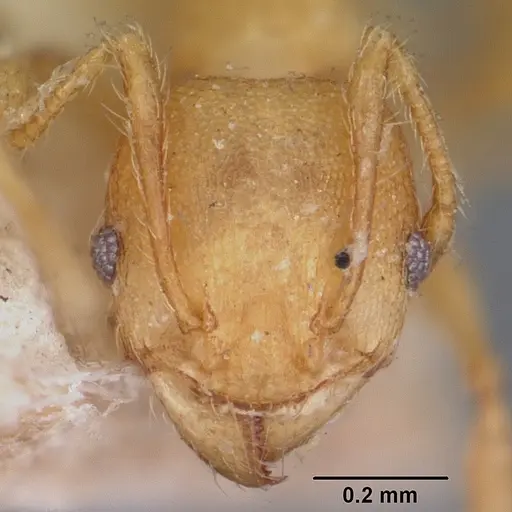
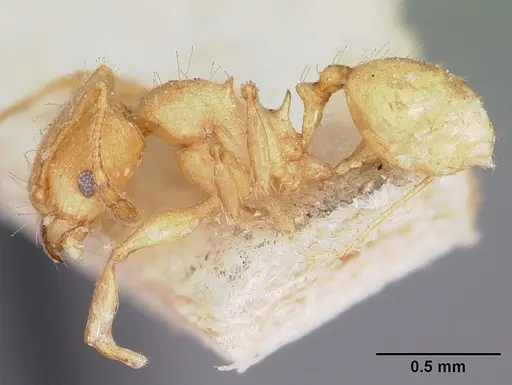
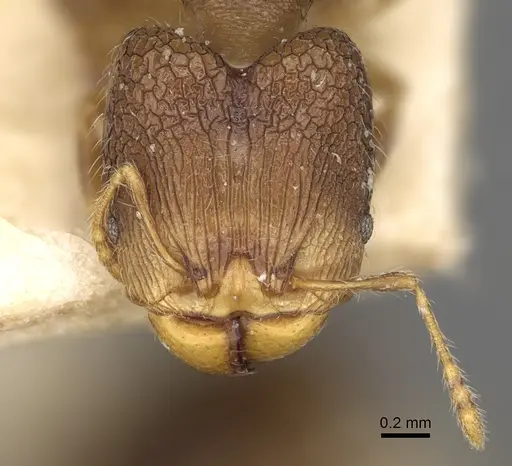
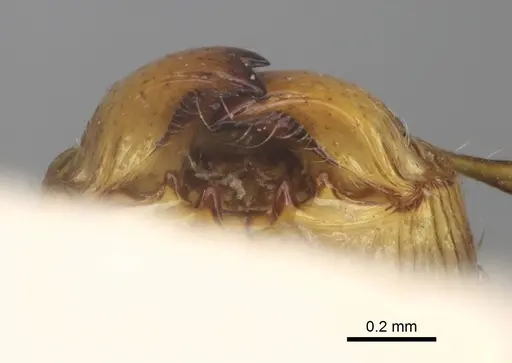
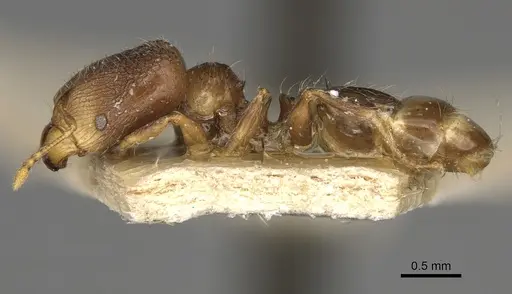
Pheidole annemariae is a small ant species native to Madagascar, belonging to the Pheidole annemariae species group. Major workers measure 1.16-1.30mm with a dark brown to brownish-black body, while minor workers are smaller at 0.52-0.57mm and appear yellow [1]. This species nests in rotten logs, branches, and occasionally in the canopy at elevations between 3-1343m, found in rainforest, littoral rainforest, montane rainforest, and sometimes beach vegetation [1]. The species is most similar to Pheidole marieannae but can be distinguished by its smooth notch on the genae and longer propodeal spines [2].
Quick Summary
- Difficulty: Medium
- Origin & Habitat: Madagascar, found in rainforest, littoral rainforest, montane rainforest, and occasionally beach vegetation on sandy soil at elevations of 3-1343m [1][2]
- Colony Type: Likely single-queen (monogyne) colonies based on typical Pheidole genus patterns. Colony size is unconfirmed but likely moderate for the genus.
- Colony: Monogyne
- Founding: Claustral
- Size & Growth:
- Queen: Unconfirmed, no queen measurements available in primary literature [1]
- Worker: Major workers: 1.16-1.30mm, Minor workers: 0.52-0.57mm [1]
- Colony: Unconfirmed, estimated moderate colony size based on genus patterns
- Growth: Moderate, inferred from typical Pheidole development patterns
- Development: 6-10 weeks, estimated based on typical Pheidole genus development in tropical conditions (Development time is estimated as this specific species has not been studied. Pheidole species typically develop faster in warmer conditions.)
- Antkeeping:
- Temperature: Keep at 24-28°C, this species comes from tropical Madagascar and prefers warm, stable conditions. A gentle gradient allowing workers to self-regulate is recommended.
- Humidity: High humidity required, they naturally inhabit rainforest environments. Keep nest substrate consistently moist but not waterlogged. Provide a water reservoir.
- Diapause: No, as a tropical species from Madagascar, they do not require hibernation. Keep temperatures stable year-round.
- Nesting: In captivity, they do well in test tubes initially, then transition to Y-tong or plaster nests. They prefer dark, humid nesting chambers. In the wild they nest in rotting wood, so a naturalistic setup with wood pieces or a humid formicarium works well.
- Behavior: This species is ground-nesting and likely forages on the forest floor. Pheidole ants are known for their caste system with distinct major and minor workers, majors have enlarged heads for seed processing and defense. They are generally non-aggressive but will defend their nest. Escape prevention is important due to their small size, use fine mesh and tight-fitting barriers. They are likely active foragers that accept a varied diet.
- Common Issues: high humidity needs mean mold can be a problem if ventilation is poor, small minor workers can escape through standard barrier setups, use fine mesh, tropical species may struggle if temperatures drop below 22°C, colonies may grow slowly initially, patience is needed during founding, wild-caught colonies may carry parasites that affect captive survival
Housing and Nest Setup
For founding colonies, a simple test tube setup works well, fill a test tube with water, plug the end with cotton, and place the queen in the tube. The queen will seal herself in and lay eggs. Once you have 20-30 workers, you can transition to a more permanent formicarium. Y-tong (acrylic) nests or plaster nests work well for this species because they hold humidity well and provide dark chambers. The nest should be kept humid but with some ventilation to prevent mold. An outworld area for foraging allows workers to hunt and collect food. Because they nest in rotting wood in the wild, adding small pieces of wood or bark to the setup can encourage natural behavior. [1][2]
Feeding and Diet
Pheidole annemariae is likely a generalist forager like most Pheidole species. They probably eat small insects, seeds, and honeydew in the wild. In captivity, offer protein sources like small crickets, mealworms, fruit flies, or other tiny insects twice weekly. They may accept sugar water or honey as an energy source. Seed-eating is common in Pheidole, you can offer tiny seeds like millet or chia seeds, especially once you have major workers who can process them with their enlarged mandibles. Remove uneaten food after 24-48 hours to prevent mold.
Temperature and Humidity
This is a tropical species from Madagascar, so it needs warm, humid conditions. Keep the nest area at 24-28°C, a heating cable on one side of the nest creates a gentle gradient that workers can move along to regulate their temperature. Avoid temperatures below 22°C as this species is not cold-tolerant. Humidity should be high, the nest substrate should feel consistently moist but never waterlogged. A water reservoir in the test tube or formicarium helps maintain humidity. Mist the outworld occasionally but avoid direct misting on the nest. Good ventilation is important to prevent mold while maintaining humidity. [1]
Colony Development
The queen will lay eggs within a few days of being sealed in. She feeds the larvae from her stored fat reserves and the eggs she consumes. The first workers (nanitics) will emerge smaller than normal workers but will immediately begin caring for the colony. After the nanitics, subsequent workers will be normal size. Development from egg to worker likely takes 6-10 weeks in optimal conditions, but this is estimated as no specific data exists for this species. Growth is typically moderate, the colony will expand gradually over months. Major workers appear once the colony has grown substantially, as these are specialized for seed processing and defense. [1]
Behavior and Temperament
Pheidole annemariae has the classic Pheidole caste system with distinct major and minor workers. Minor workers handle most tasks including foraging, caring for brood, and maintaining the nest. Major workers have enlarged heads and mandibles, they specialize in seed processing, defending the nest, and may help with food transport. This species is not aggressive toward keepers but will defend vigorously if the nest is threatened. Workers are active foragers that will search the outworld for food. They are not known for escaping aggressively, but their small size means standard barrier precautions should still be taken. [1]
Frequently Asked Questions
How long does it take for Pheidole annemariae to have first workers?
First workers typically appear in 6-10 weeks under optimal conditions (24-28°C). This is an estimate based on typical Pheidole genus development, as this specific species has not been studied.
What do Pheidole annemariae ants eat?
They likely accept small insects like fruit flies, pinhead crickets, and mealworms. They may also eat seeds and accept sugar water or honey. Offer protein twice weekly and keep a sugar source available.
Do Pheidole annemariae ants need hibernation?
No, as a tropical species from Madagascar, they do not require hibernation. Keep temperatures stable year-round between 24-28°C.
Are Pheidole annemariae good for beginners?
They are rated as medium difficulty. They require warm, humid conditions typical of tropical ants, which is manageable for most keepers. Their small size requires attention to escape prevention.
How big do Pheidole annemariae colonies get?
Colony size is unconfirmed for this species, but based on typical Pheidole patterns, they likely reach several hundred workers. Major workers appear once the colony is well-established.
What temperature should I keep Pheidole annemariae at?
Keep nest temperatures at 24-28°C. This species comes from tropical Madagascar and prefers warm, stable conditions. Avoid temperatures below 22°C.
When should I move Pheidole annemariae to a formicarium?
Keep them in a test tube setup until you have 20-30 workers. Then you can transition to a Y-tong or plaster formicarium that can hold humidity and provides dark nesting chambers.
Can I keep multiple Pheidole annemariae queens together?
Not recommended, combining unrelated queens of this species has not been documented. Pheidole are typically single-queen colonies, and introducing multiple foundresses may result in fighting.
Why are my Pheidole annemariae dying?
Common causes include: temperatures below 22°C, too dry or too wet conditions, mold from poor ventilation, or parasites from wild-caught colonies. Check that your setup maintains proper humidity without stagnation.
References

This caresheet is licensed under CC BY-SA 4.0 .
CASENT0056546
View on AntWeb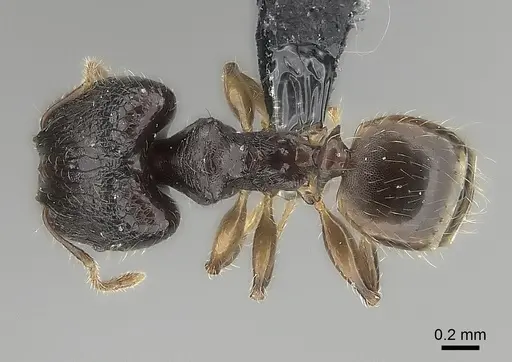
CASENT0077287
View on AntWeb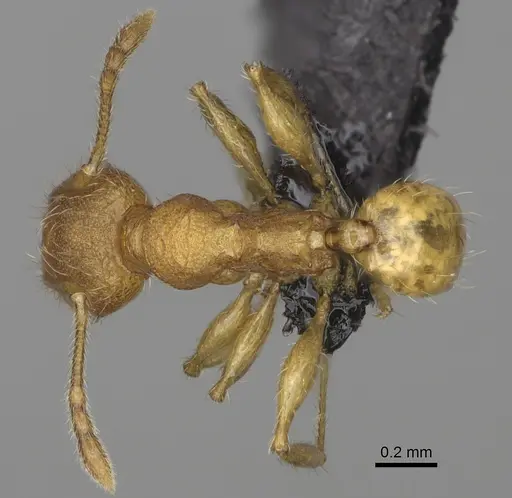
CASENT0077290
View on AntWeb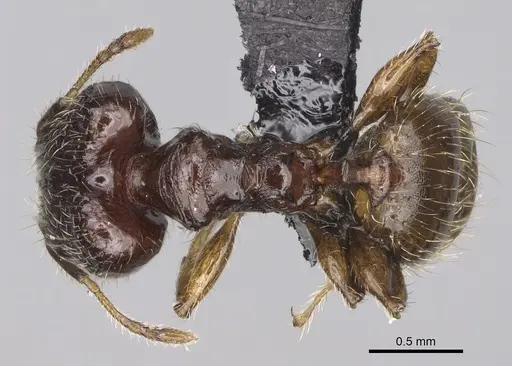
CASENT0101653
View on AntWeb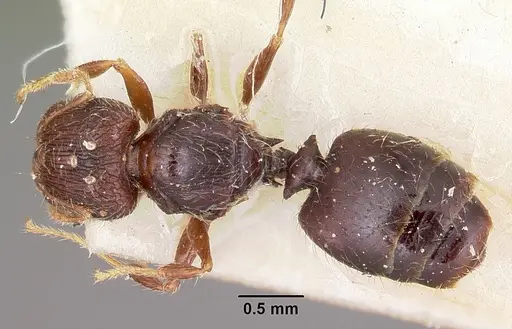
CASENT0101688
View on AntWeb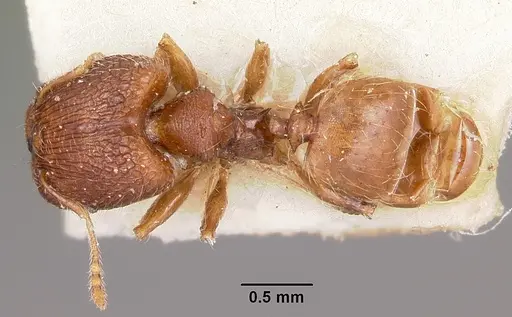
CASENT0101829
View on AntWeb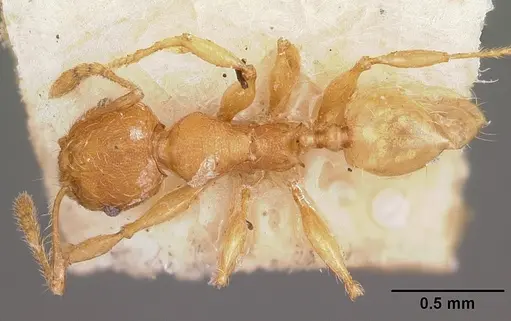
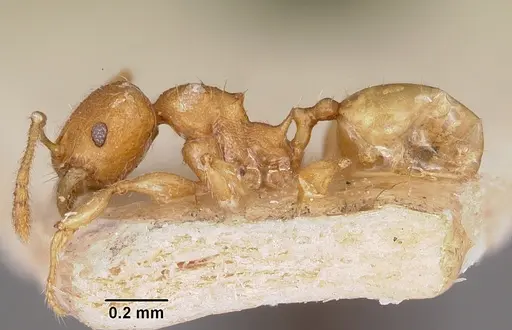
CASENT0104596
View on AntWeb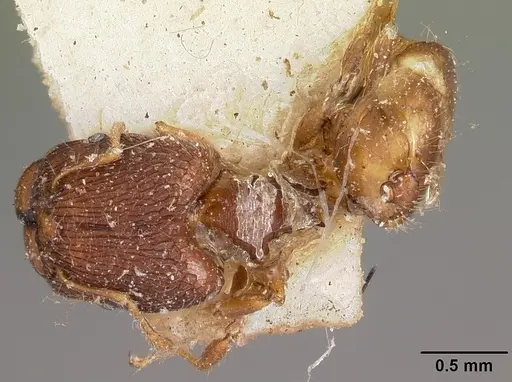
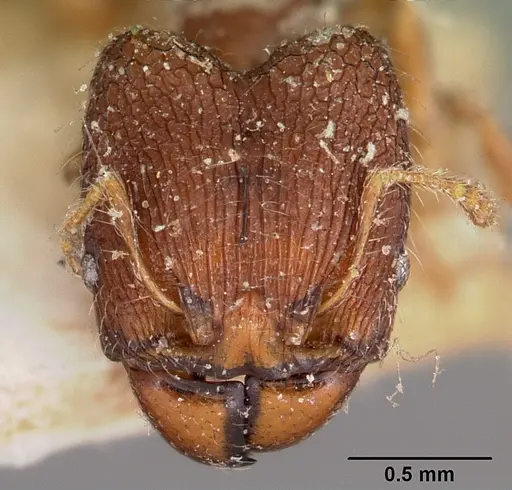
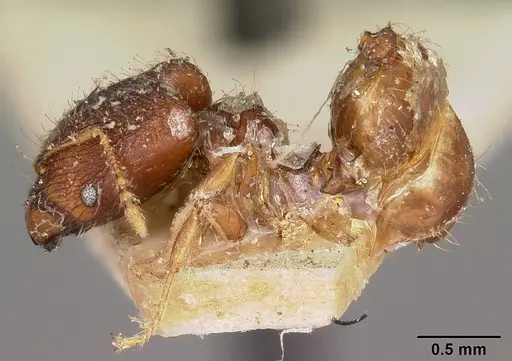
CASENT0104597
View on AntWeb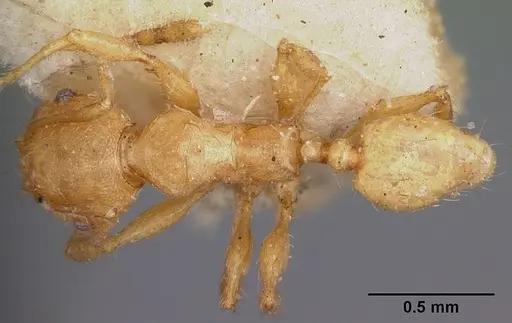
CASENT0923206
View on AntWeb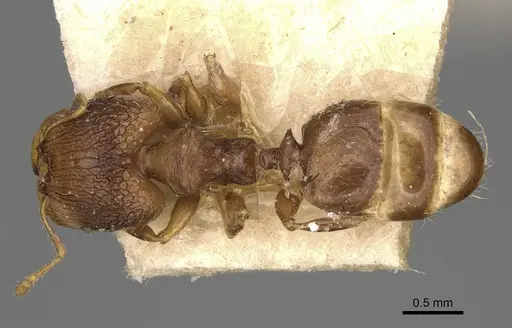
Literature
Loading...Loading products...