

Pheidole manantenensis
- Scientific Name
- Pheidole manantenensis
- Tribe
- Attini
- Subfamily
- Myrmicinae
- Author
- Salata & Fisher, 2020
- Distribution
- Found in 1 countries
Pheidole manantenensis Overview
Pheidole manantenensis is an ant species of the genus Pheidole. It is primarily documented in 1 countries , including Madagascar. Detailed taxonomic data and occurrence records can be further explored via authoritative databases such as AntWeb or the Global Biodiversity Information Facility (GBIF).
Pheidole manantenensis
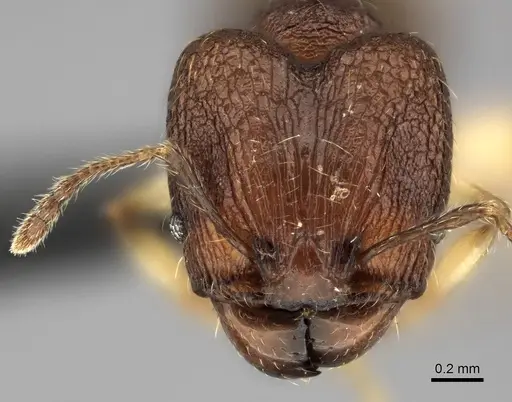
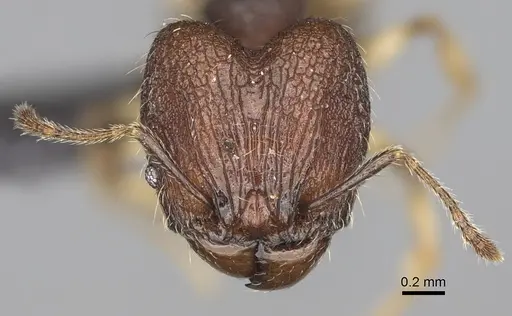
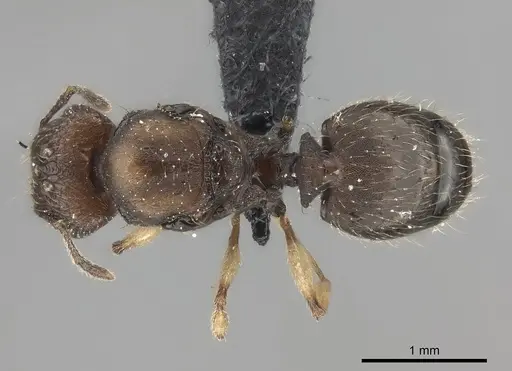
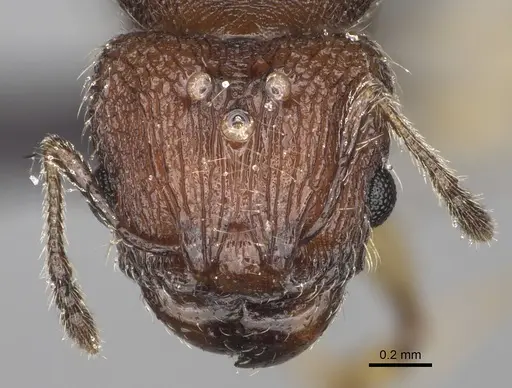
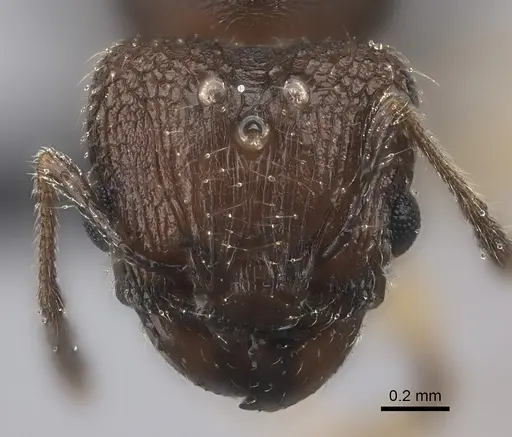
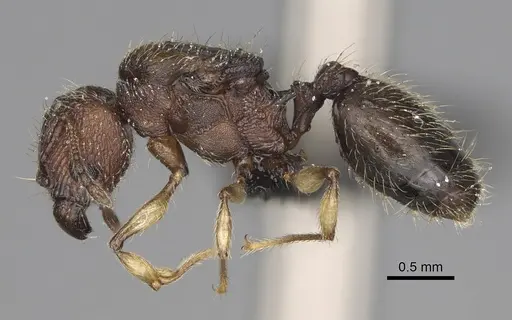
Pheidole manantenensis is a small ant species native to the rainforests of northern Madagascar. It belongs to the Pheidole ferruginea species group and was formally described in 2020. The species is characterized by its distinctive heart-shaped head (wider at the back) in major workers, brown to dark brown body coloration, and yellow legs. Major workers measure 0.95-1.15mm in head width, while minor workers are much smaller at 0.41-0.46mm. This species nests in unusual locations, specifically in the hollow petioles (leaf stems) of Melastomataceae plants, which is quite specialized for a Pheidole species. The species shows the typical Pheidole dimorphism with distinct major and minor worker castes.
Quick Summary
- Difficulty: Medium
- Origin & Habitat: Northern Madagascar, specifically Parc National de Marojejy at elevations of 225-775m. Found in tropical rainforest habitats [1].
- Colony Type: Colony structure is unconfirmed for this species. Most Pheidole species are monogyne (single queen), but this has not been directly documented for P. manantenensis.
- Size & Growth:
- Queen: Undocumented for this species, queen measurements not available in primary literature
- Worker: Major workers: 0.95-1.15mm head width, Minor workers: 0.41-0.46mm head width [1]
- Colony: Unknown for this species, no colony size data available
- Growth: Unknown, no development studies exist for this species
- Development: Estimated 6-8 weeks based on typical Pheidole development patterns at tropical temperatures (Development time is inferred from genus-level data since no species-specific studies exist. Tropical Pheidole species typically develop faster than temperate ones.)
- Antkeeping:
- Temperature: Keep at 24-27°C, this matches their natural rainforest habitat in Madagascar where temperatures are consistently warm year-round
- Humidity: High humidity required (70-85%). Their natural nesting in plant petioles indicates they prefer consistently moist conditions. Use well-moistened substrate and provide a water tube.
- Diapause: No diapause required, as a tropical species from Madagascar, they do not need a winter rest period. Keep temperatures stable year-round.
- Nesting: In captivity, standard test tubes or acrylic nests work well. The unusual natural nesting in plant stems suggests they may prefer enclosed, humid spaces. A Y-tong or plaster nest with good moisture retention is suitable. Avoid very dry setups.
- Behavior: Pheidole species are generally non-aggressive and focused on seed harvesting and collecting honeydew. Major workers have larger heads for seed-processing, while minors handle most foraging. They are not known for stinging and pose no danger to keepers. Minor workers are small (under 0.5mm) so escape prevention should be moderate, fine mesh may help but standard barriers are usually sufficient for the larger majors.
- Common Issues: tropical species requires warm, stable temperatures, cold drafts can stress and kill colonies, high humidity needs mean drying out is a common problem, monitor substrate moisture regularly, small minor workers may escape through standard test tube cotton, use appropriate barriers, newly described species means captive breeding information is limited, start with wild-caught colonies if available, unusual nesting in plant stems may indicate preference for enclosed, humid spaces over open forageries
Natural History and Distribution
Pheidole manantenensis is endemic to northern Madagascar, specifically found in the Marojejy National Park region. The species was collected at elevations between 225-775 meters in tropical rainforest habitat. What makes this species particularly interesting is its unusual nesting behavior, colonies were found nesting inside the petioles (leaf stems) of Melastomataceae plants, which is quite specialized. Most Pheidole species nest in soil or decaying wood, but this species has adapted to use plant stems as nest chambers. The species was formally described in 2020 by Salata and Fisher as part of a comprehensive revision of Madagascar Pheidole species. [1]
Identification and Morphology
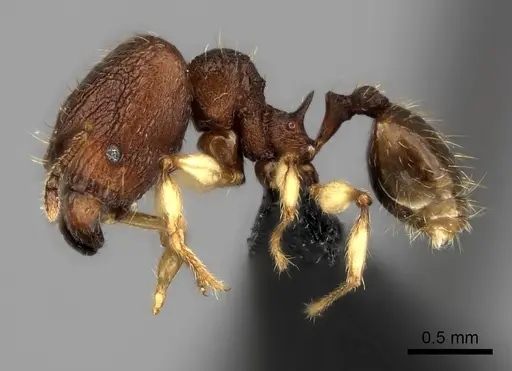
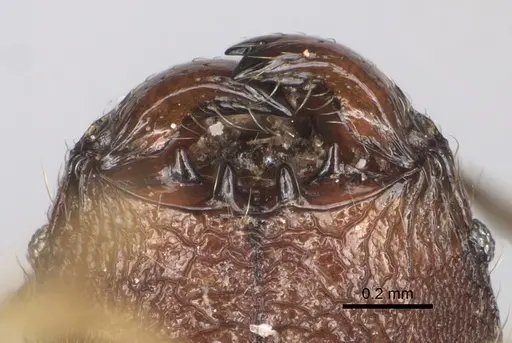
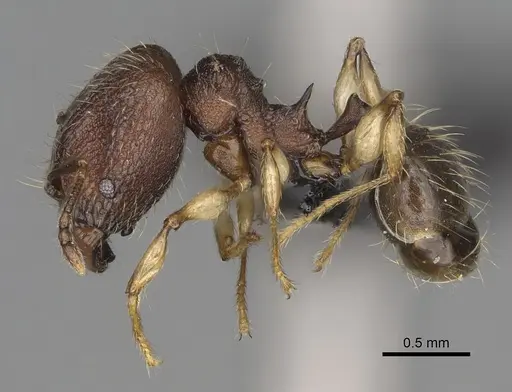
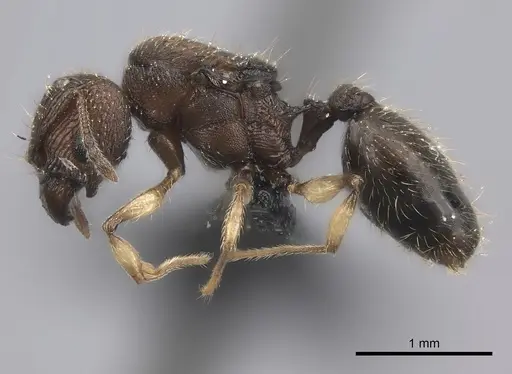
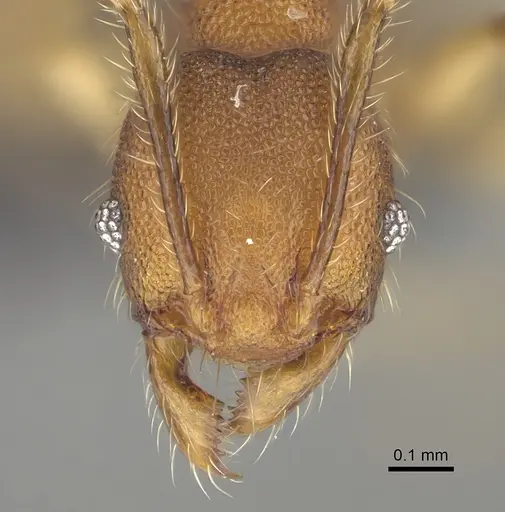
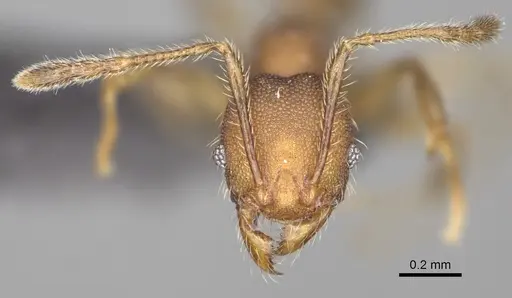
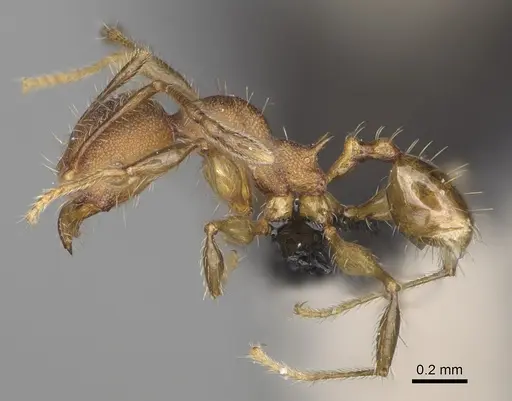
This species shows the characteristic Pheidole dimorphism with distinct major and minor worker castes. Major workers have a distinctive heart-shaped (cordate) head that is wider at the back, with moderately dense short hairs on the sides. Their body is brown to dark brown with yellow legs. Minor workers are much smaller and have a more typical ant shape with a low, convex promesonotum. The species is most similar to Pheidole vohemarensis but can be distinguished by differences in the promesonotum shape and sculpture. The propodeal spines are relatively long in both castes. [1]
Housing and Nesting
In captivity, provide a humid nest environment since their natural habitat is damp rainforest and they nest in plant stems that retain moisture. A test tube setup with a water reservoir works well for founding colonies. For established colonies, Y-tong nests or plaster nests with good moisture retention are suitable choices. Avoid dry setups or open forageries that may dry out quickly. The nest should have chambers sized appropriately, major workers are about 1mm in head width so standard small-formicarium chambers work. Keep the nest humid but not waterlogged.
Feeding and Diet
Like most Pheidole species, P. manantenensis is likely a generalist omnivore. In the wild, they probably collect seeds, tend aphids for honeydew, and scavenge or hunt small insects. For captive care, offer a varied diet: protein sources like small insects (fruit flies, small mealworms, crickets) and seeds (millet, chia, other small seeds). Sugar water or honey can be offered occasionally. Feed protein 2-3 times per week and ensure constant access to carbohydrates. Remove uneaten food to prevent mold.
Temperature and Humidity
As a tropical rainforest species from Madagascar, P. manantenensis requires warm and humid conditions. Keep temperatures in the range of 24-27°C (75-80°F). Avoid temperatures below 22°C or sudden temperature drops. Humidity should be maintained at 70-85%. Use a heat cable or mat on one side of the nest if room temperature is below 24°C, but always provide a temperature gradient so ants can regulate their own position. Since they do not require diapause, maintain stable conditions year-round.
Colony Development
This is a newly described species (2020), so captive breeding information is limited. Based on typical Pheidole patterns, founding is likely claustral, the queen seals herself in a chamber and lives off stored fat until her first workers (nanitics) emerge. Expect the first workers to appear 6-8 weeks after founding at optimal temperatures. Colony growth will be gradual, with majors appearing as the colony reaches several dozen workers. Unlike some fast-growing tropical species, Pheidole colonies typically grow more moderately. Patience is key, do not overfeed or disturb the founding chamber.
Frequently Asked Questions
How long does it take for Pheidole manantenensis to raise first workers?
Based on typical Pheidole development, expect 6-8 weeks from egg to first worker at optimal tropical temperatures (24-27°C). This is an estimate since no species-specific development studies exist.
What do Pheidole manantenensis ants eat?
They are generalist omnivores. Offer small seeds, protein (fruit flies, small insects), and occasional sugar water or honey. Remove uneaten food to prevent mold.
What temperature do Pheidole manantenensis need?
Keep them warm at 24-27°C (75-80°F). As a tropical rainforest species from Madagascar, they need consistently warm temperatures year-round with no diapause period.
Are Pheidole manantenensis good for beginners?
This is a newly described species with limited captive breeding information, making it more suitable for intermediate antkeepers. The species requires warm, humid conditions and knowledge of Pheidole care is helpful.
How big do Pheidole manantenensis colonies get?
Colony size is unknown for this specific species. Most Pheidole colonies reach several hundred to a few thousand workers over time. Growth is typically moderate rather than rapid.
What humidity do Pheidole manantenensis need?
High humidity (70-85%) is required. Their natural nesting in plant stems indicates preference for consistently moist conditions. Use well-moistened substrate and ensure the nest does not dry out.
Can I keep multiple queens together?
The colony structure is unconfirmed for this species. Most Pheidole are monogyne (single queen), but combining unrelated queens is not recommended unless documented as successful for this specific species.
When should I move Pheidole manantenensis to a formicarium?
Wait until the colony has 20-30 workers and is actively foraging. Test tubes work well for founding colonies, move to a larger nest only when the colony outgrows the tube or when the water reservoir runs out frequently.
Do Pheidole manantenensis need hibernation?
No, as a tropical species from Madagascar, they do not require a diapause or hibernation period. Keep temperatures stable year-round in the warm range.
References

This caresheet is licensed under CC BY-SA 4.0 .
CASENT0038921
View on AntWeb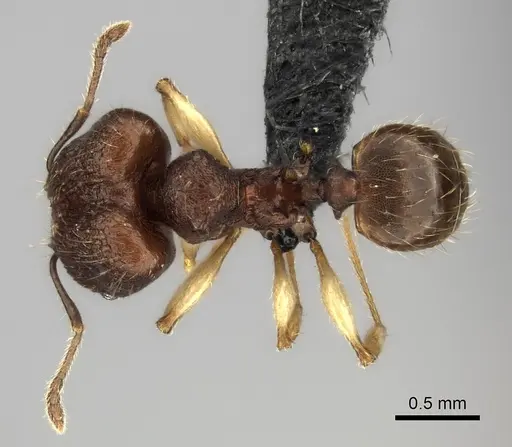
CASENT0068456
View on AntWeb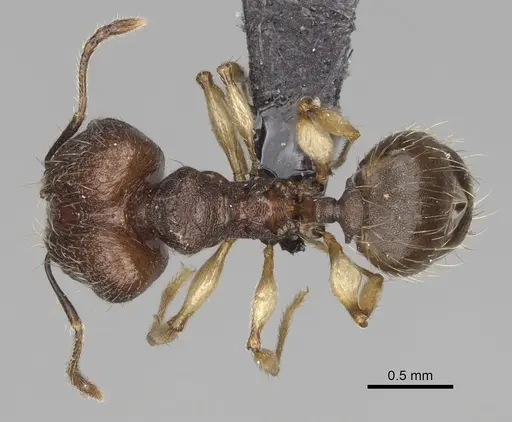
CASENT0068457
View on AntWeb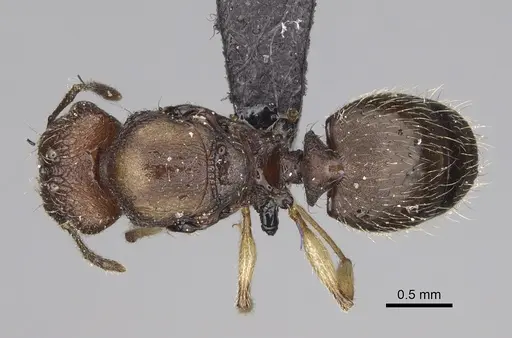
CASENT0208965
View on AntWeb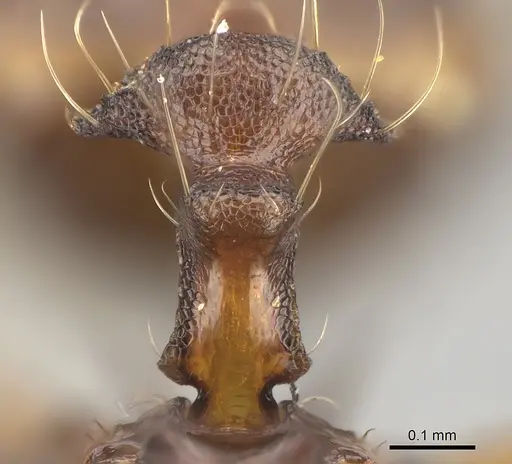
CASENT0923218
View on AntWeb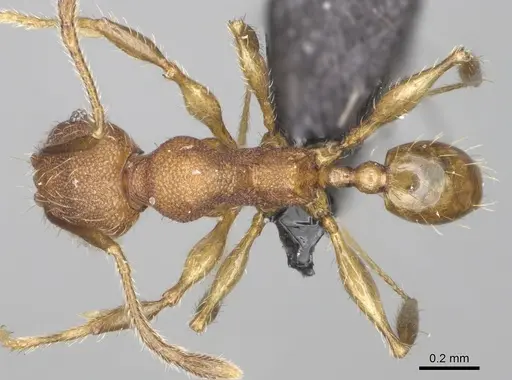
Literature
Loading...Loading products...