

Pheidole mahaboensis
- Scientific Name
- Pheidole mahaboensis
- Tribe
- Attini
- Subfamily
- Myrmicinae
- Author
- Salata & Fisher, 2020
- Distribution
- Found in 1 countries
Pheidole mahaboensis Overview
Pheidole mahaboensis is an ant species of the genus Pheidole. It is primarily documented in 1 countries , including Madagascar. Detailed taxonomic data and occurrence records can be further explored via authoritative databases such as AntWeb or the Global Biodiversity Information Facility (GBIF).
Pheidole mahaboensis
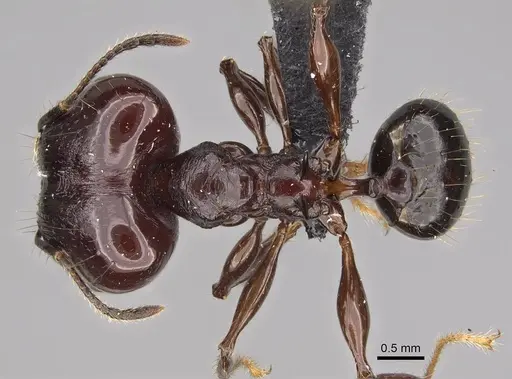
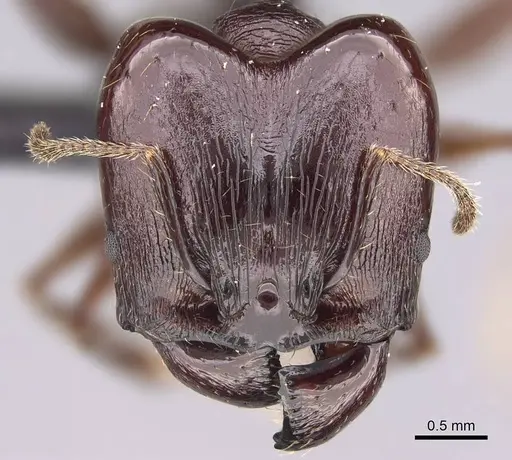
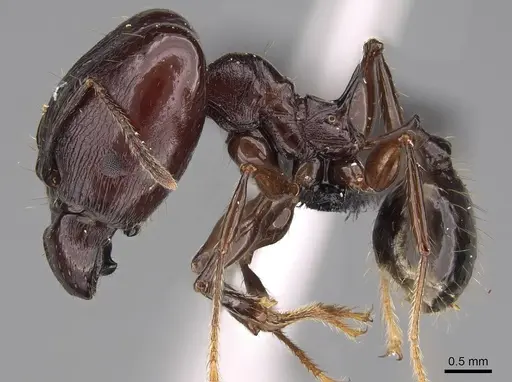
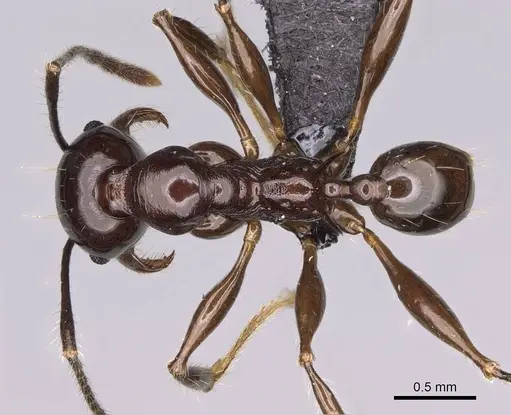
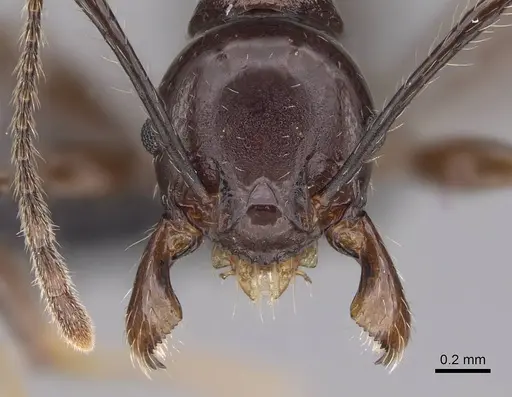
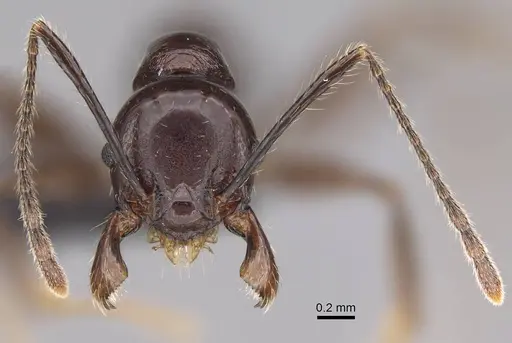
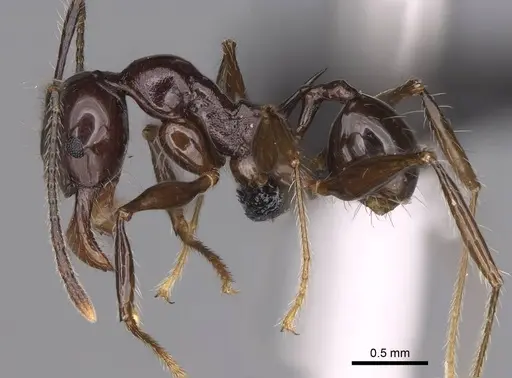
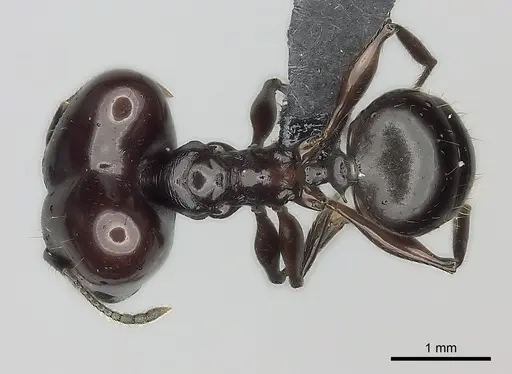
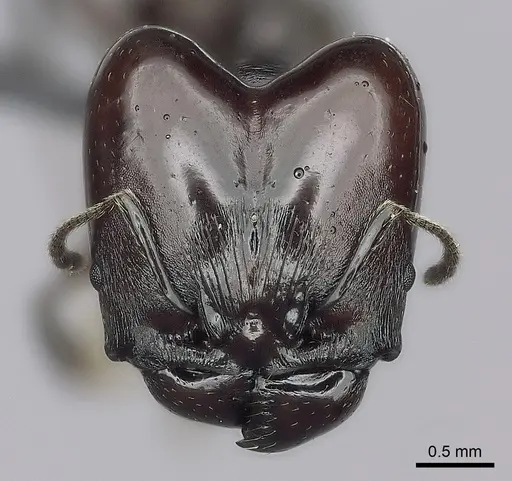
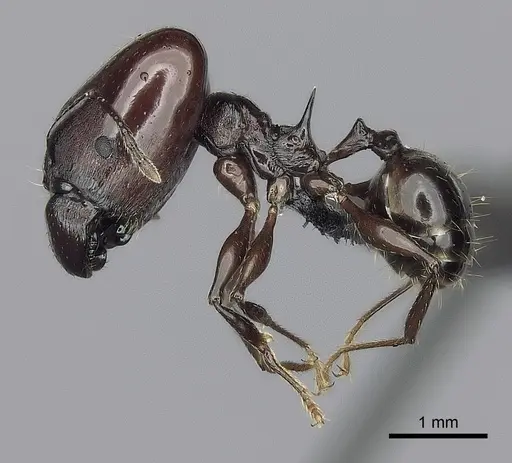
Pheidole mahaboensis is a large, newly described ant species from Madagascar, belonging to the Pheidole longispinosa species group. Major workers measure 2.38-2.71mm with a distinctive trapezoid head that widens toward the back, very long propodeal spines, and a reddish-brown to dark brown coloration. Minor workers are considerably smaller at 0.93-1.08mm but share the same color scheme. This species nests naturally in rotten logs and tree stumps in Madagascar's rainforest habitats at elevations between 20-1275 meters. It was formally described in 2020 by Salata and Fisher and is most similar in appearance to Pheidole longispinosa and Pheidole praegrandis.
Quick Summary
- Difficulty: Medium
- Origin & Habitat: Native to Madagascar, specifically the Fianarantsoa region. Found in rainforest habitats and occasionally in open areas near streams, at elevations ranging from 20-1275 meters. Nests in rotten logs and tree stumps [1].
- Colony Type: Unconfirmed colony structure. As a Pheidole species, likely forms single-queen colonies (monogyne), which is typical for most members of this genus.
- Size & Growth:
- Queen: Not yet documented in scientific literature, queen measurements unavailable [1]
- Worker: Major workers: 2.38-2.71mm head length, minor workers: 0.93-1.08mm head length [1]
- Colony: Unknown, no colony size data published yet
- Growth: Unknown, development timeline has not been studied
- Development: Unknown, no direct measurements available. Based on typical Pheidole patterns from related species, estimate 6-8 weeks at optimal temperature. (This is a newly described species (2020) with no published development data. Estimates based on genus-typical patterns for Pheidole in Madagascar.)
- Antkeeping:
- Temperature: Keep at 24-28°C as a starting point. Madagascar is tropical to subtropical, so this species likely prefers warm conditions. Provide a temperature gradient so ants can choose their preferred zone.
- Humidity: Maintain moderate to high humidity (60-80%). Their natural habitat in rainforest and near streams indicates they prefer damp conditions. Keep nest substrate consistently moist but not waterlogged.
- Diapause: Unlikely required. As a tropical Madagascar species, year-round warm temperatures are probably appropriate. Monitor colony behavior for signs of stress if temperatures drop.
- Nesting: Provide rotting wood or a moist nest substrate. In captivity, Y-tong nests, plaster nests with water reservoirs, or naturalistic setups with damp wood work well. The key is maintaining consistent moisture similar to their natural rotten log habitat.
- Behavior: Behavior is not specifically documented for this species, but Pheidole generally are active foragers with major workers specializing in seed processing and defense. They are not aggressive toward keepers but majors can deliver a mild sting. Escape risk is moderate, major workers at 2.5mm are decent-sized, but fine mesh barriers are still recommended.
- Common Issues: newly described species means limited care information, some trial and error may be needed, humidity management is critical, too dry causes brood loss, too wet risks flooding, tropical species may be sensitive to temperature drops below 20°C, no published data on acceptable sugar sources, some Pheidole accept honey, others prefer seeds, wild-caught colonies may carry parasites that are poorly understood in captivity
Natural History and Origin
Pheidole mahaboensis comes from the island of Madagascar, specifically the Fianarantsoa region in the southeastern part of the island. It was formally described in 2020 by Sebastian Salata and Brian Fisher as part of a comprehensive revision of Madagascar's Pheidole species. The species belongs to the longispinosa species group and is part of the longispinosa species complex. In the wild, these ants nest in rotting logs and tree stumps in rainforest environments, though one specimen was collected in an open area near a stream. Their elevation range spans from 20 meters up to 1275 meters, indicating some adaptability to different altitudes within Madagascar's humid tropical climate. [1]
Identification and Physical Characteristics
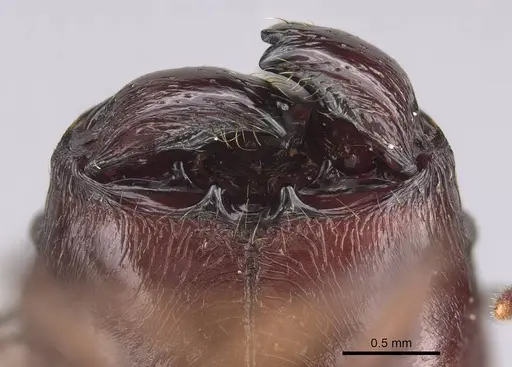
This is a relatively large Pheidole species. Major workers have a distinctive trapezoid-shaped head that widens toward the back, very long propodeal spines, and a reddish-brown to dark brown coloration. The frons features longitudinal rugae that extend past the middle of the head. Minor workers are much smaller at around 1mm head length but share the same dark brown coloration. The species can be distinguished from similar species like P. longispinosa and P. praegrandis by the presence of a metanotal groove, very sparse short decumbent pilosity on the head sides, and the gaster being smooth and shiny rather than shagreened. [1]
Housing and Nesting
In captivity, provide conditions that mimic their natural rotten log habitat. Y-tong nests or plaster nests with water reservoirs work well, the key is maintaining consistent moisture without flooding. naturalistic setups with damp rotting wood are ideal but can be difficult to source. A humidity range of 60-80% is appropriate, with the nest substrate feeling damp to the touch. Since this is a newly described species with no captive husbandry history, be prepared to adjust conditions based on colony behavior. If workers cluster near moisture, increase humidity slightly. If they avoid damp areas, provide drier sections within the nest. [1]
Feeding and Diet
The specific diet of P. mahaboensis has not been studied, but Pheidole species are typically omnivorous with a preference for seeds and protein. In captivity, offer a varied diet including small seeds (millet, chia, sesame), protein sources like mealworms or crickets, and sugar sources like honey water or sugar water. Some Pheidole species readily accept sugar, while others show little interest, offer sugar sources occasionally but do not rely on them as a primary food. Protein should be offered regularly, especially for colonies with brood. Remove uneaten food within 24-48 hours to prevent mold.
Temperature and Seasonal Care
As a tropical Madagascar species from rainforest habitats, keep these ants warm. A temperature range of 24-28°C is appropriate as a starting point. Provide a temperature gradient so the colony can self-regulate, this is especially important given the lack of specific care data. Room temperature (around 22-24°C) may be acceptable if your home stays in this range. Unlike temperate species, diapause is unlikely to be required. However, avoid temperatures below 20°C or sudden temperature swings, as this tropical species may be sensitive to cold. Monitor colony activity levels as an indicator of comfort. [1]
Colony Development Expectations
Since this is a newly described species (2020), no published data exists on colony development timelines. Based on typical Pheidole patterns from related species, expect 6-8 weeks from egg to first worker at optimal temperature. Queen size is also undocumented, expect a queen around 6-8mm based on genus patterns for large Pheidole species. Growth rate is unknown but likely moderate. Given the limited available information, keeping detailed notes on your colony's development will be valuable for the antkeeping community. [1]
Frequently Asked Questions
How long does it take for Pheidole mahaboensis to produce first workers?
The exact timeline is unknown as this is a newly described species with no published development data. Based on typical Pheidole patterns, expect approximately 6-8 weeks from egg to first worker at optimal temperature (around 24-28°C).
What size queen does Pheidole mahaboensis have?
Queen measurements have not been documented in the scientific literature. Based on genus patterns for large Pheidole species, expect a queen in the 6-8mm range.
Do Pheidole mahaboensis ants need hibernation or diapause?
Unlikely. As a tropical species from Madagascar, they probably do not require a diapause period. Maintain year-round warm temperatures (24-28°C) rather than cycling through cool periods.
What do Pheidole mahaboensis eat?
Specific diet data is unavailable, but Pheidole species are typically omnivorous. Offer a varied diet including small seeds, protein sources (mealworms, crickets), and sugar sources (honey water). Some Pheidole accept sugar readily, others don't, offer occasionally but focus on seeds and protein.
How big do Pheidole mahaboensis colonies get?
Colony size data has not been published. Pheidole colonies can range from hundreds to thousands of workers in related species. Expect moderate to large colony sizes over time.
What temperature should I keep Pheidole mahaboensis at?
Start with 24-28°C. Madagascar is tropical, so this species likely prefers warm conditions. Provide a temperature gradient so the ants can choose their preferred zone. Avoid temperatures below 20°C.
What humidity level do Pheidole mahaboensis need?
Maintain 60-80% humidity. Their natural habitat in rainforest and near streams indicates preference for damp conditions. Keep nest substrate consistently moist but not waterlogged.
What type of nest should I use for Pheidole mahaboensis?
Y-tong nests or plaster nests with water reservoirs work well. The key is maintaining consistent moisture similar to their natural rotten log habitat. naturalistic setups with damp wood are also appropriate.
Are Pheidole mahaboensis good for beginners?
This species is rated as Medium difficulty. While not the most challenging species, the lack of published care information means some trial and error may be required. Experienced antkeepers will have an advantage when establishing care parameters.
Can I keep multiple queens together?
Colony structure is unconfirmed for this species. Most Pheidole are monogyne (single queen), but combining unrelated foundresses is not recommended unless you have specific evidence they can found colonies pleometrotically. Wait for a single claustral queen to establish before adding others.
References

This caresheet is licensed under CC BY-SA 4.0 .
Literature
Loading...Loading products...