

Pheidole praegrandis
- Scientific Name
- Pheidole praegrandis
- Tribe
- Attini
- Subfamily
- Myrmicinae
- Author
- Salata & Fisher, 2020
- Distribution
- Found in 1 countries
Pheidole praegrandis Overview
Pheidole praegrandis is an ant species of the genus Pheidole. It is primarily documented in 1 countries , including Madagascar. Detailed taxonomic data and occurrence records can be further explored via authoritative databases such as AntWeb or the Global Biodiversity Information Facility (GBIF).
Pheidole praegrandis
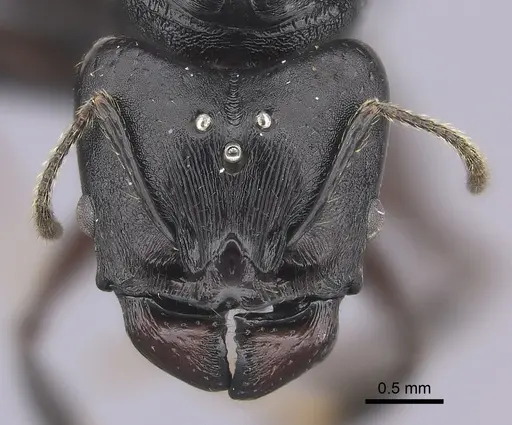
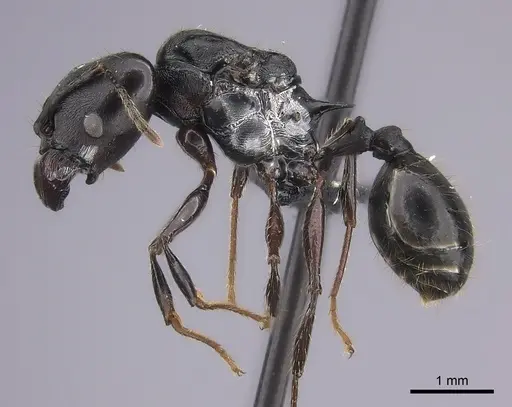
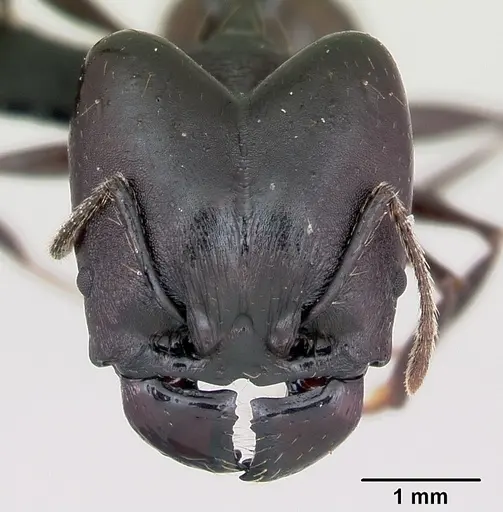
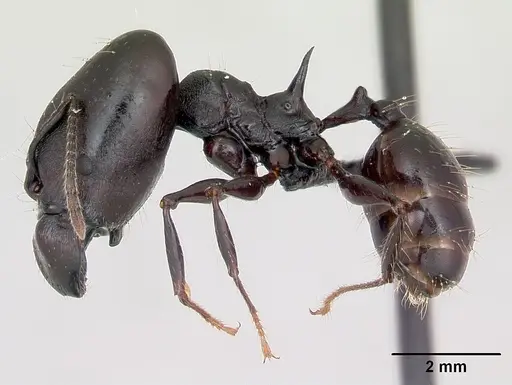
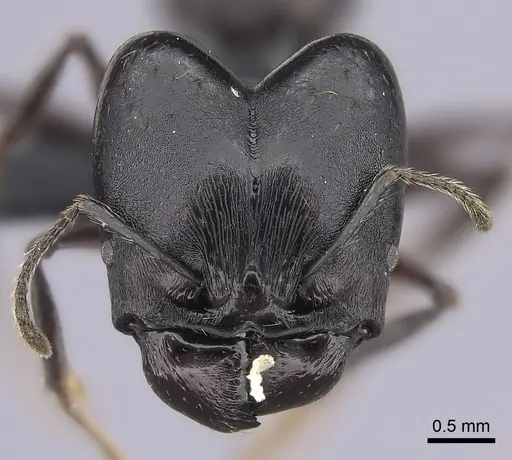
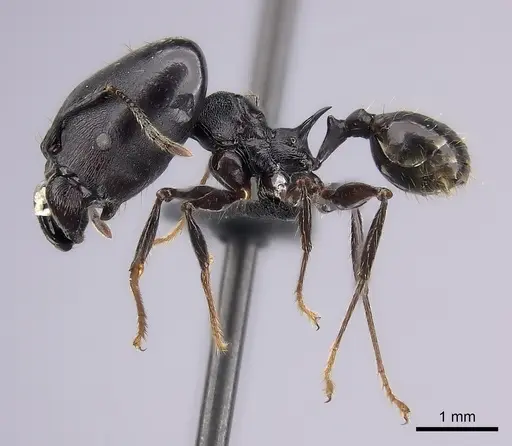
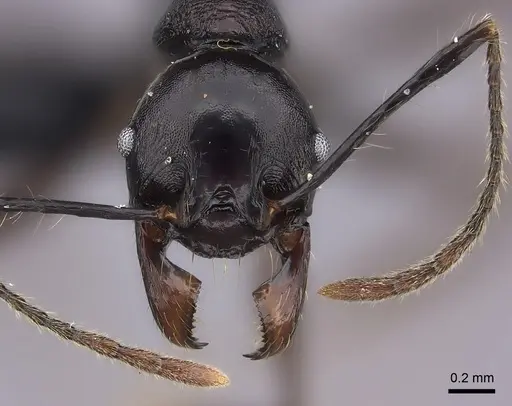
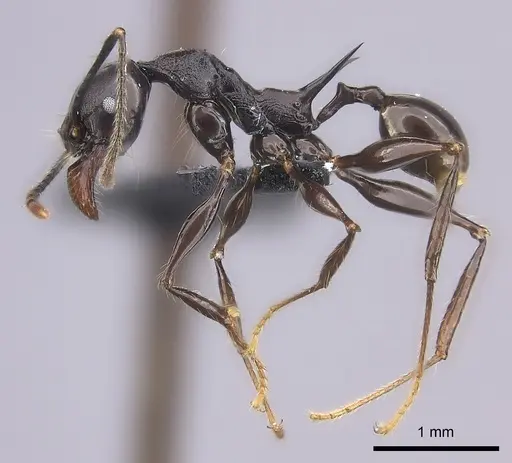
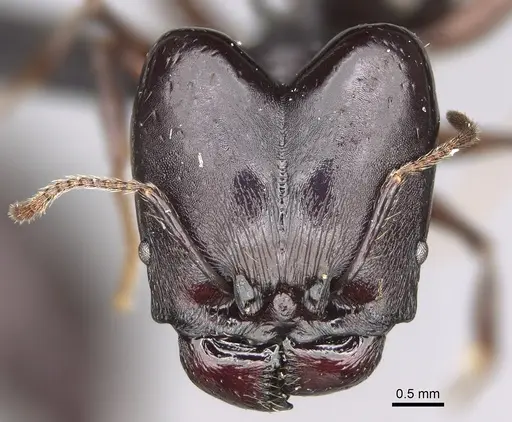
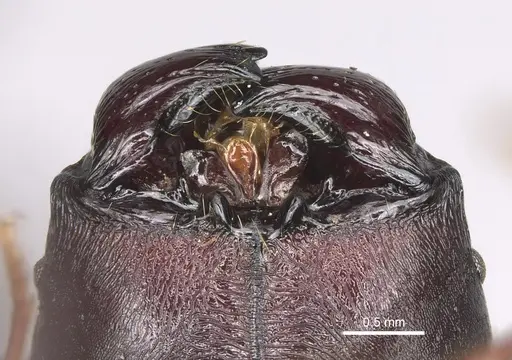
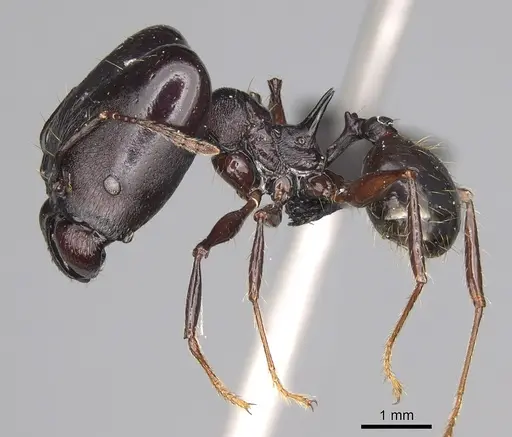
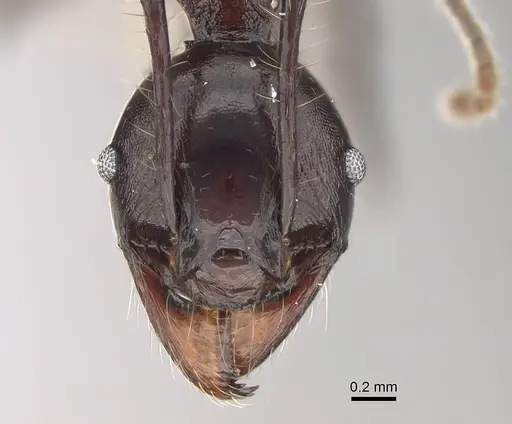
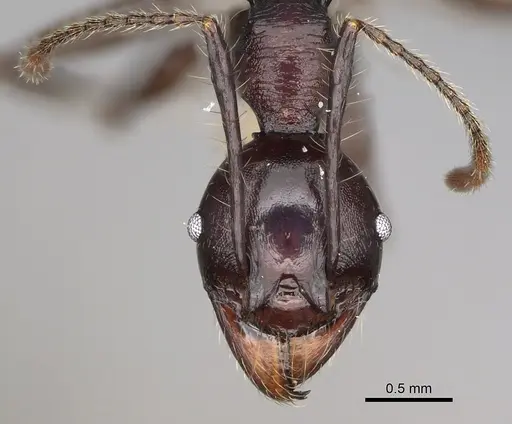
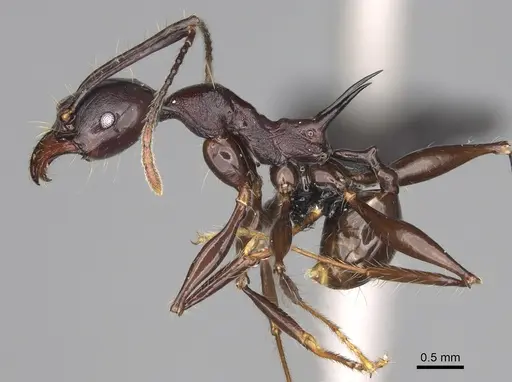
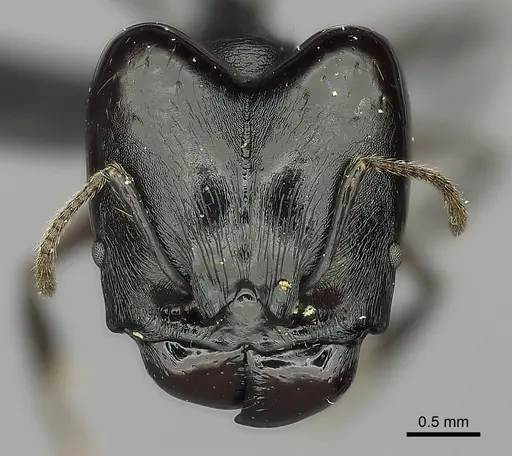
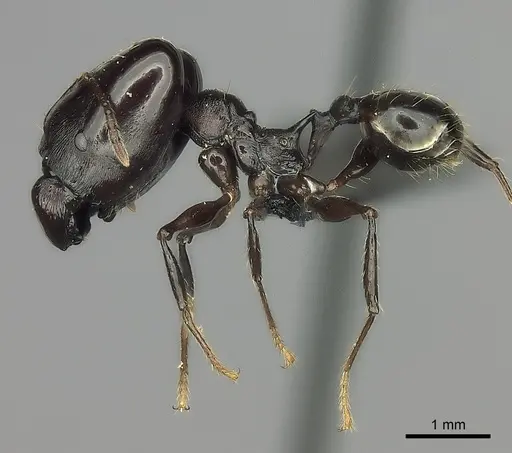
Pheidole praegrandis is a large, striking ant species from Madagascar, recently described in 2020. It belongs to the longispinosa species group and is known for its impressive size, the name 'praegrandis' means 'huge' in Latin, referring to the ant's robust body and notably long propodeal spines [1]. Major workers have dark brown to black bodies with an enlarged head that is trapezoid-shaped when viewed from the front, while minor workers are smaller and more slender. Both castes feature extremely long spines extending from the propodeum (the section behind the waist). This species nests in rotten logs and tree stumps in Madagascar's rainforest and montane rainforest habitats at elevations between 250-900 meters [1].
What makes P. praegrandis particularly interesting is its recent scientific description, it was only formally identified in 2020,so there's still much to learn about its captive care. As a member of the Pheidole genus, it shares the classic 'big-headed ant' trait where major workers have massively enlarged heads for seed-crushing and colony defense. The very long propodeal spines are a distinctive feature that helps distinguish it from related species like P. longispinosa and P. mahaboensis [1].
Quick Summary
- Difficulty: Medium
- Origin & Habitat: Madagascar, specifically the Antsiranana region in northern Madagascar, found in Parc National de Marojejy. They inhabit rainforest and montane rainforest environments at elevations of 250-900 meters, nesting in rotten logs and tree stumps [1].
- Colony Type: Colony structure is unconfirmed for this specific species. Most Pheidole species are monogyne (single queen colonies), though some can be polygyne. More research is needed on the exact colony structure of P. praegrandis.
- Size & Growth:
- Queen: Not yet documented, queen measurements not available in original species description [1].
- Worker: Major workers: 2.94-3.20mm head length,2.68-3.10mm head width [1]. Minor workers: 1.15-1.29mm head length,1.04-1.14mm head width [1].
- Colony: Maximum colony size is unknown, this is a newly described species with no published colony data.
- Growth: Growth rate is unconfirmed for this species. Based on typical Pheidole patterns, expect moderate growth with major workers appearing within a few months of founding.
- Development: Estimated 6-8 weeks at optimal temperature based on typical Pheidole development patterns. This is an inference, no specific development data exists for this newly described species. (Pheidole species typically develop from egg to worker in 6-10 weeks depending on temperature. Major workers (with enlarged heads) usually appear after the colony is established with several minor workers.)
- Antkeeping:
- Temperature: Keep at 24-28°C. This species comes from a tropical rainforest environment in Madagascar, so warmth is important. A heating cable on one side of the nest can create a temperature gradient. Avoid temperatures below 20°C or above 32°C.
- Humidity: High humidity is essential, think damp rainforest conditions. Keep the nest substrate consistently moist but not waterlogged. Aim for 70-85% humidity. Mist the outworld occasionally and use a water reservoir in test tube setups.
- Diapause: Diapause is not required. As a tropical species from Madagascar, they do not need a winter rest period. Keep them warm year-round.
- Nesting: In captivity, they do well in Y-tong (AAC) nests, plaster nests, or naturalistic setups with rotting wood pieces. They naturally nest in rotten logs and tree stumps, so providing wood material in the nest encourages natural behavior. Tight chambers work well since they prefer cozy spaces.
- Behavior: This is a generally calm species that is not aggressive toward keepers. Major workers use their enlarged heads for defense and seed-crushing rather than attacking. They are active foragers that search for food throughout the outworld. Minor workers handle most daily tasks while majors defend the colony and process larger food items. Escape risk is moderate, minor workers are small (around 1.2mm) so ensure your barrier is effective, but they are not particularly known for escaping like some tiny species. They are primarily seed-harvesters but also accept protein sources like insects.
- Common Issues: new species, limited care information exists, so be prepared to experiment with conditions, high humidity requirements mean mold can be an issue if ventilation is poor, colonies may grow slowly initially as they establish their first worker cohort, wild-caught colonies may carry parasites that affect captive survival, major workers take time to appear, beginners may think something is wrong when only minor workers initially
Housing and Nest Setup
Pheidole praegrandis does well in several nest types. Y-tong (acrylic) nests work excellently because you can control humidity easily and the smooth walls prevent escapes. Plaster nests are another good option, they hold moisture well, which matches this species' high humidity needs. If you prefer a naturalistic setup, include pieces of rotting wood or cork bark since they naturally nest in decayed wood in the wild [1]. For the outworld, provide a foraging area with some substrate or texture they can grip. Test tube setups work for founding colonies, use a water reservoir tube for humidity and connect it to a foraging area once the colony grows. Regardless of nest type, ensure excellent escape prevention since minor workers are small enough to slip through standard barriers.
Feeding and Diet
Pheidole species are primarily seed-harvesters, so offer a variety of seeds. Millet, chia, flax, and small bird seeds are all accepted. Crush larger seeds to make them easier for the majors to process. They also need protein, offer small insects like fruit flies, pinhead crickets, or mealworms. Minor workers will handle the hunting and carrying, while majors use their powerful jaws to process tougher foods. Sugar water or honey can be offered occasionally, though seeds and protein are more important for this genus. Feed seeds constantly and protein 2-3 times per week. Remove uneaten protein after 24 hours to prevent mold.
Temperature and Humidity
This is a tropical species, so keep temperatures warm. Aim for 24-28°C in the nest area. A slight temperature gradient is ideal, let the ants choose their comfort zone. A heating cable placed on top of the nest (never underneath where it could dry out the substrate) works well. Humidity is critical, maintain 70-85% relative humidity. The nest substrate should feel consistently damp. In test tube setups, use a large water reservoir and refill before it empties completely. In Y-tong nests, keep the water channel filled. Mist the outworld occasionally, but avoid constant dampness there. Good ventilation is important to prevent mold while maintaining humidity. [1]
Colony Development
As a newly described species, the exact founding behavior of P. praegrandis is not documented. However, based on typical Pheidole patterns, the queen will likely seal herself in a chamber (claustral founding) and survive on stored fat reserves while raising the first brood. The first workers, called nanitics, are usually smaller than normal minors. Expect 6-8 weeks for the first workers to emerge, though this is an estimate based on related species. Major workers typically appear once the colony has several dozen workers. The colony will grow gradually at first, then accelerate once established. Be patient, Pheidole colonies can take several months to reach 50 workers, but growth accelerates after that. [1]
Behavior and Temperament
Pheidole praegrandis is a calm, manageable species. They are not aggressive and major workers use their enlarged heads primarily for seed-crushing and colony defense rather than attacking keepers. Minor workers are active foragers that will search the outworld for food. The caste system is efficient: minors handle daily tasks like foraging, nursing, and nest maintenance, while majors defend the colony and process larger food items like seeds. They do not have a painful sting, though some Pheidole species can bite. This species is not known for being particularly escape-prone, but minor workers are small enough that standard barriers like fluon should still be used. [1]
Frequently Asked Questions
How long does it take for Pheidole praegrandis to have first workers?
Expect first workers (nanitics) in about 6-8 weeks after the queen lays eggs, assuming optimal temperature around 26°C. This is an estimate based on typical Pheidole development, no specific timeline exists for this newly described species. Be patient during founding as the queen does all the work alone.
What do Pheidole praegrandis ants eat?
They are seed-harvesters, so offer various small seeds like millet, chia, or flax. They also need protein from insects like fruit flies, small crickets, or mealworms. Minor workers handle foraging while majors process tougher foods with their powerful jaws. Occasional sugar water or honey is accepted but not essential.
Can I keep multiple Pheidole praegrandis queens together?
Not recommended. There is no data on whether this species accepts multiple queens (polygyny). Most Pheidole species are single-queen (monogyne), and combining unrelated queens typically leads to fighting. Start with one queen for best results.
Do Pheidole praegrandis ants need hibernation?
No. This is a tropical species from Madagascar and does not require diapause or hibernation. Keep them warm year-round at 24-28°C. Simulating winter conditions could harm the colony.
What size colony does Pheidole praegrandis reach?
Maximum colony size is unknown, this is a newly described species with no published colony data. Based on related Pheidole species, expect colonies to reach several hundred to perhaps a few thousand workers over time. Growth is moderate.
Are Pheidole praegrandis ants good for beginners?
They are rated as medium difficulty. They have specific humidity needs and are a newly described species with limited care information available. However, they are not aggressive and have straightforward dietary needs. Beginners should be prepared to monitor humidity carefully and potentially adapt care as more is learned about this species.
Why are my Pheidole praegrandis minors dying?
Common causes include: low humidity (keep substrate consistently moist), temperatures too cold (below 20°C), mold from poor ventilation, or stress from too much disturbance during founding. Also check for parasites if the colony was wild-caught. Review each of these factors and adjust accordingly.
When will major workers appear in my colony?
Major workers typically appear once the colony has established 20-50 minor workers. This usually takes several months. The appearance of majors is a sign of a healthy, growing colony. Some colonies may produce majors earlier or later depending on colony nutrition and conditions.
References

This caresheet is licensed under CC BY-SA 4.0 .
CASENT0235122
View on AntWeb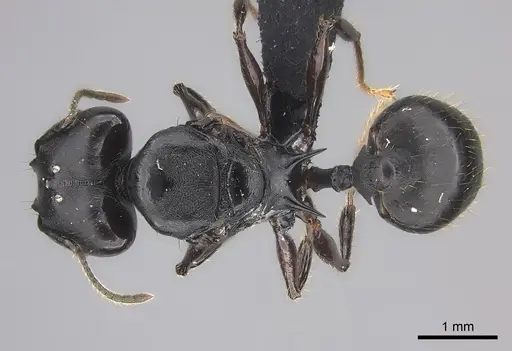
CASENT0494701
View on AntWeb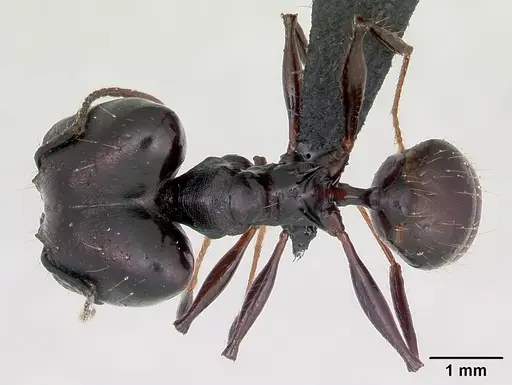
CASENT0494780
View on AntWeb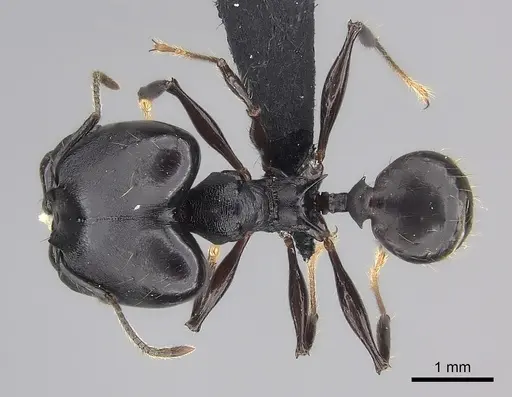
CASENT0494781
View on AntWeb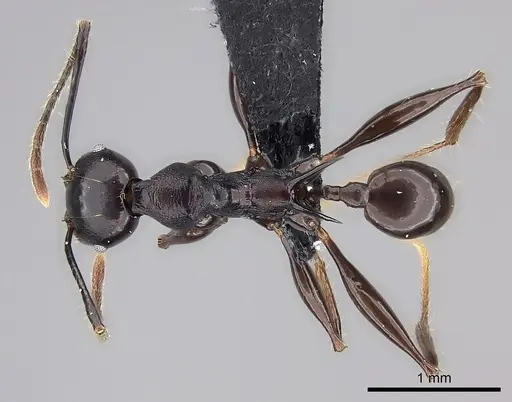
CASENT0494942
View on AntWeb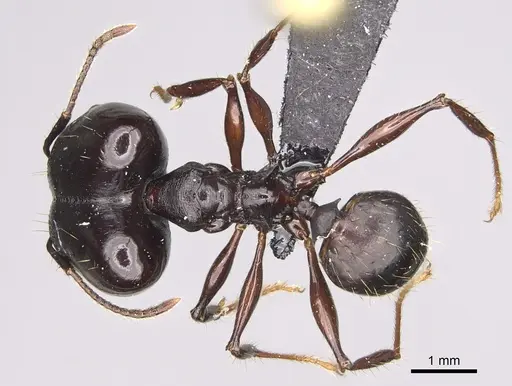
CASENT0494945
View on AntWeb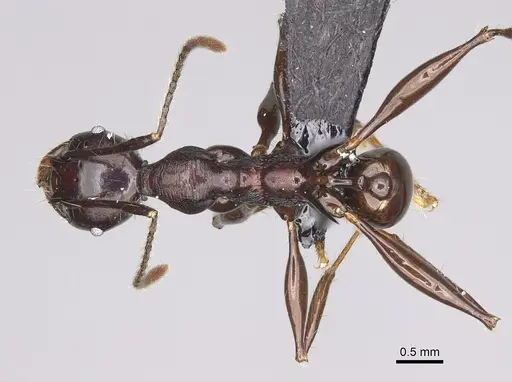
CASENT0495193
View on AntWeb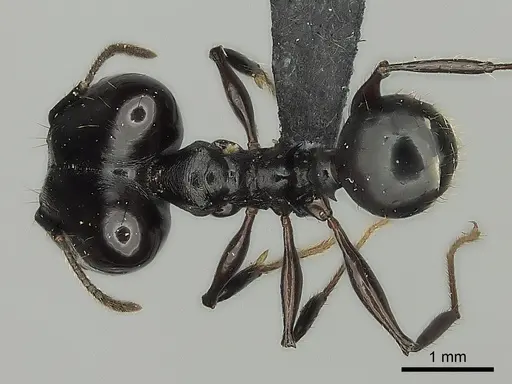
Literature
Loading...Loading products...