

Pheidole lemur
- Scientific Name
- Pheidole lemur
- Tribe
- Attini
- Subfamily
- Myrmicinae
- Author
- Forel, 1912
- Distribution
- Found in 1 countries
Pheidole lemur Overview
Pheidole lemur is an ant species of the genus Pheidole. It is primarily documented in 1 countries , including Brazil. Detailed taxonomic data and occurrence records can be further explored via authoritative databases such as AntWeb or the Global Biodiversity Information Facility (GBIF).
Pheidole lemur
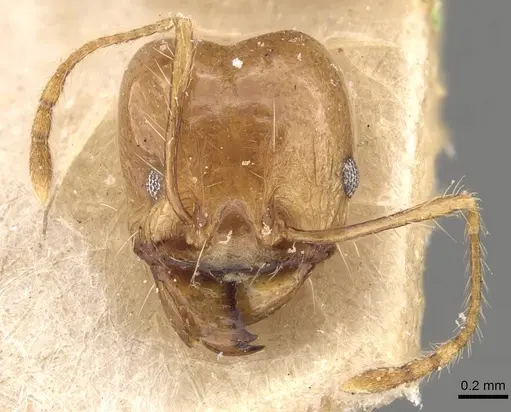
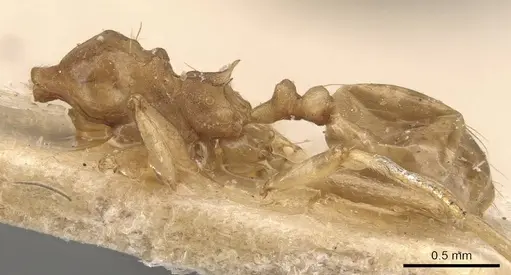
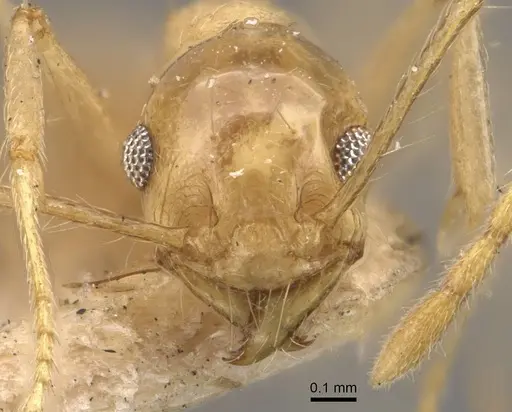
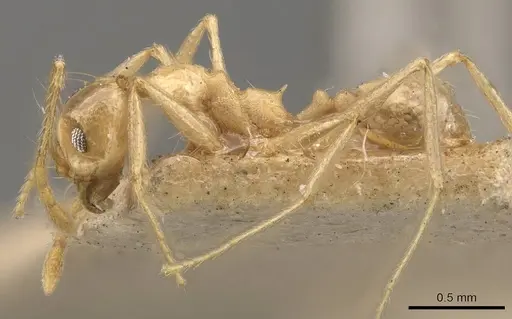
Pheidole lemur is a small, yellow ant belonging to the diligens group. Majors measure around 0.96mm with a notably large head, while minors are even tinier at just 0.52mm. The species gets its name 'lemur' (Latin for ghost) from the pale, almost translucent yellow coloration of both castes. The major workers have long propodeal spines, a mostly smooth and shiny body surface, and a distinctive patch of rugoreticulum (a ridged pattern) near each eye. This species is known only from the type locality in Belém, Pará, Brazil, though there are some unconfirmed records from northern Argentina. As a member of the genus Pheidole, these ants have the classic big-headed major workers that give 'big-headed ants' their common name.
Quick Summary
- Difficulty: Unknown, too little data to assess
- Origin & Habitat: Neotropical Brazil, Belém, Pará region. The type locality is in the Amazon basin area of northern Brazil [1].
- Colony Type: Unknown, no colony structure data exists for this species. Most Pheidole species are monogyne (single queen), but this has not been confirmed for P. lemur.
- Size & Growth:
- Queen: Unconfirmed, no queen measurements documented
- Worker: Minor workers: 0.52mm, Major workers: 0.96mm [1]
- Colony: Unknown, no colony size data exists
- Growth: Unknown
- Development: Unknown, no development data exists for this species. Based on typical Pheidole patterns, estimate 6-8 weeks at warm temperatures. (This is a pure estimate based on genus-level data since no species-specific research exists.)
- Antkeeping:
- Temperature: Inferred: Keep around 24-28°C. As a Brazilian Amazon species, they likely prefer warm, stable temperatures in the low-to-mid 20s °C. Monitor colony activity and adjust as needed.
- Humidity: Inferred: Moderate to high humidity (60-80%). Amazon basin species typically require damp conditions. Keep the nest substrate moist but not waterlogged, with some drier areas available.
- Diapause: Unknown, no data on overwintering requirements. As a tropical species from Brazil, they may not require a true diapause but may slow down during cooler periods.
- Nesting: Inferred: In nature likely nests in soil or rotting wood in forest habitats. In captivity, standard test tubes work for founding colonies. Once established, a Y-tong or plaster nest with small chambers scaled to their tiny size would be appropriate.
- Behavior: No specific behavior data exists for this species. As a Pheidole, they likely show typical big-headed ant behavior where major workers defend the nest and process seeds, while minor workers forage. Their small size (under 1mm for majors) means escape prevention must be excellent, these ants can squeeze through tiny gaps. Expect relatively peaceful colony behavior typical of non-aggressive Pheidole species.
- Common Issues: no documented biology means all care is based on genus-level inference, results may vary, tiny size makes escape prevention critical, use fine mesh and tight-fitting barriers, lack of colony data means founding success rates are unpredictable, no confirmed diet preferences, start with standard ant foods and observe acceptance, humidity control is important, too dry and colonies may fail, too wet and mold becomes an issue
Appearance and Identification
Pheidole lemur is a tiny ant species with majors measuring just 0.96mm head width and minors at only 0.52mm. Both castes are a pale, yellowish color, the 'ghost' appearance that inspired the species name. The major workers have the characteristic large head typical of Pheidole species, with long propodeal spines (the pointed extensions on the back of the thorax) and a mostly smooth, shiny body surface. A distinctive feature is the small patch of ridged tissue (rugoreticulum) located on each side of the head near the eye. The minor workers are uniformly yellow, while majors have slightly darker heads and mesosoma compared to their waist, abdomen, and legs. This species belongs to the diligens group, making it similar in appearance to Pheidole diligens and related species. [1]
Distribution and Habitat
This species is known primarily from Belém, Pará in northern Brazil, the heart of the Amazon basin. There are some unconfirmed historical records from Santa Fe province in Argentina, but these are considered dubious and may represent misidentification. The natural habitat would be tropical forest environments in the Amazon region, likely nesting in soil or decaying wood on the forest floor. The region experiences warm temperatures year-round with high humidity and seasonal rainfall patterns. [1]
Feeding and Diet
No specific dietary studies exist for Pheidole lemur. As a member of the tribe Attini (the fungus-growing ants), Pheidole species are typically omnivorous with a strong tendency toward seed-eating and granivory. They also consume honeydew from aphids and scale insects, and will hunt small insects. For captive care, start with standard ant foods: a constant sugar source (honey water or sugar water) and protein sources like small insects (fruit flies, pinhead crickets, mealworms). Given their tiny size, prey items should be appropriately small. Observe your colony's preferences and adjust accordingly.
Temperature and Care
Since this species comes from the Brazilian Amazon, it likely prefers warm conditions in the range of 24-28°C. Use a heating cable or heating mat on one side of the nest to create a gentle temperature gradient, allowing ants to self-regulate. Room temperature in the low-to-mid 20s°C may be sufficient depending on your ambient conditions. Humidity should be moderate to high (60-80%), keep the nest substrate consistently moist but avoid waterlogging. As a tiny species, they dry out quickly if humidity drops. Monitor condensation levels and rehydrate before the substrate fully dries. No data exists on diapause requirements, as a tropical species, they likely do not require true hibernation but may reduce activity during cooler periods.
Nesting and Housing
No specific nesting data exists for this species. In captivity, start founding colonies in a standard test tube setup with a water reservoir. The tiny size of workers (under 1mm) means chambers and passages should be appropriately small. Once the colony reaches 20-30 workers, consider moving to a small formicarium or Y-tong nest with appropriately scaled chambers. A plaster or acrylic nest works well for maintaining humidity. Ensure excellent escape prevention, these tiny ants can squeeze through gaps that seem impossible. Use tight-fitting lids and fine mesh on any ventilation.
Known Information Gaps
It cannot be overstated how little biological data exists for this species. Literally nothing has been documented about their colony structure, founding behavior, development timeline, diet preferences, or seasonal patterns. All care recommendations are based on inference from other Pheidole species and general genus patterns. This makes P. lemur a species for experienced keepers who are comfortable adapting care based on colony behavior rather than following established species protocols. Keep detailed notes on your colony's preferences, your observations could help advance knowledge of this poorly understood species. [1]
Frequently Asked Questions
How long does it take for Pheidole lemur to produce first workers?
Unknown, no species-specific data exists. Based on typical Pheidole development, expect around 6-8 weeks from egg to worker at optimal warm temperatures (around 26°C). The first workers (nanitics) will be smaller than normal workers.
What do Pheidole lemur ants eat?
No specific dietary data exists. Based on genus patterns, they likely accept sugar sources (honey water, sugar water) and small protein sources (fruit flies, tiny insects). Start with these standard foods and observe what your colony prefers.
Are Pheidole lemur ants good for beginners?
No, this species cannot be recommended for beginners due to the complete lack of documented care information. Every aspect of their care must be inferred from related species. This makes them suitable only for experienced antkeepers who can adapt and experiment.
Do Pheidole lemur ants need hibernation?
Unknown, no data exists. As a Brazilian Amazon species, they likely do not require true hibernation. They may slow activity during cooler periods but probably do not need a diapause period.
How big do Pheidole lemur colonies get?
Unknown, no colony size data exists for this species. Related Pheidole species typically reach several hundred to a few thousand workers. Expect moderate colony growth over time.
What temperature should I keep Pheidole lemur at?
Inferred: Keep around 24-28°C. As a Brazilian Amazon species, they prefer warm conditions. A heating cable on part of the nest creates a gradient they can self-regulate within.
Can I keep multiple Pheidole lemur queens together?
Unknown, no colony structure data exists for this species. Most Pheidole are monogyne (single queen), but this has not been confirmed for P. lemur. Do not attempt combining unrelated queens without data.
What size nest should I use for Pheidole lemur?
Start with a test tube for founding colonies. Once established (20+ workers), use a small formicarium or Y-tong with chambers appropriately sized for their tiny workers (under 1mm). Avoid large, open spaces.
Why is so little known about Pheidole lemur?
This species is known only from a few museum specimens collected decades ago. No biological studies have been conducted on wild colonies, and there are no documented captive colonies. The scientific literature explicitly states 'nothing is known about the biology' of this species.
References

This caresheet is licensed under CC BY-SA 4.0 .
CASENT0908222
View on AntWeb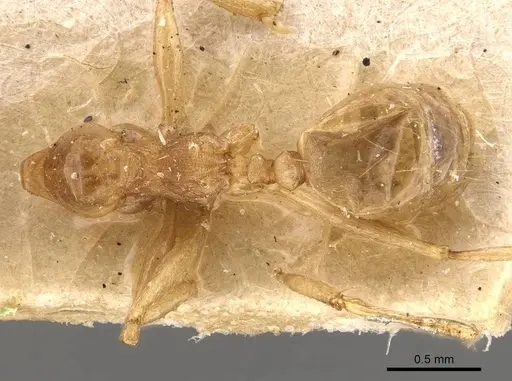
CASENT0908223
View on AntWeb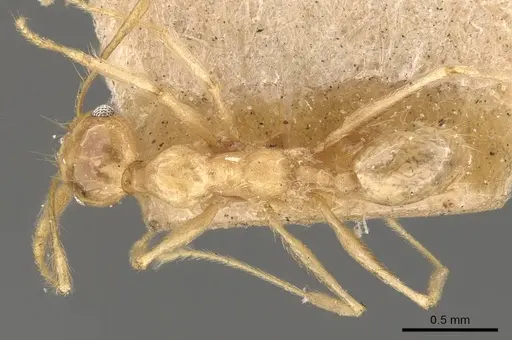
Literature
Loading...Loading products...