

Pheidole laevivertex
- Scientific Name
- Pheidole laevivertex
- Tribe
- Attini
- Subfamily
- Myrmicinae
- Author
- Forel, 1901
- Distribution
- Found in 1 countries
Pheidole laevivertex Overview
Pheidole laevivertex is an ant species of the genus Pheidole. It is primarily documented in 1 countries , including Mexico. Detailed taxonomic data and occurrence records can be further explored via authoritative databases such as AntWeb or the Global Biodiversity Information Facility (GBIF).
Pheidole laevivertex
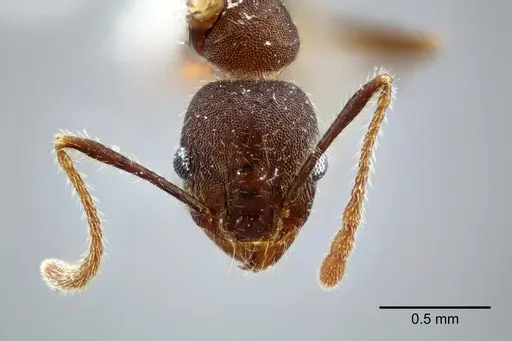
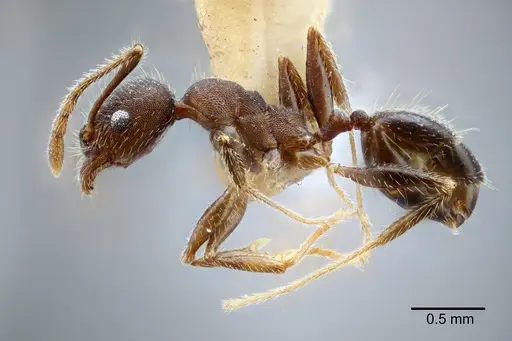
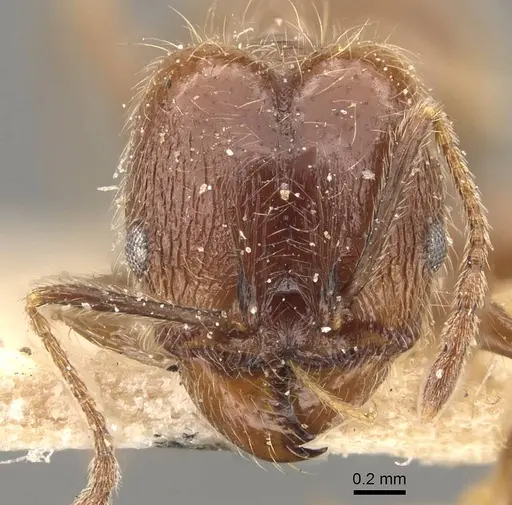
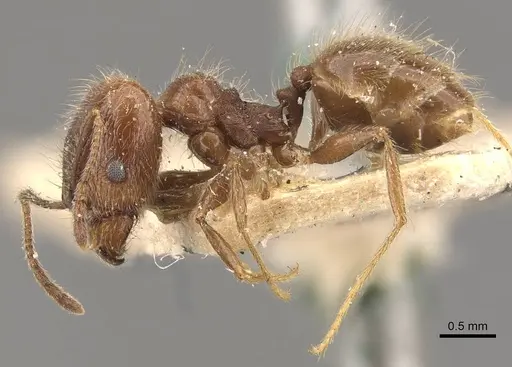
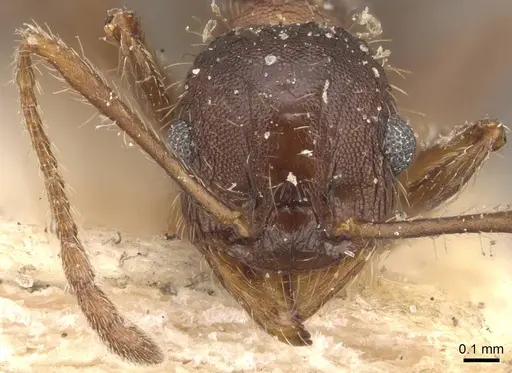
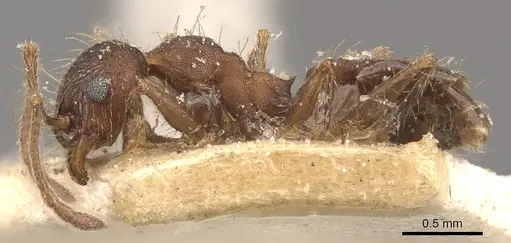
Pheidole laevivertex is a small ant species endemic to central Mexico, known only from the states of Aguascalientes, Hidalgo, Morelos, and Puebla [1]. Major workers measure around 1.14mm head width with a medium reddish brown coloration, while minor workers are smaller at 0.60mm with dark reddish brown bodies and brownish yellow appendages [2]. This species belongs to the fallax group and is distinguished by its smooth and shiny occiput (the back of the head), which gives it the scientific name 'laevivertex' meaning 'smooth top' [2].
As a member of the genus Pheidole, these ants have the classic major/minor worker caste system where larger major workers defend the colony and crush seeds, while smaller minors handle most foraging and brood care. Nothing is known about the specific biology of this species, but it has been collected in oak forests, agricultural fields, and pastures at elevations between 1,250 and 2,303 meters [1].
Quick Summary
- Difficulty: Medium
- Origin & Habitat: Endemic to central Mexico, specifically Aguascalientes, Hidalgo, Morelos, and Puebla states [1]. Found in oak forests, agricultural fields, and pastures at elevations of 1,250-2,303m [1]. The species appears tolerant of some human disturbance, as specimens have been collected from moderately perturbed areas.
- Colony Type: Unconfirmed, no specific data on colony structure. Most Pheidole species are monogyne (single queen), but this has not been documented for P. laevivertex.
- Size & Growth:
- Queen: Unknown, not described in available literature
- Worker: Major workers: 1.14mm HW,1.22mm HL. Minor workers: 0.60mm HW,0.70mm HL [2]
- Colony: Unknown, no colony size data available
- Growth: Unknown, no development data available
- Development: Estimated 6-8 weeks based on typical Pheidole genus patterns at optimal temperature (No species-specific data exists. Development time inferred from related Pheidole species, expect similar timeline to other Neotropical Pheidole)
- Antkeeping:
- Temperature: Keep at 22-26°C. Based on high-elevation Mexican habitat (1,250-2,303m), they likely prefer cooler conditions than typical tropical ants. Provide a temperature gradient so ants can choose their preferred spot.
- Humidity: Moderate humidity around 50-70%. Their natural habitat includes oak forests with some moisture. Keep nest substrate moderately moist but allow some drying between waterings.
- Diapause: Likely yes, based on temperate to subtropical highland origin in central Mexico. Provide a winter rest period of 2-3 months at 15-18°C.
- Nesting: Use standard test tube setups or Y-tong nests. In the wild they likely nest in soil or under stones. Acceptable nest types include test tubes, acrylic nests, or plaster nests with moderate moisture.
- Behavior: Pheidole laevivertex is a generalized Myrmicinae, meaning typical Pheidole behavior, active foragers that harvest seeds and protein. Major workers are larger and handle seed crushing and colony defense. Workers are moderately active and will forage for protein and sugar. Escape risk is moderate due to small worker size, use standard barrier methods. Temperament is not documented but most Pheidole are not aggressive toward keepers.
- Common Issues: no specific biology data exists, all care is inferred from genus patterns, colony growth rate is unknown so patience is required, high-elevation origin means they may be sensitive to overheating, wild-caught colonies may carry parasites since nothing is known about their health in captivity, test tube setups must have proper water reservoir management to avoid flooding
Nest Preferences
In the wild, Pheidole laevivertex has been collected from soil and under stones in oak forests and agricultural areas [1]. They prefer nesting in areas with some soil moisture but not waterlogged conditions. For captive care, standard test tube setups work well, fill with water and plug with cotton, providing a humid chamber for the colony. You can also use Y-tong (acrylic) nests or plaster nests with moderate moisture content. The key is providing a nest chamber that stays moderately humid while allowing some drying to prevent mold. Since nothing is known about their specific nesting preferences, start with standard Pheidole-style setups and adjust based on colony behavior.
Feeding and Diet
Pheidole species are typically omnivorous, with a diet based on seeds and protein. In the wild, they forage for seeds, dead insects, and honeydew from aphids. For captive colonies, offer a varied diet: seeds (millet, chia, or grass seeds work well), protein sources like mealworms or small crickets, and sugar water or honey. Major workers will crush larger seeds that minors cannot handle. Feed protein 2-3 times per week and keep sugar water available constantly. Remove uneaten protein after 24-48 hours to prevent mold. Since this species' specific diet is unknown, start with standard Pheidole offerings and observe what they prefer.
Temperature and Seasonal Care
Based on their collection at high elevations (1,250-2,303m) in central Mexico, these ants prefer cooler conditions than typical tropical species. Keep the nest at 22-26°C with a temperature gradient so workers can regulate their own temperature. Avoid overheating, temperatures above 30°C are likely harmful. During winter, provide a diapause period of 2-3 months at 15-18°C to simulate their natural seasonal cycle. This winter rest is important for colony health long-term. Monitor colony activity, if workers become sluggish, they may need warmer conditions, if they avoid the heated area, reduce temperature. [1]
Behavior and Colony Structure
Pheidole laevivertex exhibits the classic Pheidole caste system with distinct major and minor workers. Major workers (the larger soldiers) handle seed crushing, colony defense, and food storage, while minor workers perform most foraging and brood care. Colonies are likely monogyne (single queen) based on typical genus patterns, though this is unconfirmed. Workers are moderately aggressive when defending the nest but not particularly dangerous to keepers. The species has been categorized as a 'generalized Myrmicinae' in ecological studies, meaning they occupy typical ecological niches within their group [3]. They are not known to be invasive or particularly problematic for antkeepers.
Frequently Asked Questions
How long does it take for Pheidole laevivertex to produce first workers?
The exact timeline is unknown since no biological studies exist for this species. Based on typical Pheidole development, expect 6-8 weeks from egg to first worker at optimal temperature (around 24°C). Be patient, this is a slow species to establish.
What do Pheidole laevivertex ants eat?
They likely eat seeds and protein like other Pheidole species. Offer millet or grass seeds for major workers to crush, small insects like mealworms for protein, and sugar water or honey for carbohydrates. This species has been collected with honey traps in the wild, confirming they accept sweet liquids [1].
Can I keep Pheidole laevivertex in a test tube?
Yes, test tubes work well for founding colonies and early growth. Use a standard test tube setup with a water reservoir sealed with cotton. Keep the tube in moderate humidity and provide a dark area for the colony to feel secure. As the colony grows to 50+ workers, consider moving to a formicarium or larger setup.
Are Pheidole laevivertex good for beginners?
This species is rated Medium difficulty primarily because no species-specific care information exists. All care is inferred from genus patterns. If you're experienced with Pheidole species, this is manageable. For complete beginners, start with better-documented species like Pheidole nodus or Pheidole megacephala.
Do Pheidole laevivertex need hibernation?
Yes, based on their high-elevation Mexican origin (1,250-2,303m), they likely need a winter rest period. Provide 2-3 months at 15-18°C during winter months. Reduce feeding during this period and avoid disturbing the colony.
How big do Pheidole laevivertex colonies get?
Colony size is unknown, no data exists on maximum colony size. Based on related species, expect colonies to reach several hundred workers over several years. Pheidole colonies are not among the largest in the genus.
Why is so little known about this ant species?
Pheidole laevivertex is endemic to a limited region in central Mexico and has not been the subject of detailed biological studies. Most research focuses on more widespread or ecologically significant species. This makes it a species for advanced antkeepers who enjoy experimenting with care based on genus knowledge.
Can I keep multiple queens together?
Not recommended, no data exists on pleometrosis (multiple queen founding) for this species. Most Pheidole are monogyne, and combining unrelated queens typically leads to fighting. If you obtain a wild colony, it likely has a single queen.
What makes Pheidole laevivertex different from other Pheidole?
This species is distinguished by its smooth, shiny occiput (back of the head) and specific carinulae patterns on the head and pronotum [2]. It belongs to the fallax group and is only known from central Mexico at relatively high elevations. Its small range and limited distribution make it a specialty species for collectors interested in Mexican ants.
References

This caresheet is licensed under CC BY-SA 4.0 .
CASENT0649599
View on AntWeb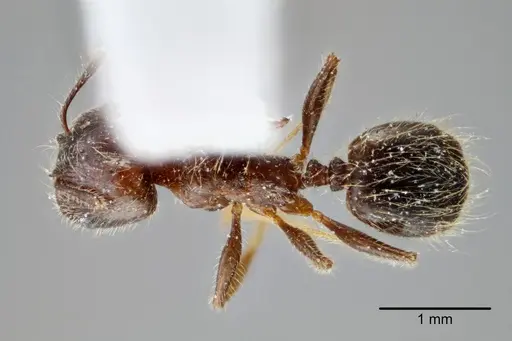
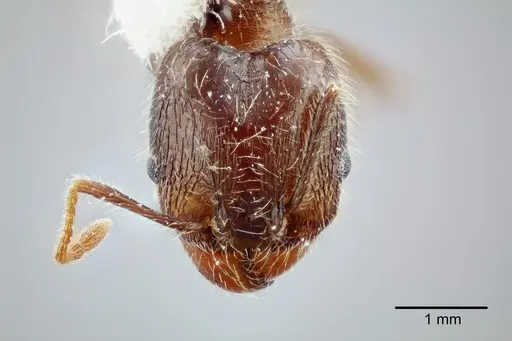
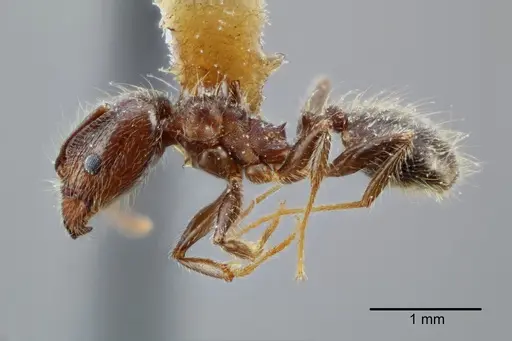
CASENT0649600
View on AntWeb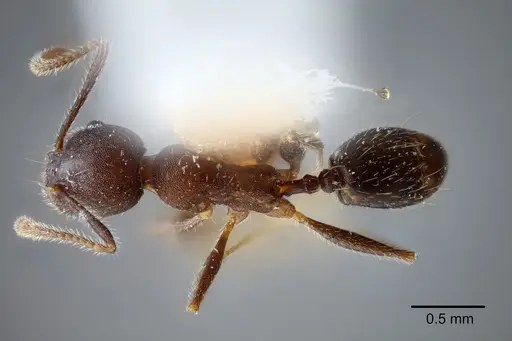
CASENT0908226
View on AntWeb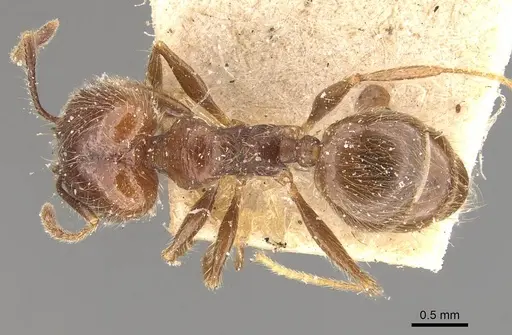
CASENT0908227
View on AntWeb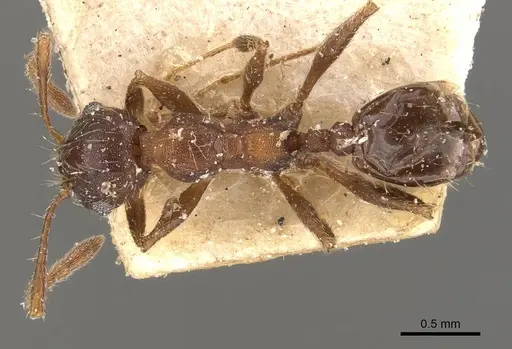
Literature
Loading...Loading products...