

Pheidole jonas
- Scientific Name
- Pheidole jonas
- Tribe
- Attini
- Subfamily
- Myrmicinae
- Author
- Forel, 1907
- Distribution
- Found in 3 countries
Pheidole jonas Overview
Pheidole jonas is an ant species of the genus Pheidole. It is primarily documented in 3 countries , including Comoros, Madagascar, Mayotte. Detailed taxonomic data and occurrence records can be further explored via authoritative databases such as AntWeb or the Global Biodiversity Information Facility (GBIF).
Pheidole jonas
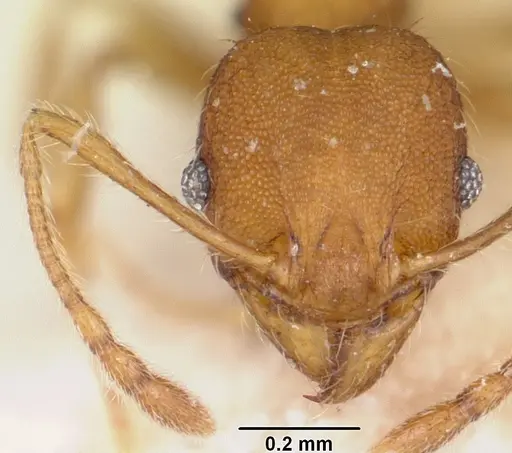
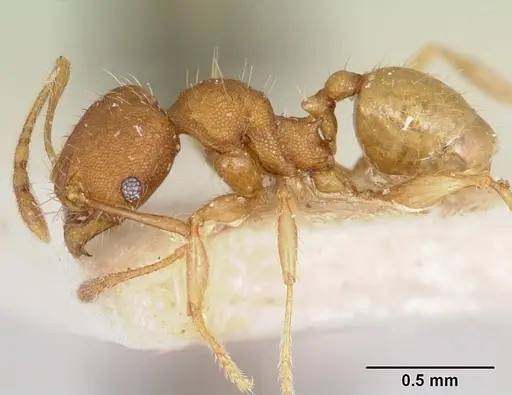
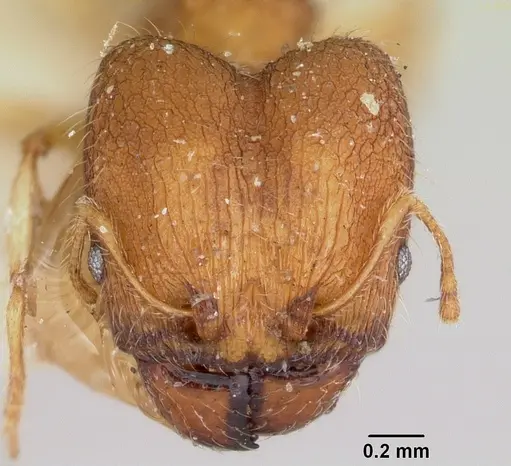
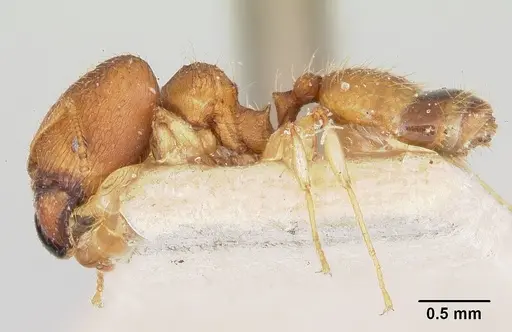
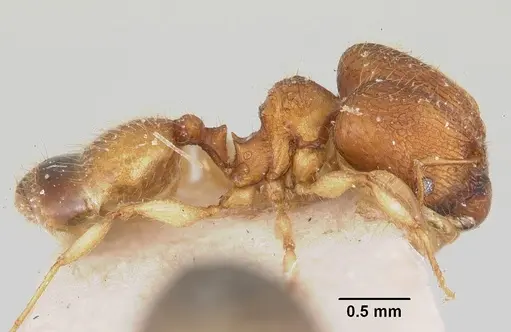
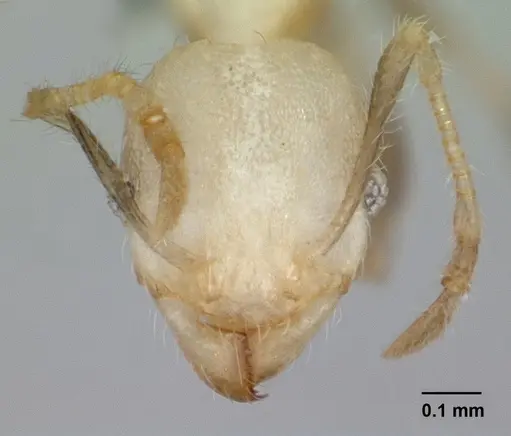
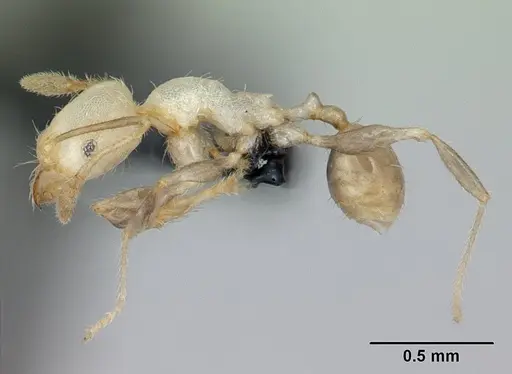
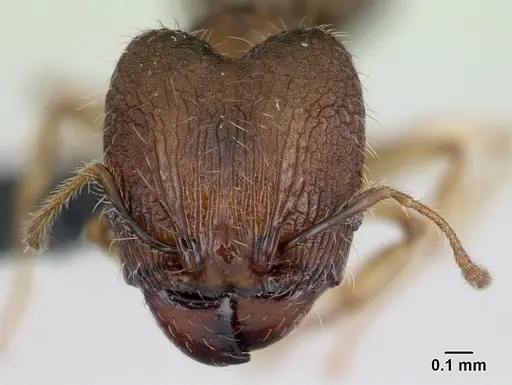
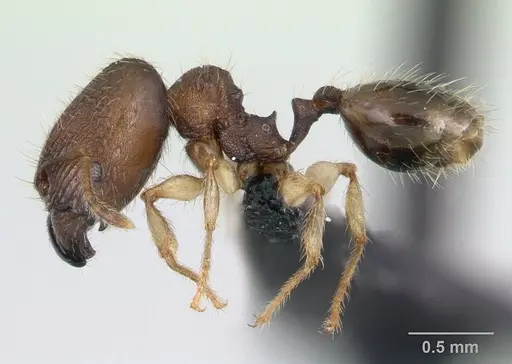
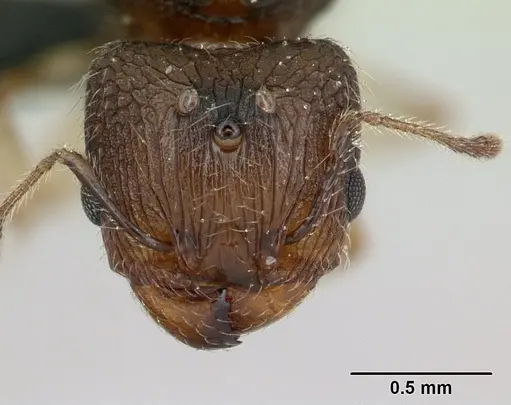
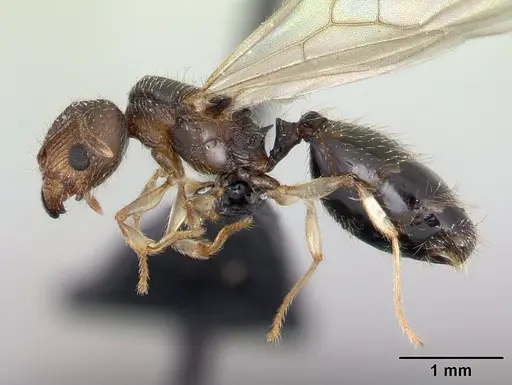
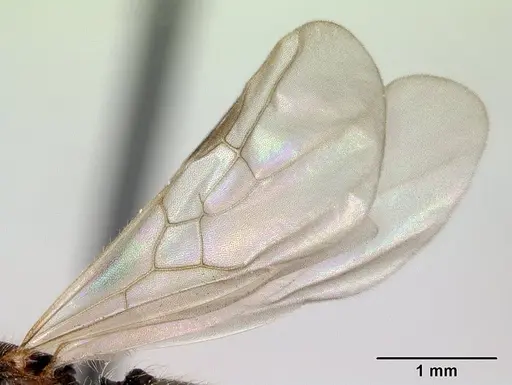
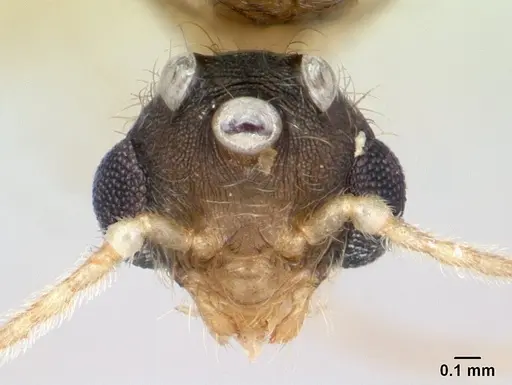
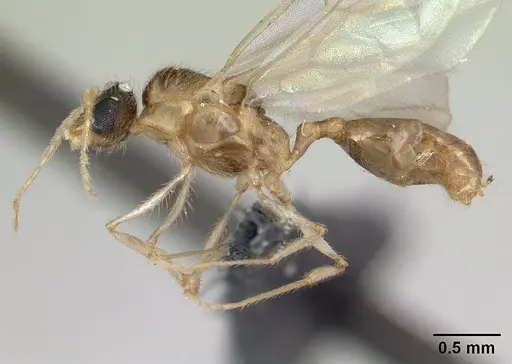
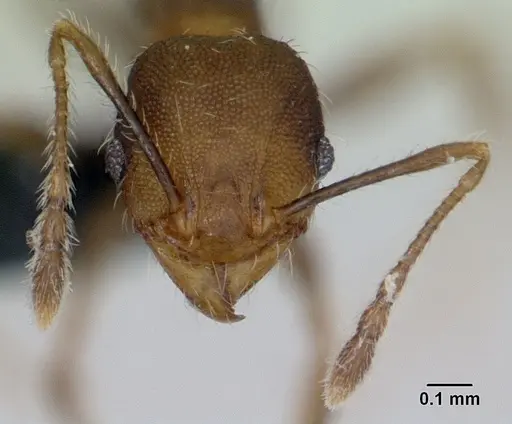
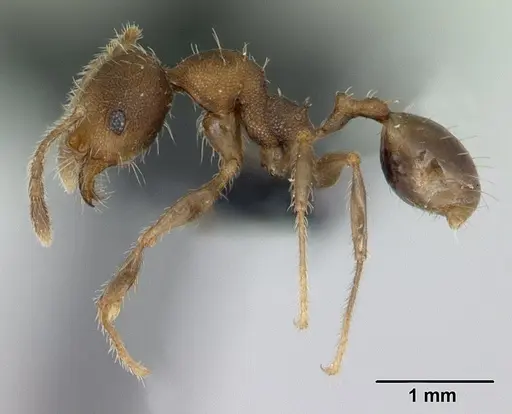
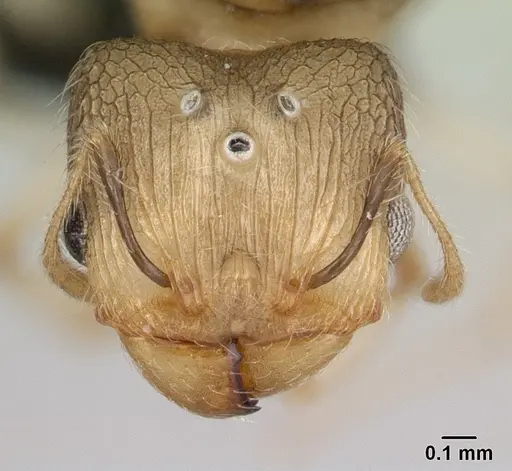
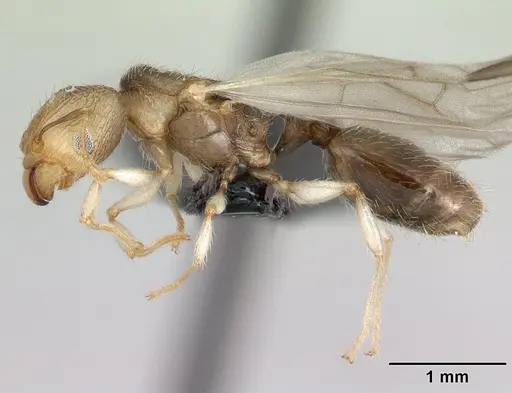
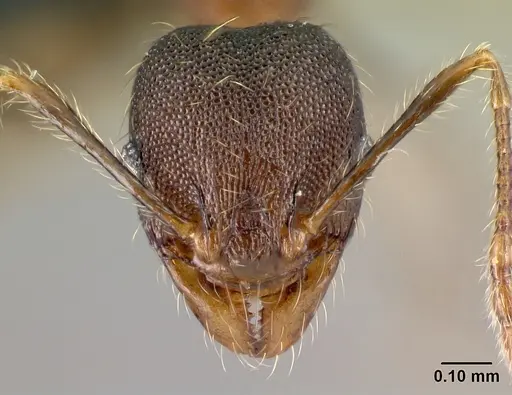
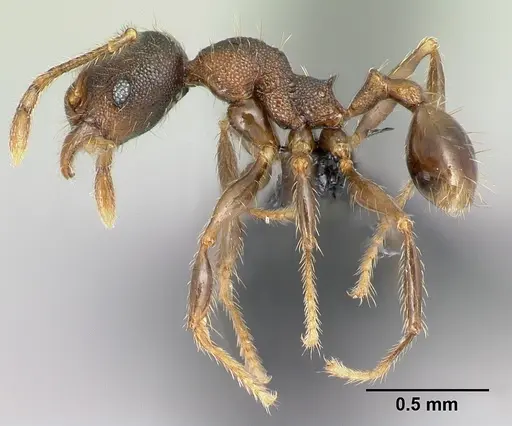
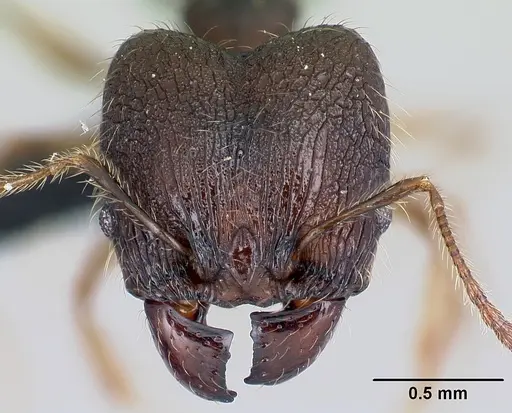
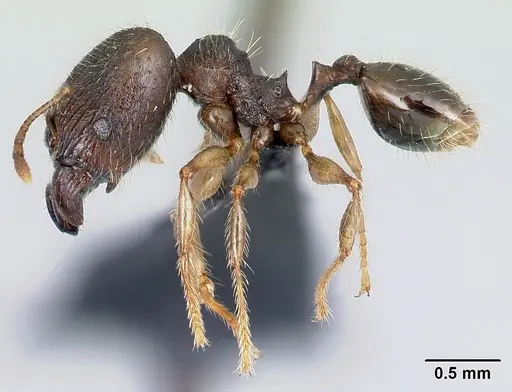
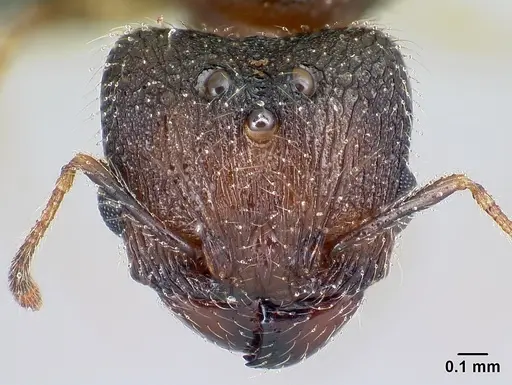
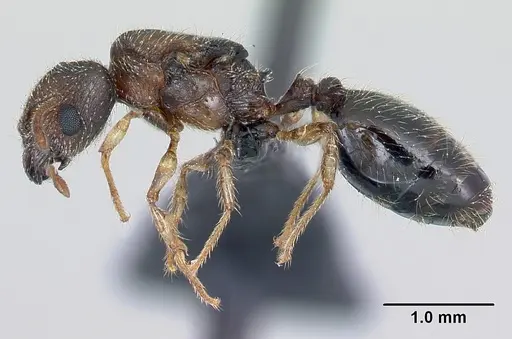
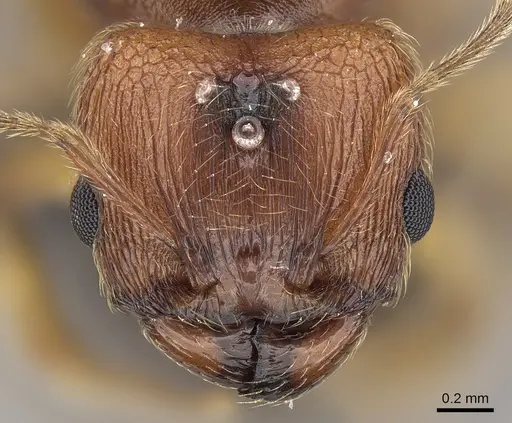
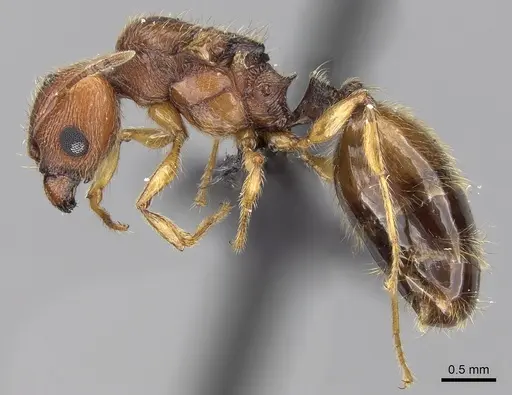
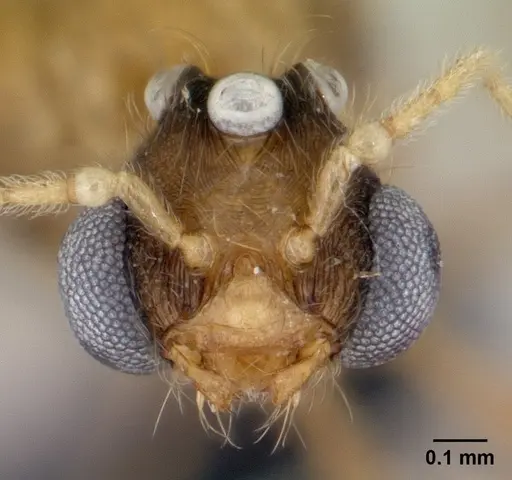
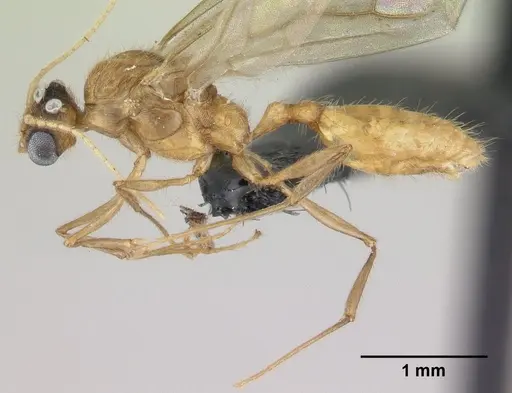
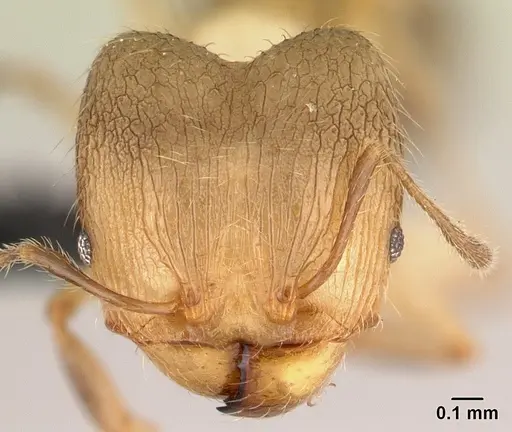
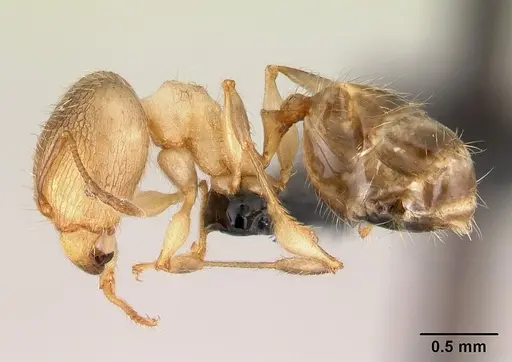
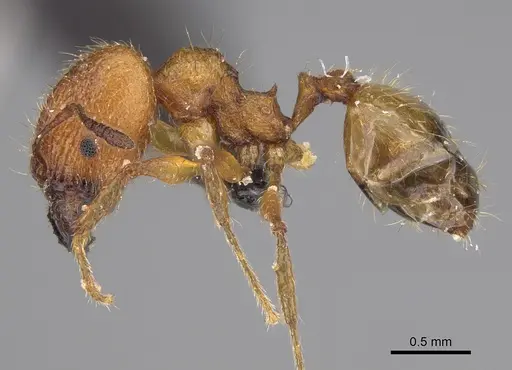
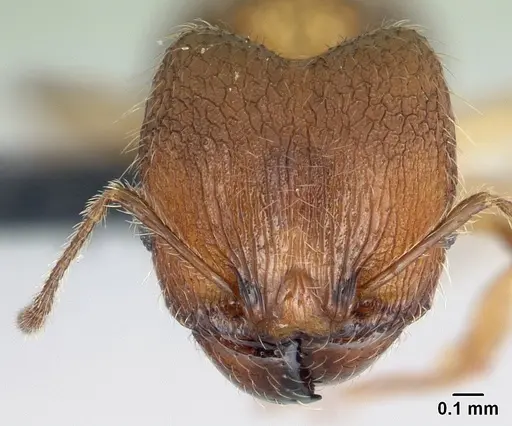
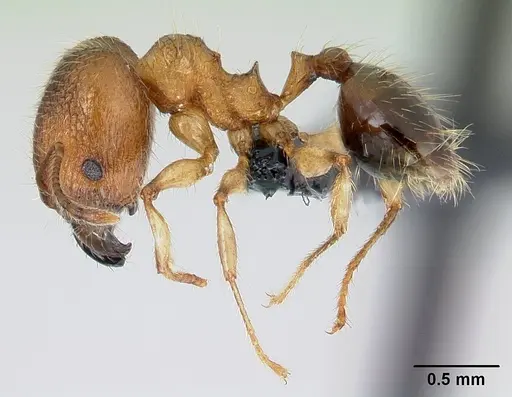
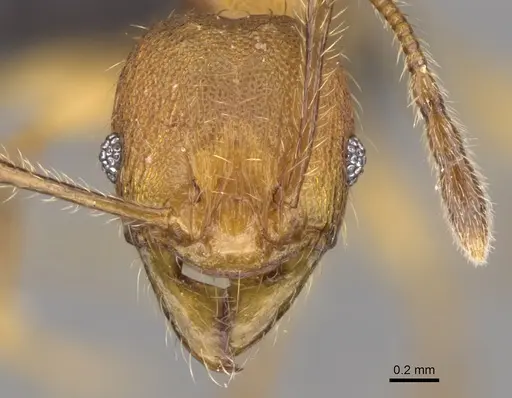
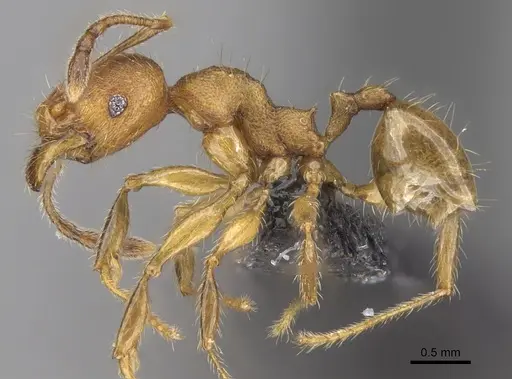
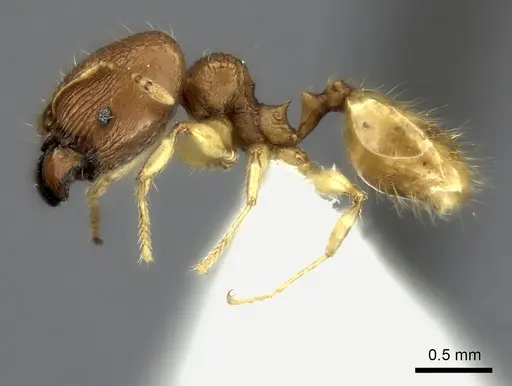
Pheidole jonas is a tiny rainforest ant native to Madagascar, the Comoros Islands, and Mayotte in the Indian Ocean region. Majors are only about 1mm in head width, while minors are roughly half that size, making them one of the smaller Pheidole species you'll encounter. They have a distinctive appearance with major workers showing an irregularly rugoreticulate pattern on the back half of the head, short triangular spines, and a postpetiole that is noticeably wider than the petiole. Color varies by population: specimens from Anjouan are orange, while those from Grand Comore and Mayotte are brown. In the wild, they nest in rainforest leaf litter, under moss, in rotten logs, and sometimes above ground in montane rainforest areas between 20 and 1235 meters elevation. This species is closely related to Pheidole vulcan and Pheidole loki.
Quick Summary
- Difficulty: Medium
- Origin & Habitat: Rainforest and montane rainforest in Madagascar, Comoros Islands (Anjouan, Grande Comore, Mohéli), and Mayotte. Found in leaf litter, under moss, in rotten logs, and above ground at elevations 20-1235m [1][2].
- Colony Type: Colony structure is unconfirmed. Pheidole species are typically single-queen (monogyne) colonies, though some species can have multiple queens. Further research needed to confirm P. jonas specifics.
- Colony: Monogyne
- Founding: Claustral
- Size & Growth:
- Queen: Estimated 5-7mm based on genus patterns, direct measurements not available
- Worker: Major workers: 0.96-1.18mm head width,0.79-0.95mm Weber's length. Minor workers: 0.37-0.50mm head width,0.53-0.69mm Weber's length [1][3].
- Colony: Unknown from direct studies. Based on small worker size and typical Pheidole patterns, colonies likely reach several hundred workers.
- Growth: Moderate, based on typical Pheidole development patterns
- Development: 6-10 weeks estimated based on typical Pheidole genus development at optimal temperature (Development time is estimated from related species, specific data for P. jonas is not available. Small species typically develop somewhat faster than larger Pheidole.)
- Antkeeping:
- Temperature: Keep at 24-28°C. As a tropical rainforest species, they need warm conditions. A heating cable on one side of the nest creates a suitable gradient.
- Humidity: High humidity required, aim for 70-85%. Keep the nest substrate consistently moist but not waterlogged. These ants live in damp leaf litter in the wild, so the environment should reflect that [1].
- Diapause: No, as a tropical species from Madagascar and the Comoros, they do not require hibernation. Keep them warm year-round.
- Nesting: Small chambers work best. In captivity, they do well in test tubes with moist cotton, Y-tong nests, or plaster nests with tight chambers scaled to their tiny size. They naturally nest in leaf litter and rotting wood, so a naturalistic setup with moist substrate also works well [1][2].
- Behavior: Pheidole jonas is a small, relatively docile ant. Like other Pheidole species, they have major workers (soldiers) with enlarged heads that help process seeds and defend the colony. They are not aggressive and rarely sting. However, their tiny size means escape prevention must be excellent, they can squeeze through remarkably small gaps. They are ground-nesting and likely forage in the leaf litter layer. Activity level is moderate, they maintain steady foraging but are not particularly hyperactive.
- Common Issues: escape prevention is critical due to their very small size, use fine mesh and tight-fitting lids, high humidity needs can lead to mold if ventilation is poor, balance is essential, small colony size means slow growth, beginners may lose patience and overfeed, causing pest issues, wild-caught colonies may carry parasites that can devastate captive colonies, test tube setups can flood if water reservoirs are too large for such tiny ants
Housing and Nest Setup
Because of their tiny size, Pheidole jonas needs carefully scaled housing. Test tubes with cotton stoppers work well for founding colonies, use small diameter tubes and ensure the water reservoir is not too large to avoid flooding. For established colonies, Y-tong (acrylic) nests with narrow chambers or plaster nests with tight passages are ideal. The chambers should be sized appropriately for these small ants, too large and they may feel exposed. A naturalistic setup with moist soil/vermiculite mix in a plastic container also works well, mimicking their natural leaf litter habitat. Regardless of nest type, escape prevention is critical: these ants are tiny and can squeeze through gaps that seem impossible. Use fine mesh on any ventilation holes and ensure all edges are sealed tightly. [1][2]
Feeding and Diet
Pheidole jonas is an omnivorous species that will accept a variety of foods. In the wild, they likely forage for small insects, seeds, and honeydew from aphids. In captivity, offer protein sources like small crickets, fruit flies, mealworms (cut into tiny pieces), and other small insects. They can also accept sugar water, honey, or diluted syrup as an energy source. Seeds may be accepted, Pheidole majors are known for their ability to process seeds with their enlarged heads. Feed small amounts 2-3 times per week, removing any uneaten food after 24 hours to prevent mold. A constant sugar source is recommended for active colonies.
Temperature and Humidity
As a tropical rainforest species from Madagascar and the Comoros, Pheidole jonas requires warm and humid conditions. Keep the nest area at 24-28°C, use a heating cable on one side of the nest to create a gentle temperature gradient if your room temperature is below this range. Place the heating on top of the nest material rather than underneath to avoid excessive evaporation. Humidity should be maintained at 70-85%, the substrate should feel consistently moist but not waterlogged. Mist the outworld occasionally and keep the nest water reservoir filled. However, balance humidity with adequate ventilation to prevent mold growth, which can quickly kill small colonies. [1]
Colony Development
Pheidole jonas colonies start with a claustral queen sealing herself in a small chamber. She uses stored fat reserves to survive until her first workers emerge, typically in 6-10 weeks depending on temperature. The first workers (nanitics) are smaller than normal workers but can already begin foraging and caring for the next brood. As the colony grows, you'll see the characteristic Pheidole dimorphism with major workers developing. Major workers have enlarged heads and are used for seed processing and colony defense. Colony growth is moderate, expect several months to reach 50+ workers, and potentially a year or more to reach several hundred. Be patient with small colonies as they are vulnerable to stress and require stable conditions.
Behavior and Temperament
This is a relatively calm, non-aggressive species that is suitable for antkeepers who want to observe interesting behaviors. Pheidole jonas shows the classic division of labor between minor workers (foragers and nurses) and major workers (soldiers and food processors). Majors use their powerful mandibles to crack seeds and defend against threats. They are not known for stinging and pose no danger to humans. The main behavioral concern is their small size making them prone to escaping, even small gaps in tubing or lids can allow them to slip through. They are primarily ground-dwelling and will establish foraging trails in the outworld. Activity levels are moderate, they maintain consistent foraging without being hyperactive. [1]
Seasonal Care
As a tropical species from the Indian Ocean islands, Pheidole jonas does not require hibernation or diapause. Keep them at warm temperatures year-round (24-28°C). Seasonal changes in the wild are minimal, these islands have consistent tropical climates. Do not reduce temperatures in winter as you might with temperate species. However, you may notice slight reductions in activity during cooler periods if your room temperature drops. Maintain consistent humidity and feeding throughout the year. The main seasonal consideration is avoiding cold drafts from windows or air conditioning that could chill the colony. [1][2]
Frequently Asked Questions
How long does it take for Pheidole jonas to get their first workers?
Expect first workers in about 6-10 weeks after the queen lays her first eggs. This is typical for Pheidole species at warm temperatures (around 26°C). Lower temperatures will slow development significantly.
What do Pheidole jonas ants eat?
They are omnivores that accept small insects (fruit flies, pinhead crickets, mealworms), sugar water or honey, and possibly seeds. Offer protein 2-3 times per week and keep a constant sugar source available.
Can I keep multiple queens together?
This has not been documented for P. jonas specifically. Most Pheidole species are single-queen colonies, so it is not recommended to house multiple unrelated queens together as they may fight.
What temperature do Pheidole jonas need?
Keep them warm at 24-28°C. A heating cable on one side of the nest creates a suitable gradient. As a tropical rainforest species, they need consistent warmth year-round.
Are Pheidole jonas good for beginners?
They are moderate difficulty. Their small size and humidity requirements make them slightly more challenging than larger, hardier species. Excellent escape prevention is essential. However, they are docile and fascinating to watch with their major/minor worker division.
How big do Pheidole jonas colonies get?
Colony size is not directly documented, but based on typical Pheidole patterns and their small worker size, colonies likely reach several hundred workers. Growth is moderate, be patient as small colonies develop slowly.
Why are my Pheidole jonas escaping?
Their tiny size means they can escape through remarkably small gaps. Check all connections, use fine mesh on ventilation, and ensure lids fit tightly. Even a tiny gap around tubing connections can allow escape.
Do they need hibernation?
No. As a tropical species from Madagascar and the Comoros, they do not require hibernation. Keep them warm year-round at 24-28°C.
What humidity level do they need?
High humidity at 70-85%. Keep the nest substrate consistently moist but not waterlogged. These rainforest leaf litter ants need damp conditions to thrive.
When should I move them to a formicarium?
Wait until the colony has at least 30-50 workers and is actively foraging. For tiny species like this, test tubes work well even for larger colonies, only move to a formicarium if the colony is very active and outgrowing the tube.
References

This caresheet is licensed under CC BY-SA 4.0 .
CASENT0101689
View on AntWeb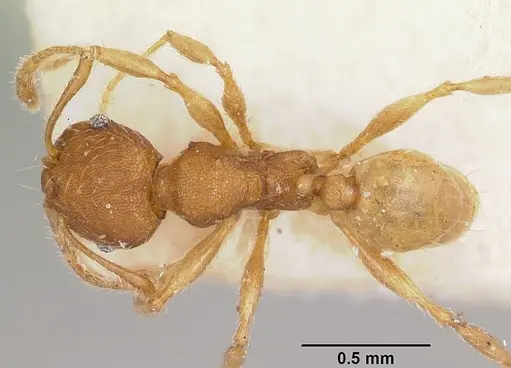
CASENT0101758
View on AntWeb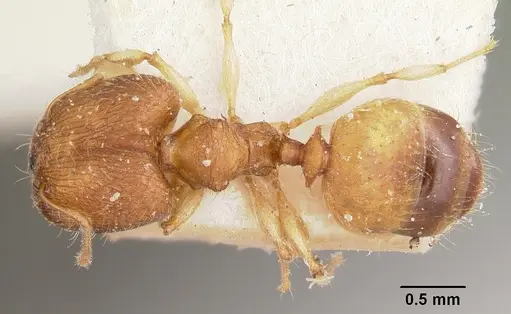
CASENT0132617
View on AntWeb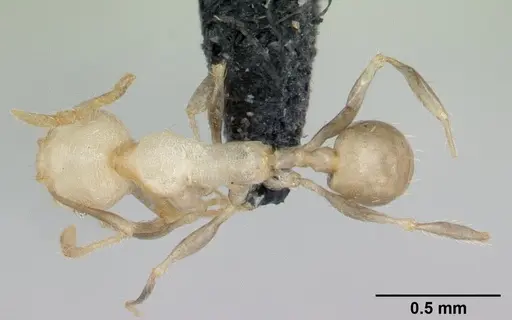
CASENT0132683
View on AntWeb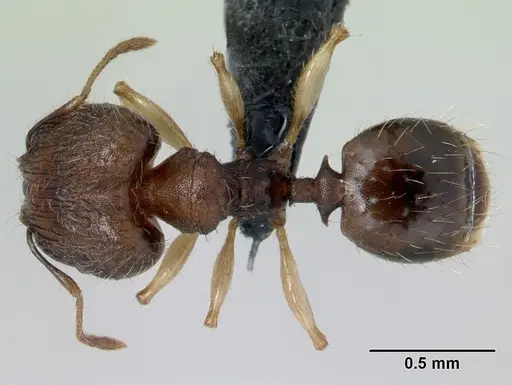
CASENT0132751
View on AntWeb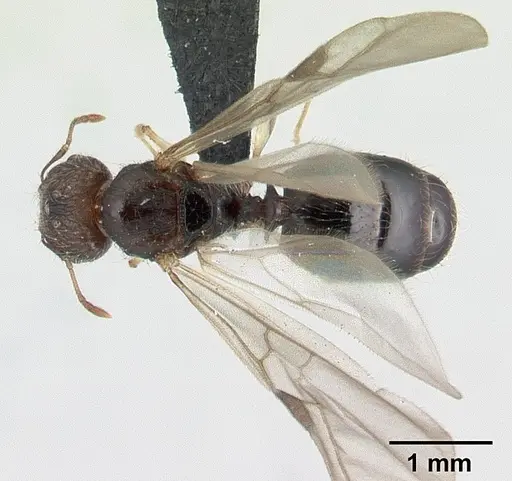
CASENT0132955
View on AntWeb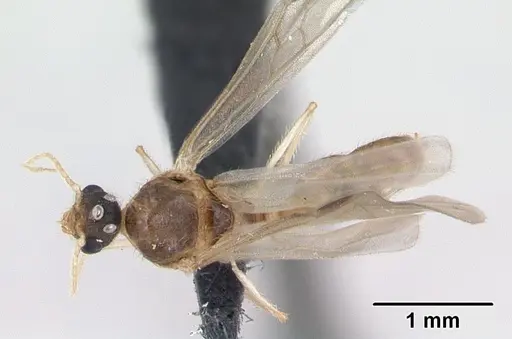
CASENT0133662
View on AntWeb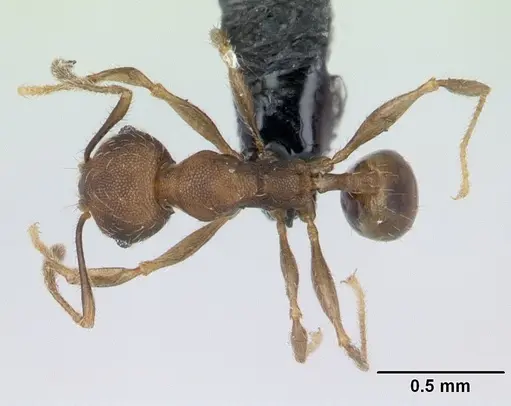
CASENT0134902
View on AntWeb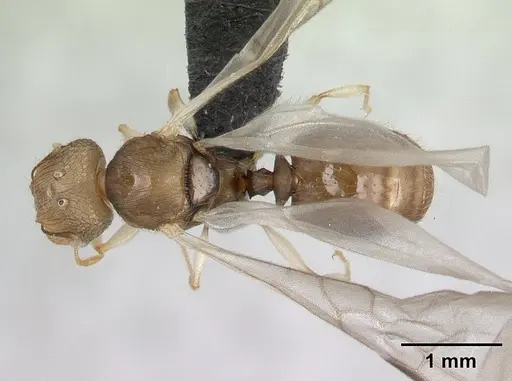
CASENT0137020
View on AntWeb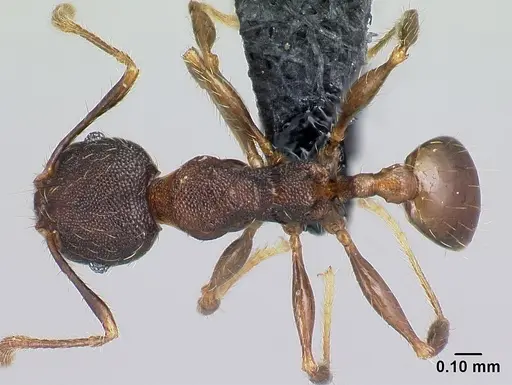
CASENT0137046
View on AntWeb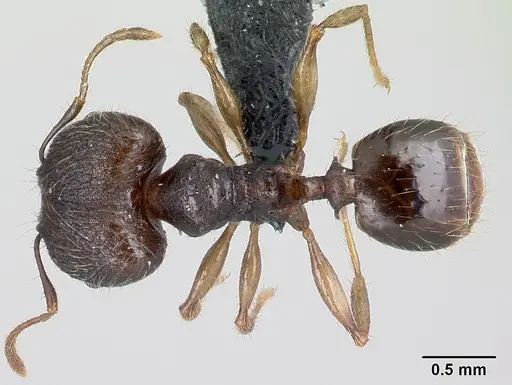
CASENT0137207
View on AntWeb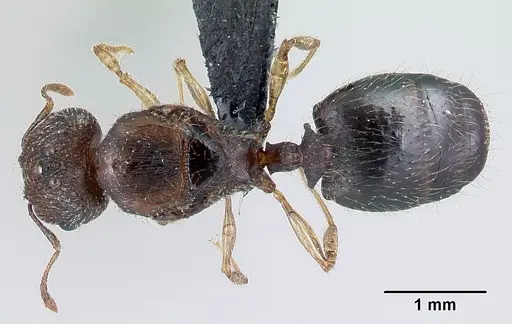
CASENT0137511
View on AntWeb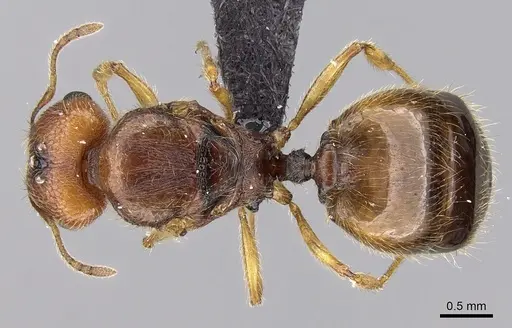
CASENT0146798
View on AntWeb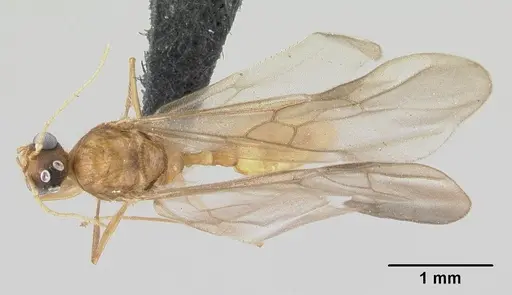
CASENT0146830
View on AntWeb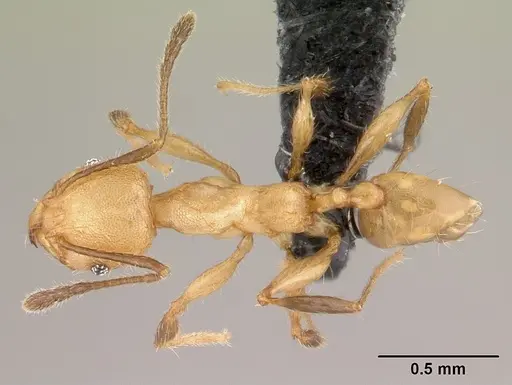
CASENT0146934
View on AntWeb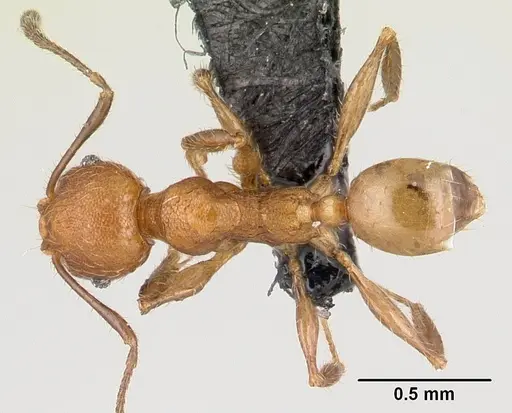
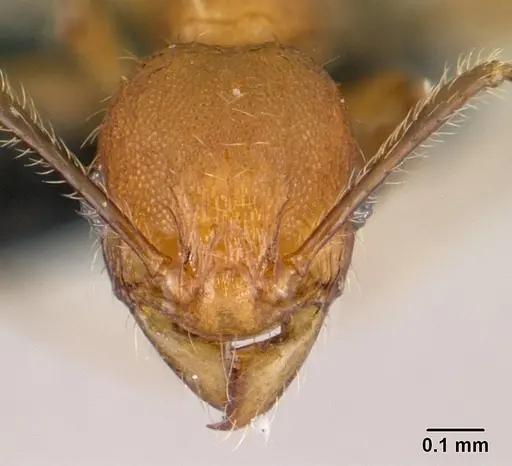
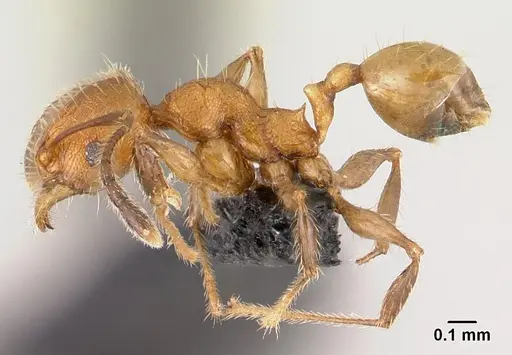
CASENT0146955
View on AntWeb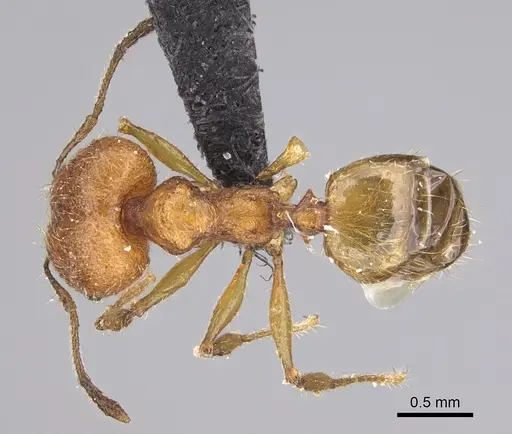
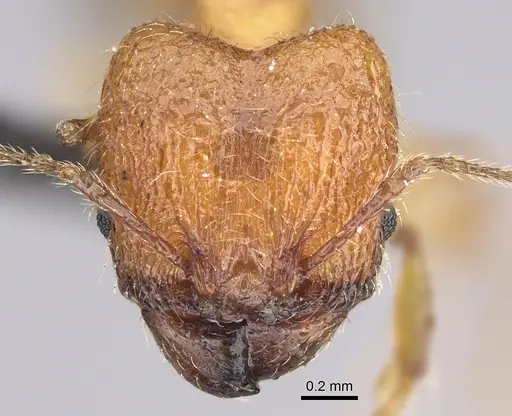
CASENT0146984
View on AntWeb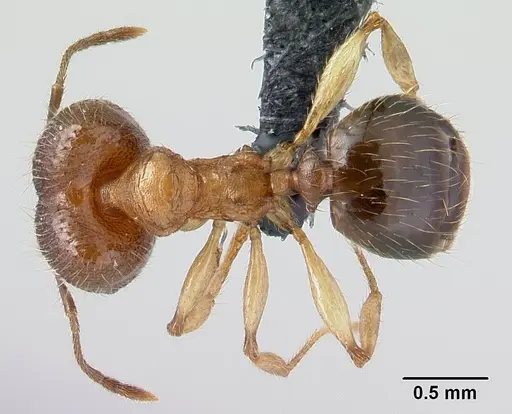
CASENT0147019
View on AntWeb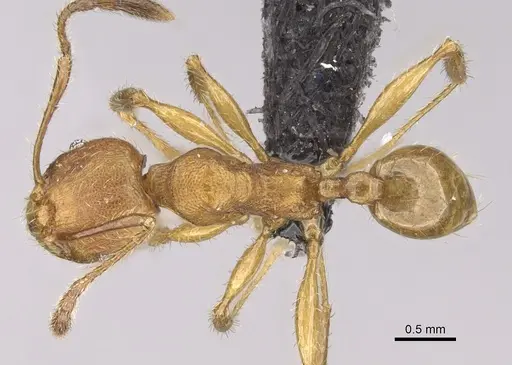
CASENT0280995
View on AntWeb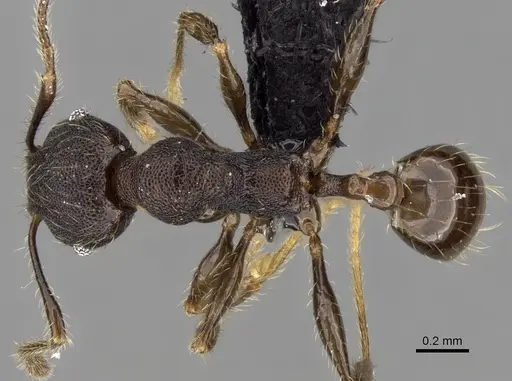
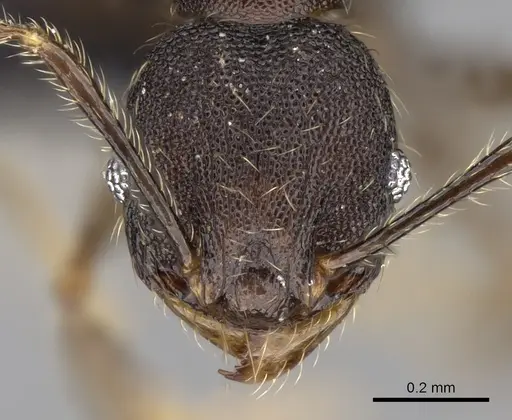
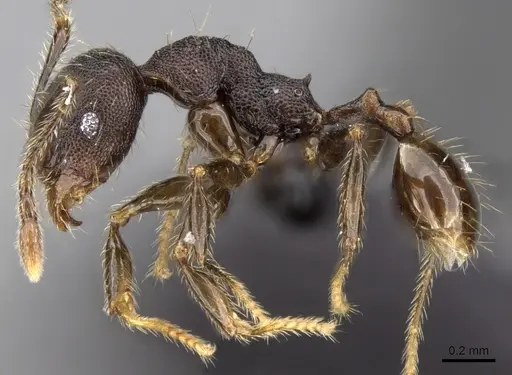
CASENT0406651
View on AntWeb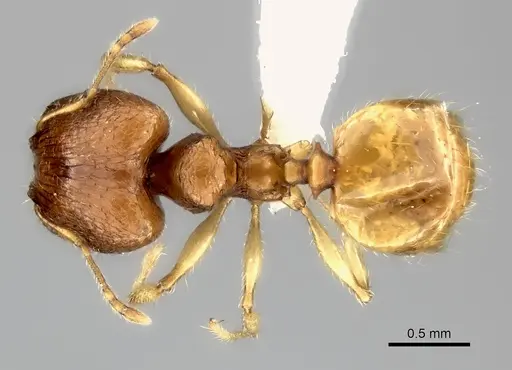
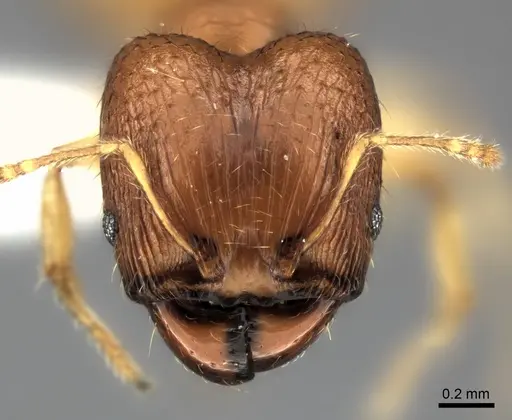
Literature
Loading...Loading products...