

Pheidole impressa
- Scientific Name
- Pheidole impressa
- Tribe
- Attini
- Subfamily
- Myrmicinae
- Author
- Mayr, 1870
- Distribution
- Found in 1 countries
Pheidole impressa Overview
Pheidole impressa is an ant species of the genus Pheidole. It is primarily documented in 1 countries , including French Guiana. Detailed taxonomic data and occurrence records can be further explored via authoritative databases such as AntWeb or the Global Biodiversity Information Facility (GBIF).
Pheidole impressa
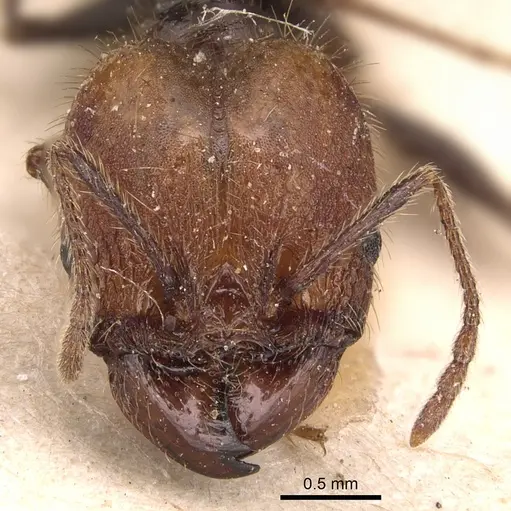
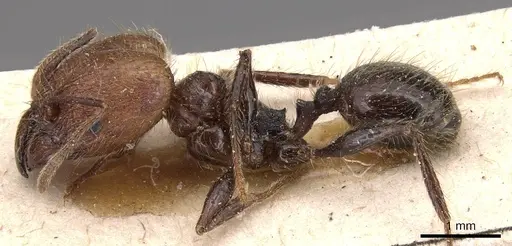
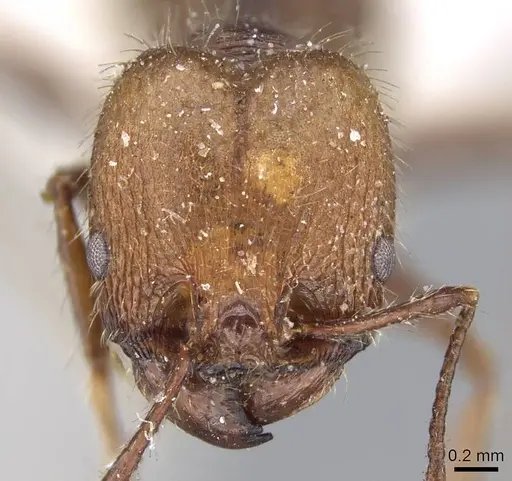
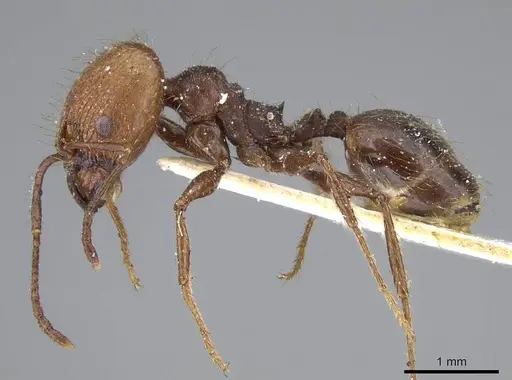
Pheidole impressa is a small Myrmicinae ant species native to northeastern South America, found in Brazil (Ceará, Rio Grande do Norte, Maranhão) and French Guiana, with recent records in Colombia's Magdalena region [1][2]. The species belongs to the fallax group and is easily recognized by its distinctive morphology: majors (soldiers) have a longitudinally striate gaster and rugoreticulum patterns on the head, while workers are reddish-brown with dark gasters and notably long scapes that extend beyond the head margin [1][3]. Majors measure approximately 1.36mm head width, while workers are tiny at 0.73-0.87mm [1]. This species nests in open soil near rivers or inside humid forest areas, with workers frequently foraging on the forest floor and readily attracted to protein and carbohydrate baits [1]. Almost nothing is known about the detailed biology of this species in the scientific literature.
Quick Summary
- Difficulty: Unknown, likely Medium based on genus typical care requirements
- Origin & Habitat: Tropical northeastern South America, found in Brazil (Ceará, Rio Grande do Norte, Maranhão) and French Guiana, with recent records in Colombia's Magdalena region. Inhabits humid forest environments, nesting in open soil near rivers or inside forest, often between rocks or soil mounds along paths [1][2].
- Colony Type: Unconfirmed, colony structure (single-queen vs multi-queen) has not been documented in scientific literature
- Size & Growth:
- Queen: Undescribed in available literature, estimated 6-8mm based on typical Pheidole queen size
- Worker: 0.73-0.87mm [1]
- Colony: Unknown, no colony size data available
- Growth: Unknown, no development data available
- Development: Unconfirmed, estimated 6-8 weeks based on typical Pheidole genus patterns at tropical temperatures (No direct development studies exist for this species. Estimates based on related Pheidole species from tropical regions.)
- Antkeeping:
- Temperature: Aim for 24-28°C, this species comes from tropical Brazil and French Guiana where temperatures are consistently warm year-round. A gentle heat gradient in the nest area allows workers to regulate their temperature preference [1].
- Humidity: Keep substrate moderately moist, this species is associated with humid forest habitats in its range. Provide a water tube as a constant moisture source. The nest area should feel damp but not waterlogged, with some drier areas available for the ants to self-regulate [1].
- Diapause: Unlikely, being a tropical species from northeastern Brazil, they probably do not require a true diapause. However, they may experience reduced activity during cooler dry seasons in their native range.
- Nesting: In nature they nest in soil, often near rivers or in humid forest areas, sometimes between rocks or in soil mounds [1]. For captivity, a Y-tong (AAC) nest or plaster nest works well. Given their tiny worker size (under 1mm), ensure escape prevention is excellent, these ants can squeeze through very small gaps. Provide a moist substrate chamber for brood development.
- Behavior: Workers are active foragers on the forest floor, readily accepting both protein and carbohydrate baits [1][4]. Both majors and minors are attracted to food sources, making them easy to feed in captivity. The species shows typical Pheidole behavior with majors defending the nest and helping process larger prey items. Escape risk is high due to their very small worker size, fine mesh barriers and tight-fitting lids are essential. They are not known to be particularly aggressive toward keepers, but majors can deliver a mild sting if handled roughly.
- Common Issues: escape prevention is critical due to their tiny worker size, they can squeeze through gaps that larger ants cannot, almost no biological data exists, keepers will be pioneering husbandry for this species, humidity management is important since they come from humid forest habitats, wild-caught colonies may have parasites or diseases that are difficult to treat without species-specific knowledge, slow colony growth is typical for Pheidole species, patience is required
Nest Preferences and Housing
Pheidole impressa nests in soil in its natural habitat, typically in humid forest areas near rivers or inside forest patches [1]. Workers forage on the forest floor, so a setup that allows them to travel between a nest chamber and an outworld works well. A Y-tong (AAC) nest with a moist chamber is ideal, the porous material helps maintain the humidity this species needs. Alternatively, a plaster nest with a water reservoir can work. Given their tiny worker size (under 1mm), escape prevention must be excellent. Use fine mesh on any ventilation holes, and ensure all connections between nest and outworld are sealed. A test tube setup can work for founding colonies, but monitor humidity carefully as the small water reservoir may dry out faster than with larger species.
Feeding and Diet
In the wild, workers readily accept both carbohydrate and protein baits [1][4]. This suggests they are generalist foragers similar to most Pheidole species. Offer protein sources like small insects (fruit flies, small mealworms, crickets), and provide sugar water, honey, or diluted syrup as a carbohydrate source. Feed protein 2-3 times per week, and keep a sugar source available at all times. Remove uneaten prey after 24-48 hours to prevent mold. Pheidole majors will help process larger prey items, so don't be concerned if you see major workers assisting with food breakdown. Start with small prey items given their tiny worker size, springtails or fruit fly portions work well for starting colonies.
Temperature and Seasonal Care
This species comes from tropical northeastern Brazil and French Guiana, where temperatures remain warm year-round [1][2]. Aim for nest temperatures around 24-28°C. A heating cable on one side of the nest can create a gentle gradient, allowing workers to move to their preferred temperature zone. Avoid temperatures below 20°C for extended periods. Since they are from a tropical region, they likely do not require a true diapause or hibernation period. However, they may naturally reduce activity during cooler periods. Monitor colony behavior, if workers become less active and cluster together, slightly increasing temperature may help. Room temperature in most homes (22-25°C) should be suitable as a starting point.
Behavior and Colony Dynamics
Pheidole impressa shows typical Pheidole colony structure with distinct major (soldier) and minor worker castes. Both castes are attracted to food sources, making them easy to observe and feed [1]. Workers forage actively on the ground surface, so providing a foraging area with some substrate or a textured surface gives them natural footing. Colonies likely grow moderately, Pheidole species typically reach a few hundred workers over time, though exact colony size for this species is unknown. The presence of majors helps with nest defense and food processing. Watch for dealate queens in newly caught colonies, this confirms successful mating has occurred. Major workers are larger than minors and have distinctive head morphology with rugoreticulum patterns.
Important Keeper Notes
This is a species with almost no documented biology in scientific literature, what you keep may genuinely be pioneering husbandry knowledge for Pheidole impressa. Start with conservative care parameters and adjust based on colony response. The most critical factors are: escape prevention (their tiny size means they can escape through gaps invisible to the eye), humidity (they come from humid forest habitats), and temperature (tropical warmth). Document your observations carefully, any colony data you gather could contribute to our understanding of this species. If wild-caught, quarantine the colony initially and monitor for parasites or unusual mortality. Captive breeding may be challenging given the lack of known nuptial flight timing, but established colonies can potentially be maintained long-term with proper care.
Frequently Asked Questions
How long does it take for Pheidole impressa to produce first workers?
The egg-to-worker timeline is unconfirmed for this species. Based on typical Pheidole genus patterns from tropical regions, expect approximately 6-8 weeks from egg to first nanitic worker at optimal temperatures (24-28°C). Patience is key, Pheidole species are not fast growers compared to some genera.
What do Pheidole impressa ants eat?
They are generalist foragers that accept both protein and carbohydrates. Offer small insects like fruit flies, small mealworms, or cricket pieces as protein. Provide a constant sugar source like sugar water, honey water, or diluted syrup. Both major and minor workers will feed at food sources.
Can I keep multiple Pheidole impressa queens together?
The colony structure (monogyne vs polygyne) is unconfirmed for this species. Pheidole species are typically monogyne (single queen), but some can be polygynous. Without documented evidence for this specific species, combining unrelated queens is not recommended, the outcome is unknown.
What temperature do Pheidole impressa ants need?
Keep them warm at 24-28°C. This species comes from tropical Brazil and French Guiana where temperatures are consistently warm year-round. A gentle heat gradient in the nest allows workers to regulate their temperature preference.
Do Pheidole impressa ants need hibernation?
Unlikely, being a tropical species from northeastern Brazil, they probably do not require a true diapause or hibernation period. They may experience reduced activity during cooler seasons in their native range, but captive colonies at stable warm temperatures should remain active year-round.
Are Pheidole impressa good for beginners?
This is difficult to assess, almost no biological data exists for this species, making it a pioneer species for antkeeping. Their tiny size and humidity needs require attention to detail. If you have experience with other Pheidole species, this could be an interesting challenge. For complete beginners, more documented species like Pheidole pallidula or Pheidole noda would be easier choices.
How big do Pheidole impressa colonies get?
Colony size is unknown, no scientific data exists on maximum colony size for this species. Based on typical Pheidole genus patterns, colonies likely reach a few hundred workers over time. The presence of distinct major and minor castes is typical for the genus.
When should I move Pheidole impressa to a formicarium?
Move them when the colony outgrows the founding setup or when the test tube water reservoir needs frequent refilling. For Pheidole, this is typically when you see 20+ workers and the colony is actively foraging. A Y-tong or plaster nest works well for this species.
Why are my Pheidole impressa ants dying?
Without species-specific data, common issues could include: temperature too low (below 20°C), humidity too dry, escape-related losses (check for tiny gaps), or stress from frequent disturbance. Wild-caught colonies may also carry parasites. Review each parameter and make one adjustment at a time.
References

This caresheet is licensed under CC BY-SA 4.0 .
CASENT0904362
View on AntWeb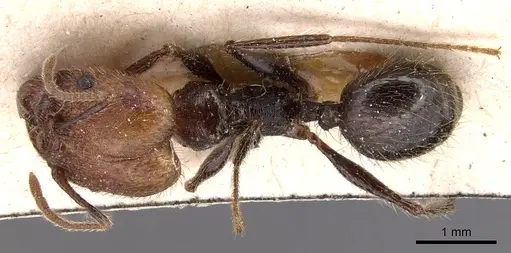
CASENT0919780
View on AntWeb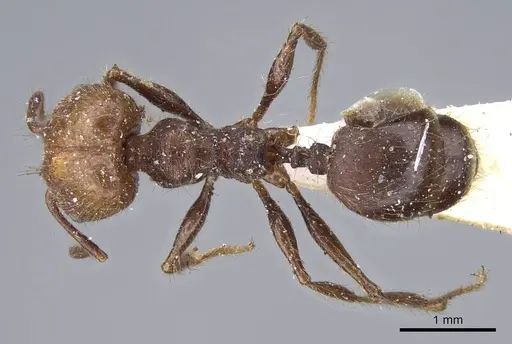
Literature
Loading...Loading products...