

Pheidole hongkongensis
- Scientific Name
- Pheidole hongkongensis
- Tribe
- Attini
- Subfamily
- Myrmicinae
- Author
- Wheeler, 1928
- Distribution
- Found in 3 countries
Pheidole hongkongensis Overview
Pheidole hongkongensis is an ant species of the genus Pheidole. It is primarily documented in 3 countries , including China, Hong Kong, Viet Nam. Detailed taxonomic data and occurrence records can be further explored via authoritative databases such as AntWeb or the Global Biodiversity Information Facility (GBIF).
Pheidole hongkongensis
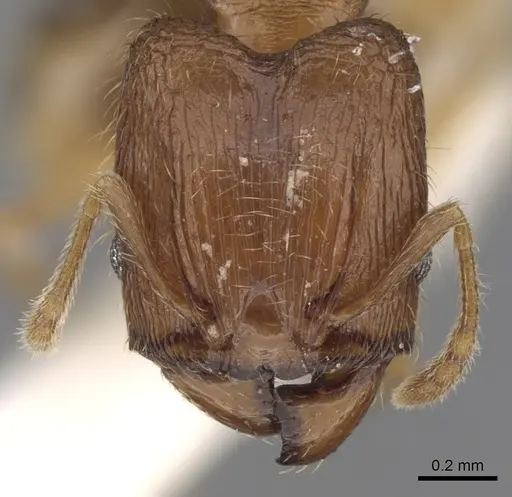
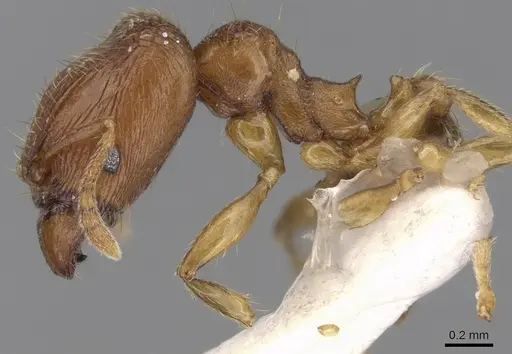
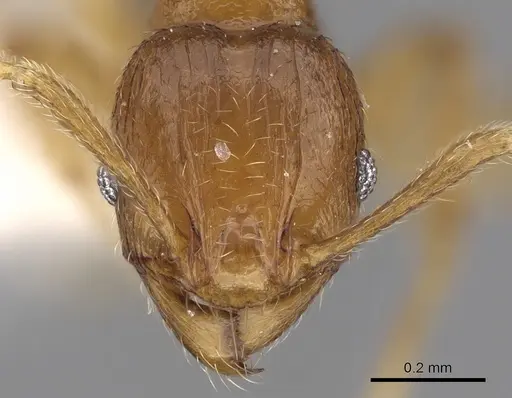
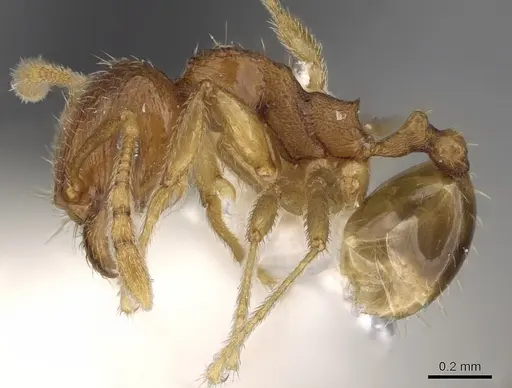
Pheidole hongkongensis is a small Myrmicinae ant native to Southern China, Northern Vietnam, and Thailand. The species was originally described as a subspecies of Pheidole rinae in 1928 from Hong Kong, before being elevated to full species status in 1999 [1]. Major workers measure 0.96-1.11mm with a distinctive deeply concave head shape, while minors are much smaller at 0.48-0.53mm [1]. This species is part of the Pheidole genus, known for having two worker castes, majors (soldiers) and minors (workers). They inhabit woody gardens, forest edges, and sometimes open areas, nesting primarily in soil [1][2]. The species has been recorded in urban areas including Macau and Laos, showing adaptability to human-modified landscapes [3][4].
Quick Summary
- Difficulty: Easy
- Origin & Habitat: Southern China, Northern Vietnam, and Thailand. Found in woody gardens, forest edges, and open habitats. Nests in soil at elevations of 550-680m [1][2].
- Colony Type: Single-queen colonies (monogyne) based on typical Pheidole genus patterns. Colony structure for this specific species is not directly documented in available research.
- Colony: Monogyne
- Founding: Claustral
- Size & Growth:
- Queen: Not documented in available research, estimated 5-7mm based on genus patterns
- Worker: Major: 0.96-1.11mm, Minor: 0.48-0.53mm [1]
- Colony: Estimated several hundred to a few thousand workers based on typical Pheidole colony sizes
- Growth: Moderate, estimated based on genus patterns
- Development: Estimated 6-8 weeks at optimal temperature based on typical Pheidole development (Development time is inferred from genus patterns, specific data for this species is not available)
- Antkeeping:
- Temperature: Keep at 22-26°C. Based on their subtropical range in Southern China, Vietnam, and Thailand, they prefer warm conditions. A heating cable on one side of the nest creates a suitable gradient.
- Humidity: Keep the nest substrate moderately moist. They naturally inhabit woody gardens and forest edges, suggesting they prefer damp but not waterlogged conditions. Provide a water tube for drinking.
- Diapause: Likely no true diapause given their tropical/subtropical range. However, activity may slow during cooler months (November-February), reduce feeding and keep slightly cooler around 18-20°C during this period.
- Nesting: Soil-nesting species. In captivity, a naturalistic setup with moist soil/substrate works well. Y-tong (AAC) nests or plaster nests with moisture chambers are suitable options. They prefer narrow chambers scaled to their small size.
- Behavior: Typical Pheidole behavior, minors handle most foraging and brood care, while majors defend the colony and process larger food items. They are not aggressive but will defend if threatened. Minor workers are active foragers that collect seeds, small insects, and honeydew. Escape risk is moderate due to their small size, use standard barrier methods like Fluon on test tube rims.
- Common Issues: colonies may fail if substrate dries out completely, monitor moisture regularly, slow founding phase, new keepers may lose patience during claustral founding period, major workers may not emerge until colony reaches several dozen workers, tiny minor workers can escape through small gaps, ensure excellent barrier protection
Housing and Nest Setup
Pheidole hongkongensis is a soil-nesting species that does well in naturalistic setups with moist substrate. A Y-tong (AAC) nest or plaster nest with moisture chambers works well for this species. The nest should have narrow chambers scaled to their tiny minor workers (under 1mm). Provide an outworld for foraging connected to the nest via tubing. Use a water tube for drinking access. Because of their small size, ensure all connections are secure and use barrier methods like Fluon on any exposed edges. A test tube setup works for founding colonies, use a second tube connected for expansion once the colony grows. [1][2]
Feeding and Diet
Like other Pheidole species, P. hongkongensis is omnivorous. In the wild, they forage for small insects, seeds, and honeydew from aphids. In captivity, offer protein sources like small crickets, mealworms, fruit flies, or other small insects twice weekly. Sugar sources like honey water or sugar water are readily accepted, provide this constantly in a small container. They also collect seeds when available. Remove uneaten prey after 24-48 hours to prevent mold. A varied diet helps promote healthy colony growth and encourages major worker production.
Temperature and Seasonal Care
Keep your colony at 22-26°C for optimal development. Their native range includes Southern China, Vietnam, and Thailand, all subtropical to tropical regions with warm temperatures year-round. A heating cable placed on one end of the nest creates a temperature gradient that allows ants to regulate their own temperature. During winter in temperate climates, you can reduce temperature to around 18-20°C and reduce feeding frequency, but true hibernation is not required given their tropical origins. Avoid temperatures below 15°C for extended periods. Monitor colony activity, workers will cluster near warmer areas when they need heat. [1]
Colony Development
Pheidole colonies develop through distinct phases. After mating, the claustral queen seals herself in a small chamber and lays her first eggs. She feeds the larvae from her stored fat reserves until the first workers (nanitics) emerge, this typically takes 4-6 weeks. These first workers are smaller than normal minors and begin foraging to feed the growing colony. Major workers (soldiers) typically appear once the colony reaches 50-100 workers. These larger workers have distinctive heads with strong mandibles for processing food and defending the colony. Colony growth is moderate, expect several months to reach 100 workers, and a year or more to reach several hundred. Patience is key with Pheidole founding colonies.
Behavior and Observation
Pheidole hongkongensis shows typical Pheidole caste behavior. Minor workers handle most tasks, foraging, brood care, nest maintenance, and food processing. Major workers specialize in defense and processing large food items that minors cannot handle alone. When you feed larger prey, you'll often see majors working alongside minors to dismember and process it. Workers are active foragers that will readily explore the outworld for food. They establish well-defined foraging trails once they find reliable food sources. The species is not particularly aggressive toward keepers but will bite if threatened, their bite is not harmful to humans due to their small size.
Frequently Asked Questions
How long does it take for Pheidole hongkongensis to produce first workers?
Expect first workers (nanitics) to emerge 4-6 weeks after the queen lays eggs, assuming optimal temperature (22-26°C). This is based on typical Pheidole genus development patterns, as specific data for this species is not available.
What do Pheidole hongkongensis ants eat?
They are omnivorous. Offer small insects (crickets, mealworms, fruit flies) as protein twice weekly, and provide sugar water or honey constantly. They also collect seeds in the wild.
Do Pheidole hongkongensis ants need hibernation?
No true hibernation is required due to their tropical/subtropical origin (Southern China, Vietnam, Thailand). However, you can reduce temperature to 18-20°C and reduce feeding during winter months in temperate climates.
Are Pheidole hongkongensis good for beginners?
Yes, this species is beginner-friendly. They are adaptable, tolerate a range of conditions, and are not aggressive. The main challenges are their small size (escape prevention) and the slow founding phase requiring patience.
When do major workers appear in Pheidole hongkongensis?
Major workers typically appear once the colony reaches 50-100 workers. This usually takes several months to a year after founding. Majors have distinctive large heads with strong mandibles.
What temperature should I keep Pheidole hongkongensis at?
Keep nest temperatures between 22-26°C. A heating cable on one side of the nest creates a gradient. Avoid temperatures below 15°C for extended periods.
How big do Pheidole hongkongensis colonies get?
Based on typical Pheidole patterns, colonies likely reach several hundred to a few thousand workers. Full colony maturity may take 2-3 years.
Can I keep multiple Pheidole hongkongensis queens together?
Pheidole species are typically single-queen (monogyne) colonies. Combining unrelated queens is not recommended as they will likely fight. Only one queen should be kept per colony setup.
What type of nest is best for Pheidole hongkongensis?
Soil-based naturalistic setups work well since they naturally nest in soil. Y-tong (AAC) nests or plaster nests with moisture chambers are also suitable. Ensure chambers are appropriately sized for their tiny workers.
Where is Pheidole hongkongensis native to?
This species is native to Southern China, Northern Vietnam, and Thailand. The type locality is Hong Kong. They inhabit woody gardens, forest edges, and sometimes open areas.
Why are my Pheidole hongkongensis dying during founding?
Founding colonies are vulnerable. Common causes include: queen drowning in water tubes (use a separate water tube with cotton, not direct water), mold from overfeeding or poor ventilation, and disturbance. Ensure the founding chamber stays dark and undisturbed. If using test tubes, ensure the water end has adequate cotton and the tube is positioned so water cannot flood the chamber.
References

This caresheet is licensed under CC BY-SA 4.0 .
CASENT0281727
View on AntWeb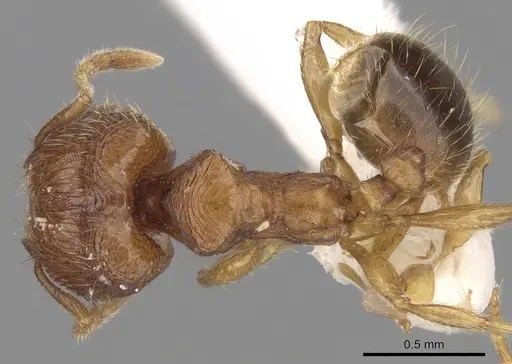
CASENT0281728
View on AntWeb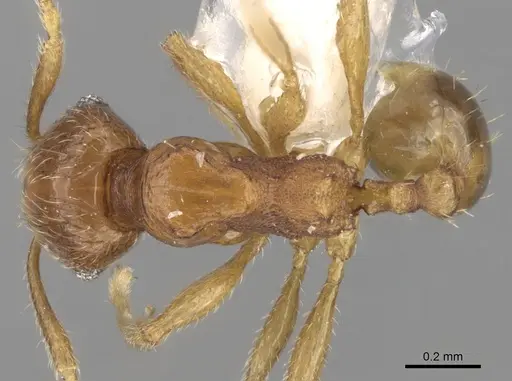
Literature
Loading...Loading products...