

Pheidole rinae
- Scientific Name
- Pheidole rinae
- Tribe
- Attini
- Subfamily
- Myrmicinae
- Author
- Emery, 1900
- Distribution
- Found in 0 countries
Pheidole rinae Overview
Pheidole rinae is an ant species of the genus Pheidole. It is primarily documented in 0 countries . Detailed taxonomic data and occurrence records can be further explored via authoritative databases such as AntWeb or the Global Biodiversity Information Facility (GBIF).
Pheidole rinae
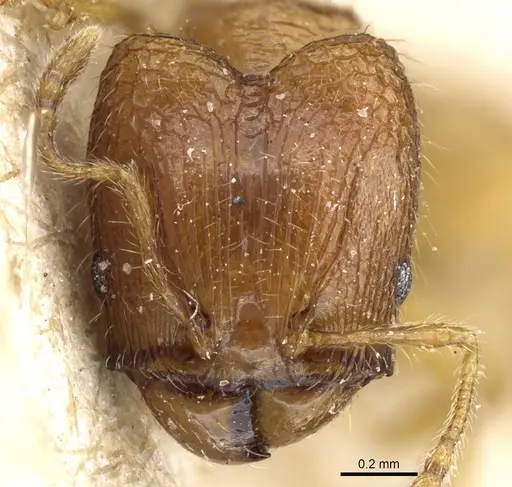
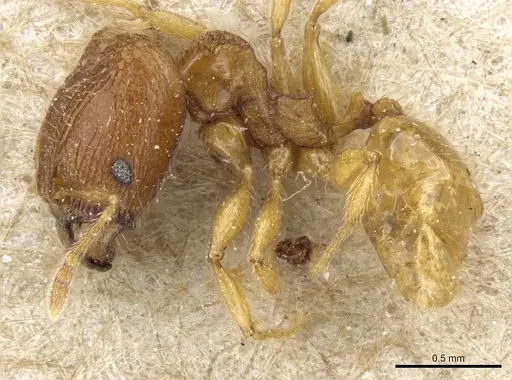
Pheidole rinae is a small myrmicine ant native to Southeast Asia, found across Sumatra, Borneo, Malaysia, Singapore, Thailand, and Vietnam. The species was first described by Emery in 1900 from Sumatra. Major workers measure approximately 3mm with a distinctive high-domed promesonotum and three-segmented antennal club, while queens reach around 4mm. The head of major workers is broadest about three-fifths from the front, with a characteristic impression on the vertex. This species inhabits tropical forest environments in the Indomalaya region. The biology of this species remains unstudied in scientific literature, but as a member of the tribe Attini, it likely exhibits typical Pheidole behaviors including seed-harvesting and colony foundation with claustral queens.
Quick Summary
- Difficulty: Medium
- Origin & Habitat: Tropical Southeast Asia, found in Sumatra, Borneo, Indonesia, Malaysia, Singapore, Thailand, and Vietnam [1][2]. Inhabits tropical forest environments, with specimens collected in garden settings and on fallen fruits.
- Colony Type: Colony structure is unconfirmed. Based on typical Pheidole genus patterns, likely single-queen (monogyne) colonies with major and minor worker castes.
- Colony: Monogyne
- Founding: Claustral
- Size & Growth:
- Queen: Approximately 4mm [3]. This is inferred from historical measurements as no modern species description includes queen morphometrics.
- Worker: Major workers: 3-3.2mm. Minor workers: smaller, approximately 1.5-1.6mm [4].
- Colony: Unknown for this specific species. Typical Pheidole colonies reach several hundred to a few thousand workers.
- Growth: Moderate, based on typical Pheidole development patterns.
- Development: 6-10 weeks, estimated based on typical Pheidole genus development at tropical temperatures. (Development time is estimated as no specific study exists for this species. Tropical temperatures (24-28°C) likely accelerate development compared to temperate species.)
- Antkeeping:
- Temperature: Keep at 24-28°C. This tropical Southeast Asian species requires warm conditions year-round. A heating cable on one side of the nest creates an appropriate gradient.
- Humidity: Moderate to high humidity (60-80%). Keep the nest substrate slightly moist but not waterlogged. Mist occasionally and provide a water tube.
- Diapause: No, as a tropical species, they do not require hibernation. Keep temperatures stable year-round.
- Nesting: Test tube setup works well for founding colonies. Once established, they do well in Y-tong nests, acrylic formicaria, or plaster nests with moisture reservoirs. They adapt to various nest types.
- Behavior: Typical Pheidole behavior, colonies contain distinct major and minor worker castes. Majors have enlarged heads for seed-crushing and colony defense. Workers are active foragers, collecting seeds and protein. They are not particularly aggressive but will defend the colony vigorously. Escape risk is moderate, their small size means they can squeeze through small gaps, so use standard barrier methods.
- Common Issues: tropical species requires constant warmth, cold drafts can weaken or kill colonies, small size means escape prevention should be adequate, though not as critical as with tiny species, no specific biology documented, keepers must rely on genus-level care patterns, overfeeding can lead to mold issues in test tube setups, colonies may be slow to establish initially, patience is needed during founding phase
Housing and Nest Setup
Pheidole rinae adapts well to various captive setups. For founding colonies, a standard test tube setup works excellently, fill one end with water trapped behind a cotton plug, providing humidity for 2-4 weeks without needing additional misting. Connect the test tube to an outworld (foraging area) once the colony reaches 20-30 workers. For established colonies, Y-tong (acrylic) nests, plaster nests with water reservoirs, or naturalistic setups all work well. The key is maintaining moderate humidity while allowing good ventilation. Avoid completely sealed nests that can become stagnant. A small outworld with sand or soil substrate allows workers to forage naturally.
Feeding and Diet
As members of the tribe Attini, Pheidole species are naturally granivorous, they collect and process seeds. Offer a mix of grass seeds, millet, poppy seeds, and other small seeds as a staple food. They also need protein sources: small insects like fruit flies, pinhead crickets, mealworms, and waxworms are readily accepted. Sugar water, honey, or diluted honeydew can be offered occasionally, though seeds and protein form the core diet. Feed seeds continuously and protein 2-3 times per week, adjusting based on colony size and consumption. Remove uneaten protein after 24-48 hours to prevent mold.
Temperature and Seasonal Care
This tropical Southeast Asian species requires warm conditions year-round. Maintain nest temperatures between 24-28°C (75-82°F). Temperatures below 20°C can slow development and weaken colonies. A heating cable placed on top of the nest (never underneath to avoid drying) creates a gentle thermal gradient. Room temperature may suffice in warm homes, but monitoring with a thermometer is recommended. Unlike temperate species, they do not require diapause or hibernation. Avoid placing the setup near air conditioning vents, windows with cold drafts, or any area with temperature fluctuations. Consistent warmth is key to healthy colony development.
Colony Growth and Development
Pheidole rinae exhibits the genus's characteristic caste system with major and minor workers. Major workers develop from larvae receiving extra nutrition and have distinctive enlarged heads for seed-crushing and colony defense. The founding queen seals herself in a claustral chamber and raises the first brood (typically nanitic minor workers) entirely on her own body reserves. After first workers emerge, the colony enters a growth phase. Development from egg to worker takes approximately 6-10 weeks at optimal tropical temperatures, though this is estimated as no specific study exists for this species. Colonies grow moderately fast once established, with major workers typically appearing when the colony reaches several dozen workers.
Behavior and Observation
These ants are active foragers with typical Pheidole behavior patterns. Workers emerge from the nest in search of seeds and protein, carrying items back to the colony. Major workers join foragers when larger food items are discovered, using their powerful mandibles to process seeds and defend against threats. The colonies are not particularly aggressive toward keepers but will bite if provoked. Observation is rewarding, you can watch seed-carrying chains, brood care, and the interaction between major and minor castes. They are diurnal and most active during daylight hours. The small size of workers (3mm for majors, smaller for minors) makes them fascinating to observe but requires good lighting and potentially magnification for detailed views.
Frequently Asked Questions
How long does it take for Pheidole rinae to have first workers?
Expect first workers (nanitics) to emerge 6-10 weeks after the queen lays her first eggs, assuming temperatures around 24-28°C. This is an estimate based on typical Pheidole development patterns since specific timing for this species is unconfirmed. The queen will remain sealed in her chamber until workers emerge.
What do Pheidole rinae ants eat?
They are omnivorous with a preference for seeds like other Attini ants. Offer grass seeds, millet, or poppy seeds as a staple. They also need protein: small insects like fruit flies, mealworms, or pinhead crickets 2-3 times weekly. Occasional sugar water or honey is accepted but should not be the primary food source.
Do Pheidole rinae ants need hibernation?
No. As a tropical Southeast Asian species, they do not require diapause or hibernation. Keep them warm year-round at 24-28°C. Cold temperatures can weaken or kill the colony.
Are Pheidole rinae good for beginners?
They are moderate difficulty, easier than some exotic tropical species but requiring warmth year-round. They are more forgiving of minor care mistakes than some species but do require attention to temperature. The lack of documented biology means keepers must rely on genus-level care patterns.
How big do Pheidole rinae colonies get?
Colony size is unconfirmed for this specific species, but typical Pheidole colonies reach several hundred to a few thousand workers. The presence of major workers (larger soldiers) indicates a mature colony.
Can I keep multiple Pheidole rinae queens together?
Not recommended. While colony structure is unconfirmed, Pheidole species are typically single-queen (monogyne) colonies. Combining unrelated queens typically results in fighting. If you obtain a wild colony, it likely has one founding queen.
What temperature is best for Pheidole rinae?
Keep nest areas at 24-28°C (75-82°F). Use a heating cable on one side of the nest to create a gradient if room temperature is below this range. Avoid temperatures below 20°C.
When should I move Pheidole rinae to a formicarium?
Move them when the test tube becomes crowded or the water reservoir is depleted, typically when the colony reaches 30-50 workers. Ensure the formicarium has appropriate humidity and a connection to an outworld. They adapt well to various nest types once established.
Why is my Pheidole rinae colony not growing?
Check temperature first, they need 24-28°C for proper development. Also verify humidity is adequate (moist but not waterlogged) and the queen is still alive and laying eggs. Poor nutrition can also slow growth. If the colony is newly founded, be patient, the first few months are the slowest.
References

This caresheet is licensed under CC BY-SA 4.0 .
CASENT0904259
View on AntWeb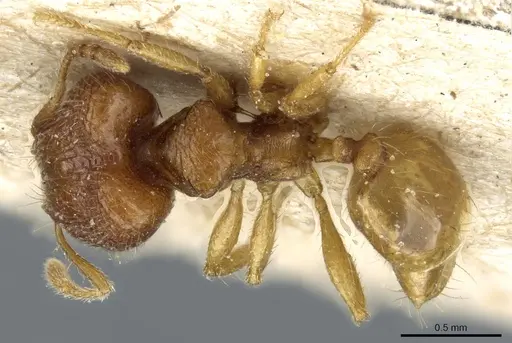
Literature
Loading...Loading products...