

Pheidole heyeri
- Scientific Name
- Pheidole heyeri
- Tribe
- Attini
- Subfamily
- Myrmicinae
- Author
- Forel, 1899
- Distribution
- Found in 1 countries
Pheidole heyeri Overview
Pheidole heyeri is an ant species of the genus Pheidole. It is primarily documented in 1 countries , including Brazil. Detailed taxonomic data and occurrence records can be further explored via authoritative databases such as AntWeb or the Global Biodiversity Information Facility (GBIF).
Pheidole heyeri
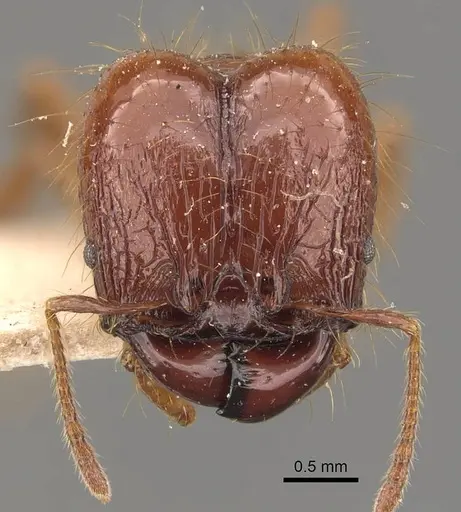
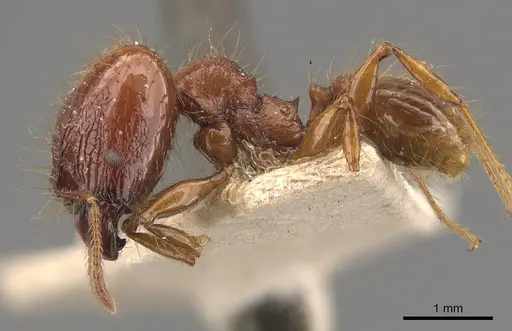
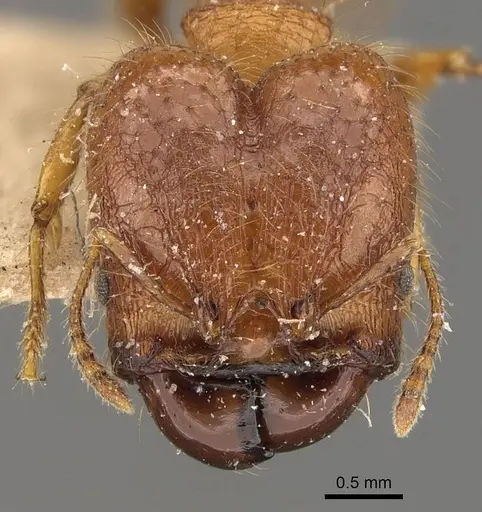
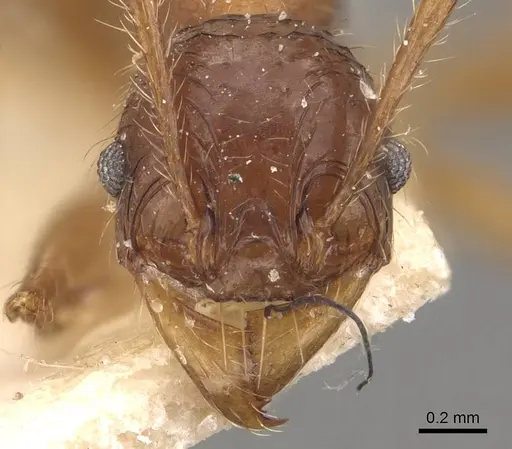
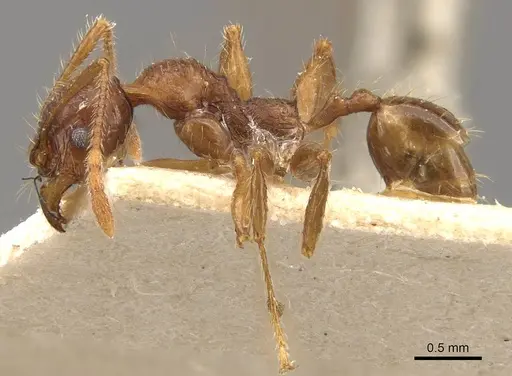
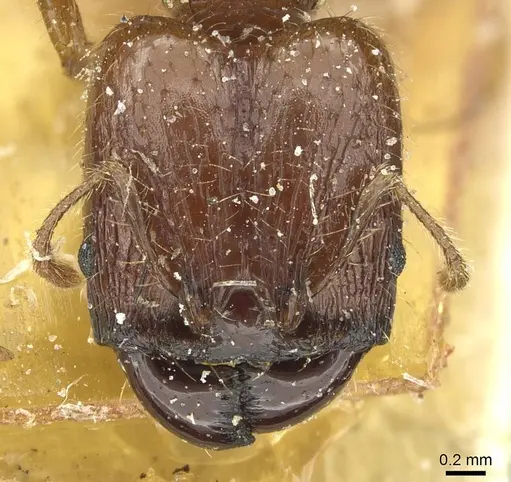
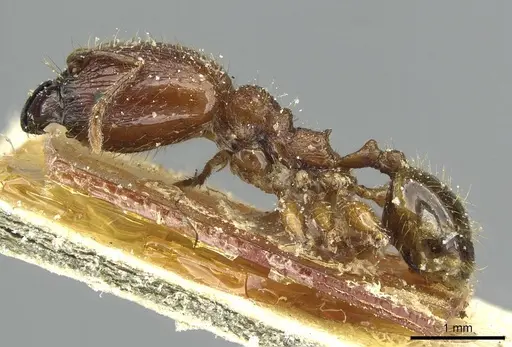
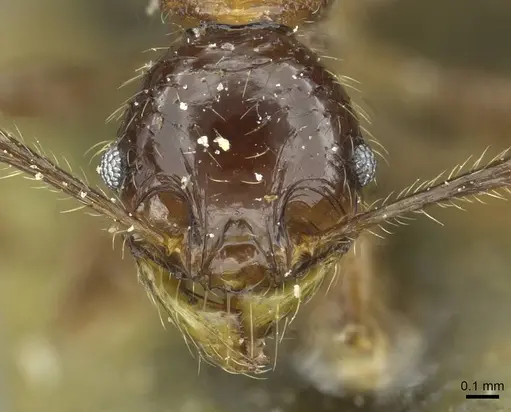
Pheidole heyeri is a small to medium-sized ant belonging to the tristis group, native to southern Brazil. Major workers have the characteristic big heads that define Pheidole species, with a head width of about 2mm, while minor workers are much smaller at around 0.8mm. Both castes display a reddish-yellow coloration throughout their bodies. This species was originally described as a variety of Pheidole guilelmimuelleri before being elevated to full species status in 2003. It inhabits the subtropical grasslands of São Paulo and Rio Grande do Sul states, where it has been found in both native forest and modified landscapes like eucalyptus plantations.
Quick Summary
- Difficulty: Unknown, biology unstudied
- Origin & Habitat: Southern Brazil (São Paulo and Rio Grande do Sul states), subtropical grasslands [1]
- Colony Type: Likely single-queen colonies based on typical Pheidole patterns, but unconfirmed for this species
- Colony: Monogyne
- Founding: Claustral
- Size & Growth:
- Queen: Undescribed in literature, estimated 6-8mm based on genus
- Worker: Major: 2.02mm HW, Minor: 0.82mm HW
- Colony: Unknown, typical Pheidole colonies reach hundreds to low thousands
- Growth: Unknown, estimated moderate based on genus patterns
- Development: Estimated 6-8 weeks at optimal temperature based on typical Pheidole development (Development time is unstudied for this species, estimates based on related Pheidole species)
- Antkeeping:
- Temperature: Keep around 22-26°C, southern Brazil experiences subtropical to temperate conditions with seasonal variation. A gentle temperature gradient allows ants to self-regulate.
- Humidity: Moderate humidity around 50-70%. Southern Brazilian grasslands experience reasonable moisture. Keep nest substrate moderately moist but not waterlogged.
- Diapause: Likely, southern Brazil has cooler winters. Consider providing a cool period (15-18°C) for several months, but this is unconfirmed for this species.
- Nesting: Natural nesting habits unstudied. Most Pheidole species nest in soil or under stones. A standard test tube setup works for founding colonies, larger colonies can move to Y-tong or plaster nests as they grow.
- Behavior: Pheidole species are generally non-aggressive but will defend their nests. Major workers (soldiers) use their large heads for seed-crushing and colony defense. They are active foragers that search for seeds and small insects. Escape prevention should be moderate, major workers are about 2mm but minors are very small at under 1mm, so fine mesh barriers are recommended.
- Common Issues: biology is completely unstudied, care recommendations are estimates based on genus patterns, slow growth may frustrate beginners expecting fast development, wild-caught colonies may carry parasites not well-documented for this species, very small minor workers may escape through standard barriers
Appearance and Identification
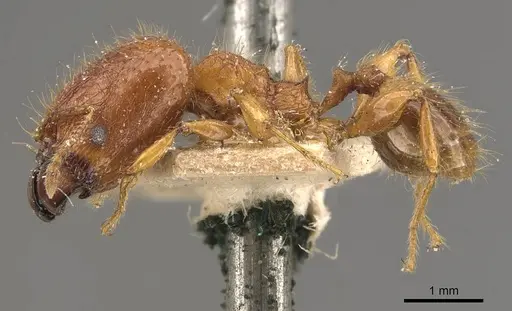
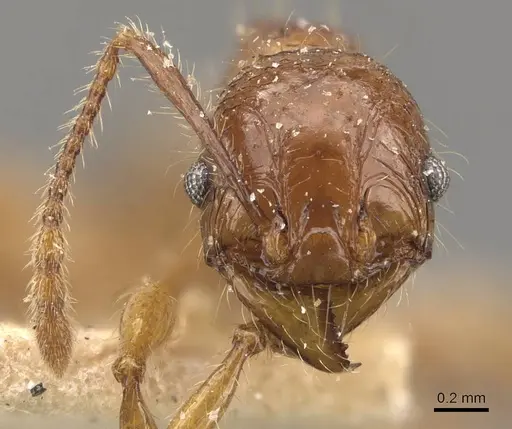
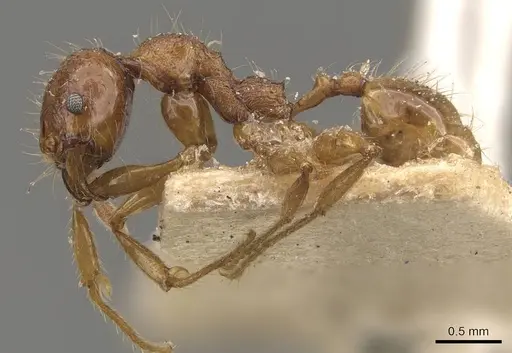
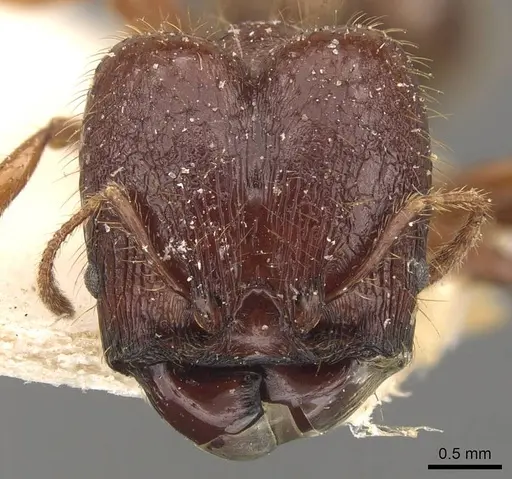
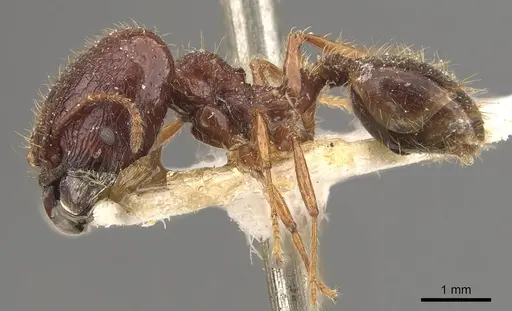
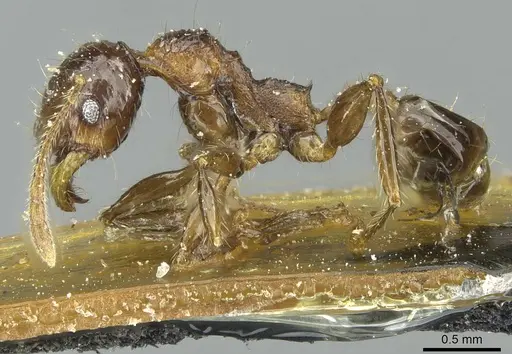
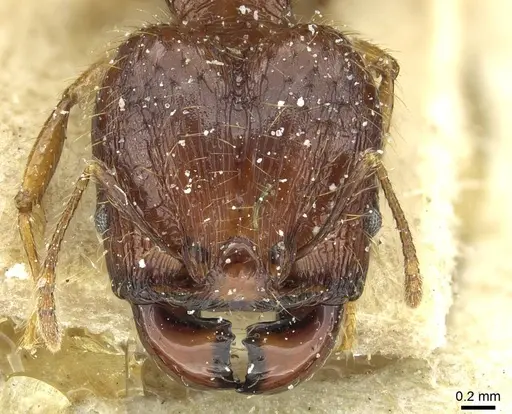
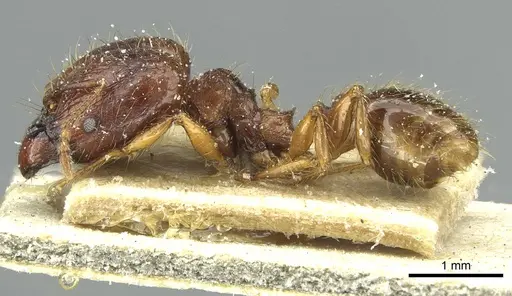
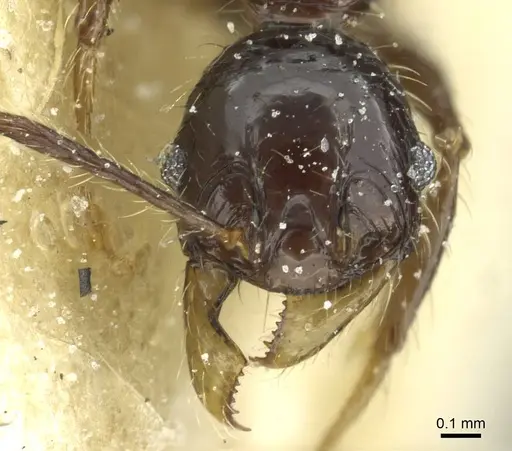
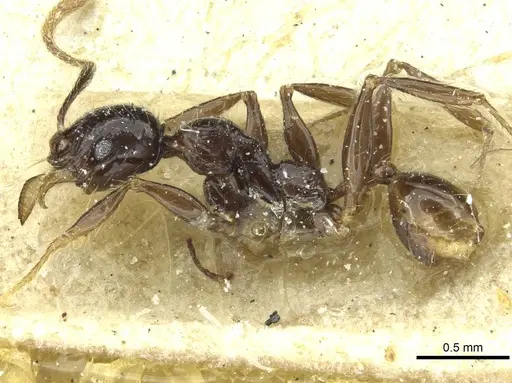
Pheidole heyeri is a distinctive species within the tristis group. Major workers have large, squared heads with shallow scrobes (grooves) that lack sculpturing. The dorsal surface of the head is mostly smooth with scattered foveae (small pits). The postpetiole (the segment behind the waist) has distinctive horn-like projections. Minor workers have transversely carinulate (ridged) markings on the back of the head and a subangulate (slightly angular) humerus. Both castes are reddish yellow in color, making them relatively easy to identify in the field. The major workers reach about 2mm head width while minors are much smaller at around 0.8mm. [1]
Distribution and Habitat
This species is known only from southern Brazil, specifically São Paulo and Rio Grande do Sul states. It belongs to the tristis group which is associated with the southern grasslands of Brazil. Research has recorded specimens in Santa Catarina state, including both the western region (São Miguel do Oeste, Chapecó, Xanxerê) and the plateau region (Lages, Otacílio Costa, Campo Belo do Sul). Interestingly, more specimens have been collected in eucalyptus plantations (19) than in native forest (5), suggesting some tolerance for modified landscapes. The region experiences subtropical to temperate climate with distinct seasons.
Feeding and Diet
While no specific dietary studies exist for Pheidole heyeri, the genus Pheidole is primarily granivorous (seed-eating) with omnivorous tendencies. Major workers have specialized large heads adapted for seed crushing. In captivity, offer a varied diet including: small seeds (millet, sesame, grass seeds), protein sources (small insects like fruit flies, pinhead crickets, mealworms), and carbohydrates (sugar water, honey). Feed protein 2-3 times per week and keep sugar water available constantly. Remove uneaten prey after 24-48 hours to prevent mold.
Temperature and Seasonal Care
As a species from southern Brazil, Pheidole heyeri likely experiences seasonal temperature variation in the wild. The region has subtropical to temperate conditions with cooler winters. Keep the nest area at roughly 22-26°C during the active season. A heating cable on one side of the nest creates a temperature gradient allowing the colony to self-regulate. During winter, consider providing a cool period around 15-18°C for several months, this is typical for subtropical species from this latitude. Monitor colony activity: if workers become sluggish and cluster together, they may be entering a rest period.
Colony Development
The biology of Pheidole heyeri is completely unstudied, so colony development specifics are unknown. Based on typical Pheidole patterns, founding is likely claustral: the queen seals herself in a chamber, lives off stored fat reserves, and raises the first brood alone. First workers (nanitics) will be smaller than normal workers. Expect the first workers to emerge after 6-8 weeks under optimal conditions, though this is an estimate. Colony growth will be gradual, Pheidole colonies typically reach several hundred workers over time. Major workers (soldiers) appear as the colony matures and are used for seed processing and defense.
Housing and Nesting
For founding colonies, a standard test tube setup works well. Fill the tube with water and plug with cotton, providing a humidity chamber. Cover the setup with a dark cloth during founding to reduce stress. Once the colony reaches 20-30 workers, you can transition to a formicarium. Y-tong (acrylic) nests or plaster nests work well for Pheidole species. Ensure the nest has appropriately sized chambers, major workers are about 2mm so standard sizing is fine, but the very small minors (under 1mm) may need attention to prevent escape through tiny gaps.
Frequently Asked Questions
How long does it take for Pheidole heyeri to produce first workers?
This is unstudied for P. heyeri specifically. Based on typical Pheidole development, expect first workers (nanitics) in about 6-8 weeks under optimal warm conditions (around 24-26°C). The queen will remain sealed in her chamber while she tends the brood.
What do Pheidole heyeri ants eat?
Like most Pheidole species, they are omnivorous with granivorous tendencies. Offer small seeds (millet, sesame), protein (small insects like fruit flies, pinhead crickets), and sugar sources (honey, sugar water). Feed protein 2-3 times per week and keep sugar water constantly available.
Can I keep multiple Pheidole heyeri queens together?
This is unconfirmed for this species. Most Pheidole species are monogyne (single queen), but some can form multi-queen colonies. Until specific research is available, it is best to start with a single queen colony to avoid conflict.
Do Pheidole heyeri need hibernation?
Likely yes, they come from southern Brazil where winters are cooler. Provide a cool period around 15-18°C for 2-3 months during winter. Reduce feeding and allow the colony to slow down. This is based on the subtropical climate of their native range, not specific studies on this species.
How big do Pheidole heyeri colonies get?
Colony size is unstudied for this species. Based on typical Pheidole patterns, colonies likely reach several hundred to a few thousand workers over several years. The presence of major workers (soldiers) typically indicates a mature colony.
What is the best nest type for Pheidole heyeri?
Start with a test tube setup for the founding colony. Once the colony grows to 20-30+ workers, a Y-tong (acrylic) or plaster nest works well. Ensure adequate humidity and provide a temperature gradient. The very small minor workers may require attention to escape prevention.
Is Pheidole heyeri good for beginners?
Difficulty level is unknown since the biology is unstudied. However, as a Pheidole species, it likely follows typical genus patterns which are generally manageable. The main challenge is the lack of species-specific information, you will need to rely on general Pheidole care guidelines. Start with a colony from a reputable seller rather than attempting to catch a queen, as nuptial flight timing is unknown.
Why are my Pheidole heyeri dying?
Without species-specific research, causes are uncertain. Common issues include: temperature stress (too hot or too cold), improper humidity (too dry or waterlogged), mold from overfeeding, or escape of the tiny minor workers. Ensure the colony has appropriate conditions and remove uneaten food promptly. If problems persist, review basic Pheidole husbandry parameters.
Where is Pheidole heyeri found?
Pheidole heyeri is endemic to southern Brazil, specifically São Paulo and Rio Grande do Sul states. It belongs to the tristis group associated with the southern grasslands and has been recorded in Santa Catarina as well. It has been found in both native forest and modified habitats like eucalyptus plantations.
References

This caresheet is licensed under CC BY-SA 4.0 .
CASENT0908169
View on AntWeb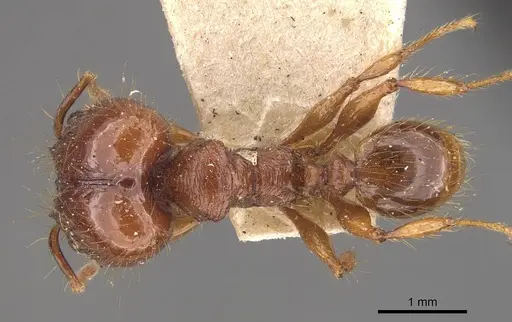
CASENT0908179
View on AntWeb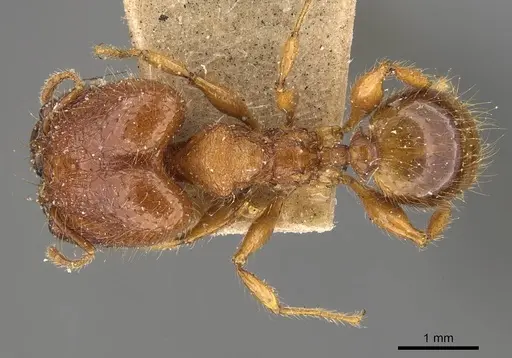
CASENT0908180
View on AntWeb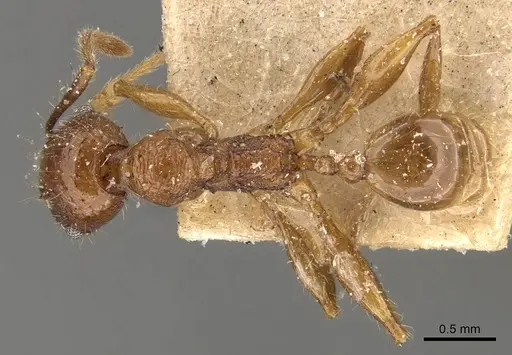
CASENT0908181
View on AntWeb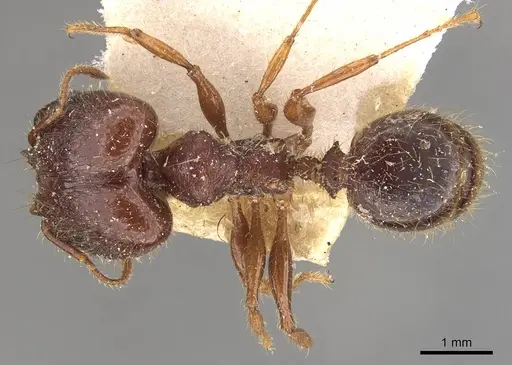
CASENT0908182
View on AntWeb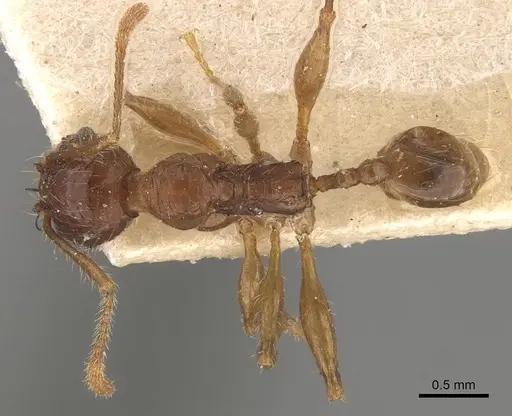
CASENT0913330
View on AntWeb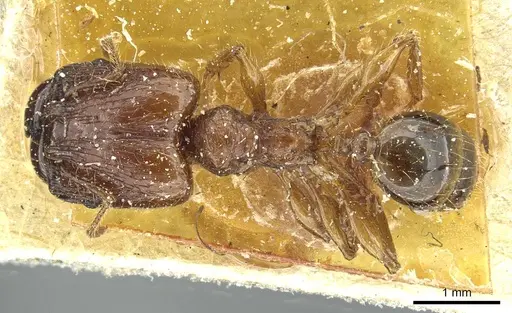
CASENT0913331
View on AntWeb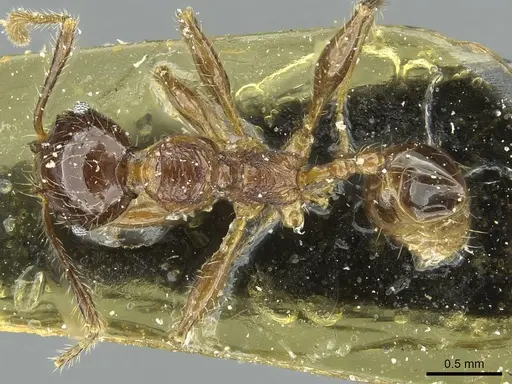
CASENT0913332
View on AntWeb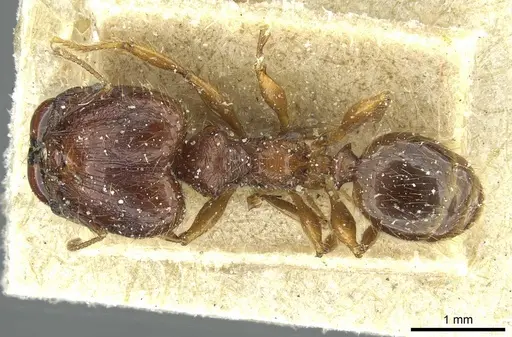
CASENT0913333
View on AntWeb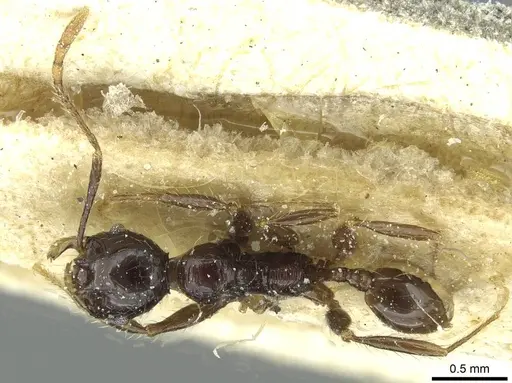
Literature
Loading...Loading products...