

Pheidole guilelmimuelleri
- Scientific Name
- Pheidole guilelmimuelleri
- Tribe
- Attini
- Subfamily
- Myrmicinae
- Author
- Forel, 1886
- Distribution
- Found in 1 countries
Pheidole guilelmimuelleri Overview
Pheidole guilelmimuelleri is an ant species of the genus Pheidole. It is primarily documented in 1 countries , including Brazil. Detailed taxonomic data and occurrence records can be further explored via authoritative databases such as AntWeb or the Global Biodiversity Information Facility (GBIF).
Pheidole guilelmimuelleri
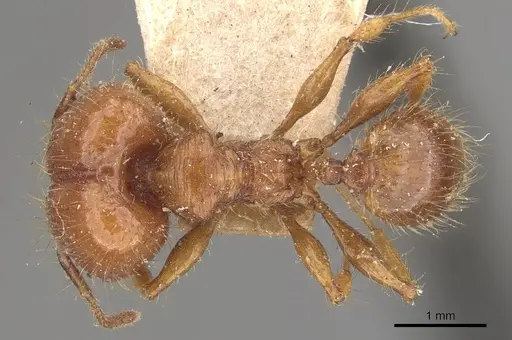
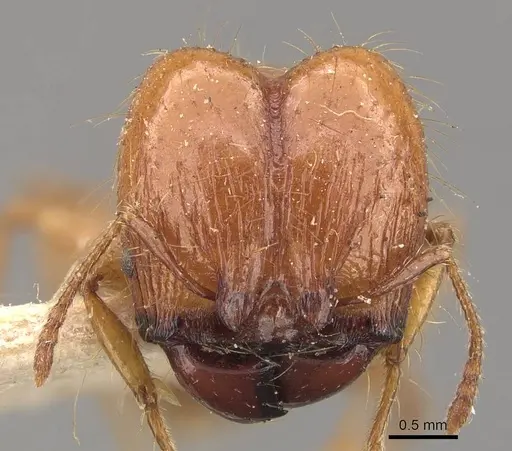
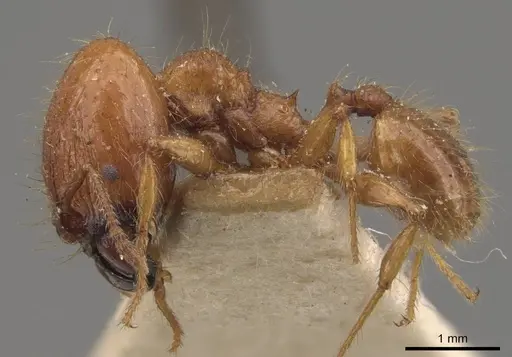
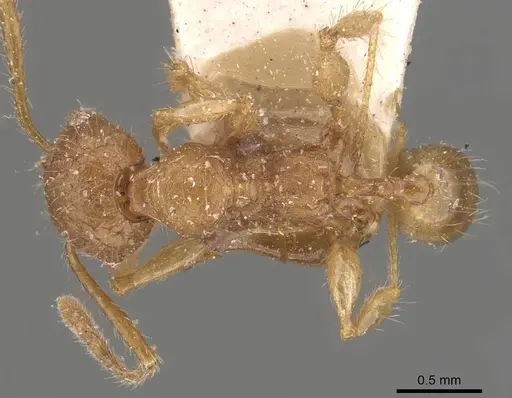
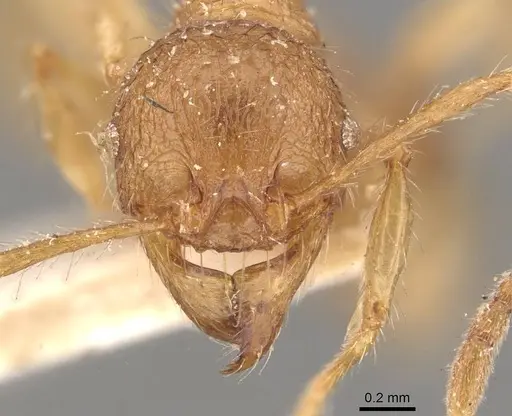
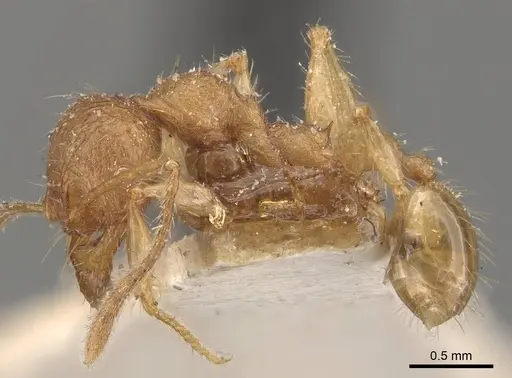
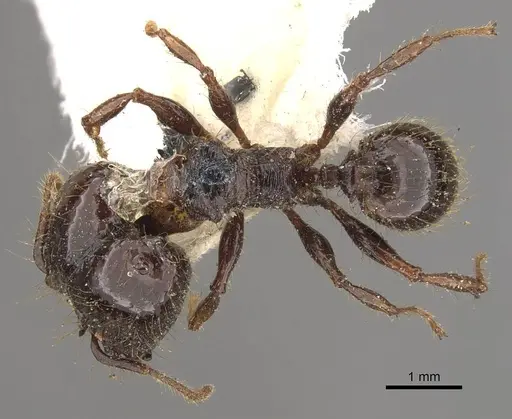
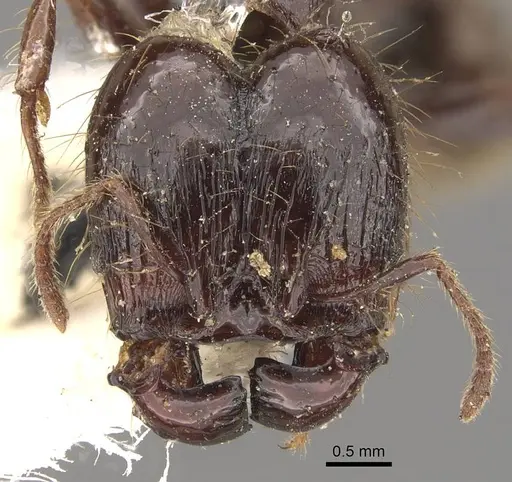
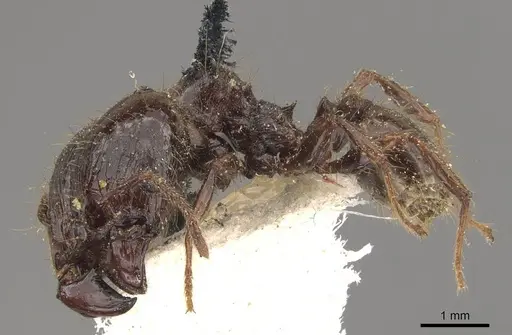
Pheidole guilelmimuelleri is a large reddish-brown ant species native to the Neotropical region of South America, found in Brazil, Argentina, and Colombia. Like all Pheidole species, they have two worker castes: large major workers with notably enlarged heads for seed-crushing and defense, and smaller minor workers that handle most foraging and brood care. Majors measure around 2.10mm head width while minors are much smaller at about 0.82mm. The species was originally described by Forel in 1886 and was elevated to full species status by Wilson in 2003. This ant inhabits the warm, humid environments of southern Brazil and surrounding regions, where it nests in soil or under stones in grassland and forest-edge habitats.
Quick Summary
- Difficulty: Medium
- Origin & Habitat: Neotropical region, southern Brazil (Santa Catarina), Argentina (Misiones), and Colombia (Antioquia). Found in Cerrado habitat and grassland areas at elevations around 980m. Prefers warm, humid conditions typical of subtropical South America [1][2][3].
- Colony Type: Likely monogyne (single queen colonies) based on typical Pheidole patterns. Colonies produce distinct major and minor worker castes. Maximum colony size is unknown but related species typically reach several hundred to a few thousand workers.
- Colony: Monogyne
- Founding: Claustral
- Size & Growth:
- Queen: Approximately 6-8mm (estimated from related large Pheidole species)
- Worker: Major workers: 2.10mm head width, Minor workers: 0.82mm head width
- Colony: Unknown for this species, related large Pheidole species typically reach 500-3000 workers
- Growth: Moderate, based on typical Pheidole development patterns
- Development: Estimated 6-8 weeks at optimal tropical temperatures (25-28°C) based on genus-level data for related species (Development time is inferred from typical Pheidole patterns since no species-specific data exists)
- Antkeeping:
- Temperature: Keep at 24-28°C. This is a Neotropical species that prefers warm conditions. A heating cable on one side of the nest creates a temperature gradient allowing workers to regulate their own exposure. Room temperature may be sufficient if your home stays in the low-to-mid 20s°C.
- Humidity: Moderate to high humidity (60-80%). Keep the nest substrate consistently moist but not waterlogged. Mist occasionally and provide a water tube. The humid conditions reflect their native subtropical habitat.
- Diapause: Unlikely, as a Neotropical species from southern Brazil, they likely remain active year-round without true hibernation. However, they may show reduced activity during cooler winter months if room temperatures drop.
- Nesting: Use a test tube setup for founding colonies. Once established, a Y-tong (AAC) or plaster nest works well. The nest should have chambers scaled to their size with moderate humidity retention. Naturalistic setups with soil and flat stones also work.
- Behavior: Pheidole guilelmimuelleri is a dimorphic species with major and minor workers. Majors use their enlarged heads to crack seeds and defend the colony, while minors handle most foraging and brood care. They are likely generalist foragers, collecting seeds and small insects like other Pheidole species. Escape risk is moderate, minors are small (under 1mm) so fine mesh barriers are recommended. Majors are larger but less numerous. They are not particularly aggressive toward keepers but will defend their nest if threatened.
- Common Issues: slow colony growth can frustrate beginners, Pheidole often take months to establish first workers, tiny minor workers can escape through standard test tube cotton, use fine mesh barriers, limited biological data means care is based on genus inference rather than species-specific research, wild-caught colonies may contain parasites that can devastate captive populations, overheating is a risk, keep nest temperatures below 30°C
Housing and Nest Setup
For founding colonies, a standard test tube setup works well. Fill a test tube with water, plug the end with cotton, and place the queen in the tube. The queen will seal herself in a chamber (claustral founding) and survive on her stored fat reserves while raising the first workers. Once you have 20-30 workers, you can move them to a proper nest. Y-tong (AAC) nests work excellently for Pheidole, they hold humidity well and allow you to observe the colony. Plaster nests are another good option. Foraging areas should be simple and easy to clean. Because minor workers are very small (under 1mm), ensure all connections and barriers use fine mesh or tight-fitting lids to prevent escapes. [1]
Feeding and Diet
Pheidole species are generalist foragers that collect both seeds and small insects. Feed your colony a mix of protein and carbohydrates. Protein sources include small insects like fruit flies, pinhead crickets, and mealworms. Carbohydrates come from sugar water, honey, or ripe fruits. Major workers can crack larger seeds, so you might offer tiny seed pieces or bird seed. Feed protein 2-3 times per week, removing any uneaten prey within 24 hours. Keep a constant supply of sugar water or honey available. Fresh water should always be accessible.
Temperature and Seasonal Care
As a Neotropical species from southern Brazil and Argentina, Pheidole guilelmimuelleri prefers warm conditions. Keep the nest area at 24-28°C. A heating cable on one side of the nest creates a gradient so workers can move between warmer and cooler areas as needed. Place the heating on top of the nest, not underneath, to avoid evaporating moisture too quickly. Since this species comes from a region without harsh winters, they likely do not require a true diapause period. However, if your room temperature drops significantly in winter, you may see reduced activity, this is normal and they should resume normal activity when warmed. Avoid temperatures above 30°C or below 18°C for extended periods.
Colony Development and Growth
Pheidole colonies grow through the production of distinct worker castes. The queen lays eggs, which develop into larvae and then workers. The first workers (nanitics) are typically smaller than normal workers and emerge within 6-8 weeks under optimal conditions. Once nanitics arrive, the colony enters a growth phase where the queen focuses on egg production while workers take over all foraging and brood care. Major workers develop later, when the colony has grown large enough to support the energy cost of producing these larger individuals. Growth rate is moderate, expect the first year to focus on establishing a stable worker force of 50-100 workers. Larger colonies with majors may take 1-2 years to develop.
Understanding Major and Minor Workers
One of the most interesting aspects of keeping Pheidole is observing the two worker castes. Minor workers (0.82mm) are small, numerous, and handle most day-to-day tasks: foraging for food, caring for brood, and maintaining the nest. Major workers (2.10mm head width) have dramatically enlarged heads with powerful mandibles designed for cracking seeds and defense. You won't see majors until the colony is well-established, as the queen only produces them when the colony can support the additional resource investment. Majors often stand guard at the nest entrance or help process larger food items. Watching the interaction between castes is one of the joys of keeping this genus.
Frequently Asked Questions
How long does it take for Pheidole guilelmimuelleri to produce first workers?
Expect 6-8 weeks from egg to first worker at optimal temperatures (25-28°C). This is an estimate based on typical Pheidole development patterns since no species-specific data exists for this species.
What do I feed Pheidole guilelmimuelleri?
Feed a varied diet of protein and carbohydrates. Offer small insects like fruit flies or pinhead crickets 2-3 times per week, and keep a constant supply of sugar water or honey. They will also accept tiny seeds or seed pieces that majors can crack open.
What temperature do they need?
Keep them at 24-28°C. This is a Neotropical species that prefers warm conditions. A heating cable on one side of the nest creates a gradient. Avoid temperatures below 18°C or above 30°C.
Are Pheidole guilelmimuelleri good for beginners?
This species is rated Medium difficulty. While Pheidole are generally hardy, this specific species has limited documented care information. Beginners should be prepared for slower growth and may want to start with more common species that have established care guides.
When will my colony produce major workers?
Majors typically appear once the colony reaches several dozen to a hundred workers. The queen produces majors when the colony can support the energy cost, this usually takes 1-2 years under good conditions.
Do they need hibernation or diapause?
No, as a Neotropical species from southern Brazil, they likely do not require a true hibernation period. They may show reduced activity in cooler temperatures but should remain active year-round if kept warm.
How big do colonies get?
Maximum colony size is unknown for this specific species. Related large Pheidole species typically reach 500-3000 workers. Expect 1-2 years to reach 100 workers, with larger colonies developing over several years.
Can I keep multiple queens together?
Pheidole are typically single-queen (monogyne) colonies. Combining unrelated queens is not recommended and likely results in fighting. Only one queen should be kept per colony.
Why are my ants escaping?
Minor workers are very small (under 1mm) and can squeeze through standard barriers. Use fine mesh (0.5mm or smaller) on all openings, ensure lids fit tightly, and apply Fluon or similar barrier gel to the edges of any connections.
References

This caresheet is licensed under CC BY-SA 4.0 .
Literature
Loading...Loading products...