

Pheidole gigas
- Scientific Name
- Pheidole gigas
- Tribe
- Attini
- Subfamily
- Myrmicinae
- Author
- Wilson, 2003
- Distribution
- Found in 2 countries
Pheidole gigas Overview
Pheidole gigas is an ant species of the genus Pheidole. It is primarily documented in 2 countries , including Brazil, French Guiana. Detailed taxonomic data and occurrence records can be further explored via authoritative databases such as AntWeb or the Global Biodiversity Information Facility (GBIF).
Pheidole gigas
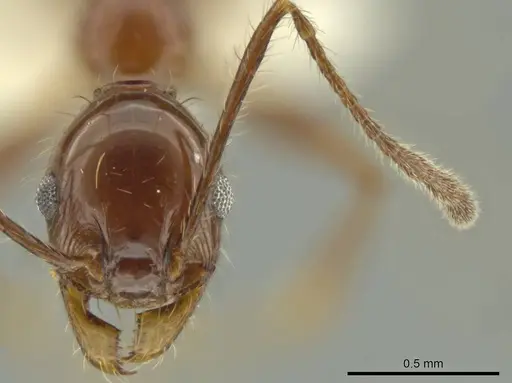
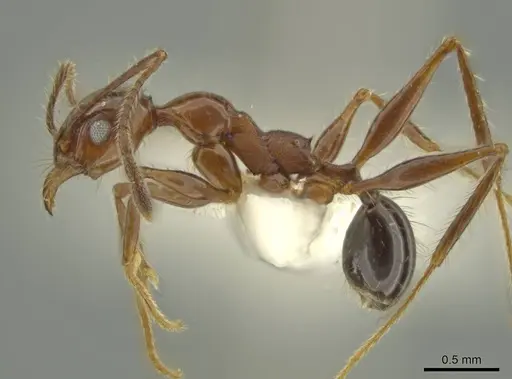
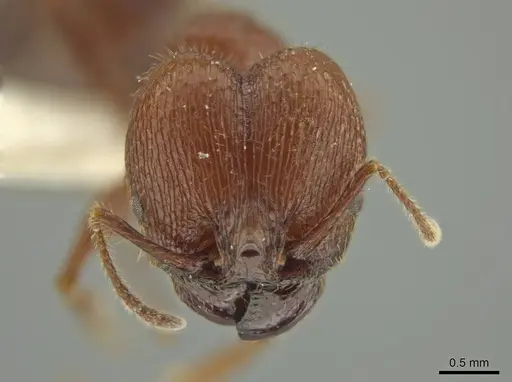
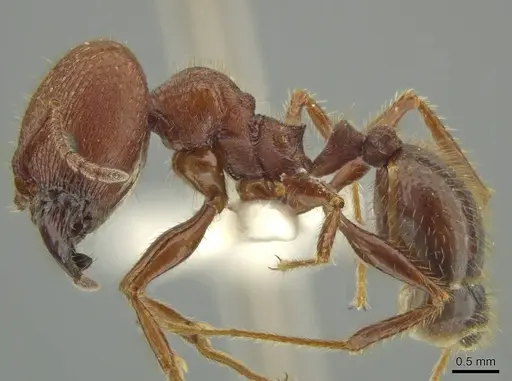
Pheidole gigas is a large ant species native to South America, specifically Brazil and French Guiana. The name 'gigas' means giant, and these ants live up to their name, major workers have a head width of 2.00mm, making them substantially larger than many common Pheidole species. They belong to the fallax group and are closely related to Pheidole obscurithorax and other large Pheidole species. The major workers have a robust body with heavily sculptured heads, while minor workers are more slender with reduced propodeal spines. Their coloration ranges from medium to dark reddish brown, with the gaster typically darker than the rest of the body. In the wild, they nest in tropical savanna (cerrado) environments and have been found with seed caches in their nests, indicating they collect and store seeds like many Pheidole species[1].
Quick Summary
- Difficulty: Medium
- Origin & Habitat: Native to Brazil (Goiás, Amazonas) and French Guiana. Found in cerrado (tropical savanna) and transition forests in the Amazonian region. The type colony was collected in Brazilian cerrado, and they have been recorded in both pristine rainforest areas and post-fire environments[2][3].
- Colony Type: Colony structure is unconfirmed for this specific species. Pheidole genus typically forms single-queen colonies (monogyne), but multi-queen colonies have been documented in some Pheidole species. Further research is needed to confirm P. gigas colony structure.
- Founding: Claustral
- Size & Growth:
- Queen: Undescribed in original description, estimated based on large major workers (2.00mm head width) to be 12-16mm, similar to other large Pheidole species
- Worker: Major: 2.00mm head width (HW), Minor: 0.60mm HW
- Colony: Unknown for this species, related large Pheidole species typically reach several thousand workers
- Growth: Moderate, based on typical Pheidole development patterns
- Development: Estimated 6-8 weeks at optimal tropical temperatures (25-28°C), based on typical Pheidole genus development (Development time is estimated from related large Pheidole species. Temperature-dependent, warmer conditions accelerate development.)
- Antkeeping:
- Temperature: Keep at 24-28°C. As a tropical species from Brazil, they prefer warm conditions. A heating cable on one side of the nest can create a gentle gradient. Avoid temperatures below 20°C for extended periods.
- Humidity: Moderate to high humidity (60-80%). Keep the nest substrate moist but not waterlogged. As litter-dwelling ants from tropical forests, they benefit from a damp substrate that doesn't dry out completely. Provide a water tube for drinking access.
- Diapause: No, as a tropical species from Brazil, they do not require hibernation. Maintain consistent warm temperatures year-round. Some reduction in activity during cooler months may occur naturally.
- Nesting: Y-tong (AAC) nests or plaster nests work well for this medium-large species. The nest should have chambers scaled to their size, major workers are substantial at 2mm head width. Naturalistic setups with soil and leaf litter also suit their litter-dwelling nature. Keep nest moderately humid.
- Behavior: These ants are generally non-aggressive and focused on foraging. Major workers serve as soldiers, defending the colony and helping process larger food items. They are primarily granivorous and seed-collectors, but also consume protein sources like small insects. Minor workers handle most foraging and brood care. They are not known to be particularly defensive or aggressive toward keepers. Escape risk is moderate, major workers are large enough to be contained with standard barriers, but minors at 0.6mm can squeeze through smaller gaps. Use fluon on tube rims and ensure any connections are secure.
- Common Issues: colonies may fail if kept too cool, maintain warm temperatures consistently, seed caches in wild nests suggest granivorous diet, ensure seeds or grain are available alongside protein, small minor workers (0.6mm) can escape through fine gaps, check all connections and use appropriate barriers, tropical humidity needs mean dry conditions can cause colony decline, monitor substrate moisture, limited distribution data means exact care requirements are estimated, observe colony behavior and adjust accordingly
Housing and Nest Setup
Pheidole gigas is a medium-large ant that does well in Y-tong (AAC) nests or plaster formicariums. The major workers reach 2mm head width, so chambers should be appropriately sized, not too cramped but with passages narrow enough that minors can feel secure. A naturalistic setup with a soil layer and leaf litter also works well, matching their natural litter-dwelling habitat. Keep the nest moderately humid, these ants come from tropical environments where humidity stays consistent. A water tube should be provided for drinking access, as they will drink from droplets. For the outworld, a simple foraging area with a sugar water station and protein feeding area works well. Escape prevention should focus on the minor workers (0.6mm) which are small enough to slip through tight gaps, use fluon on tube rims and check all connections[1].
Feeding and Diet
In the wild, Pheidole gigas has been found with seed caches in their nests, confirming they are granivorous like many Pheidole species. They collect and store seeds as a food source. However, they also need protein from insect sources. Feed a mix of small seeds (millet, grass seeds) or grain as a staple, supplemented with small insects like fruit flies, small mealworms, or cricket pieces. Sugar water or honey can be offered as an energy source, though granivorous ants may not prioritize sweets. Feed seeds continuously available and protein 2-3 times per week. Remove uneaten seeds before they mold. The major workers will help process larger food items with their powerful mandibles.
Temperature and Humidity
As a tropical species from Brazil, Pheidole gigas needs warm conditions. Keep the nest area at 24-28°C. A heating cable placed on one side of the nest creates a gentle temperature gradient that allows the colony to self-regulate. Avoid temperatures below 20°C for extended periods, this species is not cold-tolerant. Humidity should be moderate to high (60-80%). Keep the substrate consistently moist but not waterlogged. These ants are found in litter-dwelling environments in tropical forests, so they expect damp conditions. A water tube provides drinking access. Monitor moisture levels and rehydrate when the substrate surface begins drying, don't follow a rigid schedule, instead respond to conditions [2][3].
Colony Development
The founding queen will seal herself in a claustral chamber and raise the first brood alone, living off her stored fat reserves. This is typical for Pheidole species. Expect the first workers (nanitics) to emerge in around 6-8 weeks at optimal temperatures (25-28°C). Initial workers will be smaller than normal majors, this is normal as the queen invests limited resources in the first brood. Once workers emerge, the colony grows progressively as the queen continues laying eggs. Major workers develop later in the colony cycle, typically appearing when the colony reaches several hundred workers. Growth rate is moderate, these are not fast-growing like some tropical ants, but steady with proper feeding. A well-established colony can reach several thousand workers over several years.
Behavior and Temperament
Pheidole gigas is a relatively calm species compared to some ants. The major workers serve as soldiers, they have large heads and powerful mandibles for defending the colony and processing large food items like seeds. Minor workers handle most daily tasks: foraging, brood care, nest maintenance. They are not particularly aggressive or prone to stinging, making them manageable for keepers. The species shows typical Pheidole foraging patterns, workers search for seeds and small insects, storing what they find. They are primarily active during warmer parts of the day. Major workers may respond to disturbances but generally won't attack aggressively. Watch for the minor workers (0.6mm) when assessing escape risk, they are small enough to exploit gaps that majors cannot fit through. [1]
Frequently Asked Questions
How long does it take for Pheidole gigas to get first workers?
Expect first workers in 6-8 weeks at optimal temperatures (25-28°C). This is estimated from typical Pheidole genus development patterns, as specific development data for P. gigas is not available. The first workers will be smaller (nanitics) and the colony will grow progressively from there.
What do Pheidole gigas eat?
They are granivorous with a seed cache in their nests confirmed in the wild. Feed small seeds (millet, grass seeds) as a staple, plus small insects for protein. They may accept sugar water or honey but seeds are their primary food source. Remove uneaten seeds before they mold.
Do Pheidole gigas need hibernation?
No, as a tropical species from Brazil, they do not require hibernation. Keep them warm year-round at 24-28°C. Some reduction in activity may occur during cooler months but they don't enter true diapause.
Are Pheidole gigas good for beginners?
They are medium difficulty, more challenging than simple species but not as demanding as some. Their tropical temperature needs and granivorous diet require attention, but they are generally calm and manageable. The main challenges are maintaining warm, humid conditions and providing appropriate seed-based nutrition.
How big do Pheidole gigas colonies get?
Colony size is not specifically documented but related large Pheidole species reach several thousand workers. Expect 1-3 years to reach several hundred workers with proper care.
What temperature is best for Pheidole gigas?
Keep nest at 24-28°C. They are tropical ants from Brazil and need warm conditions. A heating cable on one side of the nest creates a gradient. Avoid temperatures below 20°C.
Can I keep multiple Pheidole gigas queens together?
Pheidole gigas colony structure is unconfirmed. Pheidole genus is typically single-queen (monogyne). Combining unrelated foundress queens is not recommended as it hasn't been documented for this species and could result in fighting.
When should I move Pheidole gigas to a formicarium?
Keep them in a test tube setup for the founding stage. Once the colony reaches 50+ workers and you see consistent activity, you can move them to a Y-tong or plaster nest. Ensure the new setup maintains similar humidity levels to avoid stress.
Why are my Pheidole gigas dying?
Common causes: temperatures below 20°C, dry substrate, or lack of appropriate food. Check that warmth is consistent (24-28°C), substrate stays moist, and seeds are available. Also verify there are no escape gaps that minors could slip through.
References

This caresheet is licensed under CC BY-SA 4.0 .
CASENT0644207
View on AntWeb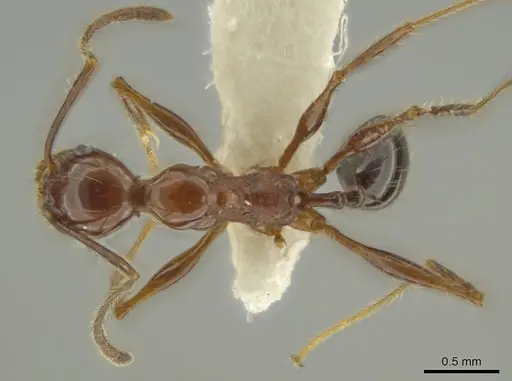
JTLC000016388
View on AntWeb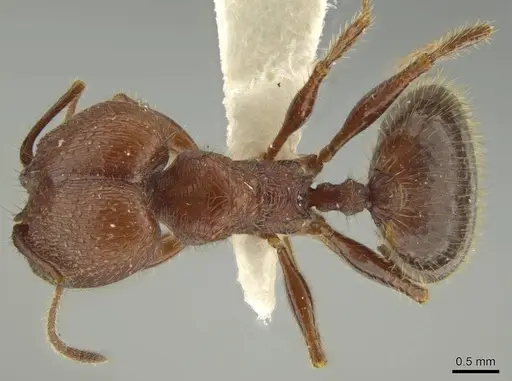
Literature
Loading...Loading products...