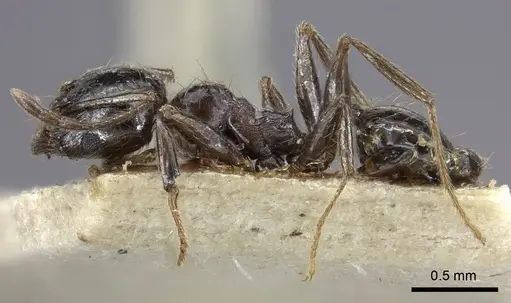
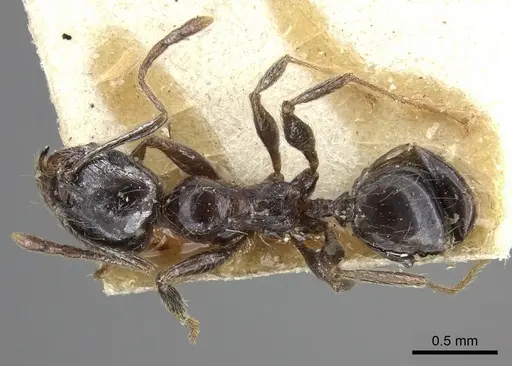
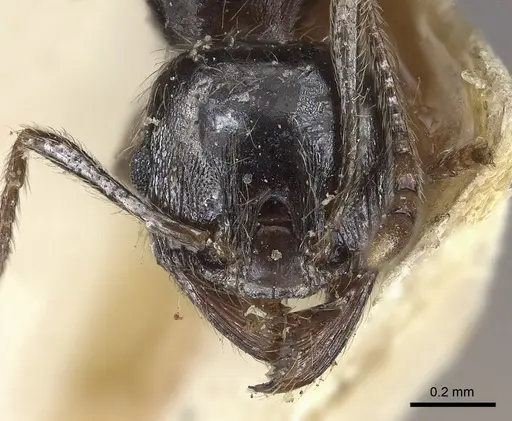
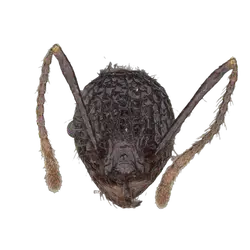
Pheidole sculpturata - "Sculptured Big-Headed Ant"
Pheidole sculpturata is a fascinating ant species known for its distinct dimorphism, featuring both small minor workers and larger, more heavily sculptured major workers, often called 'soldiers'. As a member of the diverse Pheidole genus, these ants exhibit the classic 'big-headed' appearance in their majors. The minor workers of P. sculpturata are noted for being larger than some other Pheidole minors, with conspicuous erect hairs on their antennae and legs. They are efficient foragers and can adapt to various food sources, making them intriguing subjects for observation.
- Difficulty: Medium
- Origin & Habitat: Africa (Democratic Republic of Congo, Guinea, Ivory Coast, Kenya, Namibia, South Africa, United Arab Emirates), and parts of the Middle East (Iran, Oman, Saudi Arabia). in These ants thrive in warm, often humid environments, including grasslands, savannahs, and woodlands. They are thermophilic, meaning they are adapted to live at higher temperatures..
- Colony Type: Monogyne (single queen) or Polygyne (multiple queens). While some Pheidole species are functionally monogynous even with multiple queens, P. sculpturata may exhibit either single or multiple queen colonies, depending on the specific lineage or environmental factors., claustral (the queen seals herself in a chamber and raises her first brood without needing to forage for food). founding.
- Size & Growth:
- Queen: Not specified
- Worker: Not specified
- Colony: Large (tens of thousands). Fully developed colonies can reach several thousand workers, and given optimal conditions, some Pheidole species can rapidly expand into colonies numbering in the tens of thousands.. Fast (Colonies can grow extremely fast, especially when provided with adequate heating and a consistent food supply, potentially reaching thousands of workers within a few months). growth.
- Antkeeping:
- Temperature: Pheidole sculpturata thrives in warm conditions, with an ideal temperature range of 24-30°C. Maintaining a slight temperature gradient within the nest can be beneficial, allowing the ants to choose their preferred thermal zone for different activities like brood development. While they can tolerate room temperature, providing a heat mat or cable can accelerate their metabolism and encourage faster colony growth..
- Humidity: This species prefers high humidity levels within their nest, ideally ranging from 60% to 80%. Consistent moisture is crucial for the healthy development of their brood. It's important to prevent the nest from drying out too quickly, which might require adjusting the setup or adding moisture-retaining substrates to maintain optimal conditions..
- Diapause: Required. 2-4 months at 10-15°C.
- Nesting: Pheidole sculpturata naturally nests in soil, leaf-litter, rotten wood, or around plant roots. In captivity, they adapt well to various artificial nests such as acrylic, glass, or plastic formicaria that allow for proper hydration and ventilation. Nests with a good hydration system are key to preventing the nest from drying out too quickly, which is a common issue with fast-growing Pheidole species..
- Behavior: Medium (They actively defend their nest and food sources, and can be aggressive towards other ant species or perceived threats. While not typically aggressive towards handlers without provocation, caution is advised). aggressiveness.
- Common Issues: Mold in nest (especially from uneaten seeds or food waste), Colony stalling (due to insufficient heating or protein), Humidity fluctuations (leading to stress or brood loss), Escape artists (requiring robust escape prevention).
One of the most captivating aspects of Pheidole sculpturata, like many members of the Pheidole genus, is their pronounced dimorphism. Their colonies feature two distinct worker castes: the smaller, agile minors responsible for most foraging and general colony tasks, and the larger, heavily sculptured majors (or soldiers). These majors possess exceptionally robust heads and mandibles, which they primarily use for crushing hard-shelled prey and processing seeds, breaking them down into digestible pieces for the rest of the colony. Observing this specialized division of labor is a truly rewarding experience for any ant keeper.
When it comes to feeding your Pheidole sculpturata colony, remember they are generalized foragers and omnivores in the wild, adapting to a diverse diet. A balanced diet is crucial for their rapid growth; this includes a steady supply of protein for the queen and developing brood, along with carbohydrates (sugars) for the energetic workers. Offer freshly killed insects like mealworms, crickets, or fruit flies for protein, and provide sugar water or honey water as a carbohydrate source. While some Pheidole species are known to harvest seeds, use them sparingly in artificial setups, as they can germinate if left uneaten and cause mold issues within the nest.
Pheidole sculpturata are notorious escape artists due to their small size and incredible agility, particularly the minor workers. Ensuring your setup is escape-proof is paramount to preventing unwanted breakouts. Talcum powder barriers, fluon, or tightly sealed lids are highly recommended. These ants can quickly find the tiniest gaps, and once out, they are challenging to recapture. Given their rapid colony growth, a breach can quickly lead to a significant number of ants roaming your home, so invest in robust escape prevention from day one.
Maintaining stable temperature and humidity levels is vital for the health and rapid development of your Pheidole sculpturata colony. As a thermophilic species, they thrive in warmer conditions, and a consistent warm spot in their formicarium will significantly boost brood development. High humidity within the nest is equally important, particularly for the delicate brood. Regular monitoring of moisture levels and ensuring your nest design can retain humidity effectively will prevent common issues like colony stalling or excessive worker mortality due to dry conditions.
Beyond their captivating appearance and behavior, Pheidole sculpturata, like other Pheidole species, play a significant ecological role in their natural habitats. They contribute to nutrient cycling through their predatory activities, often preying on various arthropods and scavenging dead insects. This generalist foraging behavior makes them resilient in diverse environments. Understanding their natural tendencies helps in providing optimal care in captivity, mimicking the conditions that allow these diligent ants to flourish.
Frequently Asked Questions
What do Pheidole sculpturata typically eat in an antkeeping setup?
Pheidole sculpturata are quite versatile eaters! For their rapid colony growth, they need a good mix of protein and carbohydrates. Think freshly killed insects like mealworms, crickets, or fruit flies for protein, and liquid sugars such as honey water or specialized ant nectar for carbohydrates. If you offer seeds, make sure they are consumed quickly to prevent mold.
How fast can a Pheidole sculpturata colony grow?
These ants are known for their incredibly fast growth rate! With consistent heating and a steady supply of food, a healthy Pheidole sculpturata colony can expand rapidly, potentially reaching thousands of workers within just a few months. It's truly amazing to watch them expand their ranks so quickly.
Do Pheidole sculpturata require diapause or hibernation?
Yes, Pheidole sculpturata generally benefit from a period of diapause, especially if they originate from temperate or subtropical regions within their wide range. A cool period of 2-4 months at around 10-15°C from late autumn to early spring helps the queen rest and contributes to the long-term health and vitality of the colony. However, tropical lineages might not strictly require it, but it's often recommended for overall well-being.
What kind of nest is best suited for Pheidole sculpturata colonies?
For Pheidole sculpturata, nests that allow for good humidity retention and offer some form of a heat gradient are ideal. Acrylic, glass, or plastic formicaria with a dependable hydration system work well. Given their preference for higher humidity, consider setups with porous materials like ytong or regularly moistened plaster/sand layers. Always prioritize a micro-species secure design to prevent escapes.
Are Pheidole sculpturata known for being escape artists?
Absolutely! Like many Pheidole species, P. sculpturata minors are incredibly small and agile, making them excellent escape artists. You'll need very robust escape prevention measures, such as fluon barriers on outworld walls, tightly sealed lids, or secure mesh. They are adept at finding even the tiniest gaps, so double-check your setup regularly!
What's the difference between minor and major workers in Pheidole sculpturata?
Pheidole sculpturata colonies feature a distinct dimorphism. Minor workers are smaller, more numerous, and highly active, handling most of the foraging, nursing, and general nest maintenance. Major workers, often called 'soldiers,' are much larger with disproportionately big, heavily sculptured heads and powerful mandibles, specialized for defense and processing harder foods like seeds.
How much humidity should I maintain for my Pheidole sculpturata colony?
Pheidole sculpturata thrive in higher humidity, preferring levels between 60% and 80% within their nest. Consistent moisture is vital for their brood development. You may need to mist your setup regularly or choose a nest type that inherently holds humidity well to keep these humidity-loving ants comfortable and healthy.
What are some common challenges or issues when keeping Pheidole sculpturata?
The most common challenges include preventing escapes due to their small size and agility, managing mold growth from uneaten food or excessive moisture, and ensuring consistent high humidity. Colonies can also stall in growth if they don't receive enough heat or protein, so careful attention to their environmental needs and diet is essential.
Can Pheidole sculpturata sting or bite?
While Pheidole sculpturata soldiers can deliver a noticeable bite with their strong mandibles, some Pheidole species are also known to sting, though it's typically mild and defensive. It's always wise to exercise caution when handling the outworld and avoid directly provoking the colony. Their primary defense is often their strong bite and aggressive recruitment.
Why are some Pheidole species, including P. sculpturata, called 'Big-Headed Ants'?
The common name 'Big-Headed Ants' comes from the disproportionately large heads of their major workers. These majors have powerful mandibles and specialized musculature in their large heads, which are adapted for crushing seeds and dismembering prey, giving them their characteristic appearance and earning them this fitting nickname.