

Pheidole adrianoi
- Scientific Name
- Pheidole adrianoi
- Tribe
- Attini
- Subfamily
- Myrmicinae
- Author
- Naves, 1985
- Common Name
- Florida Rosemary Big-headed Ant
- Distribution
- Found in 1 countries
Pheidole adrianoi Overview
Pheidole adrianoi (commonly known as the Florida Rosemary Big-headed Ant) is an ant species of the genus Pheidole. It is primarily documented in 1 countries , including United States of America. Detailed taxonomic data and occurrence records can be further explored via authoritative databases such as AntWeb or the Global Biodiversity Information Facility (GBIF).
Pheidole adrianoi - "Florida Rosemary Big-headed Ant"
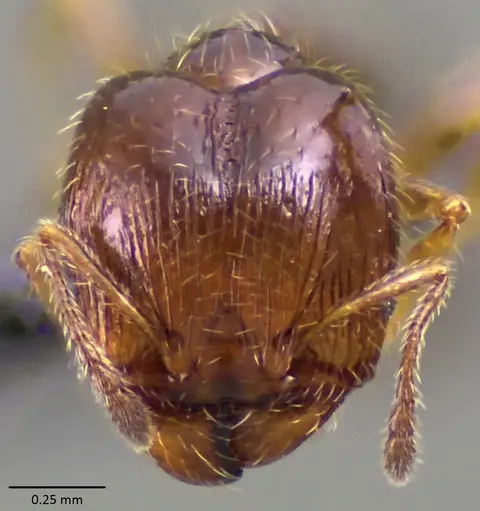
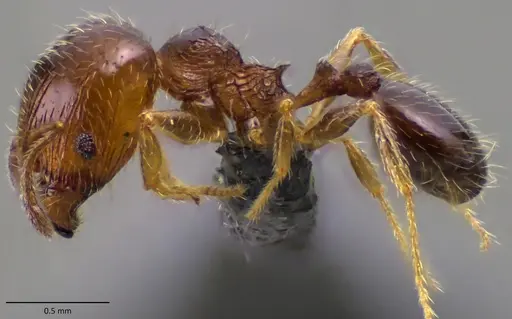
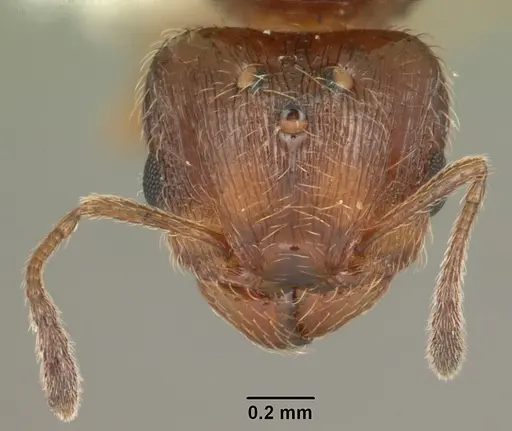
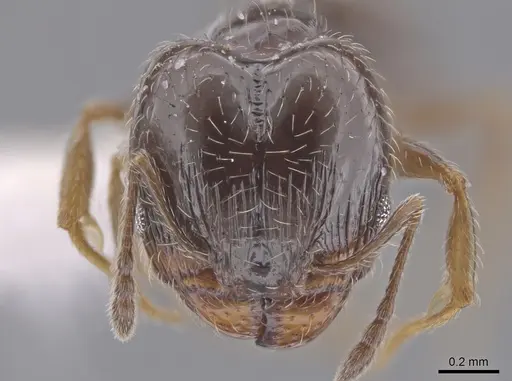
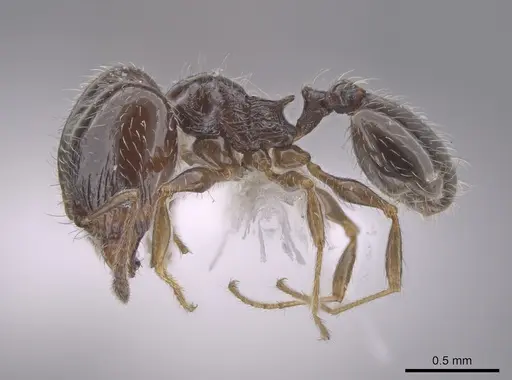
Pheidole adrianoi is a small brown ant native to the southeastern United States, specifically central and northern Florida west to the Florida panhandle. Workers come in two sizes: minors at just 0.38mm head width and majors at 0.86mm, making them one of the smaller Pheidole species. The majors have distinctive long, thick, blunt-tipped propodeal spines and a diamond-shaped postpetiolar node. This species belongs to the pilifera group and is closely related to P. metallescens and P. davisi. Colonies contain roughly 60 major workers and over 300 minor workers, with both castes actively participating in foraging. They are strictly diurnal, hunting and gathering during daylight hours only. The species is known for its seed-based diet, making it an important seed-dispersing ant in its native ecosystem[1].
What makes P. adrianoi particularly interesting is its specialized nesting habitat. This species is tightly associated with sandy soil environments in pine-oak forests, particularly white-sand gaps and clearings. Nests are built 30-40cm deep underground with a distinctive crater entrance made of excavated soil. The main chamber sits at the end of a vertical tunnel just 1-2mm in diameter. This specific habitat requirement makes them a rewarding species for keepers who can replicate their natural sandy forest floor conditions[2].
Quick Summary
- Difficulty: Medium
- Origin & Habitat: Central and northern Florida, west to Okaloosa County in the Florida panhandle. Found in sandy soil within clear areas of pine-oak forest, particularly white-sand gaps and sandhill habitats[2].
- Colony Type: Single-queen colonies (monogyne). Mature colonies contain approximately 60 major workers and over 300 minor workers, totaling around 360+ workers.
- Colony: Monogyne
- Founding: Claustral
- Size & Growth:
- Queen: Not directly measured, estimated 5-7mm based on related Pheidole species
- Worker: Minors: 0.38mm HW,0.42mm HL. Majors: 0.86mm HW,0.92mm HL
- Colony: Approximately 360 workers (60 majors + 300+ minors)
- Growth: Moderate, typical for Pheidole species
- Development: Estimated 6-8 weeks at optimal temperature based on genus-level data for Pheidole (Development time is inferred from related Pheidole species, actual timing may vary based on temperature and conditions)
- Antkeeping:
- Temperature: Keep at 24-28°C. This range matches their warm Florida habitat. A gentle gradient allowing workers to self-regulate is ideal [1].
- Humidity: Moderate humidity of 50-70%. The deep nest location (30-40cm) suggests they prefer stable, moderately moist conditions. Allow the substrate to dry slightly between water additions [1].
- Diapause: Yes, this species experiences seasonal changes in Florida. Reduce temperature to 15-18°C for 2-3 months during winter, mimicking their natural dormancy period [1].
- Nesting: Naturalistic setup with deep sandy substrate (at least 10-15cm) works best. A Y-tong or plaster nest with a large outworld allows for their foraging behavior. The nest should have chambers deep enough to accommodate their preference for underground space. Provide sand or sandy soil as nesting material to match their natural habitat[2].
- Behavior: Pheidole adrianoi is a diurnal species, workers only forage during daylight hours. Both minor and major workers participate in food retrieval, with majors specifically handling larger seeds and prey. They are not particularly aggressive but will defend their nest if threatened. Escape risk is moderate, while workers are small, they are not as tiny as some other Pheidole species. Standard escape prevention measures work well. The presence of major workers makes them visually interesting, as you can observe the size polymorphism clearly[1].
- Common Issues: deep nesting requirement means shallow nests can stress colonies, provide at least 10-15cm depth, diurnal-only foraging means they ignore food offered at night, time feedings accordingly, seed-based diet requires variety, don't rely solely on protein, offer seeds/grains, winter dormancy is required, skipping diapause can weaken colonies over time, small colony size at maturity means slow population growth, don't expect rapid expansion
Nest Preferences and Setup
In the wild, Pheidole adrianoi builds nests 30-40cm deep in sandy soil, with a vertical tunnel just 1-2mm wide leading to a main chamber. The entrance is surrounded by a distinctive crater of excavated soil. For captive care, you'll want to replicate these conditions as closely as possible. A naturalistic setup with deep sandy substrate (at least 10-15cm) works best. You can use a formicarium with a sand-filled chamber or a Y-tong nest connected to a large outworld for foraging.
The key is providing enough depth for the colony to feel secure. Shallow nests can cause stress and lead to abandonment. If using a test tube setup for founding, transfer to a deeper nest once the colony reaches 20-30 workers. The species prefers sandy, well-draining substrate, avoid compacted clay or overly wet conditions. A layer of sand over a water reservoir works well for maintaining appropriate moisture at depth[2].
Feeding and Diet
Pheidole adrianoi is primarily a seed-eating ant (granivorous), which is unusual among Florida ant species. In the wild, they collect seeds as their main food source and also scavenge small dead arthropods. For captive colonies, offer a varied diet that reflects this natural diet.
Seeds should form the foundation of their diet, millet, sesame, flax, and small bird seeds are all readily accepted. You can also offer small grains like rice or oats. In addition to seeds, provide protein sources like small crickets, mealworms, or other tiny insects. Dead insects are more readily accepted than live prey since they scavenge rather than hunt. Sugar water or honey can be offered occasionally but is not a primary food source for this species.
Because they are strictly diurnal, feed them during daylight hours when workers are active. Place food in the outworld in the morning or early afternoon. Remove any uneaten seeds after 2-3 days to prevent mold. A varied diet supports healthy colony growth and encourages major worker production[1].
Temperature and Seasonal Care
As a Florida species, Pheidole adrianoi prefers warm conditions. Keep the nest area at 24-28°C, which matches their native pine-oak forest habitat. A heating cable on one side of the nest can create a gentle gradient, allowing workers to self-regulate their temperature preference. Avoid temperatures above 32°C or below 20°C for extended periods.
This species requires a winter dormancy period (diapause). In their natural range, temperatures drop significantly during Florida winters, and the colony becomes less active. Reduce temperatures to 15-18°C for 2-3 months during winter, typically from late November through February. During this time, reduce feeding to once every 2-3 weeks, the colony will be less active and require less food. Do not skip diapause, as it is essential for the colony's long-term health and reproductive cycle [1].
Foraging Behavior and Colony Dynamics
One of the most interesting aspects of P. adrianoi is its strictly diurnal foraging pattern. Workers only venture out during daylight hours, unlike many ant species that forage around the clock. Both minor and major workers participate in food retrieval, with majors specifically handling larger seeds and carrying them back to the nest.
The colony structure shows clear division of labor. Minor workers handle most day-to-day tasks including brood care and general foraging. Major workers (soldiers) specialize in seed processing and nest defense. You can observe this polymorphism clearly in established colonies, the size difference between castes is dramatic.
Majors participate in food retrieval, making them visible in the outworld during foraging expeditions. This makes the species particularly engaging to watch. The foraging window is roughly 6-8 hours during daylight, so time your feedings accordingly[1].
Frequently Asked Questions
How long does it take for Pheidole adrianoi to produce first workers?
Expect first workers (nanitics) approximately 6-8 weeks after the queen lays eggs, at optimal temperature (24-28°C). This estimate is based on related Pheidole species, as specific development timing for P. adrianoi has not been documented. The first brood may be smaller than subsequent broods [1].
Can I keep Pheidole adrianoi in a test tube?
Test tubes work for the founding stage, but you'll need to transfer to a deeper setup once the colony reaches 20-30 workers. In the wild, they nest 30-40cm deep, so a shallow test tube can stress established colonies. A naturalistic setup with sandy substrate at least 10-15cm deep is ideal for long-term housing.
What do Pheidole adrianoi eat?
Their primary diet is seeds, offer millet, sesame, flax, or small bird seeds. They also accept small dead arthropods and insects. Sugar water or honey can be offered occasionally. Feed them during daylight hours since they are strictly diurnal foragers[1].
How big do Pheidole adrianoi colonies get?
Mature colonies reach approximately 360 workers, with about 60 major workers (soldiers) and 300+ minor workers. This is smaller than many Pheidole species, which can have colonies numbering in the thousands. The colony size is well-suited for antkeepers with limited space.
Do Pheidole adrianoi need hibernation?
Yes, they require a winter dormancy period. Reduce temperatures to 15-18°C for 2-3 months during winter (typically November-February). This mimics their natural seasonal cycle in Florida and is essential for colony health. Skipping diapause can weaken the colony and prevent proper reproductive cycling [1].
Are Pheidole adrianoi good for beginners?
They are moderate difficulty, not the easiest but not challenging either. Their specific habitat requirements (deep sandy nests) and diurnal foraging schedule require some attention. However, their small colony size and seed-based diet make them manageable for keepers who can provide appropriate housing. The visible major worker polymorphism makes them engaging to watch [1].
When do Pheidole adrianoi have nuptial flights?
Nuptial flights occur in July and August in their native Florida range. Alates (winged sexual forms) emerge during these summer months for mating. If you are breeding this species, timing colony setup and queen founding to align with this natural cycle is helpful.
Why are my Pheidole adrianoi not foraging?
They are strictly diurnal, if you are offering food at night, they will ignore it. Make sure to feed them during daylight hours (morning to early afternoon). Also check that temperatures are in their preferred range (24-28°C), they become less active when too cold[1].
References

This caresheet is licensed under CC BY-SA 4.0 .
ANTWEB1060169
View on AntWeb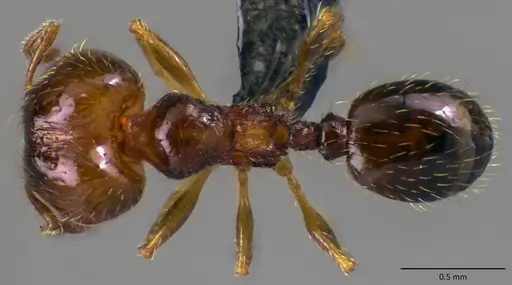
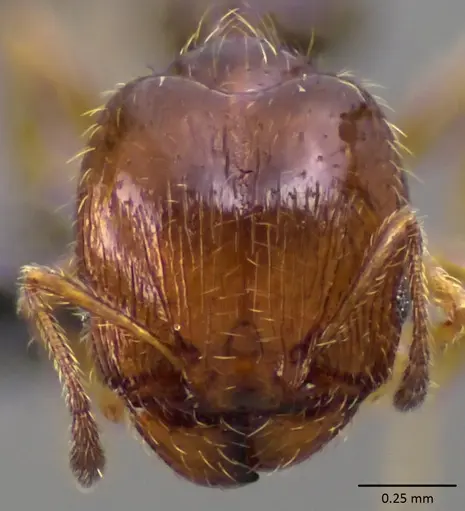
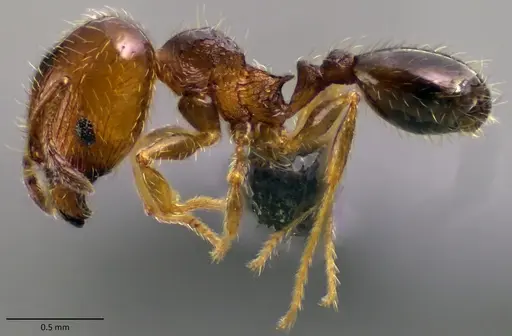
ANTWEB1060170
View on AntWeb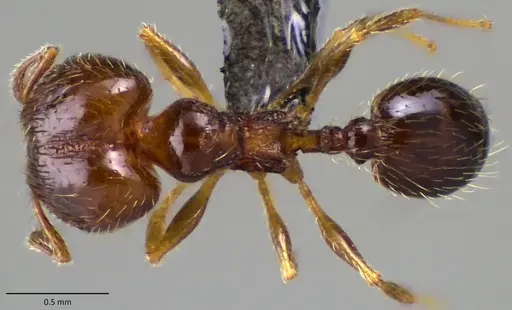
CASENT0104271
View on AntWeb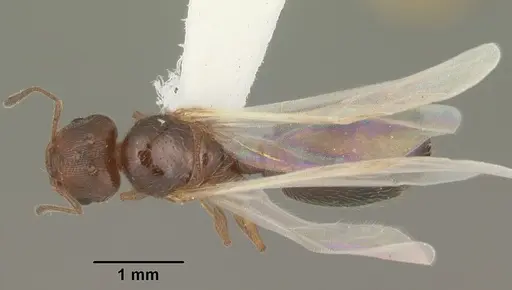
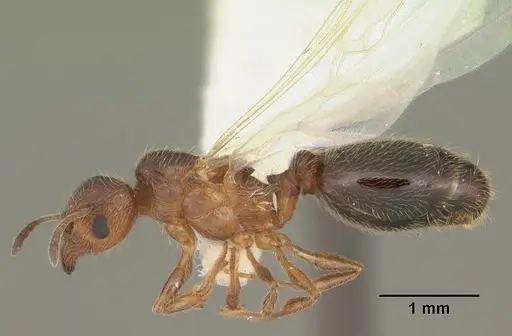
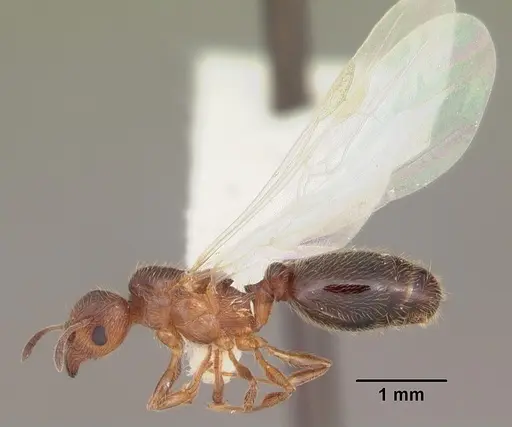
CASENT0104273
View on AntWeb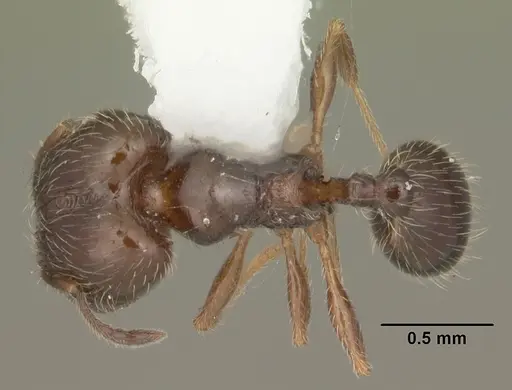
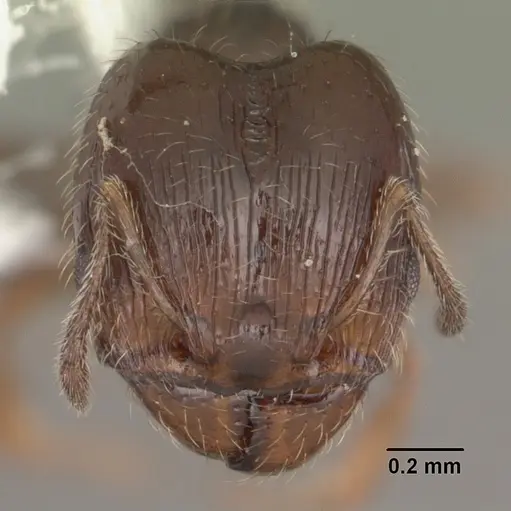
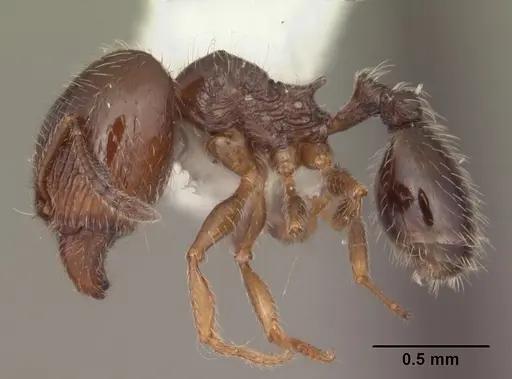
CASENT0104274
View on AntWeb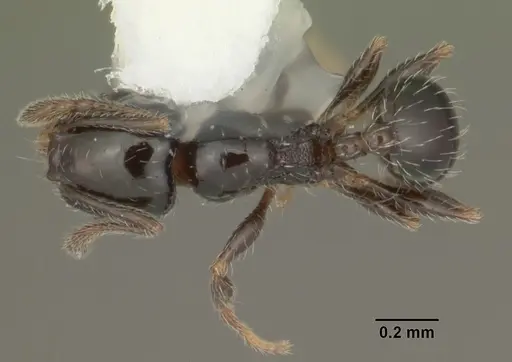
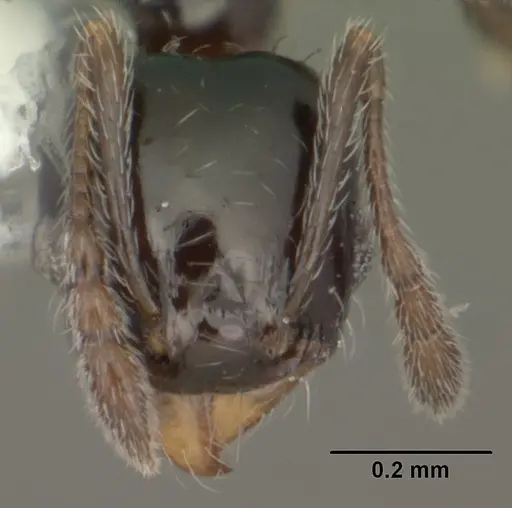
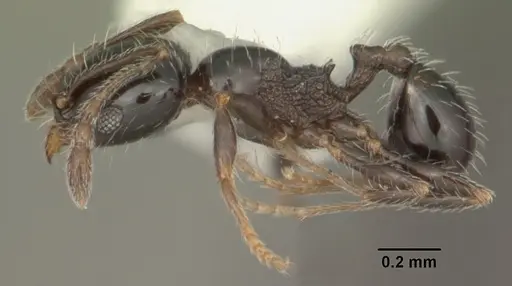
CASENT0650676
View on AntWeb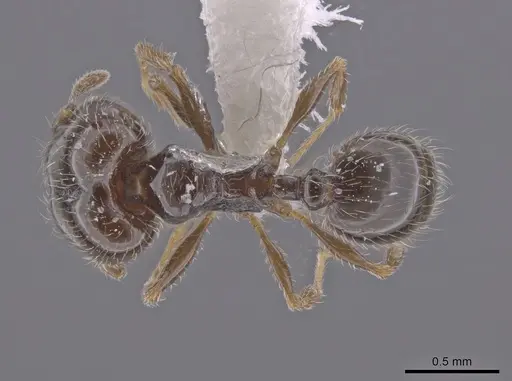
Literature
Loading...Loading products...