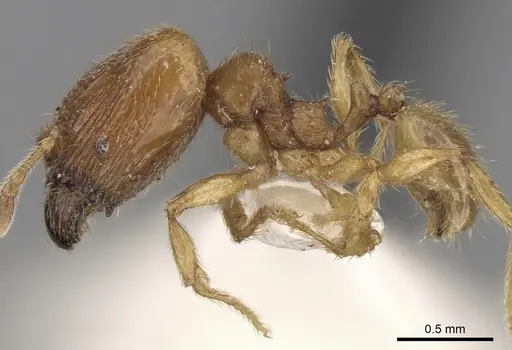
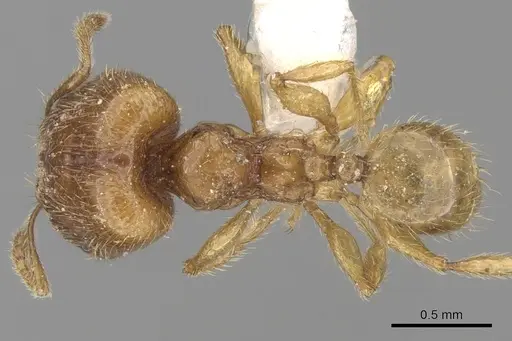
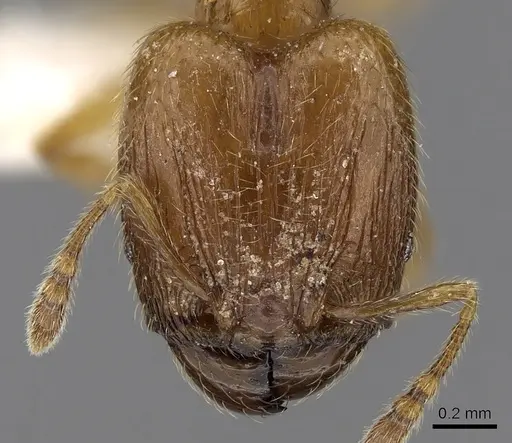
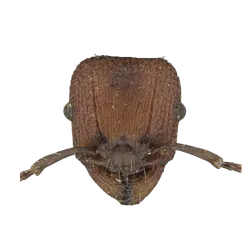
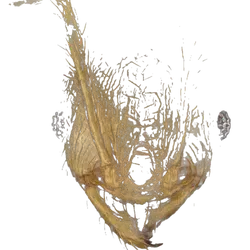
Pheidole sarawakana - "Bornean Big-Headed Ant"
Hailing from the lush, lowland forests of Borneo and surrounding regions, Pheidole sarawakana is a fascinating ant species known for its distinct dimorphism. Like many in the Pheidole genus, this species showcases two primary worker castes: the smaller, nimble minor workers and the much larger-headed major workers, often called 'soldiers.' Minor workers typically measure around 1.3-1.6 mm in total length, while their robust major counterparts are noticeably larger, ranging from 1.9-2.2 mm. These ants are often found nesting within decaying wood, showcasing their adaptability to their forest environment. Their impressive teamwork and rapid colony development make them an engaging species for ant enthusiasts.
- Difficulty: Medium
- Origin & Habitat: Borneo (East Malaysia: Sarawak), Indonesia, Malaysia, Philippines, Thailand in Well-developed lowland forests, typically nesting in rotting wood blocks..
- Colony Type: Monogyne or Polygyne, claustral founding.
- Size & Growth:
- Queen: 4-5mm
- Worker: 1.3-2.2mm
- Colony: Large (tens of thousands). Fast, with rapid population expansion once established. growth.
- Antkeeping:
- Temperature: Maintain temperatures between 24-28°C for optimal activity and brood development. They can tolerate typical room temperatures but thrive with a warmer spot..
- Humidity: High humidity is crucial for this species, ideally between 60-80% in the nest. Ensure consistent moisture levels to support brood development and overall colony health..
- Diapause: Not required. Not specified at Not specified.
- Nesting: Given their natural habit of nesting in rotting wood, a formicarium that offers multiple moisture zones or a naturalistic setup with decaying wood elements would be ideal. Acrylic or gypsum nests with good hydration systems are suitable. Escape-proofing is essential due to their small size..
- Behavior: Medium (towards food and other insects, not typically aggressive towards handlers) aggressiveness.
- Common Issues: Mold in nest due to high humidity without proper ventilation, Mites (if hygiene is not maintained), Colony stalling (often due to insufficient protein or hydration), Escape artists (due to small worker size), Humidity fluctuations.
One of the most captivating aspects of Pheidole sarawakana is their pronounced dimorphism, featuring both minor and major workers. The major workers, with their disproportionately large heads, aren't just for show; they serve as dedicated defenders and powerful processors, using their strong mandibles to crush seeds or dismember larger prey items for the colony. Observing this division of labor within your formicarium is incredibly rewarding, showcasing the intricate social structure that makes these ants so unique.
When setting up a habitat for Pheidole sarawakana, mimicking their natural tropical forest environment is key. They naturally nest in rotting wood, so a setup that offers consistent high humidity, perhaps with a slight gradient, will make them feel right at home. Consider using a layered substrate with some decaying wood pieces if opting for a naturalistic outworld. Adequate ventilation is also important to prevent stagnant air and mold growth, which can be detrimental in humid environments.
These ants, like many Pheidole species, are known for their scavenging nature and diverse diet. They readily accept a variety of protein sources, from small feeder insects like fruit flies and chopped mealworms to other fresh protein offerings. For carbohydrates, honey water or sugar water are excellent choices. While they are known to process seeds in the wild, be cautious with providing too many in captivity, as uneaten seeds can sprout and cause issues within the nest. Always remove any uneaten food promptly to maintain a clean and healthy environment for your colony.
While generally not aggressive towards handlers, Pheidole sarawakana are highly efficient foragers and can be quite assertive when it comes to securing food. Their recruitment system is fast, meaning once a food source is found, a swarm of minor workers, often accompanied by majors, will quickly descend upon it. This rapid response and their sheer numbers make them a lively species to observe in an outworld, demonstrating impressive group foraging strategies.
Their small size, especially the minor workers, means Pheidole sarawakana can be excellent escape artists. Ensuring your formicarium has robust escape-proofing measures is paramount. Consider using tight-fitting lids, fine mesh, or a Fluon/PTFE barrier around the top edges of your outworld. A secure setup will prevent any unwanted breakouts and keep your colony contained where you can enjoy watching their intricate behaviors.
Frequently Asked Questions
What kind of enclosure is best for a Pheidole sarawakana colony?
For these 'big-headed ants,' a formicarium that offers consistent humidity is essential. Given their natural habitat in rotting wood, gypsum or acrylic nests with good hydration systems are excellent choices. A naturalistic setup with some decaying wood elements can also work well. Just remember, top-tier escape-proofing is a must because of their tiny workers!
Do Pheidole sarawakana need to hibernate?
No, as a tropical ant species native to regions like Borneo and Malaysia, Pheidole sarawakana does not require diapause or hibernation. They thrive in consistent warm temperatures year-round, allowing for continuous brood production and colony growth.
What should I feed my Pheidole sarawakana colony?
These ants are true scavengers! They need a balanced diet of both protein and carbohydrates. For protein, offer small feeder insects like fruit flies, chopped mealworms, or even cricket pieces. For carbs, honey water or sugar water are perfect. While they can process seeds, it's best to offer them sparingly in captivity to prevent germination issues in the nest. Always remove uneaten food promptly to keep things clean and prevent mold.
How fast do Pheidole sarawakana colonies grow?
Pheidole sarawakana colonies are known for their impressively fast growth rate. Once established with a healthy queen and consistent care, you can expect their numbers to expand rapidly, potentially reaching thousands or even tens of thousands of workers over time. Their swift development from egg to worker means the colony will noticeably flourish.
Are Pheidole sarawakana aggressive?
While Pheidole sarawakana aren't typically aggressive towards ant keepers, they can be quite bold and assertive when it comes to foraging and defending their resources against other insects. Their major workers are well-equipped for defense and crushing prey. You'll observe their rapid recruitment and coordinated efforts when they discover a new food source, showcasing their inherent drive to gather resources for the colony.
What are the ideal temperature and humidity for Pheidole sarawakana?
To keep your Pheidole sarawakana thriving, aim for a consistent temperature range of 24-28°C in their formicarium. Humidity is equally vital, and these ants prefer high moisture levels, ideally between 60-80%. Providing a humid nest environment is crucial for the healthy development of their brood and overall colony well-being. Keeping an eye on these parameters will ensure your colony flourishes.
Can I keep multiple Pheidole sarawakana queens together?
Yes, Pheidole sarawakana can exhibit both monogyne (single queen) and polygyne (multiple queens) colony structures in captivity, much like other species within the Pheidole genus. If you're lucky enough to find multiple queens from the same nuptial flight, they might cooperate during the founding stage and continue to coexist, potentially leading to an even larger and faster-growing colony.
How do I prevent escapes with such small ants?
Preventing escapes is a top priority for any ant keeper, especially with a micro-species like Pheidole sarawakana. Ensure your formicarium has very tight-fitting connections and no gaps. Applying a thin layer of Fluon (PTFE) or a similar anti-escape barrier to the upper walls of your outworld creates a slippery surface they can't climb, effectively keeping these nimble foragers contained within their setup.
Why are my Pheidole sarawakana not laying eggs or growing brood?
If your Pheidole sarawakana colony seems to be stalling, consider checking a few key factors. The most common reasons for a lack of brood production or growth are insufficient protein, inadequate hydration, or incorrect temperature. Ensure they have a consistent supply of fresh protein and sugar water, and verify that their nest temperature and humidity are within the optimal ranges to encourage healthy development.
Do Pheidole sarawakana major workers bite?
While the major workers of Pheidole sarawakana possess significantly larger mandibles and heads compared to their minor counterparts, their bite is generally not painful to humans. They primarily use their powerful jaws for processing food, defense against rival insects, and breaking down tough materials, not as a primary defense against large threats like a human handler. You'll find them more interested in crickets than your fingers!