

Pheidole cursor
- Scientific Name
- Pheidole cursor
- Tribe
- Attini
- Subfamily
- Myrmicinae
- Author
- Wilson, 2003
- Distribution
- Found in 3 countries
Pheidole cursor Overview
Pheidole cursor is an ant species of the genus Pheidole. It is primarily documented in 3 countries , including Colombia, French Guiana, Peru. Detailed taxonomic data and occurrence records can be further explored via authoritative databases such as AntWeb or the Global Biodiversity Information Facility (GBIF).
Pheidole cursor
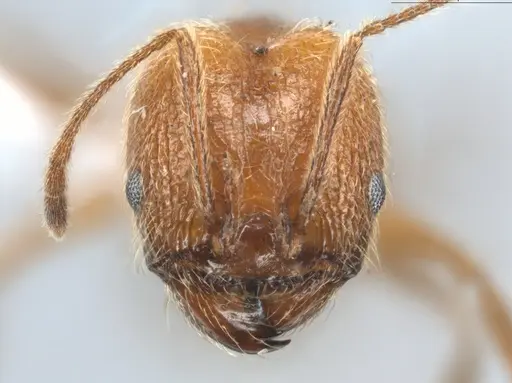
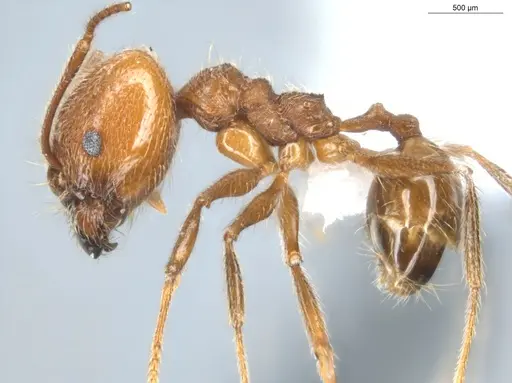
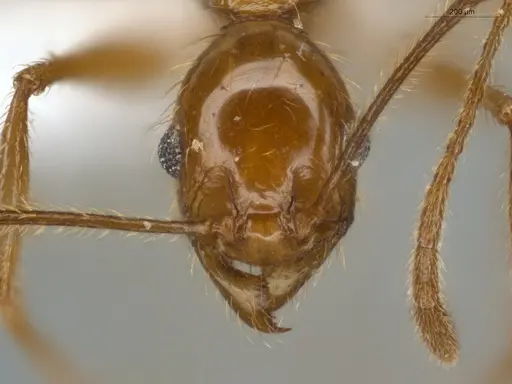
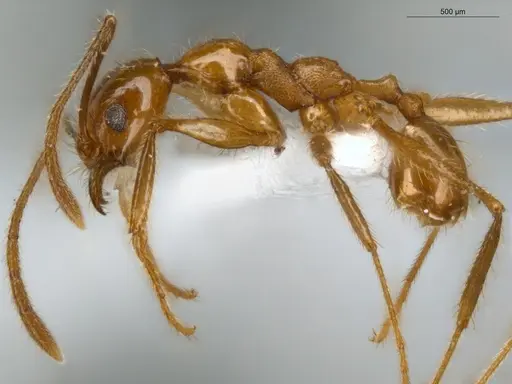
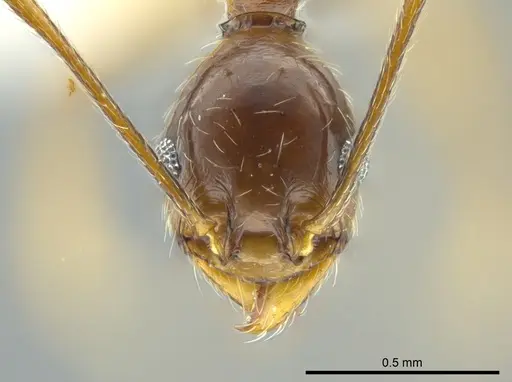
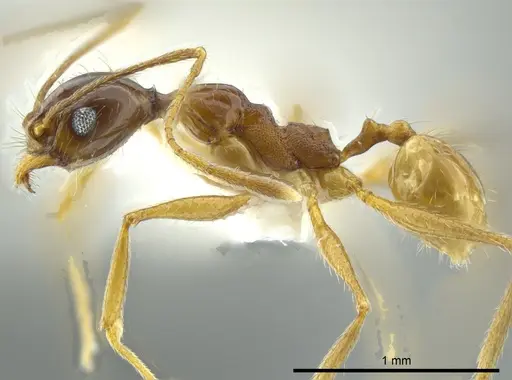
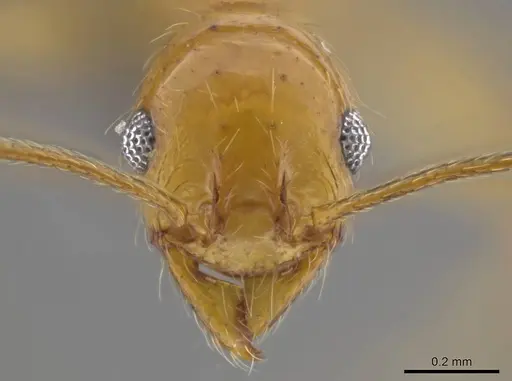
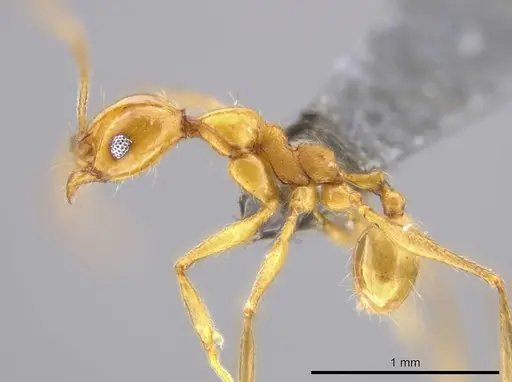
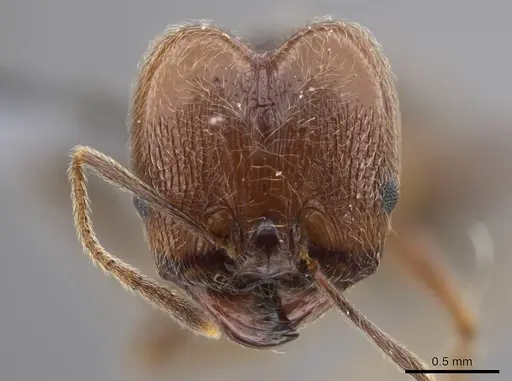
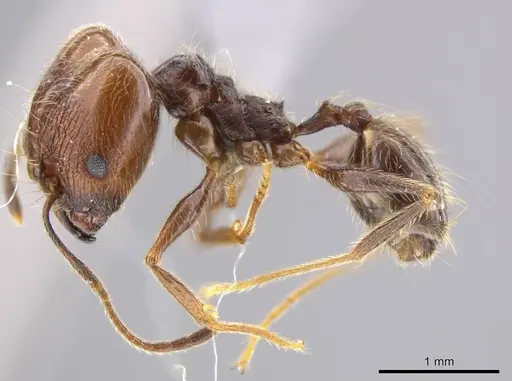
Pheidole cursor is a small Neotropical ant species native to the Amazon basin, found across Peru, Brazil, Ecuador, French Guiana, and Guyana. Majors measure around 1.5mm head width with a distinctive dense carpet of very short hairs on the back of the head, while minors are smaller at around 0.5mm and show bicolored patterning with a medium brown head, light brown mesosoma, and dark yellow gaster. This species is a specialized predator, unlike many Pheidole that harvest seeds, these ants are strictly predaceous, hunting small arthropod prey on the forest floor. Colonies are relatively small, typically containing fewer than 300 workers, and nest in rotting wood on the rainforest floor.
Quick Summary
- Difficulty: Medium
- Origin & Habitat: Amazon basin rainforests of Peru, Brazil, Ecuador, French Guiana, and Guyana. Found in both terra firme (dry land) and seasonally flooded rainforest, nesting in rotten wood pieces on the forest floor [1].
- Colony Type: Monogyne (single-queen colonies). Colonies are relatively small with fewer than 300 workers [1].
- Colony: Monogyne
- Size & Growth:
- Queen: Unconfirmed, no specific measurements available for queens
- Worker: Major workers: 1.5mm head width, Minor workers: 0.54mm head width [1]
- Colony: Up to 300 workers [1]
- Growth: Moderate, small colony size suggests moderate growth rate
- Development: Estimated 6-8 weeks based on typical Pheidole development patterns (Development time is inferred from genus-level data for related Amazonian species)
- Antkeeping:
- Temperature: Keep at 24-28°C, these are tropical ants from the Amazon basin requiring warm, stable conditions [1]
- Humidity: High humidity required, think damp rainforest floor. Keep nesting material consistently moist but not waterlogged. Provide a water source.
- Diapause: No, as a tropical species, they do not require hibernation. Maintain warm conditions year-round [2]
- Nesting: In nature they nest in rotting wood on the forest floor. In captivity, a naturalistic setup with moist substrate (soil/sand mix) and pieces of wood or cork works well. Y-tong or plaster nests with moisture chambers are also suitable.
- Behavior: Predatory ants that actively hunt small arthropod prey. Workers forage on the ground surface. Majors help process larger prey. They are not aggressive toward keepers but will defend the nest. Escape risk is moderate, use standard barrier methods.
- Common Issues: tropical humidity needs can be tricky, monitor for mold in enclosed nests, predatory diet means they need live prey, cannot survive on sugar alone, small colony size means slower population growth than faster-spreading species, flood-intolerant, keep nesting area dry even if outworld has water features, wild-caught colonies may be difficult to establish due to stress from collection
Housing and Nest Setup
Pheidole cursor naturally nests in rotting wood on the rainforest floor, so a naturalistic setup works best. Use a moist soil/sand substrate (about 2-3cm deep) with pieces of decaying wood, cork, or leaf litter as nesting material. The substrate should stay damp but never waterlogged. You can also use a Y-tong (AAC) nest or plaster nest with a moisture chamber, these make it easier to control humidity levels. Since they are ground-nesters, provide an outworld connected to the nest where foragers can hunt. A shallow water dish for drinking is essential, though they get most moisture from prey. [2][1]
Feeding and Diet
These ants are strictly predatory, they hunt and kill small arthropods for food. In captivity, offer live prey such as fruit flies, small crickets, mealworms, and other tiny insects. You can also offer small pieces of raw chicken or fish occasionally, though live prey is preferred. Unlike many Pheidole species, they do not harvest seeds, so sugar water or honey is not a necessary part of their diet. Feed every 2-3 days, adjusting based on colony size and consumption. Remove uneaten prey after 24 hours to prevent mold. [1]
Temperature and Humidity
As Amazonian rainforest ants, they need warm and humid conditions. Keep temperatures between 24-28°C, use a heating mat or cable if your room is cooler, but always provide a temperature gradient so ants can choose their preferred zone. Humidity should be high (70-80%) in the nest area. Use a moisture reservoir or mist the substrate regularly, but allow some areas to dry slightly to prevent mold buildup. They are flood-intolerant, so avoid standing water directly in the nesting chamber. [2][1]
Colony Development
Colonies remain relatively small, maxing out around 300 workers. This is typical for the species and not a sign of poor care. Growth rate is moderate, expect several months to reach 50+ workers from a founding queen. The first workers (nanitics) will be smaller than normal workers. Major workers develop later and help with prey processing and colony defense. Since colonies stay small, they are manageable in modest-sized setups and do not require large formicariums. [1]
Behavior and Temperament
Workers are active foragers that hunt on the ground surface. They are not particularly aggressive toward humans but will bite if threatened. The presence of major workers (soldiers) is notable, they have distinctive enlarged heads and help process larger prey items. Workers communicate through chemical signals and may form foraging trails to food sources. They are most active during the day, reflecting their tropical ground-foraging lifestyle. Escape prevention is moderate, they are not extreme escape artists but standard barriers are still recommended. [1]
Frequently Asked Questions
Can I keep Pheidole cursor in a test tube?
Test tubes can work for founding colonies, but these ants prefer naturalistic setups with rotting wood. If using test tubes, ensure high humidity and transition to a more natural setup once the colony reaches 20-30 workers.
How long until Pheidole cursor has first workers?
Based on typical Pheidole development, expect first workers (nanitics) around 6-8 weeks after the queen lays eggs, at optimal warm temperatures (around 26°C).
What do Pheidole cursor ants eat?
They are strictly predatory, they eat live insects and small arthropods. Feed them fruit flies, small crickets, mealworms, and similar prey. They do not eat seeds or sugar, unlike many other Pheidole species.
Are Pheidole cursor good for beginners?
They are intermediate difficulty. Their predatory diet and humidity needs require more attention than simple sugar-feeding species, but their small colony size makes them manageable.
How big do Pheidole cursor colonies get?
Colonies are relatively small, reaching up to 300 workers maximum. This is typical for the species and smaller than many common pet ant species.
Do Pheidole cursor need hibernation?
No. As tropical Amazonian ants, they do not require hibernation or winter cooling. Keep them warm year-round at 24-28°C.
Why is my Pheidole cursor colony dying?
Common causes include: too low temperature (below 24°C), incorrect diet (they need live prey, not just sugar), too dry or too wet conditions, mold from overwatering, or stress from wild collection. Ensure warm, humid conditions with proper prey.
Can I keep multiple Pheidole cursor queens together?
No. This species is monogyne (single-queen), and multiple queens will fight. Only keep one queen per colony.
When should I move Pheidole cursor to a formicarium?
Move them when the colony reaches around 50 workers and the test tube or founding setup becomes crowded. A small naturalistic setup works well for this species.
References

This caresheet is licensed under CC BY-SA 4.0 .
CASENT0627922
View on AntWeb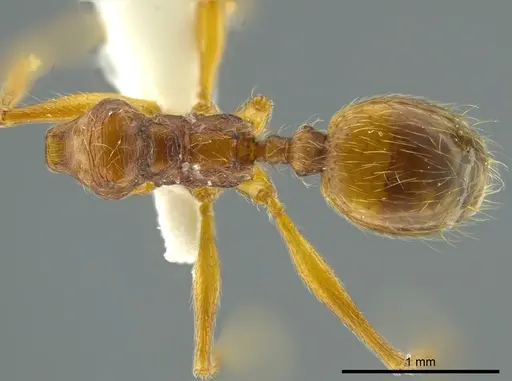
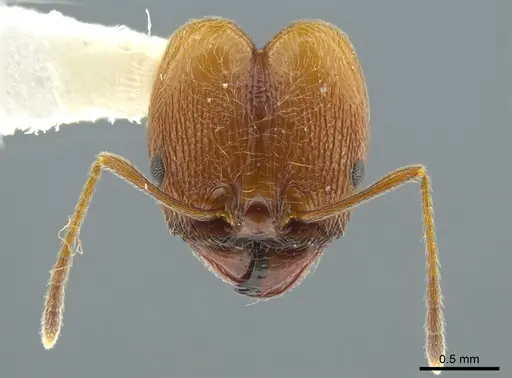
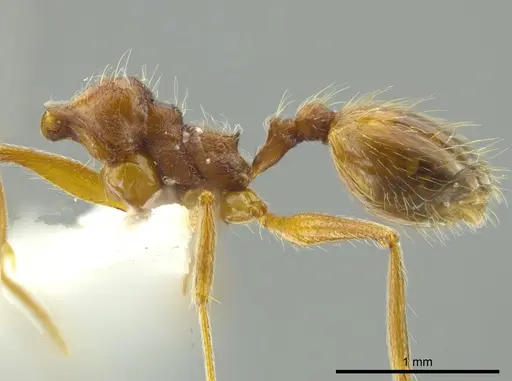
ECOFOG-CNI20-0031-26-S
View on AntWeb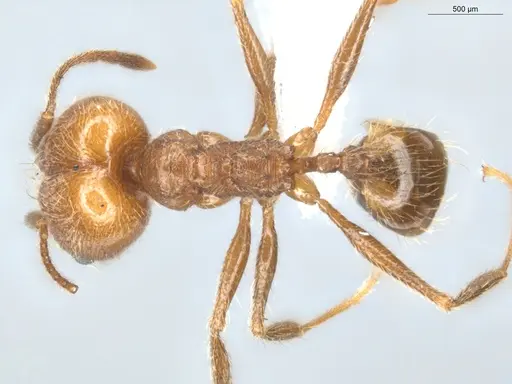
ECOFOG-IT14-0268-37
View on AntWeb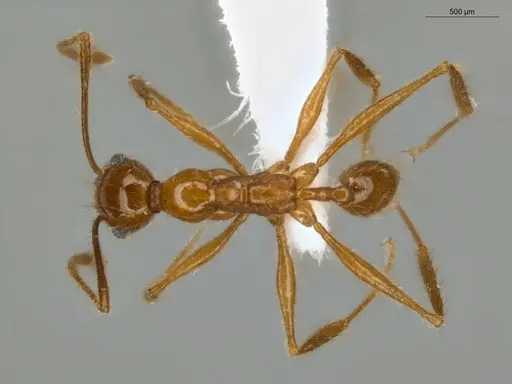
JTLC000016357
View on AntWeb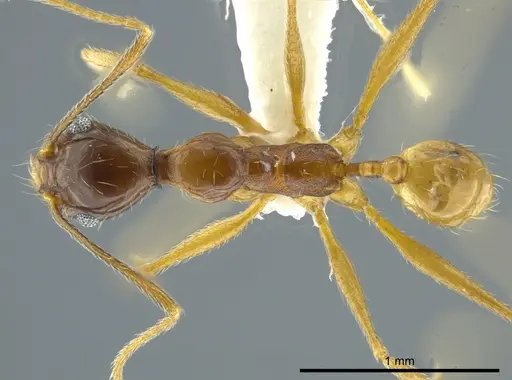
USNMENT00687971
View on AntWeb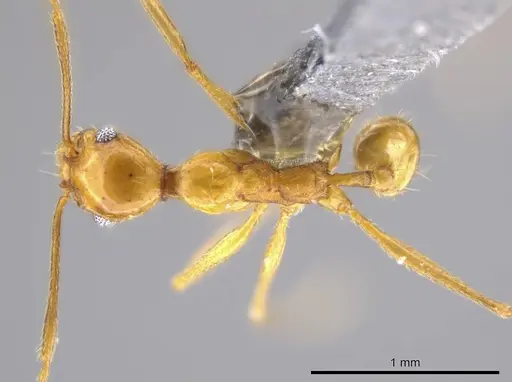
USNMENT00691919
View on AntWeb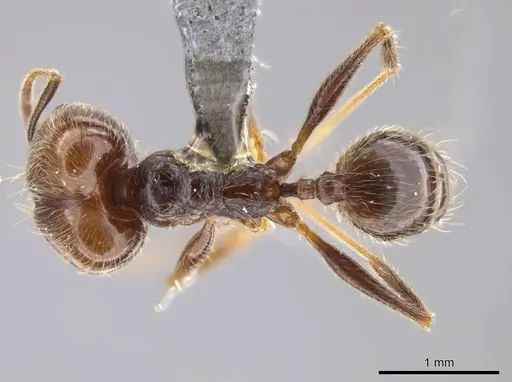
Literature
Loading...Loading products...