

Pheidole concinna
- Scientific Name
- Pheidole concinna
- Tribe
- Attini
- Subfamily
- Myrmicinae
- Author
- Santschi, 1910
- Distribution
- Found in 1 countries
Pheidole concinna Overview
Pheidole concinna is an ant species of the genus Pheidole. It is primarily documented in 1 countries , including Congo. Detailed taxonomic data and occurrence records can be further explored via authoritative databases such as AntWeb or the Global Biodiversity Information Facility (GBIF).
Pheidole concinna
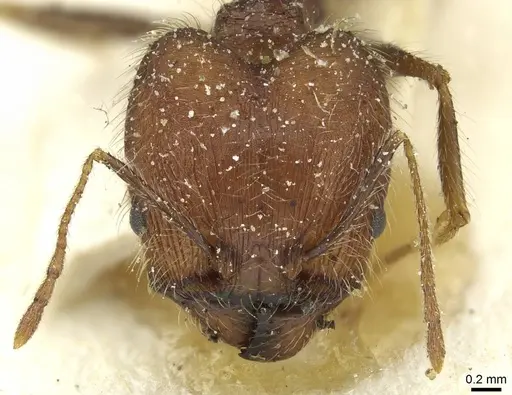
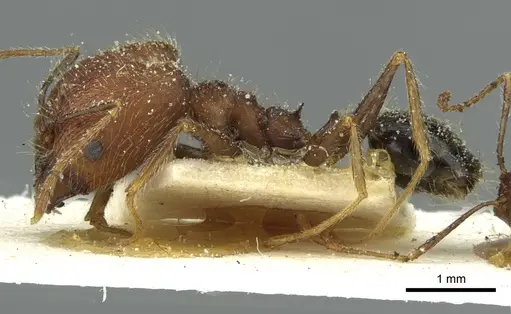
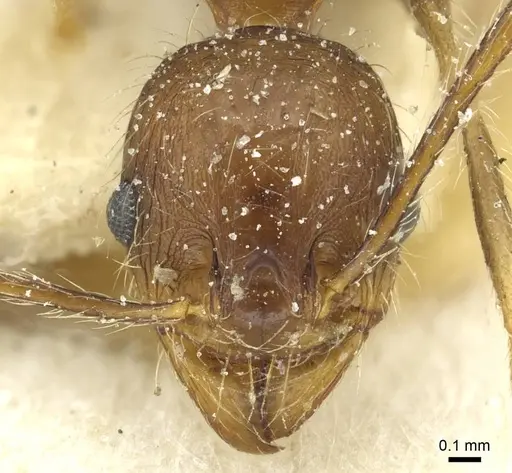
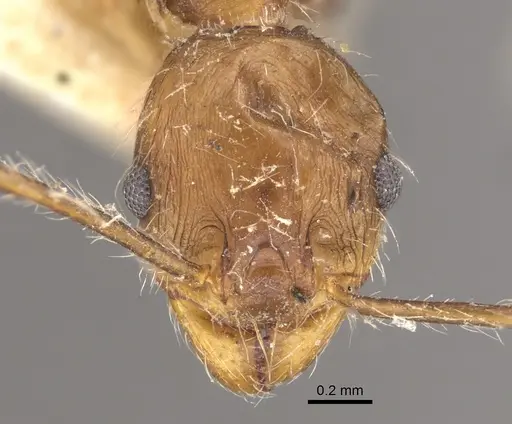
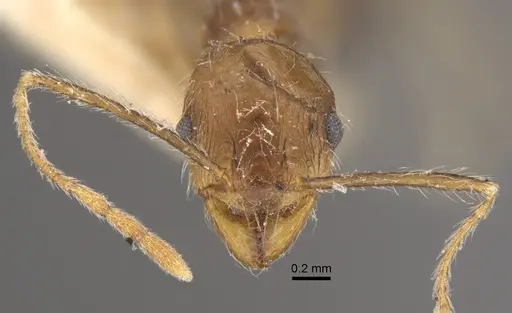
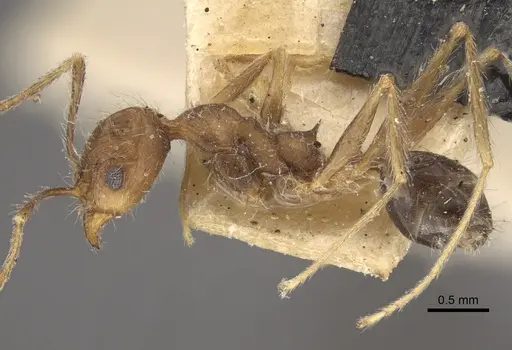
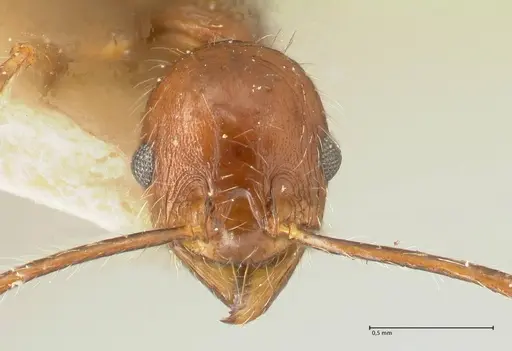
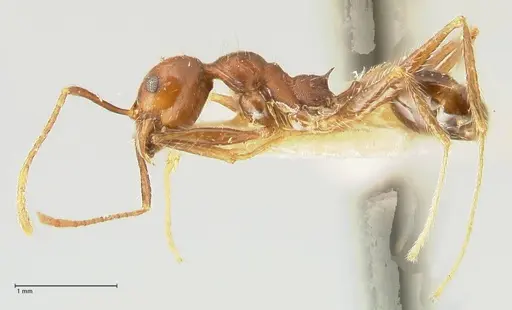
Pheidole concinna is a small to medium-sized ant species native to the Afrotropical region, found across Benin, Congo, and Gabon. Like other Pheidole species, they have two worker castes: smaller minor workers and larger major workers (soldiers) with distinctive enlarged heads. The species was originally described from the Congo region in 1910 and has since been documented in mango orchards in Benin where it nests in the ground. These ants serve as prey for weaver ants (Oecophylla longinoda), indicating they occupy a low position in the ant hierarchy and are relatively peaceful. The species shows some color variation across its range, with Gabon specimens appearing paler than the type specimen [1][2].
Quick Summary
- Difficulty: Easy
- Origin & Habitat: Afrotropical region, Benin, Congo, Gabon. Found in mango orchards and ground nests in tropical areas [1].
- Colony Type: Likely single-queen colonies (monogyne), typical of most Pheidole species. Colonies contain both minor and major worker castes.
- Colony: Monogyne
- Founding: Claustral
- Size & Growth:
- Queen: Estimated 7-9mm based on genus typical sizes [1]
- Worker: Minor workers 2-3mm, major workers 3-5mm [1]
- Colony: Likely several hundred workers based on genus patterns, some Pheidole species reach 1000+ [1]
- Growth: Moderate, typical for tropical Myrmicinae
- Development: Estimated 6-8 weeks at tropical temperatures (25-28°C) based on related species (Development likely faster than temperate species due to tropical origin)
- Antkeeping:
- Temperature: Keep at 24-28°C, they are tropical ants that need warmth. A heating cable on one side of the nest creates a suitable gradient
- Humidity: Moderate humidity around 50-70%. Keep the nest substrate slightly moist but allow some drying areas. These ground-nesting ants tolerate typical room humidity
- Diapause: No, tropical species do not require hibernation. Keep warm year-round
- Nesting: Ground-nesting species. In captivity, they do well in Y-tong nests, plaster nests, or naturalistic setups with soil. They prefer tight chambers and will readily accept test tube setups [1]
- Behavior: Generally peaceful and not aggressive. As prey species for weaver ants, they likely avoid conflict. Major workers (soldiers) use their enlarged heads for seed processing and colony defense rather than offensive attacks. They are foragers that collect seeds, insects, and honeydew. Minor workers are active and numerous, while major workers are more conspicuous due to their size. Escape risk is moderate, use standard barriers but no special escape prevention needed beyond standard mesh
- Common Issues: colonies may decline if kept too cold, maintain warm temperatures year-round, major workers can get stuck in narrow tubing if connections are too small, overfeeding can lead to mold in nest setups, remove uneaten food promptly, wild-caught colonies may have parasites that need treatment, queen loss during founding is common, ensure stable conditions
Housing and Nest Setup
Pheidole concinna is a ground-nesting species that adapts well to various captive setups. Y-tong (acrylic) nests work excellently for this species, providing the dark, tight chambers they prefer. Plaster nests are also suitable and allow you to control moisture levels. For founding colonies, a simple test tube setup with a water reservoir works well, queen seals herself in a chamber and raises first workers there. As the colony grows, you can transition to a formicarium. Because they have major workers, ensure all tubing and connections are wide enough to prevent soldiers from getting stuck. A foraging area with some soil or sand mimics their natural ground-nesting habitat. Keep the nest area dark by covering three sides of the formicarium, as these ants prefer dim conditions. [1]
Feeding and Diet
Pheidole concinna is omnivorous like most Pheidole species. They readily accept protein sources including small insects (fruit flies, pinhead crickets, mealworms), and will collect seeds. Minor workers typically handle foraging while major workers help process larger food items and seeds. Provide a constant sugar source such as sugar water, honey, or diluted maple syrup. In the wild, they likely forage for honeydew from aphids and scale insects, so occasional sweet treats are appreciated. Feed protein 2-3 times per week, removing any uneaten prey within 24 hours to prevent mold. Seeds can be provided as enrichment, major workers will crack them open with their powerful jaws. Fresh water should always be available. [1]
Temperature and Seasonal Care
As a tropical Afrotropical species, Pheidole concinna requires warm temperatures year-round. Maintain nest temperatures between 24-28°C (75-82°F). Temperatures below 22°C can slow colony development and below 20°C may cause decline. Use a heating cable or heating mat on one side of the nest to create a gentle temperature gradient, allowing ants to self-regulate. Place the heating on top of the nest, not underneath, to avoid drying out the substrate too quickly. No hibernation or diapause is required, these ants come from consistently warm climates. Room temperature within the recommended range is usually sufficient, but monitor during winter if your home cools significantly. High humidity is not critical, but avoid very dry conditions. [1]
Colony Development and Growth
Pheidole concinna colonies develop moderately fast compared to many ants. A claustral queen will seal herself in a chamber and lay eggs shortly after mating. She feeds the first brood from her stored fat reserves and does not forage during founding. First workers (nanitics) are smaller than mature workers but already show the caste differentiation, you should see both minor and major workers emerging. The colony will grow from these initial 5-10 workers to several hundred over 1-2 years under good conditions. Major workers become more common as the colony matures. Growth rate depends heavily on temperature and feeding, warmer temperatures and consistent protein intake accelerate development. Expect 6-8 weeks from egg to first worker at optimal temperatures, then several months to reach 100 workers. [1]
Behavior and Colony Structure
This species exhibits the classic Pheidole social structure with distinct worker castes. Minor workers handle most tasks including foraging, brood care, and nest maintenance. Major workers (soldiers) have enlarged heads and mandibles specialized for seed processing and colony defense. They are not aggressive toward keepers but will defend the nest if threatened. The species is preyed upon by weaver ants (Oecophylla longinoda), indicating they are relatively peaceful and avoid confrontation. Workers communicate using chemical trails and will recruit nestmates to food sources. You may observe major workers attending to the queen and helping process larger food items. The colony should have one queen (monogyne) plus workers, brood in various stages, and both worker castes [1][2].
Frequently Asked Questions
How long does it take for Pheidole concinna to raise first workers?
Expect first workers (nanitics) to emerge in 6-8 weeks at optimal temperatures of 25-28°C. The claustral queen seals herself in and raises the first brood entirely on her stored fat reserves. Cooler temperatures will slow development significantly.
What do Pheidole concinna ants eat?
They are omnivorous. Feed small insects like fruit flies or pinhead crickets 2-3 times weekly, provide a constant sugar source (sugar water, honey, or maple syrup), and optionally offer seeds for the major workers to process. Remove uneaten food promptly to prevent mold.
Do Pheidole concinna ants need hibernation?
No. As a tropical species from Benin, Congo, and Gabon, they do not require hibernation. Keep them warm year-round at 24-28°C. Temperatures below 20°C can harm the colony.
What size colony does Pheidole concinna reach?
Based on genus patterns, colonies likely reach several hundred workers. Some Pheidole species can exceed 1000 workers, but typical colonies stabilize around 300-500 workers with a good balance of minor and major castes.
Can I keep multiple Pheidole concinna queens together?
This species is likely monogyne (single queen). While some Pheidole can be polygynous, combining unrelated queens is not recommended unless you observe them accepting each other. Single-queen colonies are the standard for this species.
Are Pheidole concinna good for beginners?
Yes, they are considered easy to keep. They are adaptable, accept various nest types, and have straightforward dietary needs. The main requirements are warm temperatures and standard ant-keeping hygiene. Their two-caste colony structure is also interesting to observe.
When should I move Pheidole concinna to a formicarium?
Move from a test tube setup to a formicarium when the colony reaches 50+ workers or the test tube becomes crowded. Ensure the new setup has appropriate chamber sizes and a suitable foraging area. Major workers should be present by this stage.
Why are my Pheidole concinna major workers dying?
Major workers have shorter lifespans than minors (several months vs. 1-2 years). Some die-off is normal as the colony ages. However, if you see many dying suddenly, check for temperature stress (too cold), mold from overfeeding, or parasite issues. Ensure fresh water and proper nutrition are available.
References

This caresheet is licensed under CC BY-SA 4.0 .
CASENT0283319
View on AntWeb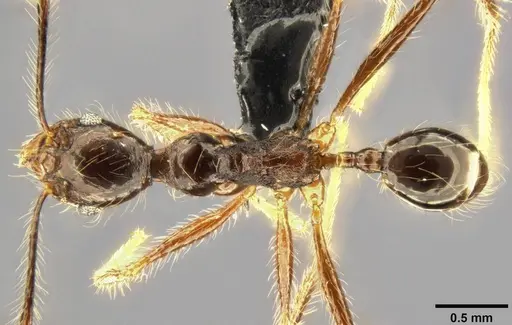
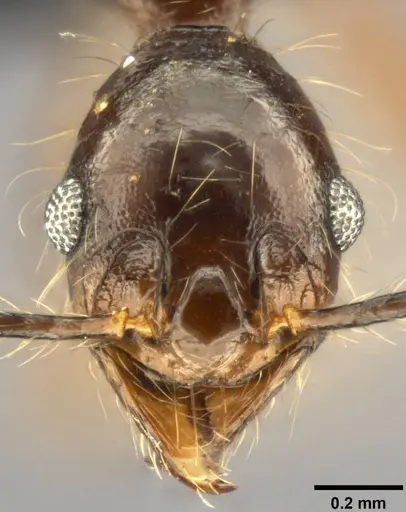
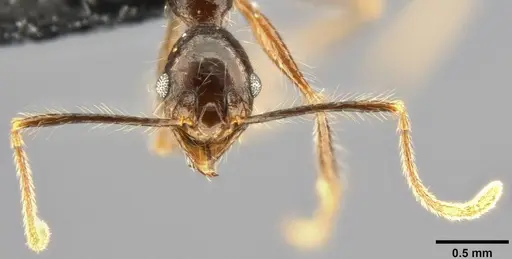
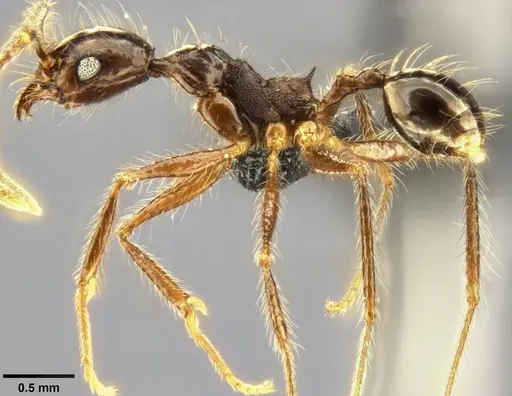
CASENT0913292
View on AntWeb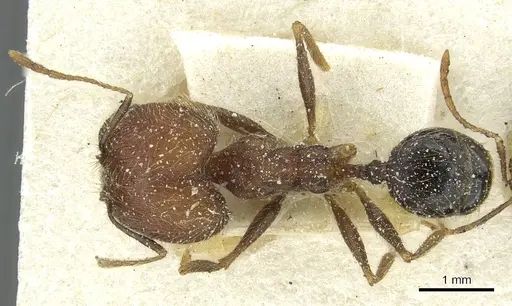
CASENT0913293
View on AntWeb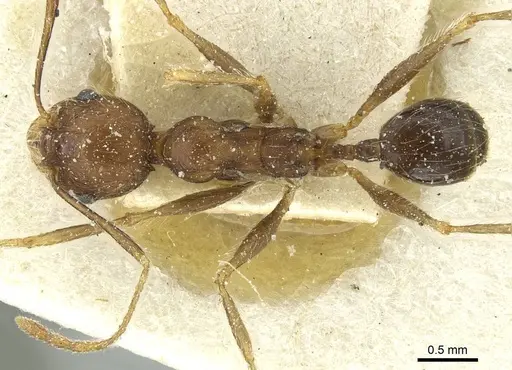
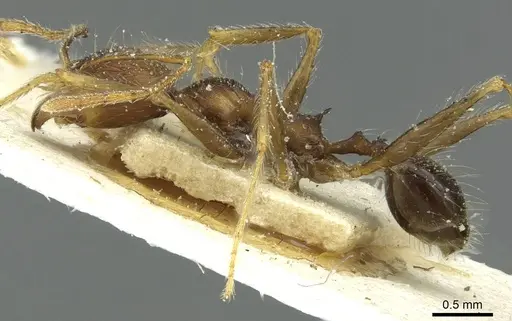
CASENT0917763
View on AntWeb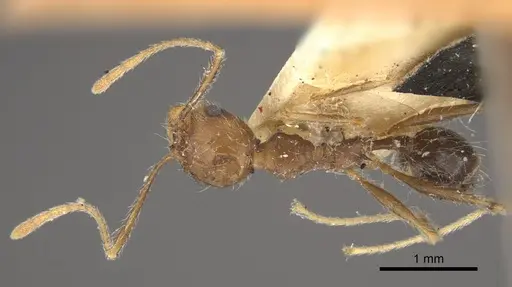
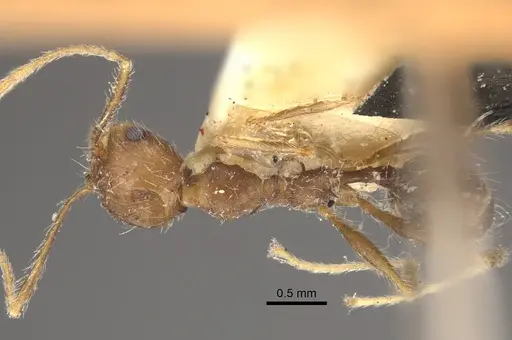
FOCOL1338
View on AntWeb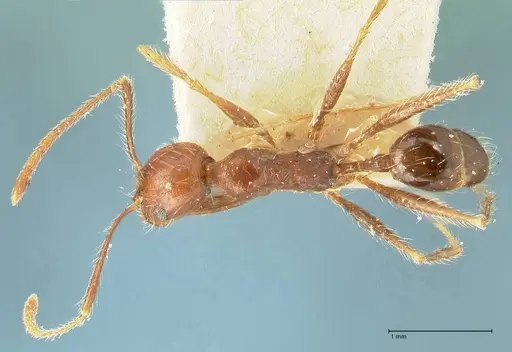
Literature
Loading...Loading products...