

Pheidole ceres
- Scientific Name
- Pheidole ceres
- Tribe
- Attini
- Subfamily
- Myrmicinae
- Author
- Wheeler, 1904
- Distribution
- Found in 2 countries
Pheidole ceres Overview
Pheidole ceres is an ant species of the genus Pheidole. It is primarily documented in 2 countries , including Mexico, United States of America. Detailed taxonomic data and occurrence records can be further explored via authoritative databases such as AntWeb or the Global Biodiversity Information Facility (GBIF).
Pheidole ceres
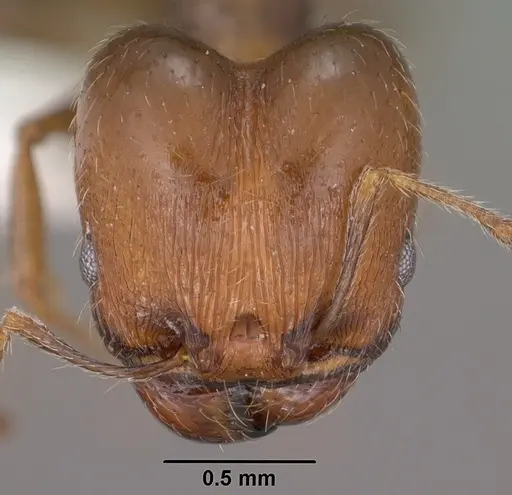
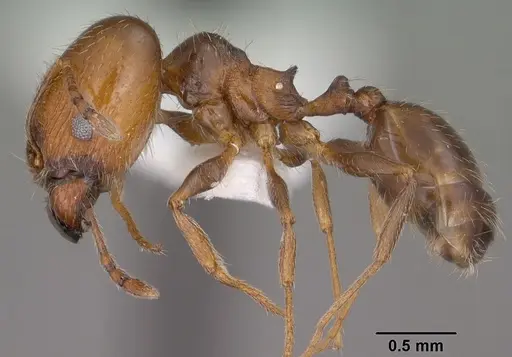
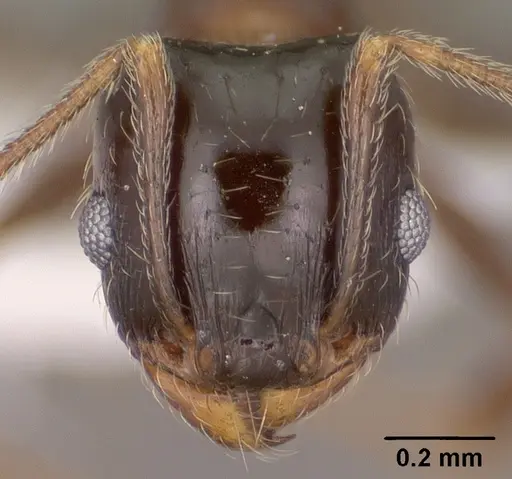
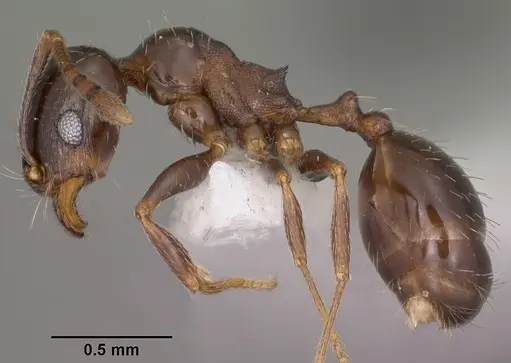
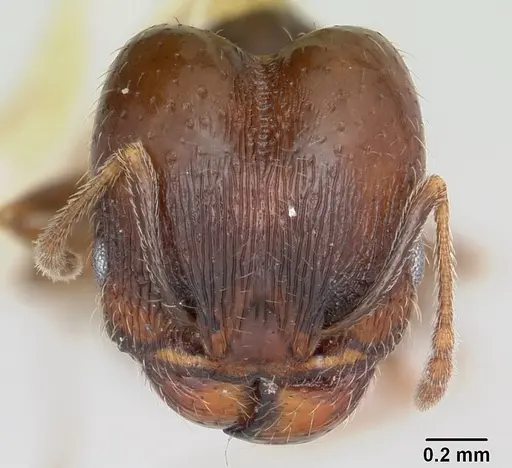
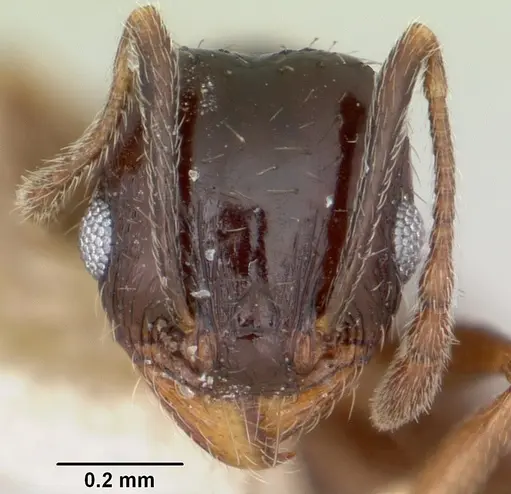
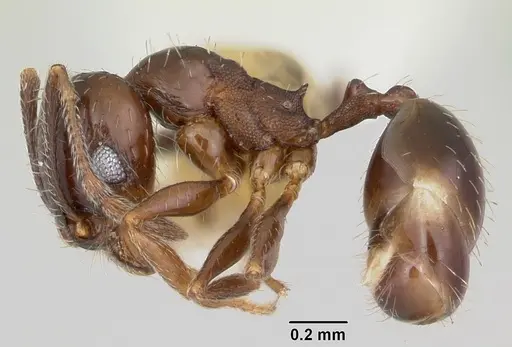
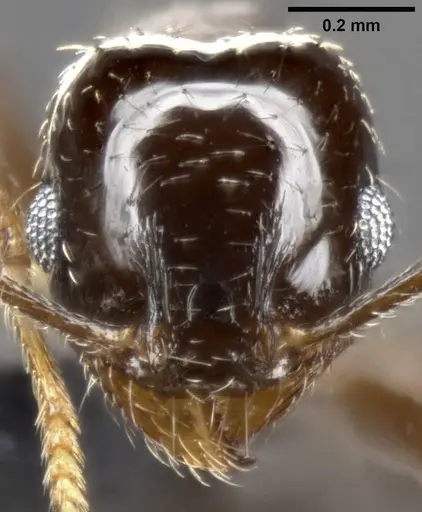
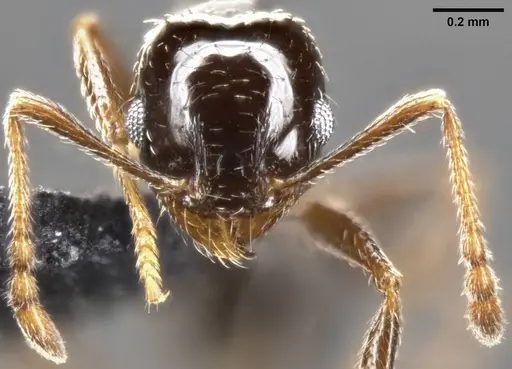
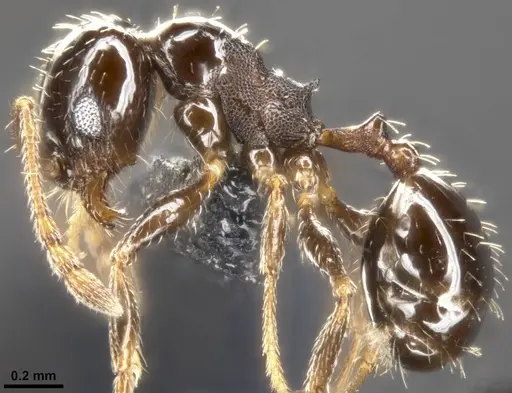
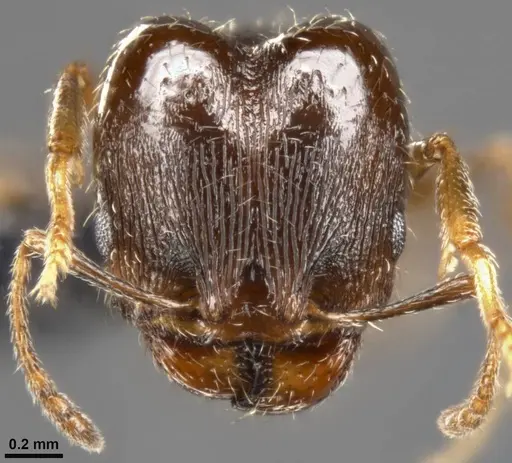
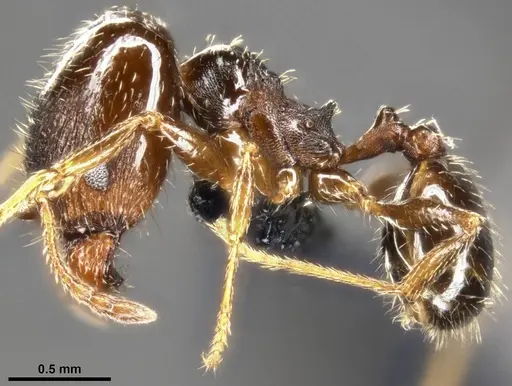
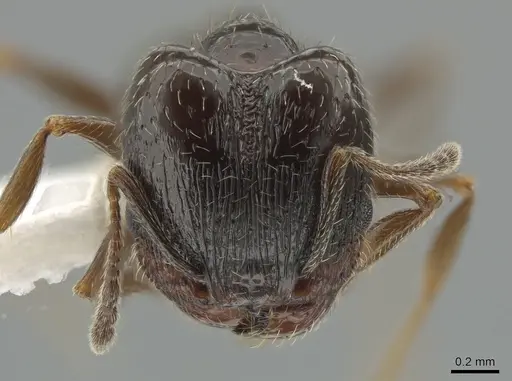
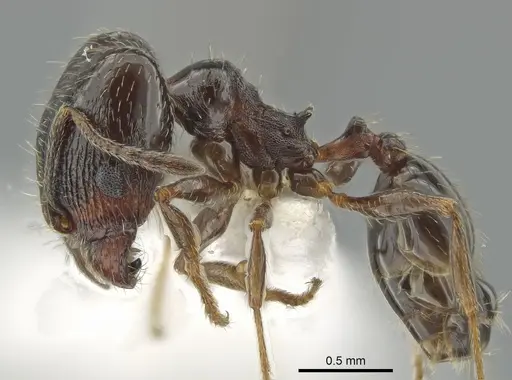
Pheidole ceres is a small seed-harvesting ant native to the western United States and northern Mexico. Majors measure around 1.14mm head width while minors are roughly half that size at 0.54mm. The species gets its name from Ceres, the Roman goddess of agriculture, because of its remarkable seed-storing behavior. Workers are dark to blackish brown in color, with majors showing distinctive longitudinal carinae running along the head's midline. This species stands out as the highest-elevation and coldest-climate Pheidole in western North America, often being the only Pheidole found above 2250m in southern Arizona [1].
Quick Summary
- Difficulty: Easy
- Origin & Habitat: Western North America (Arizona, New Mexico, Colorado, Nevada, Utah, Mexico). Found in ponderosa pine forests, juniper-pinyon woodland, sagebrush communities, and high-elevation meadows between 1500-2800m [1][2]. Nests in open soil under rocks in dry, sunny localities [2].
- Colony Type: Monogyne (single queen) colonies. Most colonies have one queen, though colonies can grow large with up to 1000 workers [1]. Majors are numerous in established colonies.
- Colony: Monogyne
- Founding: Claustral
- Size & Growth:
- Queen: Not directly measured in available literature, estimated 5-7mm based on genus patterns
- Worker: Major: 1.14mm HW, Minor: 0.54mm HW
- Colony: Up to 1000 workers [1]
- Growth: Moderate, typical for Pheidole genus
- Development: 6-10 weeks (estimated based on typical Pheidole development at 22-26°C) (Development time is estimated from genus-level data since specific development studies are not available for this species)
- Antkeeping:
- Temperature: Keep cooler than most Pheidole, aim for 20-24°C. This species naturally occurs in cold high-elevation habitats, so avoid overheating. Room temperature (around 21-22°C) is often ideal. Provide a slight temperature gradient if possible.
- Humidity: Moderate humidity (50-60%). Nest in dry to moderately moist soil under stones in the wild, keep substrate lightly moist but not waterlogged. Provide a water tube as a moisture source.
- Diapause: Yes, as a high-elevation cold-climate species, colonies benefit from a winter rest period. Reduce temperature to 10-15°C for 2-3 months during winter (November-February in the Northern Hemisphere).
- Nesting: Natural nesting is in open soil under rocks in sunny, dry localities. In captivity, a Y-tong (AAC) nest or plaster nest works well. Provide a nesting chamber with moderate substrate depth and a flat stone or cover on top to simulate natural conditions. They do well in formicariums with a foraging area.
- Behavior: Active foragers that collect and store seeds, a true seed-harvesting ant. Majors are numerous and help process larger food items. Workers adjust their foraging based on colony needs and food stores [3]. They create short-term trails to food sources. Not particularly aggressive, but majors will defend the colony if threatened. Escape risk is moderate, use standard barrier precautions but they're not major escape artists like some tiny species.
- Common Issues: Cold sensitivity, keep them cooler than typical tropical ants, avoid temperatures above 26°C, Overheating in summer, ensure nesting area doesn't get too warm, Parasite risk, wild colonies can host the workerless parasite Pheidole elecebra, quarantine new colonies, Seed storage means they can survive periods without fresh protein, don't overfeed, Large colony size requires adequate space, upgrade to larger formicarium as colony grows
Housing and Nest Setup
Pheidole ceres does well in Y-tong (acrylic) nests or plaster formicariums. In the wild they nest under stones in open, sunny soil, so provide a flat cover or stone piece over all or part of the nesting chamber to simulate this. Use a test tube setup for founding colonies, a simple test tube with a cotton-plugged water reservoir works perfectly for claustral founding. Once the colony reaches 50+ workers, you can move them to a proper formicarium with a foraging area. Because they collect seeds, provide a dedicated area in the outworld where they can store and process seeds. A layer of fine soil or sand in the foraging area mimics their natural substrate. [2][1]
Feeding and Diet
This is a seed-harvesting species, they actively collect and store seeds from grasses and herbaceous plants [1]. In captivity, offer a mix of seeds (grass seeds, millet, flax, sesame) as a staple food source. They also accept protein sources like mealworms, small crickets, and other insects. According to research, they adjust foraging based on colony needs and existing food stores [3], so monitor their reserves and adjust feeding accordingly. A small dish of sugar water or honey is also appreciated. Feed seeds continuously (refill when stored seeds are consumed) and offer protein 2-3 times per week. Remove uneaten protein after 24-48 hours to prevent mold.
Temperature and Seasonal Care
This is a cold-hardy species adapted to high elevations. Unlike most Pheidole which are tropical, P. ceres thrives in cooler conditions. Keep the nest area at 20-24°C, this is warmer than their natural mountain habitat but appropriate for captive colony development. Avoid temperatures above 26°C as this species is not heat-tolerant. During winter (roughly November through February in the Northern Hemisphere), reduce temperatures to 10-15°C for a diapause period. This mimics their natural seasonal cycle in high-elevation habitats. Do not feed during deep hibernation but ensure a water source is available. Gradual temperature changes are better than sudden shifts. [1][2]
Colony Growth and Development
Pheidole ceres colonies grow moderately, reaching up to 1000 workers in mature colonies [1]. The founding queen seals herself in a claustral chamber and raises the first brood alone on stored body reserves. First workers (nanitics) are typically smaller than mature workers. Once the colony establishes, you'll see increasing numbers of majors, this species produces numerous majors compared to many Pheidole. The colony becomes increasingly active foragers as it grows. Expect 6-10 weeks from egg to first worker at optimal temperatures (22-24°C), though this is estimated from genus patterns rather than directly studied for this species.
Health and Common Problems
The main issues with P. ceres stem from temperature mismanagement, being a cold-climate species, they are more sensitive to overheating than typical ants. Watch for workers clustering away from heat sources, which indicates the nest is too warm. Wild colonies can be parasitized by the workerless ant Pheidole elecebra [2], which replaces the queen and produces only soldiers, if your colony suddenly produces strange-looking soldiers without workers developing, it may be parasitized. Quarantine any wild-caught colonies for observation before introducing them to established setups. Their seed-storing behavior is beneficial, they can survive lean periods, but can also lead to overstocking if you're not monitoring actual consumption.
Frequently Asked Questions
Is Pheidole ceres a good ant for beginners?
Yes, this is one of the easier Pheidole species to keep. They're moderately sized, not particularly aggressive, and seed-harvesting behavior makes feeding straightforward. The main consideration is their temperature needs, they prefer cooler conditions than most ants, so avoid placing their nest in warm locations.
What temperature do Pheidole ceres ants need?
Keep them at 20-24°C. This species naturally lives in cold high-elevation habitats, so they're cooler-adapted than most ants. Room temperature is often ideal. Avoid temperatures above 26°C.
Do Pheidole ceres ants need hibernation?
Yes, they benefit from a winter rest period. Reduce temperatures to 10-15°C for 2-3 months during winter (typically November-February). This mimics their natural seasonal cycle in high-elevation habitats.
What do Pheidole ceres ants eat?
They are seed-harvesters, offer a variety of seeds (grass seeds, millet, flax, sesame) as a staple. They also accept protein sources like mealworms, small crickets, and other insects. Occasional sugar water or honey is also appreciated.
How long does it take for Pheidole ceres to get first workers?
Estimated 6-10 weeks from egg to first worker at optimal temperatures (22-24°C). This is based on typical Pheidole development patterns since specific timing hasn't been documented for this species.
How big do Pheidole ceres colonies get?
Colonies can reach up to 1000 workers. They're considered large colonies for the genus, with numerous major workers present in established colonies.
Can I keep multiple Pheidole ceres queens together?
No, this species is monogyne, meaning colonies naturally have a single queen. Unlike some Pheidole that can be polygynous, P. ceres colonies typically have one queen. Only introduce one queen when starting a colony.
When do Pheidole ceres have nuptial flights?
Winged sexuals are produced from early to mid-July, with males recorded as late as September. Nuptial flights likely occur during this summer period, consistent with the high-elevation seasonal timing.
Why are my Pheidole ceres dying?
The most common cause is overheating, this is a cold-climate species. Check that nest temperatures are below 24°C. Also ensure humidity is appropriate (moderately moist, not waterlogged). Wild-caught colonies may carry parasites, quarantine new colonies for several weeks.
References

This caresheet is licensed under CC BY-SA 4.0 .
CASENT0102870
View on AntWeb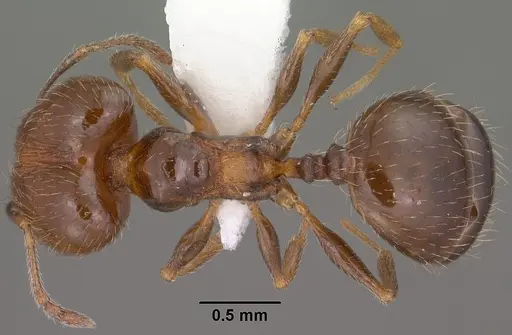
CASENT0102871
View on AntWeb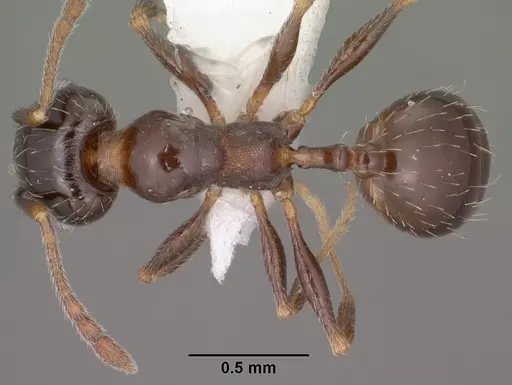
CASENT0104989
View on AntWeb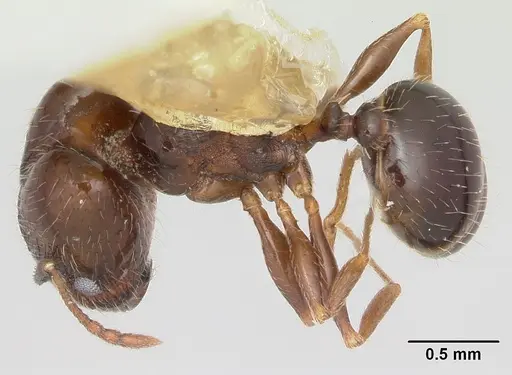
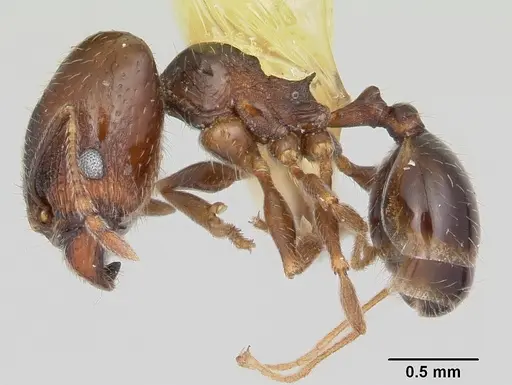
CASENT0105651
View on AntWeb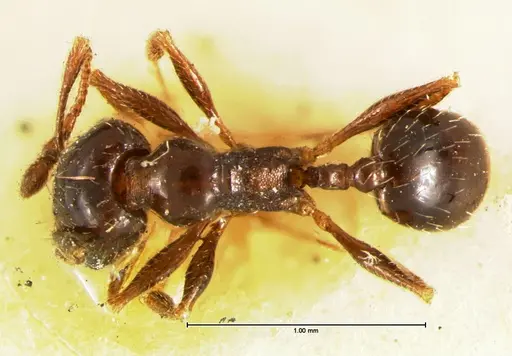
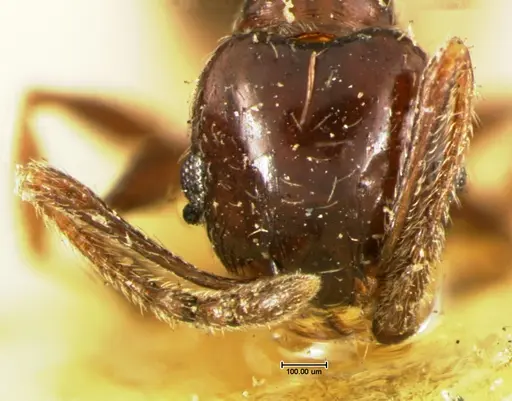
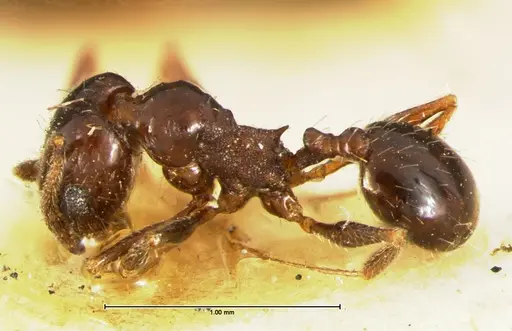
CASENT0105813
View on AntWeb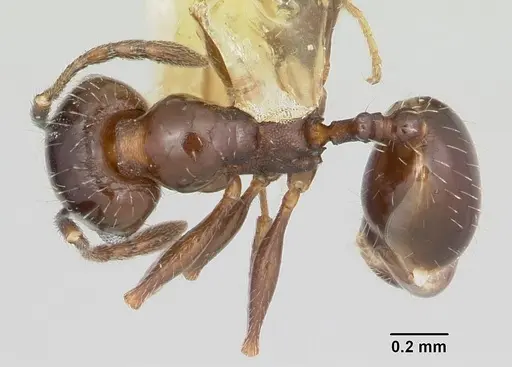
CASENT0282701
View on AntWeb
CASENT0282838
View on AntWeb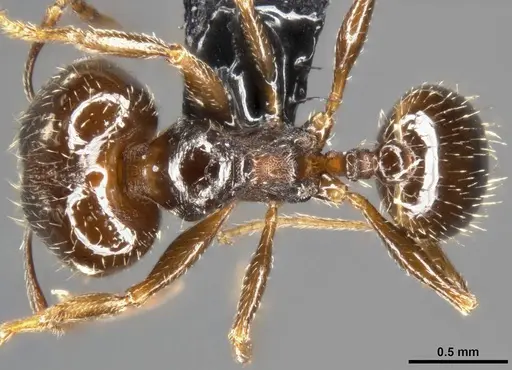
CASENT0643884
View on AntWeb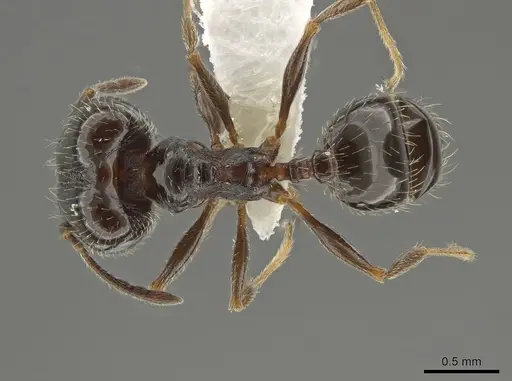
Literature
Loading...Loading products...