

Pheidole cerebrosior
- Scientific Name
- Pheidole cerebrosior
- Tribe
- Attini
- Subfamily
- Myrmicinae
- Author
- Wheeler, 1915
- Distribution
- Found in 2 countries
Pheidole cerebrosior Overview
Pheidole cerebrosior is an ant species of the genus Pheidole. It is primarily documented in 2 countries , including Mexico, United States of America. Detailed taxonomic data and occurrence records can be further explored via authoritative databases such as AntWeb or the Global Biodiversity Information Facility (GBIF).
Pheidole cerebrosior
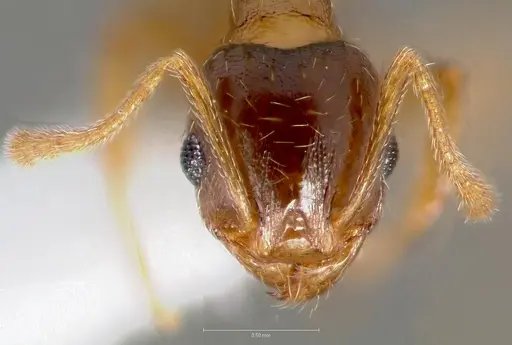
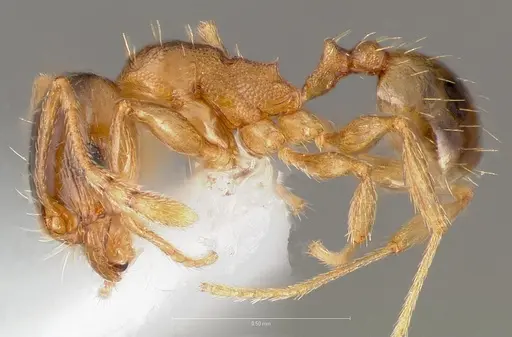
Pheidole cerebrosior is a small ant species native to the American Southwest and northern Mexico. These ants are famous for their major workers (soldiers) which have dramatically enlarged heads, a defining trait of the genus Pheidole. Majors measure about 1.12mm in head width, while minors are tiny at just 0.46mm. The species is light reddish-yellow in majors with a slightly darker abdomen, while minors are plain yellow throughout. This species belongs to the 'bicarinata complex' within the pilifera group and is nearly identical to the closely related Pheidole bicarinata, making identification tricky in areas where both species overlap. Colonies remain small, typically containing only 3-4 major workers, which is notably fewer than many other Pheidole species. [1]
Quick Summary
- Difficulty: Easy
- Origin & Habitat: Native to the American Southwest (Arizona, New Mexico, southern California) and northern Mexico (Baja California, Sonora, Chihuahua). Found at elevations between 550-1680 meters in evergreen-oak-woodland mountain canyons, open desert, riverine cottonwood forests, and Ephedra-mesquite habitats. [2][3][1]
- Colony Type: Single-queen colonies (monogyne), typical for Pheidole species. Colonies are small with only 3-4 major workers. [1]
- Colony: Monogyne
- Founding: Claustral
- Size & Growth:
- Queen: Unconfirmed, typical Pheidole queens are 4-6mm
- Worker: Minor: 0.46mm HW, Major: 1.12mm HW [1]
- Colony: Small colonies, typically under 100 workers with only 3-4 majors [1]
- Growth: Moderate, typical for desert Pheidole species
- Development: 5-8 weeks (estimated based on typical Pheidole development) (Development time estimated from related Pheidole species. Warmer temperatures within their range will speed development.)
- Antkeeping:
- Temperature: Keep at 22-26°C. This is a desert and mountain species that tolerates warm, dry conditions. A heating cable on one side of the nest creates a temperature gradient they can choose from. [1]
- Humidity: Low to moderate, these ants come from dry desert and canyon habitats. Keep the nest substrate lightly moist but allow portions to dry completely. Avoid constant saturation. [1]
- Diapause: Yes, this species experiences winter dormancy in its native range. Reduce temperature to 10-15°C for 2-3 months during winter, mimicking their natural seasonal cycle in mountain canyons above 550m elevation. [1]
- Nesting: In nature they nest under rocks, beneath cow dung, and in open soil with small crater nests. Seed chambers have been observed in some nests. For captivity, a test tube setup works well for founding colonies. Once established, a formicarium with sandy soil or a Y-tong nest with dry chambers mimics their natural nesting preferences. [1][4]
- Behavior: These ants are relatively peaceful and not aggressive. As seed harvesters and scavengers, they collect seeds and will scavenge on dead insects. Major workers use their large heads to crack seeds and defend the colony, while minor workers handle foraging and brood care. They are not known for stinging and pose no danger to keepers. The tiny minor workers (0.46mm) mean escape prevention is critical, they can squeeze through remarkably small gaps. [1][4]
- Common Issues: escape prevention is critical, minors are tiny at 0.46mm and can slip through standard barrier gaps, colonies remain small with only 3-4 majors, this is normal, not a sign of poor health, overwatering causes problems, these are dry habitat ants that prefer drier nest conditions, hibernation is required, skipping winter dormancy will weaken the colony over time, may be confused with Pheidole bicarinata, proper identification requires examining minor worker head sculpture
Nest Preferences and Housing
Pheidole cerebrosior naturally nests under rocks, beneath cow dung, and in open soil with small crater nest entrances. They've been found with seed chambers in their nests, confirming their role as seed harvesters. For captive care, start colonies in a simple test tube setup, the queen needs a dark, secure chamber to seal herself in during claustral founding. Once the first workers (nanitics) emerge and the colony grows, transfer to a formicarium with sandy soil or a Y-tong style nest. These ants prefer dry to moderately moist conditions, so avoid overly damp setups. The nest should have narrow chambers scaled to their tiny size, minors are only 0.46mm, so tight-fitting connections prevent escapes. [1][4]
Feeding and Diet
This species is a seed harvester and general scavenger. In the wild, workers have been observed feeding on dead beetles, and seed chambers in nests confirm they collect and store seeds. In captivity, offer a mix of seeds (grass seeds, millet, cracked sunflower hearts) as a staple food source. Protein should come from small insects like fruit flies, pinhead crickets, or mealworm pieces. Unlike some ants, Pheidole cerebrosior does not rely heavily on honeydew from aphids, they are true seed harvesters. Feed seeds continuously and offer protein prey 1-2 times per week. Remove uneaten seeds and prey after a few days to prevent mold. The major workers will use their large heads to crack open harder seeds. [1][4]
Temperature and Seasonal Care
Keep these ants at 22-26°C, which mimics their warm desert and canyon habitat. They are found at elevations between 550-1680m in areas that experience hot summers and cold winters. A heating cable on one side of the nest creates a gradient, the ants will regulate their temperature by moving between warmer and cooler areas. During winter, this species requires a diapause period. Reduce temperatures to 10-15°C for 2-3 months, typically from late fall through early spring. This mimics the seasonal cycle they experience in their native mountain habitats. Skipping hibernation will weaken the colony over time and may reduce lifespan. Do not feed during diapause, the colony will be largely inactive. [1]
Behavior and Colony Structure
Pheidole cerebrosior forms small colonies with a single queen and typically only 3-4 major workers, this is unusually low for Pheidole species, which often have many more soldiers. The majors have dramatically enlarged heads used for seed cracking and colony defense, while the smaller minors handle foraging, brood care, and general tasks. These ants are not aggressive and rarely sting. Workers forage individually for seeds and scavenge on dead insects. The major workers stay near the nest while minors range outward. Colonies grow slowly compared to many other ants, so patience is needed during the founding stage. The small colony size and peaceful temperament make them suitable for observation, though you'll see fewer dramatic 'armies' than with larger Pheidole species. [1]
Frequently Asked Questions
How long does it take for Pheidole cerebrosior to raise first workers?
Expect 5-8 weeks from egg to first worker (nanitic) at room temperature (22-26°C). This is typical for Pheidole species. The queen seals herself in during claustral founding and raises the first brood alone using stored fat reserves.
What do Pheidole cerebrosior ants eat?
They are seed harvesters and scavengers. Offer seeds like grass seeds, millet, or cracked sunflower hearts as a staple. Supplement with small insects like fruit flies, pinhead crickets, or mealworm pieces for protein. They do not typically seek sugar sources or honeydew.
How big do Pheidole cerebrosior colonies get?
Colonies remain small, typically under 100 workers with only 3-4 major workers. This is notably smaller than many other Pheidole species and is normal for this species.
Do Pheidole cerebrosior ants need hibernation?
Yes, they require a winter diapause. Reduce temperatures to 10-15°C for 2-3 months during winter, mimicking their natural seasonal cycle in mountain canyon habitats.
Can I keep multiple Pheidole cerebrosior queens together?
No, this is a monogyne (single-queen) species. Unlike some Pheidole that can form multi-queen colonies, P. cerebrosior typically has only one queen per colony. Combining unrelated queens will result in fighting.
Why are my Pheidole cerebrosior escaping?
Your minors are extremely tiny at 0.46mm, they can slip through gaps you can't even see. Use excellent escape prevention: apply Fluon to barrier edges, use fine mesh for outworlds, and ensure all connections are tight. Check for gaps around water test tube wicks.
When should I move Pheidole cerebrosior from a test tube to a formicarium?
Move them once the colony reaches 20-30 workers or when the test tube water section becomes contaminated. They prefer dry to moderately moist conditions, so choose a nest with good ventilation. A Y-tong or sandy soil formicarium works well.
How do I identify Pheidole cerebrosior vs Pheidole bicarinata?
They are nearly identical and difficult to distinguish. The minor worker of P. cerebrosior has a punctate (dotted) vertex on the head, while P. bicarinata has smooth and shining to very finely striolate sculpture. This requires magnification to see clearly.
Are Pheidole cerebrosior good for beginners?
Yes, they are a good beginner species. They are hardy, require simple care (dry warmth with seeds and occasional protein), and have small colony sizes that are easy to manage. The main challenges are escape prevention due to their tiny size and providing proper winter diapause.
References

This caresheet is licensed under CC BY-SA 4.0 .
CASENT0000184
View on AntWeb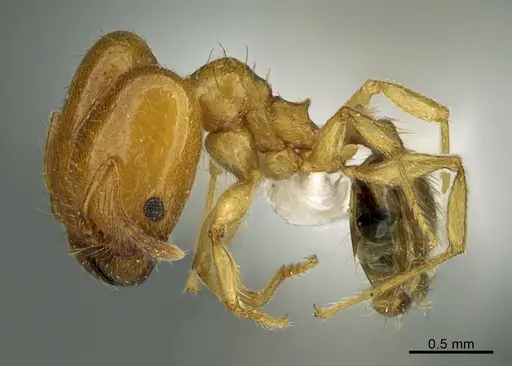
CASENT0005151
View on AntWeb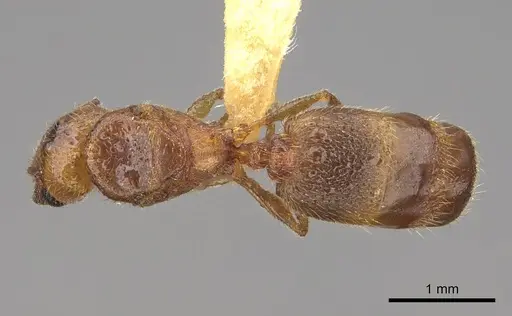
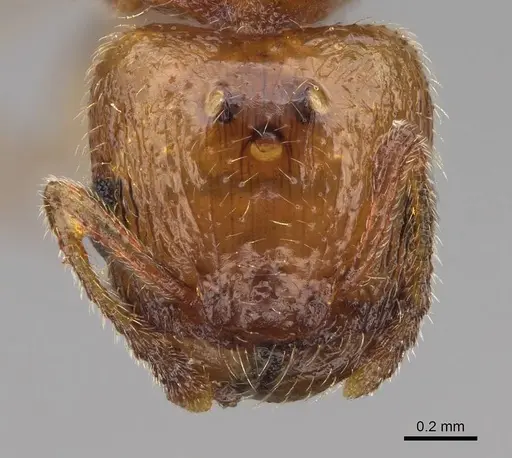
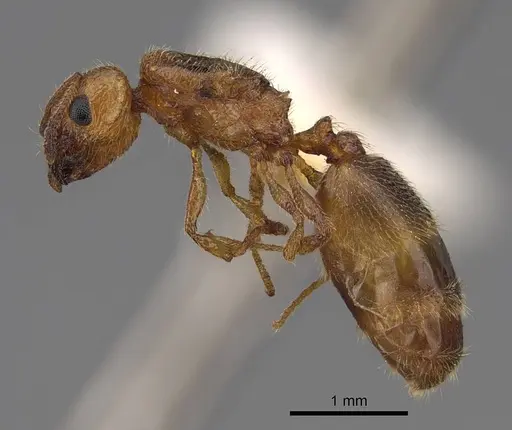
CASENT0005753
View on AntWeb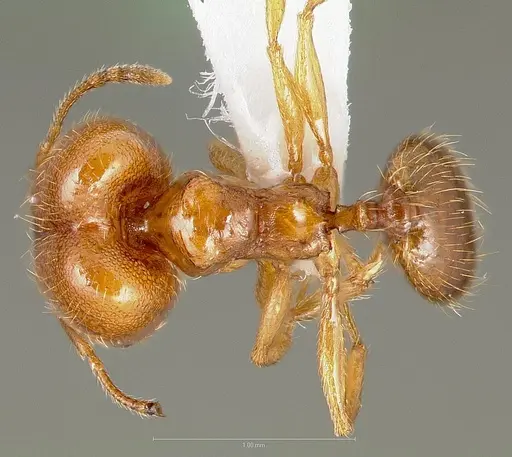
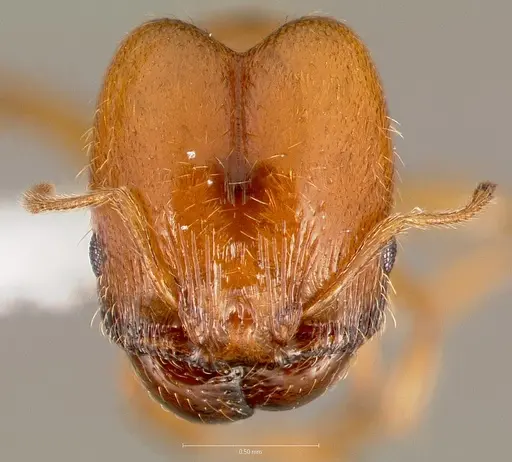
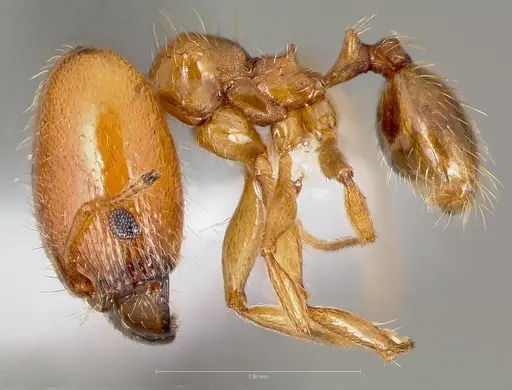
CASENT0005754
View on AntWeb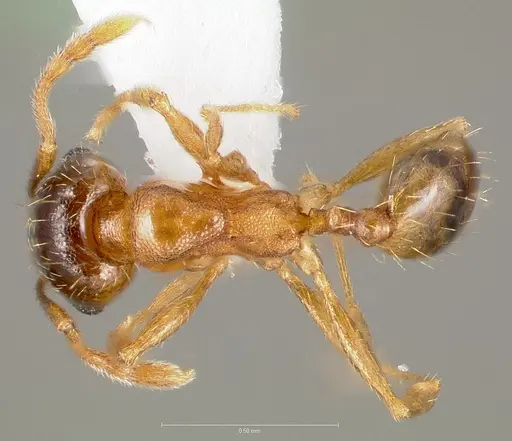
Literature
Loading...Loading products...