
Pheidole bicarinata exhibits a clear seasonal flight window. Peak flight activity is concentrated in July, with the overall period spanning June to August.
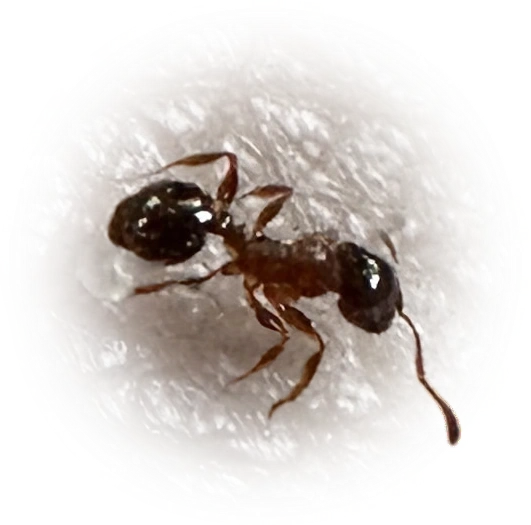
Pheidole bicarinata
- Scientific Name
- Pheidole bicarinata
- Tribe
- Attini
- Subfamily
- Myrmicinae
- Author
- Mayr, 1870
- Common Name
- Variable Big-headed Ant
- Distribution
- Found in 1 countries
- Nuptial Flight
- from June to August, peaking in July
AI Identifiable
try →
Pheidole bicarinata Overview
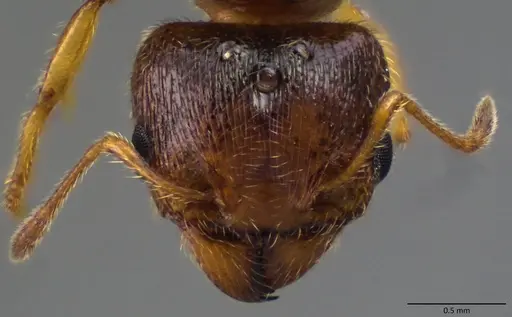
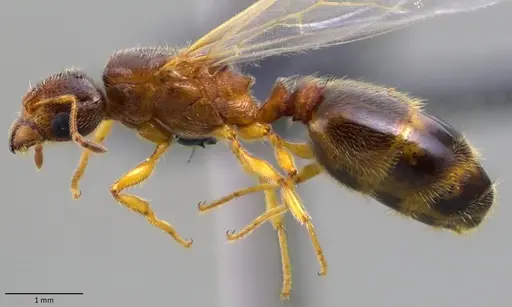
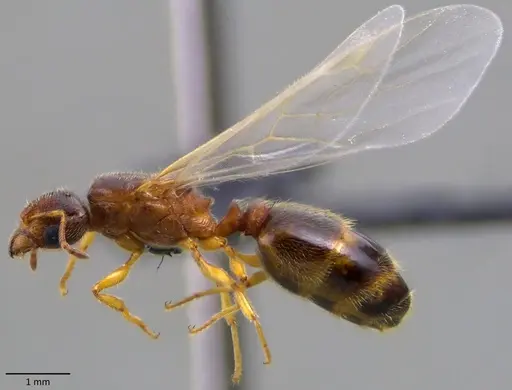
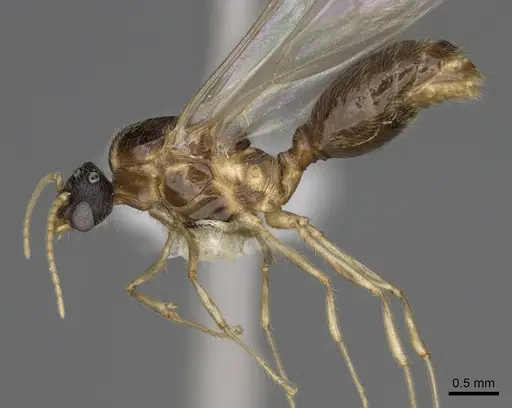
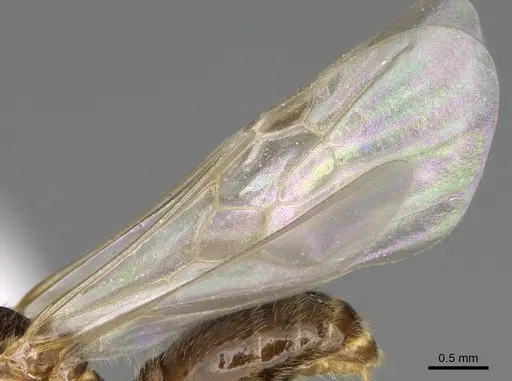
Pheidole bicarinata (commonly known as the Variable Big-headed Ant) is an ant species of the genus Pheidole. It is primarily documented in 1 countries , including United States of America. Detailed taxonomic data and occurrence records can be further explored via authoritative databases such as AntWeb or the Global Biodiversity Information Facility (GBIF).
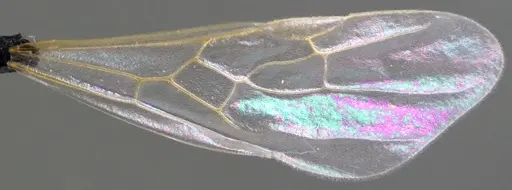
The nuptial flight of Pheidole bicarinata is a significant biological event, typically occurring from June to August, peaking in July. During this time, winged queens and males leave the nest to mate and establish new colonies.
Pheidole bicarinata - "Variable Big-headed Ant"
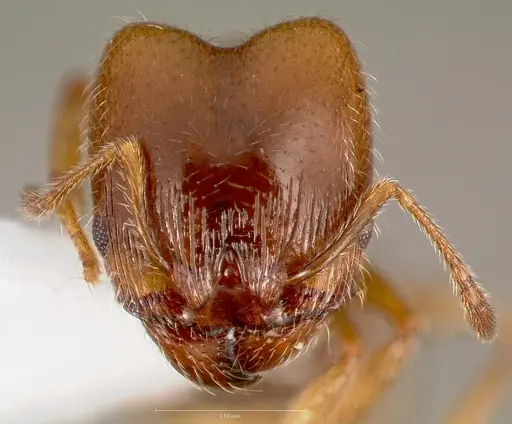
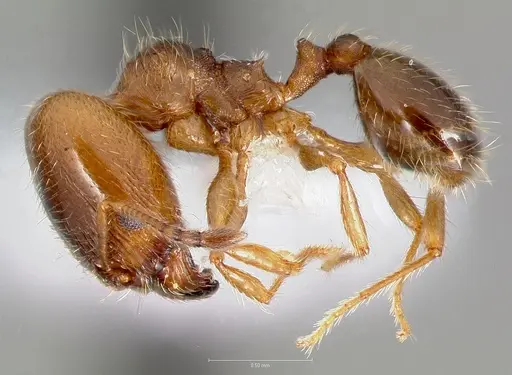
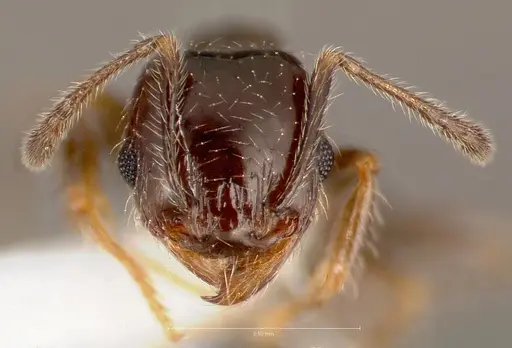
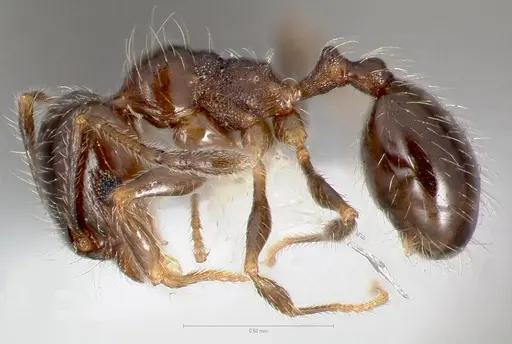
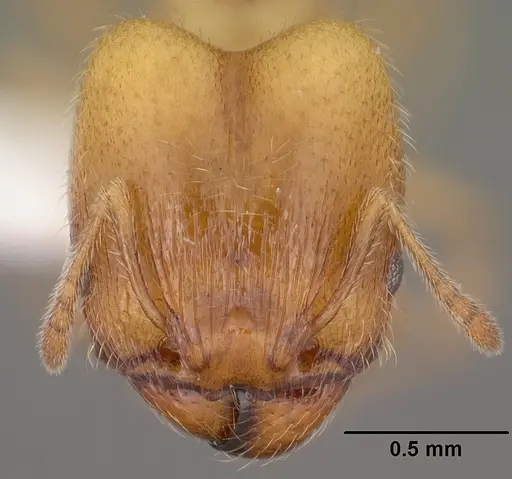
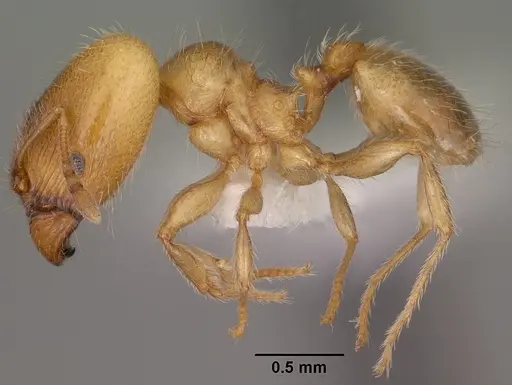
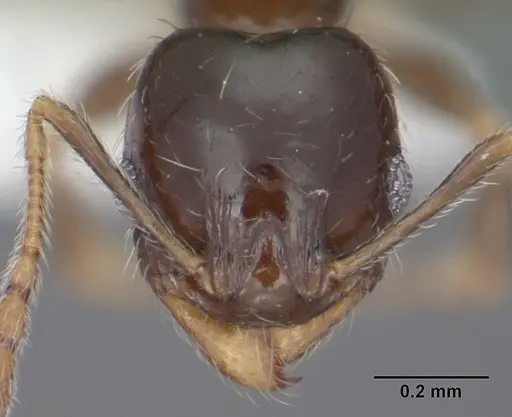
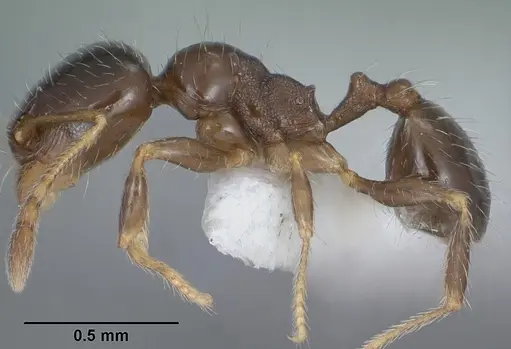
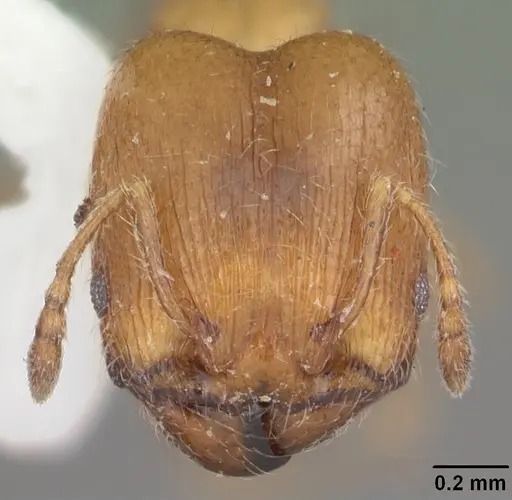
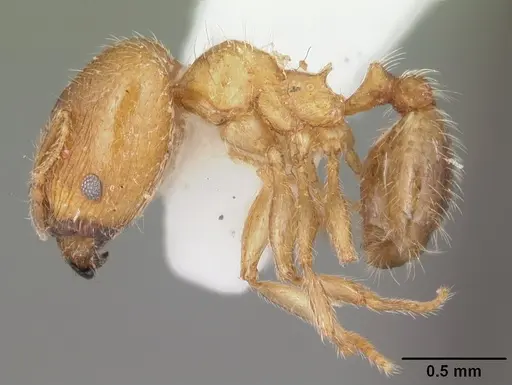
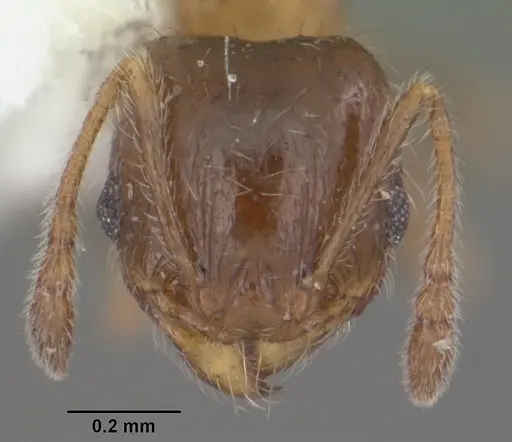
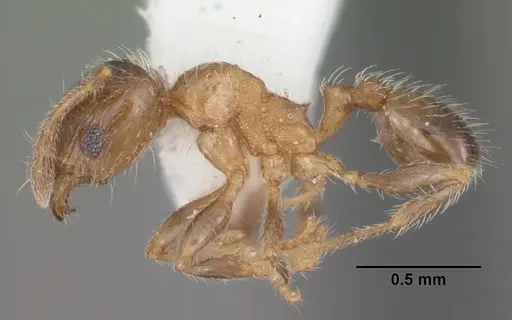
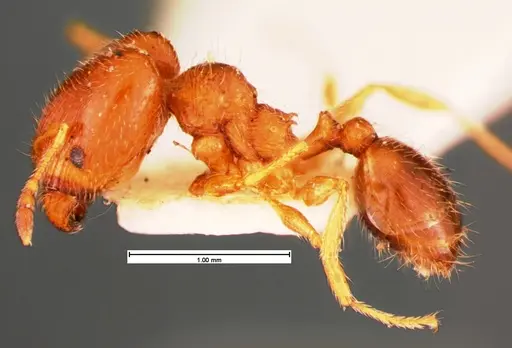
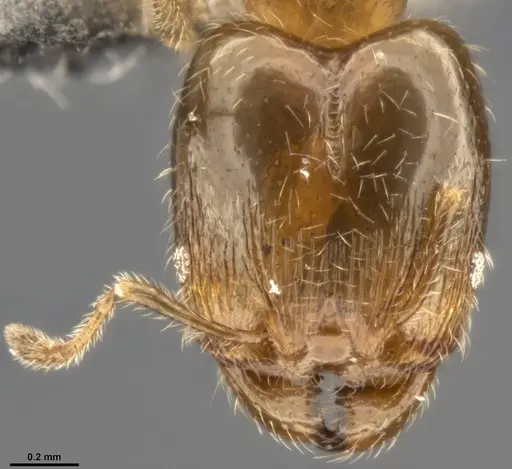
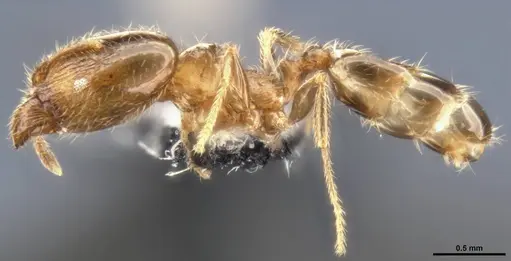
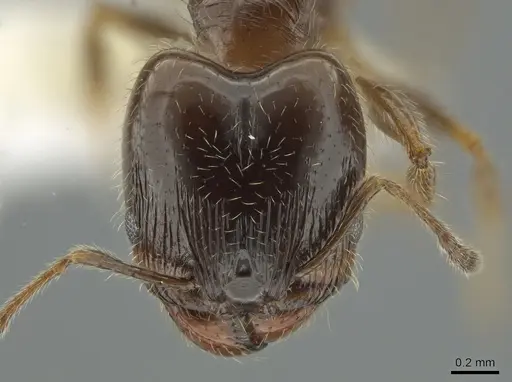
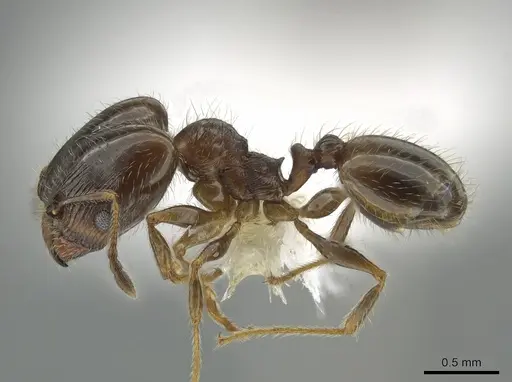
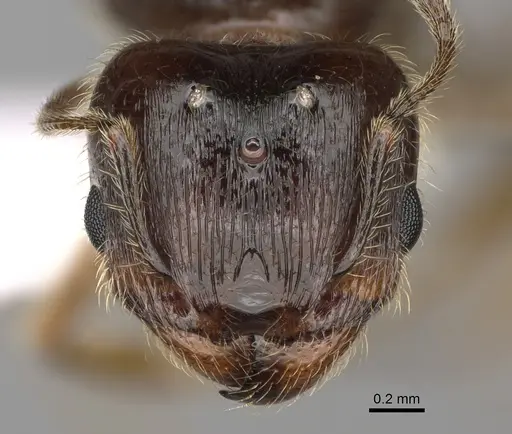
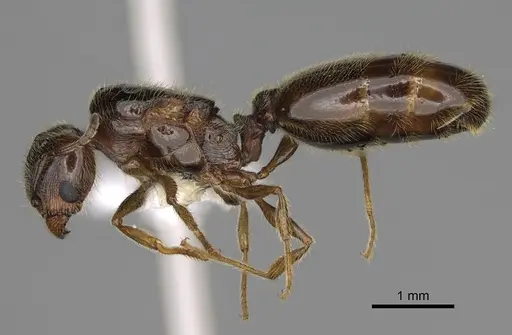
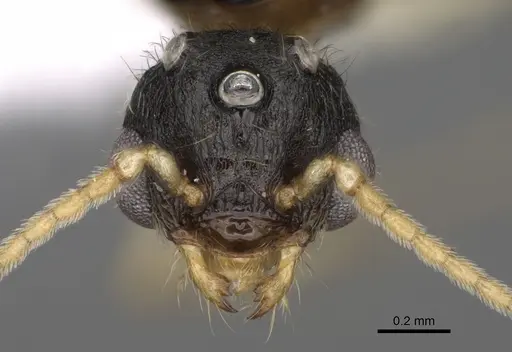
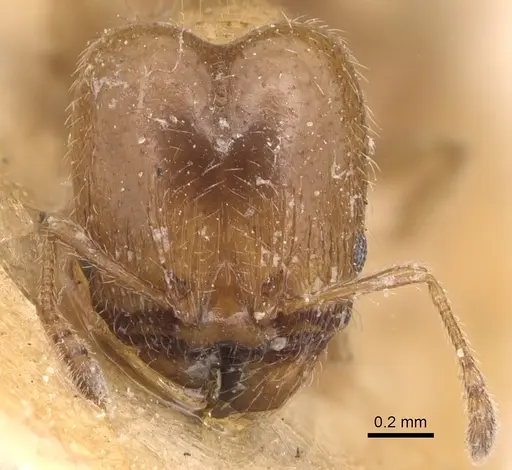
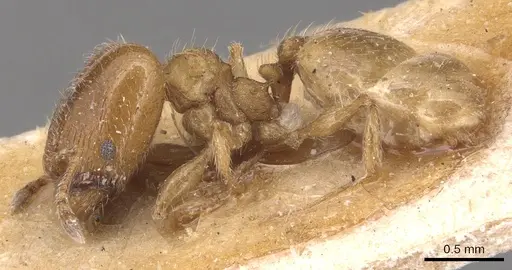
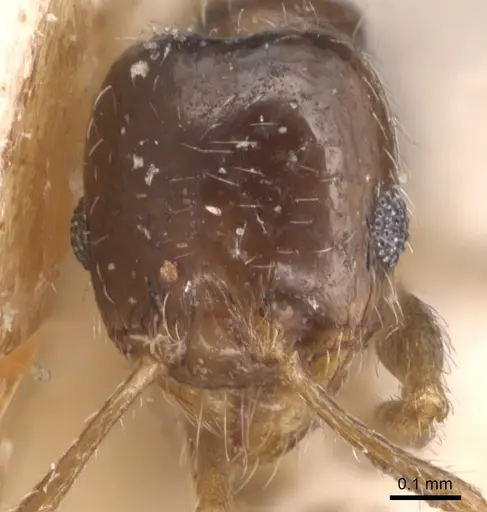
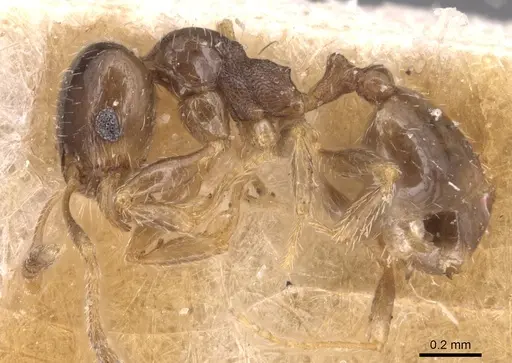
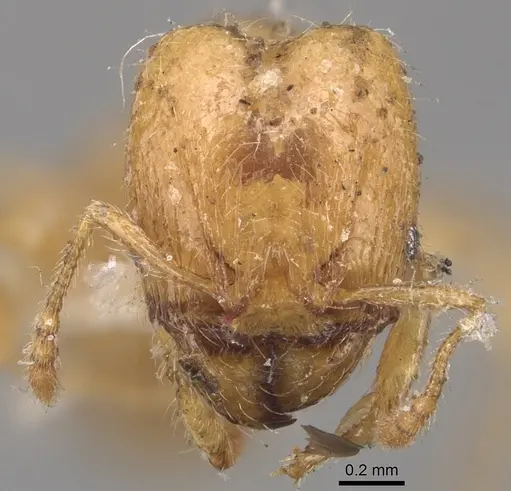
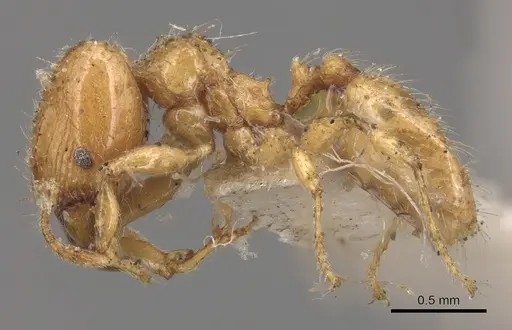
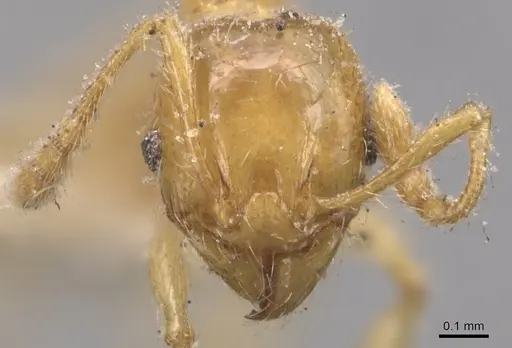
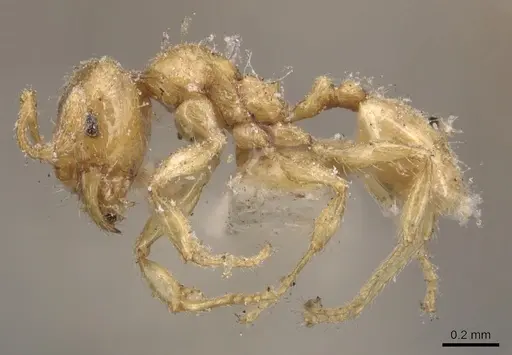
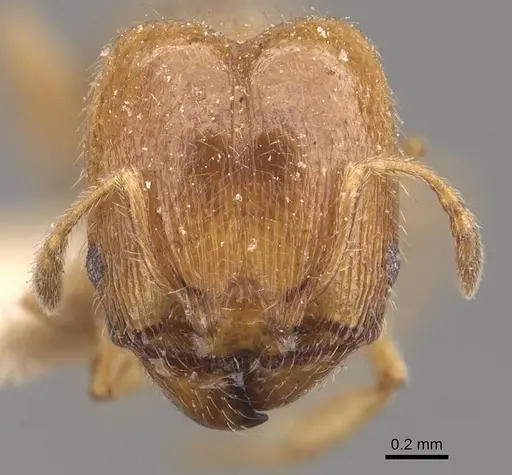
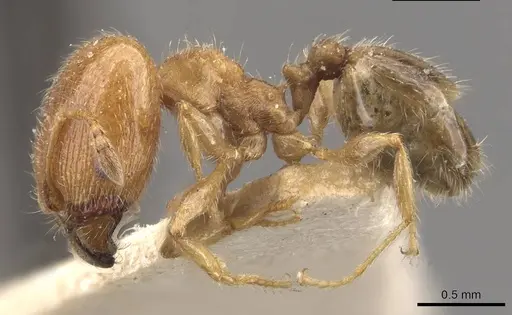
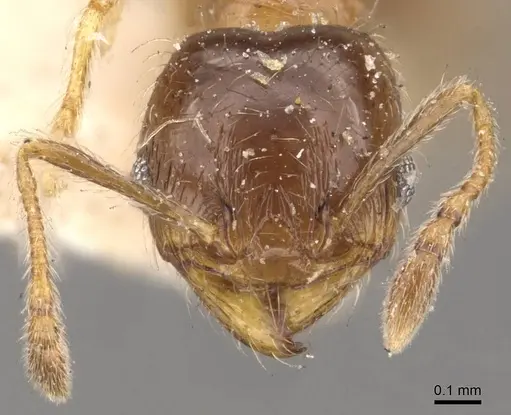
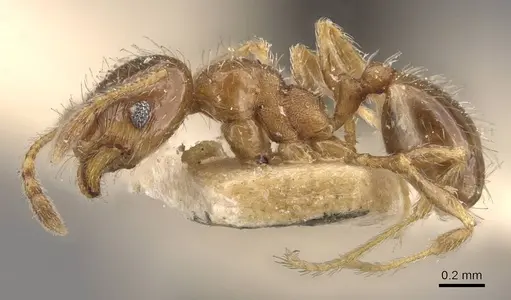
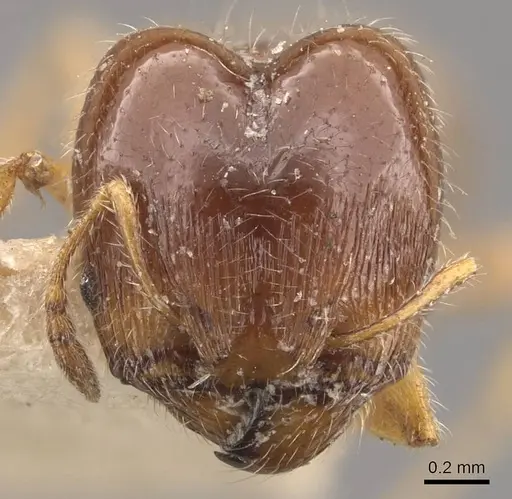
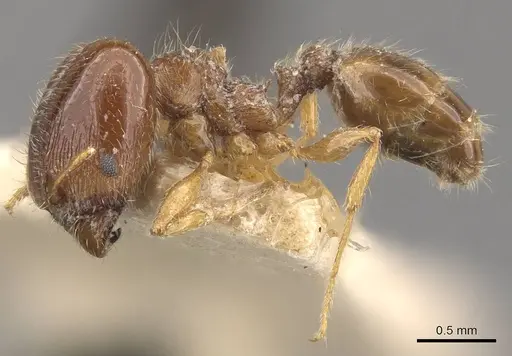
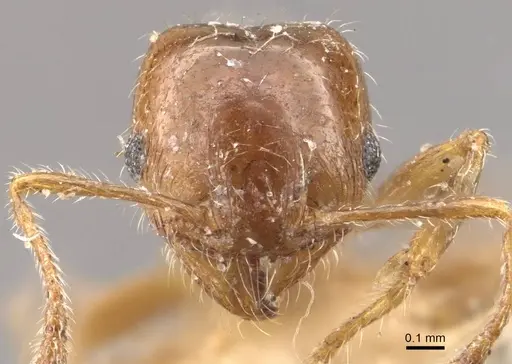
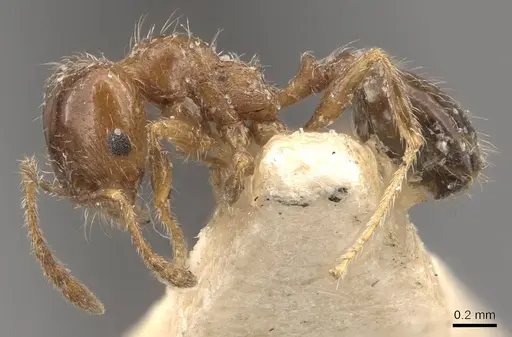
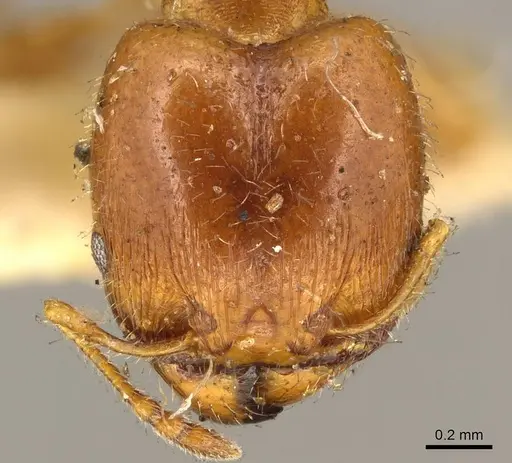
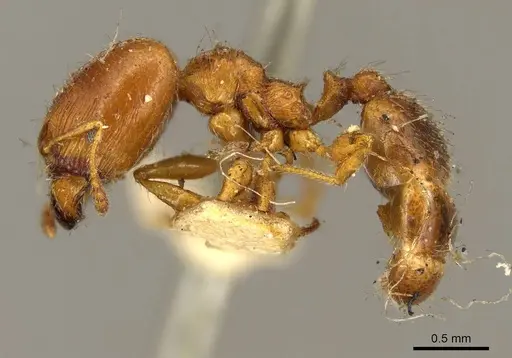
Pheidole bicarinata is a small, dimorphic ant species native to much of the United States, ranging from New Jersey to Florida and west to Utah and Nevada. They get their name from the major workers (soldiers) which have notably enlarged heads. Major workers measure 3.0-5.0mm while minor workers are around 1.9mm [1][2]. Color varies geographically, western populations tend to be yellow while eastern populations are brown to dark brown. This species is highly adaptable, found in habitats ranging from sandy prairies and grasslands to lawns, golf courses, and roadsides. They nest in sandy soil, typically under stones, in rotten logs, or with small crater mounds in open ground [2][3].
What makes P. bicarinata particularly interesting is its well-studied caste system. Researchers Wheeler and Nijhout used this species to pioneer studies on how juvenile hormone determines whether a larva develops into a minor worker or a major soldier. The colony produces soldiers only when larvae receive a high-protein diet during a critical developmental window, and adult soldiers release a pheromone that inhibits more soldiers from developing [4][5]. This makes them an excellent species for observing polymorphism in action.
Quick Summary
- Difficulty: Easy
- Origin & Habitat: Native to the United States, found from New Jersey to Florida and west through Nebraska, Colorado, and Texas to Utah and Nevada [2][6]. They prefer open sites with sandy soils and habitats at the moister end of dry, grasslands and valley bottoms in arid regions. In the eastern US, they're common in fields, lawns, golf courses, and disturbed areas like roadsides [3].
- Colony Type: Monogyne (single-queen colonies). Queens are monogynous and polyandrous (queen mates with multiple males) [7]. Colonies are small, typically just a few hundred workers [3].
- Colony: Monogyne
- Founding: Claustral
- Size & Growth:
- Queen: Approximately 5mm [8].
- Worker: Major workers: 3.0-5.0mm [1], Minor workers: approximately 1.9mm [2].
- Colony: Up to 200 workers [2].
- Growth: Moderate
- Development: 6-8 weeks (estimated based on typical Pheidole development) (Development has been studied extensively in this species, the critical period for soldier determination occurs during days 4-6 of the last larval instar when exposed to juvenile hormone [5].)
- Antkeeping:
- Temperature: Keep at room temperature, around 20-24°C. This species is thermally flexible, they're active year-round and show seasonal plasticity in their heat tolerance (CTmax ranges from 50°C in winter to 54°C in summer) [9]. They do well in typical indoor conditions.
- Humidity: Moderate humidity. They prefer sandy, well-draining substrate that can hold some moisture but isn't waterlogged. Keep the nest substrate slightly moist but allow it to dry partially between waterings.
- Diapause: No, this species does not require hibernation. They're active year-round in their native range and can tolerate a wide range of temperatures [9]. However, you can provide a cooler period (15-18°C) in winter if you want to slow colony activity.
- Nesting: They nest in sandy soil under stones, in rotten logs, or in open ground with small crater mounds. In captivity, a standard formicarium with sandy substrate works well. They do well in test tubes for founding colonies, then transition to nests with soil or sand-filled chambers.
- Behavior: These are calm, non-aggressive ants that are a pleasure to keep. Minor workers forage individually for seeds and small prey, while majors defend the nest and help process larger food items. They're not aggressive toward humans and rarely sting. Because of their small size, escape prevention is important, use fluon on smooth surfaces and ensure any connections between outworld and nest are tight. They are active foragers and will readily discover food sources [2].
- Common Issues: colonies stay small, don't expect massive colonies like some Myrmicinae, this is a modest species that tops out around 200 workers, small size means escapes are possible, use fine mesh and barrier tape on enclosures, soldier production is sensitive to diet, overfeeding protein can trigger excessive soldier production which may destabilize the colony balance, they can be outcompeted by more aggressive ant species at food sources, keep them separated from larger ants
Nuptial Flight Activity Analysis 374 observations
Flight Activity by Hour 374 observations
Pheidole bicarinata nuptial flight activity peaks around 21:00 during the night. Activity is spread across a 24-hour window (00:00–23:00). Times may be influenced by human observation patterns.
Housing and Nest Setup
Pheidole bicarinata does well in standard ant housing. For founding colonies, a simple test tube setup works perfectly, fill a test tube one-third with water, plug with cotton, and place the queen in. She'll seal herself into a chamber and raise her first brood alone. Once you have 10-20 workers, you can move them to a formicarium.
For established colonies, use a nest with sandy substrate, these ants naturally nest in soil and sand. A naturalistic setup with a sand-filled chamber or a Y-tong style nest works well. They prefer nests that allow them to dig their own chambers. Keep the substrate moist but ensure good drainage, standing water will kill them.
The outworld should be simple, a plastic container works fine. Offer food on a small platform or directly on the substrate. Because they're small, make sure any gaps around tube connections are sealed. [2][3]
Feeding and Diet
These ants are omnivorous and opportunistic. In the wild, they primarily harvest seeds but also eat small insects, tend aphids for honeydew, and scavenge on dead animals [2][3]. In captivity, offer a varied diet:
For protein: small insects like fruit flies, pinhead crickets, or mealworms. Since they're small, cut prey into manageable pieces. They also readily accept protein paste or freeze-dried insects.
For carbohydrates: sugar water, honey, or commercial ant nectar. They have been documented tending aphids in the wild [10].
Seeds: they naturally harvest seeds, so you can offer small seeds like millet or grass seeds. They may store these in "granaries" within their nest [3].
Feed them every 2-3 days, removing uneaten food to prevent mold. A small dish of sugar water can be left continuously.
Temperature and Seasonal Care
Pheidole bicarinata is remarkably adaptable to temperature. They're found across a wide range of climates in the US, from the humid east to the arid west, and from sea level to over 2000m elevation in Colorado [3]. This flexibility means they do well at typical room temperature (20-24°C).
One interesting trait: they show seasonal plasticity in their heat tolerance. Studies show their critical thermal maximum (CTmax) increases from about 50°C in winter to 54°C in summer [9]. This means they're well-equipped to handle temperature variations.
Unlike many temperate ants, they don't require a true hibernation period. However, you can provide a cooler winter period (15-18°C) if you want to reduce activity and slow growth. This mimics their natural behavior in colder parts of their range where they're less active in winter.
Avoid extreme temperatures, don't place their nest near heating elements that could cause localized hot spots.
Understanding the Soldier Caste
One of the most fascinating aspects of Pheidole bicarinata is their well-studied caste system. Unlike many ants that have fixed worker sizes, this species produces two distinct worker castes: small minor workers and large major workers (soldiers) with enlarged heads [11].
The development of soldiers has been extensively studied. Wheeler and Nijhout discovered that soldiers develop from larvae that receive high-protein food during a critical window in their last larval stage (days 4-6). Juvenile hormone (JH) plays a key role, applying JH or JH analogs (like methoprene) to larvae can induce soldier development [5][4].
Adult soldiers also inhibit more soldiers from developing. They release a pheromone that's transferred through brood feeding, telling the colony "we have enough soldiers" [4]. This keeps the caste ratio balanced.
In your colony, you'll typically see about 10-20% soldiers. If you overfeed protein, you might trigger excessive soldier production. The soldiers' job is primarily defense and processing hard food, they don't forage as much as minors.
Behavior and Colony Dynamics
Pheidole bicarinata colonies are peaceful and easy to manage. Minor workers handle most foraging, they search individually for seeds and small prey, though they can mass-recruit to large food sources [12]. Majors stay closer to the nest and help with defense and food processing.
These ants are not aggressive toward humans and rarely sting. Their small size means even if they do sting, it's barely noticeable.
In the wild, they're considered "opportunist" ants, they can coexist with other species and are found in disturbed areas like lawns and roadsides [13]. However, they're sensitive to competition from larger, more aggressive ants and can be displaced from food sources [12].
They're also known to be attacked by phorid flies (Apocephalus species), which are parasitoids that can affect their foraging behavior [14]. In captivity, this isn't usually a concern unless you collect wild-caught specimens.
Colony growth is moderate, expect several months from founding to first workers, then another year or two to reach 100-200 workers. They're not fast-growing like some tropical species.
Frequently Asked Questions
How long does it take for Pheidole bicarinata to go from egg to worker?
Plan for approximately 6-8 weeks from egg to first worker at room temperature (around 22-24°C). This is typical for Pheidole species. The exact timing depends on temperature, warmer conditions speed development slightly, while cooler temperatures slow it down.
Can I keep multiple Pheidole bicarinata queens together?
No, this species is monogyne, meaning colonies have a single queen. Unlike some Pheidole species that can have multiple queens, P. bicarinata colonies will fight if you try to combine unrelated queens. If you catch multiple founding queens, house them separately.
How big do Pheidole bicarinata colonies get?
Colonies are relatively small compared to many ants. Maximum size is around 200 workers [2]. This makes them a good choice if you want a manageable colony that won't take over your entire ant room.
What do I feed Pheidole bicarinata?
They're omnivorous. Offer protein (small insects like fruit flies, pinhead crickets, or mealworms) 2-3 times per week, and keep a constant source of sugar (sugar water, honey, or ant nectar). They also naturally eat seeds, so small seeds like millet can be offered as enrichment.
Are Pheidole bicarinata good for beginners?
Yes, they're one of the easier native US ants to keep. They're forgiving of minor care mistakes, don't require hibernation, and stay at a manageable colony size. Their interesting soldier caste system also makes them engaging to watch.
Do Pheidole bicarinata need hibernation?
No, they don't require a true hibernation period. They're active year-round in the wild across most of their range. You can provide a cooler period (15-18°C) in winter if you want to slow activity, but it's not necessary.
When should I move my colony to a formicarium?
Move them once you have 15-30 workers and they're outgrowing their test tube. They do well in nests with sandy substrate where they can dig. A Y-tong or plaster nest with sand chambers also works well.
Why are my Pheidole bicarinata producing so many soldiers?
Soldier production is triggered by diet, high protein intake during larval development causes more soldiers to develop. If you're overfeeding protein-rich foods, you may see excessive soldier production. This isn't harmful, but the colony ratio will balance naturally over time as the soldiers complete their lifespan.
References

This caresheet is licensed under CC BY-SA 4.0 .
ANTWEB1041750
View on AntWeb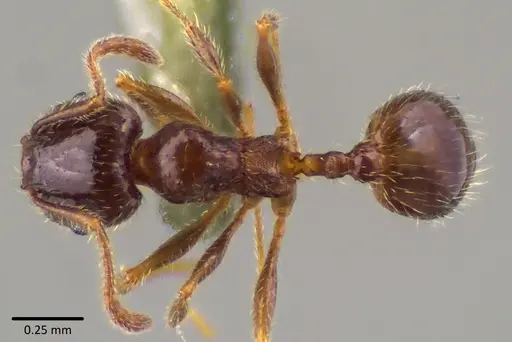
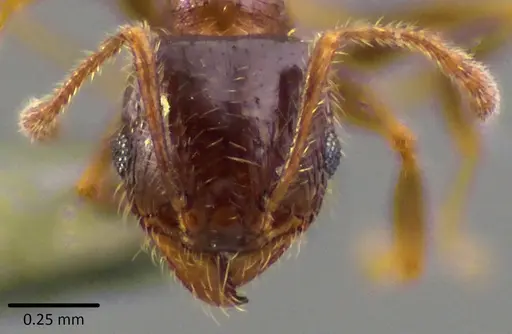
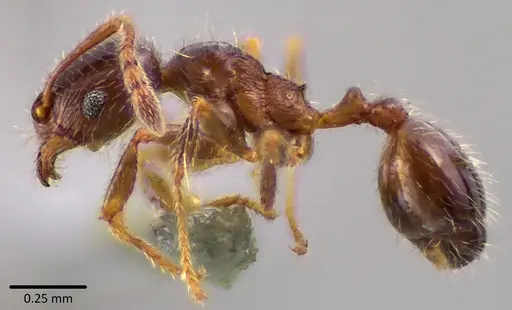
ANTWEB1060115
View on AntWeb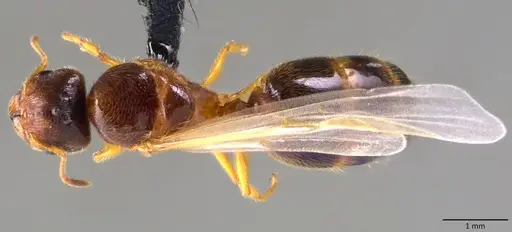
CASENT0005749
View on AntWeb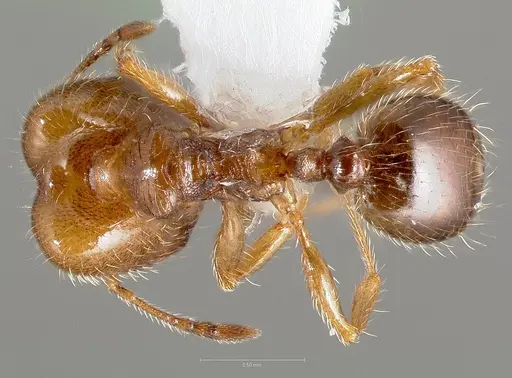
CASENT0005750
View on AntWeb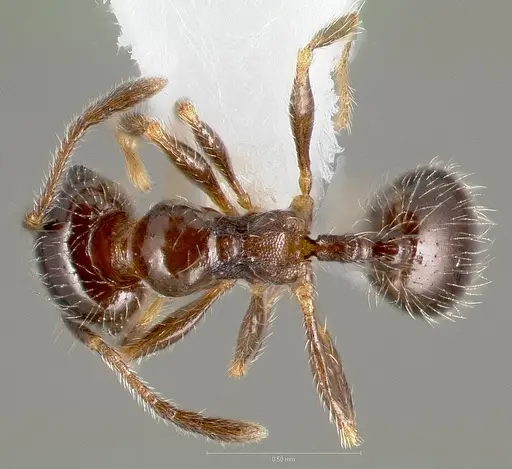
CASENT0102868
View on AntWeb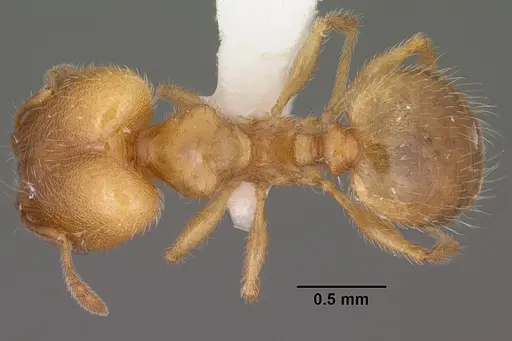
CASENT0102869
View on AntWeb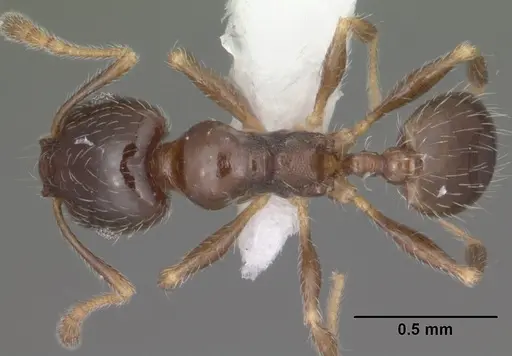
CASENT0104282
View on AntWeb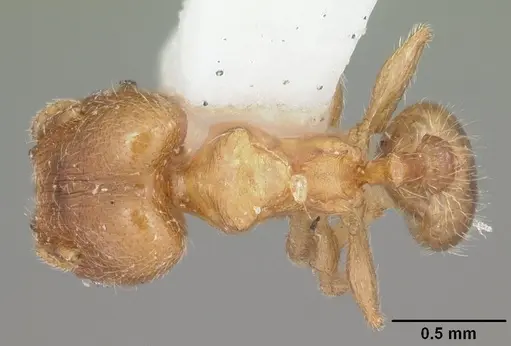
CASENT0104283
View on AntWeb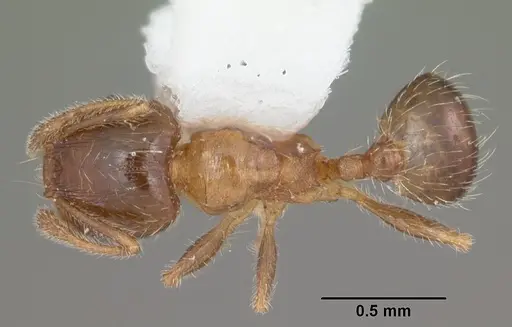
CASENT0105560
View on AntWeb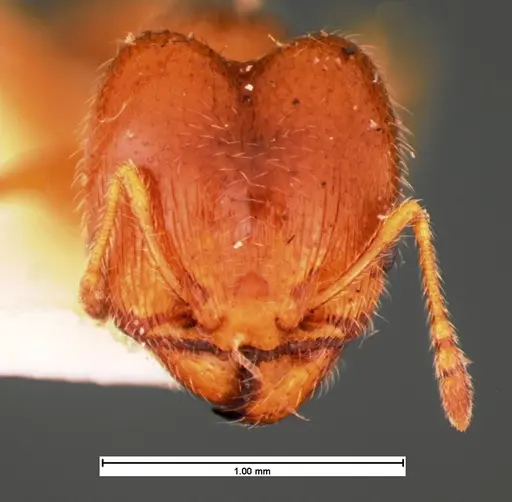
CASENT0283402
View on AntWeb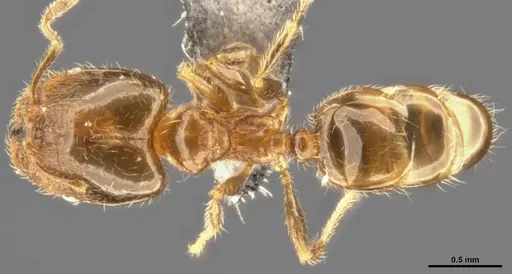
CASENT0644893
View on AntWeb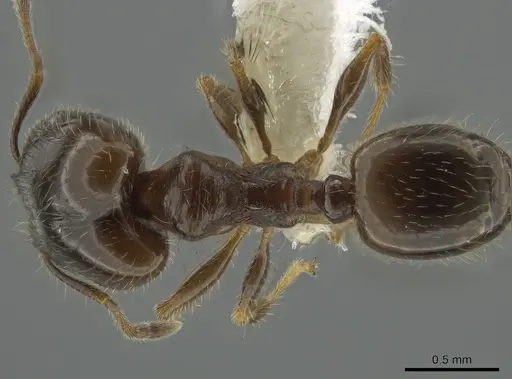
CASENT0862454
View on AntWeb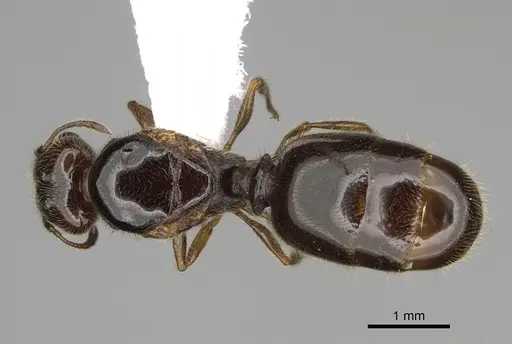
CASENT0862455
View on AntWeb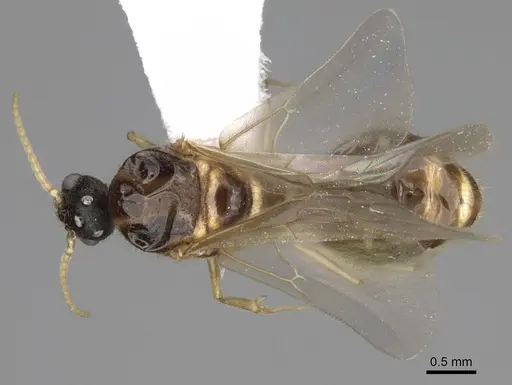
CASENT0904436
View on AntWeb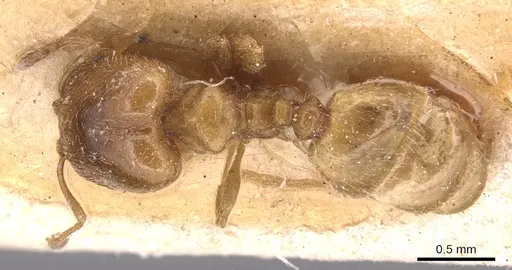
CASENT0904437
View on AntWeb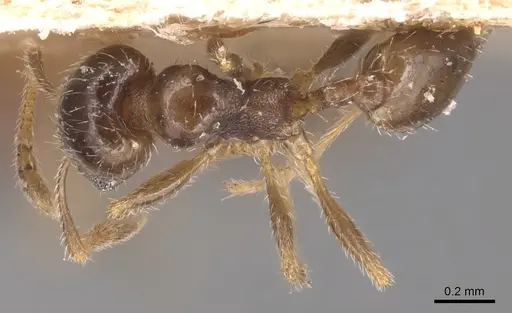
CASENT0904438
View on AntWeb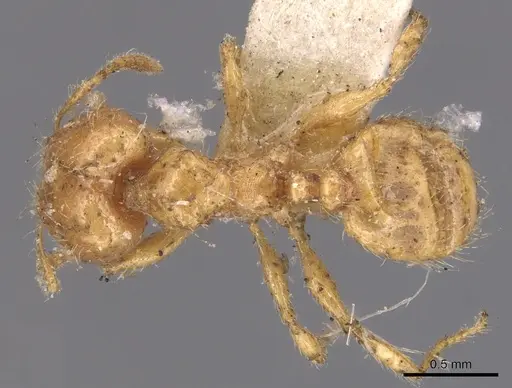
CASENT0904439
View on AntWeb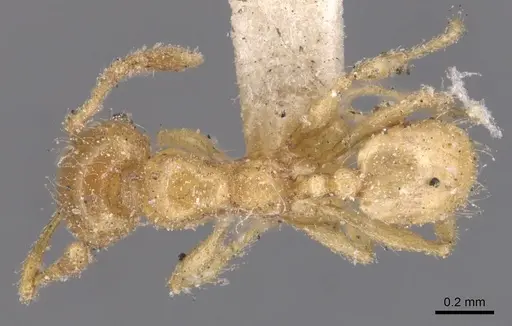
CASENT0908244
View on AntWeb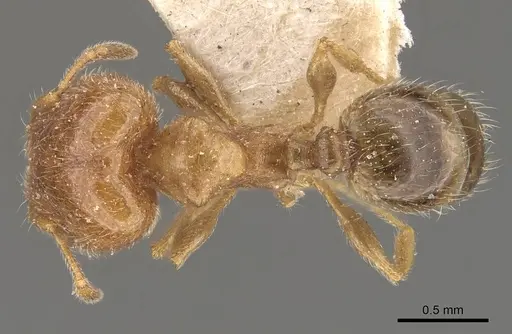
CASENT0908245
View on AntWeb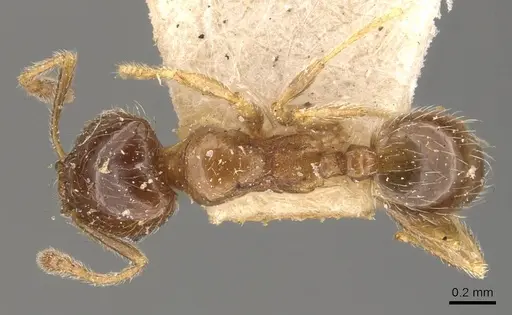
CASENT0908246
View on AntWeb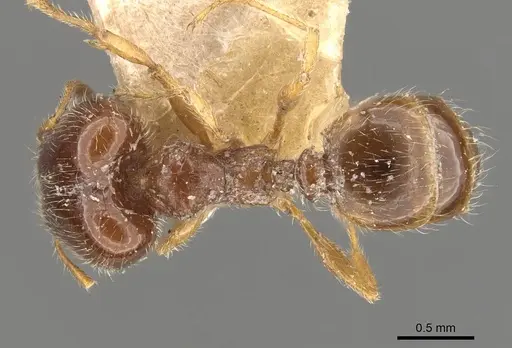
CASENT0908247
View on AntWeb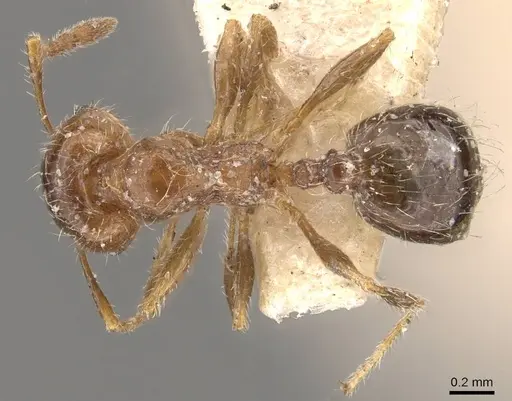
CASENT0916050
View on AntWeb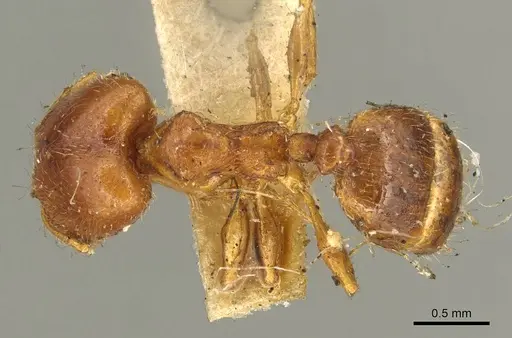
Literature
Loading...Loading products...