

Pheidole carinote
- Scientific Name
- Pheidole carinote
- Tribe
- Attini
- Subfamily
- Myrmicinae
- Author
- Longino, 2009
- Distribution
- Found in 1 countries
Pheidole carinote Overview
Pheidole carinote is an ant species of the genus Pheidole. It is primarily documented in 1 countries , including Costa Rica. Detailed taxonomic data and occurrence records can be further explored via authoritative databases such as AntWeb or the Global Biodiversity Information Facility (GBIF).
Pheidole carinote
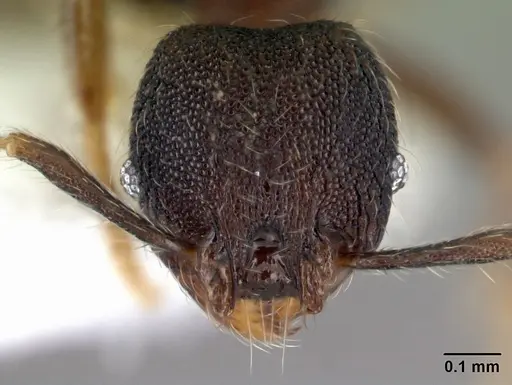
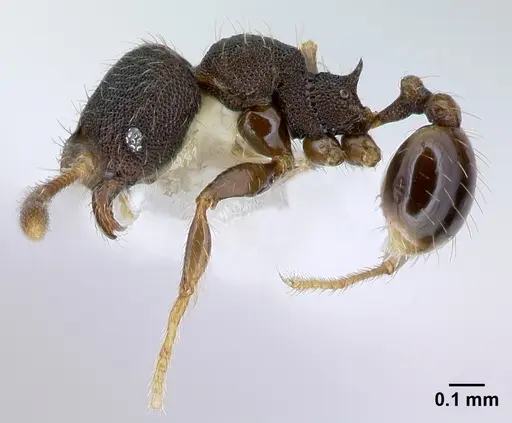
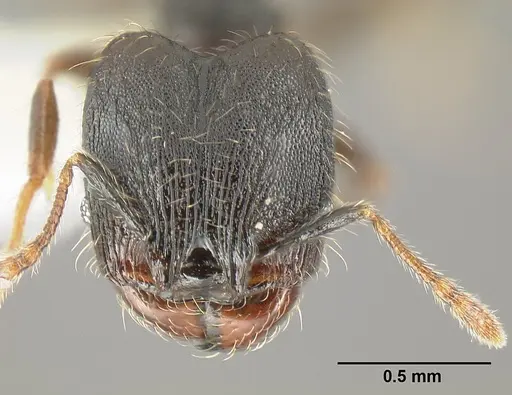
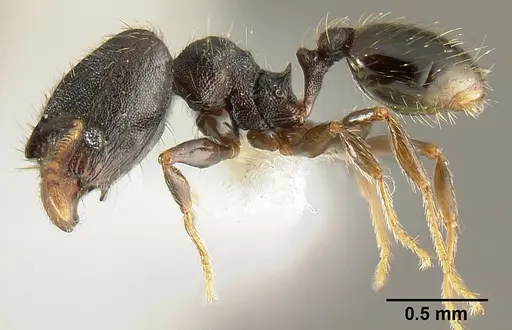
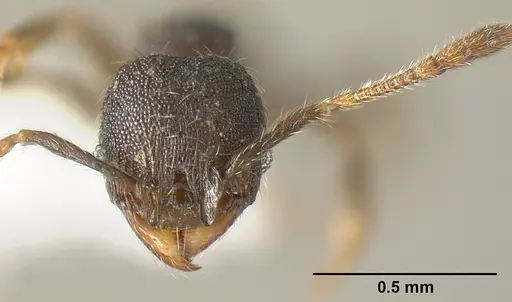
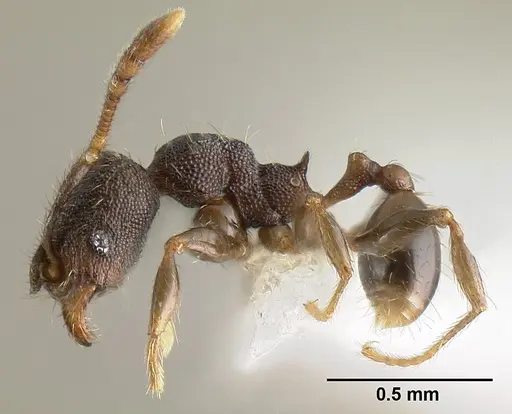
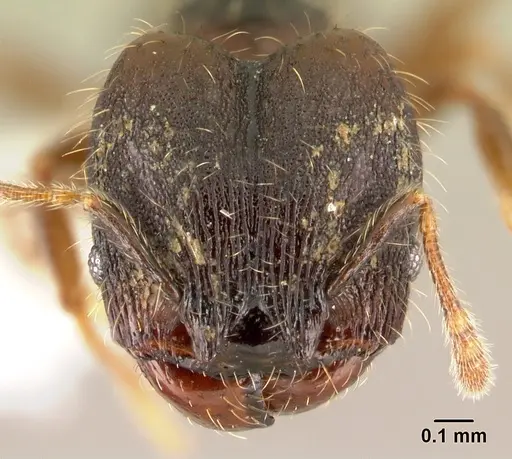
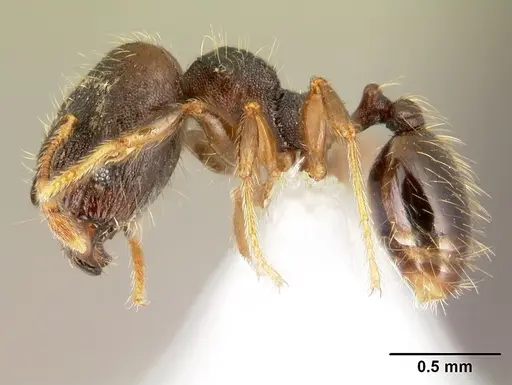
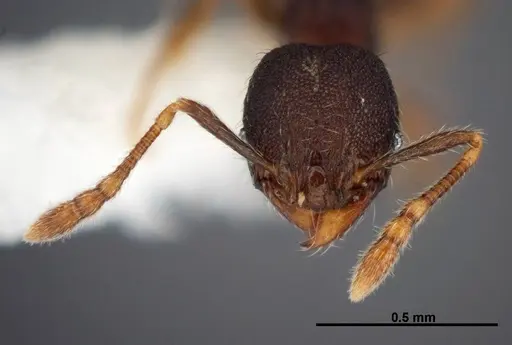
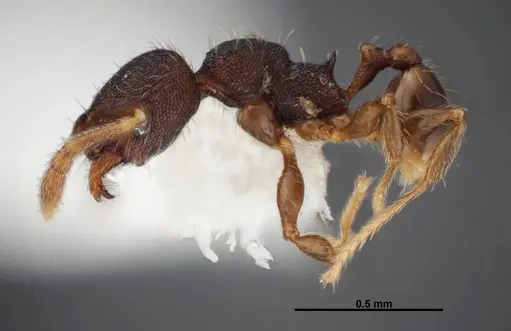
Pheidole carinote is a tiny rainforest ant native to the Osa Peninsula in Costa Rica. These ants are among the smallest Pheidole species, with minor workers measuring just 0.43-0.50mm and major workers reaching 0.81-0.94mm [1]. They live in leaf litter on the rainforest floor, where they forage through the soil and debris. The species gets its name from the distinctive ridge-like frontal carinae on the minor workers' heads, these are enlarged, plate-like structures that project over the face, a unique feature not seen in other Pheidole [2]. Major workers have similar but less pronounced ridges. Both castes are reddish-brown in color. This species is rarely kept in captivity due to its tiny size and limited distribution, making it a challenge even for experienced antkeepers.
Quick Summary
- Difficulty: Expert
- Origin & Habitat: Lowland rainforest of the Osa Peninsula in Costa Rica, Central America. They live in sifted leaf litter on the rainforest floor [2][1].
- Colony Type: Likely single-queen colonies (monogyne), typical of most Pheidole species. No specific data on colony structure for this species.
- Colony: Monogyne
- Founding: Claustral
- Size & Growth:
- Queen: Not directly measured, estimated 4-6mm based on genus patterns for small Pheidole
- Worker: Minor workers: 0.43-0.50mm head length, Major workers: 0.81-0.94mm head length [1]
- Colony: Unknown for this species, likely under 500 workers based on typical small Pheidole colony sizes
- Growth: Unknown, likely moderate based on genus patterns
- Development: Estimated 6-8 weeks at tropical temperatures (25-28°C) based on related small Pheidole species (Development time is not directly documented for this species. Estimates based on genus-level data for small tropical Pheidole.)
- Antkeeping:
- Temperature: Keep at 24-28°C. As a lowland tropical species, they need consistently warm conditions. A heating cable on one side of the nest creates a temperature gradient [1].
- Humidity: High humidity required, aim for 70-85%. These rainforest floor ants need moist substrate. Keep the nest substrate consistently damp but not waterlogged. Mist occasionally and provide a water tube for drinking water.
- Diapause: No diapause required. As a tropical species from Costa Rica, they do not need a winter rest period. Keep them warm year-round.
- Nesting: Use a naturalistic setup with fine, moist substrate or a small acrylic/plaster nest with tight chambers. Their tiny size means they need very small tunnels and chambers. Avoid large, open spaces.
- Behavior: These ants are very small and shy. Major workers (soldiers) are present alongside minor workers, as is typical for Pheidole, the majors defend the colony and help process seeds. They are likely seed collectors and generalists, foraging through leaf litter. They are not aggressive and pose no threat to keepers. Their tiny size makes escape prevention critical, they can squeeze through standard mesh. Use fine mesh barriers and tight-fitting lids. They are primarily nocturnal or crepuscular, foraging when the rainforest floor is coolest.
- Common Issues: escape prevention is critical due to their very small size, standard mesh will not contain them, high humidity needs can lead to mold if ventilation is poor, slow growth may cause keepers to overfeed, leading to mold and colony loss, tropical species cannot tolerate temperatures below 20°C, wild-caught colonies may have parasites that kill them in captivity
Housing and Nest Setup
Pheidole carinote requires careful housing due to their extremely small size. A small acrylic nest or plaster nest with tight chambers works best, the tunnels should be sized appropriately for ants under 1mm. A naturalistic setup with a thin layer of moist soil and leaf litter can also work well, replicating their natural leaf litter habitat. Use a test tube setup for the founding colony, then transition to a small formicarium once the colony reaches 20-30 workers. Whatever setup you choose, ensure the chambers are small and snug, these tiny ants can get lost in overly large spaces. Place a water tube connected to the nest to maintain humidity and provide drinking water. [2][1]
Feeding and Diet
Pheidole species are typically seed collectors and generalist foragers, and this species likely follows the same pattern. Offer small seeds (grass seeds, millet) as a primary food source, the major workers will help process larger seeds. They also likely accept small insects like fruit flies, pinhead crickets, and other tiny prey. Offer protein sources once or twice weekly. Sugar water or honey can be offered occasionally, though Pheidole are not strongly attracted to sweets. Remove uneaten food promptly to prevent mold. Given their tiny size, prey items should be appropriately scaled, even a fruit fly is a substantial meal for these ants.
Temperature and Humidity
As a lowland tropical rainforest species from Costa Rica, Pheidole carinote needs warm, humid conditions year-round. Keep the nest at 24-28°C, use a heating cable on one side of the nest to create a gentle gradient if your room temperature is below this range. Place the heating element on top of the nest, not underneath, to avoid drying out the substrate. Humidity should be high, around 70-85%. The substrate should feel consistently damp but not waterlogged. Mist the nest occasionally and ensure the water tube is always full. Never let temperatures drop below 20°C, these ants have no cold tolerance and sudden temperature drops can kill colonies. [2][1]
Behavior and Colony Dynamics
Pheidole carinote has two distinct worker castes: minor workers (the foragers and nurses) and major workers (soldiers with enlarged heads). The majors are significantly larger and have distinctive frontal carinae, ridge-like structures on their heads. Both castes work together in the colony, with majors primarily defending the nest and helping process tough seeds. The colony will grow slowly at first as the queen raises her first brood alone (claustral founding). Once the first workers emerge (nanitics, which are smaller than normal workers), the colony will begin to grow more steadily. Major workers typically appear once the colony reaches a certain size. These ants are not aggressive and rarely sting, they are too small to penetrate human skin. [2][1]
Escape Prevention
Escape prevention is absolutely critical for this species. Their minute size means they can squeeze through gaps that would hold back larger ants. Use fine mesh (0.5mm or smaller) on any ventilation holes. Ensure all lids fit tightly, even a tiny gap at the edge of a test tube cap can be an escape route. Apply fluon or another barrier to the edges of nest openings. When feeding, do so in a contained outworld rather than allowing direct access to the formicarium. Check all connections between nest modules and outworlds regularly. A single escaped colony is nearly impossible to find and recover in a home setting.
Frequently Asked Questions
How long does it take for Pheidole carinote to produce first workers?
Estimated 6-8 weeks at optimal tropical temperatures (25-28°C). This is based on genus-level data for small Pheidole species, as specific development times are not documented for this species. The queen will seal herself in and raise the first brood alone until the nanitic workers emerge.
Can I keep multiple queens together?
Not recommended. While Pheidole can sometimes found colonies pleometrotically (multiple queens together), this is not well-documented for this specific species. Starting with a single mated queen is the safest approach for captive breeding.
What do Pheidole carinote ants eat?
They likely eat small seeds and insects, typical of Pheidole. Offer grass seeds, millet, or other small seeds as a staple. Supplement with tiny insects like fruit flies, pinhead crickets, or other small prey. Offer protein 1-2 times weekly. Sugar water or honey can be offered occasionally.
What temperature do they need?
Keep them at 24-28°C. As a tropical rainforest species from Costa Rica, they need consistently warm conditions year-round. Never let temperatures drop below 20°C.
Do they need hibernation?
No. As a tropical species from Costa Rica, they do not require a diapause or hibernation period. Keep them warm and active year-round.
How big do colonies get?
Colony size is not documented for this species, but based on their tiny size and typical Pheidole patterns, colonies likely reach a few hundred workers at maximum. Growth is slow, especially in the founding stage.
Why are my ants dying?
Common causes include: temperature too low (below 20°C), humidity too low or too high (mold from excess moisture), escape through tiny gaps, parasites from wild-caught colonies, or overfeeding causing mold. Ensure proper conditions and use excellent escape prevention.
When should I move them to a formicarium?
Move from test tube to formicarium once the colony reaches 20-30 workers. The transition should be done carefully, connect the test tube to the formicarium and let the ants move on their own rather than forcing them.
Are Pheidole carinote good for beginners?
No. This is an expert-level species due to their extremely small size, specific humidity requirements, and lack of available care information. They are also rarely available in the antkeeping hobby. Beginners should start with larger, more forgiving species like Lasius niger or Camponotus species.
References

This caresheet is licensed under CC BY-SA 4.0 .
CASENT0608842
View on AntWeb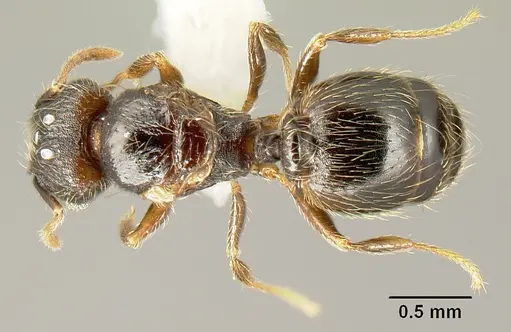
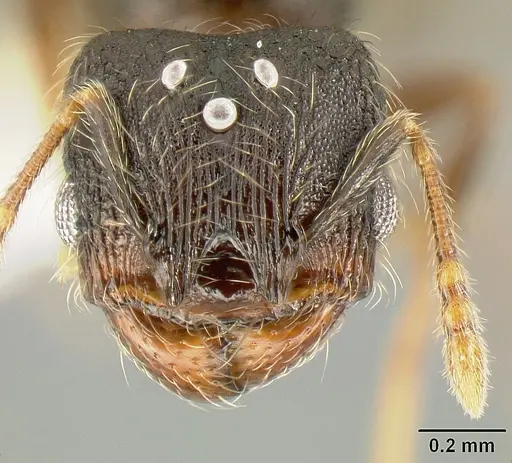
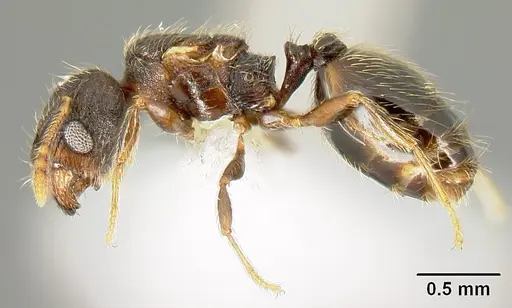
CASENT0608843
View on AntWeb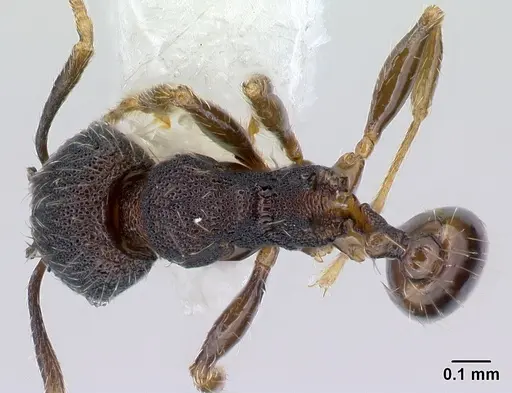
JTLC000014045
View on AntWeb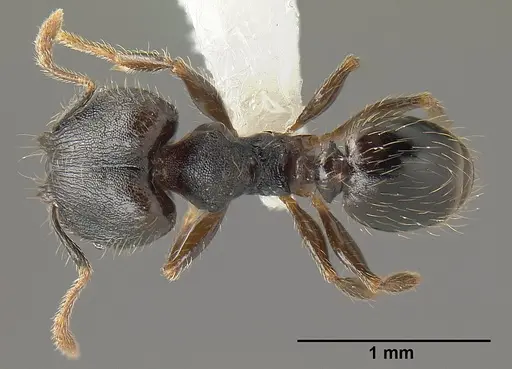
JTLC000014049
View on AntWeb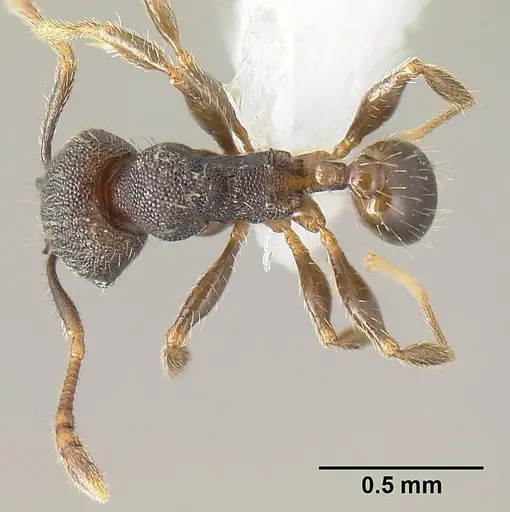
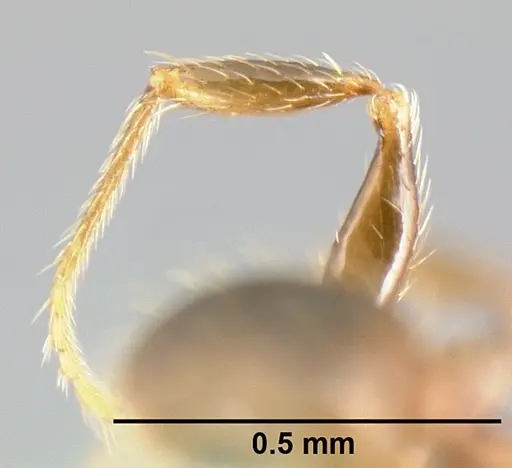
JTLC000014050
View on AntWeb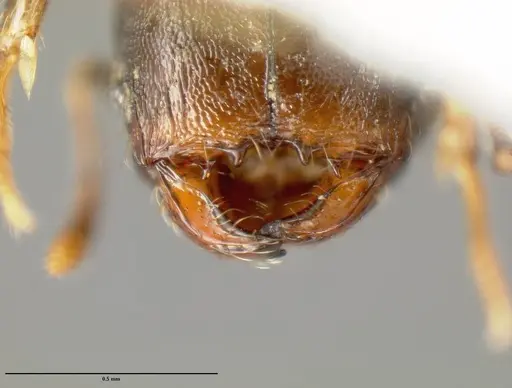
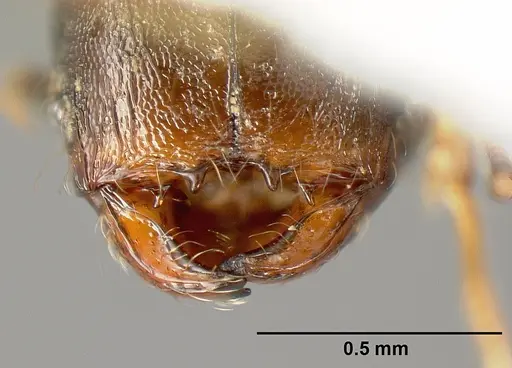
JTLC000014056
View on AntWeb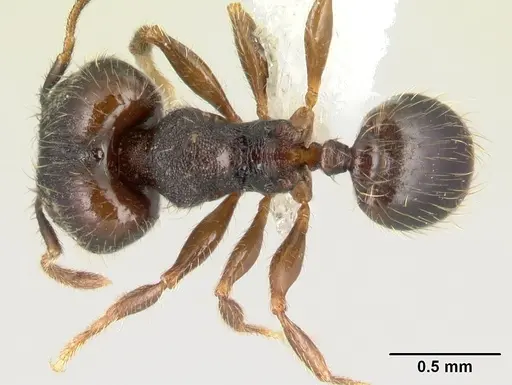
JTLC000014059
View on AntWeb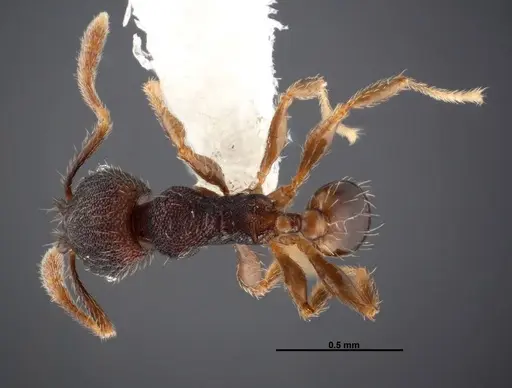
Literature
Loading...Loading products...