

Pheidole bicornis
- Scientific Name
- Pheidole bicornis
- Tribe
- Attini
- Subfamily
- Myrmicinae
- Author
- Forel, 1899
- Distribution
- Found in 2 countries
Pheidole bicornis Overview
Pheidole bicornis is an ant species of the genus Pheidole. It is primarily documented in 2 countries , including Costa Rica, Nicaragua. Detailed taxonomic data and occurrence records can be further explored via authoritative databases such as AntWeb or the Global Biodiversity Information Facility (GBIF).
Pheidole bicornis
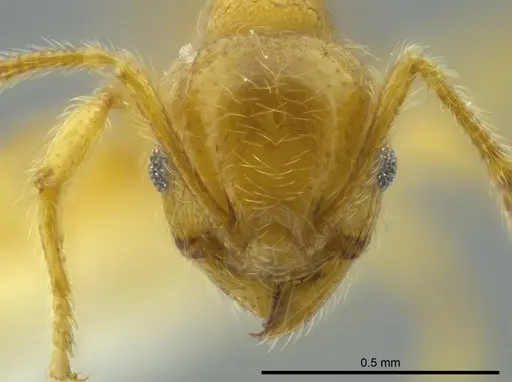
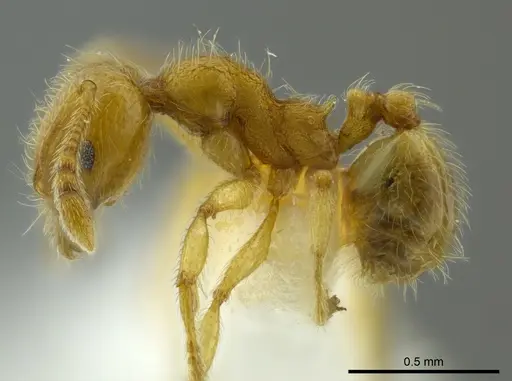
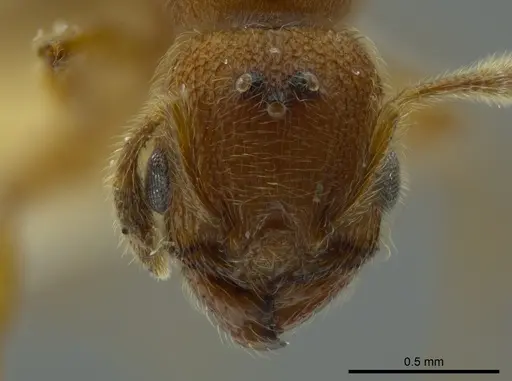
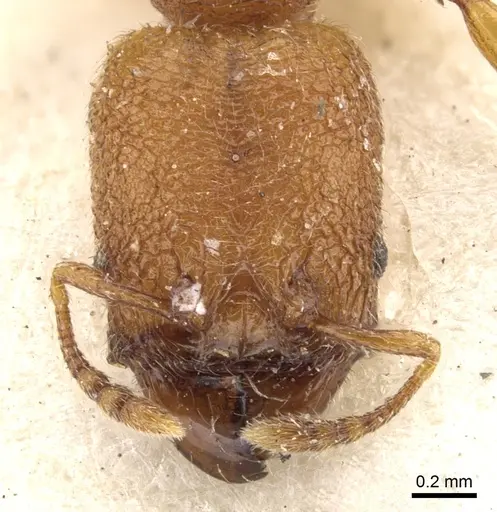
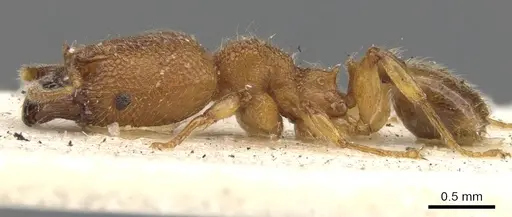
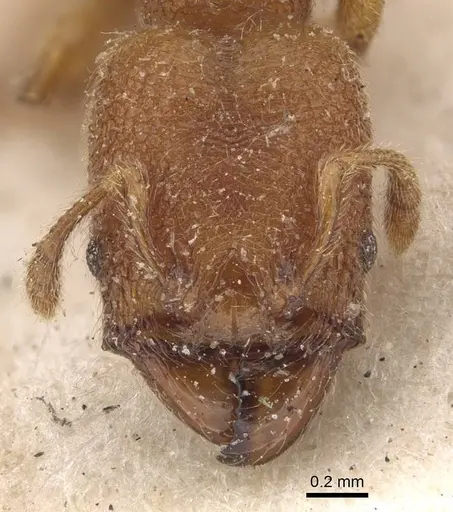
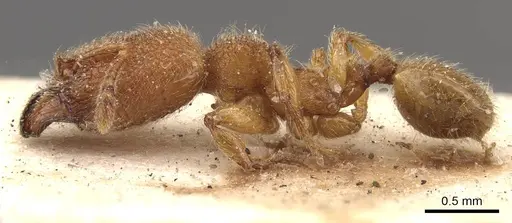
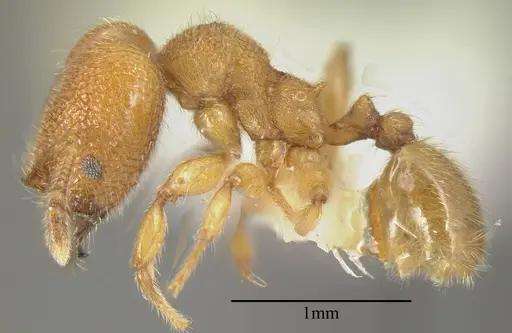
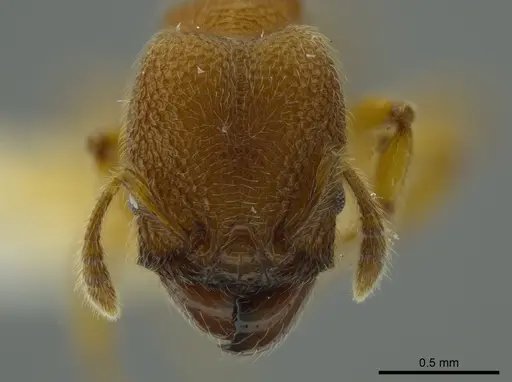
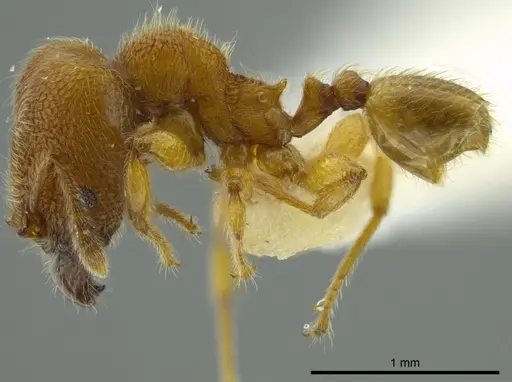
Pheidole bicornis is a small, dimorphic ant species native to the rainforests of Costa Rica and Panama. The minor workers are tiny at just 1-2mm and yellow, while the major workers are larger at about 3.2-3.3mm and light reddish brown, easily recognized by the distinctive horn-like extensions on their frontal lobes [1]. This species is an obligate myrmecophyte, it lives exclusively inside the hollow stems and petioles of Piper shrubs, which are tropical plants that have evolved specialized cavities to house ant colonies [2]. The ants and plants have a mutualistic relationship: the ants feed on nutrient-rich food bodies (pearl bodies) produced inside the plant chambers, and in return, the ants protect the plant from herbivores, fungi, and invading vines [3]. Colonies are polydomous, meaning a single colony can spread across multiple Piper plants, with some plants having ants in nearly every petiole [4].
Quick Summary
- Difficulty: Expert
- Origin & Habitat: Understory rainforest shrubs in Costa Rica and Panama, found in both Atlantic and Pacific lowlands up to 1270m elevation [5]. This species is completely dependent on living inside Piper plants, it cannot survive without its host plant's specialized cavities.
- Colony Type: Polydomous colonies, a single colony can inhabit multiple Piper plants. The colony structure involves multiple queens spread across different plants within a single colony system.
- Colony: Polygyne
- Founding: Claustral
- Size & Growth:
- Queen: Estimated 5-6mm based on genus patterns
- Worker: Minor: 1-2mm, Major: 3.2-3.3mm [1][3]
- Colony: Large, can occupy most petioles across multiple plants, 67% of occupied plants had ants in every petiole [4]
- Growth: Moderate, based on typical Pheidole development patterns
- Development: Estimated 5-8 weeks at optimal tropical temperatures (24-28°C) (Development time inferred from typical Pheidole genus patterns, specific data not available for this species)
- Antkeeping:
- Temperature: Keep warm at 24-28°C, this matches their natural tropical rainforest habitat. A heating cable on one side of the nest creates a temperature gradient.
- Humidity: High humidity is essential, these ants live inside plant stems that maintain consistent moisture. Keep substrate consistently moist but not waterlogged. The nest environment should mimic the humid interior of living plants.
- Diapause: No, as a tropical species, they do not require hibernation. Maintain warm temperatures year-round.
- Nesting: This is the critical challenge, P. bicornis is OBLIGATELY dependent on Piper plant cavities. In captivity, you must provide artificial domatia that mimic the hollow stems and petioles. Small acrylic or plaster nests with narrow chambers (2-3mm diameter) may work, but success is uncertain. This species cannot survive in standard test tubes or formicaria.
- Behavior: Workers are not aggressive and show lack of aggressiveness toward their host plants [6]. They primarily patrol the plant surface and feed on food bodies, but also act as predators on small soft-bodied insects, eggs, and spores found on leaves [4]. They defend the plant by tossing off herbivorous insects and removing vine growth [3]. Minor workers are tiny (1-2mm) so escape prevention is critical, use fine mesh barriers. They are not known to sting and pose no danger to humans.
- Common Issues: extreme difficulty finding suitable housing, cannot be kept in standard nests, completely dependent on host plant structures, artificial nests may fail, tiny minor workers require excellent escape prevention with fine mesh, cannot survive without specialized plant-like cavities for nesting, slow colony growth means beginners may lose patience
The Piper Ant-Plant Relationship
Pheidole bicornis represents one of the most specialized ant-plant mutualisms in the Americas. This ant is an obligate inhabitant of five myrmecophytic Piper species: Piper calcariformis, P. cenocladum, P. fimbriulatum, P. obliquum, and P. sagittifolium [7]. The relationship is truly mutualistic, the plant provides housing and specialized food bodies called pearl bodies (300-500µm diameter), while the ants provide defense against herbivores, fungi, and vines [3]. What makes this relationship unique is that the food bodies are ONLY produced when P. bicornis is present. The ants produce a compound that induces the plant to create these nutrient-rich structures [8]. Other ant species can occasionally be found in the petioles but they fail to stimulate food body production, making P. bicornis the essential partner [3]. Colonies are polydomous, a single colony can inhabit several plants, with workers moving freely between them through the stem cavities [2].
Housing and Nesting Challenges
This is the most critical and difficult aspect of keeping P. bicornis. They are TOTALLY dependent on the nesting space provided by Piper plants, they cannot survive in standard ant keeping setups [3]. In the wild, queens colonize the 'petiolar chamber' formed by the appressed margins of the petiole, and workers then excavate the stem pith to create additional cauline domatia as the colony grows [3]. The average diameter of ant-excavated stem cavities is only 2.7mm [7], so any captive housing must have very narrow chambers. This species is NOT recommended for most antkeepers because providing suitable housing is extremely challenging. Potential approaches include custom acrylic nests with 2-3mm diameter tunnels, or attempting to cultivate Piper plants in a vivarium setup. Even with these approaches, success is uncertain. Do not purchase this species unless you have a specific plan for providing appropriate plant-based housing.
Feeding and Nutrition
In the wild, P. bicornis feeds nearly exclusively on the food bodies (pearl bodies) produced inside the Piper plant chambers [9]. These are small, single-celled structures rich in lipids and proteins that the plant produces specifically to feed the ants [10]. The ants also supplement their diet by eating soft-bodied insects, insect eggs, and fungal spores they find while patrolling the plant surface [4]. They will remove or kill herbivores by tossing them off the plant [4]. In captivity, replicating their exact diet is difficult. You could attempt to provide very small soft-bodied prey (like fruit flies or pinhead crickets), but the essential pearl bodies cannot be easily replicated. The ants may accept honey water or sugar water as an energy source, but this is not their natural diet. Expect experimental feeding with uncertain results.
Defense and Behavior
P. bicornis workers are not aggressive toward their host plants, they show a notable lack of aggressiveness when on the Piper [6]. However, they actively defend the plant against herbivorous arthropods, fungi, stem borers, and invading vines [3]. Their defense strategy primarily involves removing eggs of phytophagous insects deposited on young leaves and tossing small herbivores off the plant [6]. They respond much more strongly to wounding of the stem than to damage to leaves, which makes sense given they live inside the stems [2]. They are not effective against large herbivores like orthopterans or leaf-cutter ants (Atta cephalotes) because they are too small to deter such large herbivores [8]. This species poses no danger to humans, they do not sting and are too small to bite effectively.
Colony Structure and Growth
P. bicornis colonies can become quite large in the wild. Studies show that 822 of 919 unmanipulated Piper plants had resident ant colonies, and 67% of those plants had ants in every petiole [4]. The percentage of petioles occupied on a plant is a good indicator of colony size [4]. Colonies are polydomous, meaning they can occupy multiple plants simultaneously, workers move freely between plants within the colony [2]. This is different from most ant species where a single colony is confined to one nest. The colony structure involves multiple queens distributed across the different plants. In captivity, achieving such large colonies would require providing multiple artificial 'plants' for the colony to occupy, which adds to the difficulty.
Frequently Asked Questions
Can I keep Pheidole bicornis in a test tube?
No. This species cannot be kept in standard test tubes or formicaria. They are obligately dependent on living inside Piper plant stems and petioles. The narrow chambers (2-3mm diameter) inside living plants are essential for their survival. Standard ant keeping setups will not work.
What do Pheidole bicornis eat?
In the wild, they feed almost exclusively on specialized food bodies (pearl bodies) produced inside the Piper plant chambers. These are 300-500µm structures rich in lipids and proteins. They also eat small soft-bodied insects, insect eggs, and fungal spores found on leaves. In captivity, replicating their exact diet is very difficult, small live prey may be accepted experimentally.
How long does it take for Pheidole bicornis to develop from egg to worker?
Exact development time is not documented in scientific literature. Based on typical Pheidole genus patterns at tropical temperatures (24-28°C), estimate approximately 5-8 weeks from egg to first worker. This is an educated guess rather than confirmed data.
Are Pheidole bicornis good for beginners?
No. This is an expert-level species due to its extreme housing requirements. They are obligately dependent on Piper plant structures and cannot be kept in standard ant nests. Only experienced antkeepers who can provide specialized plant-based housing should attempt this species.
How big do Pheidole bicornis colonies get?
Colonies can become very large in the wild, hundreds to over 1000 workers spread across multiple Piper plants. Studies show 67% of occupied plants had ants in every petiole, indicating substantial colony sizes. In captivity, achieving such sizes would require providing multiple artificial housing units.
Can I keep multiple queens together?
Yes, P. bicornis is naturally polygynous (multiple queens per colony) and colonies are polydomous (occupying multiple plants). However, this is not recommended in captivity because the housing requirements are so specialized that combining multiple foundresses adds unnecessary complexity.
Do Pheidole bicornis need hibernation?
No. As a tropical species from Costa Rica and Panama, they do not require hibernation. Keep them warm year-round at 24-28°C to match their natural rainforest habitat.
Why are my Pheidole bicornis dying?
The most likely cause is unsuitable housing. This species cannot survive in standard nests, they require narrow plant-stem-like cavities. If the chambers are too large, too dry, or made of inappropriate material, the colony will fail. Also ensure escape prevention is excellent since minor workers are tiny (1-2mm).
References

This caresheet is licensed under CC BY-SA 4.0 .
CASENT0625441
View on AntWeb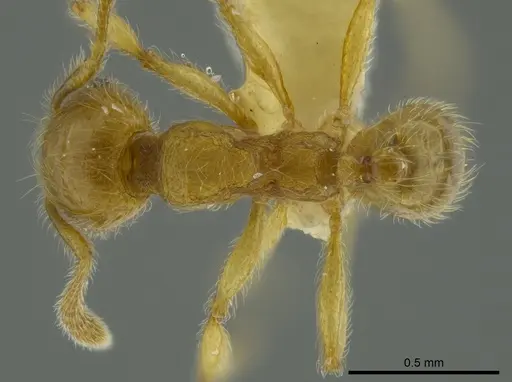
CASENT0625442
View on AntWeb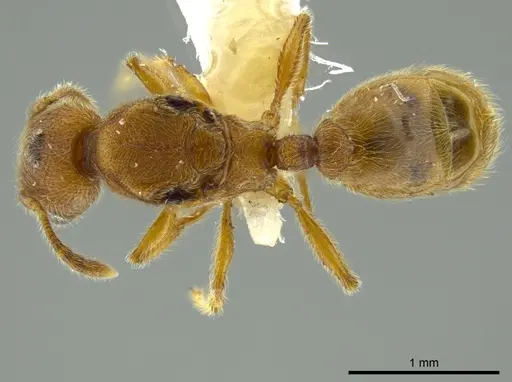
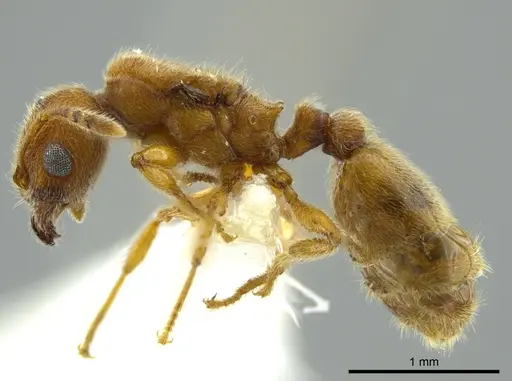
CASENT0635437
View on AntWeb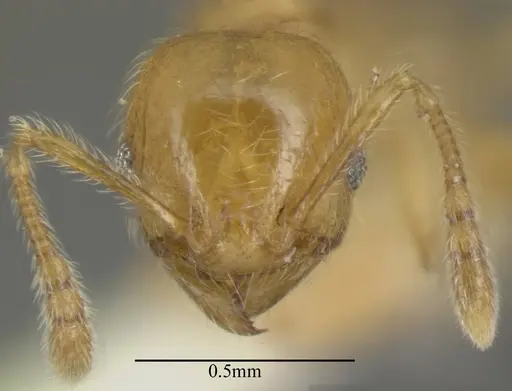
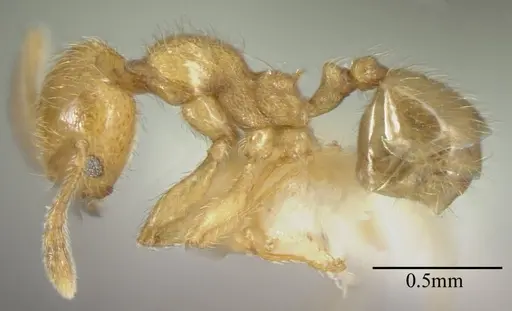
CASENT0901584
View on AntWeb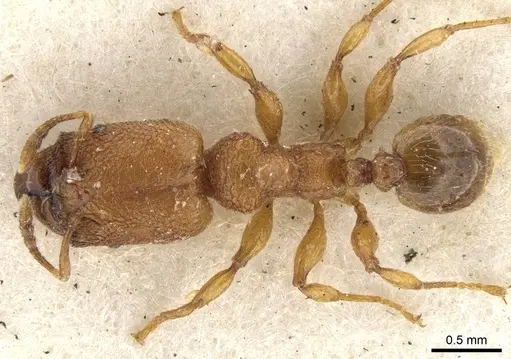
CASENT0908308
View on AntWeb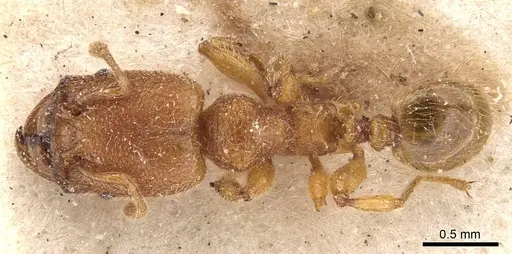
INBIOCRI001281880
View on AntWeb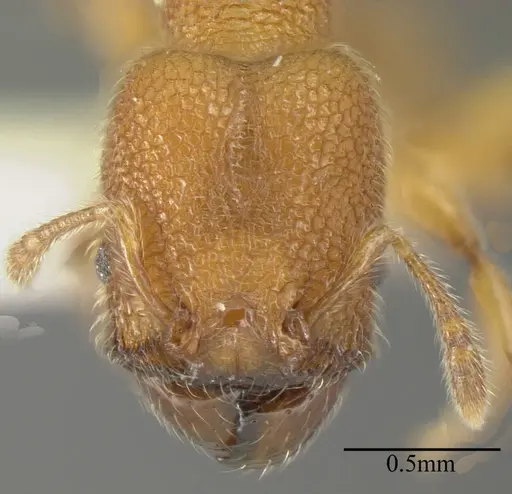
INBIOCRI001281881
View on AntWeb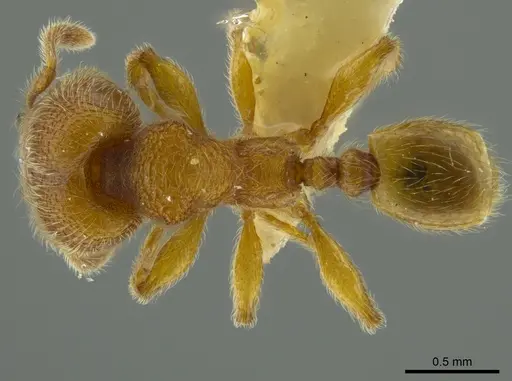
Literature
Loading...Loading products...