
Atta cephalotes exhibits a clear seasonal activity window. Peak activity is concentrated in June, with the overall period spanning May to October. This extended season suggests multiple flight events or varying conditions across its range.
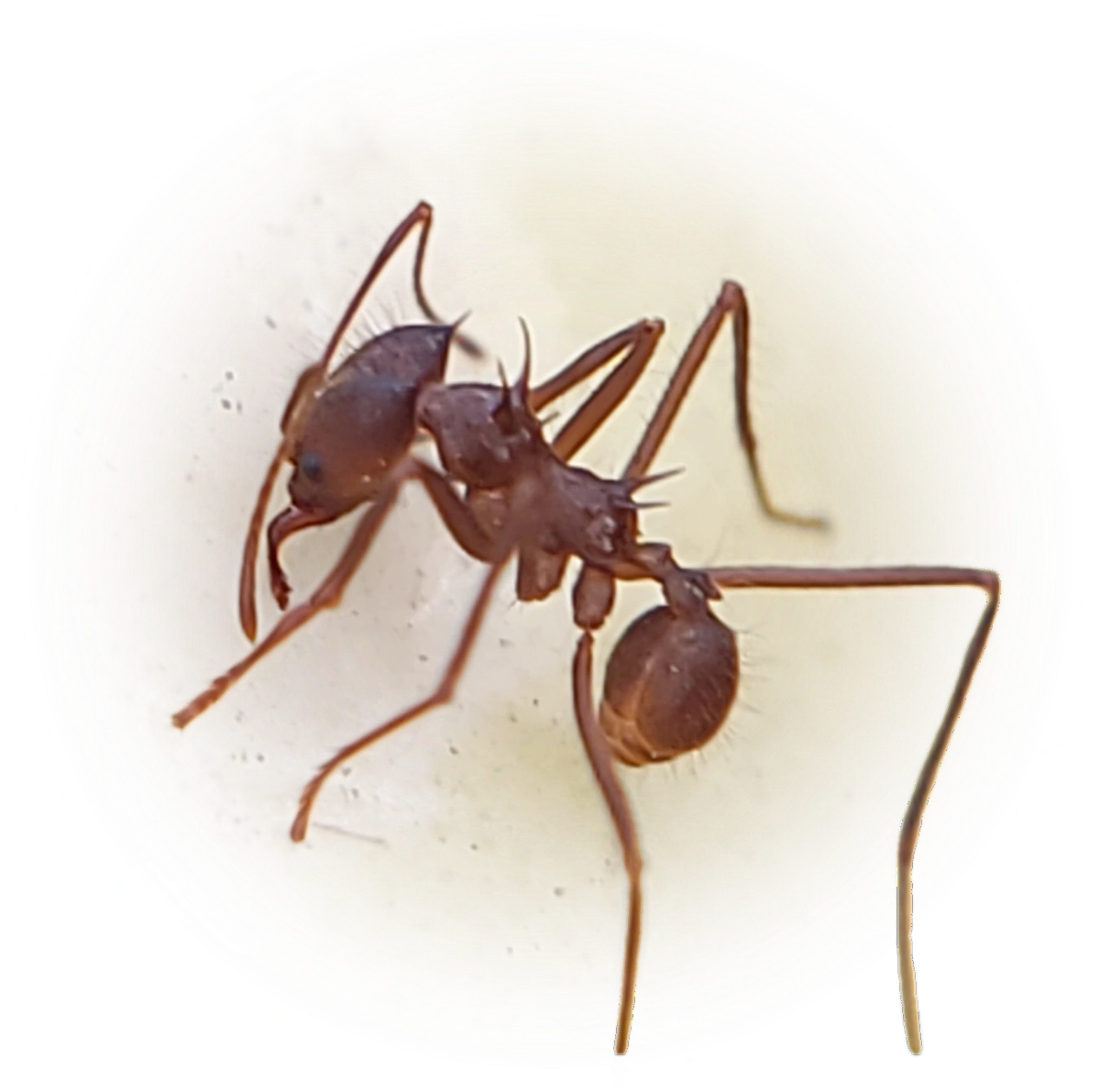
Atta cephalotes
- Scientific Name
- Atta cephalotes
- Tribe
- Attini
- Subfamily
- Myrmicinae
- Author
- Linnaeus, 1758
- Common Name
- Hairy-headed leafcutter ant
- Distribution
- Found in 12 countries
- Nuptial Flight
- from April to November, peaking in June
AI Identifiable
try →
Atta cephalotes Overview
Atta cephalotes (commonly known as the Hairy-headed leafcutter ant) is an ant species of the genus Atta. It is primarily documented in 12 countries , including Brazil, Belize, Colombia. Detailed taxonomic data and occurrence records can be further explored via authoritative databases such as AntWeb or the Global Biodiversity Information Facility (GBIF).
The nuptial flight of Atta cephalotes is a significant biological event, typically occurring from April to November, peaking in June. During this time, winged queens and males leave the nest to mate and establish new colonies.
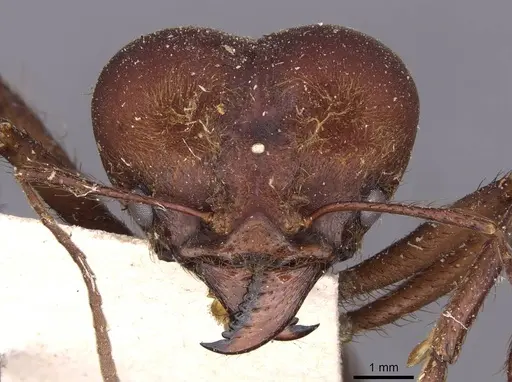
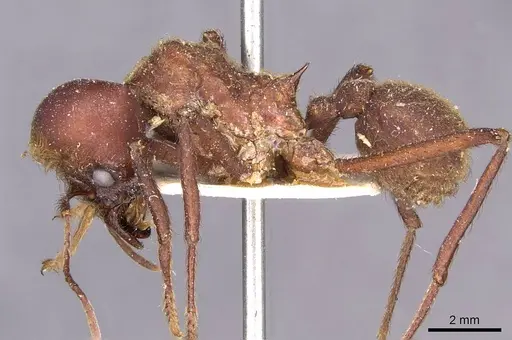
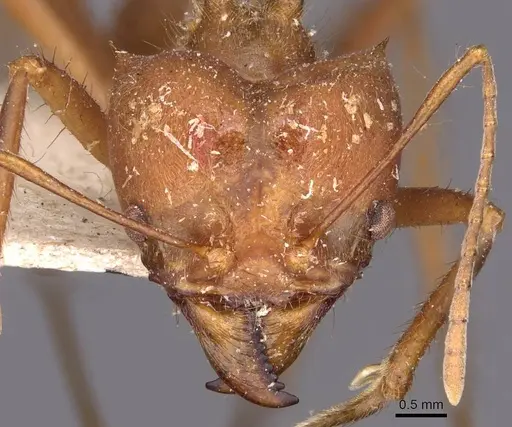
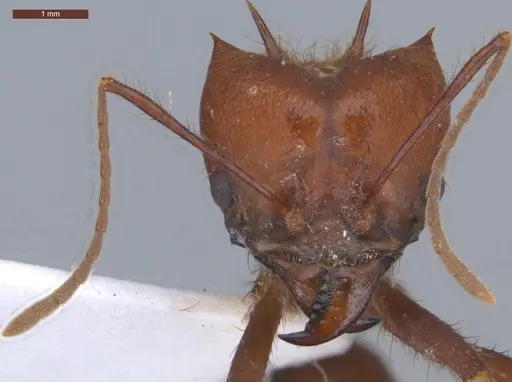
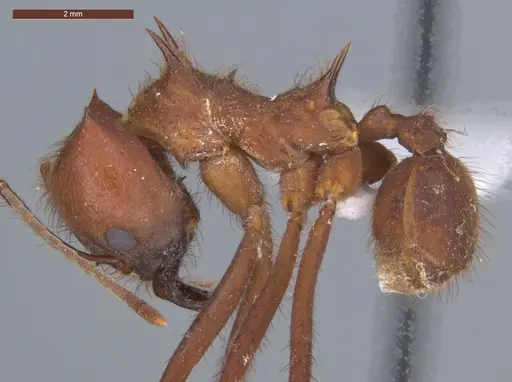
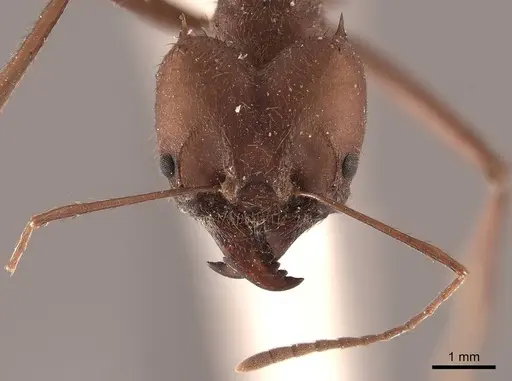
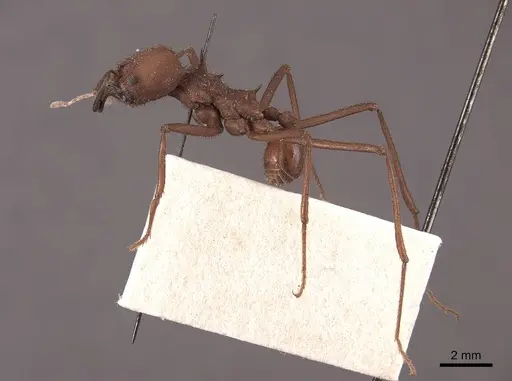
Atta cephalotes - "Hairy-headed leafcutter ant"
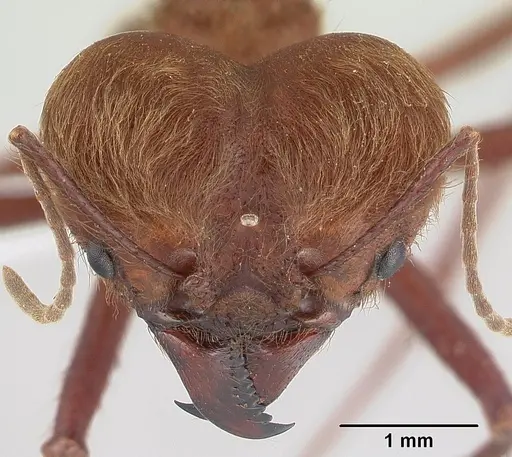
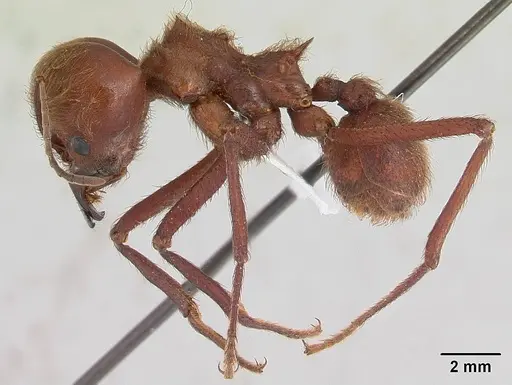
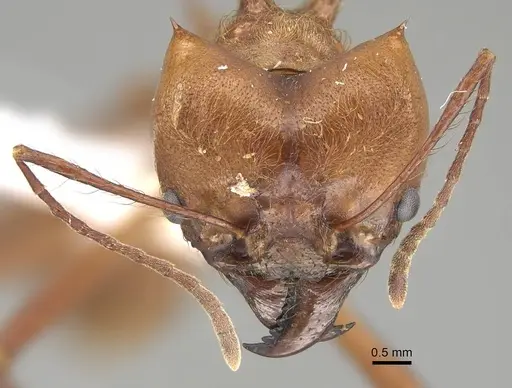
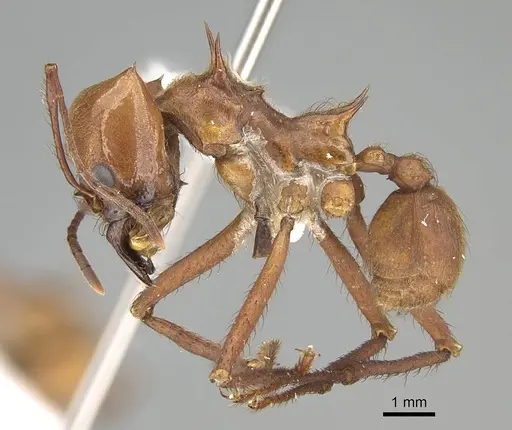
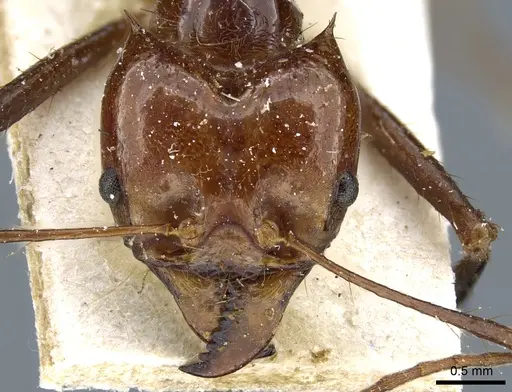
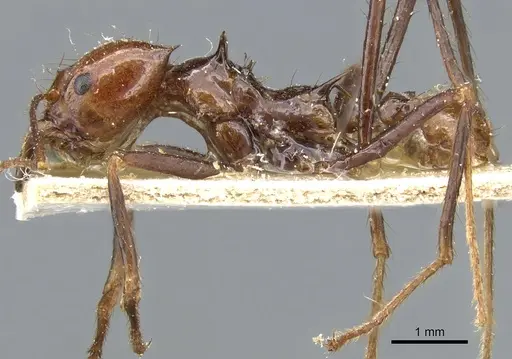
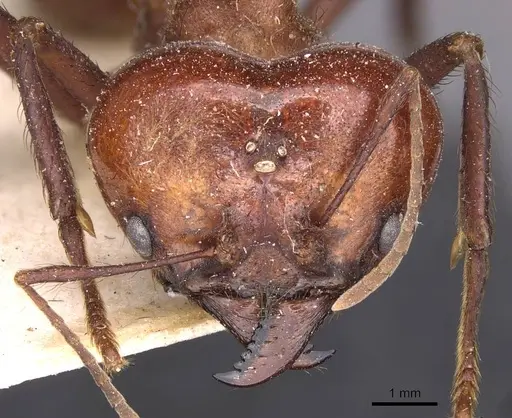
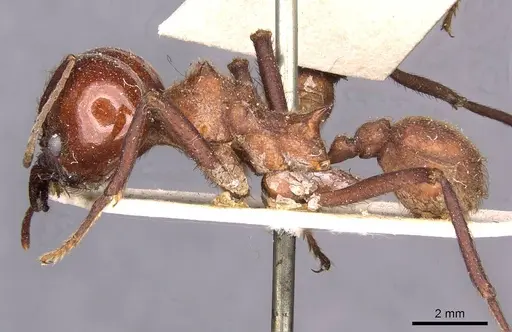
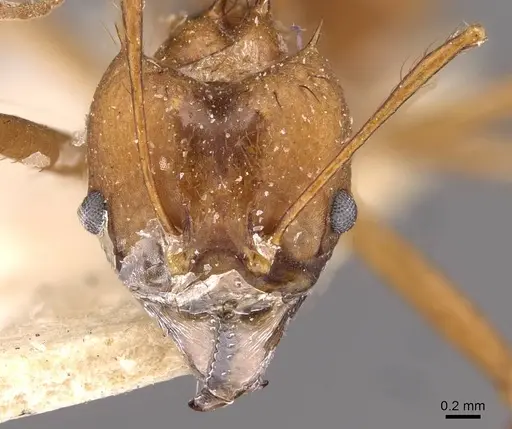
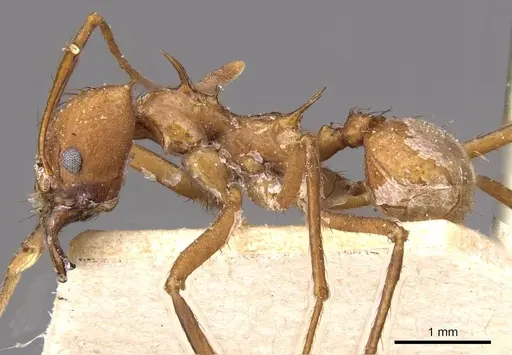
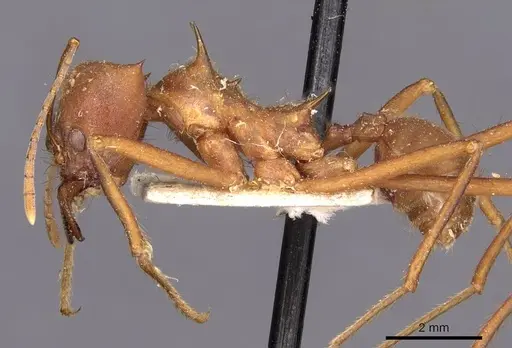
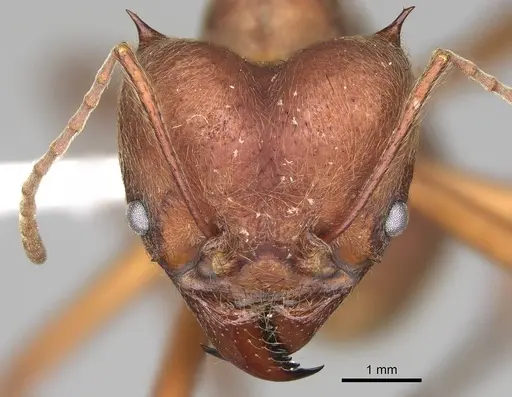
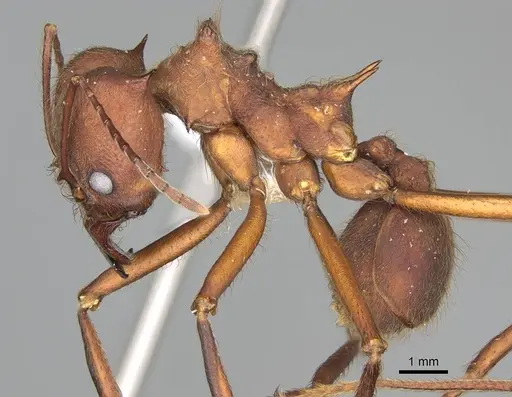
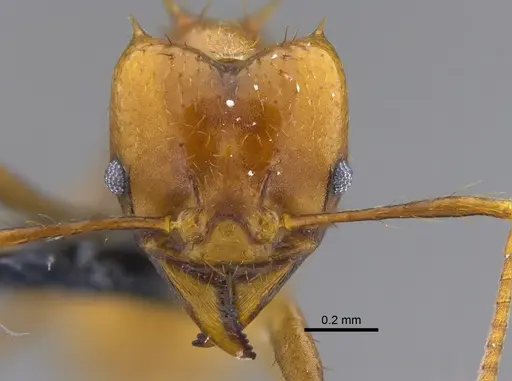
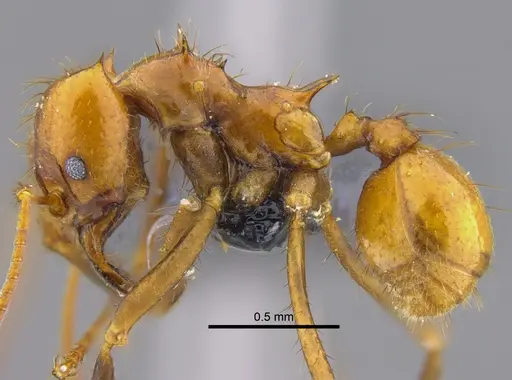
Atta cephalotes is instantly recognizable by its extreme worker polymorphism and massive foraging trails. Workers range from tiny garden tenders with 0.6 mm head widths to powerful soldiers reaching 4.5 mm, all sporting reddish-brown to dark brown bodies and long legs adapted for carrying leaf fragments [1]. These ants dominate the forest floor from Mexico through Central America and across South America to Brazil, thriving in tropical rainforests, secondary growth, and forest edges where they can become the dominant herbivore [2][3].
What sets Atta cephalotes apart is their agriculture. They do not eat the leaves they cut, instead, they chew them into a paste to cultivate massive underground gardens of the symbiotic fungus Leucoagaricus gongylophorus, which serves as the sole food for larvae and a major part of the adult diet [4][1]. A mature colony can contain millions of workers, occupy 600 cubic meters of underground space, and harvest over 400 kg of leaves annually while maintaining thousands of fungus chambers [5][1]. This obligate mutualism makes them one of the most complex and demanding species to maintain in captivity.
Quick Summary
- Difficulty: Expert
- Origin & Habitat: Neotropical region from Mexico to Brazil, including Trinidad and Tobago, found in tropical rainforests, secondary forests, and forest edges [6][2]
- Colony Type: Single-queen (monogyne) colonies, queens mate with multiple males but do not tolerate co-queens [7][8]
- Colony: Monogyne
- Founding: Semi-claustral
- Size & Growth:
- Queen: 4.9 mm body length [9]
- Worker: 0.6-4.5 mm head width (highly polymorphic) [1]
- Colony: Up to 2-5 million workers [1][10]
- Growth: Slow initially, then massive expansion
- Development: Approximately 8 weeks (22 days egg,25 days larva,10 days pupa at optimal conditions) [11] (First workers (nanitics) are smaller than typical foragers)
- Antkeeping:
- Temperature: 24-26°C for the fungus garden, foraging activity peaks between 15-35°C but ceases above 40°C [12][13]
- Humidity: High humidity (60-80%) with consistently moist substrate but good ventilation to prevent mold, laboratory colonies maintained at 50-60% RH [14][15]
- Diapause: No
- Nesting: Large formicarium with multiple chambers (10+ liters each) connected by tubes, separate fungus garden chambers and refuse chambers, excellent ventilation required [16][5]
- Behavior: Highly polymorphic with distinct castes performing specific tasks: minims tend fungus and brood, media cut and transport leaves, and majors defend the nest [1]. Workers form dense foraging trails using the pheromone methyl-4-methylpyrrole-2-carboxylate (M4MP2C) [17]. Foraging occurs day and night, often shifting to nocturnal during hot seasons [12][18]. Soldiers defend aggressively with powerful mandibles, while minor workers ride on leaves to protect carriers from phorid flies [19].
- Common Issues: Fungus garden contamination by Escovopsis or other molds can destroy the colony's food source [22][23], Phorid fly parasitoids (Neodohrniphora spp.) attack foragers and can decimate colonies [28][19], Massive space requirements, colonies need hundreds of liters as they mature [1], Fungus dies if temperature exceeds 30°C or if humidity drops too low [13], Requires constant supply of fresh, non-toxic leaves, citrus and other plants with secondary compounds may harm the fungus [4][24]
Queen Ant Activity Analysis 245 observations
Queen Activity by Hour 245 observations
Atta cephalotes queen activity peaks around 08:00 during the morning. Activity is spread across a 24-hour window (00:00–23:00). Times may be influenced by human observation patterns.
Colony Founding and Early Care
Atta cephalotes exhibits semi-claustral founding, meaning queens cannot seal themselves in and survive on stored fat reserves. They must leave the nest to forage for leaves immediately to establish their fungus garden [20][21]. The queen digs a chamber 20-30 cm deep and begins cultivating the fungal symbiont carried in her infrabuccal pocket [11]. Without fresh leaves, the fungus garden dies and the queen starves. First workers emerge after approximately 8 weeks (22 days as eggs,25 days as larvae, and 10 days as pupae) [11]. These nanitic workers are smaller than typical foragers and immediately assume garden maintenance duties.
Fungus Garden Management
The colony's survival depends entirely on maintaining healthy gardens of Leucoagaricus gongylophorus [4]. Workers chew leaf fragments into a paste and inoculate them with fungal enzymes. The fungus produces specialized hyphal swellings called gongylidia that provide carbohydrates, proteins, and vitamins to the ants [1]. Gardens must be kept at approximately 25°C with high humidity, temperatures above 30°C are lethal to the fungus [13]. Workers constantly monitor garden health and remove contaminated material. The specialized pathogen Escovopsis poses the greatest threat, causing garden decline if not controlled through metapleural gland secretions containing phenylacetic acid [22][23].
Feeding and Foraging
Atta cephalotes is a generalist herbivore that prefers dicotyledonous leaves but will also harvest flowers and fruits [24][4]. In captivity, they accept leaves from copperleaf (Acalypha wilkesiana), lemon (Citrus), and country almond (Terminalia catappa), though citrus should be offered sparingly [4]. Foraging occurs along trunk trails marked with the pheromone M4MP2C [17]. Activity peaks between 15-35°C and shifts between day and night depending on season and phorid fly pressure [12][18]. Workers carry leaf fragments up to several times their body weight back to the nest, with smaller workers riding atop loads to defend against phorid flies [19].
Nest Architecture and Waste Management
In nature, nests cover over 100 square meters and contain hundreds to thousands of chambers extending 3-4 meters deep [5][1]. Captive colonies require multiple large chambers (10+ liters each) connected by tubes to accommodate fungus gardens, brood, and refuse dumps. Unlike many ants, Atta cephalotes maintains internal refuse chambers where workers deposit exhausted fungal substrate and dead nestmates [16]. These chambers must be isolated from fungus gardens to prevent contamination. Task partitioning ensures waste workers remain in refuse areas and do not return to gardens, preventing disease spread [25].
Temperature and Environmental Control
Maintain fungus gardens at 24-26°C with minimal fluctuation, temperatures above 30°C kill the symbiotic fungus [13]. Foraging activity increases linearly from 15°C to 35°C, then drops sharply above 40°C [12]. High humidity (60-80%) is essential, but excellent ventilation is required to prevent CO2 buildup and mold growth [14][15]. Nests naturally have elevated CO2 concentrations (0.5-2%) and specific microclimates, so provide a gradient of conditions allowing ants to regulate garden placement [26]. No diapause is required as this is a tropical species.
Defense and Parasites
Major workers (soldiers) defend the nest with powerful zinc-enriched mandibles capable of delivering painful bites [1][27]. The primary external threat is phorid flies (Neodohrniphora spp.), which parasitize foragers by laying eggs in their heads [28][19]. Colonies respond by sending smaller workers to ride on leaf fragments and attack approaching flies, and by shifting foraging to nighttime when flies are less active [19]. Against army ant raids (Nomamyrmex), soldiers form defensive lines and workers plug entrances with soil and debris [29].
Frequently Asked Questions
Can I keep Atta cephalotes in a test tube?
No. Atta cephalotes requires immediate access to fresh leaves and space for fungus gardens from the moment of founding. They are semi-claustral, meaning queens must forage and cannot survive sealed in a test tube [20][21].
How long until Atta cephalotes gets its first workers?
Approximately 8 weeks under optimal conditions (24-26°C). Development takes roughly 22 days for eggs,25 days for larvae, and 10 days for pupae [11].
What do Atta cephalotes eat?
They do not eat leaves directly. They use fresh dicot leaves, flowers, and fruits to cultivate a symbiotic fungus (Leucoagaricus gongylophorus), which produces gongylidia that serve as the actual food for the colony [4][1].
Do Atta cephalotes need hibernation?
No. They are a tropical species and remain active year-round. They do not require diapause or cooling periods [6].
How big do Atta cephalotes colonies get?
Mature colonies can contain millions of workers (up to 2-5 million) and occupy underground spaces of 600 cubic meters or more [1][10].
Can I keep multiple Atta cephalotes queens together?
No. Atta cephalotes is strictly monogyne (single-queen). If multiple queens are introduced, they will fight until only one survives [8][7].
Why is my Atta cephalotes fungus garden dying?
Likely causes include temperatures above 30°C, contamination by the parasitic fungus Escovopsis, toxic plant material, or insufficient humidity. The fungus is delicate and requires specific conditions to thrive [13][22].
Are Atta cephalotes dangerous to humans?
Large soldier workers can deliver painful bites with their powerful mandibles, but they do not possess a functional sting and are not venomous to humans [1].
What temperature should I keep Atta cephalotes?
Maintain the nest at 24-26°C. The symbiotic fungus dies at temperatures above 30°C, while foraging activity ceases below 15°C and above 40°C [12][13].
How do I prevent mold in my Atta cephalotes setup?
Ensure excellent ventilation while maintaining high humidity. Atta nests have natural airflow through ventilation shafts. Stagnant air causes mold, while overly dry conditions kill the fungus. Use large chambers with moist substrate but allow gas exchange [26][14].
References

This caresheet is licensed under CC BY-SA 4.0 .
CASENT0173617
View on AntWeb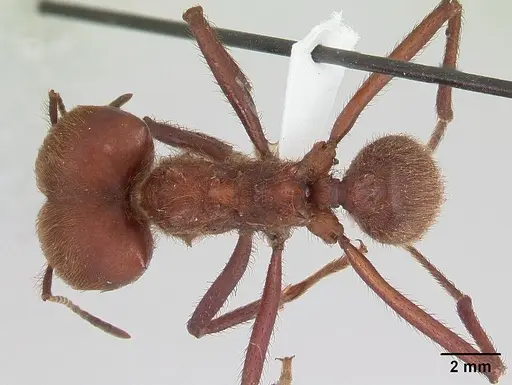
CASENT0173618
View on AntWeb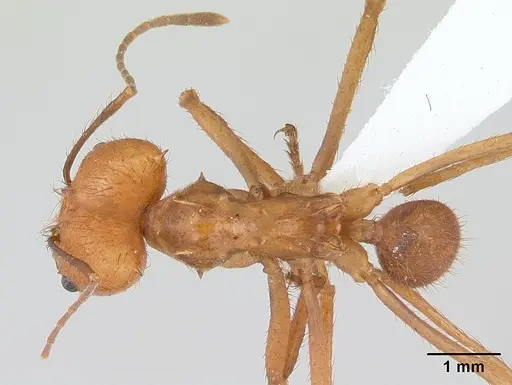
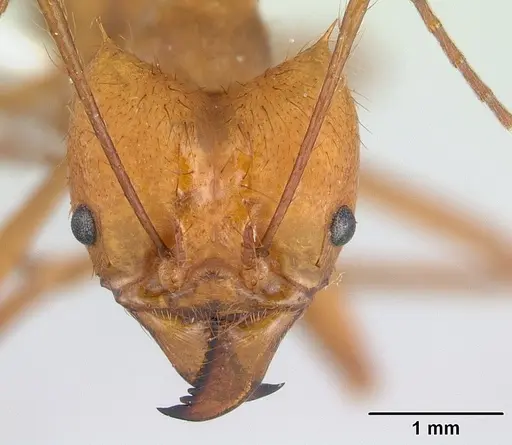
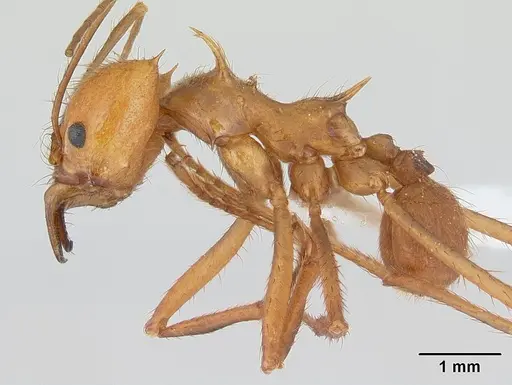
CASENT0220443
View on AntWeb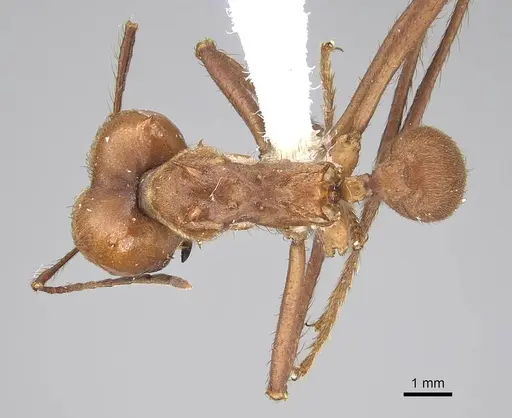
CASENT0905008
View on AntWeb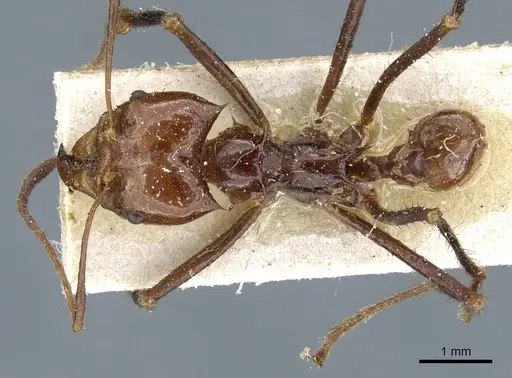
CASENT0909438
View on AntWeb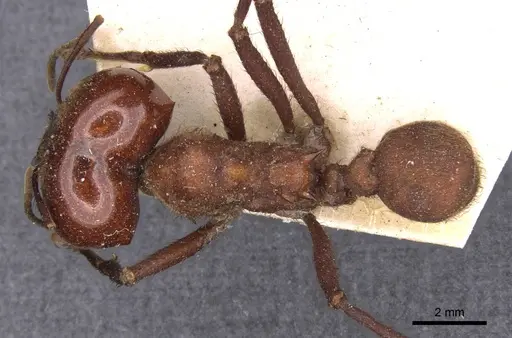
CASENT0909439
View on AntWeb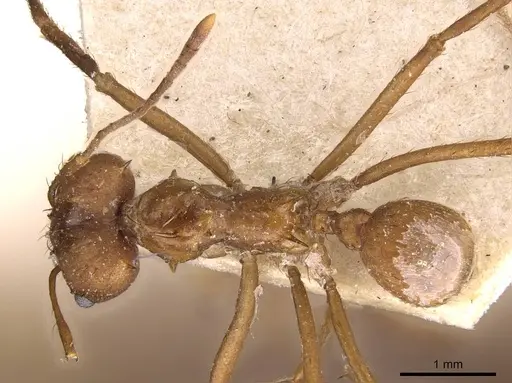
CASENT0909440
View on AntWeb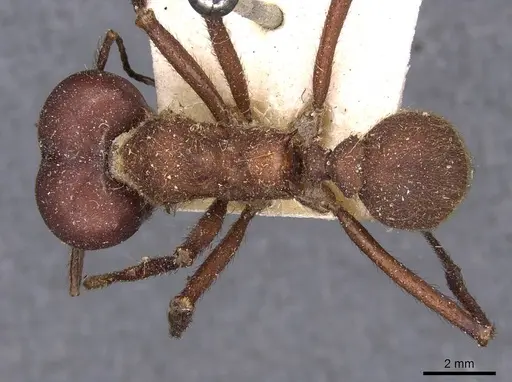
CASENT0909441
View on AntWeb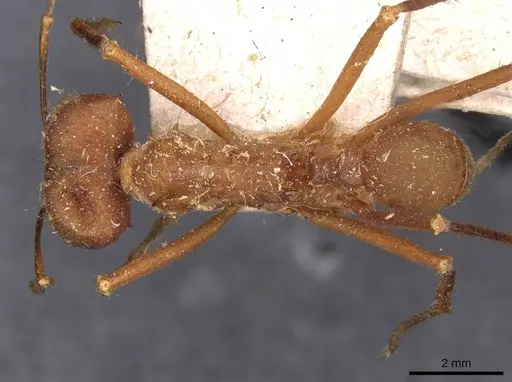
CASENT0922050
View on AntWeb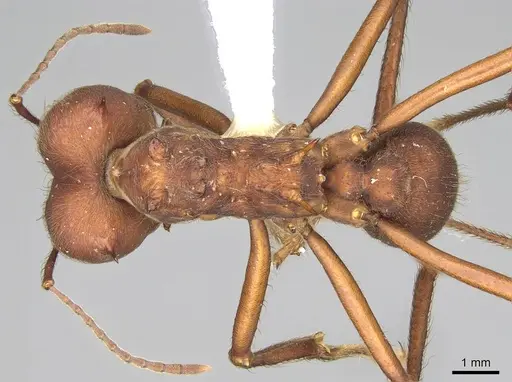
CBUMAGENT41873
View on AntWeb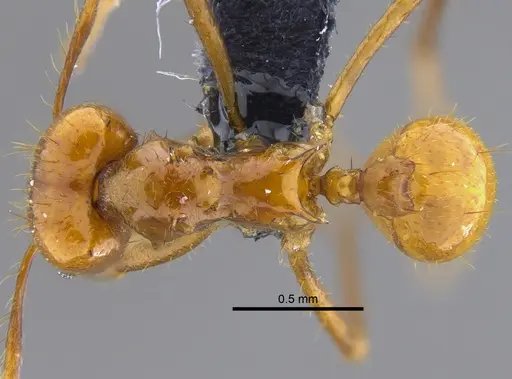
ECOFOG-TR13-0068-04
View on AntWeb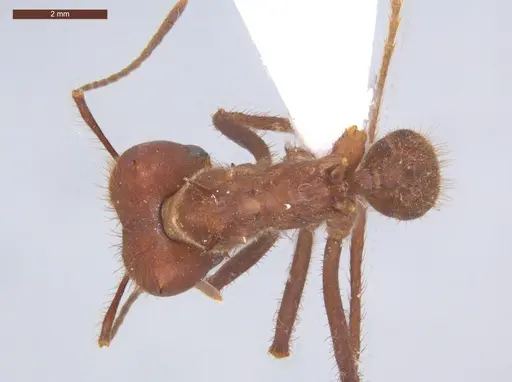
FMNHINS0000046847
View on AntWeb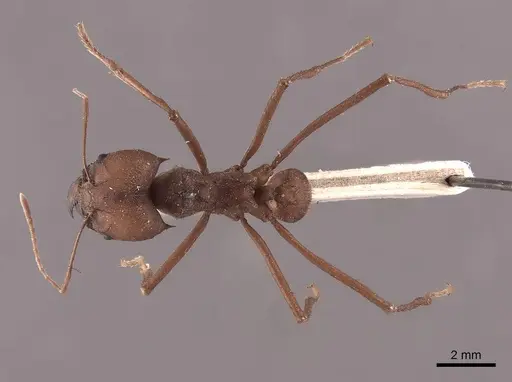
Literature
Loading...Loading products...