

Pheidole bambusarum
- Scientific Name
- Pheidole bambusarum
- Tribe
- Attini
- Subfamily
- Myrmicinae
- Author
- Forel, 1908
- Distribution
- Found in 1 countries
Pheidole bambusarum Overview
Pheidole bambusarum is an ant species of the genus Pheidole. It is primarily documented in 1 countries , including Brazil. Detailed taxonomic data and occurrence records can be further explored via authoritative databases such as AntWeb or the Global Biodiversity Information Facility (GBIF).
Pheidole bambusarum
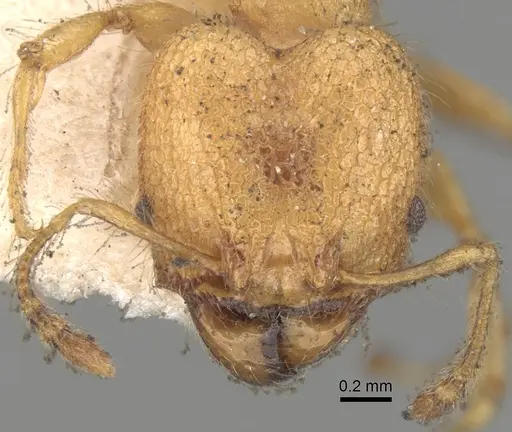
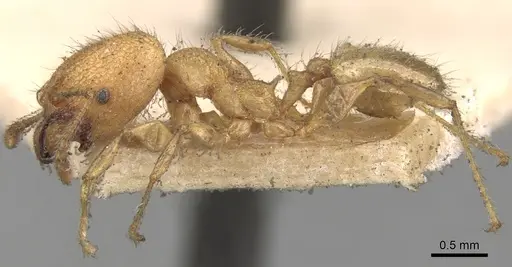
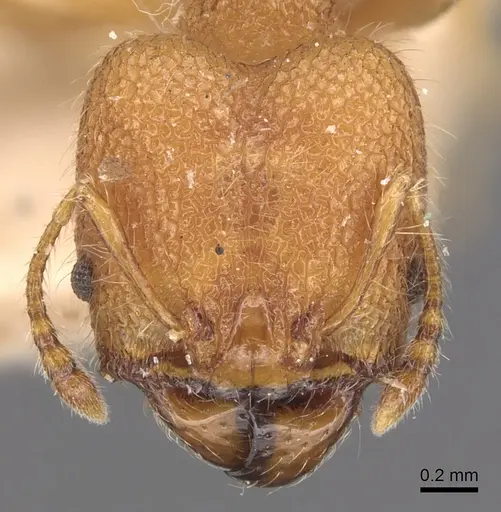
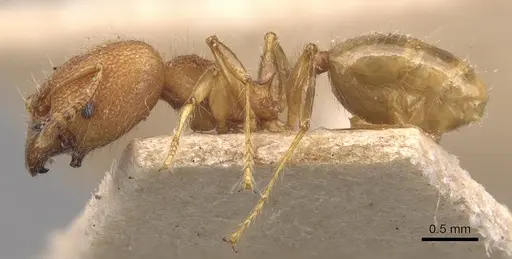
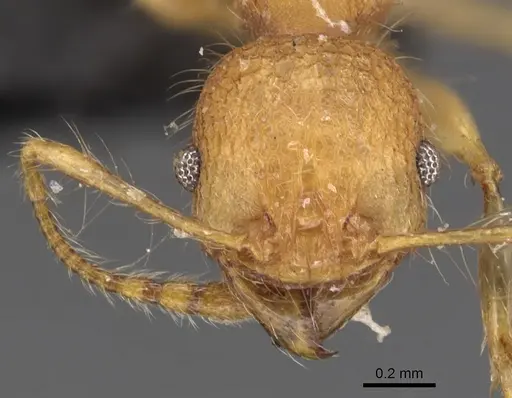
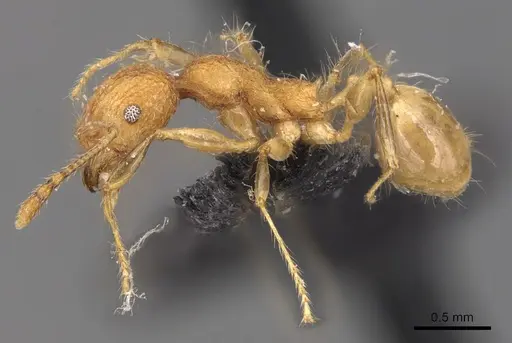
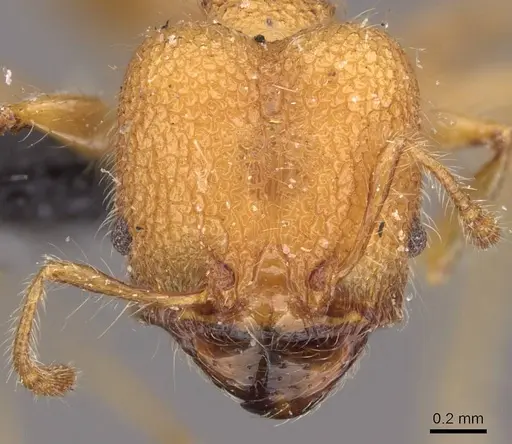
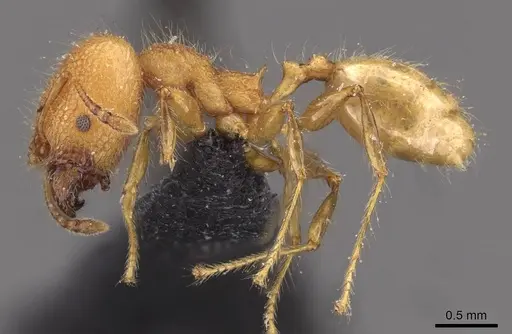
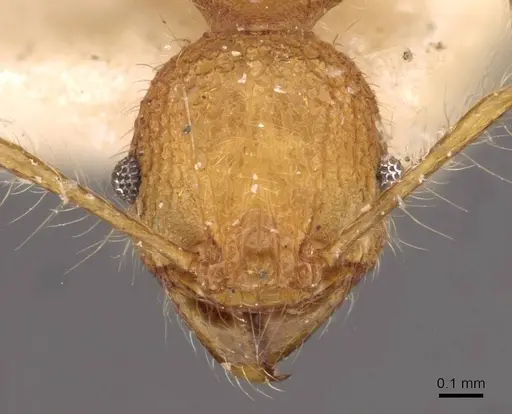
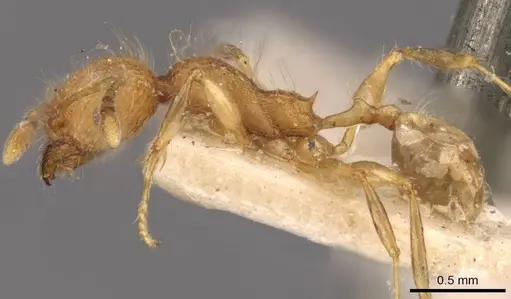
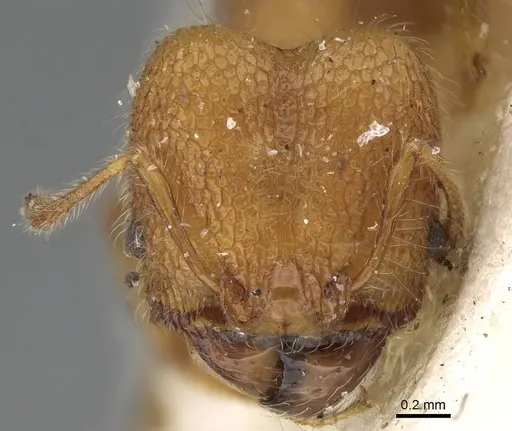
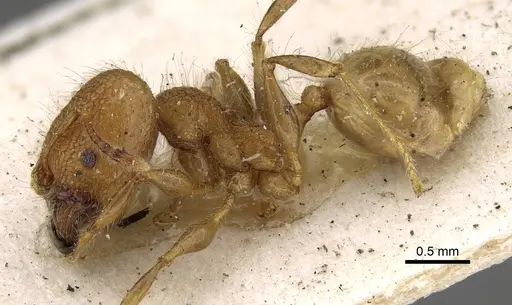
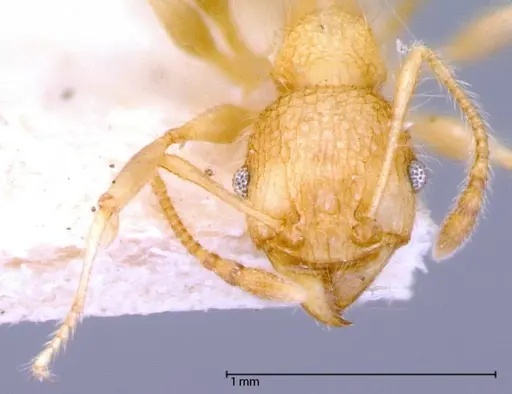
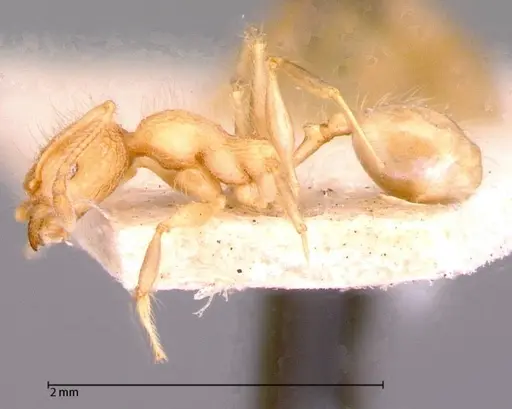
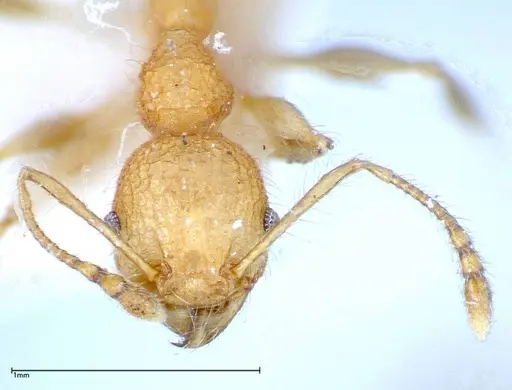
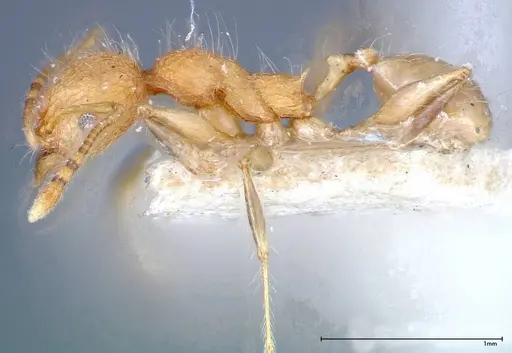
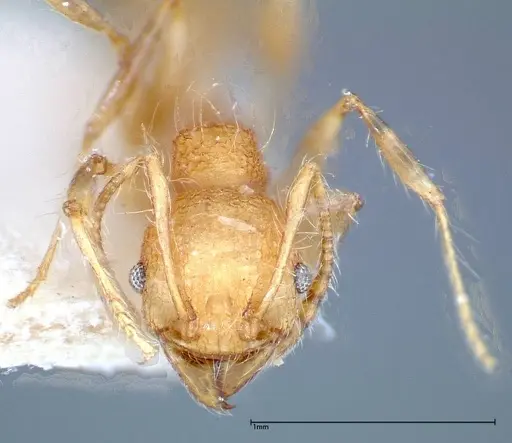
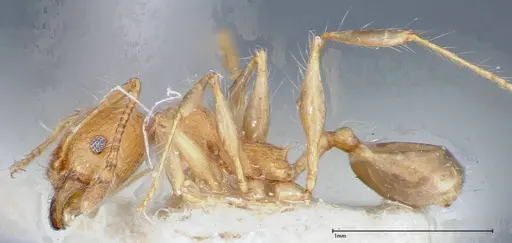
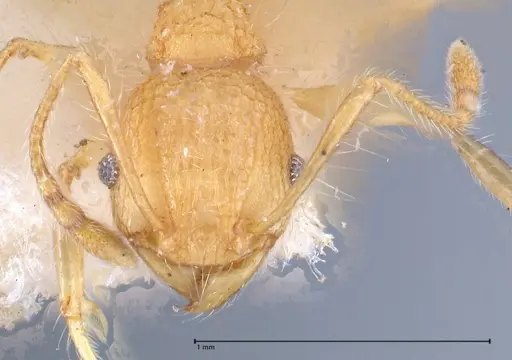
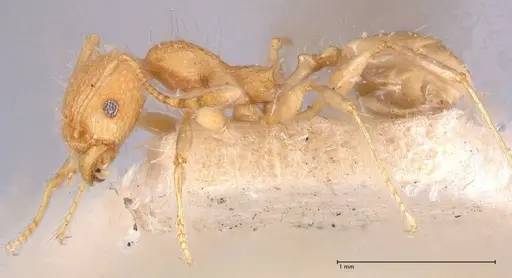
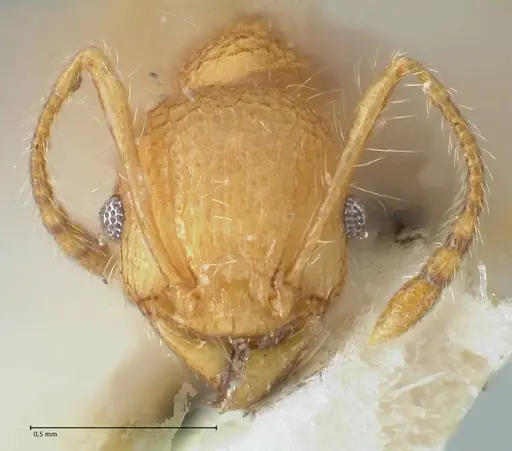
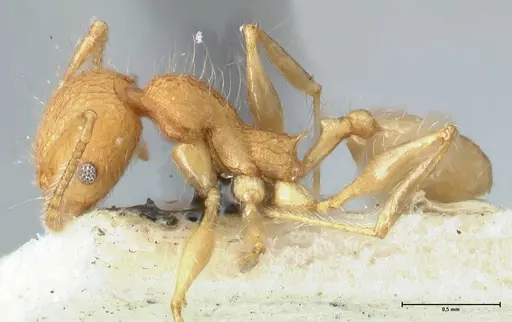
Pheidole bambusarum is a small Neotropical ant native to southern Brazil and northern Argentina. The species gets its name from its natural nesting preference, large hollow bamboos in forest environments. Workers come in two sizes: majors (soldiers) with robust bodies measuring around 1.14mm head width, and smaller minors at roughly 0.70mm head width. Both castes have a distinctive yellowish coloration with darker gasters, and the species is known for its densely sculptured appearance with distinctive rugoreticula patterns on the head and pronotum. This species belongs to the Pheidole tristis group and has been recorded in the Argentine provinces of Misiones and the Caldenal district [1][2].
Quick Summary
- Difficulty: Medium
- Origin & Habitat: Southern Brazil (Espírito Santo, Rio de Janeiro, São Paulo) and north-central Argentina (Misiones). In nature, they nest exclusively inside large hollow bamboos in forest environments. This is a tropical to subtropical species from the Neotropical region.
- Colony Type: Single-queen (monogyne) colonies. Like most Pheidole species, colonies typically have one reproductive queen. The genus Pheidole is known for having distinct major and minor worker castes.
- Colony: Monogyne
- Founding: Claustral
- Size & Growth:
- Queen: Unconfirmed, estimated 6-8mm based on genus patterns
- Worker: Minors: 0.70mm head width (roughly 3-4mm total length), Majors: 1.14mm head width (roughly 4-5mm total length)
- Colony: Estimated up to several hundred workers based on typical Pheidole colony sizes
- Growth: Moderate, Pheidole colonies typically grow at a moderate pace with distinct major workers appearing after the colony reaches several dozen workers
- Development: Estimated 6-8 weeks at optimal tropical temperatures (25-28°C) (Development time is inferred from typical Pheidole genus patterns. The presence of major workers (nanitics) typically appears within the first few months of colony establishment.)
- Antkeeping:
- Temperature: Keep at 24-28°C. As a Neotropical species from Brazil and Argentina, they prefer warm conditions. A heating cable on one side of the nest creates a suitable gradient.
- Humidity: Moderate to high humidity (60-80%). Their natural bamboo nest habitat suggests they prefer humid conditions but not waterlogged. Keep the nest substrate moist but allow some drying between waterings.
- Diapause: No, as a tropical species from southern Brazil and Argentina, they do not require hibernation. However, they may show reduced activity during cooler periods.
- Nesting: This species naturally nests in hollow bamboo stems. In captivity, they do well in test tubes initially, then can be moved to acrylic nests or Y-tong setups with narrow chambers. The key is providing enclosed spaces that mimic the tight bamboo cavities they evolved for. Avoid overly large, open spaces.
- Behavior: Pheidole bambusarum is a generalist forager with typical Pheidole behavior. Workers are active and will recruit nestmates to food sources. The species is assigned to the Generalized Myrmicinae (GM) functional group, indicating typical myrmicine behavior without extreme aggression [2]. Major workers serve as defenders and help process larger food items. They are not known for being particularly aggressive or for having potent stings. Escape prevention should be moderate, while not the smallest ants, they can still squeeze through small gaps.
- Common Issues: humidity control can be tricky, too wet causes mold, too dry causes desiccation, colonies may stall if temperatures drop below optimal range, major workers may take time to appear, this is normal for Pheidole, wild-caught colonies may contain parasites that can devastate captive colonies, test tube setups need proper escape barriers once colony grows
Housing and Nest Setup
Pheidole bambusarum naturally nests inside hollow bamboo stems, so your setup should mimic this tight, enclosed environment. For founding colonies, a standard test tube setup works well, the queen will seal herself in a chamber just like she would in a bamboo node. Once the colony reaches 20-30 workers, you can transition to an acrylic nest or Y-tong formicarium. The key is providing appropriately sized chambers, these ants prefer tighter spaces than you might expect. Avoid large, open foraging areas initially, a small outworld connected to the nest is sufficient. The nest material should retain moisture well, as bamboo cavities would naturally hold humid air. Some keepers add a small water reservoir to the nest area to maintain consistent humidity.
Feeding and Diet
Like most Pheidole species, P. bambusarum is a generalist omnivore. Offer a varied diet: protein sources like small insects (fruit flies, pinhead crickets, mealworms), and sugar sources like honey water or sugar water. In the wild, they likely forage for small arthropods and tend aphids for honeydew. Feed protein 2-3 times per week, and keep a constant sugar water supply. Remove uneaten prey after 24-48 hours to prevent mold. Major workers will help process larger food items that minors cannot handle alone. This species should accept a wide variety of foods typical of the Pheidole genus.
Temperature and Seasonal Care
As a Neotropical species from southern Brazil and Argentina, Pheidole bambusarum prefers warm conditions in the range of 24-28°C. Room temperature may be sufficient if your home stays in the low-to-mid 20s°C, otherwise use a heating cable on one side of the nest to create a warm zone. Avoid temperatures below 20°C for extended periods, this can slow colony development significantly. Unlike temperate species, they do not require a winter diapause period. However, they may show slightly reduced activity during cooler months. A gentle temperature gradient allows ants to regulate their own exposure to warmth, which is ideal for colony health. [1][2]
Colony Development and Castes
One of the fascinating aspects of keeping Pheidole bambusarum is watching the colony develop its distinct worker castes. The first workers (nanitics) are typically smaller minors that the queen raises alone during the claustral founding period. As the colony grows and reaches roughly 30-50 workers, you'll start seeing major workers appear. These larger majors have distinctive enlarged heads and serve as defenders and food processors. The colony growth rate is moderate, expect 6-12 months to reach a substantial colony with majors present. Be patient during the early stages, Pheidole colonies often appear to stall temporarily before accelerating growth once the first batch of workers establishes the colony.
Behavior and Observation
Pheidole bambusarum exhibits typical Pheidole behavior: active foragers that recruit nestmates to good food sources through chemical trails. Workers are quick and alert, and majors will readily defend the colony against threats. The species is assigned to the Generalized Myrmicinae functional group, meaning they are neither particularly aggressive nor overly timid, they're balanced foragers [2]. You may observe majors using their enlarged heads to crush larger prey items or seeds. The minors handle most routine foraging while majors focus on defense and heavy food processing. This division of labor makes them fascinating to observe, especially during feeding when you can see both castes working together.
Frequently Asked Questions
How long does it take for Pheidole bambusarum to have first workers?
Expect first workers (nanitics) to emerge around 6-8 weeks after the queen lays eggs, assuming optimal temperatures of 25-28°C. This is typical for Pheidole species. The first workers will be smaller minors that the queen raises alone during the claustral founding period.
What do Pheidole bambusarum ants eat?
They are generalist omnivores. Offer protein sources like small insects (fruit flies, pinhead crickets, mealworms) 2-3 times per week, and keep a constant sugar supply (honey water or sugar water). They will also likely accept other foods like seeds or fruit.
What temperature do Pheidole bambusarum ants need?
Keep them warm at 24-28°C. As a Neotropical species from Brazil and Argentina, they prefer tropical temperatures. Room temperature is often sufficient, or use a heating cable on part of the nest for additional warmth.
Are Pheidole bambusarum ants good for beginners?
They are rated as medium difficulty. They are more forgiving than some tropical species but do require attention to humidity and temperature. Their interesting major/minor caste system makes them rewarding for intermediate antkeepers who want something more challenging than basic species.
How big do Pheidole bambusarum colonies get?
Colonies typically reach several hundred workers over time. The presence of distinct major and minor castes becomes obvious once the colony reaches 30-50 workers. Maximum colony size is estimated based on typical Pheidole patterns.
Do Pheidole bambusarum need hibernation?
No, they do not require hibernation. As a tropical species from southern Brazil and Argentina, they are adapted to year-round warm conditions. They may show slightly reduced activity during cooler periods but no special winter care is needed.
What type of nest is best for Pheidole bambusarum?
In nature they nest in hollow bamboo, so they prefer enclosed nest spaces. Start with a test tube for the founding colony, then transition to an acrylic nest or Y-tong with appropriately sized chambers. Avoid overly large, open spaces, tight chambers mimic their natural bamboo habitat.
Why are my Pheidole bambusarum majors not appearing?
This is normal, major workers typically appear only after the colony reaches 30-50 workers. The colony first establishes a strong minor workforce before investing in producing the energetically expensive major caste. Be patient, majors will appear as the colony matures.
Can I keep multiple Pheidole bambusarum queens together?
No, Pheidole bambusarum is a monogyne (single-queen) species. Unlike some ants that can form multi-queen colonies, these ants establish colonies with one queen. Only attempt combining foundress queens if you have experience with Pleometrosis, and even then success is not guaranteed.
References

This caresheet is licensed under CC BY-SA 4.0 .
CASENT0281748
View on AntWeb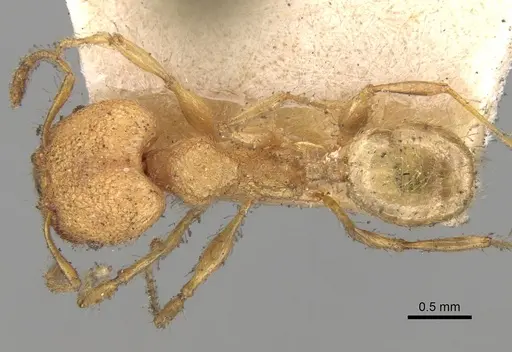
CASENT0904445
View on AntWeb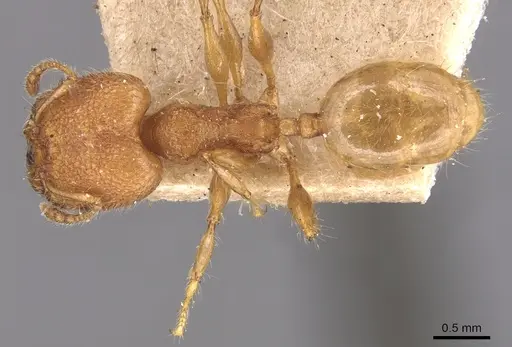
CASENT0904446
View on AntWeb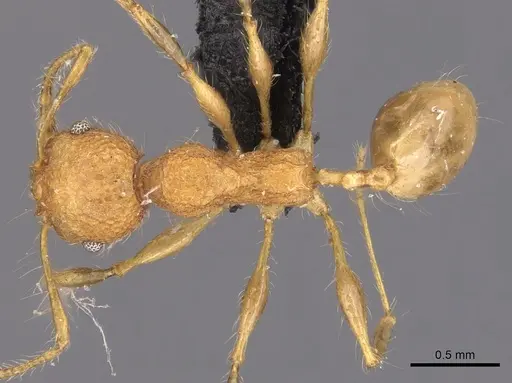
CASENT0908256
View on AntWeb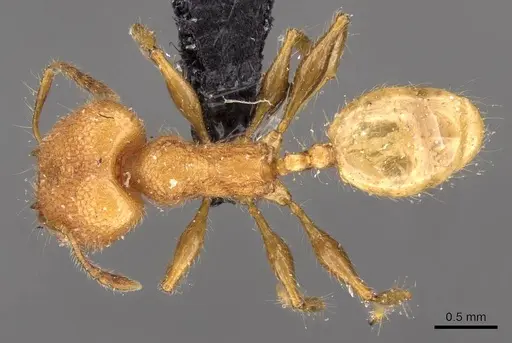
CASENT0908257
View on AntWeb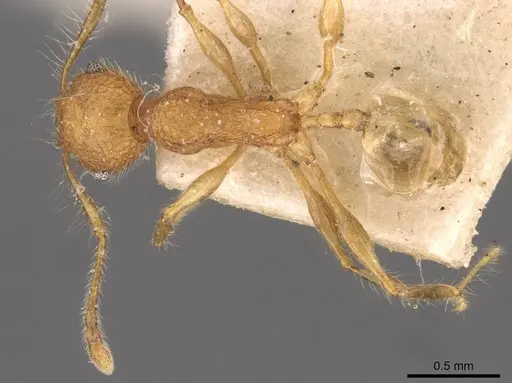
CASENT0922220
View on AntWeb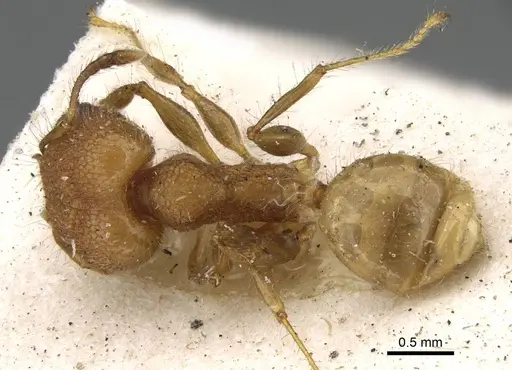
FOCOL0059
View on AntWeb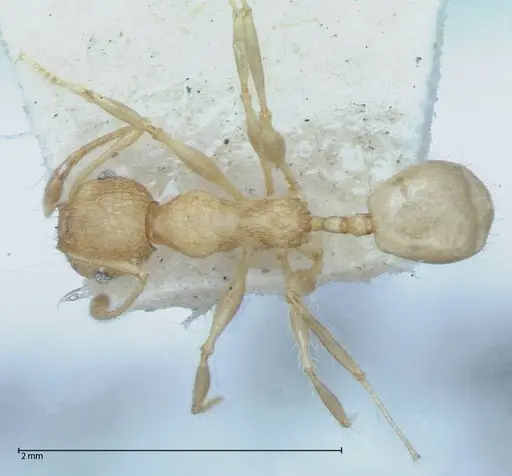
FOCOL0250-1
View on AntWeb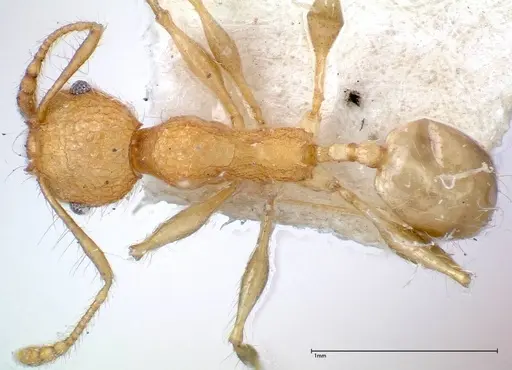
FOCOL0250-2
View on AntWeb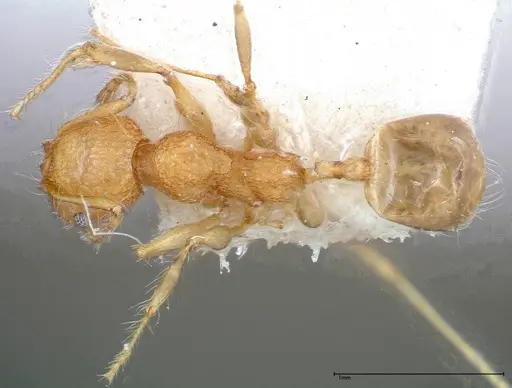
FOCOL0692
View on AntWeb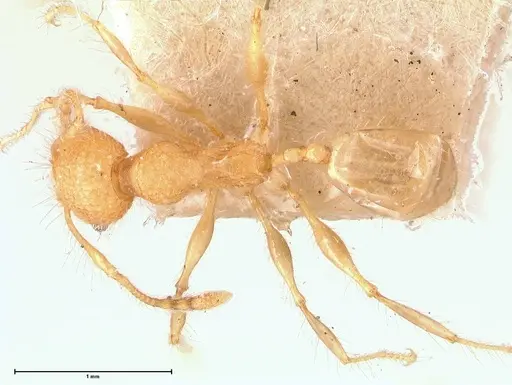
FOCOL1562
View on AntWeb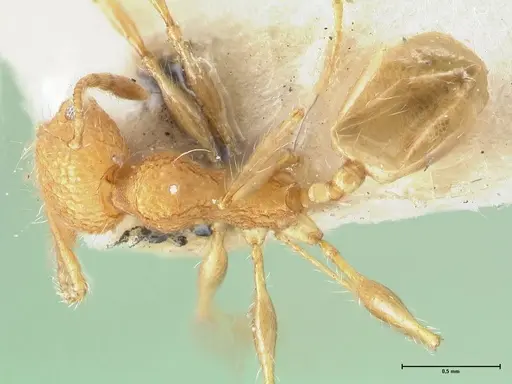
Literature
Loading...Loading products...