

Pheidole andrieui
- Scientific Name
- Pheidole andrieui
- Tribe
- Attini
- Subfamily
- Myrmicinae
- Author
- Santschi, 1930
- Distribution
- Found in 3 countries
Pheidole andrieui Overview
Pheidole andrieui is an ant species of the genus Pheidole. It is primarily documented in 3 countries , including Gambia, Mali, Senegal. Detailed taxonomic data and occurrence records can be further explored via authoritative databases such as AntWeb or the Global Biodiversity Information Facility (GBIF).
Pheidole andrieui
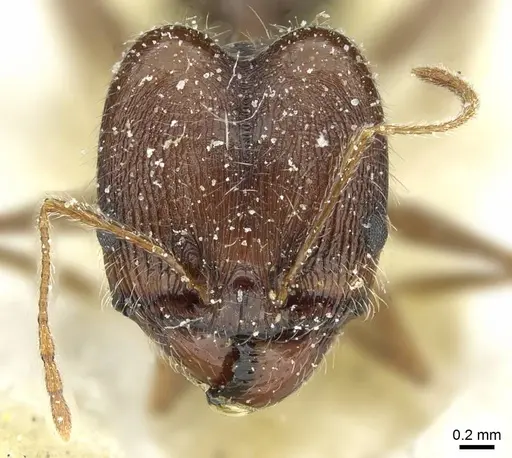
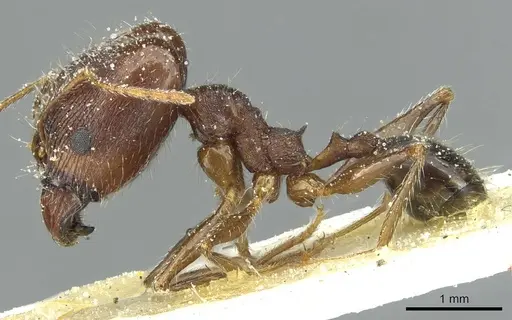
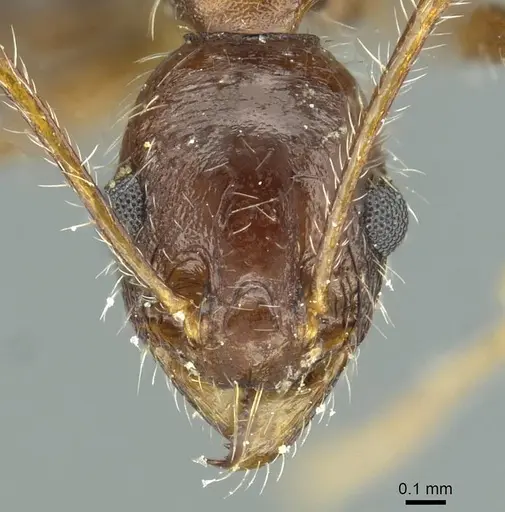
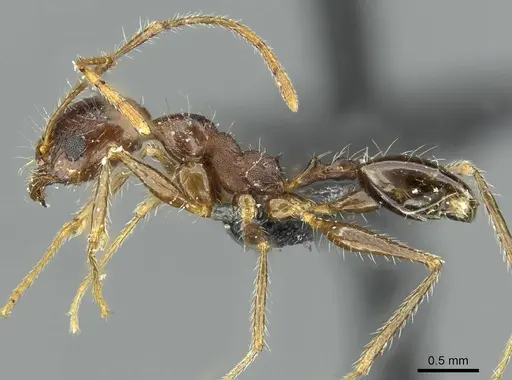
Pheidole andrieui is a small to medium-sized ant species belonging to the big-headed ant genus. Workers come in two sizes: minor workers at 2-3mm and major workers (soldiers) with noticeably larger heads at 3-4mm. The species has a reddish-brown to dark brown coloration typical of many Pheidole species. This ant is found across West Africa, including Benin, Gambia, Mali, and Sudan, where it nests in the ground in agricultural areas like mango orchards. The species was first described by Santschi in 1930 from Sudan [1].
What makes P. andrieui interesting is its presence in agricultural ecosystems. In Benin, researchers have documented it living in mango farms and even found it as prey of weaver ants (Oecophylla longinoda), showing it occupies a lower position in the local ant hierarchy. This suggests the species is adaptable to disturbed habitats but may face competition from more aggressive ant species.
Quick Summary
- Difficulty: Easy
- Origin & Habitat: West Africa (Benin, Gambia, Mali, Sudan). Found in ground nests in mango orchards and agricultural areas.
- Colony Type: Colony structure is unconfirmed. Most Pheidole species are monogyne (single queen), but this has not been specifically documented for P. andrieui.
- Size & Growth:
- Queen: Estimated 5-7mm based on genus patterns for small Pheidole species
- Worker: Minor workers 2-3mm, major workers 3-4mm [1]
- Colony: Likely several hundred to a few thousand workers based on typical Pheidole colony sizes
- Growth: Moderate, typical for Pheidole genus
- Development: Estimated 6-8 weeks at optimal temperature based on related Pheidole species (Development time is estimated from genus-level data, not specifically studied for this species)
- Antkeeping:
- Temperature: Keep at 24-28°C. This species comes from tropical West Africa and prefers warm conditions. A heating cable on one side of the nest can create a temperature gradient
- Humidity: Moderate humidity around 50-70%. Allow the nest to dry out somewhat between water additions, these ants prefer conditions drier than many tropical species. Provide a water tube but avoid oversaturation
- Diapause: Unlikely, this is a tropical species from West Africa. No winter dormancy is expected
- Nesting: Ground-nesting species. In captivity, a Y-tong (AAC) nest or plaster nest works well. Provide a connection to an outworld with sand or soil substrate for natural foraging behavior. Tight chambers scaled to their small size help them feel secure
- Behavior: Pheidole andrieui is a relatively peaceful species compared to some ants. They are seed harvesters but also opportunistically eat small insects. Major workers (soldiers) defend the colony and help process larger food items. They are not particularly aggressive toward humans and rarely sting. Their small size means escape prevention is important, use fine mesh and tight-fitting lids. Workers are active foragers that will scout for food in the outworld.
- Common Issues: tiny size means escapes are likely without fine mesh barriers, colonies may struggle if kept too cold, maintain warm temperatures, wild-caught colonies may have parasites that kill them in captivity, slow initial growth during founding phase can worry beginners, competition with other ants in multi-species setups can be problematic
Housing and Nest Setup
Pheidole andrieui is a ground-nesting species that does well in standard antkeeping setups. A Y-tong (AAC) nest works excellently, the tight chambers help the colony feel secure and the clear walls let you watch their activity. You can also use a plaster nest or a naturalistic setup with a soil chamber. Connect the nest to an outworld (foraging area) that gives them space to search for food. The outworld should have a substrate layer of sand or soil mix where they can exhibit natural foraging behaviors. Because they are small, ensure all connections and barriers are escape-proof, these ants can squeeze through surprisingly small gaps. A test tube setup works for founding colonies, but be prepared to move them to a proper nest once the colony reaches 20-30 workers.
Feeding and Diet
Like most Pheidole species, P. andrieui is an omnivore with a preference for seeds and protein. In captivity, offer them a mix of seeds (millet, chia, flax) and protein sources like small insects (fruit flies, pinhead crickets, mealworms). They will also accept sugar water or honey occasionally, though seeds and insects should form the bulk of their diet. Feed protein-rich foods 2-3 times per week, and keep a constant supply of seeds available. Remove any uneaten food after 24-48 hours to prevent mold. Major workers help process larger food items and can crack seeds with their powerful mandibles. Young colonies starting with just a queen will need only sugar water and very small insects until their first workers emerge.
Temperature and Heating
This West African species prefers warm conditions. Keep the nest area at 24-28°C for optimal brood development. Temperatures below 22°C can slow their growth significantly, and prolonged cold exposure can be fatal. Use a heating cable or heating mat placed on one side of the nest to create a gentle temperature gradient, this lets the ants choose their preferred warmth level. Place the heating element on top of the nest rather than underneath to avoid drying out the nest too quickly. Room temperature may be sufficient if your home is already in this range, but monitor colony activity, if workers seem sluggish, consider adding gentle heat. Avoid temperatures above 32°C as this can stress the colony.
Humidity and Water
Pheidole andrieui prefers moderately dry conditions compared to many tropical ants. Keep the nest substrate lightly moist but allow it to dry out partially between water additions. The humidity inside the nest should be around 50-70%. A water tube connected to the nest provides a constant drinking source and helps maintain ambient humidity. Check the nest every few days, if the substrate looks completely dry or condensation has disappeared, add a small amount of water. Avoid creating standing water or overly saturated conditions, as this can lead to mold problems and colony decline. The outworld can be slightly drier than the nest area.
Colony Development and Growth
A newly mated queen will seal herself in a small chamber and lay her first eggs. She relies on stored fat reserves to survive and feed the first brood, this is called claustral founding. After 4-6 weeks (estimated from genus patterns), the first workers called nanitics will emerge. These initial workers are smaller than normal workers but immediately begin caring for the colony and foraging for food. The colony will grow gradually at first, then accelerate as more workers are produced. Expect the colony to reach several hundred workers within a year under good conditions. Major workers (soldiers) typically appear once the colony is established with 50+ workers. The presence of majors is a sign of a healthy, maturing colony.
Behavior and Temperament
Pheidole andrieui is a relatively calm species that does well in captivity. Workers are active foragers who will search the outworld for food and bring it back to the nest. Major workers (soldiers) defend the colony and help process food with their large mandibles. They are not particularly aggressive toward the keeper and rarely attempt to sting. However, they are small and persistent, escape prevention is essential. They coexist peacefully with other ants of similar size but may compete with larger or more aggressive species. In the wild, they have been found as prey of weaver ants (Oecophylla longinoda), suggesting they are lower in the ant hierarchy and may be targeted by more aggressive species.
Frequently Asked Questions
How long does it take for Pheidole andrieui to produce first workers?
First workers (nanitics) typically emerge in 6-8 weeks after the queen lays eggs, assuming optimal temperature around 26°C. This is an estimate based on related Pheidole species, the exact timeline has not been specifically documented for P. andrieui.
What do Pheidole andrieui ants eat?
They are omnivores that prefer seeds and protein. Offer them small seeds (millet, chia) and small insects (fruit flies, pinhead crickets, mealworms). They will occasionally accept sugar water or honey as a treat.
What temperature should I keep Pheidole andrieui at?
Keep them at 24-28°C. This West African species prefers warm conditions. Temperatures below 22°C can slow growth, and prolonged cold can be harmful.
Are Pheidole andrieui good for beginners?
Yes, this species is beginner-friendly. They are relatively peaceful, don't require complex humidity control, and are forgiving of minor care mistakes. Their small size and simple diet make them easy to care for.
How big do Pheidole andrieui colonies get?
Based on typical Pheidole patterns, colonies likely reach several hundred to a few thousand workers. A mature colony may have 500-2000 workers including major soldiers.
Do Pheidole andrieui need hibernation?
No, this is a tropical species from West Africa and does not require hibernation or winter dormancy. Keep them warm year-round.
When should I move my colony to a formicarium?
Move them once they outgrow the founding test tube or reach 30-50 workers. A Y-tong or plaster nest works well. Make sure the new nest has appropriately sized chambers for their small size.
Can I keep multiple queens together?
This has not been documented for P. andrieui. Most Pheidole species are single-queen (monogyne), so it's best to keep only one queen per colony unless you observe specific multi-queen behavior.
Why are my Pheidole andrieui escaping?
Their small size means they can escape through tiny gaps. Use fine mesh on all ventilation holes, ensure lid seals are tight, and apply barrier gel or fluon around the edges of the outworld.
References

This caresheet is licensed under CC BY-SA 4.0 .
CASENT0913264
View on AntWeb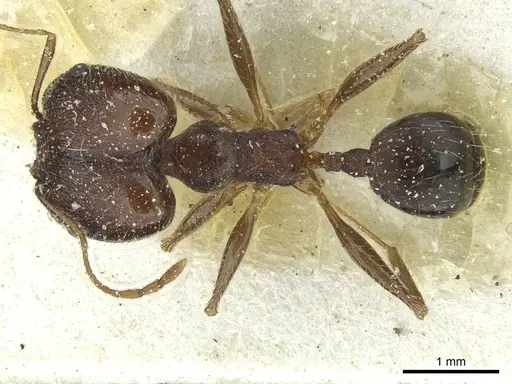
CASENT0913265
View on AntWeb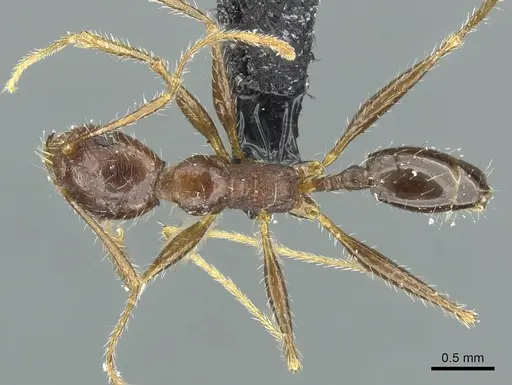
Literature
Loading...Loading products...