

Pheidole alpinensis
- Scientific Name
- Pheidole alpinensis
- Tribe
- Attini
- Subfamily
- Myrmicinae
- Author
- Forel, 1912
- Distribution
- Found in 2 countries
Pheidole alpinensis Overview
Pheidole alpinensis is an ant species of the genus Pheidole. It is primarily documented in 2 countries , including Argentina, Brazil. Detailed taxonomic data and occurrence records can be further explored via authoritative databases such as AntWeb or the Global Biodiversity Information Facility (GBIF).
Pheidole alpinensis
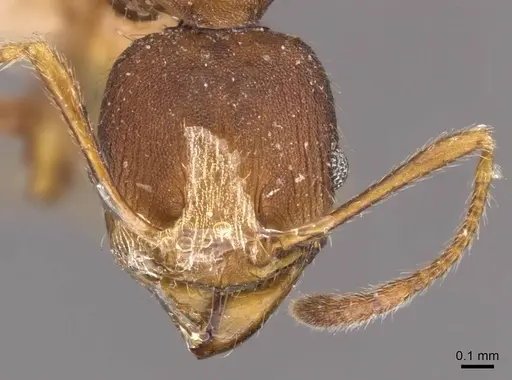
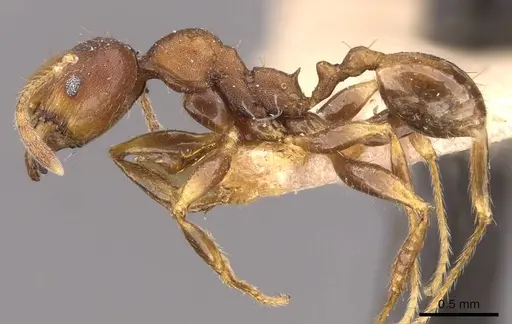
Pheidole alpinensis is a small Neotropical ant belonging to the big-headed ant genus Pheidole. Major workers have a distinctive enlarged head and measure around 1.74mm in head width, while minor workers are much smaller at 0.76mm. The species is reddish brown in majors and reddish yellow in minors. Originally described as a variety of Pheidole tristis, it was raised to full species status in 2003. This ant belongs to the tristis group, characterized by very prominent subangulate humeri (shoulder angles) and a large postpetiolar node. The species is only known from the Atlantic Forest region of Brazil, specifically from the type locality in Teresopolis, Rio de Janeiro.
Nothing is known about the specific biology of P. alpinensis, this is one of the least-studied Pheidole species. However, being a member of the genus Pheidole, it likely follows typical patterns for the group: colonies are likely founded by a single queen who seals herself in a chamber, and the species probably forages for seeds and small insects. The limited collection data shows they occur in low densities in forest habitats, suggesting they may prefer shaded, humid environments [1].
Quick Summary
- Difficulty: Unknown, likely Medium based on genus patterns
- Origin & Habitat: Atlantic Forest of Brazil (Teresopolis, Rio de Janeiro) and southern Brazil. Found in forest understory and leaf litter habitats [1].
- Colony Type: Unconfirmed. Most Pheidole species are monogyne (single queen colonies), but colony structure has not been documented for this specific species.
- Size & Growth:
- Queen: Undescribed in literature, estimate 5-7mm based on genus patterns
- Worker: Major: 1.74mm HW, Minor: 0.76mm HW
- Colony: Unknown, likely several hundred to a few thousand workers based on typical Pheidole colony sizes
- Growth: Unknown, likely moderate based on genus patterns
- Development: Unknown, estimate 6-10 weeks based on typical Pheidole development at warm temperatures (No specific data exists. Related Neotropical Pheidole species typically develop in 6-10 weeks under warm conditions. Expect slower development if kept cool.)
- Antkeeping:
- Temperature: Likely 22-27°C based on Neotropical habitat. Start in this range and observe colony activity. Avoid temperatures below 18°C or above 30°C.
- Humidity: Likely 60-80%, Atlantic Forest is a humid environment. Keep nest substrate consistently moist but not waterlogged. Provide a moisture gradient so ants can choose their preferred zone.
- Diapause: Unknown, Neotropical species may not require true hibernation but may slow down in cooler months. No specific data.
- Nesting: Likely prefers humid nest environments. Based on genus patterns, they probably nest in soil, under stones, or in rotting wood in nature. In captivity, a Y-tong (AAC) nest or plaster nest with good humidity retention works well. Test tubes can work if kept in a humid setup.
- Behavior: Not documented specifically. Pheidole majors use their enlarged heads to crack seeds and defend the colony, while minors handle foraging and brood care. Expect typical Pheidole behavior: majors may block nest entrances with their heads, and the species likely shows moderate foraging activity. Escape risk is moderate, minors are small but majors are larger. Use standard barrier methods.
- Common Issues: no biological data means care is based on genus assumptions rather than species-specific research, slow growth and small colony sizes may frustrate keepers expecting rapid development, humidity control is critical, too dry and colonies fail, too wet and mold becomes a problem, wild-caught colonies may have parasites or diseases since we know nothing about their health in captivity, very limited availability, this is not a common species in the antkeeping hobby
Nest Preferences
The natural nesting habits of Pheidole alpinensis have not been documented. However, the type locality in the Atlantic Forest of Brazil suggests they prefer humid, shaded environments. Most Pheidole species nest in soil, under stones, or in rotting wood in nature. For captive care, a Y-tong (AAC) nest or plaster formicarium works well, these materials retain humidity while allowing you to monitor the colony. Keep the nest area humid but ensure some ventilation to prevent mold. A test tube setup can work if placed in a larger container to create a humid microclimate, but monitor for condensation and mold issues. Provide a dark nesting area as these ants typically prefer dark, enclosed spaces.
Feeding and Diet
Pheidole species are typically seed-harvesters (granivores) that also opportunistically eat small insects and other protein sources. The major workers' enlarged heads are specialized for seed-cracking. In captivity, offer a mix of seeds (millet, sesame, cracked sunflower seeds) as a staple, supplemented with small insects like fruit flies, pinhead crickets, or mealworm pieces. Sugar sources like honey water or sugar water may be accepted, though Pheidole generally prefer protein. Feed small amounts 2-3 times per week and remove uneaten food to prevent mold. Since nothing specific is known about P. alpinensis' diet, start with these typical Pheidole offerings and observe what the colony accepts.
Temperature and Seasonal Care
As a Neotropical species from Brazil's Atlantic Forest, P. alpinensis likely prefers warm, stable temperatures in the 22-27°C range. Avoid temperatures below 18°C or above 30°C. A heating cable on one side of the nest can create a temperature gradient, allowing the colony to self-regulate. Since nothing is known about their diapause requirements, assume they may not need true hibernation but may slow activity during cooler periods. Monitor colony behavior, if workers become less active and cluster together, they may be entering a rest period. Do not cool them dramatically unless they clearly show reduced activity on their own.
Behavior and Colony Structure
Pheidole alpinensis has not been specifically studied for behavior, but the genus is well-known for its caste system: minor workers handle most tasks (foraging, brood care, nest maintenance) while major workers specialize in defense, seed-cracking, and food processing. The major workers' large heads are filled with powerful muscles for crushing seeds. Colonies likely grow slowly at first during the claustral founding phase, then accelerate once the first nanitic workers emerge. Expect majors to appear when the colony reaches several hundred workers. Major workers often block nest entrances with their heads, this is normal defensive behavior.
Frequently Asked Questions
How long does it take for Pheidole alpinensis to get first workers?
Unknown, no specific development data exists for this species. Based on typical Pheidole development, expect 6-10 weeks from egg to first worker at warm temperatures (24-27°C). Growth will be slower if kept cooler.
What do Pheidole alpinensis ants eat?
Based on typical Pheidole diet, they likely eat seeds and small insects. Offer a mix of seeds (millet, sesame, cracked sunflower) and protein sources (fruit flies, small crickets, mealworm pieces). They may also accept sugar water or honey occasionally.
Can I keep multiple queens together?
Not documented for this species. Most Pheidole are monogyne (single queen), and combining unrelated queens is not recommended. If you obtain multiple foundress queens, keep them in separate setups until you know their colony structure.
What temperature do Pheidole alpinensis need?
Based on their Neotropical habitat, aim for 22-27°C. Avoid temperatures below 18°C or above 30°C. A gentle temperature gradient allows the colony to choose its preferred zone.
Do Pheidole alpinensis need hibernation?
Unknown, Neotropical species often don't require true hibernation but may slow activity in cooler months. No specific data exists. Monitor your colony's behavior and adjust accordingly.
Are Pheidole alpinensis good for beginners?
This species is not recommended for beginners due to the complete lack of documented care information. Almost nothing is known about their biology. If you're experienced with Pheidole species and comfortable with experimental care, this could be an interesting species to keep.
How big do Pheidole alpinensis colonies get?
Unknown, no colony size data exists. Most Pheidole colonies reach several hundred to a few thousand workers. Expect moderate growth over months to years.
Where is Pheidole alpinensis found?
Only known from the Atlantic Forest region of Brazil, specifically Teresopolis, Rio de Janeiro (type locality). Also recorded from southern Brazil (Santa Maria, Rio Grande do Sul). This is a rare species with limited distribution.
References

This caresheet is licensed under CC BY-SA 4.0 .
CASENT0908093
View on AntWeb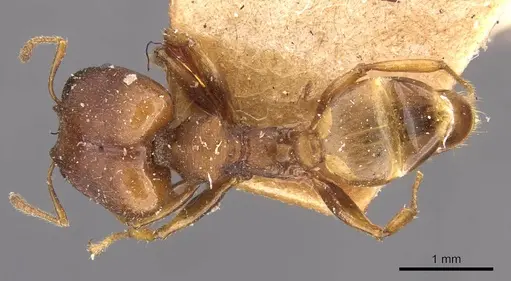
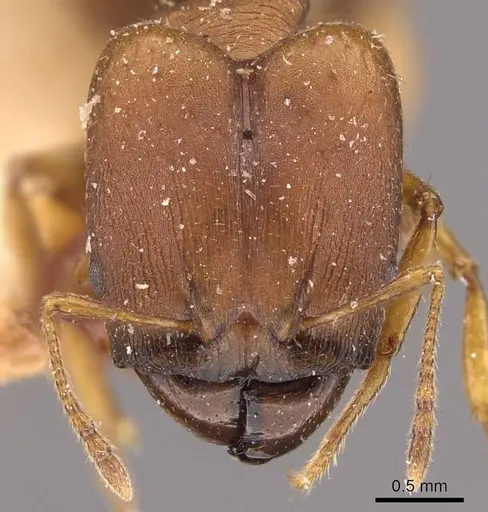
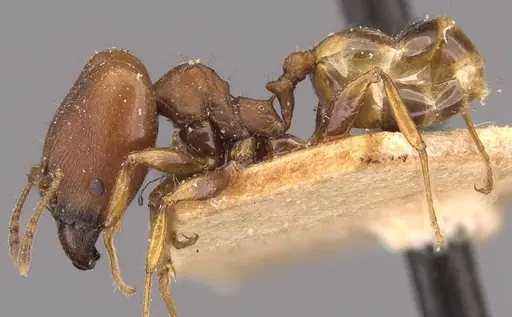
CASENT0908094
View on AntWeb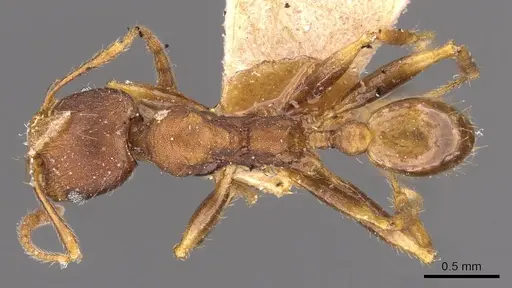
Literature
Loading...Loading products...