

Paratrechina zanjensis
- Scientific Name
- Paratrechina zanjensis
- Tribe
- Lasiini
- Subfamily
- Formicinae
- Author
- LaPolla <i>et al.</i>, 2013
- Distribution
- Found in 3 countries
Paratrechina zanjensis Overview
Paratrechina zanjensis is an ant species of the genus Paratrechina. It is primarily documented in 3 countries , including Mozambique, Tanzania, United Republic of. Detailed taxonomic data and occurrence records can be further explored via authoritative databases such as AntWeb or the Global Biodiversity Information Facility (GBIF).
Paratrechina zanjensis
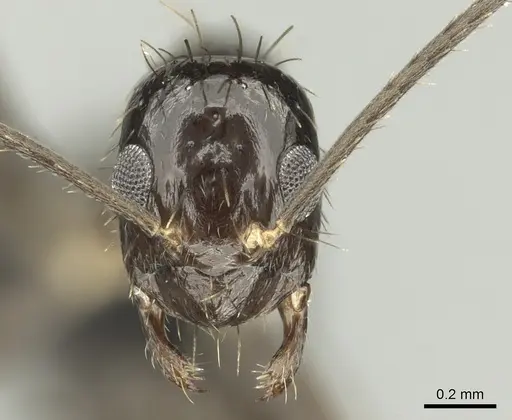
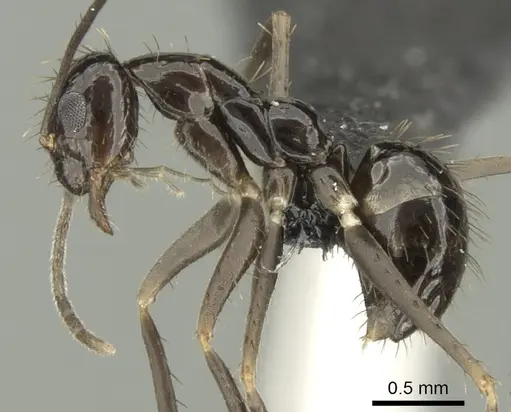
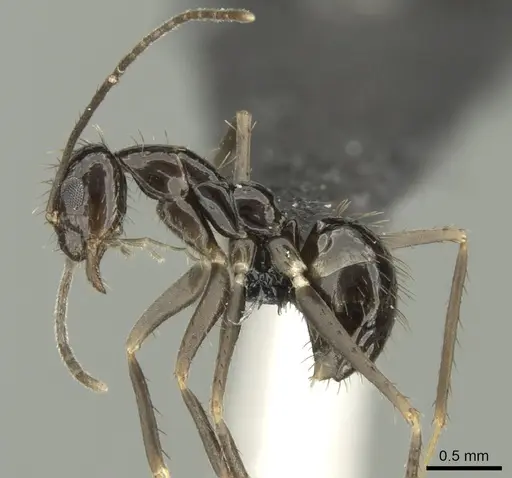
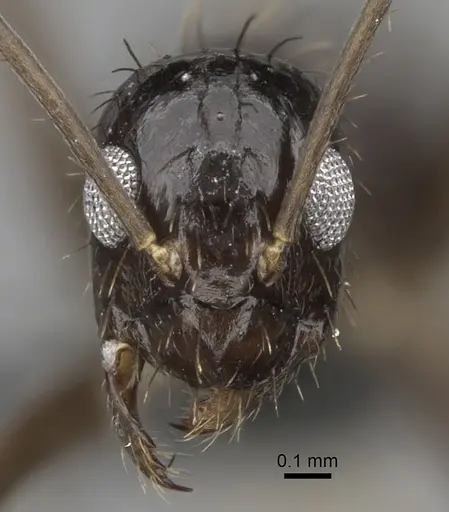
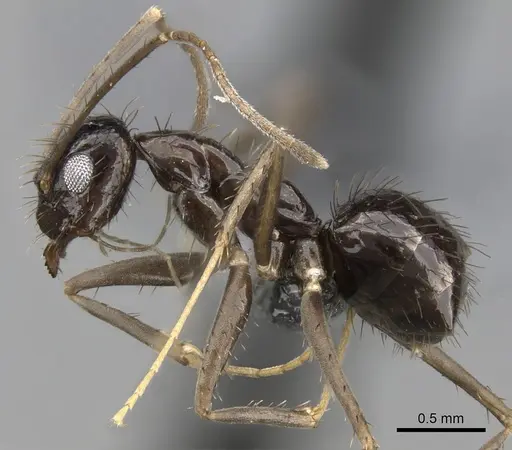
Paratrechina zanjensis is a small, dark brown ant native to the miombo woodlands of Angola, Mozambique, and Tanzania in East Africa. Workers measure just 2.6-3.2mm, making them among the smaller ants in the hobby. They have a glossy, dark brown body with lighter mandibles, antennae, and legs, and are distinguished by their erect dark macrosetae (stiff hairs) on the scapes and body, a key feature that separates them from the related invasive crazy ant (Paratrechina longicornis). The propodeum (the section behind the waist) is more rounded and convex than its relative, giving them a slightly hunched appearance. This species was only described in 2013 and remains poorly studied in the wild, with just 23 specimens ever collected. They are closely related to the globally invasive crazy ant but appear to be a specialist of dry, open woodland habitats rather than human-modified areas.
Quick Summary
- Difficulty: Medium
- Origin & Habitat: Native to East Africa (Angola, Mozambique, Tanzania) in dry miombo woodland habitats. Miombo woodland is a type of deciduous savanna with scattered trees and a pronounced dry season. The species prefers open woodland rather than closed canopy forest, and appears to be absent from both dry and moist forest sites [1][2].
- Colony Type: Unconfirmed colony structure. Based on its relationship to Paratrechina longicornis (which is polygynous, multiple queens), P. zanjensis may form multi-queen colonies, but this has not been documented. Queen and male castes remain unknown [1][2].
- Size & Growth:
- Queen: Unknown, queen has not been described [1]
- Worker: 2.6-3.2mm [1]
- Colony: Unknown, only 23 specimens have ever been collected [1]
- Growth: Unknown, estimated as moderate based on related species patterns
- Development: Unknown, estimated 4-6 weeks based on related Paratrechina species at warm temperatures (No direct development data exists. Related Paratrechina species typically develop quickly in warm conditions. Expect relatively fast growth compared to larger Formicinae if kept at optimal temperatures.)
- Antkeeping:
- Temperature: Keep warm, around 24-28°C. This aligns with their East African origin and miombo woodland habitat which experiences high temperatures. A heating cable on one side of the nest creates a gradient allowing workers to self-regulate [2][1].
- Humidity: Moderate humidity around 50-70%. Miombo woodland has distinct wet and dry seasons, so they likely tolerate drier conditions than forest-dwelling ants. Keep the nest substrate moderately moist but allow some drying between waterings. Provide a water tube as a permanent moisture source [1].
- Diapause: Unknown, no data on overwintering requirements. East African species from a seasonal habitat may have reduced activity periods rather than true hibernation. Consider a cool period (around 18-20°C) during winter months if colony shows reduced activity, but do not force cold hibernation.
- Nesting: Based on their collection in pitfall traps (ground-level foraging) and absence from leaf litter samples, they are surface-active foragers that likely nest in soil or under stones. In captivity, a test tube setup works well for founding colonies. For established colonies, a Y-tong or acrylic nest with a moisture chamber mimics their natural soil-nesting preferences. Avoid naturalistic setups with deep substrate as they prefer to forage on surfaces rather than tunnel extensively.
- Behavior: Based on their relationship to Paratrechina longicornis, these ants are likely active, quick-moving foragers with an omnivorous diet. They are probably aggressive defenders of their territory and may have painful bites given their position in the Formicinae subfamily. Their small size (under 3.2mm) means escape prevention is critical, they can squeeze through standard test tube openings and mesh barriers. Use fluon on edges and fine mesh (at least 0.5mm) for outworld barriers. They are likely nocturnal or crepuscular foragers given they were caught in pitfall traps but not found in daytime leaf litter samples [1].
- Common Issues: escape prevention is critical due to their tiny 2.6-3.2mm size, standard test tube cotton can be too loose, lack of documented care means you are experimenting, keep detailed notes on what works, queen and colony structure unconfirmed, you may not know if your colony is truly established, no male or queen description exists, wild mating may be difficult to replicate, related species (P. longicornis) are invasive and fast-spreading, never release this species outside its range
Natural History and Distribution
Paratrechina zanjensis is one of the rarest ants in the antkeeping hobby, having been formally described only in 2013 from specimens collected in Tanzania's Selous Game Reserve. The species name 'zanjensis' comes from the ancient Arabic name for the East African coast encompassing parts of modern Kenya, Mozambique, and Tanzania. They have been found only in Angola, Mozambique, and Tanzania, making them a true East African endemic. The species appears to be a miombo woodland specialist, they were found in pitfall traps set in mature dry miombo woodland but were completely absent from both dry and moist closed canopy forest sites nearby. This suggests they strongly prefer open, sunny woodland habitats over shaded forest environments. Notably, they were not found in any of the 40 Winkler-extracted leaf litter samples collected during daytime, indicating they are primarily surface-active foragers rather than leaf litter dwellers. The combination of these findings makes it clear this species is adapted to open ground habitats in warm, seasonal African environments [1][2].
Identification and Distinction from Related Species
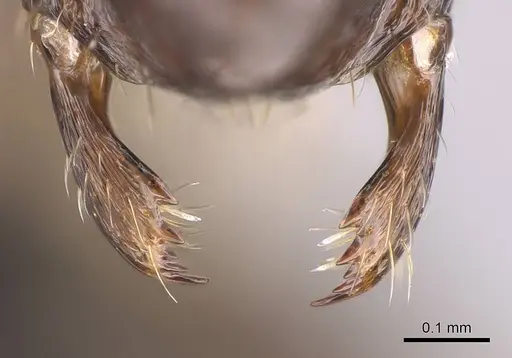
Paratrechina zanjensis can be distinguished from its more famous relative Paratrechina longicornis (the crazy ant, a global invasive pest) by several key features. Most notably, P. zanjensis has erect macrosetae on its scapes (the antennae segments), while P. longicornis does not. The body of P. zanjensis is glossier and largely lacks the opalescent sheen and iridescence characteristic of crazy ants. The propodeal dorsal face is more convex (rounded) in P. zanjensis, and the pronotum and mesonotum are more convex, appearing almost flat in P. longicornis. The metanotal area (the section between the middle body and the rear) is longer and more distinct in P. zanjensis. Additionally, P. zanjensis has dark macrosetae rather than the pale ones found on P. longicornis. Workers have 8 teeth on their mandibles, with one tooth on the basal margin and another on the inner margin. The species is also superficially similar to Nylanderia silvula but can be distinguished by mandibular dentition (5 teeth in Paratrechina versus 6 in Nylanderia), larger eyes, longer limbs, and a less strongly domed propodeum [1][2].
Housing and Nest Setup
For a newly caught queen (if you can find one), a standard test tube setup works well for founding. The tube should have a water reservoir sealed with cotton at one end, providing humidity without flooding. Because of their tiny size (workers are only 2.6-3.2mm), ensure the cotton is packed tightly enough to prevent escapes, consider using an additional barrier like a small piece of cotton wool inside the tube before the main plug. For established colonies, a Y-tong (acrylic) nest with a moisture chamber works well, simulating their natural soil-nesting preferences. The nest should have chambers sized appropriately for their small size, avoid large, open spaces. Provide a shallow foraging area (outworld) with easy access to food. Since they are surface-active foragers (evidenced by pitfall trap captures rather than leaf litter samples), they will likely spend more time foraging on surfaces than tunneling through deep substrate. Ensure excellent escape prevention, their small size means they can squeeze through gaps that would hold back larger ants. Apply fluon to all rim edges and use fine mesh (0.5mm or smaller) on any ventilation [1].
Feeding and Diet
While no specific feeding studies exist for P. zanjensis, their close relationship to Paratrechina longicornis (an omnivorous invasive species) suggests they have a broadly omnivorous diet. In captivity, offer a varied diet including sugar sources (honey water, sugar water) and protein (small insects like fruit flies, pinhead crickets, or mealworm pieces). Based on their ground-foraging behavior and miombo woodland habitat, they likely scavenge for dead insects and tend aphids for honeydew in the wild. Feed small amounts of honey water or sugar water regularly (every 2-3 days), and offer protein prey 1-2 times per week. Remove uneaten prey after 24 hours to prevent mold. Since they are small ants, prey items should be appropriately sized, fruit flies and small ants work well as natural prey. Observe your colony's preferences and adjust feeding accordingly [2][1].
Temperature and Seasonal Care
Paratrechina zanjensis comes from East Africa's miombo woodland, a habitat with pronounced seasonal temperature variations and a distinct dry season. Keep colonies warm at 24-28°C for optimal activity and growth. A heating cable placed on one side of the nest creates a temperature gradient allowing workers to regulate their own temperature by moving between warmer and cooler areas. This mimics the sunny patches in their open woodland habitat. During winter or cooler months, if your colony shows reduced activity, you can provide a cool period around 18-20°C, but avoid true cold hibernation as this species is not adapted to freezing temperatures. The lack of documented diapause requirements means you should observe your colony's natural activity patterns and adjust accordingly. Do not let temperatures drop below 18°C for extended periods. Maintain warmth year-round unless the colony clearly enters a rest period [1][2].
Behavior and Handling
Based on their relationship to Paratrechina longicornis (the crazy ant), expect P. zanjensis to be active, quick-moving ants with alert responses to disturbances. They are likely to be defensive of their nest and may bite if threatened, while small, their bites may be noticeable due to their position in the Formicinae subfamily. Their small size and quick movements make them challenging to handle during nest transfers. When working with them, use red light or work in dim conditions as they are less likely to panic. Never handle them with bare hands, use soft brushes or allow them to walk onto damp paper towels for transport. Their activity patterns appear to be surface-based rather than cryptic, they were caught in pitfall traps but not found in leaf litter samples, suggesting they forage openly on the ground surface, likely during cooler parts of the day or at night given their absence from daytime samples [1].
Frequently Asked Questions
How long does it take for Paratrechina zanjensis to produce first workers?
The egg-to-worker timeline is unconfirmed for this species. Based on related Paratrechina species, expect approximately 4-6 weeks from egg to first worker when kept at optimal warm temperatures (24-28°C). The queen and colony structure have not been documented, so establishing a colony from a wild-caught queen may be challenging [1][2].
What do Paratrechina zanjensis ants eat?
Based on their relationship to the omnivorous Paratrechina longicornis, they likely accept a varied diet. Offer sugar sources (honey water, sugar water) regularly and protein (small insects like fruit flies, pinhead crickets, or mealworm pieces) 1-2 times weekly. They are small ants, so keep prey items appropriately sized [2].
Can I keep Paratrechina zanjensis in a test tube?
Yes, a test tube setup works well for founding colonies. Ensure the cotton is packed tightly, their tiny 2.6-3.2mm size means they can squeeze through gaps that hold back larger ants. Use additional barriers if needed. For established colonies, transition to a Y-tong or acrylic nest with a moisture chamber [1].
What temperature do Paratrechina zanjensis ants need?
Keep them warm at 24-28°C. This aligns with their East African miombo woodland origin. A heating cable on one side of the nest creates a gradient for self-regulation. Do not let temperatures drop below 18°C for extended periods [1][2].
Are Paratrechina zanjensis ants aggressive?
While not directly studied, their relationship to Paratrechina longicornis suggests they are likely defensive and may bite if threatened. They are small but active and quick-moving. Handle with care and use proper tools rather than bare hands [2].
How big do Paratrechina zanjensis colonies get?
Colony size is unknown, this is one of the rarest described ant species with only 23 specimens ever collected. Based on related Paratrechina species, they likely reach several hundred workers. The queen and colony structure (single queen vs. multiple queens) have not been documented [1].
Do Paratrechina zanjensis ants need hibernation?
Diapause requirements are unconfirmed. East African species from seasonal habitats may have reduced activity periods rather than true hibernation. If your colony shows reduced activity in winter, provide a cool period around 18-20°C, but avoid forcing cold hibernation. Observe your colony's natural patterns [1].
Are Paratrechina zanjensis good for beginners?
This species is not recommended for beginners. They are one of the least-studied ant species in the hobby, with no documented care requirements, unknown colony structure, and undescribed queen and male castes. Keeping them successfully requires experience with other ant species and a willingness to experiment. Start with more established species like Lasius or Formica before attempting P. zanjensis [1].
Why are my Paratrechina zanjensis dying?
Without documented care requirements, trial and error is required. Common issues likely include: escape through tiny gaps (their 2.6-3.2mm size makes them expert escape artists), temperature stress (keep warm but not hot), improper humidity (avoid both drying out and waterlogging), and stress from disturbance. Document your conditions carefully and adjust incrementally. Consider that wild-caught colonies may have parasites or diseases not yet understood [1].
References

This caresheet is licensed under CC BY-SA 4.0 .
CASENT0128086
View on AntWeb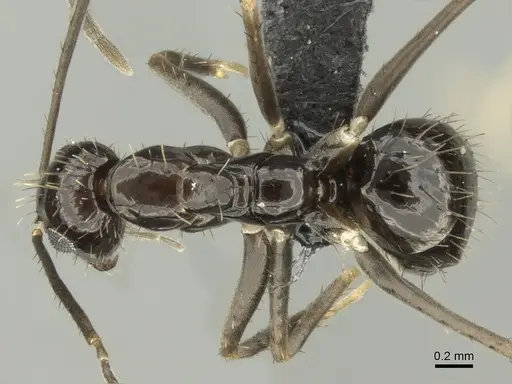
CASENT0280583
View on AntWeb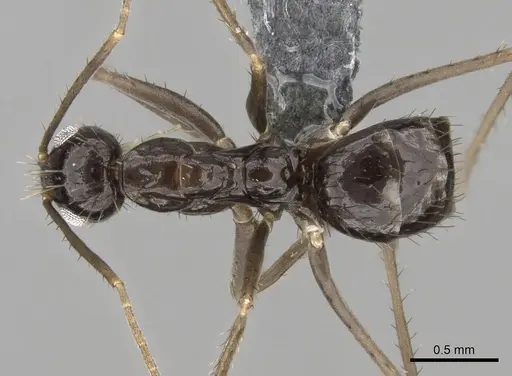
Literature
Loading...Loading products...