

Parasyscia terricola
- Scientific Name
- Parasyscia terricola
- Subfamily
- Dorylinae
- Author
- Mann, 1919
- Distribution
- Found in 1 countries
Parasyscia terricola Overview
Parasyscia terricola is an ant species of the genus Parasyscia. It is primarily documented in 1 countries , including Solomon Islands. Detailed taxonomic data and occurrence records can be further explored via authoritative databases such as AntWeb or the Global Biodiversity Information Facility (GBIF).
Parasyscia terricola
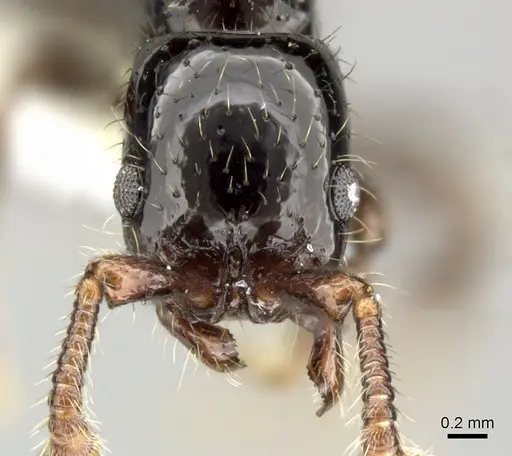
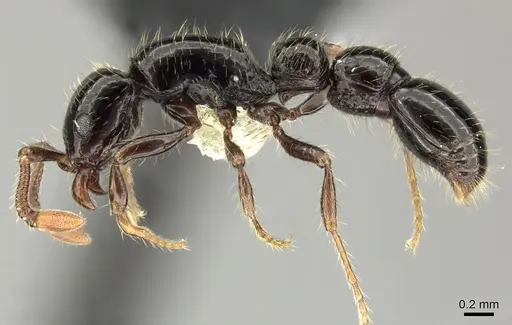
Parasyscia terricola is a small, cryptic ant species belonging to the subfamily Dorylinae, originally described from the Solomon Islands in 1919. Workers are modest in size and typically dark brown to black in color. This species has a complicated taxonomic history, it was originally described as Parasyscia terricola, later synonymized with Lioponera inconspicua, and then revived as a valid species by Brown in 1975 before being moved to the genus Parasyscia in 2016. The species is endemic to the Solomon Islands, where it has been recorded from multiple islands including Makira, Guadalcanal, Three Sisters, Isabel, and Florida Islands [1][2]. Like other Dorylinae ants, they are predatory and likely play a role in the forest floor ecosystem as small predators.
Quick Summary
- Difficulty: Unknown, no captive husbandry data available
- Origin & Habitat: Solomon Islands (Oceania region), found on multiple islands including Makira, Guadalcanal, Three Sisters, Isabel, and Florida. They likely inhabit forest floor environments typical of Dorylinae species in tropical environments [1][2][3].
- Colony Type: Colony structure is unconfirmed. Dorylinae species typically have single-queen colonies, but specific data for P. terricola is lacking.
- Size & Growth:
- Queen: Unknown, queen has not been described in the original literature
- Worker: Unknown, specific measurements not provided in available literature
- Colony: Unknown, no colony size data available
- Growth: Unknown
- Development: Unknown, no development data available for this species (Development timeline has not been studied. Related Dorylinae species typically develop from egg to worker in 4-8 weeks under tropical conditions, but this is an estimate and may not apply to P. terricola.)
- Antkeeping:
- Temperature: Unknown, no specific temperature data exists. Based on Solomon Islands location (tropical), room temperature in the low-to-mid 20s°C (24-28°C) would be a reasonable starting point. Observe colony activity and adjust accordingly.
- Humidity: Unknown, no humidity data available. Tropical forest floor species typically prefer moderate to high humidity (60-80%). Keep substrate consistently moist but not waterlogged.
- Diapause: Unknown, no seasonal data available. As a tropical species from the Solomon Islands, they likely do not require a diapause period, though this is unconfirmed.
- Nesting: Nesting preferences are unconfirmed for this species. Dorylinae ants typically nest in soil, under stones, or in rotting wood in forest floor habitats. A naturalistic setup with moist substrate and narrow chambers would be appropriate to start.
- Behavior: Behavior is poorly documented. Dorylinae ants are typically predatory and forage in small groups or as individuals. Workers are likely small and may be secretive. Escape risk is unknown but likely moderate given typical Dorylinae worker size. No data on sting potency exists, though Dorylinae ants generally have functional stingers.
- Common Issues: no captive husbandry information exists, this species has never been kept in captivity, colony structure and founding behavior are completely unstudied, obtaining this species would likely require field collection in the Solomon Islands, temperature and humidity requirements are unknown and must be inferred from related species, growth rate and development timeline are unknown, making colony management difficult
Species Background and Taxonomy
Parasyscia terricola has a complex taxonomic history that reflects the historical challenges in classifying Dorylinae ants. Originally described by William Mann in 1919 from the Three Sisters Islands in the Solomon Islands as Parasyscia terricola, it was later synonymized with Lioponera inconspicua by E.O. Wilson in 1959. In 1975,W.L. Brown Jr. revived it as a valid species, and in 2016,Borowiec moved it to the genus Parasyscia during a comprehensive generic revision of the Dorylinae subfamily. The species was also known as Parasyscia terricola tulagi, described from Florida Island, but this is now considered a junior synonym. The type specimens include workers and males, but notably, the queen caste has never been described [2][1][3].
Distribution and Habitat
This species is endemic to the Solomon Islands, a remote archipelago in the southwestern Pacific Ocean. Records exist from multiple islands including Makira (the largest island in the group), Guadalcanal (site of famous WWII battles), Three Sisters Islands, Isabel Island, and Florida Island. The Solomon Islands feature a tropical rainforest climate with high year-round temperatures and humidity. As a Dorylinae species, P. terricola likely inhabits the forest floor, where it hunts for small prey in leaf litter and soil. The original collection data mentions specimens being found in forest habitats, though specific microhabitat details are not recorded in the available literature [1][2].
Current State of Knowledge
Parasyscia terricola is one of the most poorly known ant species in the antkeeping hobby, and indeed in the scientific literature. No captive husbandry information exists, this species has never been documented in captivity. The basic biology that antkeepers need to successfully keep a species (queen size, colony structure, founding behavior, development time, temperature/humidity preferences, diet) remains completely unstudied. The worker caste has not been measured, the queen has never been described, colony size is unknown, and even the basic behavior patterns are not documented. What we know comes from a handful of museum specimens collected between 1916-1919 and occasional subsequent records. This represents a significant gap in antkeeping knowledge that could only be filled by dedicated field research in the Solomon Islands. [2][1]
Related Species and Inferences
While we have no specific data for P. terricola, we can make some educated inferences from what is known about the genus Parasyscia and the broader Dorylinae subfamily. Parasyscia species are small, predatory ants that typically hunt small invertebrates in leaf litter and soil. Dorylinae ants are known for their predatory habits and typically have semi-claustral founding, where the queen must leave the nest to hunt during the founding stage. However, these are general patterns and may not apply to this specific species. The Solomon Islands location suggests they are adapted to tropical conditions with year-round warmth and high humidity. Any attempt to keep this species would essentially be experimental and would require careful documentation to advance our knowledge.
Frequently Asked Questions
Can I keep Parasyscia terricola in captivity?
This is unknown, no records exist of this species being kept in captivity. The species has never been documented in the antkeeping hobby, and basic biological information needed for captive care (founding behavior, temperature/humidity preferences, diet) has not been studied.
Where can I get Parasyscia terricola ants?
This species is not available through commercial antkeepers. It is endemic to the Solomon Islands and has never been documented in the ant trade. Obtaining this species would require field collection in the Solomon Islands, which presents significant practical and legal challenges.
What do Parasyscia terricola ants eat?
This is unconfirmed. Like other Dorylinae ants, they are likely predatory and feed on small invertebrates such as springtails, mites, and other micro-arthropods found in leaf litter. However, no specific feeding observations have been documented for this species.
How big do Parasyscia terricola colonies get?
Unknown, no colony size data exists in the scientific literature. The largest colony recorded remains undocumented. Related Dorylinae species vary widely in colony size from dozens to thousands of workers.
What is the difficulty level for keeping Parasyscia terricola?
Cannot be assessed, this species has never been kept in captivity. There is no husbandry information available, making it impossible to evaluate difficulty. It would be an entirely experimental species to keep.
What temperature do Parasyscia terricola ants need?
Unknown, no specific temperature data exists. Based on the Solomon Islands location (tropical), a starting point of 24-28°C would be reasonable, but this is purely an estimate with no experimental validation.
Do Parasyscia terricola ants need hibernation?
Unknown, no seasonal data exists. As a tropical species from the Solomon Islands near the equator, they likely do not require a diapause period, but this is unconfirmed.
How long does it take for Parasyscia terricola eggs to become workers?
Unknown, no development data exists for this species. Related Dorylinae species in tropical conditions typically develop from egg to worker in 4-8 weeks, but this is a rough estimate that may not apply.
Is Parasyscia terricola a good species for beginners?
No, this species is not recommended for any level of antkeeping due to complete lack of husbandry information. There are no established care guidelines, and keeping this species would essentially be experimental research rather than standard antkeeping.
What nest type is best for Parasyscia terricola?
Unknown, no captive nesting data exists. Based on typical Dorylinae preferences, a naturalistic setup with moist substrate and narrow chambers would be a reasonable starting point, but this is entirely speculative.
References

This caresheet is licensed under CC BY-SA 4.0 .
CASENT0219930
View on AntWeb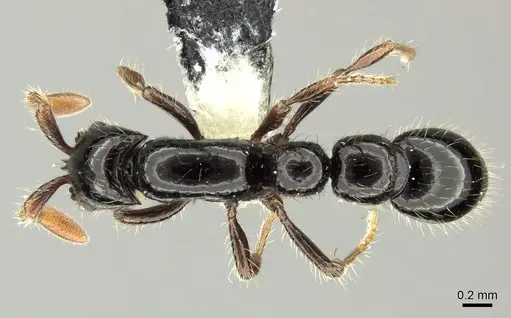
Literature
Loading...Loading products...