

Lioponera inconspicua
- Scientific Name
- Lioponera inconspicua
- Subfamily
- Dorylinae
- Author
- Clark, 1924
- Distribution
- Found in 1 countries
Lioponera inconspicua Overview
Lioponera inconspicua is an ant species of the genus Lioponera. It is primarily documented in 1 countries , including Australia. Detailed taxonomic data and occurrence records can be further explored via authoritative databases such as AntWeb or the Global Biodiversity Information Facility (GBIF).
Lioponera inconspicua
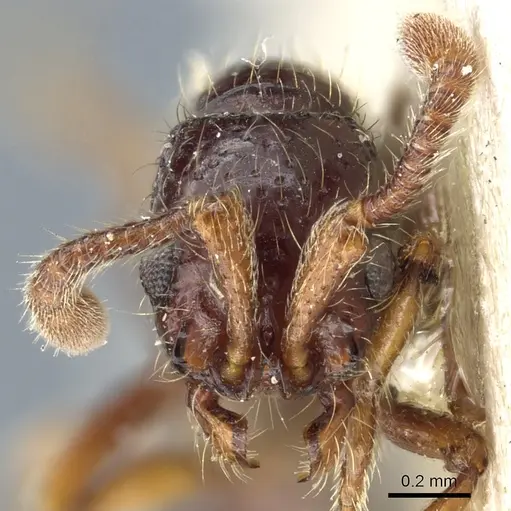
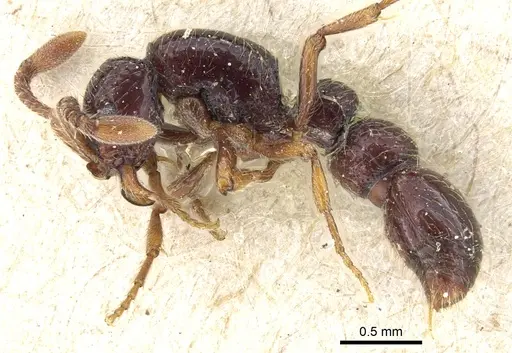
Lioponera inconspicua is a small predatory ant species native to Australia and the Solomon Islands. Workers are tiny, measuring just a few millimeters, with the typical dark coloration common to many Dorylinae ants. This species belongs to the tribe Cerapachyini, commonly known as 'spiny ants' due to their characteristic spines. Originally described as Lioponera inconspicua in 1924 by Clark from Western Australia, the species was later moved to Lioponera. The name 'inconspicua' reflects their small, inconspicuous appearance. These ants are found in both Australian and Solomon Island populations, suggesting some adaptability to different tropical and subtropical environments [1].
Quick Summary
- Difficulty: Unknown, likely Expert
- Origin & Habitat: Native to Western Australia and the Solomon Islands (Makira, Guadalcanal, Rennell, Ysabel). In Australia, they are found in Western Australia, while Solomon Islands populations were first recorded in 1919 [2][3]. The exact habitat preferences are not documented, but related Cerapachyini species typically inhabit forest floors and tropical environments.
- Colony Type: Colony structure is unconfirmed. No data on queen number (monogyne vs polygyne) exists for this species.
- Size & Growth:
- Queen: Undocumented in primary literature, estimated 5-7mm based on genus patterns
- Worker: Undocumented, likely 2-4mm based on related Cerapachyini species
- Colony: Unknown, likely small to moderate (under 500 workers) based on typical Dorylinae patterns
- Growth: Unknown
- Development: Unconfirmed, estimated 6-10 weeks based on related tropical Dorylinae species (No direct development data exists for this species. Estimates based on genus-level patterns for tropical Cerapachyini.)
- Antkeeping:
- Temperature: Keep warm, aim for 24-28°C based on their Solomon Islands and Australian tropical/subtropical distribution. A gentle gradient allowing workers to self-regulate is recommended.
- Humidity: Moderate to high humidity preferred, maintain moist but not waterlogged nest substrate. Related species prefer damp forest-floor conditions.
- Diapause: Unknown, Solomon Islands and Australian populations likely experience minimal seasonal dormancy given the tropical climate, but Western Australia populations may have cooler winter periods.
- Nesting: No specific nesting data exists. Based on related Cerapachyini, they likely nest in soil, under stones, or in rotting wood. A naturalistic setup with moist substrate or a Y-tong/plaster nest works well for small Dorylinae.
- Behavior: Lioponera inconspicua is a predatory ant species. Like other Cerapachyini, they are likely active hunters of small invertebrates. Workers are small and fast-moving. Escape prevention is critical due to their tiny size, use fine mesh and tight-fitting barriers. Temperament is not documented but related species are typically non-aggressive toward humans, though they will defend their nest. They likely use chemical trails for foraging coordination.
- Common Issues: no documented care information makes successful keeping challenging, escape prevention is critical due to tiny worker size, diet acceptance is unknown, may require live prey which is harder to provide, colony growth rate is unconfirmed so patience is required, no information on founding behavior makes early colony establishment risky
Species Overview and Identification
Lioponera inconspicua is a member of the subfamily Dorylinae, tribe Cerapachyini. This tribe is sometimes called 'spiny ants' due to characteristic spines on their mesosoma (middle body section). The species was originally described by J. Clark in 1924 from Western Australia as Lioponera inconspicua. The current genus name Lioponera was applied in 2016 following a generic revision by Borowiec. The synonym Lioponera inconspicua was an unnecessary replacement name that was later synonymized. Workers are small and inconspicuous, typical of many Dorylinae species. The species has been recorded from both Australia (Western Australia) and the Solomon Islands (Makira, Guadalcanal, Rennell, and Ysabel), suggesting some adaptability to different Pacific island environments. [2][3][1]
Distribution and Biogeography
This species has a disjunct distribution across two geographically separate regions: Western Australia and the Solomon Islands. In Australia, the type locality is Western Australia National Park. In the Solomon Islands, they have been recorded from Makira, Guadalcanal, Rennell, and Bellona Islands, with the first record dating to 1919. The species has also been reported from Ysabel Island in the Solomon Islands. This wide distribution across Pacific islands and continental Australia suggests the species may have some flexibility in habitat requirements, though specific microhabitat preferences are not documented. The Solomon Islands populations live in tropical rainforest environments, while Western Australia populations likely experience different seasonal patterns. [2][3][1]
Taxonomy and Classification
Lioponera inconspicua belongs to the subfamily Dorylinae, which includes army ants and their relatives. The tribe Cerapachyini (sometimes called Cerapachyinae as a subfamily) contains several genera of predatory ants that are distinct from true army ants (Ecitoninae). The genus Lioponera contains numerous species distributed primarily in the Australasian region. The species has undergone several taxonomic changes: originally described as Lioponera inconspicua in 1924,it was moved to Cerapachys as Lioponera inconspicua (an unnecessary replacement name), and finally to Lioponera in 2016. Understanding this taxonomic history is important when researching older literature, as older sources may list it under different genus names. [1]
Housing and Nesting
Since specific nesting data does not exist for this species, housing recommendations must be based on related Cerapachyini species. These ants likely prefer moist, dark environments similar to forest floor habitats. A small Y-tong (acrylic) nest or plaster nest with narrow chambers works well for their tiny size. The nest should have a water reservoir to maintain humidity. Because workers are very small, escape prevention is critical, use fine mesh (at least 0.5mm) on all openings and consider using fluon barriers. A small outworld area allows for foraging. Keep the nest in a dark location as these ants avoid light. Temperature should be maintained in the warm range (24-28°C) using a heating cable if room temperature is lower.
Feeding and Diet
As a member of Dorylinae and the predatory tribe Cerapachyini, Lioponera inconspicua is likely primarily predatory. In the wild, related species hunt small invertebrates such as springtails, mites, and other micro-arthropods. For captive care, offer small live prey such as flightless fruit flies (Drosophila), pinhead crickets, and small mealworms. The acceptance of commercial ant foods is unknown, you may need to experiment. Sugar sources (honey water) may or may not be accepted. Feed small amounts of protein every 2-3 days and remove uneaten prey to prevent mold. Given the lack of documented diet information, be prepared to offer a variety of small live prey items.
Behavior and Temperament
Specific behavioral observations for Lioponera inconspicua do not exist in the scientific literature. However, generalizing from related Cerapachyini species, these ants are likely active predators that hunt individually or in small groups. They probably use chemical pheromone trails to coordinate foraging, similar to other Dorylinae. Workers are small and fast-moving. They are not typically aggressive toward humans and rarely sting. Their small size means they can escape through tiny gaps, excellent escape prevention is mandatory. They likely have moderate colony defense and will attack threats that approach the nest. Activity levels may increase with warmer temperatures.
Challenges and Unknowns
Lioponera inconspicua represents a significant challenge for antkeepers because virtually no captive care information exists. This is one of the least-studied ant species in the hobby. Key unknowns include: founding behavior (claustral vs semi-claustrat), exact temperature and humidity requirements, colony size limits, diet acceptance, nuptial flight timing, and queen number (monogyne vs polygyne). Before attempting to keep this species, ensure you have experience with other small predatory ants. Start with a small colony or queen if available. Be prepared to experiment and document your observations carefully, you may be contributing to the first captive care information for this species.
Frequently Asked Questions
How do I keep Lioponera inconspicua ants?
Specific care information does not exist for this species. Based on related Cerapachyini, provide a small moist nest (Y-tong or plaster), keep temperatures warm (24-28°C), and offer small live prey. Escape prevention is critical due to their tiny size. This species is recommended only for experienced antkeepers willing to experiment.
What do Lioponera inconspicua eat?
They are likely predatory like other Dorylinae. Offer small live prey such as flightless fruit flies, pinhead crickets, small mealworms, and micro-arthropods. Sugar acceptance is unknown, you may need to experiment with honey water. Remove uneaten prey promptly.
How big do Lioponera inconspicua colonies get?
Colony size is not documented. Based on related Cerapachyini species, colonies likely reach a few hundred workers at most. Expect slow growth given the lack of documented development data.
What temperature do Lioponera inconspicua need?
Based on their Solomon Islands and Australian distribution, keep them warm at 24-28°C. A heating cable on one side of the nest creates a gradient for self-regulation. Avoid temperatures below 20°C or above 32°C.
Are Lioponera inconspicua good for beginners?
No. This species is not recommended for beginners due to the complete lack of documented care information. Only experienced antkeepers who have successfully kept other small predatory ants should attempt this species. Be prepared to experiment and document your findings.
How long does it take for Lioponera inconspicua to develop from egg to worker?
Development time is unconfirmed. Based on related tropical Dorylinae species, estimate 6-10 weeks from egg to first worker at optimal temperature (around 26°C). This is a rough estimate with low confidence.
Where is Lioponera inconspicua found?
This species is found in two regions: Western Australia and the Solomon Islands (Makira, Guadalcanal, Rennell, Ysabel). The Solomon Islands populations live in tropical rainforest environments.
Is Lioponera inconspicua a monogyne or polygyne species?
Colony structure is unconfirmed. No research documents whether they have single or multiple queens. Related Dorylinae species show various colony structures.
How do I set up a nest for Lioponera inconspicua?
Use a small Y-tong or plaster nest with narrow chambers scaled to their tiny size. Include a water reservoir for humidity. Keep the nest moist but not waterlogged. Place in a dark location as these ants avoid light. Use fine mesh (0.5mm or smaller) for all barriers.
Do Lioponera inconspicua need hibernation?
Diapause requirements are unknown. Solomon Islands populations likely do not require hibernation given the tropical climate. Western Australia populations may experience cooler winters but the species' specific response is unstudied. If activity decreases in winter, reduce temperatures slightly rather than forcing full hibernation.
Can I keep multiple Lioponera inconspicua queens together?
This has not been documented. Combining unrelated queens of this species is not recommended given the lack of information on their colony structure. Do not attempt pleometrosis without research data.
References

This caresheet is licensed under CC BY-SA 4.0 .
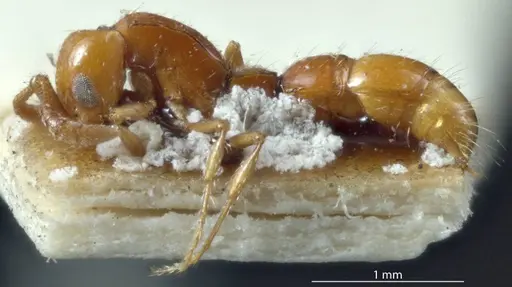
ANTWEB1008238
View on AntWeb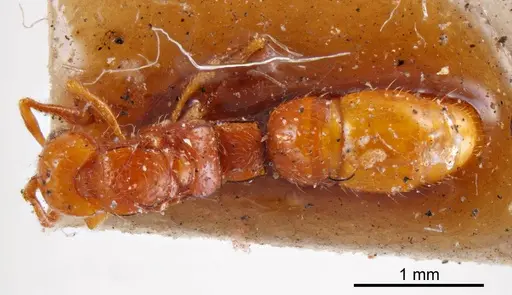
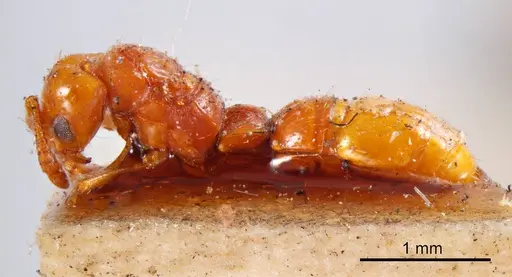
ANTWEB1041113
View on AntWeb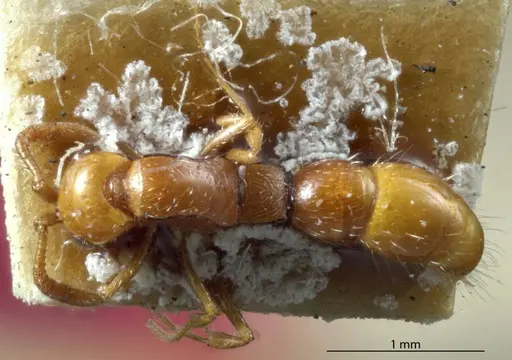
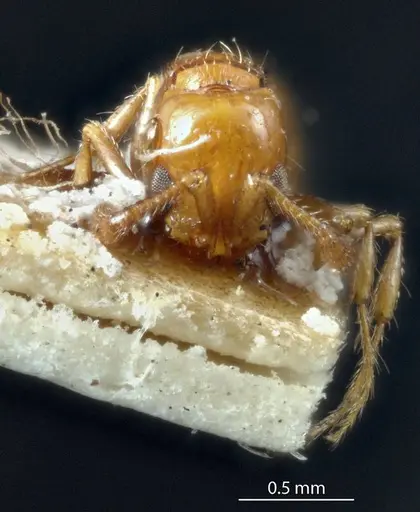
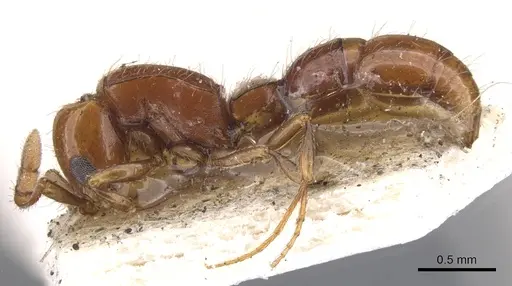
CASENT0902748
View on AntWeb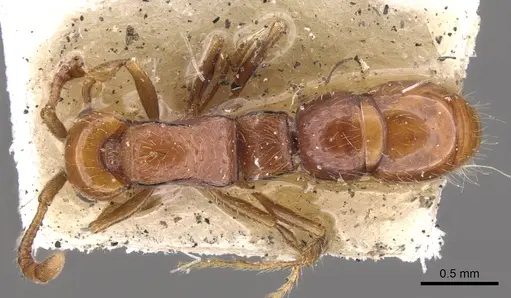
CASENT0903778
View on AntWeb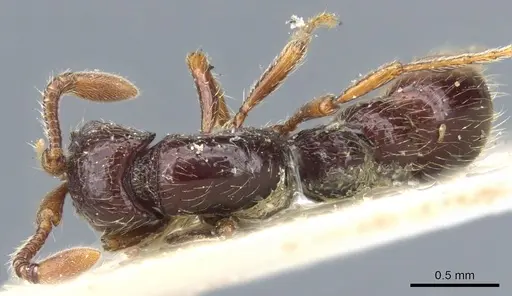
Literature
Loading...Loading products...