

Pachycondyla procidua
- Scientific Name
- Pachycondyla procidua
- Tribe
- Ponerini
- Subfamily
- Ponerinae
- Author
- Emery, 1890
- Distribution
- Found in 3 countries
Pachycondyla procidua Overview
Pachycondyla procidua is an ant species of the genus Pachycondyla. It is primarily documented in 3 countries , including Brazil, Colombia, French Guiana. Detailed taxonomic data and occurrence records can be further explored via authoritative databases such as AntWeb or the Global Biodiversity Information Facility (GBIF).
Pachycondyla procidua
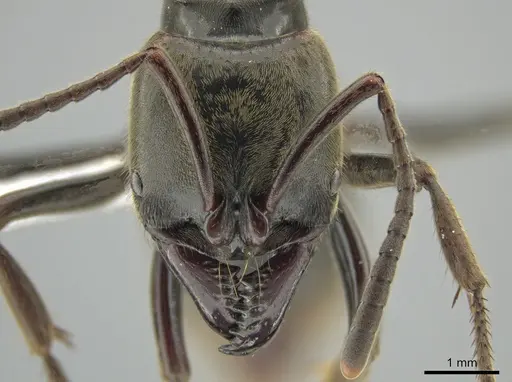
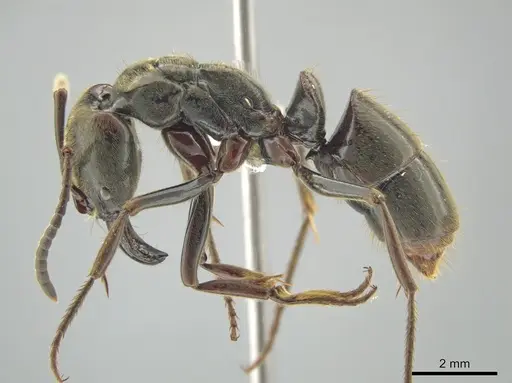
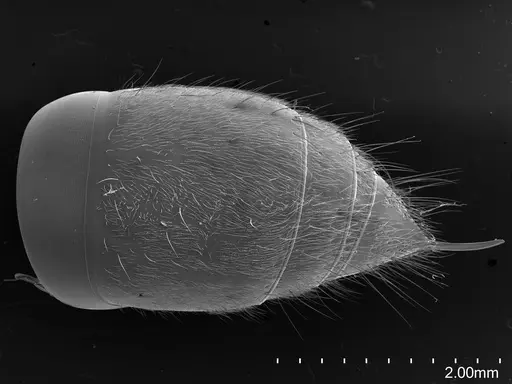
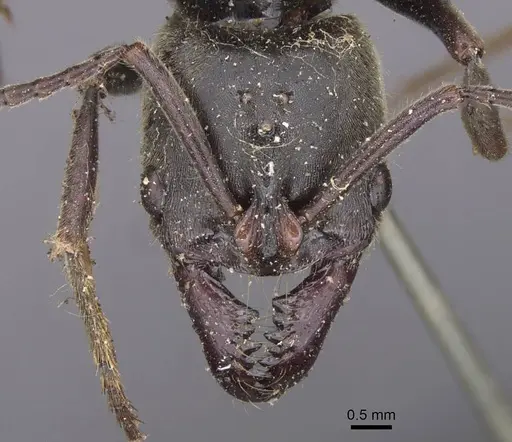
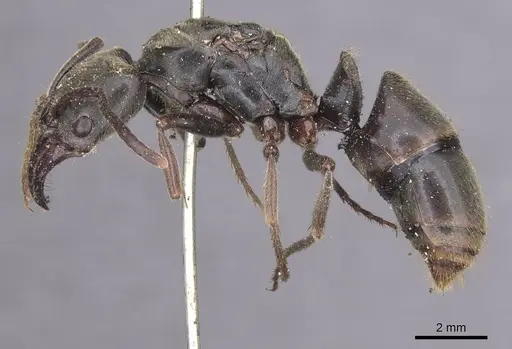
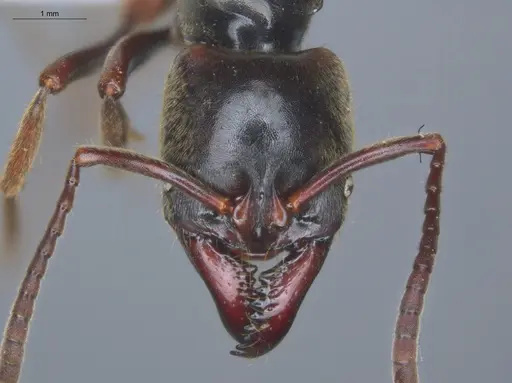
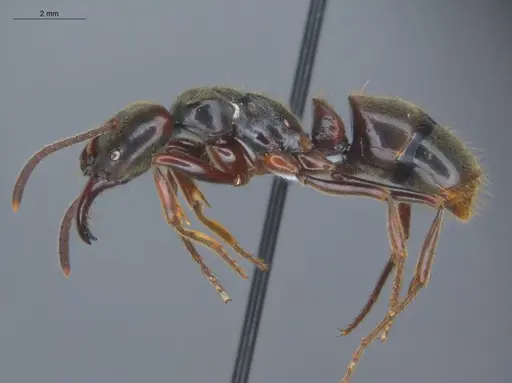
Pachycondyla procidua is a large predatory ant species found throughout the northern Amazon basin and Guianas region. Workers reach approximately 13mm in length and are dark reddish brown in color, while queens are slightly larger at 14mm and appear dull black with dark brown legs and antennae. This species can be identified by the distinctive metanotal suture on the mesosoma and the sharp pronotal carina that overhangs the side of the pronotum, features that separate it from similar species like Pachycondyla harpax. The anterior face of the postpetiole (the first segment of the gaster) is concave and forms a sharp angle with the dorsal surface, giving this species its scientific name 'procidua' meaning 'fallen down' in Latin. These ants inhabit tropical rainforests in Peru, French Guiana, Suriname, Brazil, and Colombia where they hunt as solitary predators on the forest floor[1].
Quick Summary
- Difficulty: Medium
- Origin & Habitat: Northern South America including Peru, French Guiana, Suriname, Brazil, and Colombia (Amazonas). Found in tropical rainforest environments, specifically collected from plateau forest and terra firme forest types [2][3].
- Colony Type: Colony structure is not well documented. Based on genus patterns, likely single-queen (monogyne) colonies. Males have not been described for this species.
- Size & Growth:
- Queen: 14mm
- Worker: 13mm
- Colony: Unknown, likely moderate colony size typical of Pachycondyla genus
- Growth: Moderate, based on typical Ponerinae development patterns
- Development: Estimated 6-10 weeks at tropical temperatures based on related Pachycondyla species (Development time inferred from genus patterns, direct observations not available for this species)
- Antkeeping:
- Temperature: Keep at 24-28°C (tropical warmth). Provide a temperature gradient allowing workers to thermoregulate. Room temperature around 24-26°C is suitable for this species
- Humidity: High humidity (70-80%) to match tropical rainforest conditions. Keep nest substrate consistently moist but not waterlogged. Provide a water source
- Diapause: No, this is a tropical species that does not require hibernation. Maintain warm conditions year-round
- Nesting: In the wild, they nest in soil or rotting wood in forest floor habitats. In captivity, a Y-tong (AAC) nest or naturalistic setup with moist substrate works well. Provide deep soil or a spacious formicarium with chambers scaled to their large size
- Behavior: Pachycondyla procidua is a predatory ant that hunts alone using its powerful sting. Workers are moderately aggressive and will defend the nest vigorously. They are primarily nocturnal or crepuscular foragers, hunting small invertebrates on the forest floor. This species has a potent sting, keepers should use caution when working with them. Escape prevention is important but less critical than for tiny species due to their larger size. They are relatively slow-moving compared to some ponerines but can deliver a painful sting if provoked
- Common Issues: colonies may fail if kept too dry, humidity is critical for this tropical species, slow colony growth can frustrate beginners who overfeed and cause mold problems, wild-caught colonies may contain parasites that can devastate captive colonies, potent sting means keepers should use caution during nest maintenance, tropical species are sensitive to temperature drops, avoid cold drafts or air conditioning
Housing and Nest Setup
Pachycondyla procidua requires a spacious nest due to their large size. A Y-tong (AAC) formicarium works well, or you can use a naturalistic setup with a deep soil chamber. The nest material should hold moisture well, plaster nests or soil-filled formicariums maintain humidity effectively. Provide a water test tube as a hydration source. Since they are tropical, the outworld (foraging area) should also be kept warm and humid. Use a heating cable on one side of the nest to create a temperature gradient, but never place it directly on the nest material as this can cause drying. Escape prevention is important, these ants can climb glass but are not particularly adept at escaping like tiny species. A standard barrier of fluon on the rim of the formicarium is usually sufficient.
Feeding and Diet
As a predatory ponerine ant, Pachycondyla procidua requires a protein-rich diet of live insects. Offer small to medium-sized prey such as mealworms, crickets, fruit flies, and other small insects appropriate to the colony size. They are solitary hunters, workers do not recruit nestmates to large prey items like some ant species. You can offer prey directly into the foraging area. Beyond protein, they may occasionally accept sugar sources like honey or sugar water, though this varies by individual colony. Feed protein prey 2-3 times per week, removing any uneaten prey after 24 hours to prevent mold. A constant water source is essential.
Temperature and Seasonal Care
This species requires consistently warm conditions year-round. Maintain nest temperatures between 24-28°C with a slight gradient allowing workers to choose their preferred temperature. A heating cable placed on top of the nest (never underneath to avoid drying) works well to maintain warmth. Room temperature in most homes may be adequate if kept at 24°C or above, but monitor with a thermometer. Since they come from tropical forests, they do not require any diapause or winter cooling period. Keep them away from cold windows, air conditioning vents, and drafty areas. Sudden temperature drops can stress or kill colonies. The foraging area should also be kept warm to encourage activity.
Behavior and Handling
Pachycondyla procidua workers are moderately aggressive and will defend their nest against threats. They are solitary predators that hunt alone rather than in groups, using their powerful sting to subdue prey. Workers are relatively slow-moving compared to many ants, which makes them easier to observe but also means they may have difficulty capturing very fast prey. This species has a potent sting, while not medically significant for healthy adults, it can be painful and may cause localized swelling. When working with the colony, use caution and avoid provoking the ants. They are not aggressive without reason, but will attack if they perceive a threat to the queen or brood. They are primarily nocturnal, so you may see more activity in the evening and night hours.
Frequently Asked Questions
How long does it take for Pachycondyla procidua to produce first workers?
The exact timeline is not documented, but based on typical Pachycondyla development, expect 6-10 weeks from egg to first worker at optimal tropical temperatures (around 26°C). The queen will remain sealed in her founding chamber until the first workers emerge.
What do Pachycondyla procidua ants eat?
They are predatory ants that need live protein prey. Feed them small insects like mealworms, crickets, and fruit flies. They may also accept sugar sources like honey water occasionally, but protein should be the primary food.
Can I keep multiple Pachycondyla procidua queens together?
This is not recommended. While colony structure is not well documented for this species, Pachycondyla are typically single-queen colonies. Combining unrelated queens has not been studied and likely would result in fighting.
Do Pachycondyla procidua need hibernation?
No, they are a tropical species from Amazonian rainforests and do not require any winter rest period. Keep them warm year-round at 24-28°C.
Are Pachycondyla procidua good for beginners?
This species is rated as medium difficulty. While not the most challenging ant to keep, they require specific conditions (warmth, humidity, live prey) that may be more demanding than beginner species. They are rewarding to keep due to their large size and interesting predatory behavior.
How big do Pachycondyla procidua colonies get?
Colony size is not well documented for this specific species, but based on typical Pachycondyla genus patterns, colonies likely reach several hundred workers. They are not known for forming supercolonies.
What size formicarium do I need for Pachycondyla procidua?
Use a spacious nest due to their large size (workers ~13mm). A Y-tong (AAC) formicarium with large chambers or a naturalistic setup with deep soil works well. They need room to move and space for brood development.
Why is my Pachycondyla procidua colony dying?
Common causes include: too low humidity (tropical species need 70-80%), temperature drops below 24°C, mold from overfeeding, or parasites from wild-caught colonies. Ensure proper heat and humidity before troubleshooting further.
When should I move Pachycondyla procidua from a test tube to a formicarium?
Move them when the colony reaches around 20-30 workers and the test tube is becoming crowded. Make sure the formicarium is properly set up with moisture and warmth before transferring.
References

This caresheet is licensed under CC BY-SA 4.0 .
CASENT0646046
View on AntWeb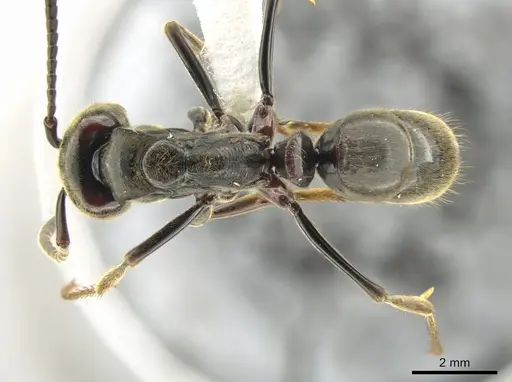
CASENT0830573
View on AntWeb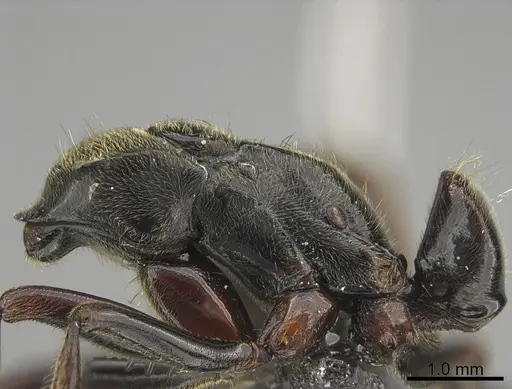
CASENT0915460
View on AntWeb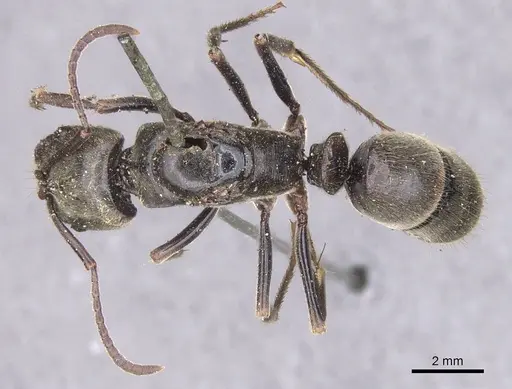
ECOFOG-BAF19-0046-07
View on AntWeb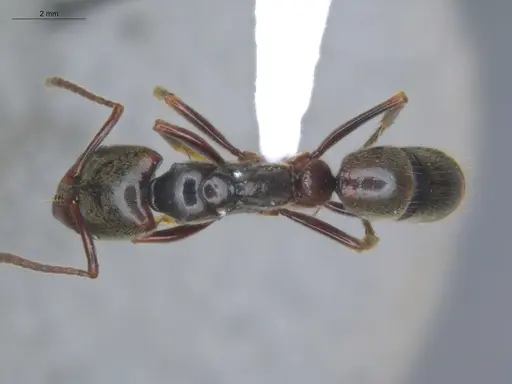
Literature
Loading...Loading products...