
Pachycondyla harpax shows a January to December activity window. Peak activity occurs in May, with queen sightings distributed across 7 months. This extended season suggests multiple flight events or varying conditions across its range.
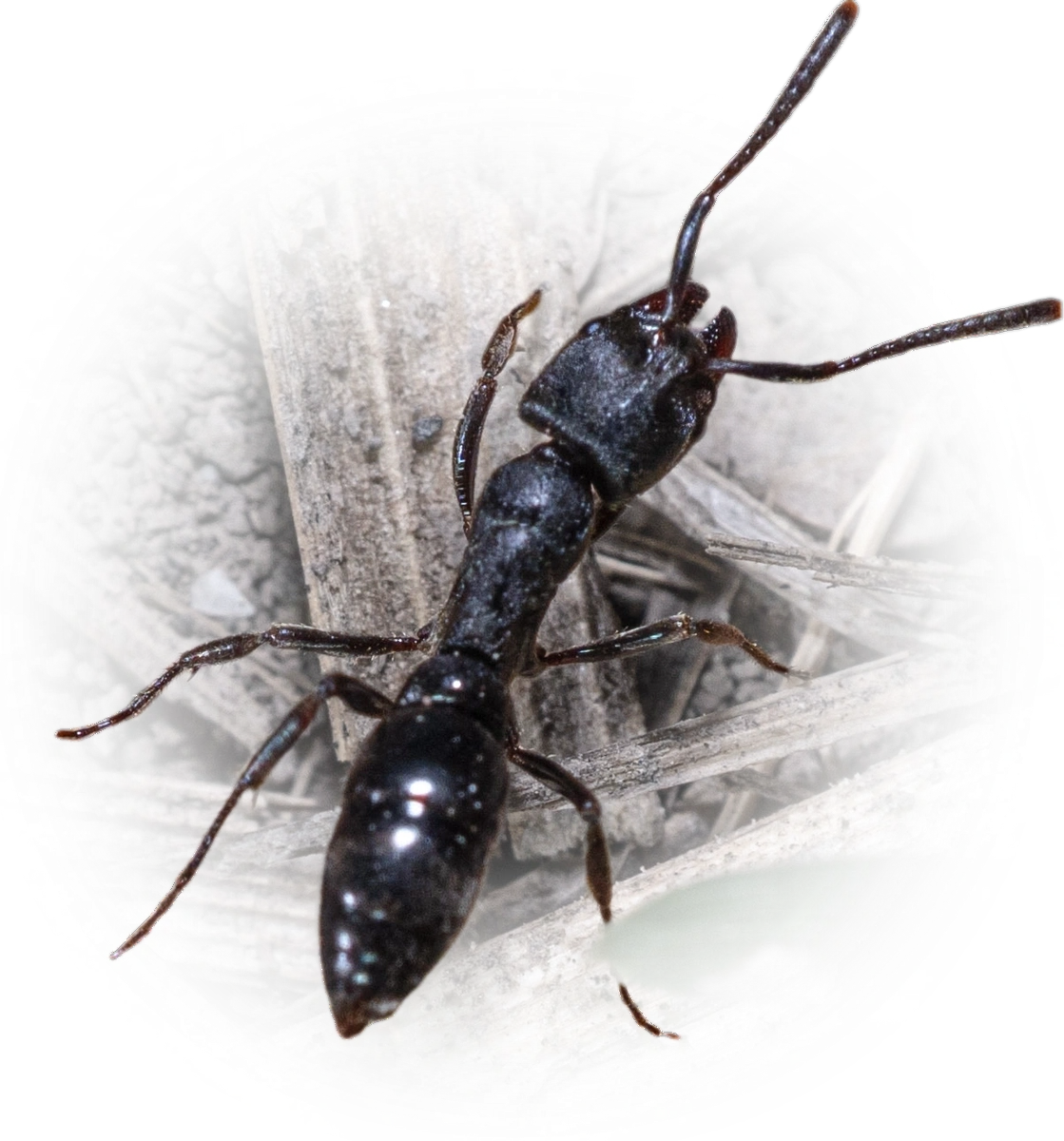
Pachycondyla harpax
- Scientific Name
- Pachycondyla harpax
- Tribe
- Ponerini
- Subfamily
- Ponerinae
- Author
- Fabricius, 1804
- Common Name
- Ant
- Distribution
- Found in 10 countries
- Nuptial Flight
- from January to December, peaking in May
AI Identifiable
try →
Pachycondyla harpax Overview
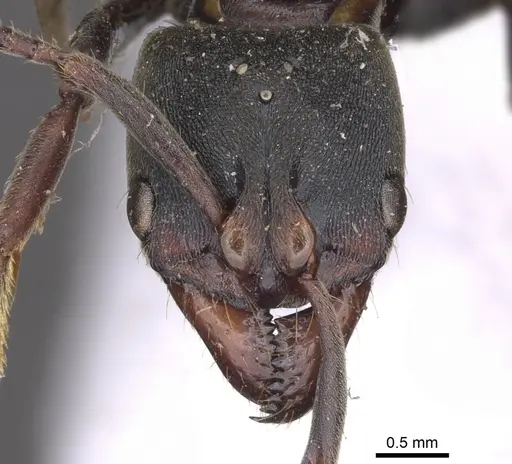
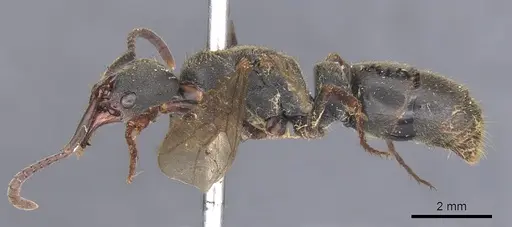
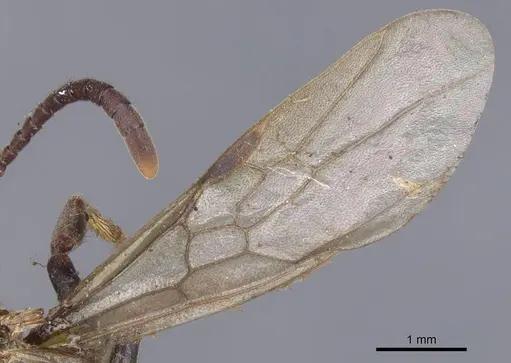
Pachycondyla harpax (commonly known as the Ant) is an ant species of the genus Pachycondyla. It is primarily documented in 10 countries , including Brazil, Colombia, Costa Rica. Detailed taxonomic data and occurrence records can be further explored via authoritative databases such as AntWeb or the Global Biodiversity Information Facility (GBIF).
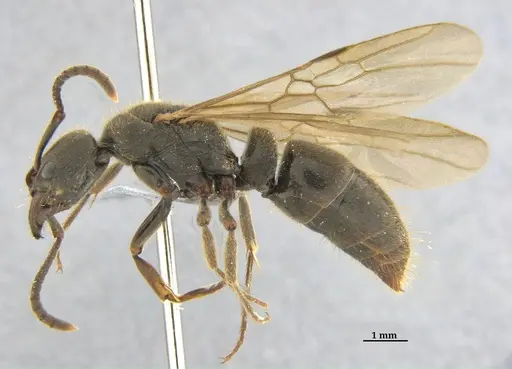
The nuptial flight of Pachycondyla harpax is a significant biological event, typically occurring from January to December, peaking in May. During this time, winged queens and males leave the nest to mate and establish new colonies.
Pachycondyla harpax - "Ant"
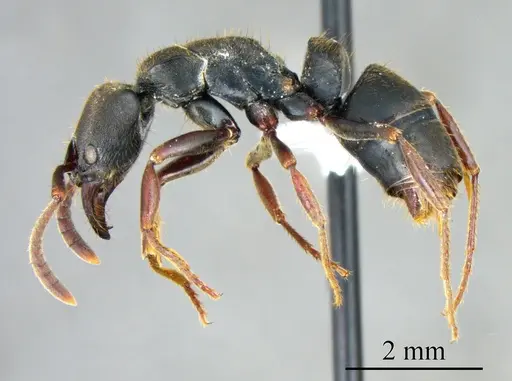
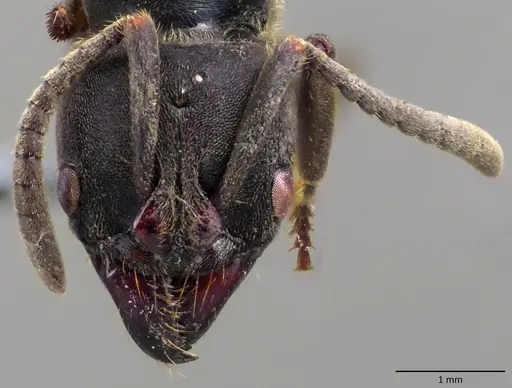
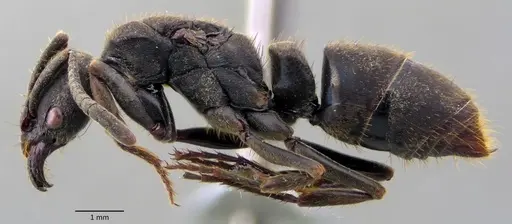
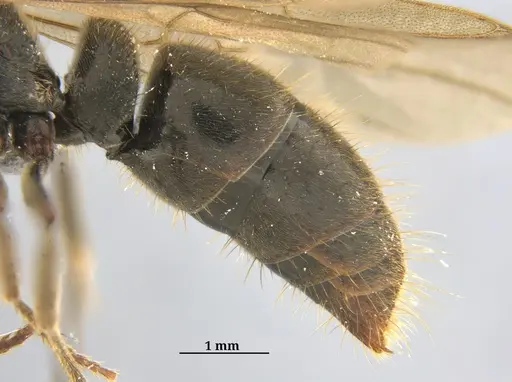
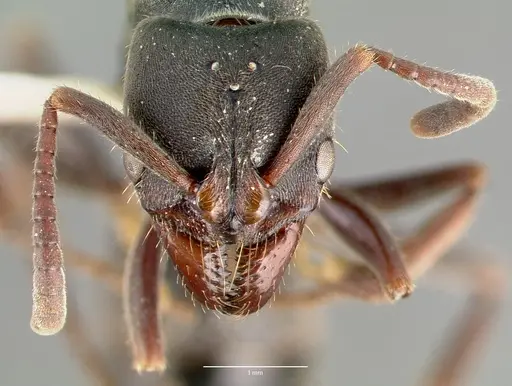
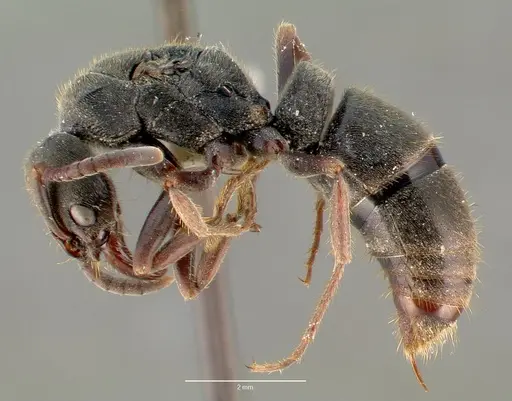
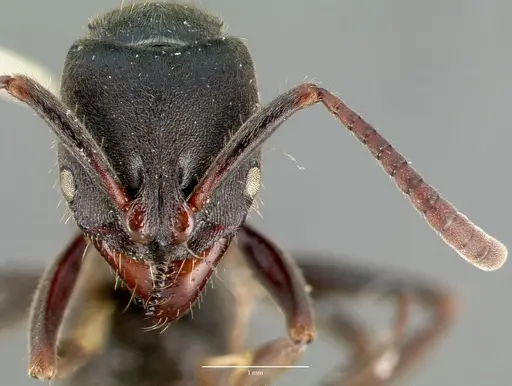
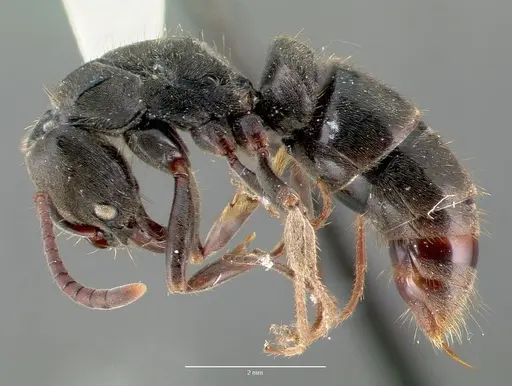
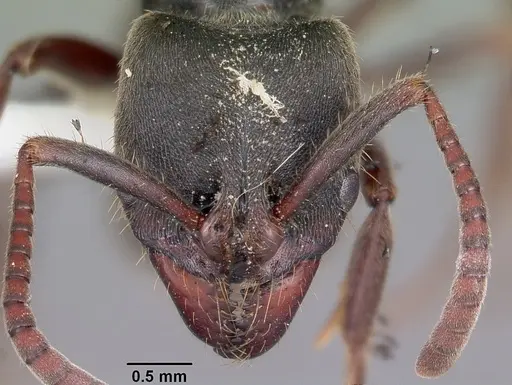
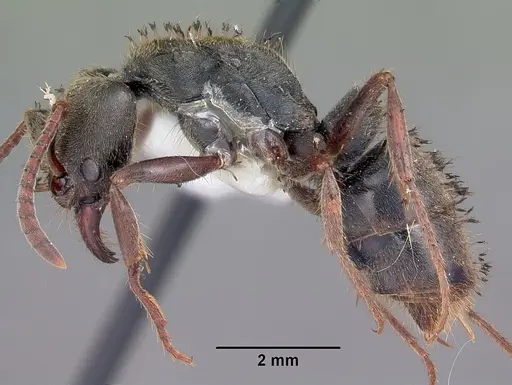
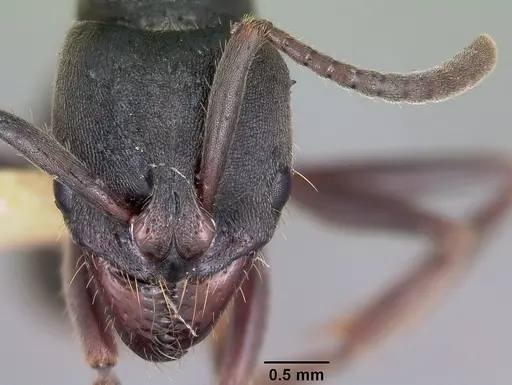
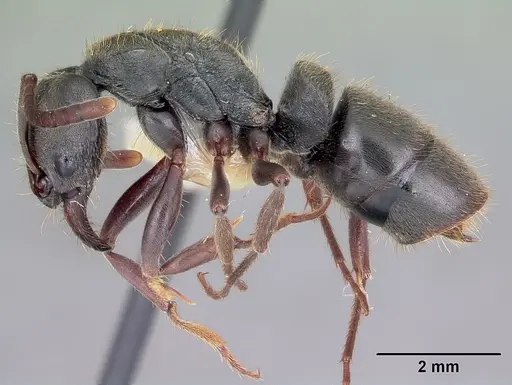
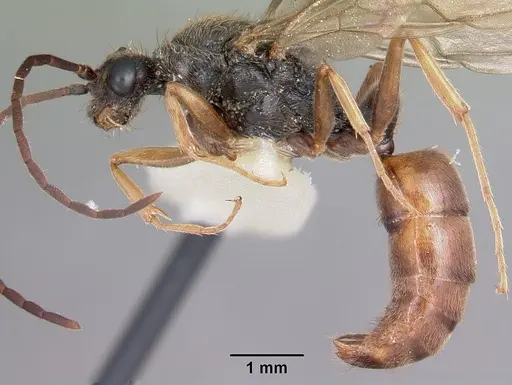
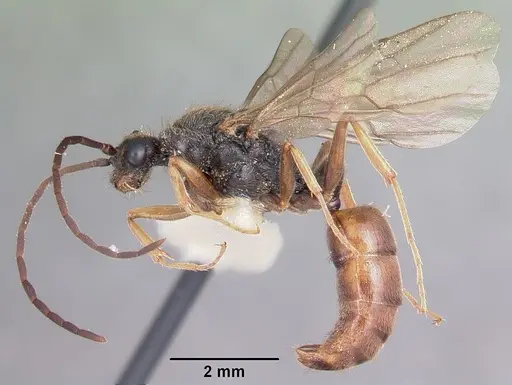
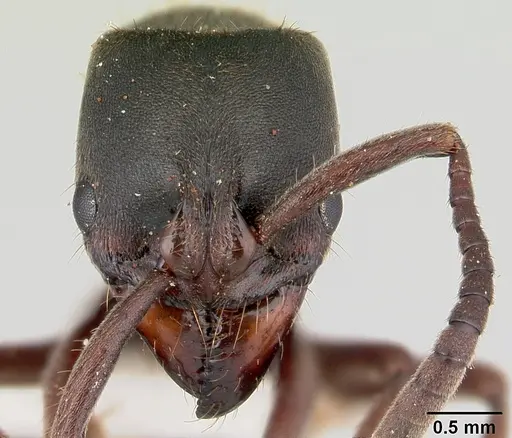
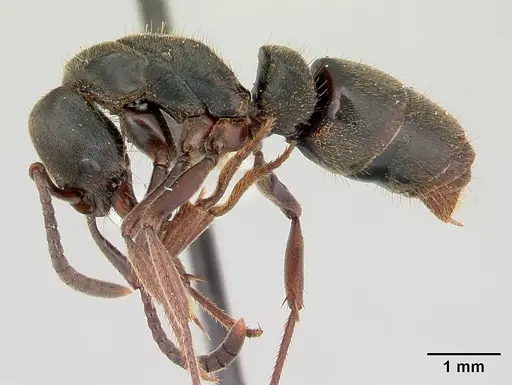
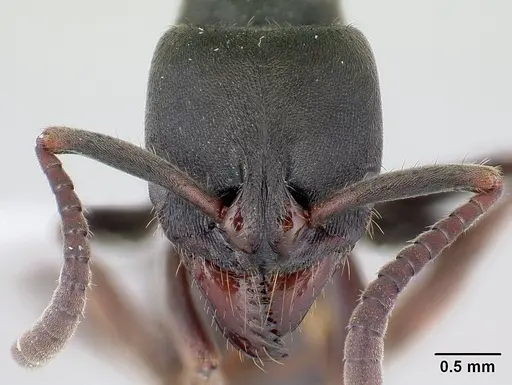
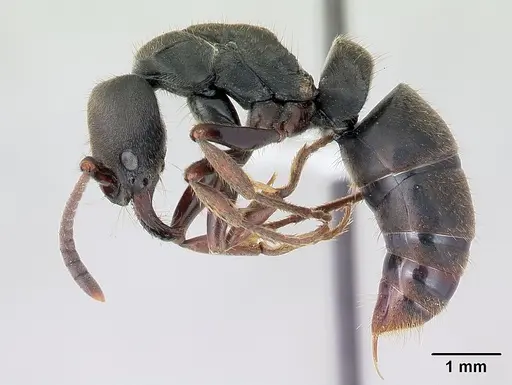
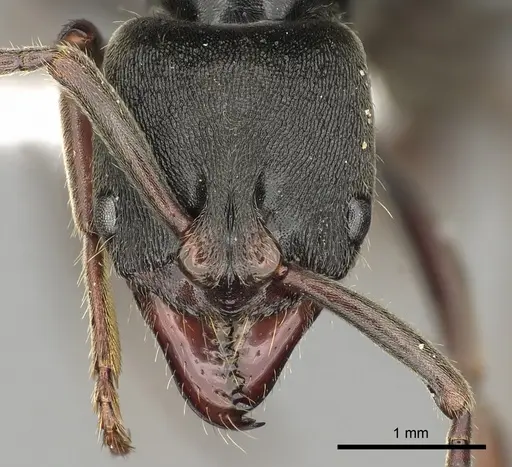
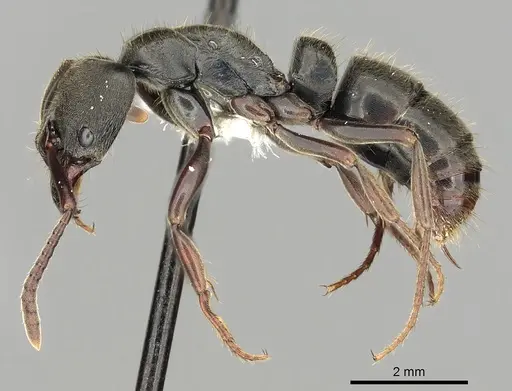
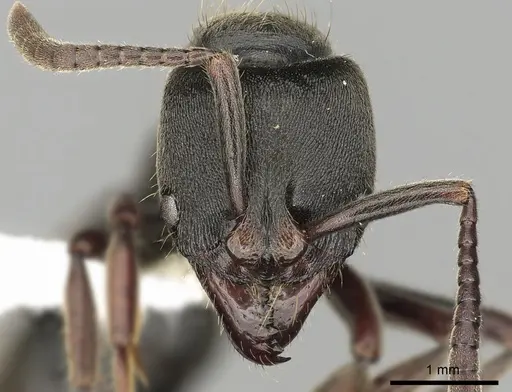
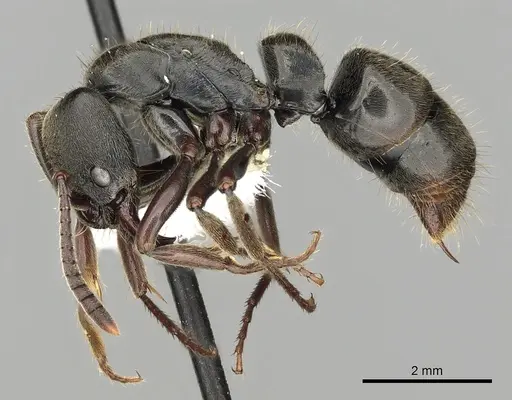
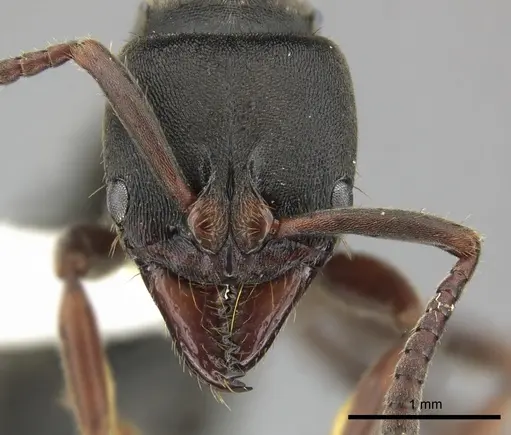
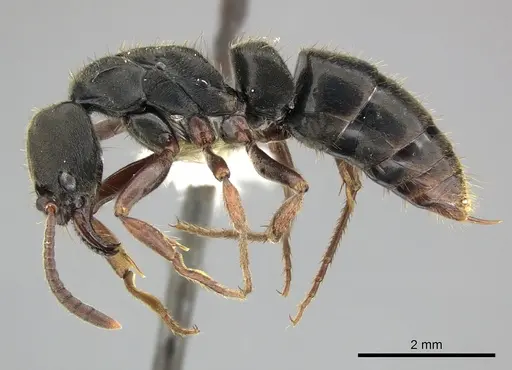
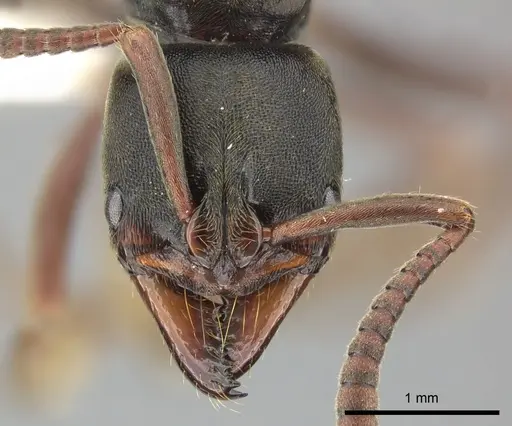
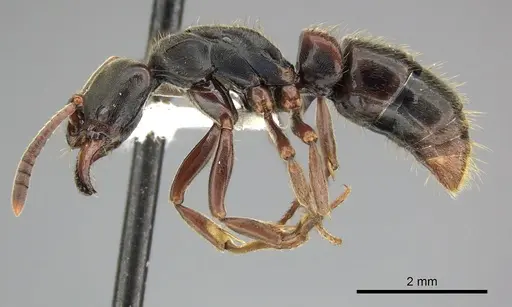
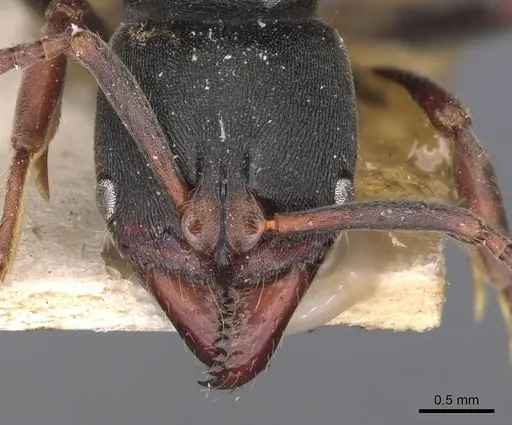
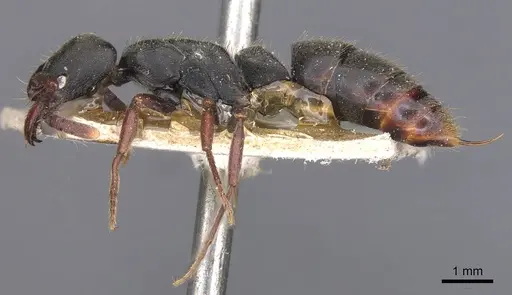
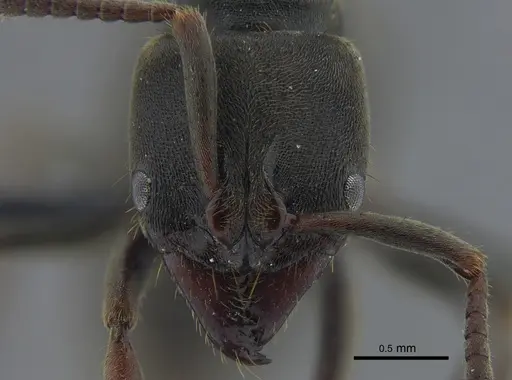
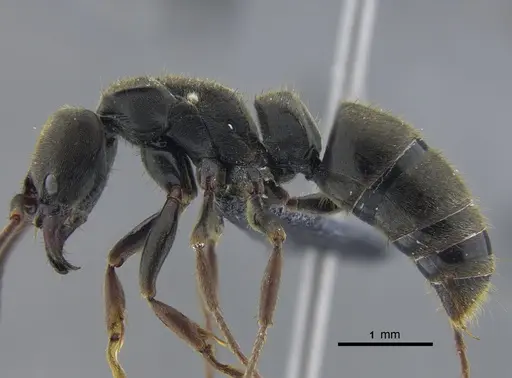
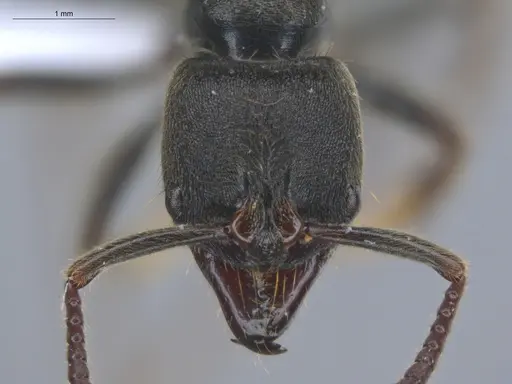
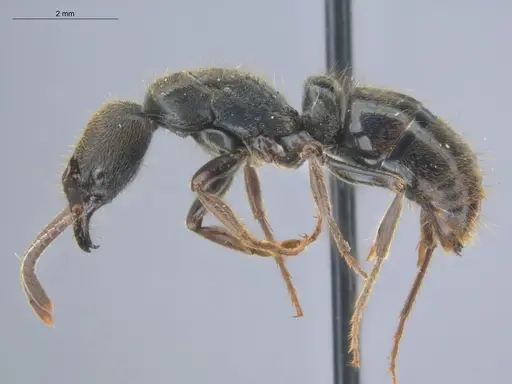
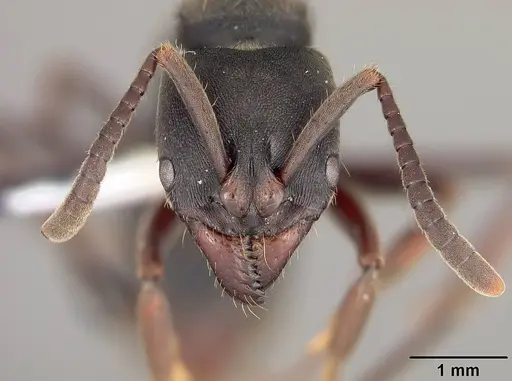
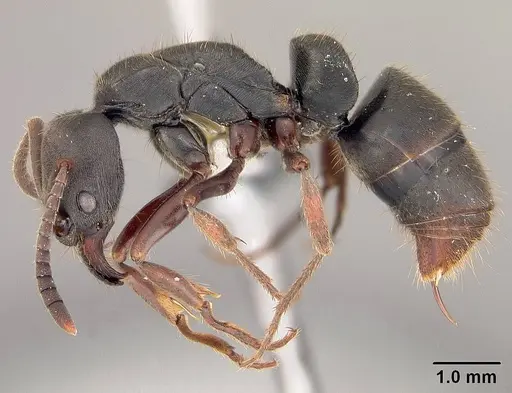
Pachycondyla harpax is a medium-sized predatory ant found throughout the Americas, from the southern United States to northern Argentina. Workers are black with dark brown legs and measure up to 10mm in length, making them one of the larger ponerine ants commonly kept. Queens are slightly larger at over 10mm. This species is known for its unique defensive behavior, workers produce a foamy spray from the tip of their abdomen when threatened, and they have a curious habit of peeking out of nest entrances like rats, folding their antennae back. Colonies are relatively small, typically containing 15-100 workers, and they use tandem running to recruit nestmates to food sources.
Quick Summary
- Difficulty: Medium
- Origin & Habitat: Found across the Americas from southern United States to northern Argentina, including the Caribbean islands of Jamaica, Trinidad, and Grenada. This species occupies an extraordinary range of habitats from dry forest and arid scrub to tropical evergreen forests, cloud forests, and even cypress swamps. They occur from sea level up to 2000 meters elevation and have been found nesting in caves near entrances. [1][2]
- Colony Type: Colonies contain multiple ergatoid (wingless) queens that can serve as replacement reproductives if the primary queen dies. Both winged and ergatoid females occur in the same colonies. Colonies are relatively small, typically 15-100 workers. [3][4]
- Size & Growth:
- Queen:{.size-link} Over 10mm [1]
- Worker:{.size-link} Up to 10mm total length [1]
- Colony: 15-100 workers [5]
- Growth: Moderate
- Development: 8-12 weeks, estimated based on typical Pachycondyla development at tropical temperatures (Non-claustral founding means queens must leave the nest to hunt, which extends the founding period compared to claustral species)
- Antkeeping:
- Temperature: Keep at 22-26°C. This is a tropical species that thrives in warm, humid conditions but avoids direct sunlight. In the wild, workers forage in morning shade and are most active during evening hours. [6][5]
- Humidity: Requires high humidity, they nest in soil and rotting wood in moist forest environments. Keep substrate consistently damp but not waterlogged. They can tolerate wet conditions and are even found in flood-prone areas like lake shores and riverbeds. [7][8]
- Diapause: No true diapause, being a tropical species, they remain active year-round if kept warm. However, activity may slow slightly during winter months if temperatures drop.
- Nesting: Natural nesting sites include soil under stones or logs, rotting logs, and decaying wood. In captivity, they do well in plaster nests or naturalistic setups with moist substrate. They prefer dark, humid nest chambers and will often nest in the vicinity of trees in the wild.
- Behavior: Workers are predaceous and forage primarily on the ground, hunting insects and other small invertebrates. They are not particularly aggressive when disturbed, they retreat rather than attack. However, they have a defensive foam spray as a deterrent. This species uses tandem running to recruit nestmates to large food items, with recruitment more likely for distant or high-value food sources. Foraging activity peaks in evening hours around dusk. They are skilled at defending food sources against smaller ant competitors. [5][9]
- Common Issues: Non-claustral founding is challenging, queens must leave the nest to hunt during founding, making them vulnerable to stress and predation, Small colony size means colonies can be fragile, avoid disturbing them unnecessarily, High humidity requirements can lead to mold problems if ventilation is poor, Workers avoid direct sunlight, ensure the outworld has shaded areas, Defensive foam spray can be messy in captivity and may affect nest materials
Queen Ant Activity Analysis 87 observations
Queen Activity by Hour 87 observations
Pachycondyla harpax queen activity peaks around 10:00 during the late morning to early afternoon. Activity is spread across a 23-hour window (00:00–22:00). A secondary activity peak occurs around 12:00. Times may be influenced by human observation patterns.
Housing and Nest Setup
Pachycondyla harpax does well in plaster nests or naturalistic setups that retain moisture. They prefer dark, humid chambers and will readily move into newly provided spaces. A test tube setup can work for founding colonies, but transfer to a more spacious nest is recommended once the colony reaches 15-20 workers. Because they nest in soil and rotting wood in the wild, adding a layer of moist substrate to the outworld gives them natural foraging opportunities. Ensure the nest area stays humid, these ants are sensitive to drying out. Provide a water tube and keep the nest substrate damp. They do not need large spaces, tight, humid chambers mimic their natural soil nests. [1][8]
Feeding and Diet
As strict predators, Pachycondyla harpax needs a protein-based diet. They readily accept live insects including small crickets, mealworms, fruit flies, and other small arthropods. Laboratory studies show they accept egg yolk and will predate on termites in particular. They are generalist predators that hunt various soft-bodied insects and myriapods in the wild. Unlike some ants, they are not highly attracted to sugar sources, though they may occasionally accept honey or sugar water. Feed them small live prey items 2-3 times per week, adjusting based on colony size. Remove uneaten prey after 24 hours to prevent mold. [12][13][14]
Temperature and Heating
Keep your colony at 22-26°C for optimal activity and development. This is a tropical species that does not tolerate cold well, temperatures below 18°C may cause lethargy and poor brood development. In the wild, they avoid direct sunlight and are most active during cooler morning and evening hours. Use a gentle heat source like a heating cable on one side of the nest if room temperature is below their preferred range. Avoid placing them in direct sunlight or near heat sources that could dry out their nest. They are desiccation-sensitive and need humid conditions to thrive. [15][5]
Colony Founding
This is one of the more challenging aspects of keeping Pachycondyla harpax. Unlike claustral ants that seal themselves in and survive on stored fat, Pachycondyla queens are semi-claustral, they must leave the nest periodically to hunt for food during the founding stage. Research shows Ponerinae lack adult storage proteins, making foraging necessary. Provide the founding queen with a small hunting area with access to tiny prey items. The founding chamber should have moist substrate. Queens are non-claustral with a high fat-to-muscle ratio (FMR of 0.34), meaning they need to hunt to survive. This founding period is more fragile than claustral species, minimize disturbances. [10][11]
Behavior and Defense
Pachycondyla harpax has several unique behaviors that make them interesting to observe. When threatened, workers produce a foamy spray from the tip of their gaster, a defensive mechanism shared with some other Pachycondyla species. They are not particularly aggressive and will typically retreat when disturbed, but they can deliver a painful sting if handled roughly. Perhaps their most charming behavior is their 'rat-like' peeking, workers fold their antennae back and peek out of nest entrances and crevices before emerging. They use tandem running to recruit nestmates to food sources, with recruitment more likely for larger or more distant food items. Foraging peaks in evening hours around dusk. [5][9][1]
Growth and Development
Colony growth is moderate rather than explosive. Colonies typically reach 15-100 workers at maturity, which is smaller than many commonly kept ant species. The presence of ergatoid (wingless) queens means colonies can recover if the primary queen dies, as these replacement reproductives can take over egg-laying duties. Development from egg to worker takes approximately 8-12 weeks at optimal temperatures, though this is estimated as specific timing has not been directly studied for this species. The small colony size means they are best suited for keepers who enjoy watching a compact, active colony rather than those wanting large numbers. [4][5]
Frequently Asked Questions
How long does it take for Pachycondyla harpax to raise their first workers?
Expect 8-12 weeks from egg to first worker at optimal temperatures (22-26°C). This is longer than many claustral species because semi-claustral queens must leave the nest to hunt, which adds time to the founding process. Be patient during founding, minimize disturbances and ensure the queen has access to small prey items.
Can I keep Pachycondyla harpax in a test tube?
Test tubes work for founding colonies, but transfer to a more spacious nest (plaster or naturalistic) once the colony reaches 15-20 workers. They need humid conditions and a test tube can dry out quickly. If using a test tube, wrap it in dark material to create a dark chamber and keep the water section filled.
What do Pachycondyla harpax eat?
They are strict predators that need live insect prey. Offer small crickets, mealworms, fruit flies, and other small arthropods. They are particularly effective at predating termites. Remove uneaten prey after 24 hours. They are not strongly attracted to sugar sources but may occasionally accept honey water.
Are Pachycondyla harpax good for beginners?
They are intermediate in difficulty. The semi-claustral founding method is trickier than claustral species, and they require high humidity and live prey. However, their small colony size and interesting behaviors make them rewarding for keepers willing to provide proper care.
Do they need hibernation?
No, they do not require hibernation. Being a tropical species, they remain active year-round if kept warm. You may notice slightly reduced activity in winter if room temperatures drop, but no special cooling period is needed.
How big do Pachycondyla harpax colonies get?
Colonies are relatively small compared to many ants, typically reaching 15-100 workers at maturity. This is one of the smaller ponerine species in captivity. The presence of multiple ergatoid queens in the colony helps ensure colony survival if the primary queen dies.
Why does my queen leave the founding chamber to hunt?
This is normal and expected, Pachycondyla harpax is semi-claustral, meaning queens must leave the nest to hunt for food during founding. This is different from claustral ants that seal themselves in and survive on stored fat. Provide small prey items in the outworld and minimize disturbances.
Can I keep multiple queens together?
Pachycondyla harpax naturally has ergatoid (wingless) queens in colonies that serve as replacement reproductives. However, combining unrelated foundress queens is not recommended as it has not been documented and could lead to fighting. The natural colony structure is single-queen with ergatoid backups.
Why are my ants hiding during the day?
This is normal behavior. In the wild, Pachycondyla harpax forages primarily during morning and evening hours, avoiding direct sunlight. They are most active around dusk. During the day, they will retreat to darker, cooler areas of the nest. This is not a problem, they are simply following their natural activity patterns.
Report an Issue
The current care sheet is based fully on literature. See inconsistencies, or something that's incorrect? Please , it will be resolved after review from an admin. Contributing to the blogs tab also helps providing information, to make us be able to further improve the caresheets. Thank you for your support!
References

This caresheet is licensed under CC BY-SA 4.0 .
ANTWEB1041394
View on AntWeb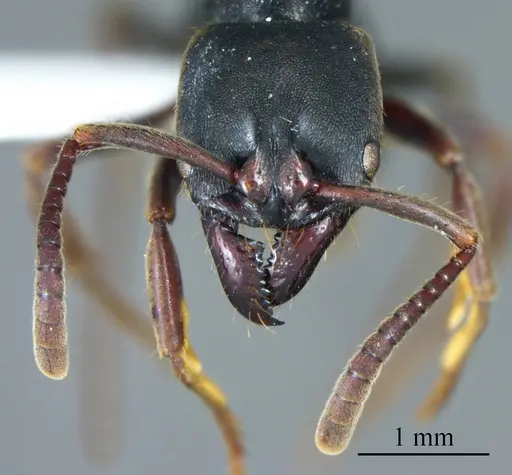
ANTWEB1060138
View on AntWeb
ANTWEB1062698
View on AntWeb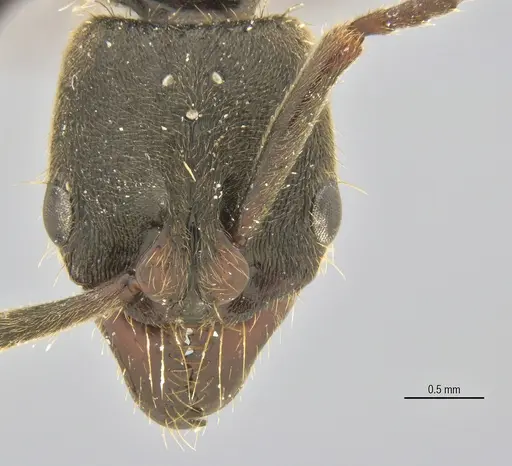
CASENT0006089
View on AntWeb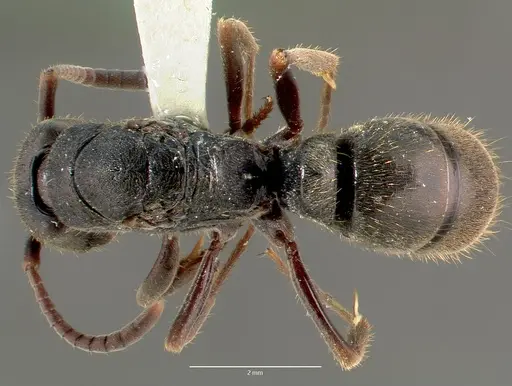
CASENT0006090
View on AntWeb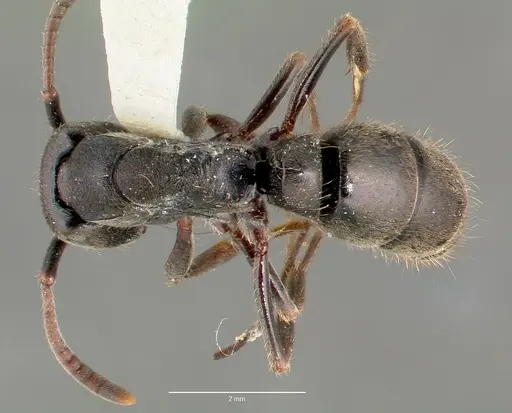
CASENT0104807
View on AntWeb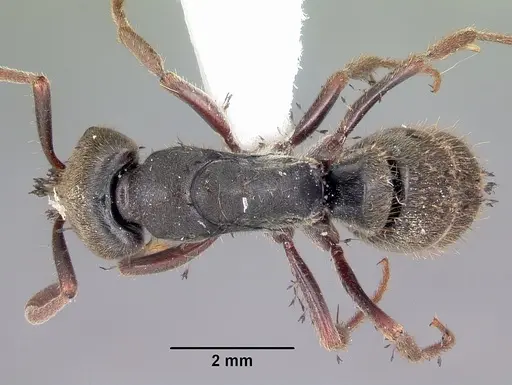
CASENT0104808
View on AntWeb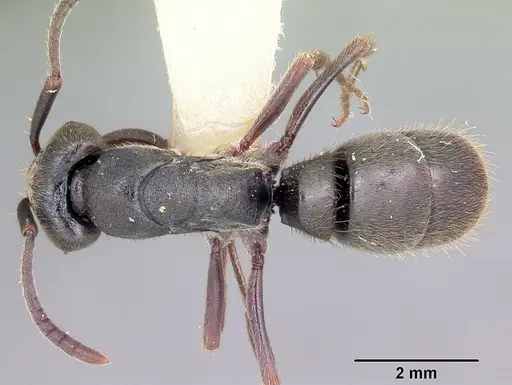
CASENT0104809
View on AntWeb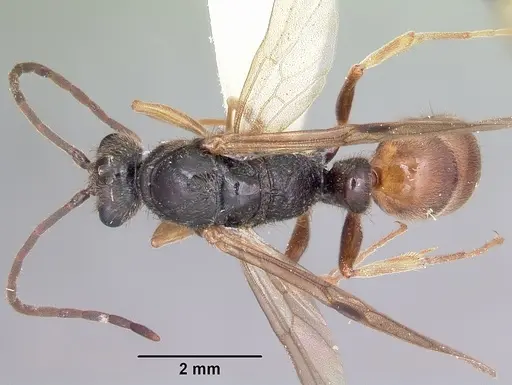
CASENT0178183
View on AntWeb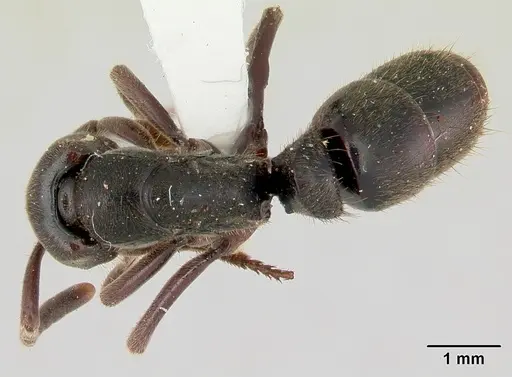
CASENT0178687
View on AntWeb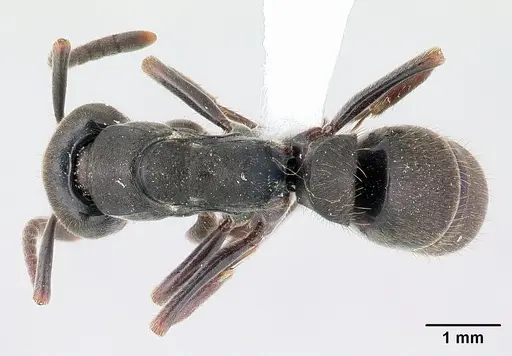
CASENT0249147
View on AntWeb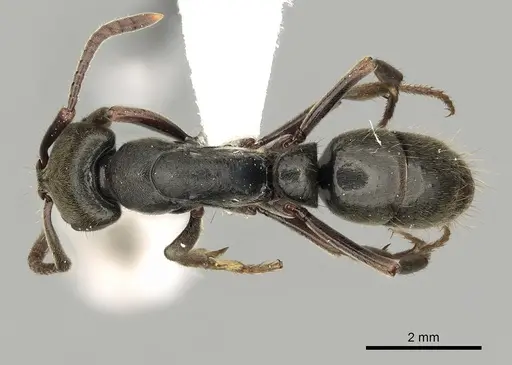
CASENT0249148
View on AntWeb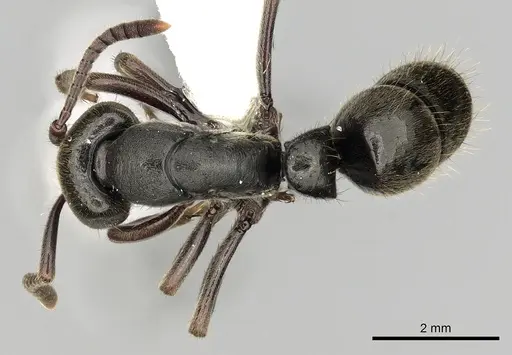
CASENT0249149
View on AntWeb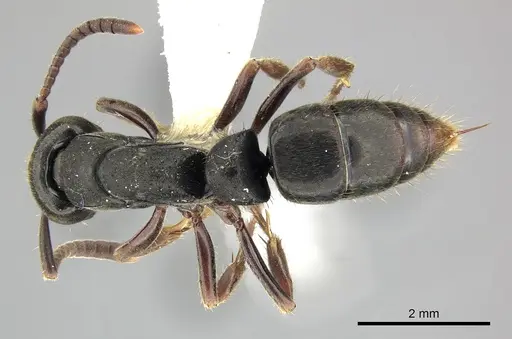
CASENT0249150
View on AntWeb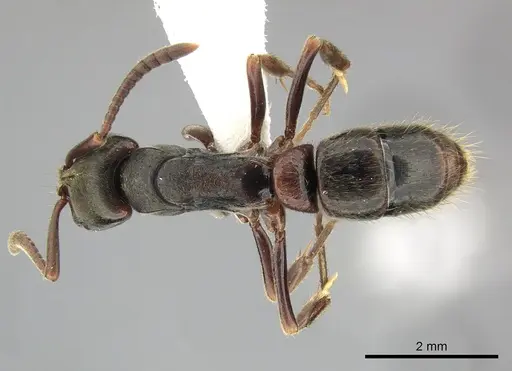
CASENT0374616
View on AntWeb
CASENT0830328
View on AntWeb
CASENT0830362
View on AntWeb
CASENT0902516
View on AntWeb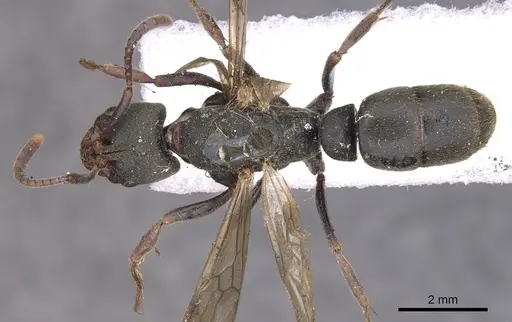
CASENT0907250
View on AntWeb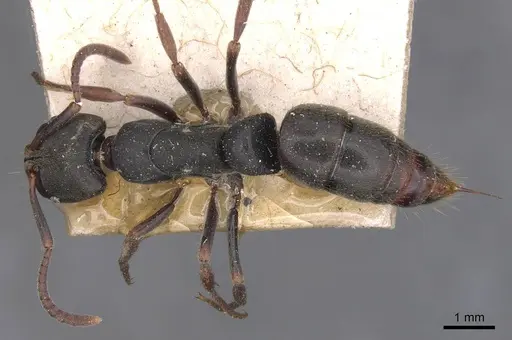
CBUMAGENT41728
View on AntWeb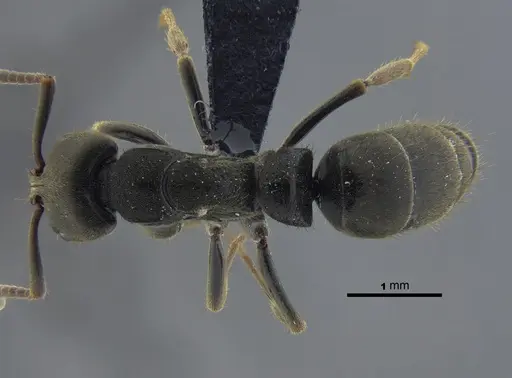
ECOFOG-IT14-0816-47
View on AntWeb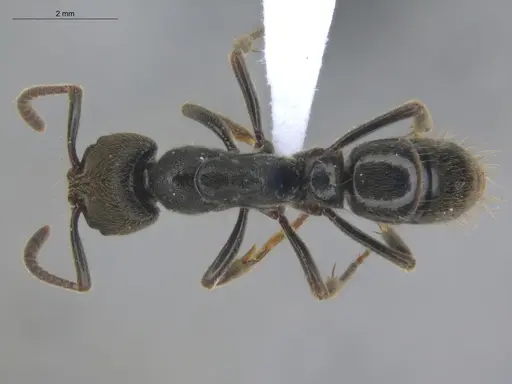
USNMENT00413109
View on AntWeb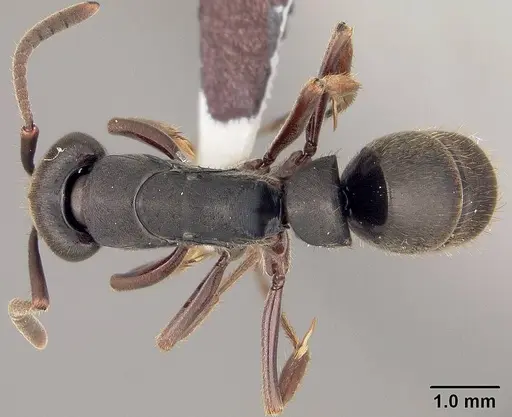
Literature
Loading...Loading products...