

Pachycondyla lenis
- Scientific Name
- Pachycondyla lenis
- Tribe
- Ponerini
- Subfamily
- Ponerinae
- Author
- Kempf, 1961
- Distribution
- Found in 2 countries
Pachycondyla lenis Overview
Pachycondyla lenis is an ant species of the genus Pachycondyla. It is primarily documented in 2 countries , including Brazil, Peru. Detailed taxonomic data and occurrence records can be further explored via authoritative databases such as AntWeb or the Global Biodiversity Information Facility (GBIF).
Pachycondyla lenis
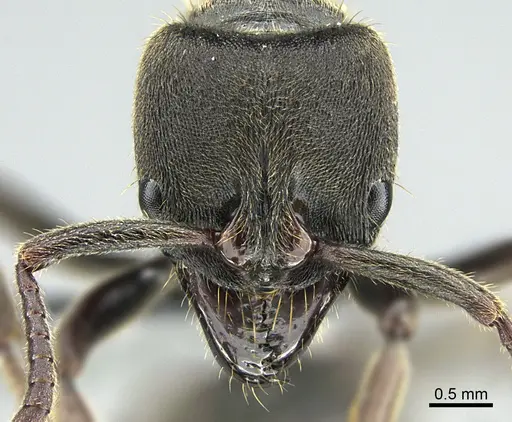
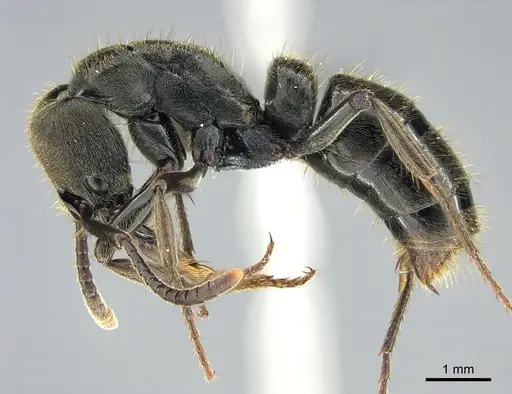
Pachycondyla lenis is a medium-sized predatory ant native to Brazil, found in the Atlantic Forest and Amazon regions. Workers measure 8.7-10.3mm and are black with dark brown mandibles, antennae, and legs. Queens are larger at 11.4-11.6mm. This species can be distinguished from the similar Pachycondyla harpax by the presence of a medial longitudinal carina on the clypeus and the nearly smooth dorsum of the mesosoma lacking the longitudinal striations typical of related species [1]. They inhabit elevations between 700-1000m and have been collected from secondary forest habitats where they function as litter generalist predators [2]. The name 'lenis' comes from Latin meaning 'soft', referring to their relatively soft integument compared to related species [1].
Quick Summary
- Difficulty: Medium
- Origin & Habitat: Brazil (Rio de Janeiro, São Paulo, Paraná) at 700-1000m elevation in Atlantic Forest and Amazon regions [1][3]. Found in secondary forest habitats [2].
- Colony Type: Colony structure is unconfirmed. Based on typical Pachycondyla patterns, likely single-queen (monogyne) colonies with semi-claustral founding where the queen hunts for food during the founding stage.
- Colony: Monogyne
- Founding: Semi-claustral
- Size & Growth:
- Queen: 11.4-11.6 mm [1]
- Worker: 8.7-10.3 mm [1]
- Colony: Unknown, no colony size data available
- Growth: Unknown
- Development: Unknown, no development data exists for this species. Based on typical Pachycondyla patterns, estimate 6-10 weeks at optimal temperature. (Development timeline has not been directly studied. This is an estimate based on genus-level patterns.)
- Antkeeping:
- Temperature: Keep at 24-28°C as a starting point. This range is based on typical Brazilian tropical ant requirements. Adjust based on colony activity, if workers seem sluggish, increase slightly, if they avoid heated areas, reduce temperature. No species-specific thermal data exists.
- Humidity: Maintain moderate to high humidity (60-80%). These are forest-floor ants from Brazil, so they prefer damp conditions. Keep the nest substrate consistently moist but not waterlogged. Provide a gradient so ants can choose their preferred moisture level.
- Diapause: Unknown, no research on seasonal requirements. As a Brazilian species from moderate elevations, they likely have reduced activity during cooler months but may not require true hibernation. Consider a cool period (15-18°C) during winter months if colony shows reduced activity.
- Nesting: Use a naturalistic setup with moist substrate or a Y-tong/plaster nest with chambers scaled to their medium-large size. They are litter-dwelling ants that prefer dark, humid nesting sites with easy access to the surface for foraging. A test tube setup can work for founding colonies.
- Behavior: This species is a litter generalist predator, meaning they hunt and scavenge among leaf litter on the forest floor [2]. They are likely moderately aggressive and will defend their nest. Workers are medium-large (8.7-10.3mm), so escape prevention is straightforward, standard barriers work well. They are not known to be escape artists like tiny ants. Their sting is present but pain level for this specific species is unstudied, expect moderate sting potential typical of Pachycondyla.
- Common Issues: no biological data exists, everything about their care is estimated from genus patterns, founding colonies may fail if queen cannot hunt enough prey during semi-claustral founding, wild-caught colonies may carry parasites that cause problems in captivity, humidity too low will cause colony decline, they need consistently moist conditions, lack of live prey will likely result in colony failure, they are predatory by nature
Nest Preferences
In the wild, Pachycondyla lenis lives in leaf litter on the forest floor at elevations between 700-1000m [1]. They have been collected from secondary forest habitats where they function as litter generalist predators [2]. For captive care, a naturalistic setup with moist substrate works well, use a mix of soil and organic material that stays damp. A Y-tong (acrylic) nest with appropriately sized chambers also works. The key is providing darkness, humidity, and easy access to a foraging area. Test tubes can work for founding colonies but may need upgrading as the colony grows.
Feeding and Diet
As a litter generalist predator, Pachycondyla lenis hunts small invertebrates among leaf litter [2]. In captivity, offer live small prey such as fruit flies, small crickets, mealworms, and other appropriately-sized insects. They likely accept protein sources and may scavenge. Sugar water or honey can be offered occasionally but should not be a primary food source, these are predatory ants, not sugar-seekers. Feed founding queens small prey items she can hunt and subdue. For established colonies, offer prey 2-3 times per week, removing uneaten items within 24 hours.
Temperature and Care
No species-specific temperature data exists for Pachycondyla lenis. As a Brazilian species from moderate elevations (700-1000m), they likely prefer warm conditions. Start with 24-28°C and observe colony behavior, adjust as needed. If workers cluster near any heat source, increase slightly, if they avoid heated areas, reduce temperature. A heating cable on one side of the nest creates a gradient allowing ants to self-regulate. Room temperature within this range may be sufficient. Monitor for signs of stress (lethargy, clustering in unusual areas) and adjust accordingly.
Behavior and Temperament
Pachycondyla lenis is a predatory ant that forages in leaf litter on the forest floor. They are likely moderately defensive and will respond to threats. Workers are medium-large (8.7-10.3mm), making them easier to contain than tiny ants, standard escape prevention measures work well. They possess a stinger typical of Pachycondyla, though the actual pain level for this species is unstudied. Expect typical ponerine behavior: deliberate movements, effective hunting, and colony defense. They are not known to be particularly aggressive toward keepers but will defend their nest if threatened. [1]
Colony Founding
Colony founding behavior has not been directly documented for this species. Based on typical Pachycondyla patterns, founding is likely semi-claustral, meaning the queen does not seal herself in completely and must periodically leave the nest to hunt for food during the founding stage. This is different from claustral species like Camponotus or Lasius where queens survive entirely on stored fat reserves. For captive founding, provide the queen with access to small live prey she can hunt. Expect a slower start than claustral species as the queen must balance hunting with egg-tending.
Seasonal Considerations
In one Amazonian study, Pachycondyla lenis was only collected during the rainy season (January 2004), suggesting they are more active during wet periods [4]. As a Brazilian species, they likely experience reduced activity during cooler or drier periods. In captivity, you may notice reduced activity during winter months, this is normal. Consider providing a cooler period (15-18°C) if the colony naturally slows down, but true hibernation is likely not required. Maintain humidity year-round as they prefer consistently moist conditions.
Frequently Asked Questions
How long does it take for Pachycondyla lenis to produce first workers?
The egg-to-worker timeline is unknown for this species as no development studies exist. Based on typical Pachycondyla genus patterns, expect 6-10 weeks at optimal temperature (24-28°C). This is an estimate, actual timing may vary.
What do Pachycondyla lenis ants eat?
They are litter generalist predators that hunt small invertebrates in nature. In captivity, feed them live small prey like fruit flies, small crickets, and mealworms. They may accept scavenged protein but live prey is likely essential, especially for founding colonies.
Can I keep multiple Pachycondyla lenis queens together?
This has not been studied for this species. Based on typical Pachycondyla patterns, they likely form single-queen colonies. Combining unrelated queens is not recommended as fighting is likely.
Are Pachycondyla lenis good for beginners?
This species is rated Medium difficulty. While their size makes them easier to house than tiny ants, almost nothing is known about their biology in captivity. They require live prey and proper humidity. Beginners may struggle with the lack of species-specific care information and the need for live food.
What temperature do Pachycondyla lenis need?
No species-specific data exists. Start with 24-28°C and adjust based on colony behavior. If workers seem sluggish, increase slightly, if they avoid heated areas, reduce. Room temperature within this range may work.
How big do Pachycondyla lenis colonies get?
Colony size is unknown, no colony size data exists for this species. Based on their medium-large size and typical genus patterns, colonies likely reach several hundred workers over several years.
Do Pachycondyla lenis need hibernation?
Diapause requirements are unstudied. As a Brazilian species from moderate elevations, they likely do not require true hibernation. You may notice reduced activity during cooler months, consider a brief cool period (15-18°C) if the colony naturally slows, but this is optional.
What humidity do Pachycondyla lenis require?
Maintain moderate to high humidity (60-80%). These are forest-floor ants from Brazil that prefer damp conditions. Keep the nest substrate consistently moist but not waterlogged. Provide a moisture gradient so ants can choose their preferred level.
When should I move Pachycondyla lenis to a formicarium?
For founding colonies, a test tube setup works well initially. Move to a larger naturalistic setup or formicarium when the colony reaches 20-30 workers and the test tube becomes crowded. Ensure the new setup maintains appropriate humidity.
References

This caresheet is licensed under CC BY-SA 4.0 .
CASENT0374619
View on AntWeb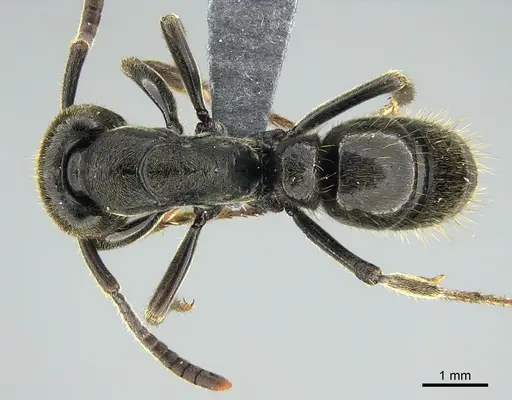
Literature
Loading...Loading products...