

Ooceraea biroi
- Scientific Name
- Ooceraea biroi
- Subfamily
- Dorylinae
- Author
- Forel, 1907
- Common Name
- Clonal Raider Ant
- Distribution
- Found in 19 countries
Ooceraea biroi Overview
Ooceraea biroi (commonly known as the Clonal Raider Ant) is an ant species of the genus Ooceraea. It is primarily documented in 19 countries , including American Samoa, Bangladesh, China. Detailed taxonomic data and occurrence records can be further explored via authoritative databases such as AntWeb or the Global Biodiversity Information Facility (GBIF).
Ooceraea biroi - "Clonal Raider Ant"
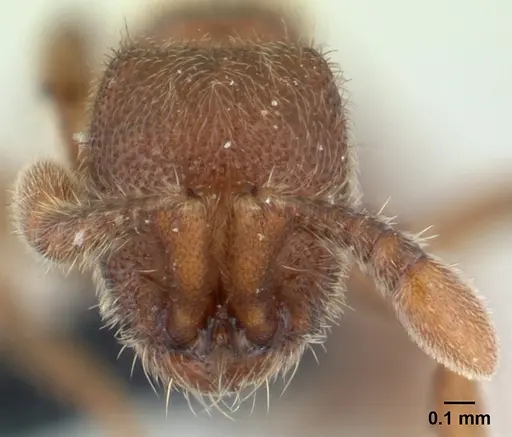
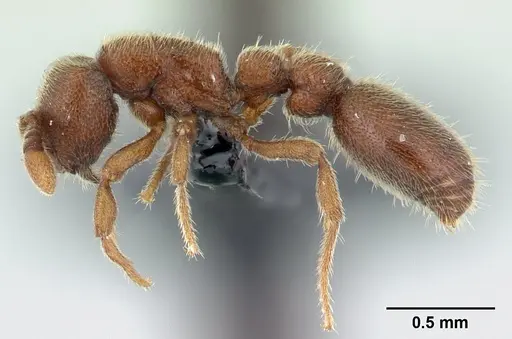
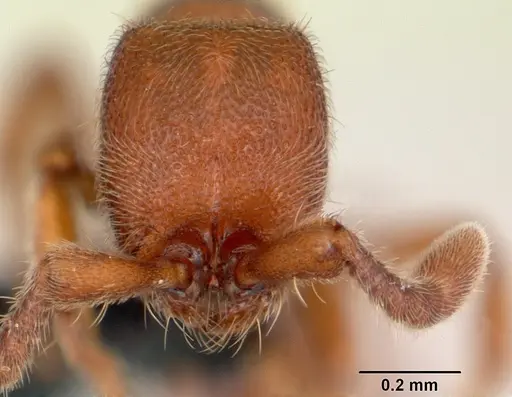
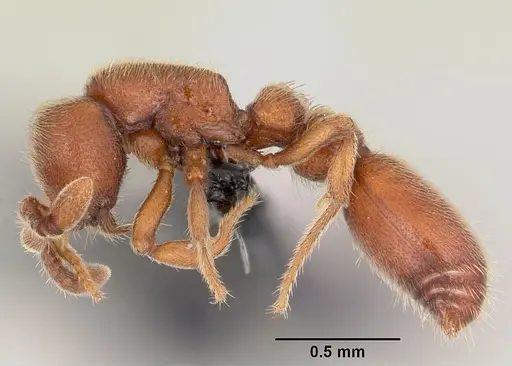
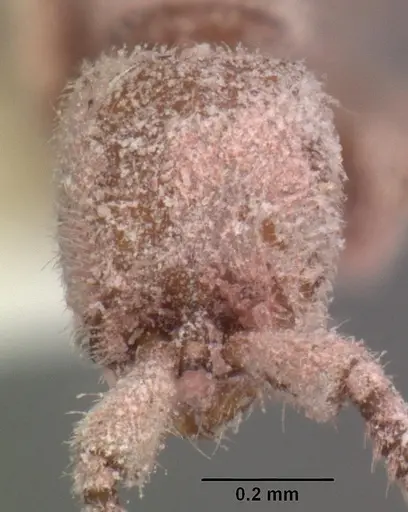
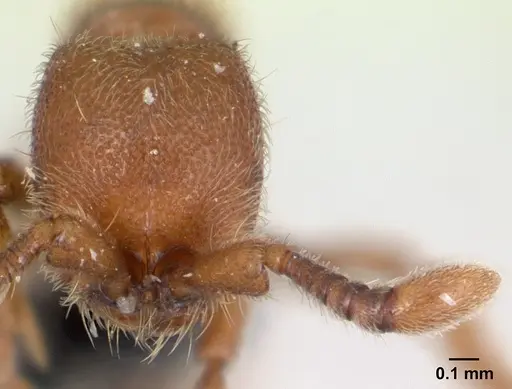
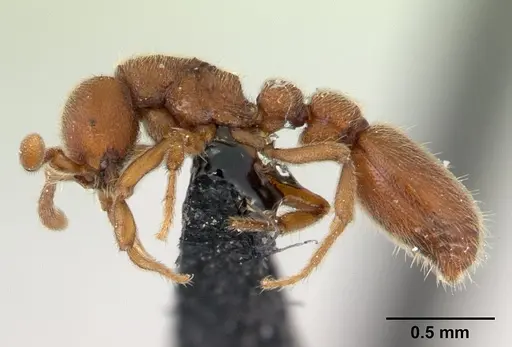
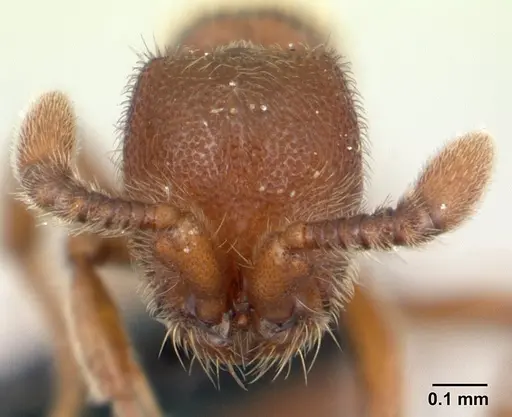
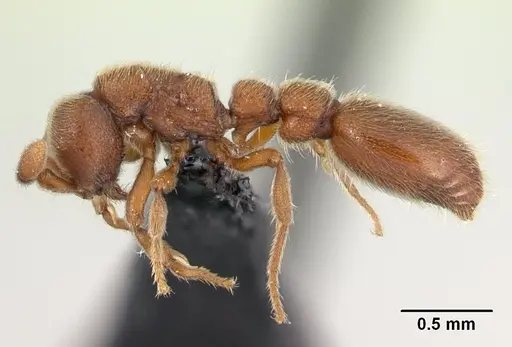
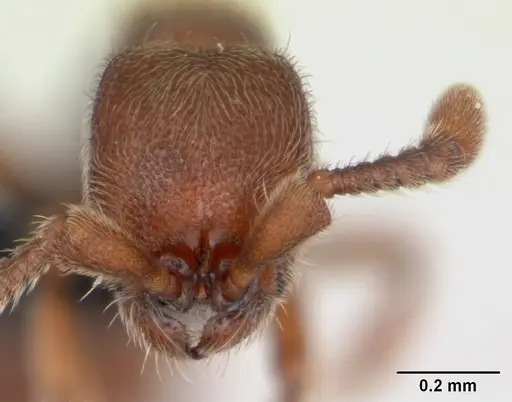
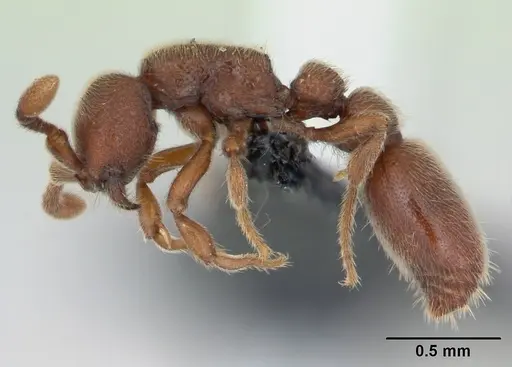
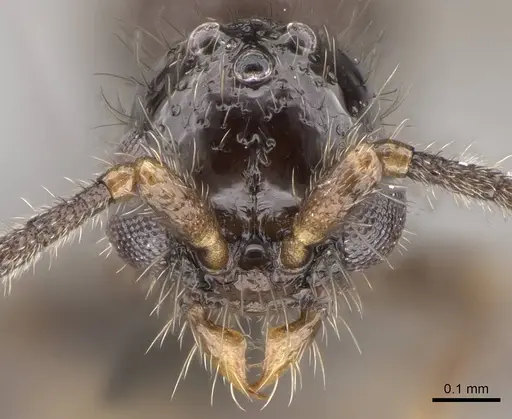
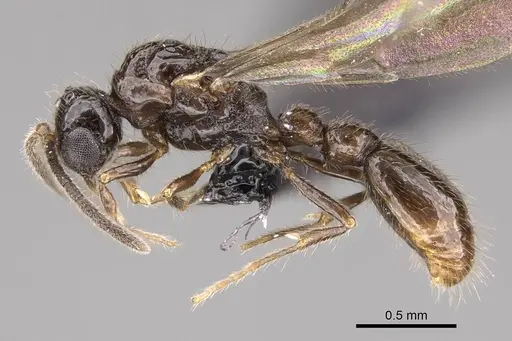
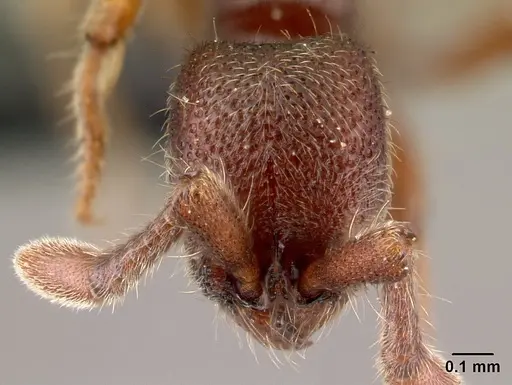
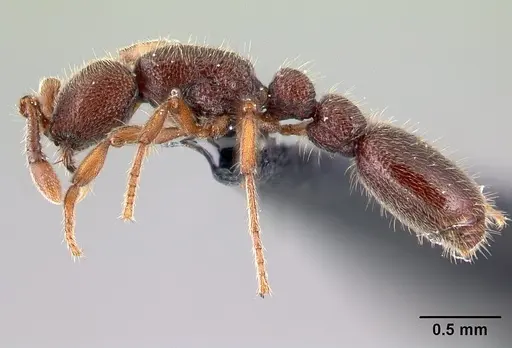
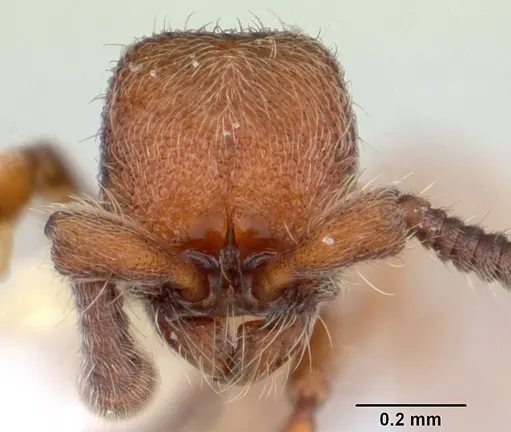
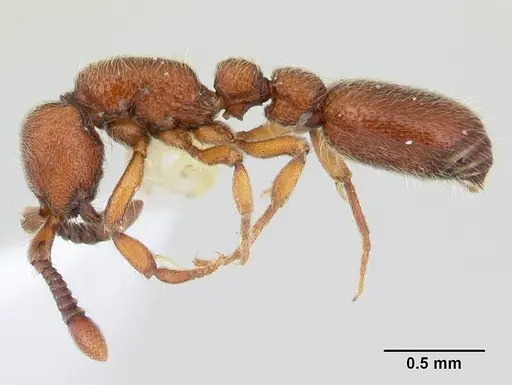
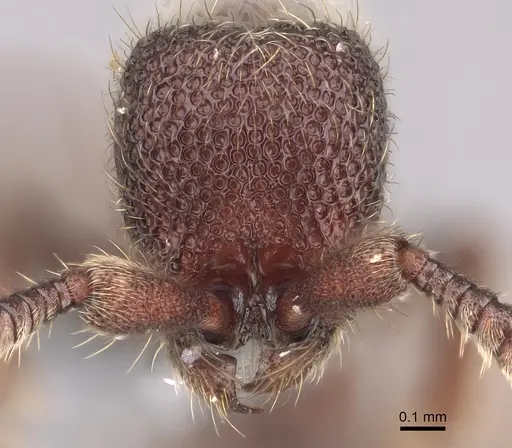
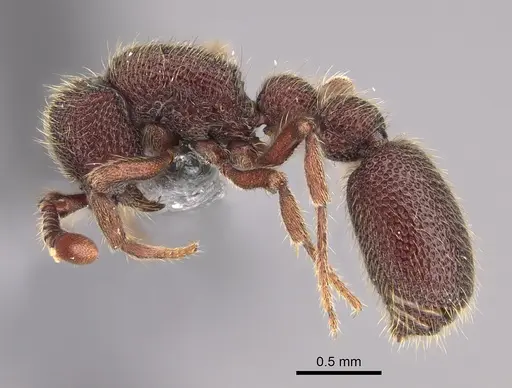
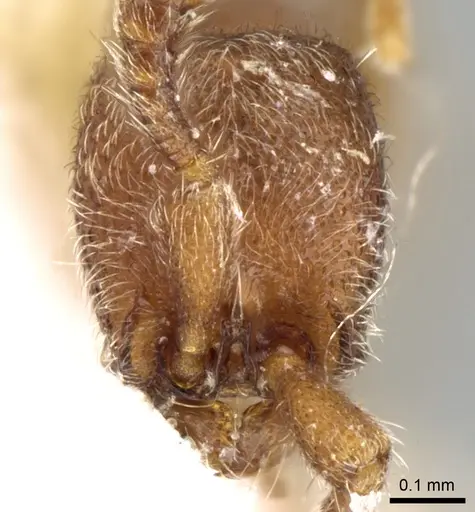
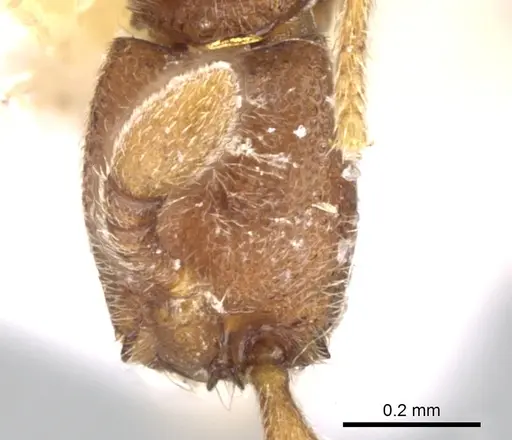
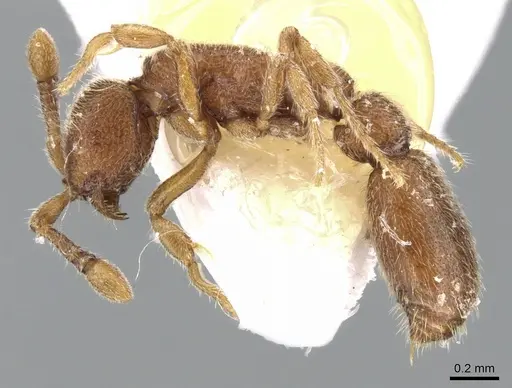
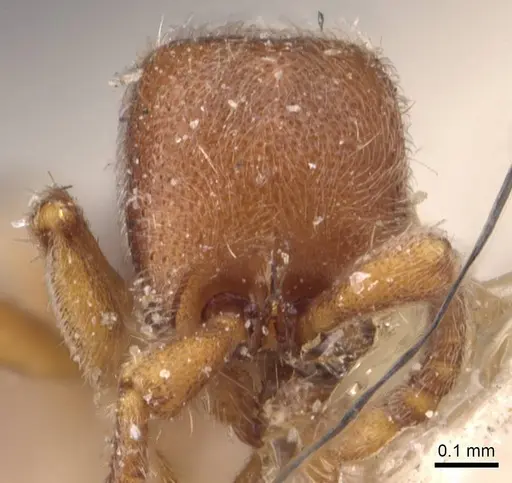
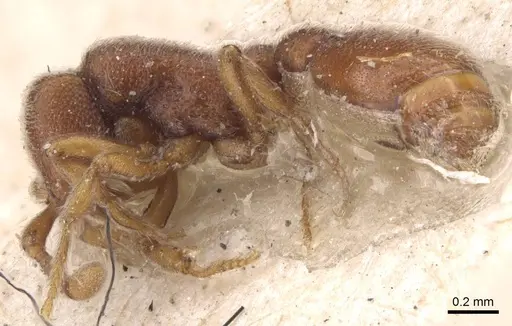
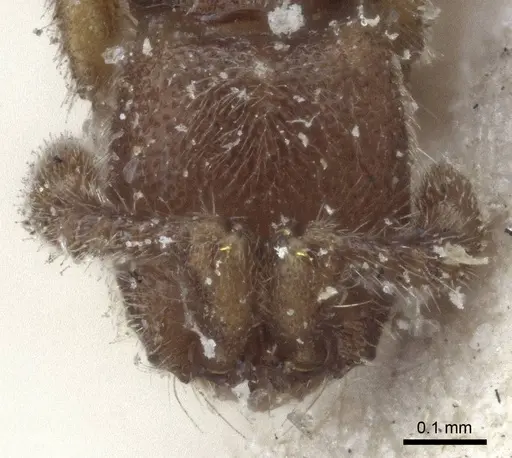
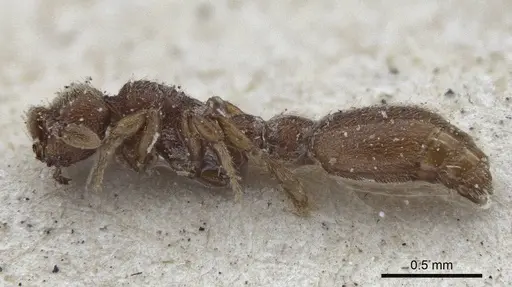
Ooceraea biroi is a small, eyeless ant native to Southeast Asia that has become a widespread invasive species across tropical and subtropical regions worldwide. Workers measure 2-3mm and are completely subterranean, relying entirely on their sense of smell to navigate and locate prey. The species is famous for its unique reproductive system, colonies are queenless and all workers can reproduce through thelytokous parthenogenesis, producing genetically nearly identical female offspring without mating. This makes any small group of workers capable of founding a new colony, which has contributed to their global spread through human commerce. They are specialized predators that raid the nests of other ant species to steal their brood, using their heavily sclerotized cuticle for protection during attacks.
Quick Summary
- Difficulty: Medium
- Origin & Habitat: Native to Southeast Asia (Singapore, Bangladesh, southern China to Vietnam) [1][2]. Found across tropical and subtropical regions including Hawaii, Caribbean islands, Madagascar, and the Pacific islands after spreading through human commerce [1]. Nests in soil or under stones in disturbed areas.
- Colony Type: Queenless, colonies consist entirely of workers that reproduce clonally. No true queen caste exists, though some workers (intercastes) have more ovarioles and higher reproductive capacity. Colonies contain a few hundred workers (150-600) [3][1]. All workers can produce diploid eggs through thelytokous parthenogenesis [4].
- Special: Gamergates
- Size & Growth:
- Queen: No queen caste exists, reproduction by workers [4]
- Worker: 2-3 mm [1][5]
- Colony: 150-600 workers in natural colonies [3]
- Growth: Moderate
- Development: Approximately 5-6 weeks at 25°C based on generation time data [4] (Generation time is ~34 days total with 18-day reproductive phase and 16-day brood care phase [4]. Larvae develop synchronously in cohorts.)
- Antkeeping:
- Temperature: Keep at 25°C for optimal colony function [6][7]. This is a tropical species with no documented diapause requirement.
- Humidity: Maintain moderate humidity. Laboratory colonies are kept with plaster of Paris floors that retain moisture. Provide a water tube for drinking.
- Diapause: No, this is a tropical species with no winter dormancy requirement.
- Nesting: Y-tong (AAC) or plaster nests work well. They are subterranean and prefer dark, enclosed spaces. Provide a test tube setup initially, then move to a small formicarium as the colony grows.
- Behavior: These ants are specialized predators that raid the nests of other ant species. They conduct group raids using trail pheromones, with scouts recruiting nestmates to food sources. Workers are completely blind but have an excellent sense of smell, with the largest number of odorant receptors of any sequenced insect (503 functional OR genes) [4]. They show a panic alarm response when threatened, quickly leaving the nest pile and dispersing. The alarm pheromone is released from the head and consists of 4-methyl-3-heptanone [6]. Colonies alternate between reproductive phases (when workers lay eggs) and brood care phases (when workers forage). Escape prevention is important but not critical since they are not strong climbers.
- Common Issues: colonies may fail if not fed appropriate prey, they need ant brood or small insects, not just sugar water, phasic reproduction means colonies have cycles of low activity when larvae pupate, this is normal, not a problem, blind workers may have trouble finding food in large open spaces, use dark enclosures with scent trails, introduced colonies may carry parasites that can spread to other ant colonies, any small group can found a colony so accidental releases can establish populations
Unique Reproductive Biology
Ooceraea biroi is one of the most unusual ants in the world when it comes to reproduction. There is no queen caste, instead, all workers can reproduce through thelytokous parthenogenesis, producing genetically nearly identical female offspring without mating [8][4]. This means any single worker or small group can theoretically found a new colony, which is why they've spread so successfully worldwide. Colonies cycle between two phases: a reproductive phase lasting about 18 days when workers lay eggs and stay in the nest, and a brood care phase lasting about 16 days when larvae are present and workers forage for food [4]. During the reproductive phase, young workers (1-2 months old) do most of the egg-laying, while older workers (over 4 months) focus on foraging and have reduced ovarian activity [9]. Some workers develop more ovarioles (4-6 instead of 2-3) and are called intercastes, these individuals have higher reproductive capacity and are more likely to become egg-layers [9][10]. Thelytokous parthenogenesis works through automixis with central fusion, where the two central meiotic products fuse after meiosis II to restore the maternal genotype with very low loss of heterozygosity (0.0013% per generation) [4].
Feeding and Diet
These are specialized predators that primarily feed on the brood (eggs, larvae, and pupae) of other ant species [1][4]. In captivity, you can offer them frozen fire ant pupae or brood from other common ant species. They will also accept soft-bodied insect larvae and small prey insects. Unlike many ants, they do not primarily seek sugar sources, their diet is almost exclusively protein from raiding other ant colonies. In the laboratory, colonies are successfully fed frozen Solenopsis invicta brood [6]. When setting up feeding schedules, remember they have a phasic cycle: during the reproductive phase, fewer workers forage, but during the brood care phase, intense foraging activity occurs. Offer prey 2-3 times per week during active foraging periods. Remove uneaten prey after 24 hours to prevent mold.
Temperature and Colony Cycles
Maintain colony temperature at 25°C for optimal function, this is the standard laboratory maintenance temperature [6][7]. As a tropical species, they do not require any diapause or winter cooling period. The colony cycle is fascinating to observe: it alternates between a reproductive phase (approximately 18 days) and a brood care phase (approximately 16 days) [4]. During the reproductive phase, workers stay in the nest and lay eggs, you may notice less activity at this time. The brood care phase begins when larvae hatch, triggering workers to become foragers. The presence of larvae actually inhibits ovarian activation in workers and stimulates foraging behavior [11]. When larvae pupate and no longer need to be fed, the colony transitions back to the reproductive phase. This synchronized cycle means you should expect periods of high foraging activity followed by quieter nest-bound periods, this is completely normal behavior.
Behavior and Defense
Ooceraea biroi conducts organized group raids on other ant colonies, similar to army ants but on a smaller scale. Scouts locate target nests and release recruitment pheromones to summon nestmates. The raid proceeds through distinct phases: search, recruitment, response, preretrieval, retrieval, and postretrieval. Workers deposit trail pheromones on the homebound journey so others can follow. Their heavily sclerotized cuticle protects them from counter-attacks when raiding [1]. They are completely blind, with no eyes at all [12][13], and navigate using their extraordinary sense of smell, they have the largest number of functional odorant receptor genes of any sequenced insect (503 OR genes) [4]. When threatened, they use a panic alarm response triggered by pheromones from their head (4-methyl-3-heptanone and 4-methyl-3-heptanol) [6]. This causes ants to rapidly leave the nest pile and disperse. They are not aggressive toward humans and cannot sting.
Housing and Nest Setup
For housing, use a test tube setup for founding colonies or small groups. Since they are blind and subterranean, they prefer dark, enclosed spaces. A Y-tong (AAC) or plaster formicarium works well for established colonies. Keep the nest area humid but not waterlogged, a moist plaster or soil substrate is ideal. They are not strong climbers, so escape prevention is less critical than for many ants, but standard barriers (fluon on test tube rims) are still recommended. Provide a constant water source via a test tube with a cotton ball. Since they are predatory, you might want to create a small outworld area where you can place prey items. The colony will need space to conduct raids, so avoid overly cramped nests. Laboratory colonies thrive in simple setups: Tupperware containers with a plaster of Paris floor maintain humidity well [6].
Frequently Asked Questions
How do Ooceraea biroi colonies reproduce without a queen?
This species has no queen caste at all. Instead, all workers can reproduce through thelytokous parthenogenesis, they produce female offspring from unfertilized eggs without mating [4]. Any worker can lay eggs, and the offspring are genetically nearly identical clones (within-colony relatedness is 0.996) [4]. This is extremely rare among ants and makes them incredibly successful at establishing new colonies from just a few workers.
What do I feed my clonal raider ant colony?
Feed them the brood of other ant species, this is their primary food source in the wild [1]. Frozen fire ant pupae work well in captivity [6]. You can also offer small soft-bodied insects like mealworm larvae or fruit fly larvae. They are not interested in sugar water or honey, they are specialized predators. Offer prey 2-3 times per week during active foraging periods.
How long does it take for eggs to develop into workers?
At 25°C, the complete generation time is approximately 34 days [4]. This includes the 18-day reproductive phase and 16-day brood care phase. Eggs develop through three larval instars synchronously within each cohort. Well-fed larvae pupate in about 12.6 days, while undernourished larvae take longer (around 24.5 days) [9].
Do Ooceraea biroi ants need hibernation?
No, they do not require hibernation. This is a tropical species native to Southeast Asia with no documented diapause requirement. Keep them at a constant 25°C year-round for optimal colony function.
Why are my ants suddenly less active?
This is likely normal phasic behavior. O. biroi colonies alternate between reproductive phases (when workers stay in the nest and lay eggs) and brood care phases (when workers forage actively) [4]. During the reproductive phase, you may see less foraging activity. The cycle is driven by the presence of larvae, when larvae are present, workers forage, when larvae pupate, the colony returns to reproductive phase [11]. This synchronized behavior is a key trait of this species.
Can I keep multiple queens together?
This question doesn't apply to O. biroi, there is no queen caste. All workers are potential reproducers. Multiple workers can lay eggs simultaneously during the reproductive phase. You cannot combine unrelated queens because no queens exist.
How big do colonies get?
Natural colonies typically reach 150-600 workers [3]. In laboratory conditions, colonies can grow much larger, up to approximately 5,000 workers have been maintained. Growth is moderate, with a generation time of about 34 days at optimal temperature.
Why do my ants have no eyes?
This is completely normal, Ooceraea biroi workers are completely eyeless [12][13]. They are subterranean ants that navigate entirely by smell, not sight. They have the largest number of odorant receptor genes of any sequenced insect (503 functional OR genes) to compensate for their blindness [4].
References

This caresheet is licensed under CC BY-SA 4.0 .
CASENT0055090
View on AntWeb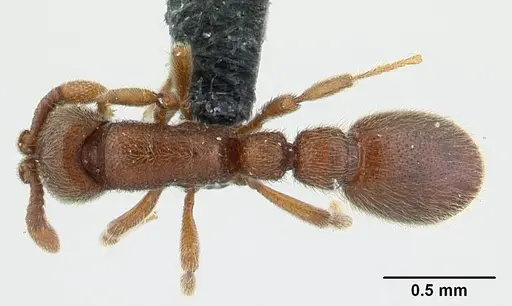
CASENT0059682
View on AntWeb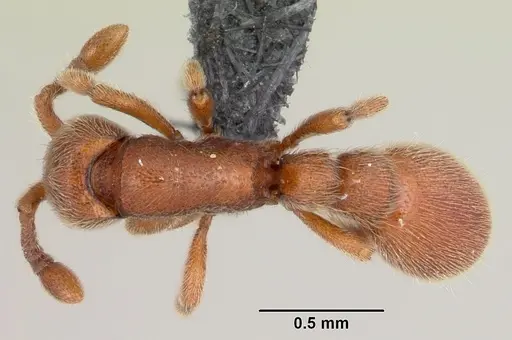
CASENT0102253
View on AntWeb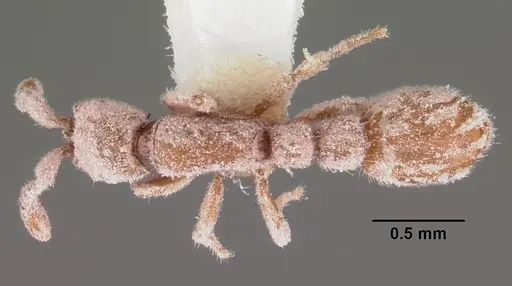
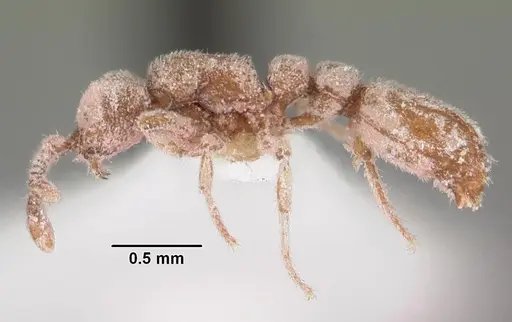
CASENT0102254
View on AntWeb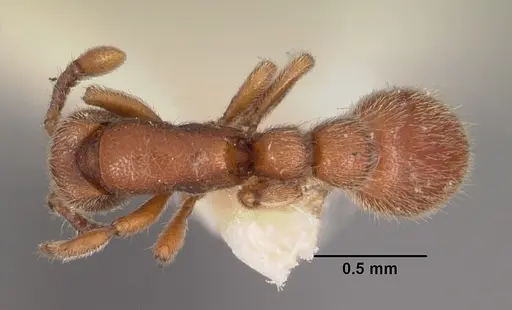
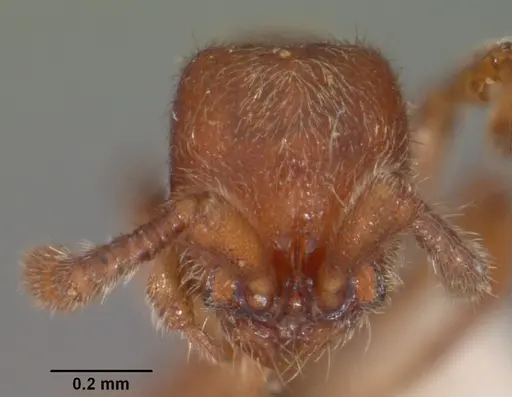
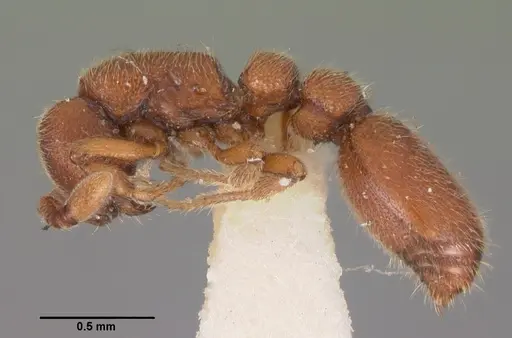
CASENT0132569
View on AntWeb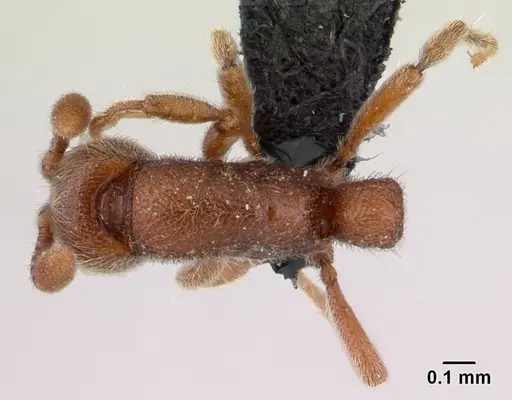
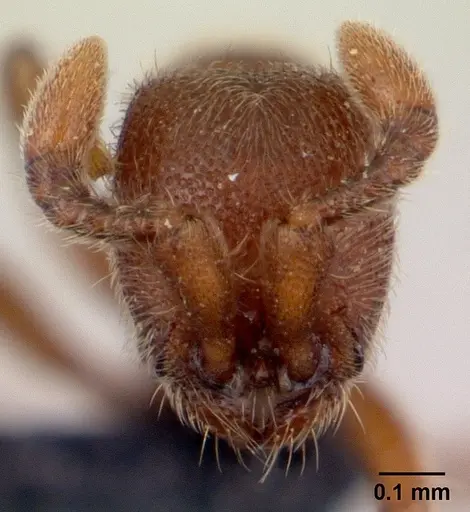
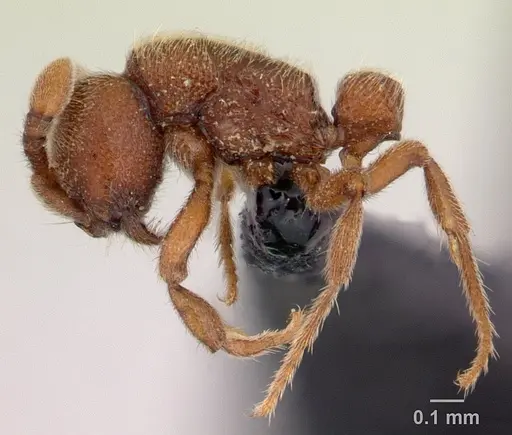
CASENT0133141
View on AntWeb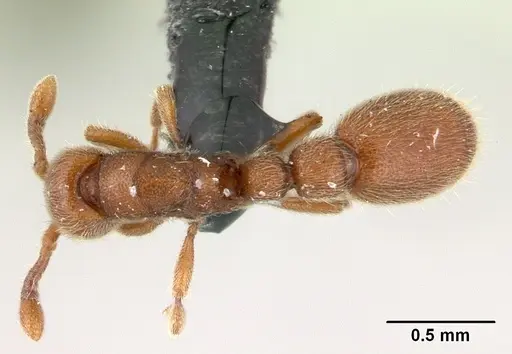
CASENT0133554
View on AntWeb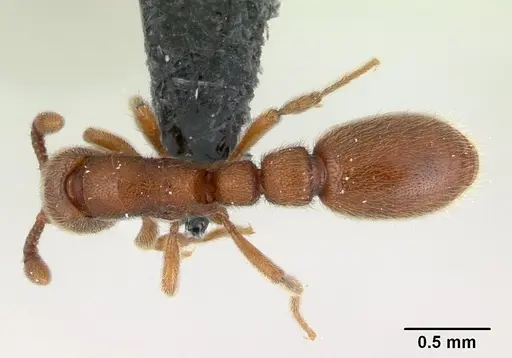
CASENT0135345
View on AntWeb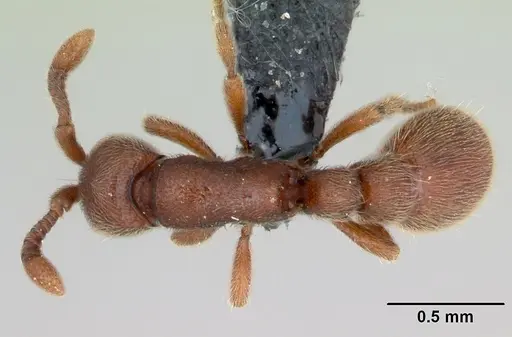
CASENT0160795
View on AntWeb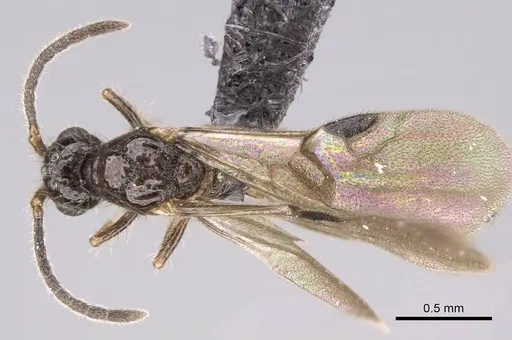
CASENT0161671
View on AntWeb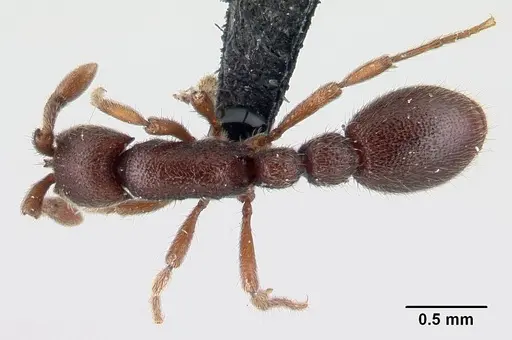
CASENT0178457
View on AntWeb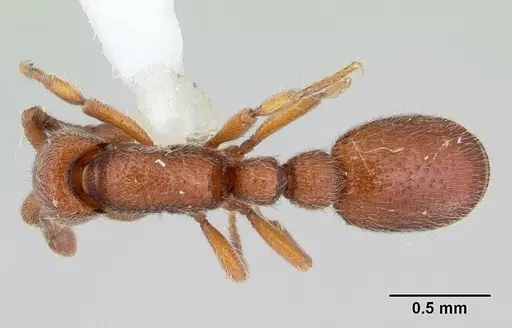
CASENT0746015
View on AntWeb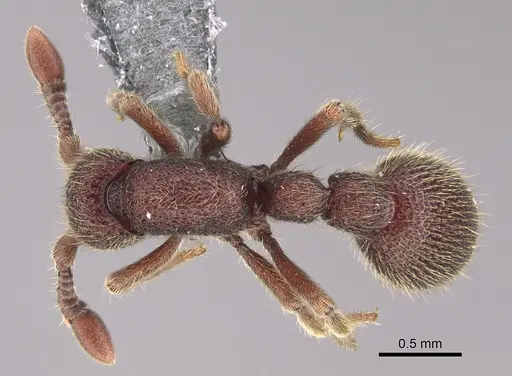
CASENT0906352
View on AntWeb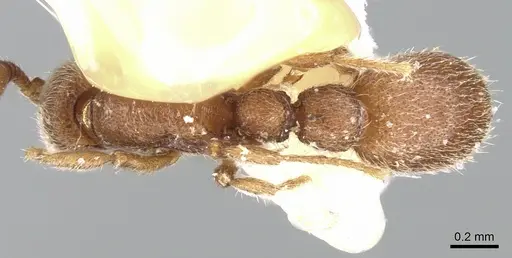
CASENT0907059
View on AntWeb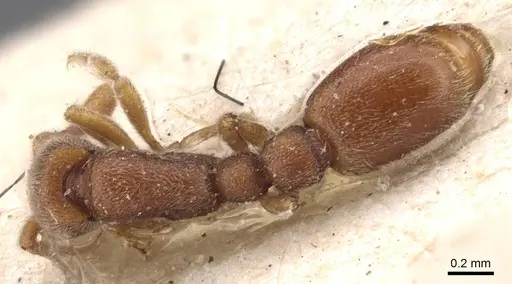
CASENT0916710
View on AntWeb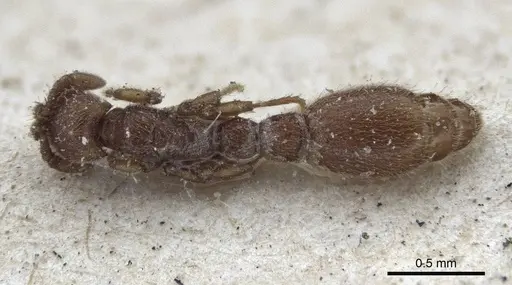
Literature
Loading...Loading products...