

Odontomachus silvestrii
- Scientific Name
- Odontomachus silvestrii
- Tribe
- Ponerini
- Subfamily
- Ponerinae
- Author
- Wheeler, 1927
- Distribution
- Found in 2 countries
Odontomachus silvestrii Overview
Odontomachus silvestrii is an ant species of the genus Odontomachus. It is primarily documented in 2 countries , including Hong Kong, Viet Nam. Detailed taxonomic data and occurrence records can be further explored via authoritative databases such as AntWeb or the Global Biodiversity Information Facility (GBIF).
Odontomachus silvestrii
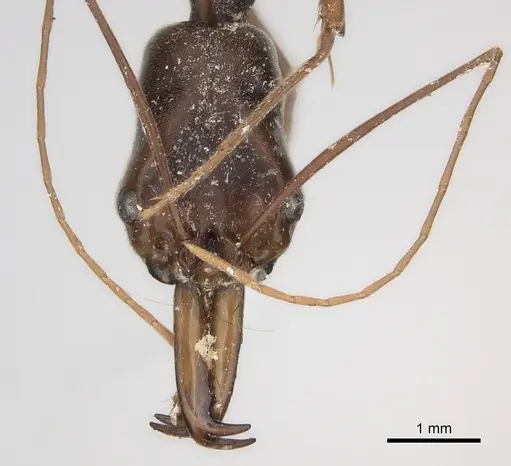
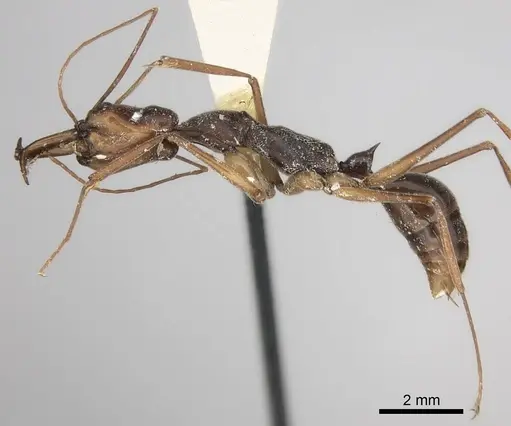
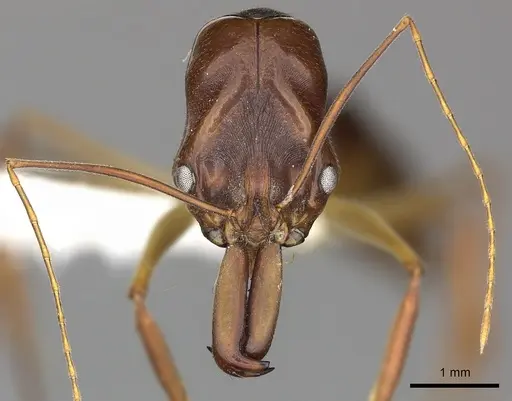
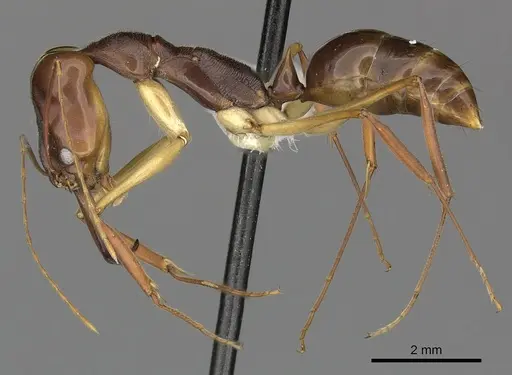
Odontomachus silvestrii is a medium-sized trap-jaw ant found in Vietnam and southern China. Workers measure around 9-11mm with the characteristic large, curved mandibles that give trap-jaw ants their name. They have a dark reddish-brown to black coloration with a distinctly striated (grooved) head pattern visible when viewed from the front. This species belongs to the Odontomachus infandus group, distinguished by fine striations on the vertex (top of the head). These ants are predatory, using their powerful snap-jaw mandibles to capture prey quickly. They nest in soil or rotting wood in forested areas of Vietnam and southeastern China [1][2].
Quick Summary
- Difficulty: Medium
- Origin & Habitat: Southeastern China and Vietnam. Found in forested areas, typically nesting in soil or rotting wood [2].
- Colony Type: Likely single-queen colonies (monogyne) based on typical genus patterns, though colony structure has not been specifically documented for this species.
- Colony: Monogyne
- Founding: Semi-claustral
- Size & Growth:
- Queen: Approximately 11-13mm (estimated based on genus patterns)
- Worker: 9-11mm [1]
- Colony: Likely several hundred workers based on typical Odontomachus colony sizes
- Growth: Moderate, Ponerinae ants typically develop more slowly than many Myrmicinae species
- Development: Estimated 8-12 weeks at optimal temperature based on related species patterns (Development time is estimated from related Odontomachus species, specific data for O. silvestrii is not available. Ponerinae generally have longer development than faster-growing genera.)
- Antkeeping:
- Temperature: Keep at 24-28°C. These are tropical ants from Vietnam and southern China, so they need warm conditions. A heating cable on one side of the nest creates a temperature gradient
- Humidity: Keep substrate moderately to consistently moist. Their natural habitat in Vietnamese and Chinese forests is humid. Provide a water source and mist occasionally, but ensure good ventilation to prevent mold
- Diapause: Not typically required. As a tropical/subtropical species from Vietnam and southern China, they do not experience harsh winters. Some reduction in activity during cooler months may occur naturally
- Nesting: Y-tong (AAC) nests work well for medium-sized Ponerinae. They can also be kept in naturalistic setups with soil and rotting wood. Provide damp substrate for nest chambers. Avoid completely dry conditions
- Behavior: These are active, predatory ants with strong foraging instincts. They will readily hunt live prey using their powerful trap-jaw mandibles. Workers are moderately aggressive and will defend the colony vigorously. They are excellent escape artists due to their size and activity level, use excellent escape prevention with tight-fitting lids and barrier tape. They can deliver a painful sting if handled roughly, though they are not typically aggressive toward keepers unless threatened. They are primarily nocturnal or crepuscular in nature, though they will forage during daylight hours in captivity.
- Common Issues: escape prevention is critical, they are active and will find any gap in setup, colonies can struggle if kept too dry, humidity is important for this species, slow development compared to many common ants can lead to keeper impatience, predatory diet requirements mean they need regular live prey, sugar alone is insufficient, wild-caught colonies may have parasites that can devastate captive colonies
Housing and Nest Setup
Odontomachus silvestrii does well in Y-tong (AAC) nests or naturalistic setups. For Y-tong nests, use medium-sized chambers as these are moderately large ants. The nest should have damp soil or cotton water reservoir to maintain humidity. A connecting outworld allows for foraging. If using a naturalistic setup, provide a layer of moist soil or sand mix with pieces of rotting wood or bark for them to nest in. These ants prefer darkening their nest chambers, so cover the nest with a dark cloth or use a nest with opaque sides. Ensure the outworld is escape-proof, these are active ants that will explore for exits. A shallow water dish should be always available, and a small dish for protein foods works well.
Feeding and Diet
As predatory Ponerinae, these ants need a protein-rich diet. Offer live prey such as fruit flies, small crickets, mealworms, and other small insects. They will typically accept most small arthropods. Feed them prey items roughly every 2-3 days, adjusting based on colony size and consumption. A sugar source should also be available, they will drink honey water or sugar water, though protein is the primary dietary need. Remove uneaten prey after 24-48 hours to prevent mold. For founding colonies, offer small prey items that the queen can manage. Once workers arrive, they will take down progressively larger prey. Unlike some ants that primarily scavenge, Odontomachus actively hunt and will ambush prey that comes near their foraging routes.
Temperature and Heating
Maintain temperatures between 24-28°C for optimal colony health and development. These tropical ants from Vietnam and southern China need consistent warmth. A small heating cable placed on one side of the nest creates a temperature gradient, allowing ants to regulate their own temperature by moving between warmer and cooler areas. Place the heating on top of the nest material, not underneath, to avoid drying out the substrate too quickly. Room temperature may be sufficient if your home is naturally warm (24°C+), but most keepers find a slight boost helpful. Avoid temperatures below 20°C for extended periods, as this can slow metabolism and potentially harm the colony. Higher temperatures (up to about 30°C) are tolerated but monitor for drying.
Humidity and Water
Keep the nest substrate consistently moist but not waterlogged. The humidity should be moderate to high, think damp forest floor. In Y-tong nests, the water reservoir cotton should be kept moist but not flooded. Check every few days and add water as needed. In naturalistic setups, mist the substrate occasionally but allow it to partially dry between mistings. Good ventilation is essential to prevent mold growth while maintaining humidity. A shallow water dish in the outworld provides drinking water and helps maintain ambient humidity. These ants will drink from both the water dish and moisture in the nest material. If you see ants clustering near water sources or the dampest part of the nest, your humidity is likely appropriate.
Behavior and Handling
Odontomachus silvestrii workers are active foragers with strong predatory instincts. They use their characteristic trap-jaw mandibles to quickly snap shut on prey, this is fascinating to watch but means they can deliver a painful sting if they feel threatened. They are not typically aggressive toward keepers but will defend their nest vigorously if disturbed. These ants are primarily nocturnal in the wild but adjust their activity patterns in captivity. They establish clear foraging routes and will become more active when food is introduced. When keeping them, avoid sudden movements near the nest and never grab at ants with your fingers. If you need to move them, use gentle coaxing or transfer the entire setup. Their sting is painful but not medically significant for healthy individuals, those with insect venom allergies should exercise extra caution.
Frequently Asked Questions
How long does it take for Odontomachus silvestrii to produce first workers?
Expect first workers (nanitics) in about 8-12 weeks after the queen lays eggs, assuming optimal temperature (24-28°C). This is an estimate based on related Odontomachus species, specific development data for O. silvestrii is not available. Ponerine ants generally develop slower than many common ant species, so patience is required during the founding stage.
Can I keep multiple Odontomachus silvestrii queens together?
Not recommended. Like most Odontomachus species, O. silvestrii is likely single-queen (monogyne). Combining unrelated queens has not been documented for this species and would likely result in fighting. If you acquire a colony, assume it has one reproductive queen.
What do I feed my Odontomachus silvestrii colony?
Feed them live prey such as fruit flies, small crickets, mealworms, and other small insects. They are obligate predators that need live protein. Offer a sugar source like honey water or sugar water as well. Remove uneaten prey after 24-48 hours. Feed every 2-3 days depending on colony size.
Are Odontomachus silvestrii good for beginners?
This species is rated as medium difficulty. While fascinating to keep, they require more specific care than beginner species like Lasius or Tetramorium. They need regular live prey, good humidity, and warm temperatures. They are best suited for keepers who have kept at least one other ant species successfully and are prepared for their predatory feeding requirements.
Do Odontomachus silvestrii need hibernation?
No, they do not require hibernation. As tropical ants from Vietnam and southern China, they do not experience cold winters. Simply maintain normal warm, humid conditions year-round. You may notice reduced activity during cooler months, but no special overwintering preparations are needed.
How big do Odontomachus silvestrii colonies get?
Based on typical Odontomachus patterns, colonies likely reach several hundred workers over several years. They are not among the largest trap-jaw ants but can still form substantial colonies. Growth is moderate, expect a few workers in the first year and potentially 100+ workers by year two with good care.
When should I move my Odontomachus silvestrii to a formicarium?
Keep them in a founding setup (test tube or small container) until the colony has at least 15-20 workers. Once they outgrow a small setup or you see them struggling for space, transfer to a larger Y-tong nest or naturalistic setup. Ponerinae prefer to have their nest chambers relatively filled with ants, so do not provide an oversized formicarium too early.
Why are my Odontomachus silvestrii dying?
Common causes include: too dry conditions (humidity is critical), insufficient protein (they need live prey), temperatures too cold (below 20°C), or stress from excessive disturbance. Check your setup parameters and ensure they have appropriate warmth, humidity, and regular protein. Also consider whether wild-caught colonies may have parasites.
References

This caresheet is licensed under CC BY-SA 4.0 .
CASENT0217546
View on AntWeb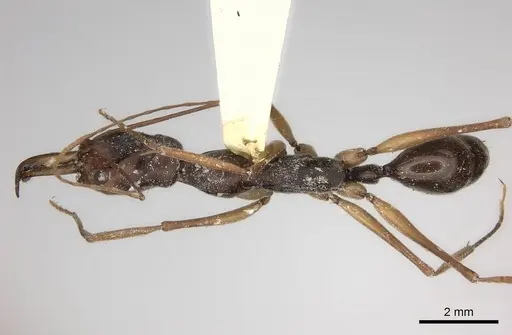
CASENT0270627
View on AntWeb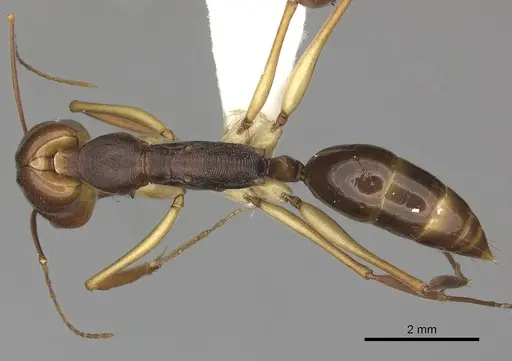
Literature
Loading...Loading products...