

Odontomachus infandus
- Scientific Name
- Odontomachus infandus
- Tribe
- Ponerini
- Subfamily
- Ponerinae
- Author
- Smith, 1858
- Distribution
- Found in 2 countries
Odontomachus infandus Overview
Odontomachus infandus is an ant species of the genus Odontomachus. It is primarily documented in 2 countries , including Hong Kong, Philippines. Detailed taxonomic data and occurrence records can be further explored via authoritative databases such as AntWeb or the Global Biodiversity Information Facility (GBIF).
Odontomachus infandus
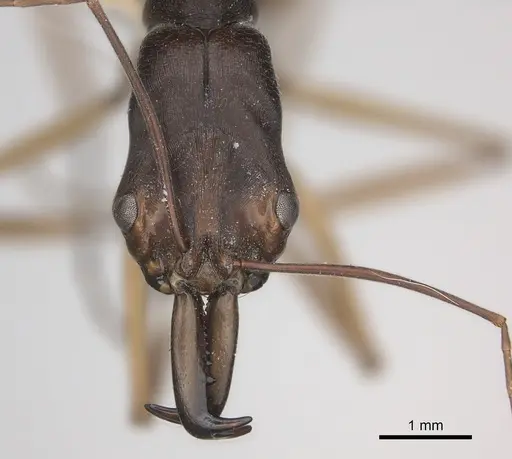
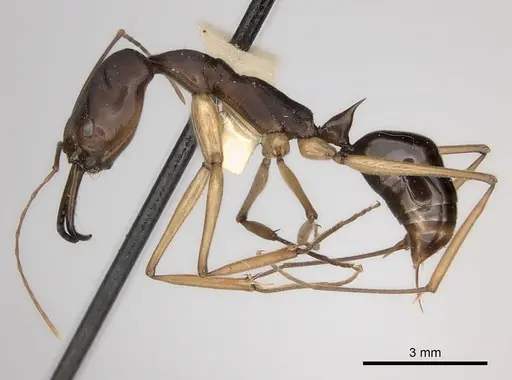
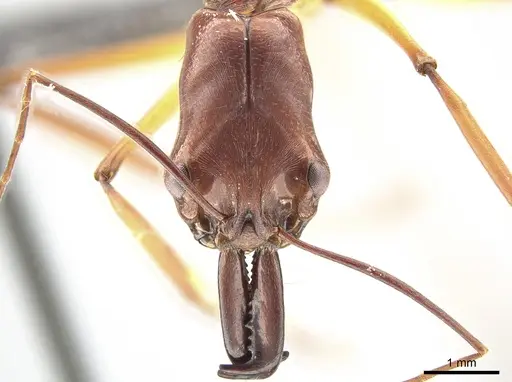
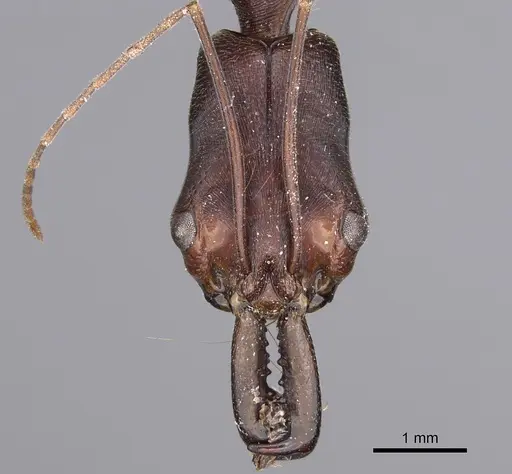
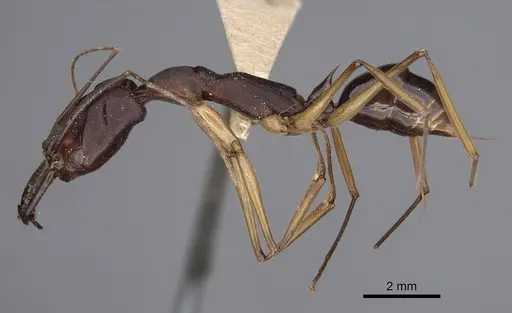
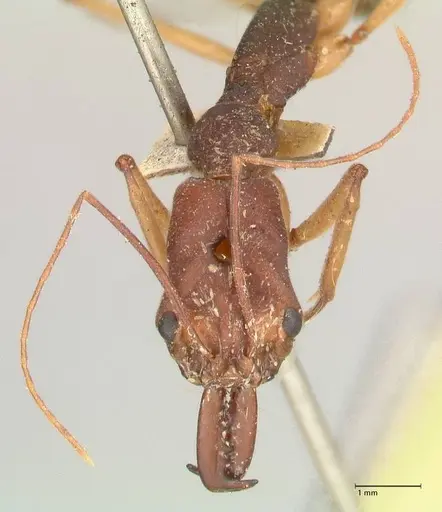
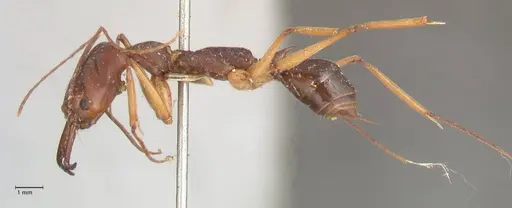
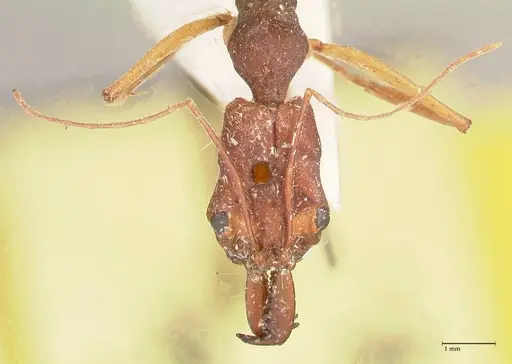
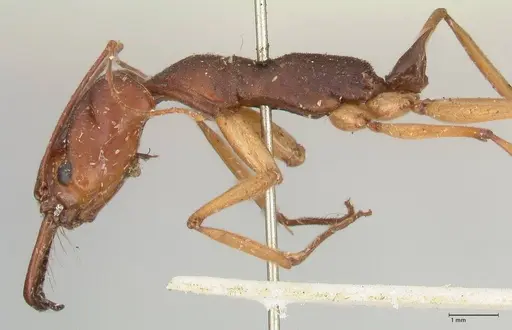
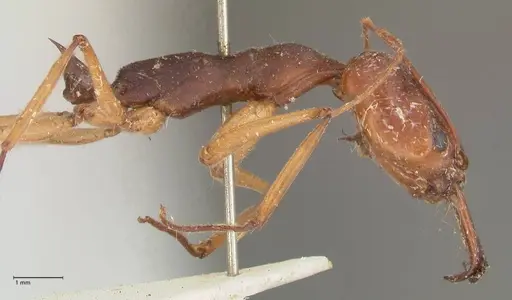
Odontomachus infandus is a large trap-jaw ant species endemic to the Philippines, found throughout Luzon and Mindoro islands. Workers measure 12-16mm in total length, making them impressive predators with their iconic snap-jaw mandibles. They have a distinctive dark coloration with a lighter head, and can be identified by the striated (grooved) pattern covering the head and pronotum. This species inhabits a wide range of forest habitats from lowland dipterocarp forests to secondary pine forests at high elevations, always in shaded, humid locations. They are predatory ants that use their powerful mandibles to capture prey, and like other trap-jaw ants, they can deliver a painful sting if handled roughly [1][2].
Quick Summary
- Difficulty: Medium
- Origin & Habitat: Endemic to the Philippines, found throughout Luzon and Mindoro islands in shaded, humid forest habitats from lowland dipterocarp forests to secondary pine forests at high elevations [1].
- Colony Type: Likely single-queen colonies based on typical genus patterns. Founding behavior is unconfirmed but likely claustral (queen seals herself in and lives off stored fat reserves).
- Colony: Monogyne
- Founding: Claustral
- Size & Growth:
- Queen: 15.50-16.13mm total length [1]
- Worker: 12.00-16.57mm total length [1]
- Colony: Unknown, likely moderate colonies typical of the genus
- Growth: Moderate, inferred from tropical habitat and typical genus development
- Development: 6-10 weeks estimated based on related tropical Odontomachus species (Development is likely faster than temperate species due to tropical origin. First workers (nanitics) will be smaller than mature workers.)
- Antkeeping:
- Temperature: Keep at 24-28°C, these are tropical ants from the Philippines that need warmth. A heating cable on one side of the nest creates a gradient allowing workers to regulate their temperature [1].
- Humidity: High humidity is essential, they naturally live in damp, shaded forest habitats. Keep the nest substrate consistently moist but not waterlogged. Provide a water tube for drinking access [1].
- Diapause: No, as a tropical species from the Philippines, they do not require hibernation. Maintain warm conditions year-round.
- Nesting: In captivity, they do well in Y-tong (AAC) nests or plaster nests that retain moisture. Provide a outworld connected to the nest for foraging. The nest chambers should be appropriately sized for their 12-16mm workers.
- Behavior: Trap-jaw ants are active predators. Workers will hunt insects and other small prey using their powerful snap-jaw mandibles. They are not aggressive toward humans but will defend themselves if threatened, their sting is painful and the venom has an LD50 of 33 mg/kg [2]. They are moderate escape artists due to their size, ensure your setup has secure barriers. Workers are primarily ground-dwelling and will forage in the outworld for prey.
- Common Issues: high humidity requirements mean mold can develop if ventilation is poor, balance airflow carefully, their powerful mandibles can snap through standard cotton plugs, use fluon barriers or secure test tube setups, predatory diet means they need regular live prey, they won't survive on sugar water alone, tropical species are sensitive to temperature drops below 22°C, keep them consistently warm, wild-caught colonies may have parasites that cause issues in captivity
Housing and Nest Setup
Odontomachus infandus is a large trap-jaw ant that needs appropriate housing. A Y-tong (AAC) formicarium or plaster nest works well, these materials hold moisture which is critical for this humidity-dependent species. The nest chambers should be sized for their 12-16mm workers, with passages wide enough for easy movement but not so large that workers feel exposed. Connect the nest to a foraging area (outworld) where you can offer prey. Use a water test tube with a cotton plug for drinking water. Escape prevention should include fluon barriers on the rim of the outworld, these ants are strong and can climb smooth surfaces. A layer of talcum powder on container rims adds extra security. [1]
Feeding and Diet
As predatory trap-jaw ants, O. infandus needs a protein-rich diet of live insects. Offer small prey like fruit flies, small crickets, mealworms, or other small insects appropriate to the colony size. They will hunt and capture prey using their powerful snap-jaw mandibles. You can also occasionally offer small pieces of raw meat or protein jelly, but live prey should be the primary food source. Sugar water or honey can be offered occasionally for energy, but unlike some ants, these predators do not rely heavily on honeydew or sugar sources. Feed every 2-3 days, adjusting based on colony size and consumption. Remove uneaten prey after 24 hours to prevent mold. [1]
Temperature and Humidity
These are tropical ants from the Philippines, so they need warm, humid conditions. Maintain temperatures between 24-28°C in the nest area. A heating cable placed on one side of the nest creates a temperature gradient so workers can regulate their body temperature by moving between warmer and cooler areas. High humidity is essential, aim for 70-85% relative humidity. Keep the nest substrate consistently moist but not flooded. The natural habitat is shaded forest floors with high humidity, so avoid dry conditions. A water tube in the outworld provides drinking access. Never let temperatures drop below 22°C for extended periods. [1]
Behavior and Defense
Odontomachus infandus workers are active hunters that use their trap-jaw mandibles to capture prey. When threatened, they can deliver a painful sting, the venom has been measured with an LD50 of 33 mg/kg [2]. While not typically aggressive toward keepers, they will defend if provoked. Their sting is considered painful but not dangerous to healthy humans. Workers are ground-dwelling and will forage in the outworld for prey items. They are not supercolonial and do not form massive colonies, expect moderate-sized colonies of several hundred workers at maturity. The queens are large (15-16mm) and can be impressive when established.
Colony Development
A newly mated queen will likely seal herself in a claustral chamber and raise her first brood alone, living off stored fat reserves until the first workers emerge. This founding period typically takes 6-10 weeks in tropical species like this one. The first workers (nanitics) will be smaller than mature workers but will immediately begin foraging for prey to feed the colony. Growth rate is moderate, the colony will expand over several months to a year. Unlike some ants, these do not require a winter rest period. Maintain consistent warm temperatures year-round to support continuous brood development. Colonies likely reach several hundred workers at maturity. [1]
Frequently Asked Questions
How long does it take for first workers to emerge in Odontomachus infandus?
Based on typical tropical Odontomachus development, expect first workers (nanitics) in approximately 6-10 weeks after the queen lays eggs. This timeline assumes warm temperatures around 24-28°C. The queen seals herself in during founding and raises the first brood alone.
What do I feed Odontomachus infandus?
They are predatory ants that need live insects as their primary food. Offer small prey like fruit flies, small crickets, or mealworms. They use their powerful snap-jaw mandibles to capture prey. You can occasionally offer sugar water or honey for variety, but protein from insects is essential.
What temperature do they need?
Keep them at 24-28°C, these are tropical Philippine ants that need warmth. A heating cable on one side of the nest creates a gradient. Never let temperatures drop below 22°C for extended periods.
Are they good for beginners?
This is a medium-difficulty species. They require high humidity and warm temperatures, and need a steady supply of live prey. Their sting is painful, so they are not ideal if you want to handle ants frequently. If you have experience with predatory ants and can maintain humidity, they can be rewarding.
How big do colonies get?
Colony size is not directly documented, but based on typical genus patterns, expect moderate colonies of several hundred workers at maturity. They are not supercolonial species.
Do they need hibernation?
No, as a tropical species from the Philippines, they do not require hibernation. Maintain warm, humid conditions year-round to support continuous colony growth.
Can I keep multiple queens together?
This is not recommended. Like most Odontomachus species, they likely form single-queen colonies. Combining unrelated foundress queens has not been documented and would likely result in fighting.
What size formicarium do they need?
Use a nest with appropriately sized chambers for their 12-16mm workers. Y-tong (AAC) or plaster nests work well because they hold moisture. The chambers should be spacious enough for the colony but not excessively large, these ants prefer snugger spaces.
Why are my ants dying?
Common causes include: temperatures below 22°C (tropical species are cold-sensitive), low humidity (they need damp conditions), lack of live prey (they are predators), or mold from poor ventilation. Check all three environmental factors first. Wild-caught colonies may also carry parasites.
References

This caresheet is licensed under CC BY-SA 4.0 .
ANTWEB1060139
View on AntWeb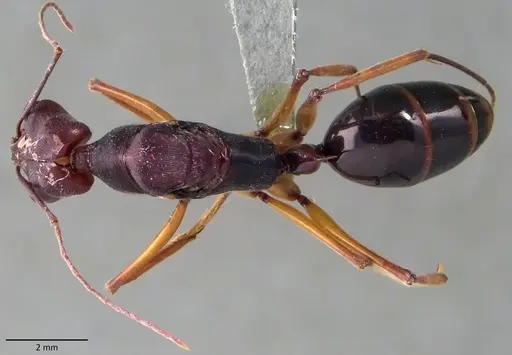
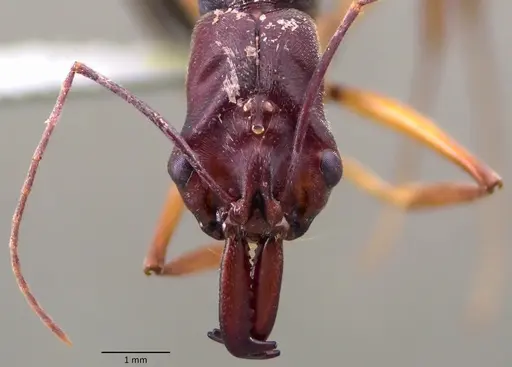
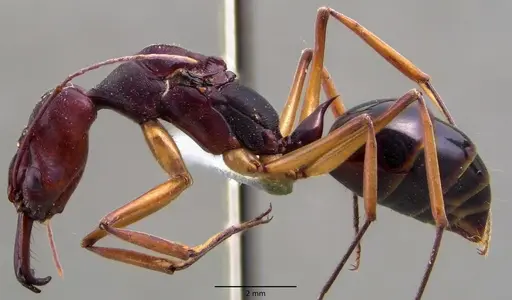
CASENT0217540
View on AntWeb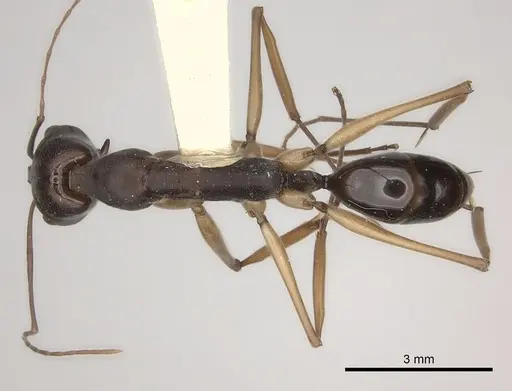
CASENT0650353
View on AntWeb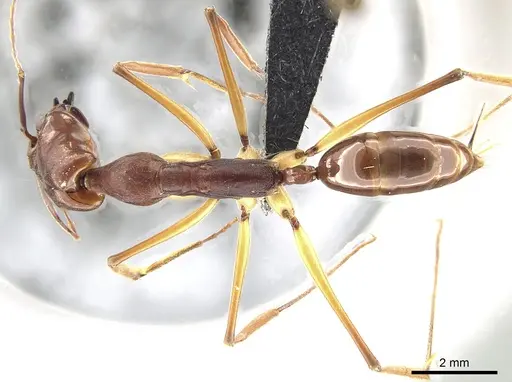
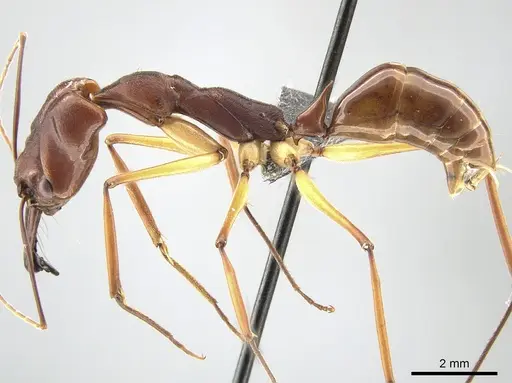
CASENT0900652
View on AntWeb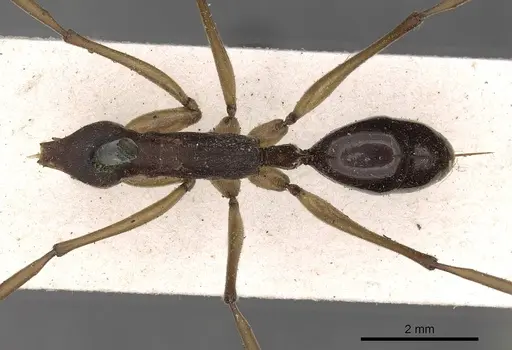
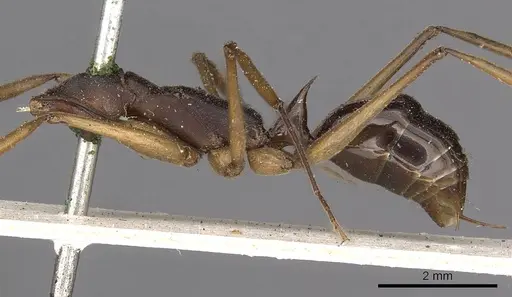
CASENT0923414
View on AntWeb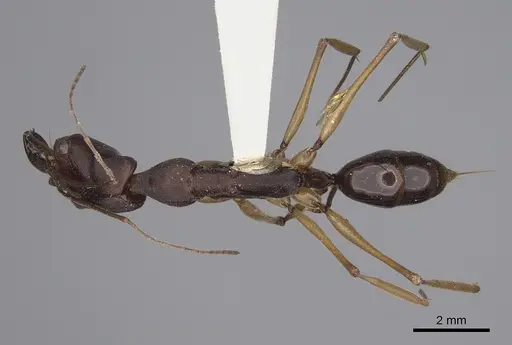
FOCOL1062
View on AntWeb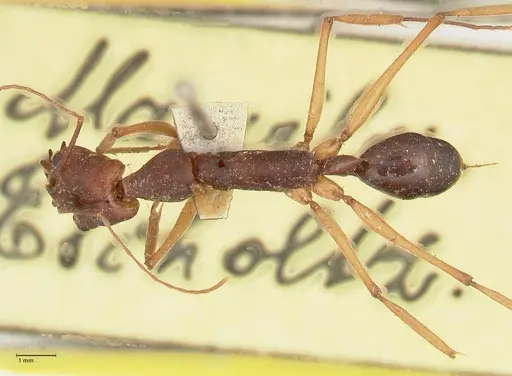
FOCOL1063
View on AntWeb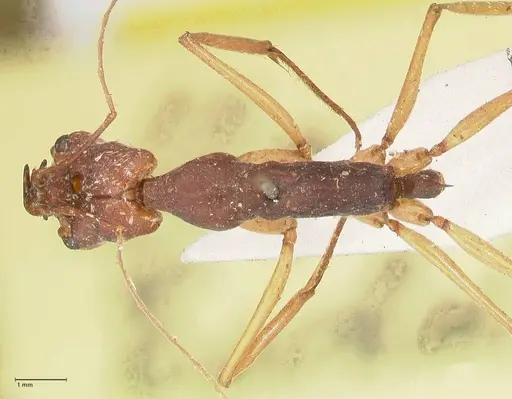
Literature
Loading...Loading products...