

Odontomachus procerus
- Scientific Name
- Odontomachus procerus
- Tribe
- Ponerini
- Subfamily
- Ponerinae
- Author
- Emery, 1893
- Distribution
- Found in 1 countries
Odontomachus procerus Overview
Odontomachus procerus is an ant species of the genus Odontomachus. It is primarily documented in 1 countries , including Indonesia. Detailed taxonomic data and occurrence records can be further explored via authoritative databases such as AntWeb or the Global Biodiversity Information Facility (GBIF).
Odontomachus procerus
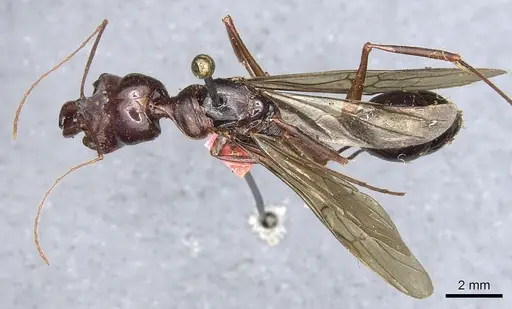
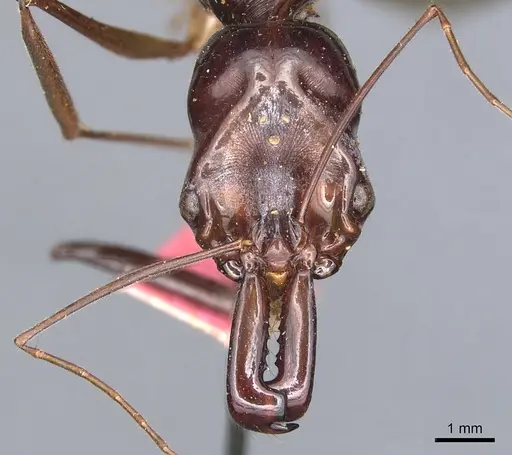
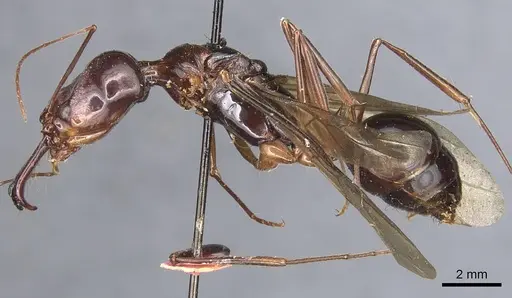
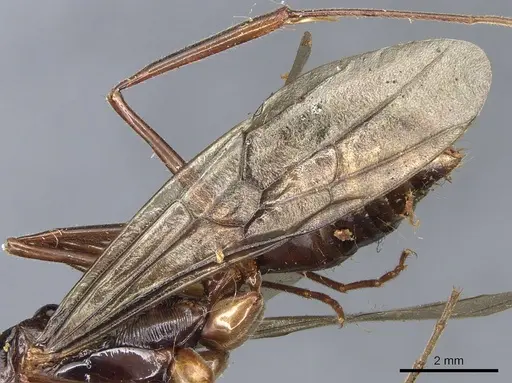
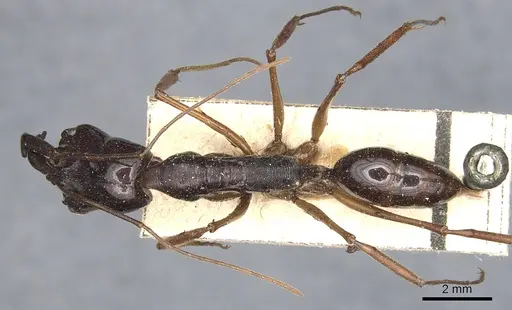
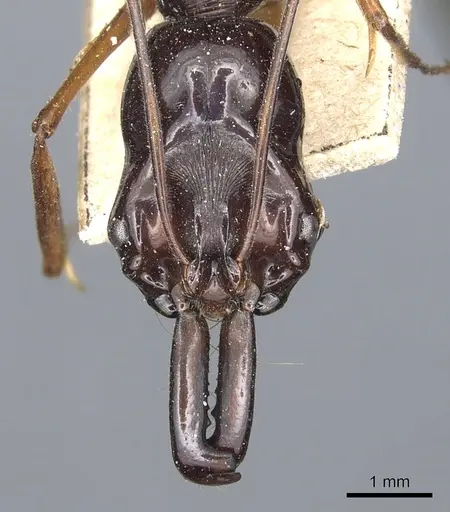
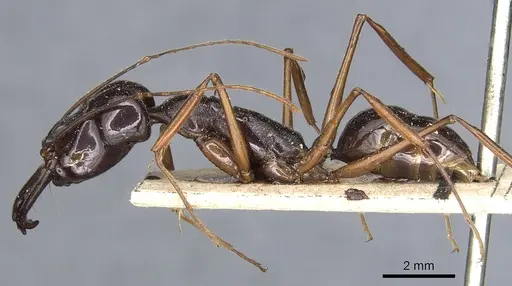
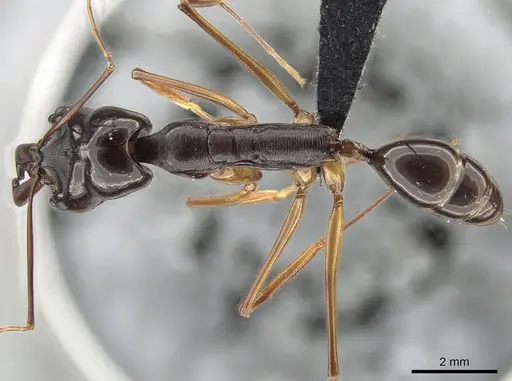
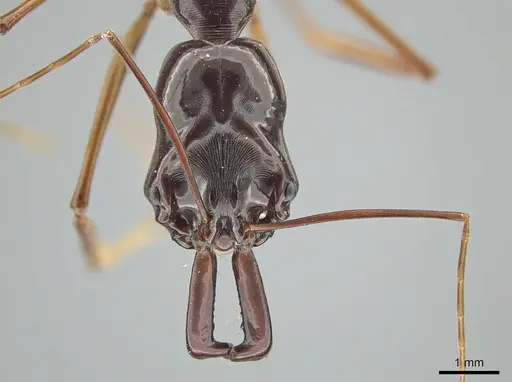
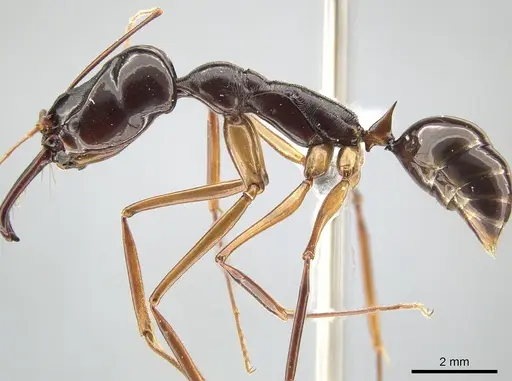
Odontomachus procerus is a relatively large trap-jaw ant species native to the highlands of Sumatra and Malaysia. Workers measure 3.55-4.40 mm in head length with a dark brown to reddish brown body and yellowish brown legs. Their most distinctive feature is their powerful mandibles, which can snap shut with incredible speed to capture prey, this is where the 'trap-jaw' name comes from. Queens are even larger at 4.40 mm head length. This species was previously classified as a subspecies of Odontomachus latidens before being elevated to full species status in 2015 [1]. They inhabit secondary and primary forests at elevations between 800-1300 meters, nesting in soil near the base of living trees [1].
Quick Summary
- Difficulty: Medium
- Origin & Habitat: Highland forests of Indonesia (Sumatra) and Malaysia (Malay Peninsula, Sabah, and Sarawak) at elevations of 800-1300 meters. Nests in soil near the base of living trees [1].
- Colony Type: Likely monogyne (single queen) based on typical genus patterns. Colony size is unconfirmed but related species typically reach several hundred workers.
- Colony: Monogyne
- Founding: Claustral
- Size & Growth:
- Queen: 4.40 mm head length [1]
- Worker: 3.55-4.40 mm head length [1]
- Colony: Unconfirmed, likely several hundred workers based on related species
- Growth: Moderate, estimated 6-10 weeks from egg to first worker based on typical Ponerinae development
- Development: 6-10 weeks (estimated based on genus patterns) (Development time is estimated from related Ponerinae species, specific data for O. procerus is not available)
- Antkeeping:
- Temperature: Keep at 24-28°C. These are highland forest ants that prefer warm, stable conditions. A heating cable on one side of the nest creates a temperature gradient allowing workers to self-regulate.
- Humidity: Keep substrate consistently moist but not waterlogged. These forest-floor ants need damp conditions, aim for substrate that feels damp to the touch with some slightly drier areas for escape.
- Diapause: Unconfirmed, highland species may have reduced activity during cooler months but true hibernation requirements are unknown
- Nesting: Naturalistic setup with soil or a Y-tong/plaster nest works well. They nest in soil in the wild, so provide a substrate deep enough for them to dig chambers. Keep the nest area dark or covered, these are not bright-light tolerant.
- Behavior: Trap-jaw ants are active predators with powerful mandibles used to snap shut on prey. Workers are alert and will investigate disturbances. They are not aggressive toward humans but can deliver a painful sting if handled roughly. Their small size (under 5mm) means escape prevention is important, use fine mesh and tight-fitting lids. They are primarily nocturnal or crepuscular foragers.
- Common Issues: escape prevention is critical due to their small size, they can squeeze through standard gaps, wild-caught colonies may carry parasites that can decimate the colony in captivity, overheating is a common mistake, keep temperatures stable and avoid direct heat sources, colonies can stall if humidity drops too low, monitor substrate moisture regularly, slow growth compared to many common ants may cause keepers to overfeed or disturb the nest too often
Housing and Nest Setup
Odontomachus procerus can be kept in test tubes for founding colonies, but will eventually need more space as the colony grows. A naturalistic setup with a soil chamber works well since they naturally nest in soil near tree bases. Y-tong (acrylic) nests or plaster nests are also suitable options. The key is providing a dark, humid chamber that stays moist. Because they are small, ensure all connections and barriers are tight, these ants will find and exploit any gap. A small outworld for foraging allows you to observe their hunting behavior. [1]
Feeding and Diet
These are predatory ants that hunt small invertebrates. In captivity, they readily accept small live prey like fruit flies, pinhead crickets, and small mealworms. Offer protein sources 2-3 times per week. They will also accept sugar water or honey as an energy source, though protein is essential for brood development. Remove uneaten prey after 24 hours to prevent mold. Unlike some ants that primarily scavenge, Odontomachus actively hunt, seeing workers snap their mandibles at prey is part of their appeal.
Temperature and Heating
Keep your colony at 24-28°C for optimal development. These highland forest ants prefer warmth but not extreme heat. A heating cable placed on one side of the nest creates a gradient that workers can use to self-regulate. Place the heating on top of the nest, not underneath, to avoid drying out the substrate too quickly. Room temperature in most homes may be slightly too cool, consider supplemental heating if your space runs below 24°C. Avoid temperature swings and direct sunlight on the nest. [1]
Trap-Jaw Behavior and Handling
The defining feature of Odontomachus ants is their trap-jaw mandibles. When triggered, these snap shut at incredible speeds, among the fastest animal movements known. They use these for hunting prey and for defense. While fascinating to watch, avoid provoking them. If threatened, they may sting, which is painful though not dangerous for healthy humans. Handle minimally and never grab ants with your fingers. If you need to move them, use gentle coaxing or paper bridges. [1]
Colony Development
A newly mated queen will seal herself in a chamber (claustral founding) and lay eggs without leaving to forage. She lives on her stored fat reserves until the first workers emerge. These first workers, called nanitics, are typically smaller than mature workers. After that, the colony grows steadily. Expect moderate growth, these are not fast-growing like some Formica or Lasius species. Patience is key. A healthy colony will eventually reach several hundred workers over 1-2 years.
Frequently Asked Questions
How long does it take for Odontomachus procerus to produce first workers?
Expect 6-10 weeks from egg to first worker under optimal conditions (24-28°C). This is an estimate based on related Ponerinae species, specific development data for O. procerus is not available.
What do I feed Odontomachus procerus?
Feed them small live prey like fruit flies, pinhead crickets, or small mealworms 2-3 times per week. They are active predators. They will also accept sugar water or honey for energy.
Can I keep Odontomachus procerus in a test tube?
Yes, test tubes work well for founding colonies. However, you will need to move them to a larger setup (naturalistic or formicarium) as the colony grows to several dozen workers.
What temperature do they need?
Keep them at 24-28°C. A heating cable on one side of the nest creates a gradient. Avoid temperatures above 30°C or below 20°C for extended periods.
Are trap-jaw ants good for beginners?
They are intermediate-level ants. While rewarding to keep, their small size requires good escape prevention, and their specific humidity needs take some attention. Not the best first ant, but manageable after some experience.
How big do colonies get?
Colony size is unconfirmed for this species, but based on related Odontomachus species, expect several hundred workers at maturity over 1-2 years.
Do they need hibernation?
Diapause requirements are unconfirmed. As highland forest ants from a tropical region, they likely do not require true hibernation, but may reduce activity during cooler months.
Why are my ants escaping?
Their small size means they can squeeze through tiny gaps. Use fine mesh (0.5mm or smaller), ensure all lids fit tightly, and check all connections between nest and outworld.
When should I move them to a formicarium?
Move them when the test tube becomes crowded (50+ workers) or when the water reservoir runs low. A naturalistic setup with soil works well since they naturally nest in soil.
References

This caresheet is licensed under CC BY-SA 4.0 .
Literature
Loading...Loading products...